

Russia is building a Starlink rival. Belarus is helping. Will space-age internet follow?
Russia wants to launch more than 900 satellites into space and build its own orbital communications network. Belarus has also...
Russia wants to launch more than 900 satellites into space and build its own orbital communications network. Belarus has also...
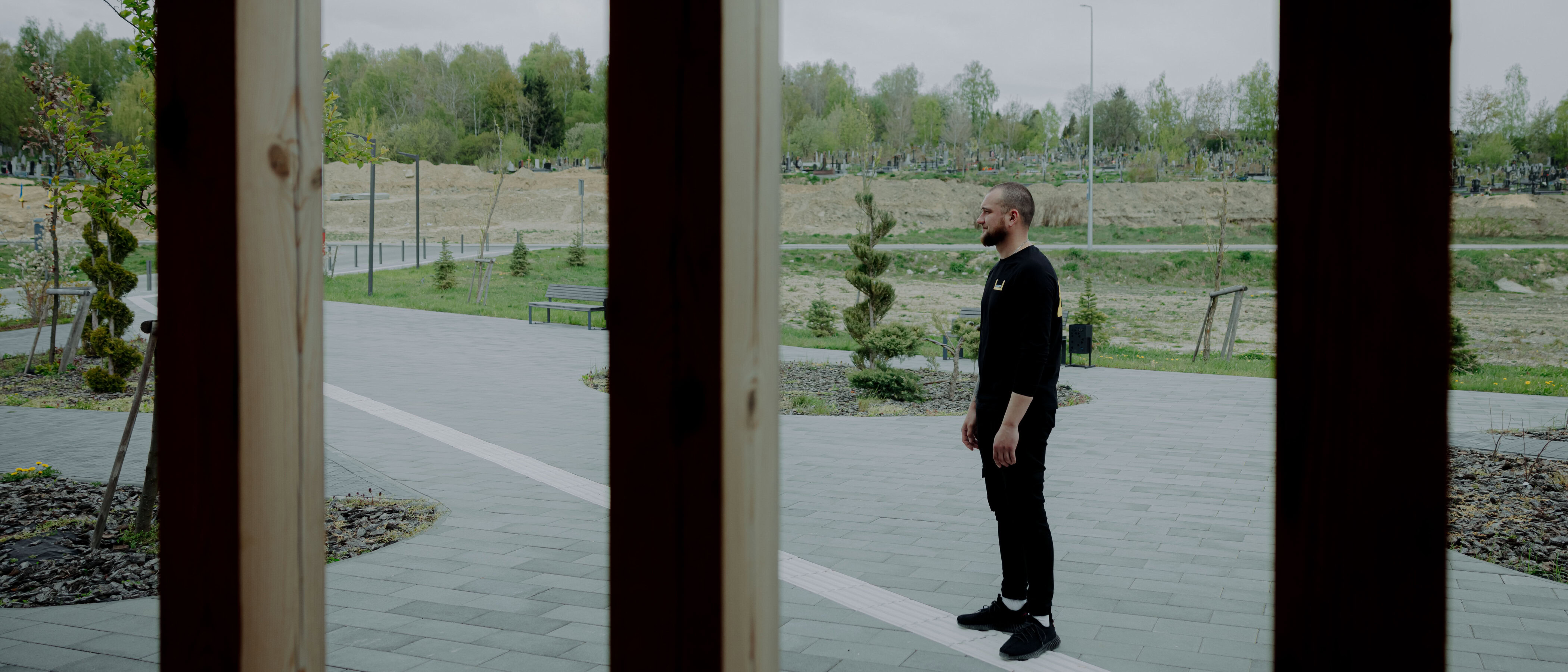
Vladyslav grew up knowing exactly who the enemy was. When the full-scale invasion started, his father left for the front,...
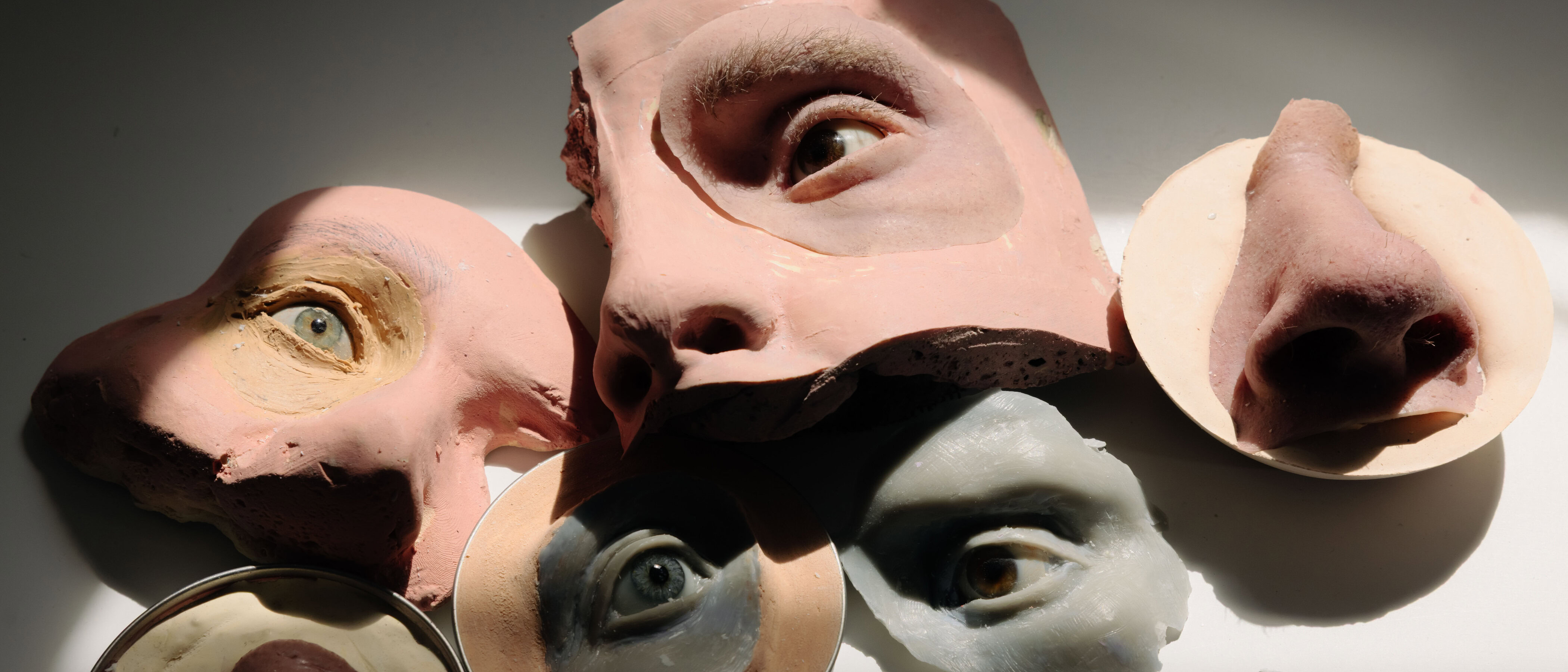
A former international beauty championship judge, beauty salon owner in Kryvyi Rih, and dental technician, she now hand-crafts exoprostheses, adapting...
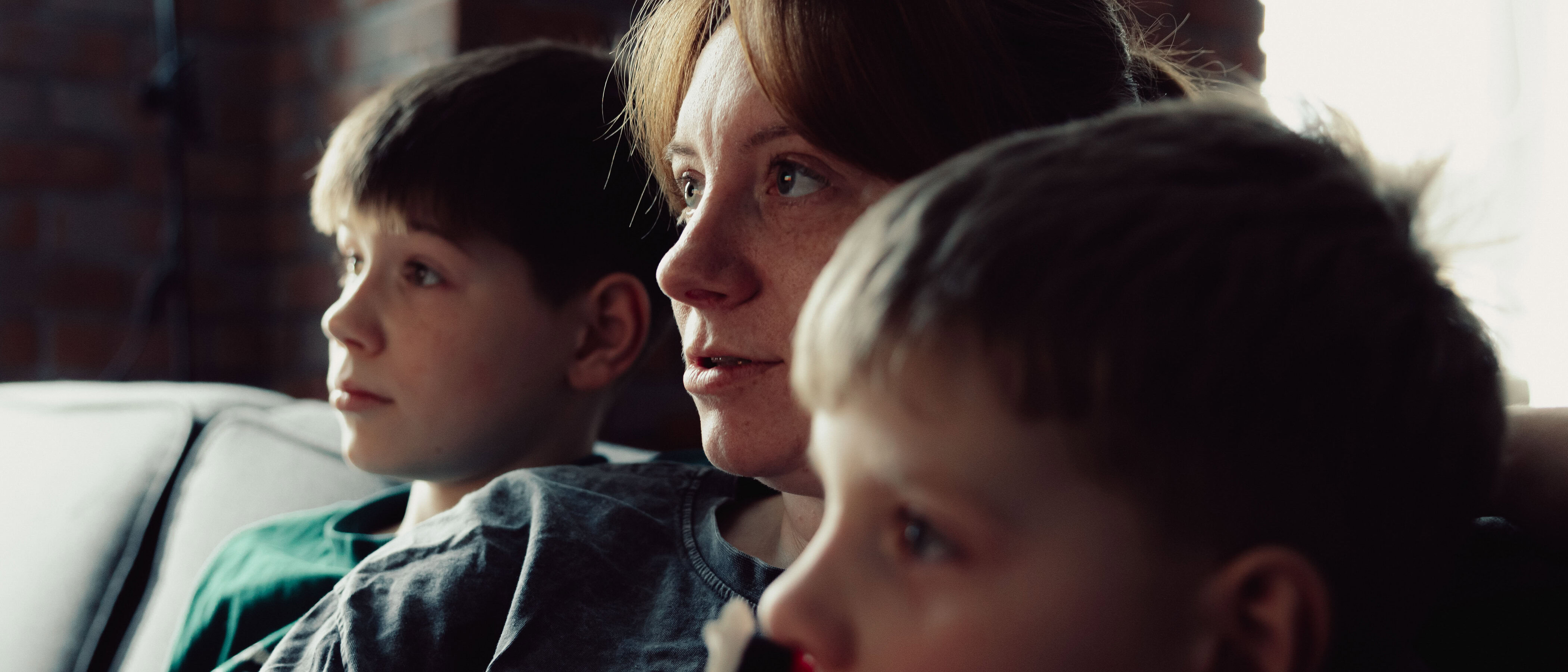
Veteran Olha Benda’s story is living proof of what a life with a prosthesis can be. Currently she is the first captain of Ukraine's Women's Amputee Football National Team, and also a sports administrator and a mother to two boys. Yet she notes that her biggest worry right now isn't the daily reality of her amputation, but rather a growing sense that veterans are being divided based on when they went to war. Frontliner reporters explore her story in detail.
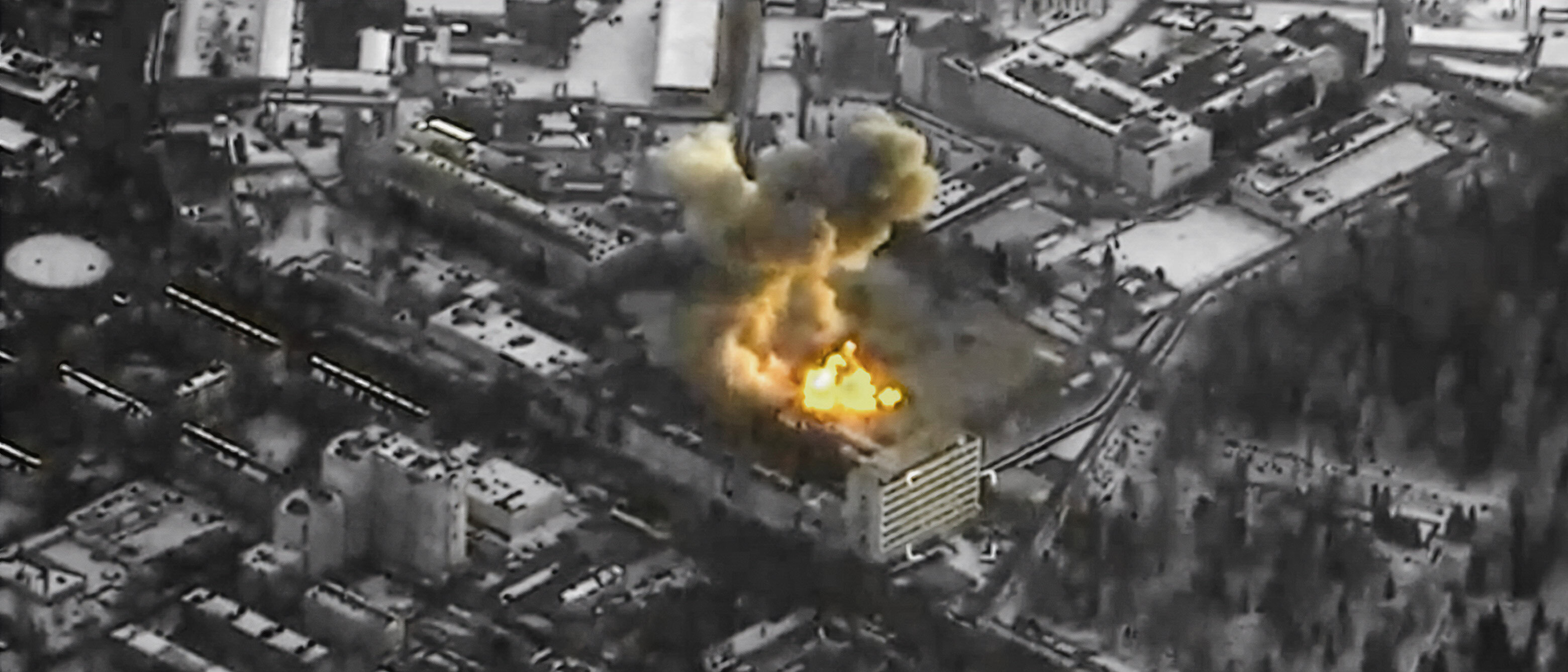
Russia is concealing the true scale of the damage to the Kremniy EL plant in Bryansk. The facility produces components for missiles used to strike Ukraine, including the Izdeliye-30, which on March 7, 2026, killed 11 people and wounded 16 in Kharkiv.
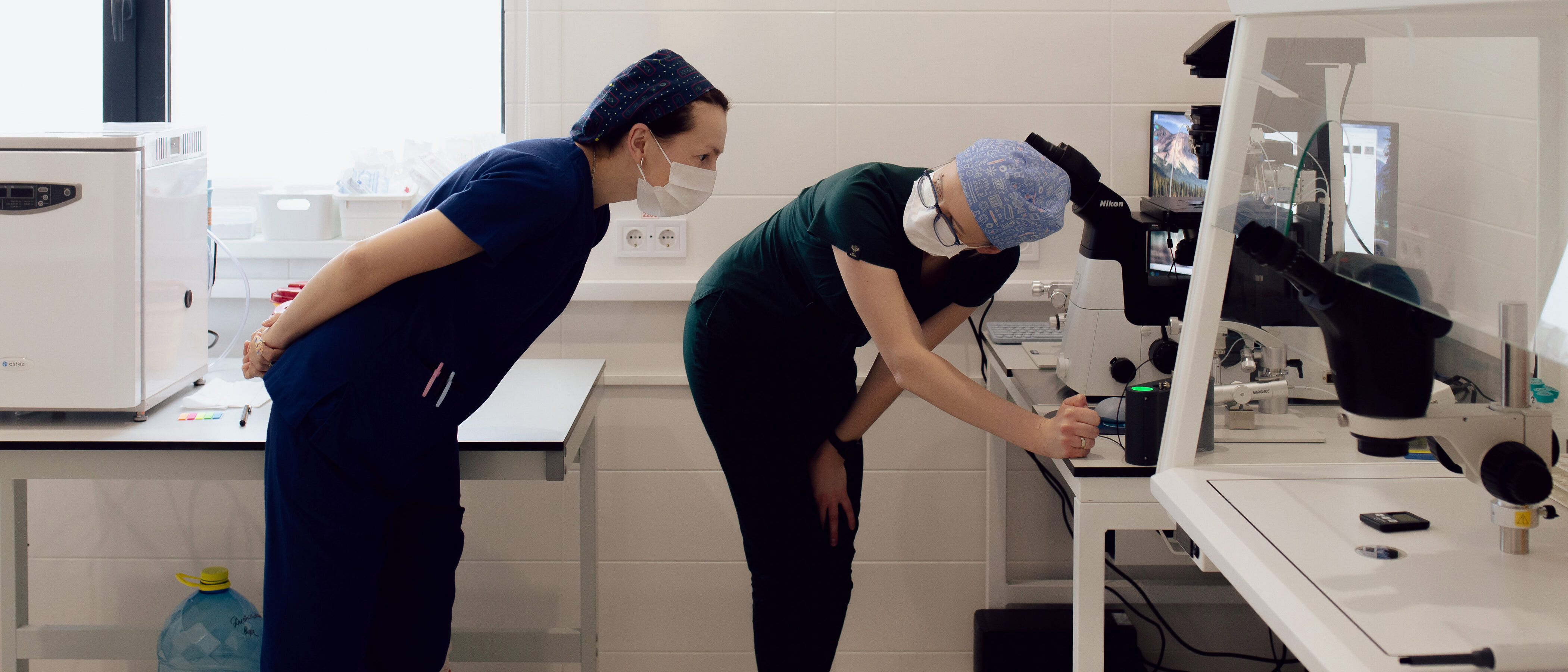
Since 2022, a growing number of women, particularly those serving in the military, have been turning to egg cryopreservation, says reproductive medicine clinic director Liubov Mykhailyshyn.

Two veterans met for an informal yet professional meeting with a single goal but different roles — one is trying to find his place in civilian life, while the other helps because he has been down that road himself.

For decades since the Chornobyl accident, Halyna Voloshyna has been trying to prove that Chornobyl is not just an Exclusion Zone, but her home. She shared her story of life in isolation, and a city that never fully recovered, with Frontliner reporters.
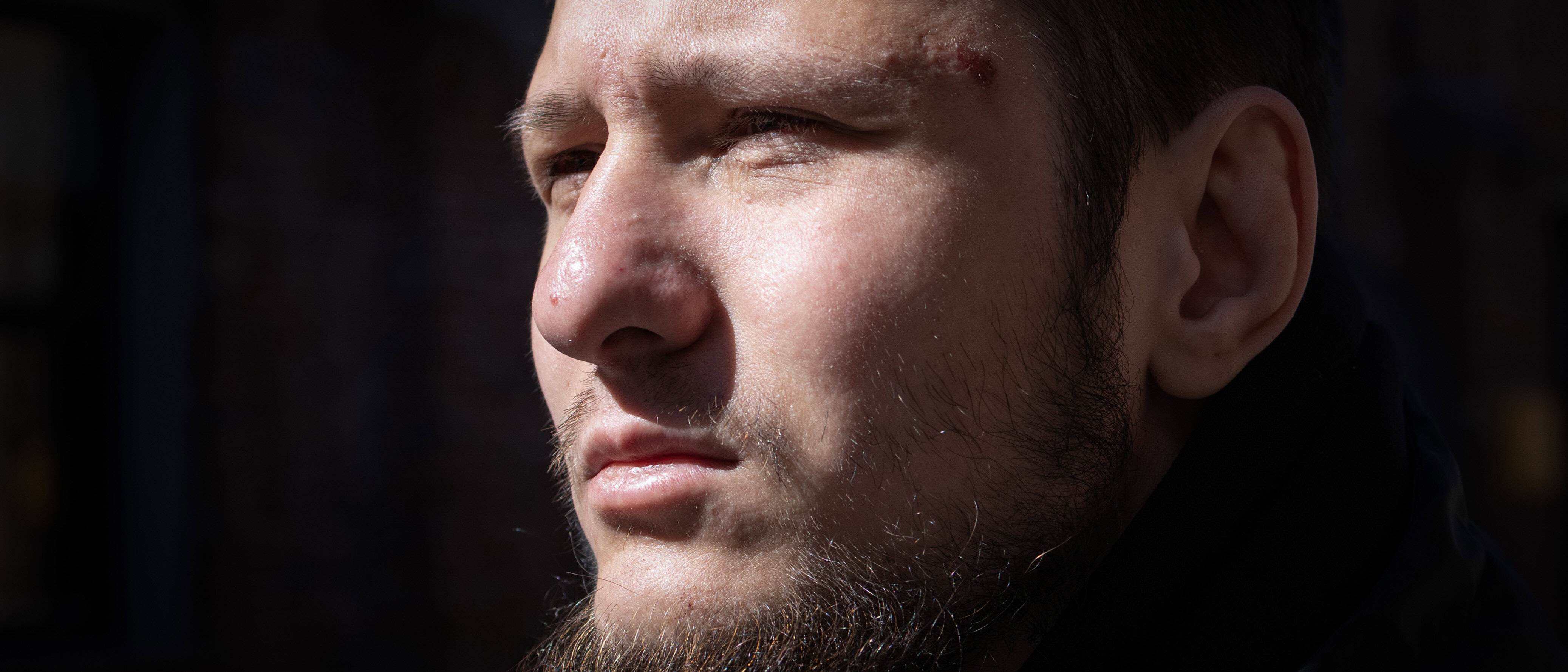
Vladyslav was released from Russian captivity, but his twin brother Stanislav remains held. Frontliner tells the story of 26-year-old marine Vladyslav Chuhuienko, who spent 1,227 days in captivity and is now learning to live in a world that has changed while he was imprisoned.
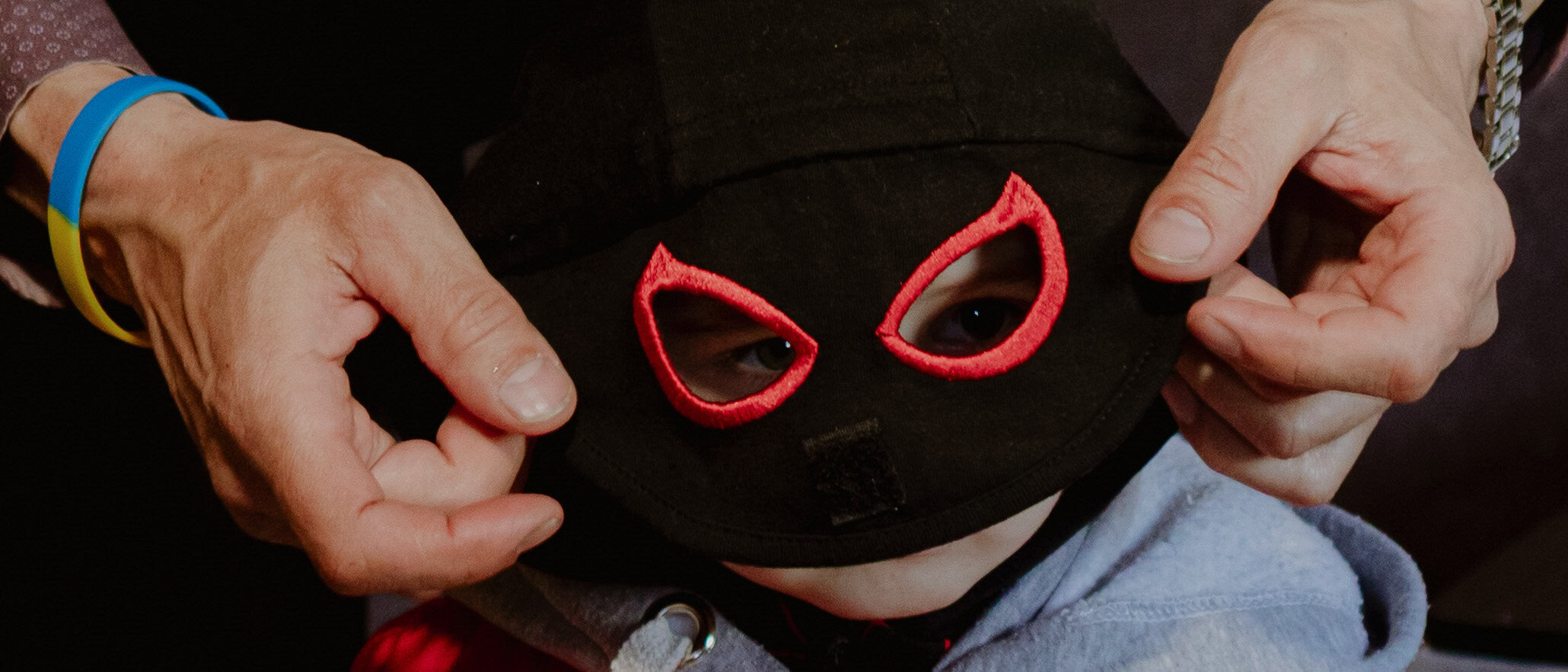
Families from the left bank of the Kherson region managed to flee to territory controlled by Ukraine after spending four years under Russian occupation. Their stories are presented by Frontliner reporters.
Inna left Donetsk as soon as she turned 20. She grew up under occupation, but despite years of living under Russian propaganda, she chose to remain Ukrainian.

A civilian’s life is transformed after a war injury. Treatment and recovery may take months or even years. Frontliner spoke with civilians wounded by Russian shelling to understand what support they can realistically expect from the state.
