
The craft of needle and leather: A furrier brings historical attire back to life
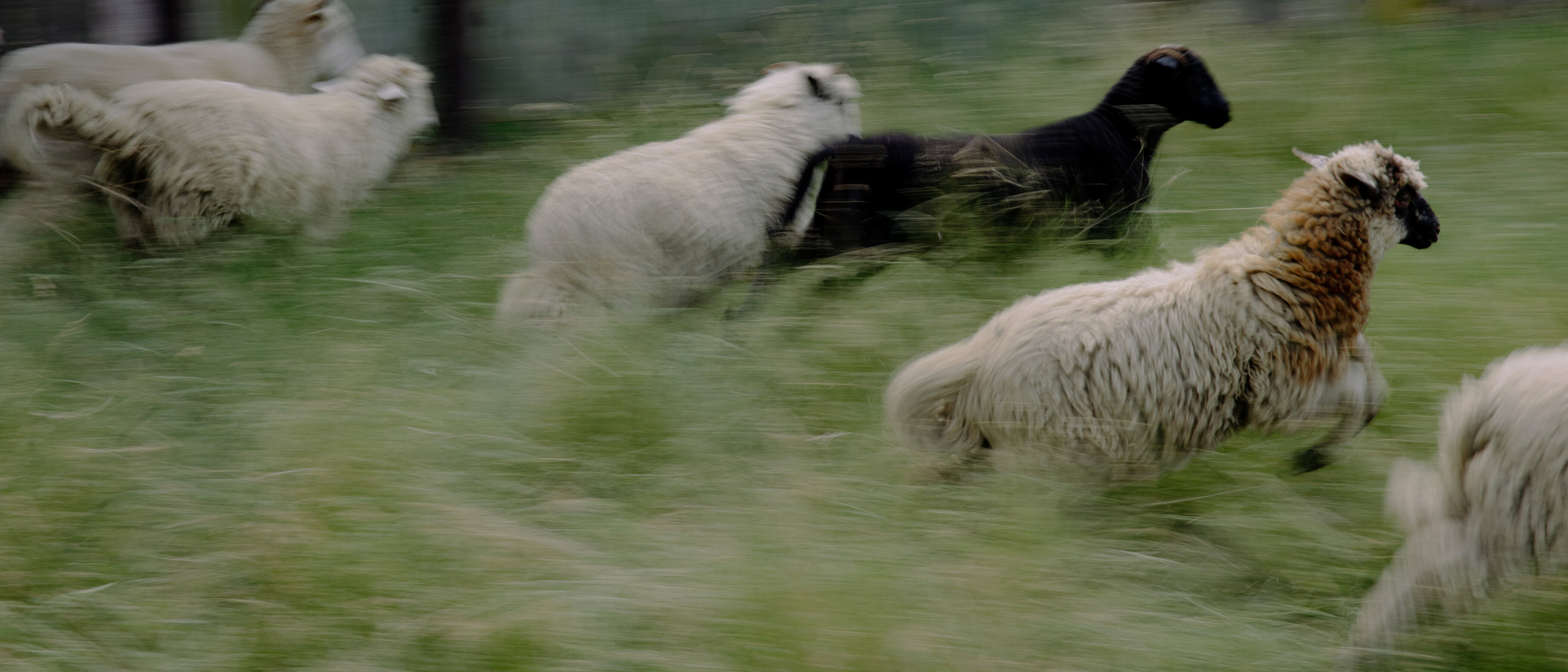
A flock of sheep grazes near the homestead of furrier Mykhailo Vintoniuk in the village of Kornych in the Ivano-Frankivsk...
A flock of sheep grazes near the homestead of furrier Mykhailo Vintoniuk in the village of Kornych in the Ivano-Frankivsk...

Three artisans spin a blowpipe, blow a bubble from molten glass, shape the piece, and then place it into the...
A Frontliner documentary series about the hands reviving Ukrainian crafts and weaving cultural memory back into daily life.
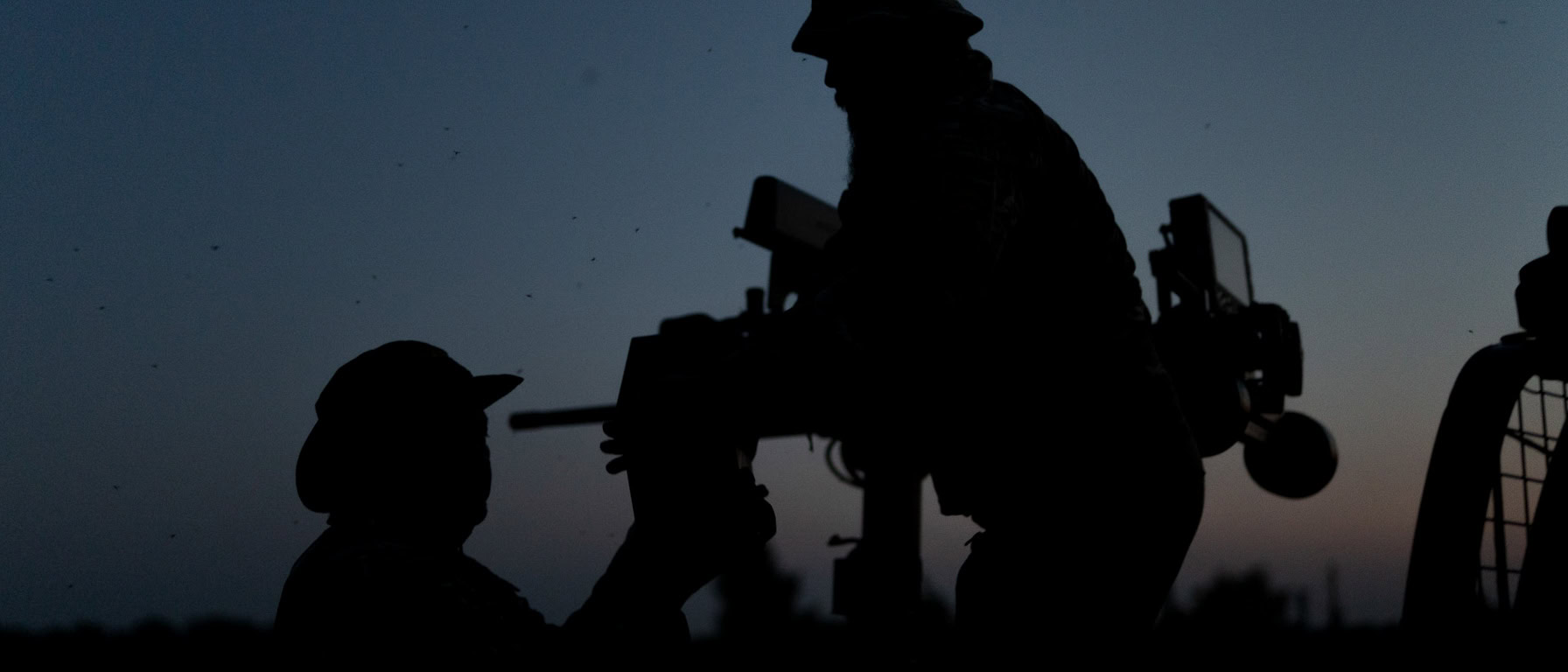
For more than four years, director Oleh Tokar has split his life between two realities: his work at the theater and nighttime hunts for Russian drones. Frontliner journalists joined the volunteers on duty to see how they defend Kyiv's airspace.
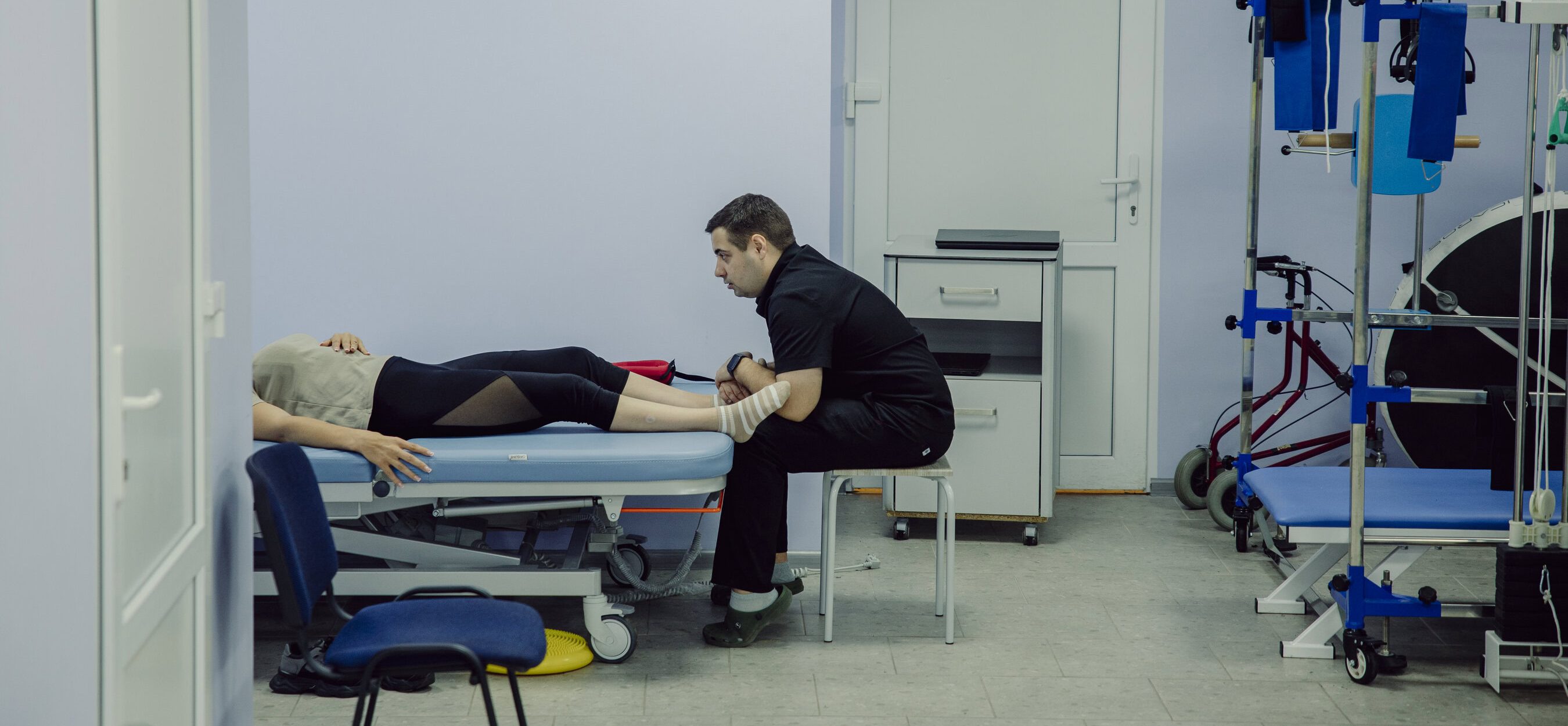
The Prostir Turboty (Care Space) officially began operating at the Odesa Regional Clinical Hospital. Frontliner reporters went to see how the new space works.

With one swift stroke of a sharp tool through the colored engobe on wet clay, Rustem Skybin draws a clear line. Frontliner visited the potter's workshop to see his signature technique.

Oleksii Yukov was killed on Aug. 5, 2026, when his car struck a mine in Lyman hromada, Donetsk region. He was 40. For more than 25 years, Yukov searched for the dead, first traveling to the battlefields of past wars.

Vira Shyltsova travels to a prisoner-of-war exchange with a single hope in mind: to meet someone who might have seen her partner. Frontliner looks into what complicates the search for those missing in action.

How the enemy's approach to using AI in the war against Ukraine has changed, who Russia's invisible allies are, and whether human intelligence can keep pace with artificial intelligence: Frontliner reports in a new investigation.

During emergencies, deaf people often feel invisible. As those around them quickly exchange information, they are left observing in confusion. Explore how people with hearing impairments adapt to danger and fight for the right to be heard in Frontliner’s report.

The war tries to harden Yurii Yurchenko, but he stays soft-hearted, not for his own sake, but for his son's. Frontliner's reporters wanted to understand it too.

Russia has damaged hundreds of Ukrainian museums, churches, libraries, and historical sites. Frontliner examines this through the stories of several heritage sites that have been deliberately targeted by Russian attacks.
