
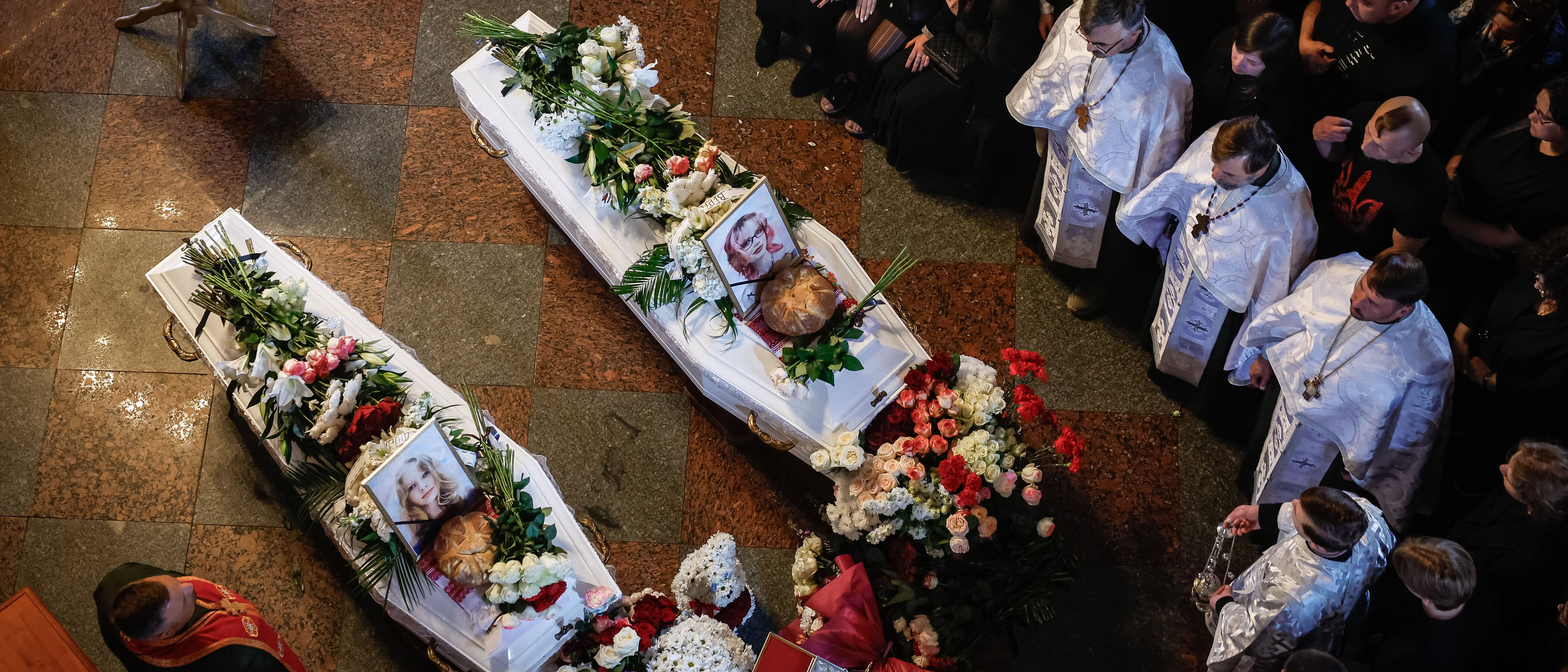
‘We shouldn’t have to bury our friends’: A family struck by war twice
What began as a rescue operation became a wait for the return of the bodies of 12-year-old Liubava and 17-year-old...
What began as a rescue operation became a wait for the return of the bodies of 12-year-old Liubava and 17-year-old...
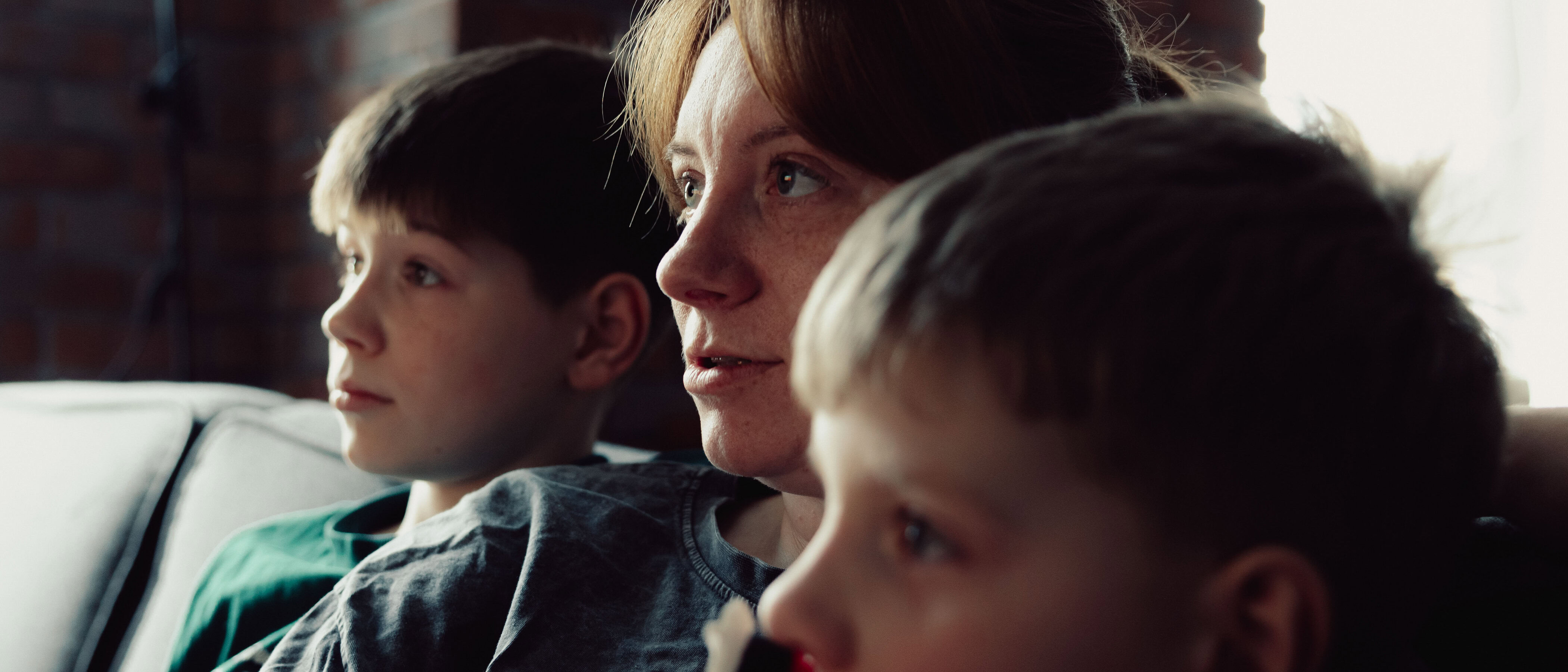
Veteran Olha Benda’s story is living proof of what a life with a prosthesis can be. Currently she is the...
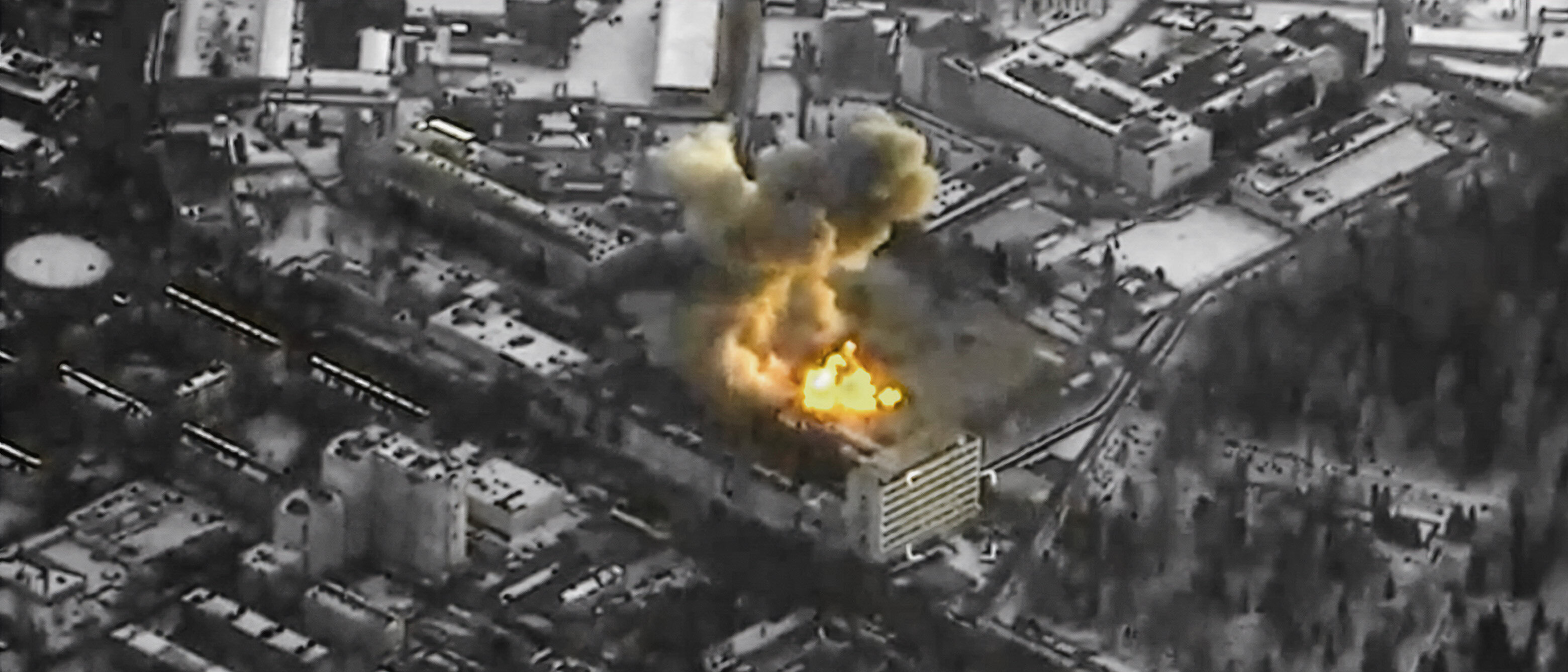
Russia is concealing the true scale of the damage to the Kremniy EL plant in Bryansk. The facility produces components...

Two veterans met for an informal yet professional meeting with a single goal but different roles — one is trying to find his place in civilian life, while the other helps because he has been down that road himself.

For decades since the Chornobyl accident, Halyna Voloshyna has been trying to prove that Chornobyl is not just an Exclusion Zone, but her home. She shared her story of life in isolation, and a city that never fully recovered, with Frontliner reporters.
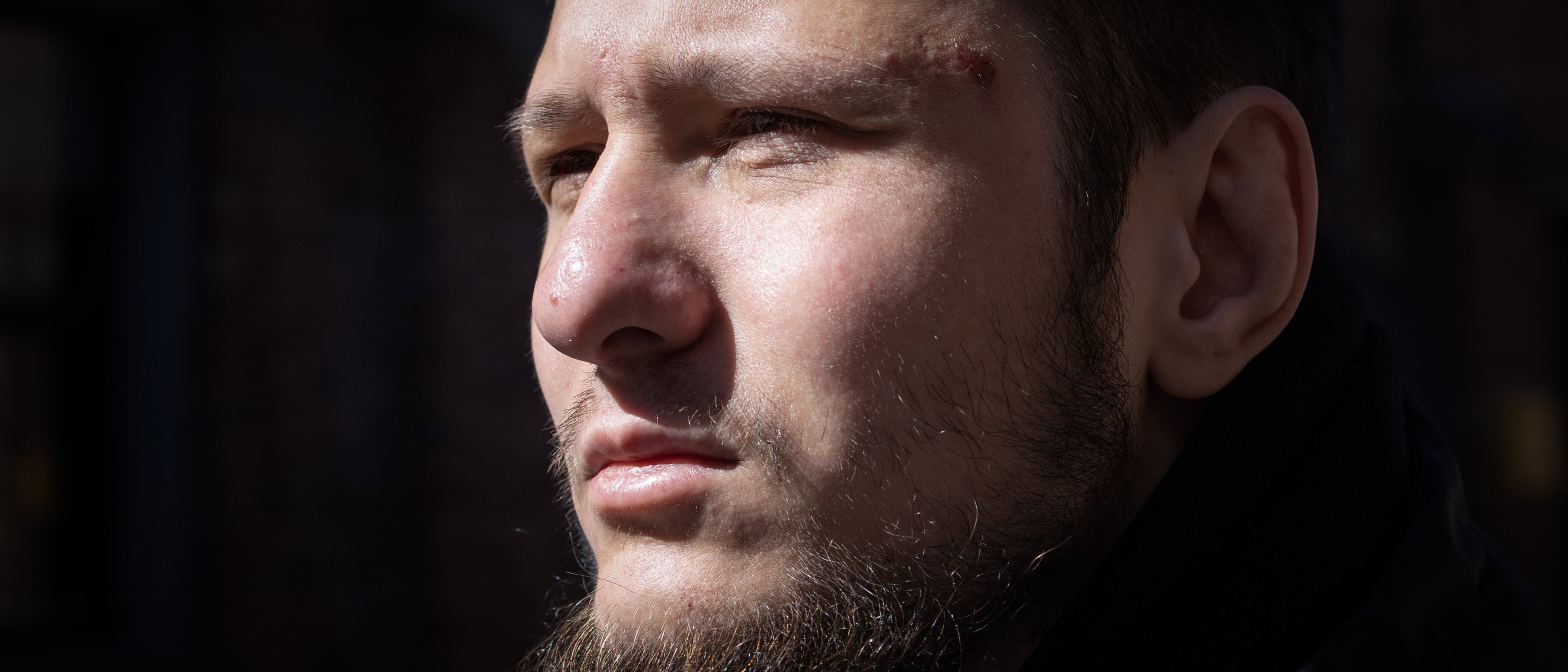
Vladyslav was released from Russian captivity, but his twin brother Stanislav remains held. Frontliner tells the story of 26-year-old marine Vladyslav Chuhuienko, who spent 1,227 days in captivity and is now learning to live in a world that has changed while he was imprisoned.
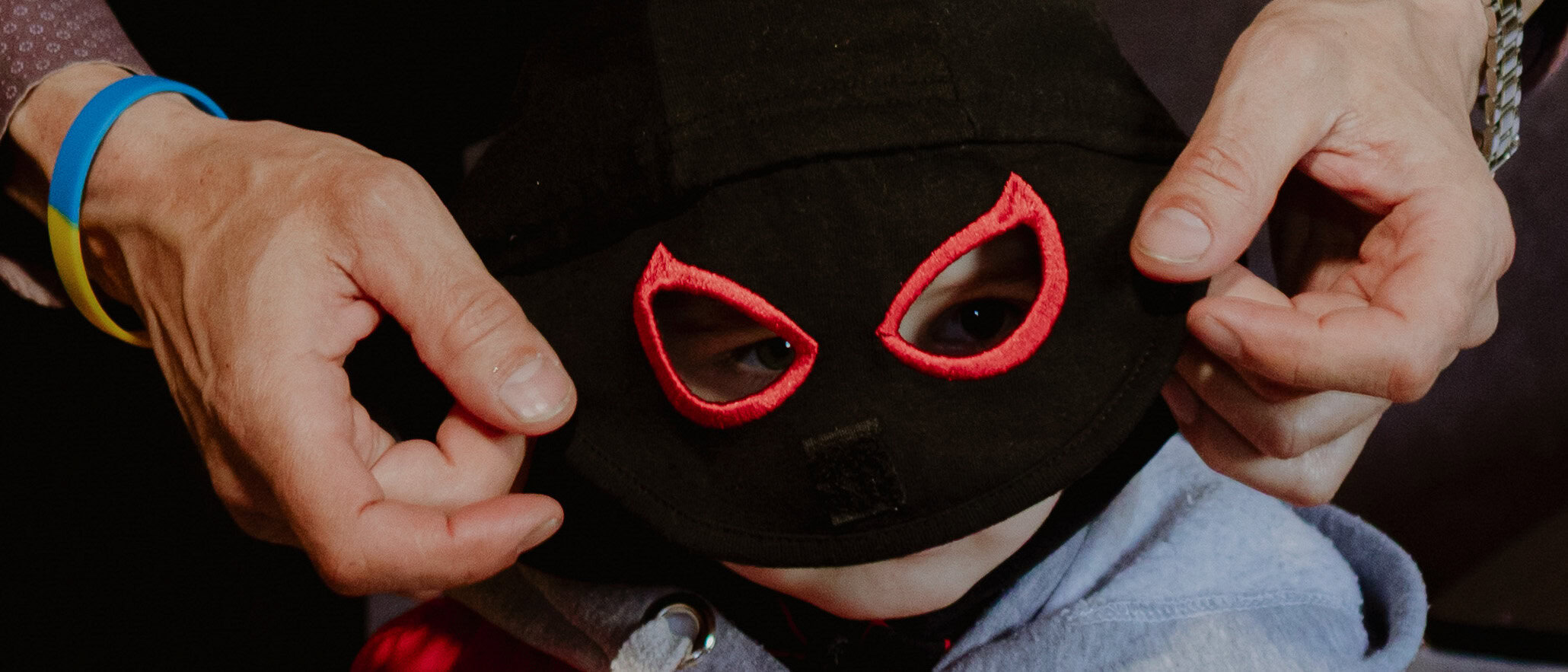
Families from the left bank of the Kherson region managed to flee to territory controlled by Ukraine after spending four years under Russian occupation. Their stories are presented by Frontliner reporters.
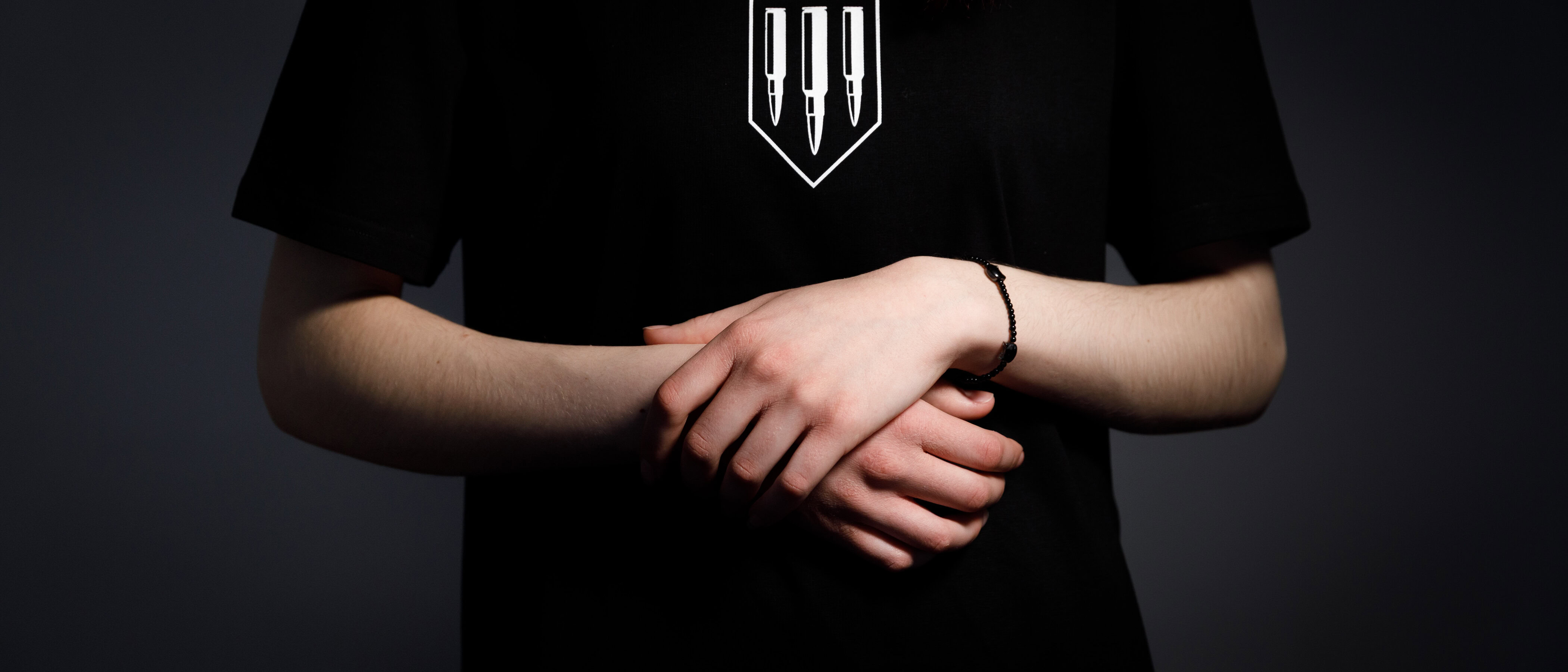
Inna left Donetsk as soon as she turned 20. She grew up under occupation, but despite years of living under Russian propaganda, she chose to remain Ukrainian.

A civilian’s life is transformed after a war injury. Treatment and recovery may take months or even years. Frontliner spoke with civilians wounded by Russian shelling to understand what support they can realistically expect from the state.

The Armed Forces of Ukraine are aging rapidly. Older soldiers joke that they will hold each position more fiercely than the younger troops. Servicemembers shared their thoughts about it with Frontliner.

Serhii Railian, a veteran of the Russia–Ukraine war, is growing a pottery studio together with his wife. Frontliner reporting explores whether a small craft business can provide a stable livelihood for a veteran’s family.
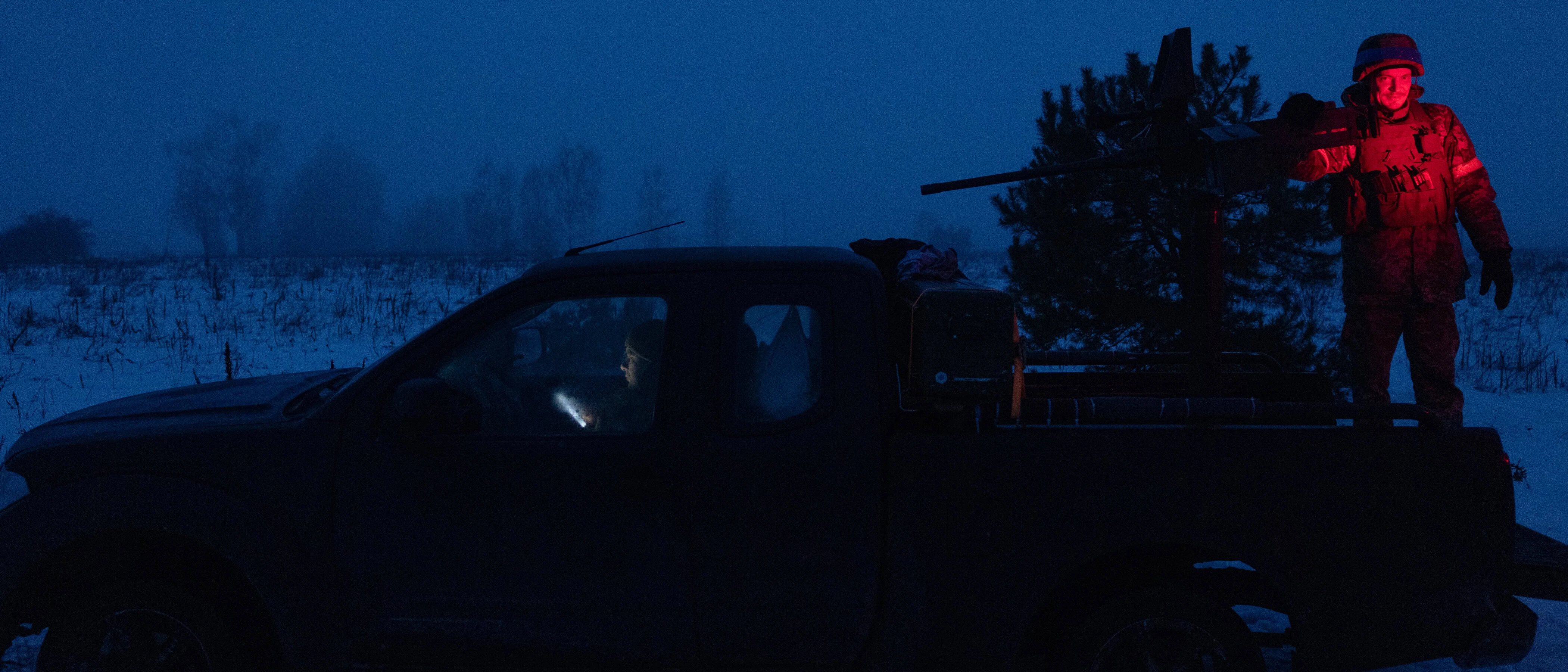
While mobile fire groups (MFGs) scan the darkness, enemy Shahed drones are evolving. Frontliner journalists investigated why methods that have worked in recent years are unable to keep up with the pace of Russian attacks, and how the work of mobile fire groups can be improved.
