
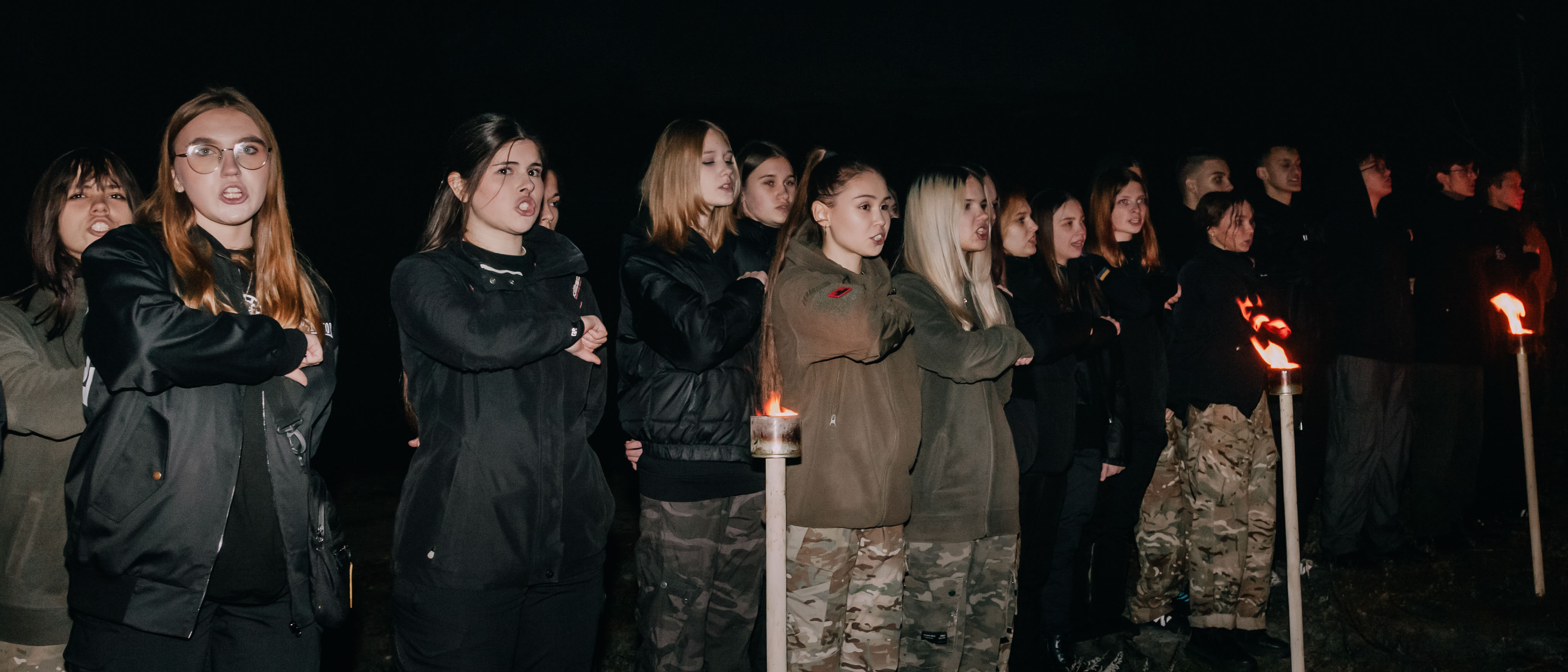
How does patriotic education differ from the militarization of children?
What are the younger generations taught? What is the difference between national-patriotic education and the militarization of children? Seeking answers...
What are the younger generations taught? What is the difference between national-patriotic education and the militarization of children? Seeking answers...
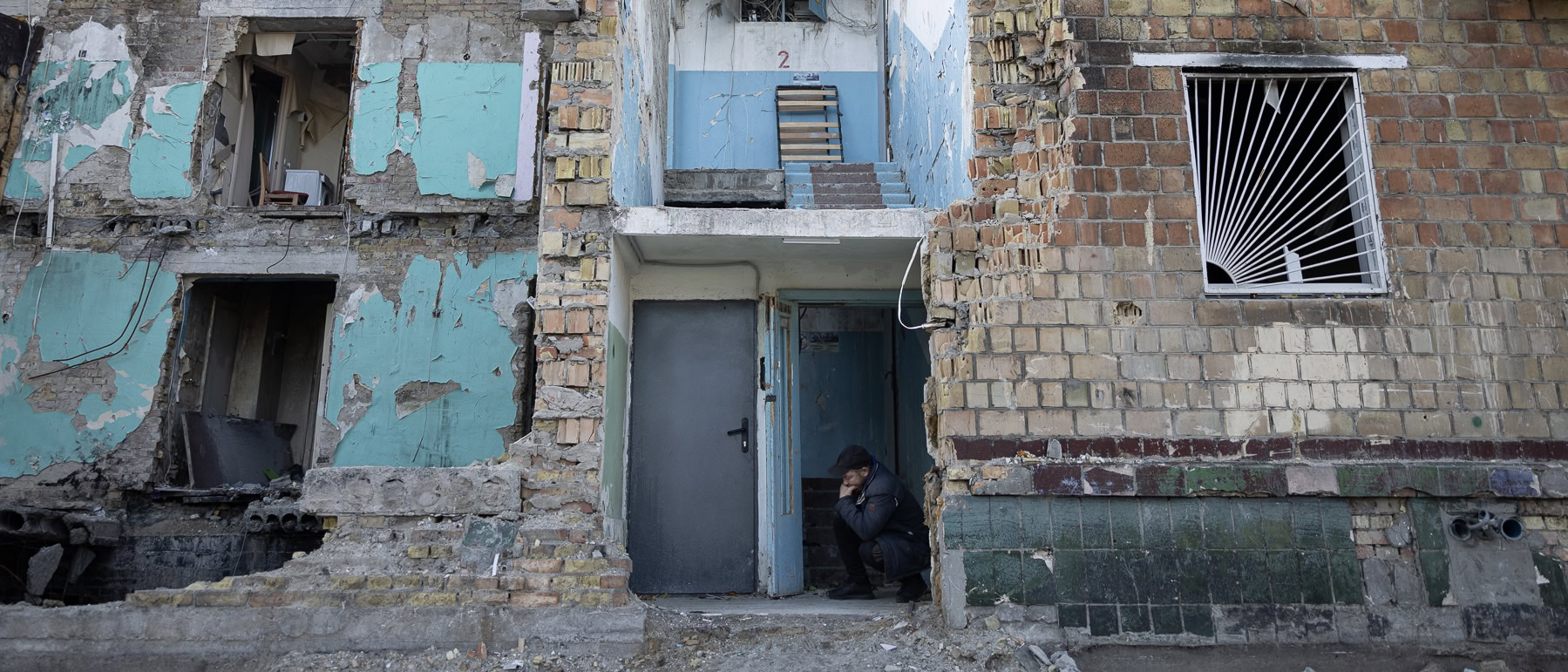
Russian shelling in Kyiv has left dozens of loved ones and neighbors dead under the rubble – losses that cannot...
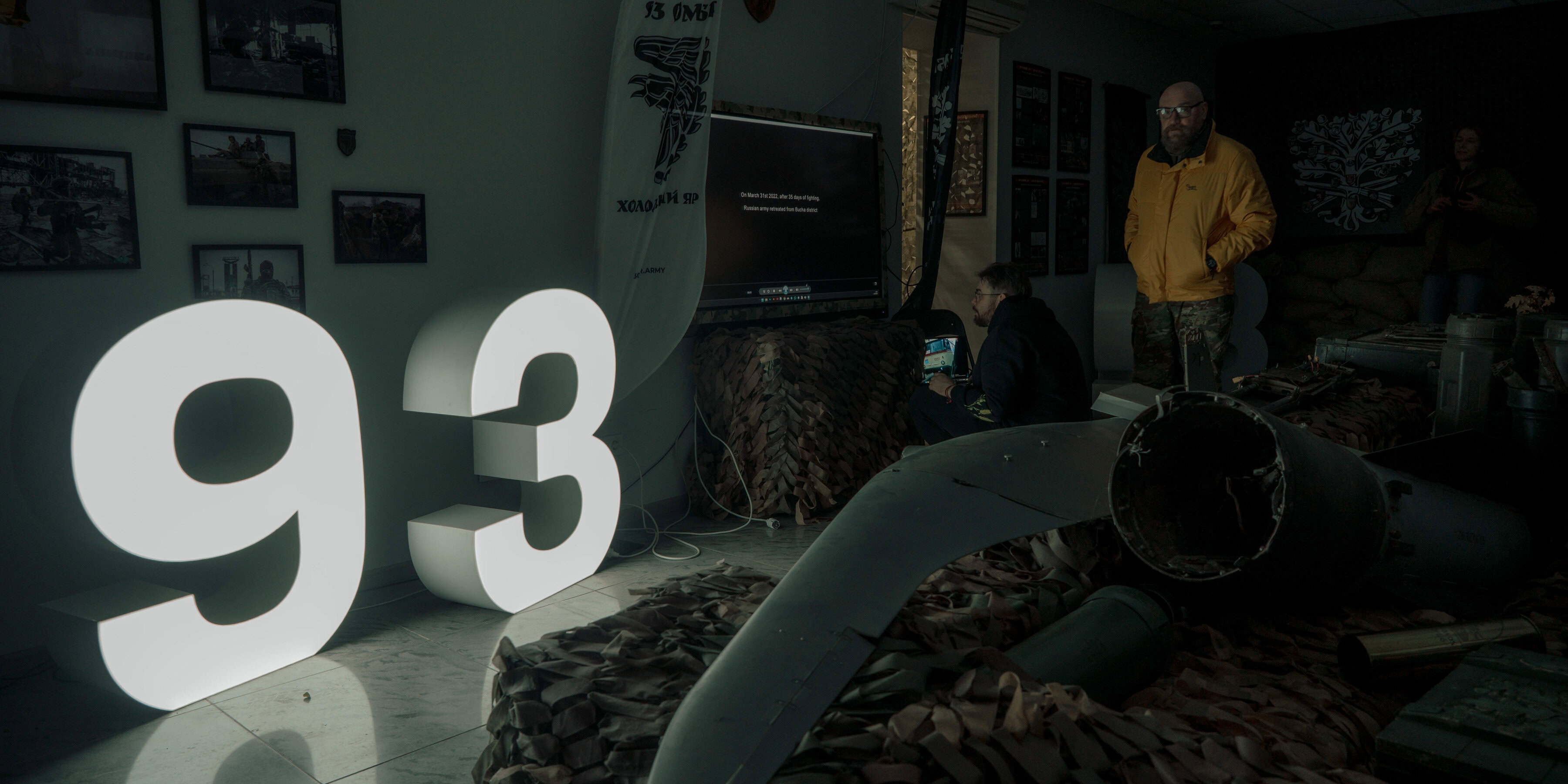
The museum of the 93rd Mechanized Brigade Kholodny Yar is located in one of the frontline towns of the Donetsk...

The American M114 gun is now in action on the Pokrovsk front, holding back the Russian onslaught. Originally built in 1943 to halt the advance of Nazi forces during World War II, it was transferred to Ukraine by the Czech Republic during the full-scale war.

Medics from Kyiv travel hundreds of kilometers to help civilians in villages of frontline regions where there is no access to quality healthcare. They believe that those who decided to stay have the same right to medical care as everyone else.
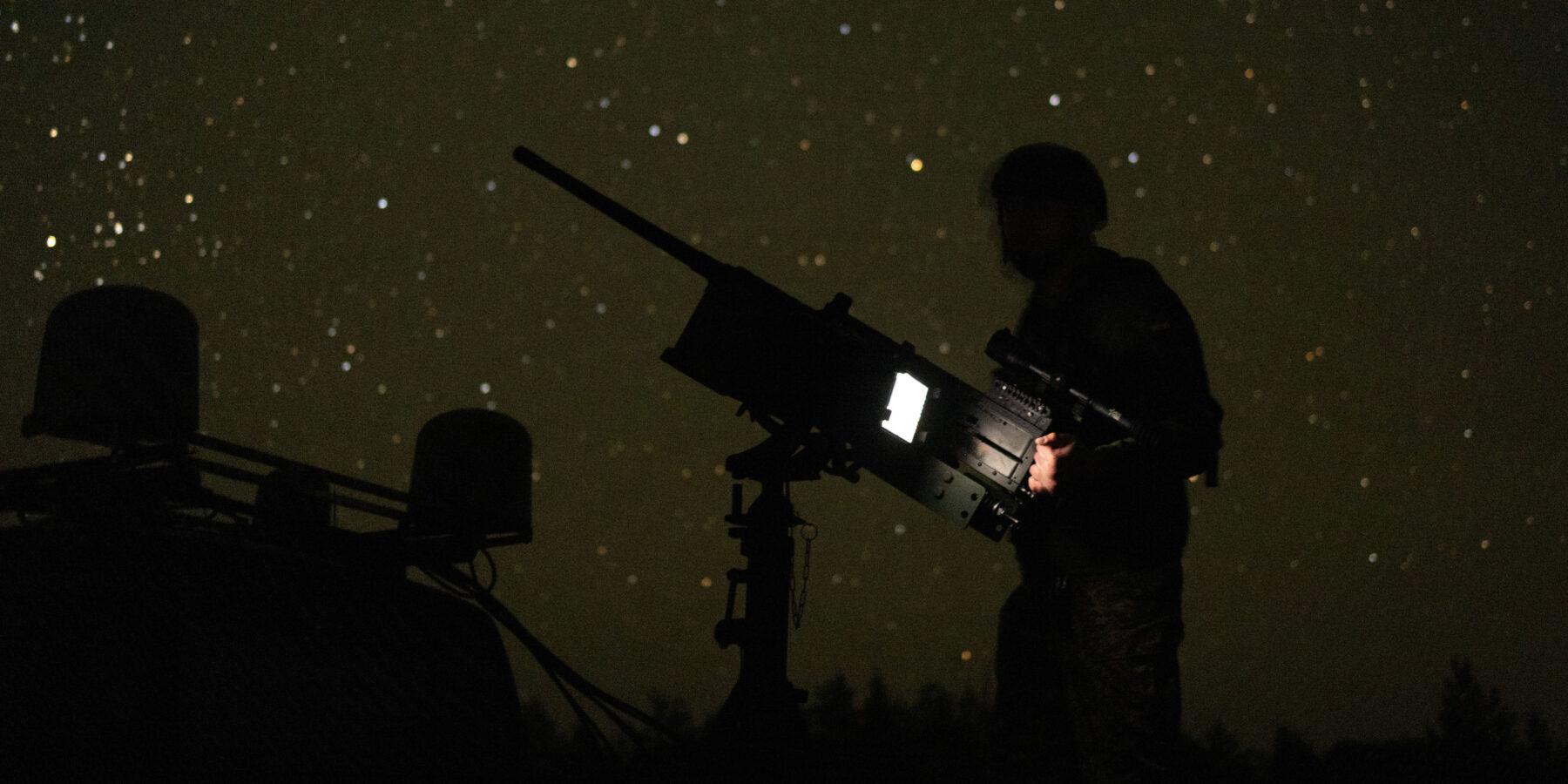
Radiation, wild animals, and “Shaheds.” At night near the ghost city of Prypiat, a mobile fire group from the 25th Brigade stands guard under a sky where threats can appear without warning.

Across Kherson runs one of the toughest stretches of the frontline — a shifting maze of river delta channels, overgrown thickets, and elusive crossings. In this watery battlefield, survival depends on adaptation. One of the units that has mastered it is “Buzky Gard”: fighters who fuse intimate knowledge of the terrain with the tactics of asymmetric warfare. Frontliner reports on how they operate in this zone of constant risk.

On August 8, 2025, people in Kyiv bid farewell to Viktoriia Roshchyna, a 27-year-old journalist tortured to death while in Russian captivity. Her killing shocked the international community and became another stark reminder of Russia’s brutality and lawlessness.

Seventy-three-year-old Lidiia Burlatska has lived through two wars in one city. In 2014, she did not leave Sloviansk during the occupation, and now she refuses to evacuate, even though the front line is approaching and is only 25 kilometers from her home. During three years of full-scale war, the retiree lost her son-in-law, learned to fall asleep to the sound of shelling, and stopped watching the news “because it hurts.” More than 50 years of living in Sloviansk have convinced her that there is no point in running away from what she has built her whole life. A Frontliner reporter spoke with a woman who lives where war has become part of everyday life, but where people still continue to hope.

Recent battlefield statistics highlight the extraordinary impact unmanned aerial vehicles (UAVs) are having on the war in Ukraine. According to Kyiv’s military leadership, in January this year two-thirds of Russian military hardware losses were caused by attack drones. On the Ukrainian side, losses to Russian drone strikes are estimated to be running at a similar ratio.

The streets are strewn with the bodies of killed civilians and littered with burnt iron, which Russian equipment has turned into. All around, battered houses have been destroyed. This is what Bucha looked like when the first journalists entered the city after its liberation from the occupiers on April 2, 2022. Among them was a Frontliner reporter who managed to get across the Romanivskyi Bridge.

Doctors in frontline Kharkiv report a shortage of blood for transfusions and are calling on residents to donate. The deficit could impact wounded soldiers on the front lines and civilians injured in daily shelling. The city's Blood Service supplies not only local hospitals but also frontline areas in the region. Since January 2025, it has also been providing blood to medical facilities in the Sumy region, according to Blood Service representative Valentyna Taran.
