
-
‘We took back another 51 square kilometers’: Where Ukraine’s army gained ground in September
Ukraine's Defense Forces pressed an offensive in the Lyman sector throughout September while fending off Russian assaults elsewhere along the front. Frontliner breaks down how the front line shifted across its key sectors last month.
-
Changes for Ukrainians in the EU: Who will lose the right to protection
Forty-three percent of Ukrainians living abroad plan to return home, while 36% no longer intend to or are leaning toward staying. Frontliner examined which Ukrainians will be able to stay in Europe and how many are likely to return to Ukraine.
-
The electronic veteran’s extract: Who will be able to get the document without a TsNAP
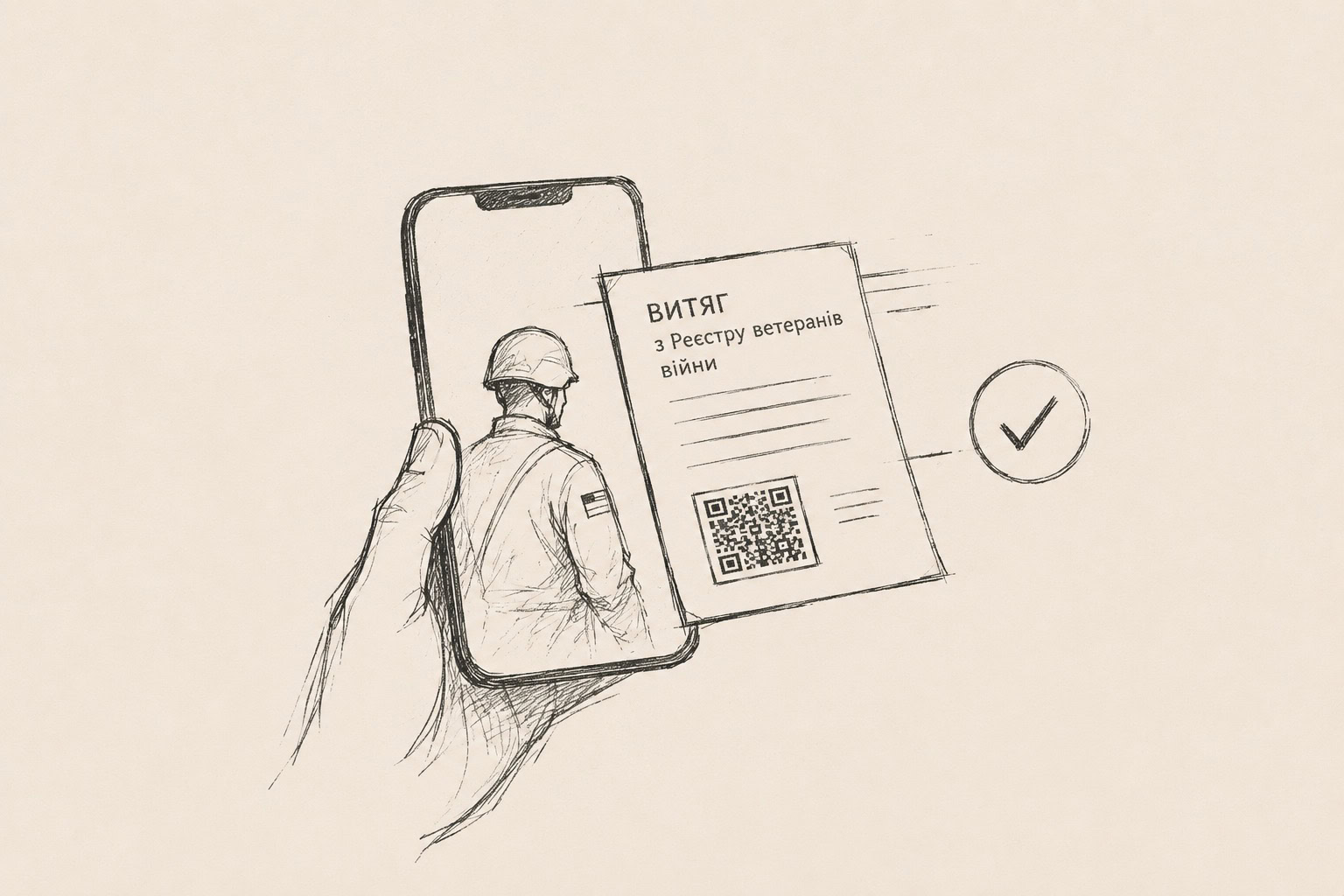
Frontliner reviewed the new rules and looked into who can use the digital service, why a veteran's e-ID is needed, and what to do if the information in the registries doesn't match. (zakon.rada.gov.ua)
-
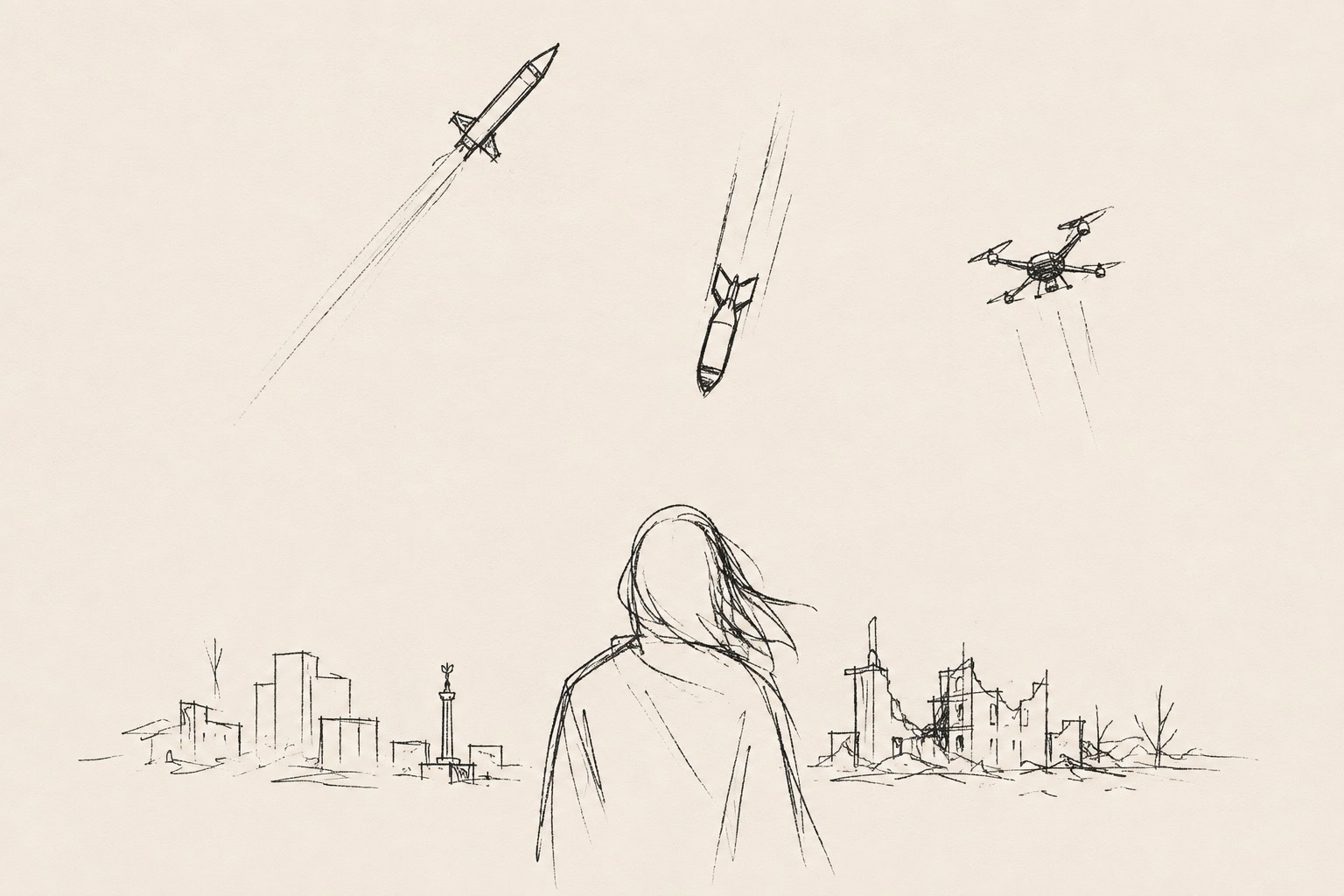
Missiles, aerial bombs, drones: What threatens civilians most
Frontliner reviewed the July report from the U.N. Human Rights Monitoring Mission in Ukraine (HRMMU) and compared the three main aerial threats.
-
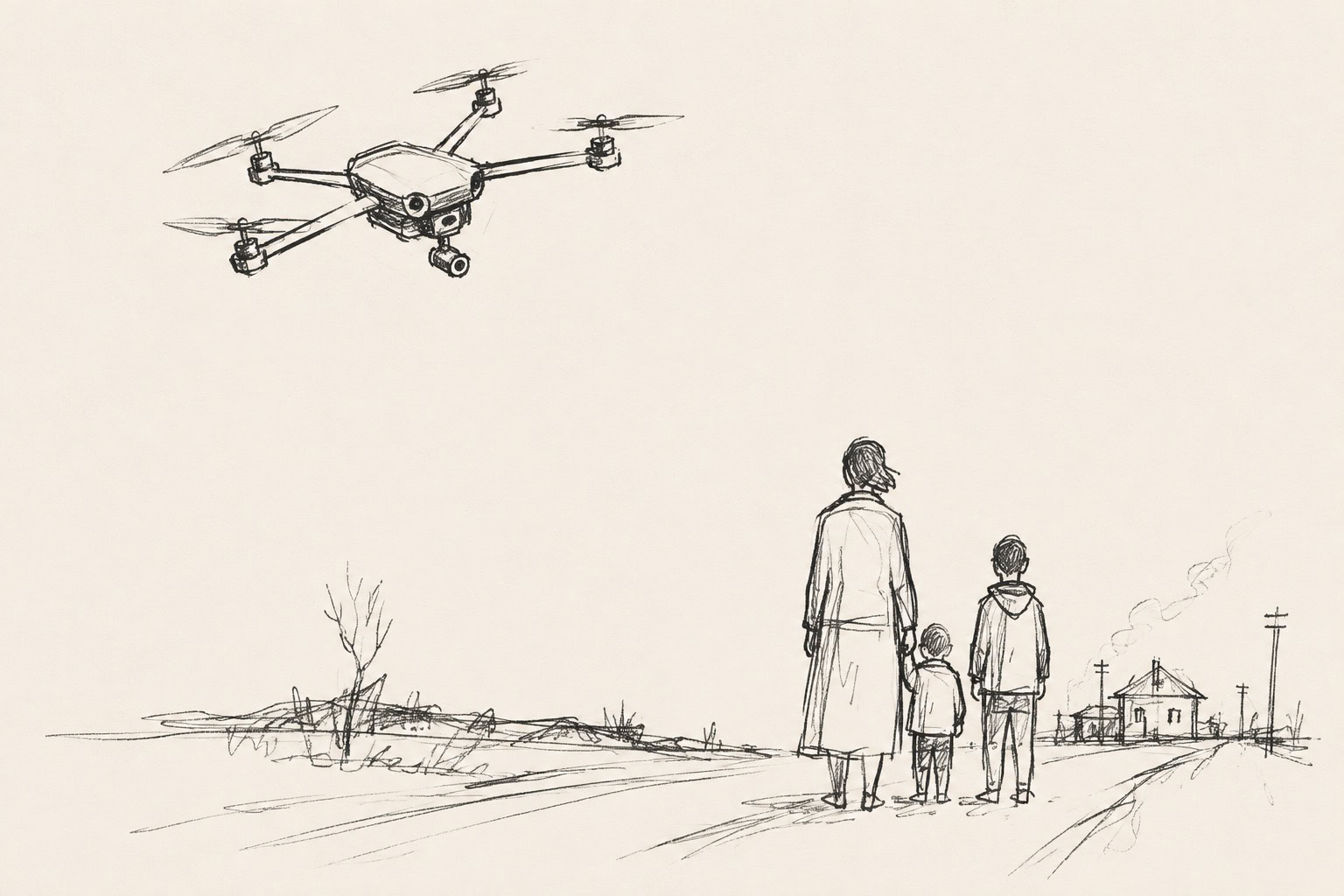
The drone sees its target: How the threat to civilians has changed
Short-range drones killed 111 civilians and wounded another 710. The United Nations has not recorded that many casualties in a single month since the start of the full-scale war. Nearly one in four civilians killed or wounded in Ukraine was hurt by this type of weapon.
-
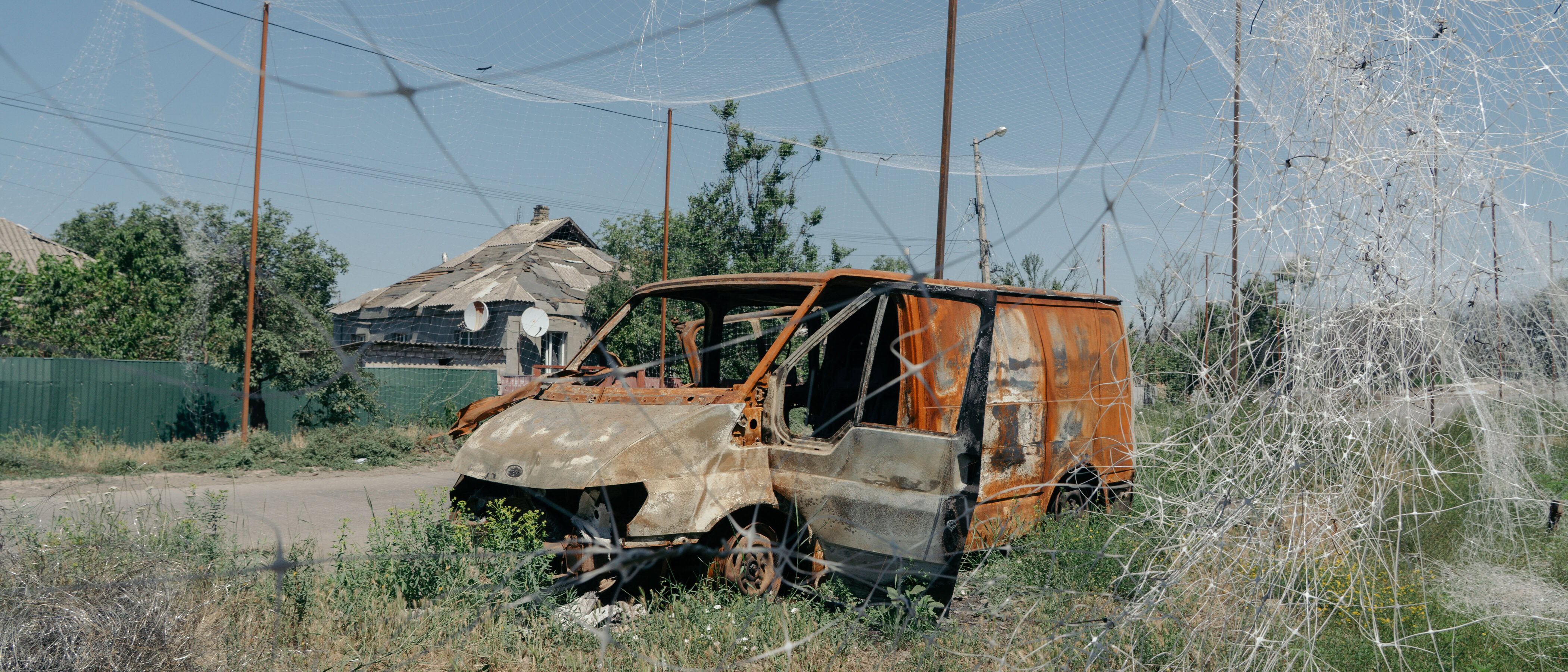
Why Ukraine’s Oleksandrivka counteroffensive worked: Ukrainian soldiers explain what drove August’s gains
In August, the Defense Forces of Ukraine continued the offensive operation on the Oleksandrivka front. Frontliner breaks down what is happening on these fronts and how Ukraine’s offensive in the south impacts the broader picture.
-
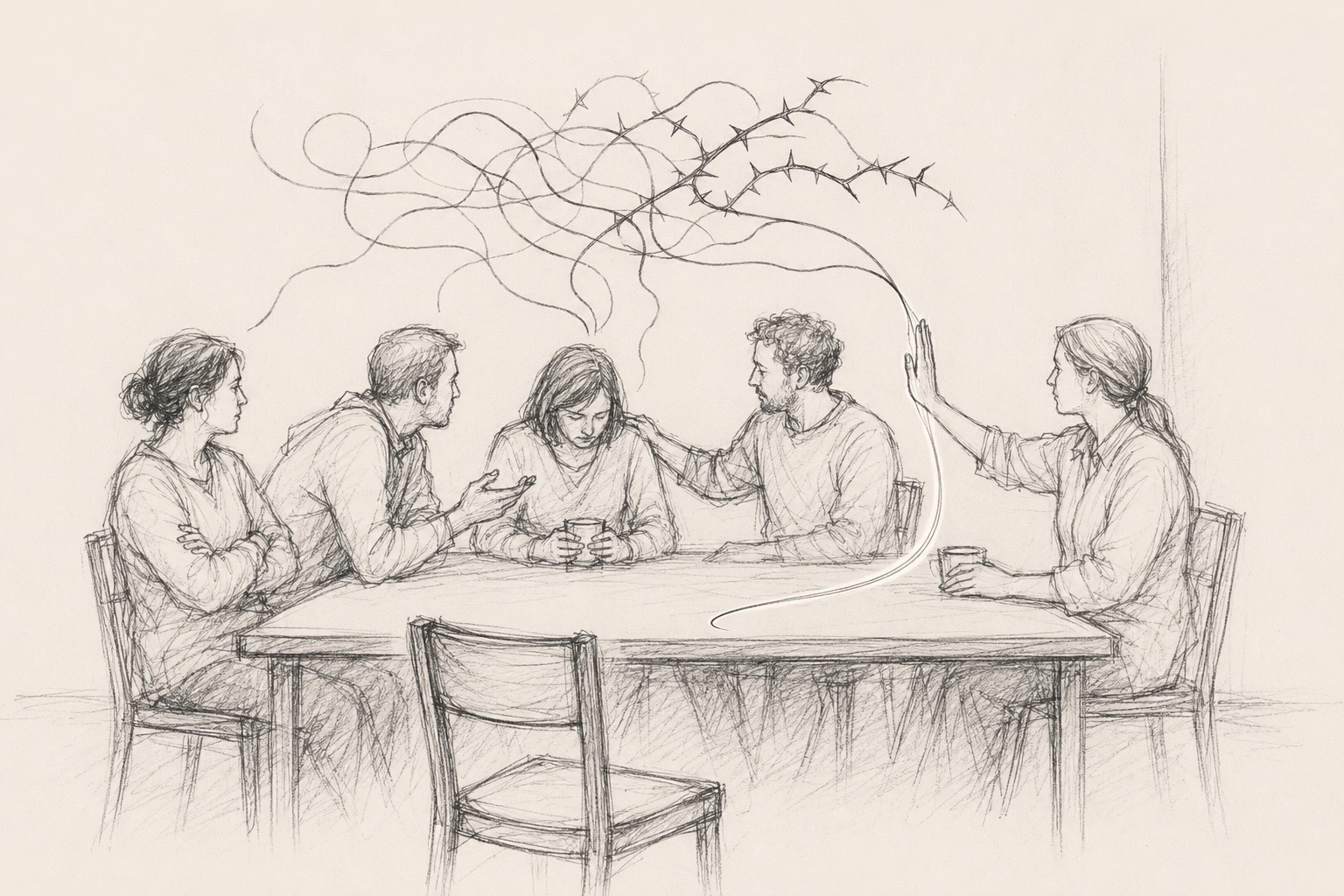
Words can wound, too: Ukrainians’ new wartime etiquette
Frontliner examined how wartime psychology is reshaping the way Ukrainians talk to one another, and what new rules of politeness it requires.
-
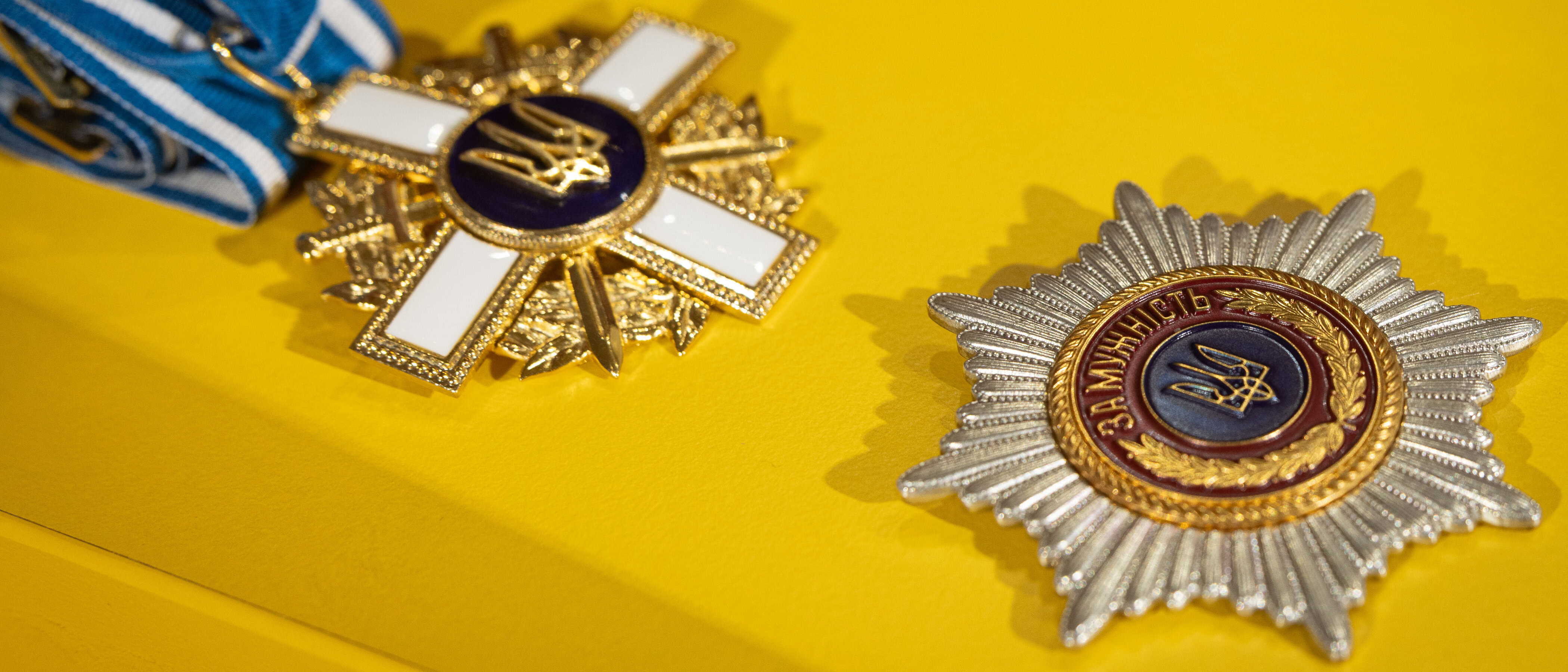
The Order for Courage: A decoration for an act undertaken at risk to one’s life
Behind every Order for Courage is a moment when a person could have left but stayed. Since the start of the full-scale war, this award has appeared in presidential decrees almost weekly, often next to a name marked "posthumously."
-

Water that hides the war: How to vacation more safely
A mine in the water doesn't come with a warning sign. Frontliner has compiled the key rules for safely enjoying Ukraine's bodies of water.
-
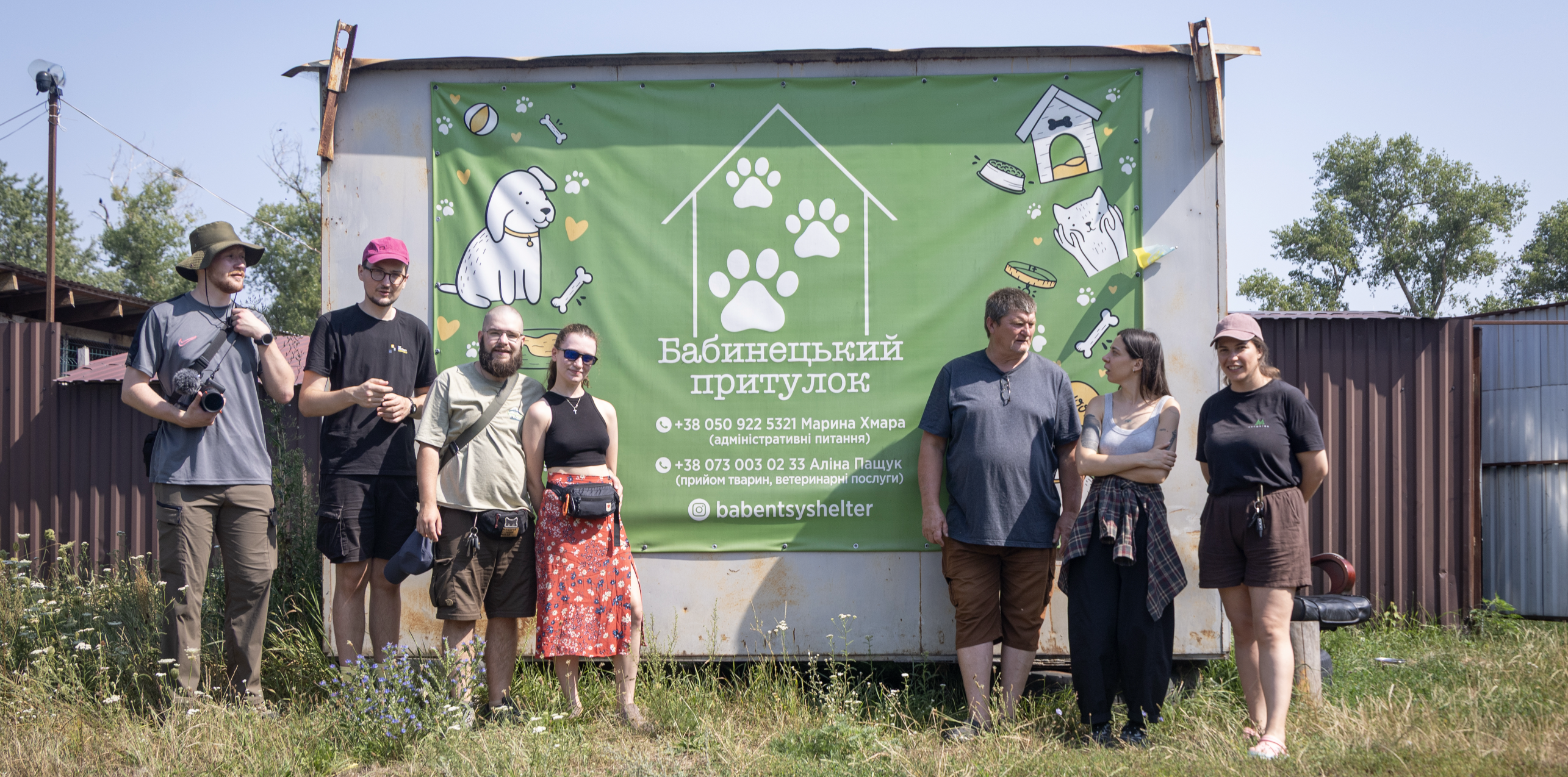
150 kg of food for evacuated animals: how the Frontliner team visited the shelter in Babyntsi
If dogs could talk, their stories would form the basis of more than one bestseller. They are asking for love. Or at least a little attention.
-
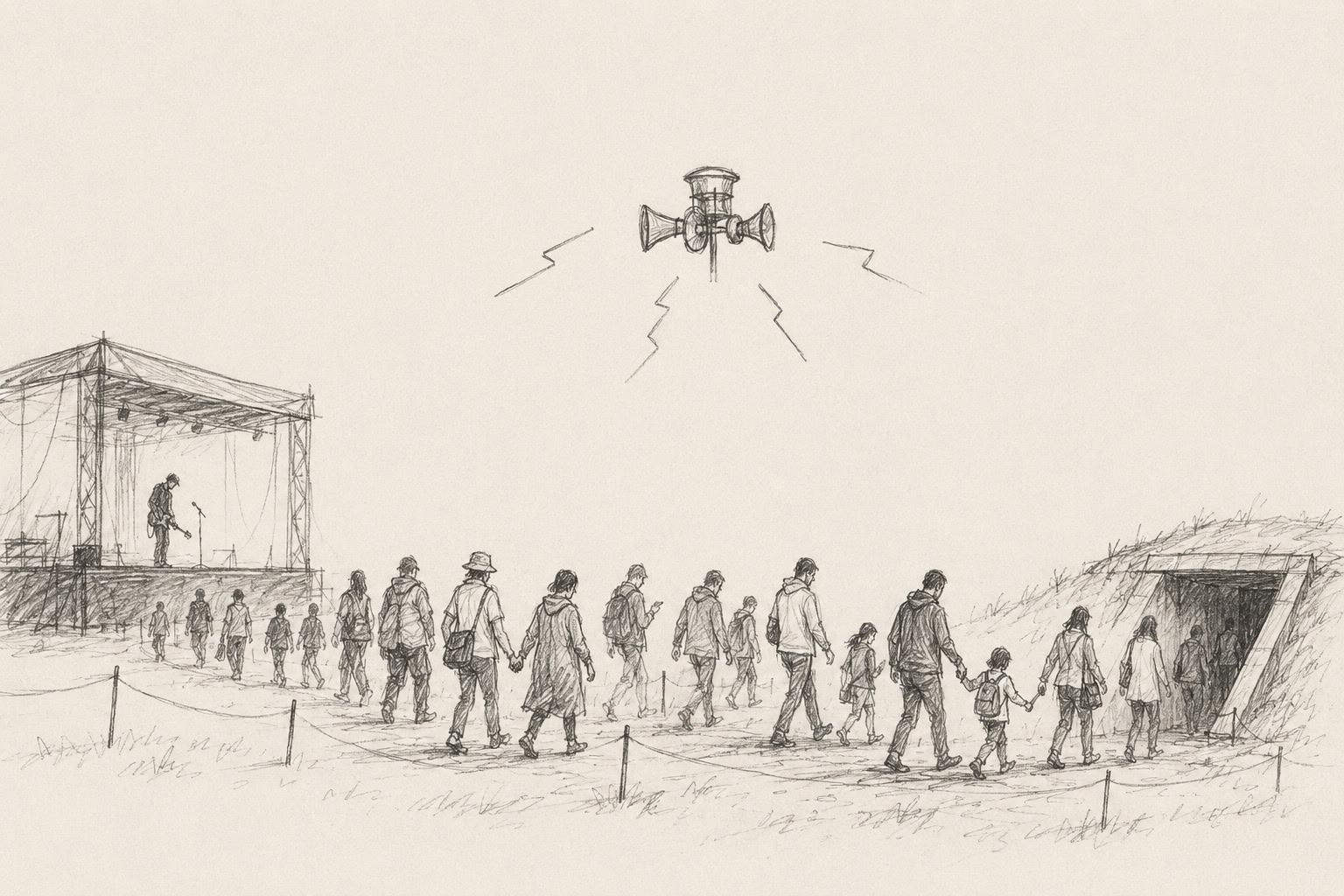
The stage goes dark, when the war alarm speaks: How Ukrainian festivals function under air attack
For festivalgoers in 2026, this kind of interruption has become an expected part of the evening. Frontliner examined how air-raid alerts, drones and decisions by military administrations have reshaped safety at mass events.