
-
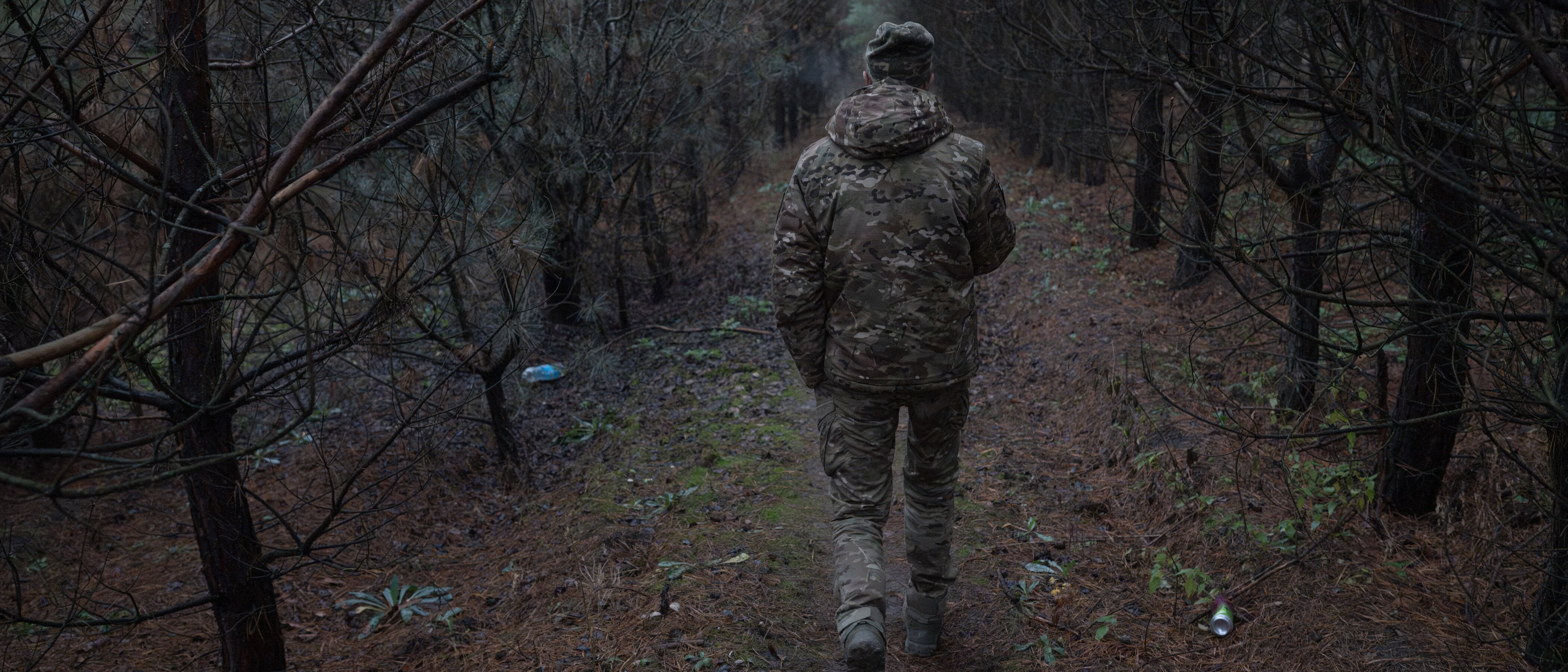
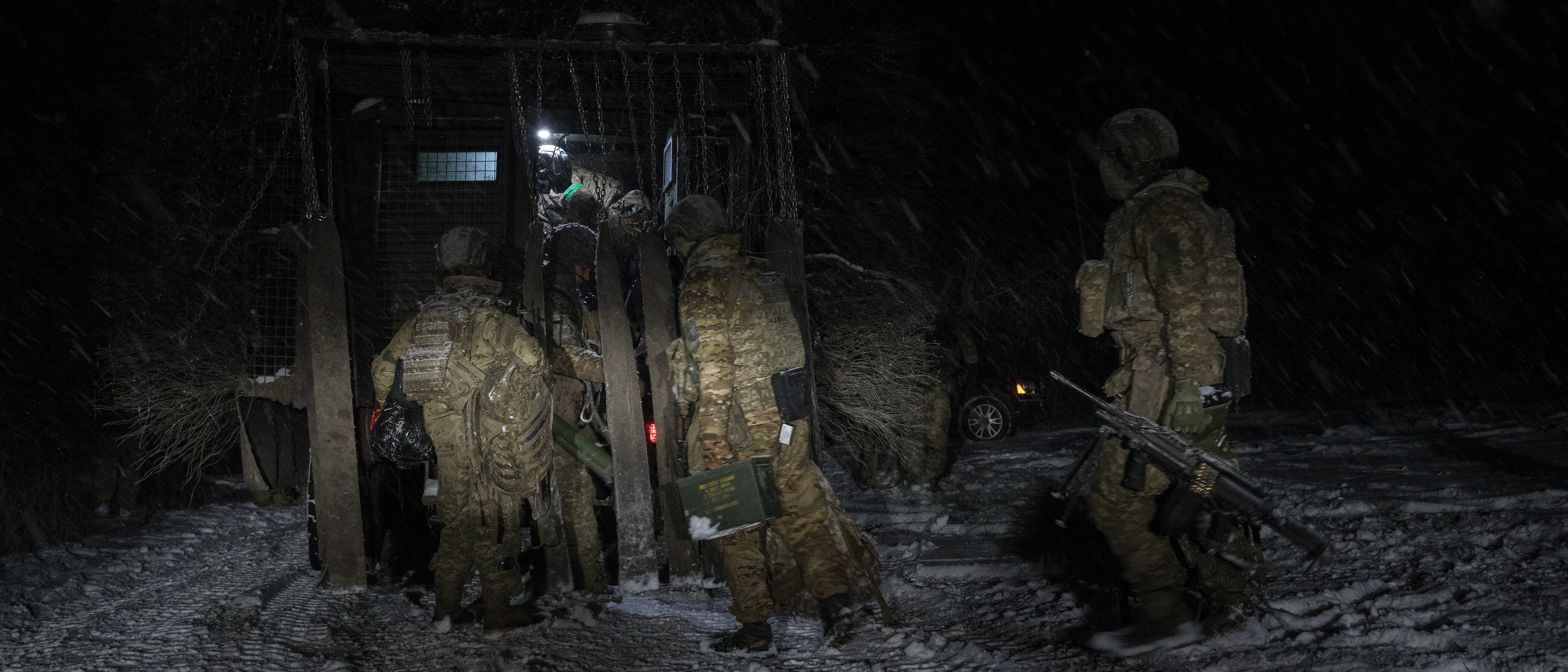
The shelf life of a soldier: why volunteers go AWOL
Half of all cases of AWOL and desertion occurred in the first nine months of 2025. Through the stories of individual servicemembers, Frontliner examines what drives battle-hardened, respected soldiers to go AWOL.
-
Four years of full-scale war: how to end it on Ukraine’s terms
Four years after the start of the invasion on February 24, 2022, Russia has failed to achieve its primary objective — breaking Ukrainian statehood. The cost of reconstruction is measured in the hundreds of billions of dollars and continues to rise.
-
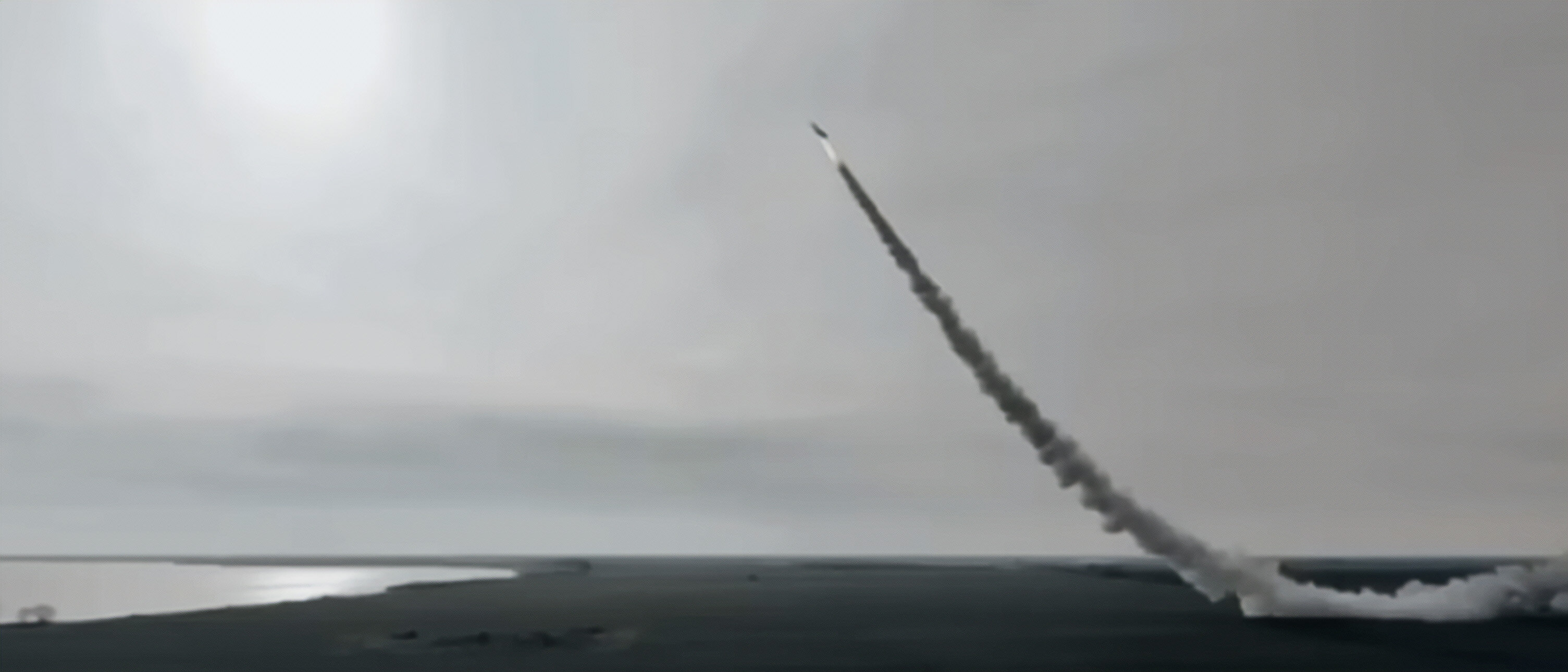
Flamingo, Neptune, and Sapsan: what other missiles could Ukraine use to finish the war?
The Ukrainian-made Flamingo missile was slated to enter serial production at the start of 2026, as promised by President Volodymyr Zelenskyy.
-
Business under fire: what is actually helping entrepreneurs survive during war
Small and medium-sized enterprises in Ukraine account for 74% of jobs and about 64% of value added. The Ukrainian media outlet Frontliner examined which survival strategies are working most often for small and medium-sized businesses.
-
Person missing after shelling: what to do to avoid losing time
Russian attacks continue, and the risk remains that a relative, friend or colleague may go missing. Frontliner outlines steps to avoid losing critical hours.
-

Return from captivity: what support is available
For former war prisoners, the effects of captivity do not end with their release. Frontliner outlines how to avoid that.
-
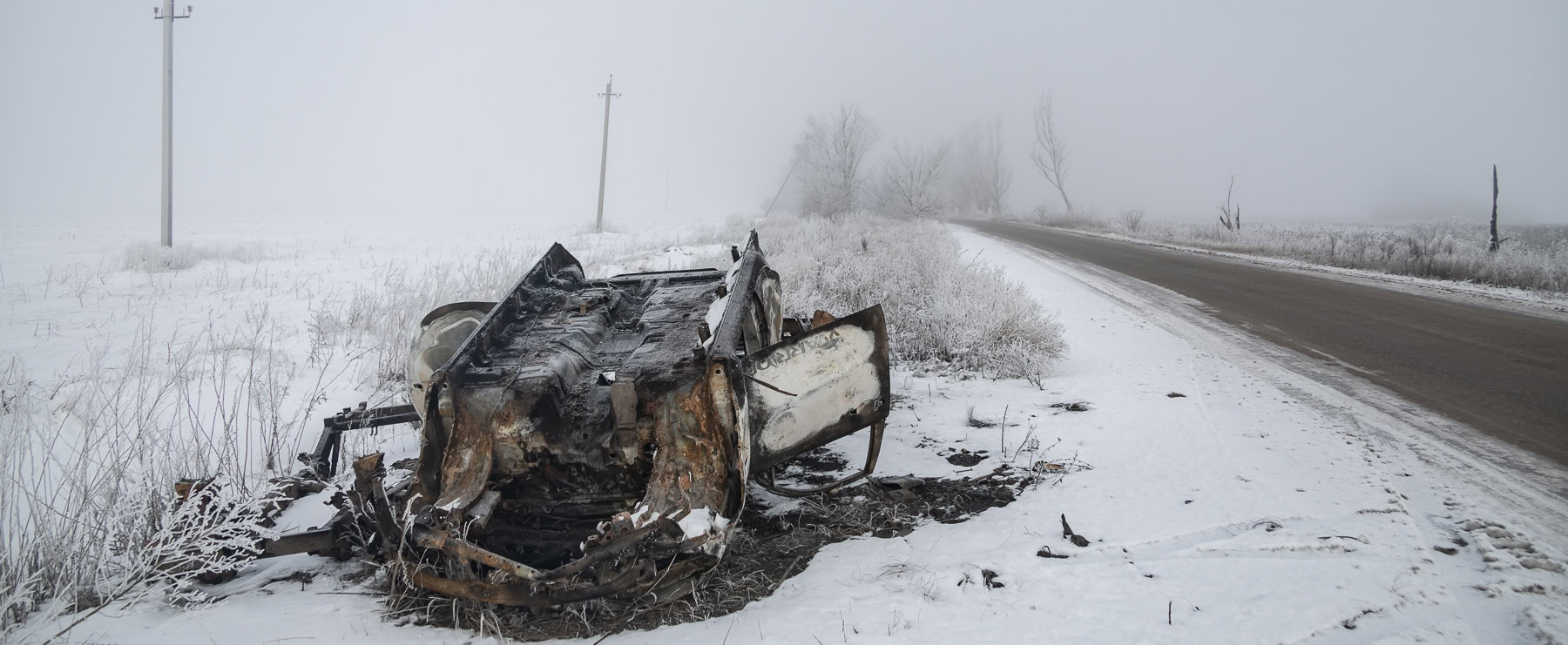
“The enemy is pushing everywhere”: Ukraine has lost control of 4,000 square kilometers over the past year
Russia’s territorial gains over the past year totaled nearly 1,000 square kilometers more than in 2024. Frontliner summed up developments on the front line.
-
How Ukraine’s global image has changed after nearly four years of full-scale war
Russia’s all-out war has made Ukraine one of the most visible countries in global news, transforming it from “a country somewhere in Eastern Europe” into a symbol of resistance and a test of principle for its partners. Frontliner explains how Ukraine’s image has taken shape as of early 2026.
-
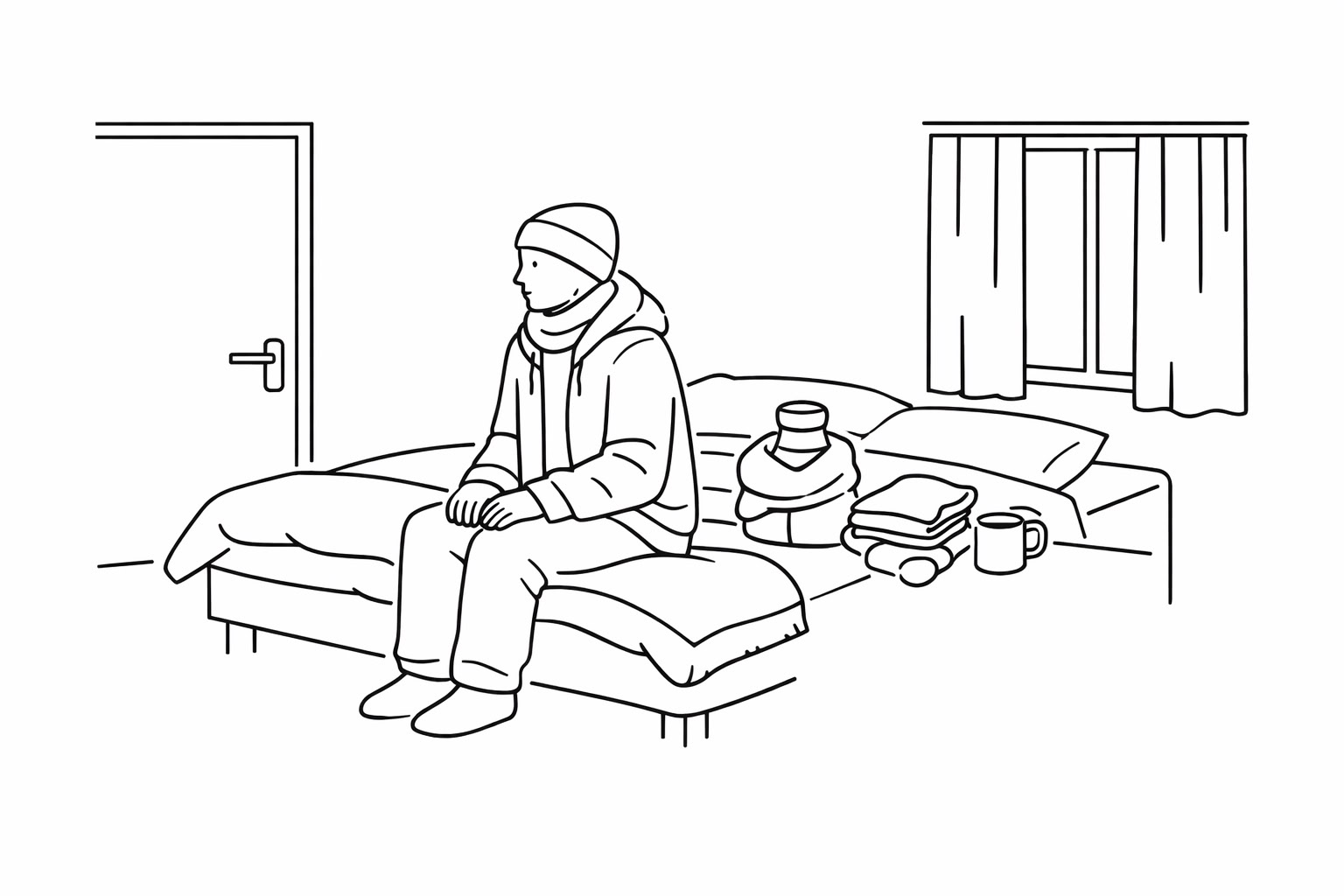
Warmth without central heating: how to stay warm in an apartment during outages
Ukrainians have already endured the coldest spells of this winter. Yet many apartments remain without heating and receive electricity only intermittently. Frontliner offers several tips to help get through it.
-
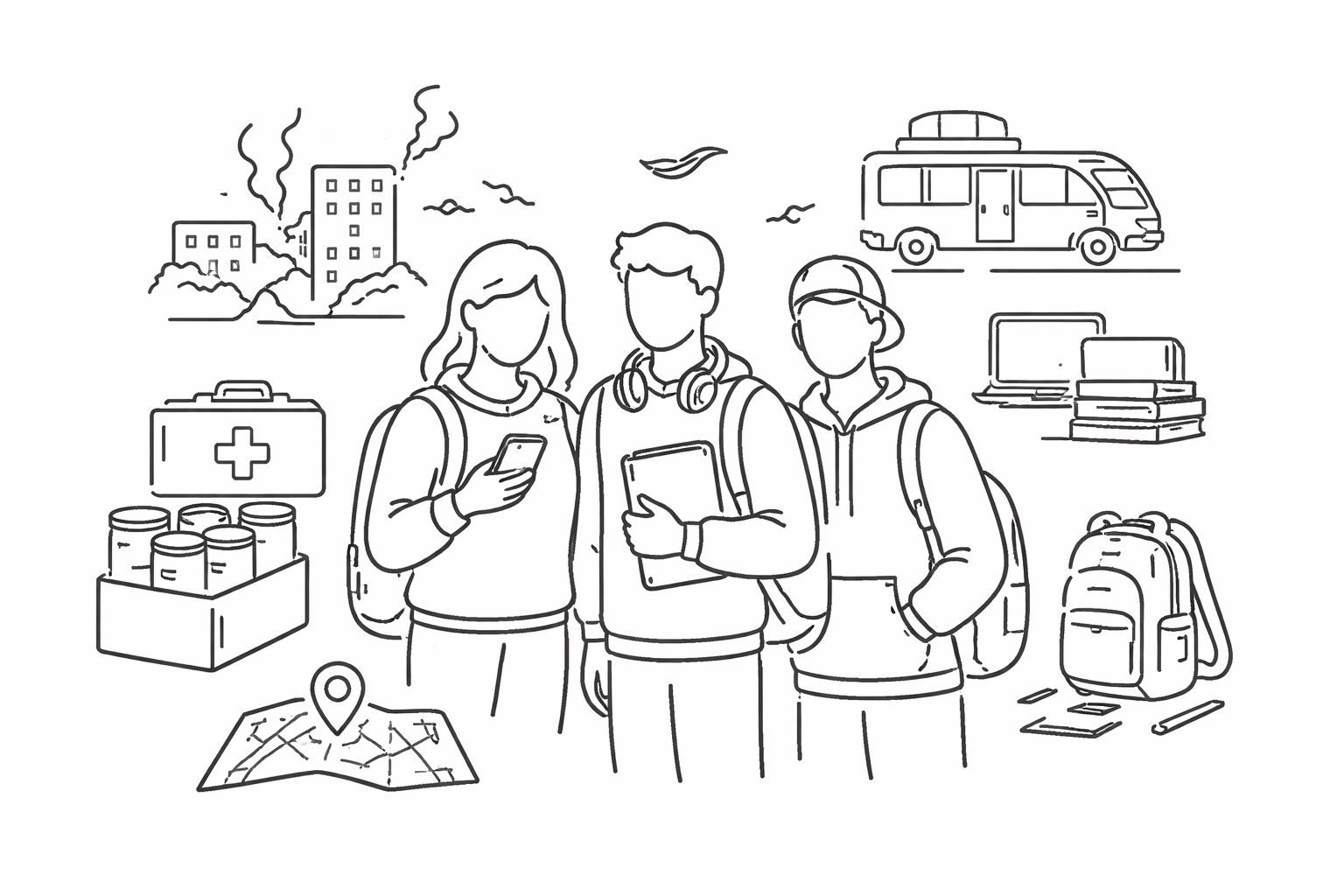
Teenagers and youth of war: how a generation’s identity is changing
Russia’s full-scale war against Ukraine has long moved beyond the front line. It has entered schools, families and cities, disrupted education plans and the first steps into adulthood. Frontliner examines how the war is reshaping the identity of teenagers and young people.
-
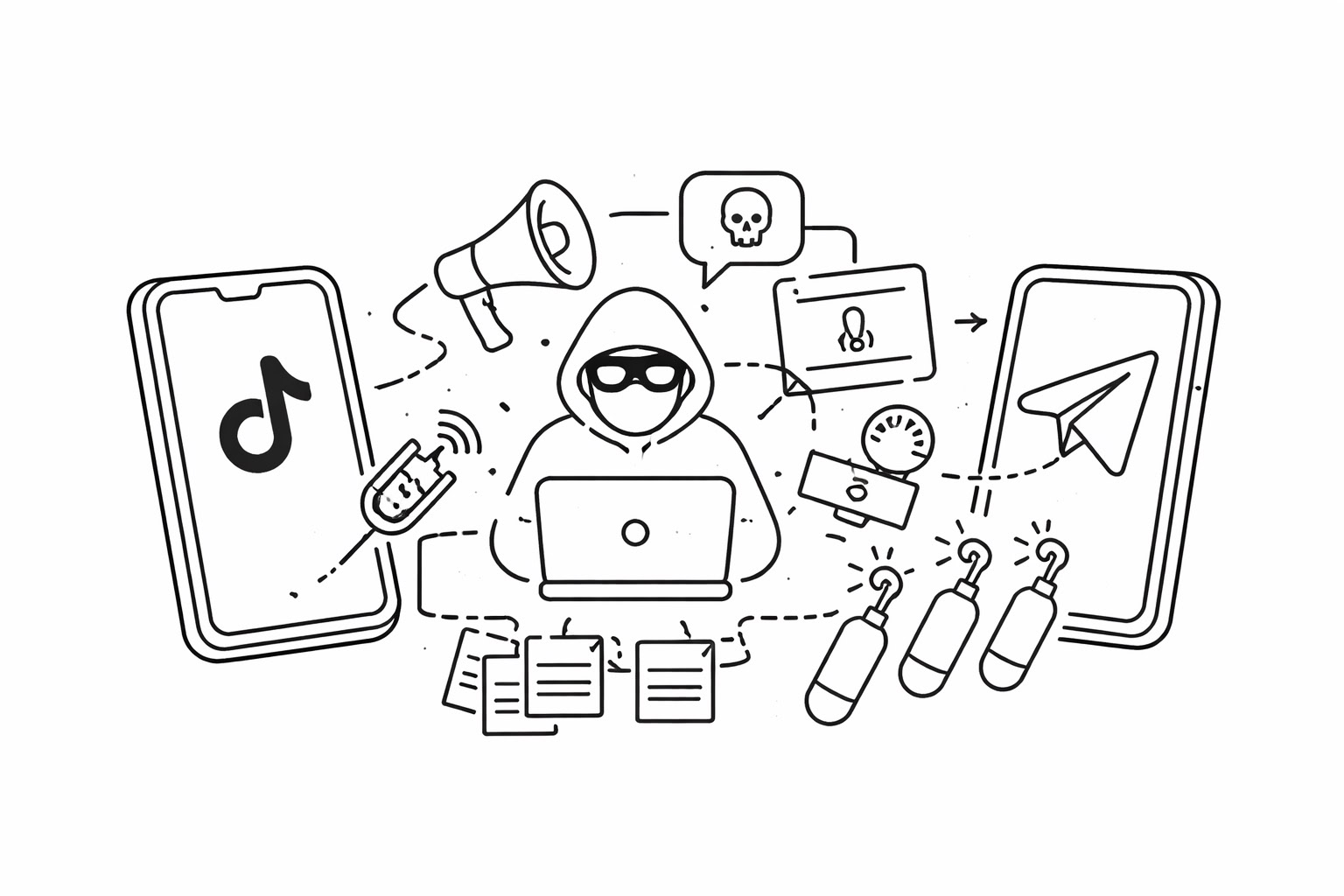
TikTok and Telegram: War fakes — risks in 2026
The year 2026 is likely to bring more realistic disinformation about the war. The main threat is mass coordinated drops: when dozens of accounts simultaneously amplify the same narrative, turning it into a background reality in a very short time.