

-
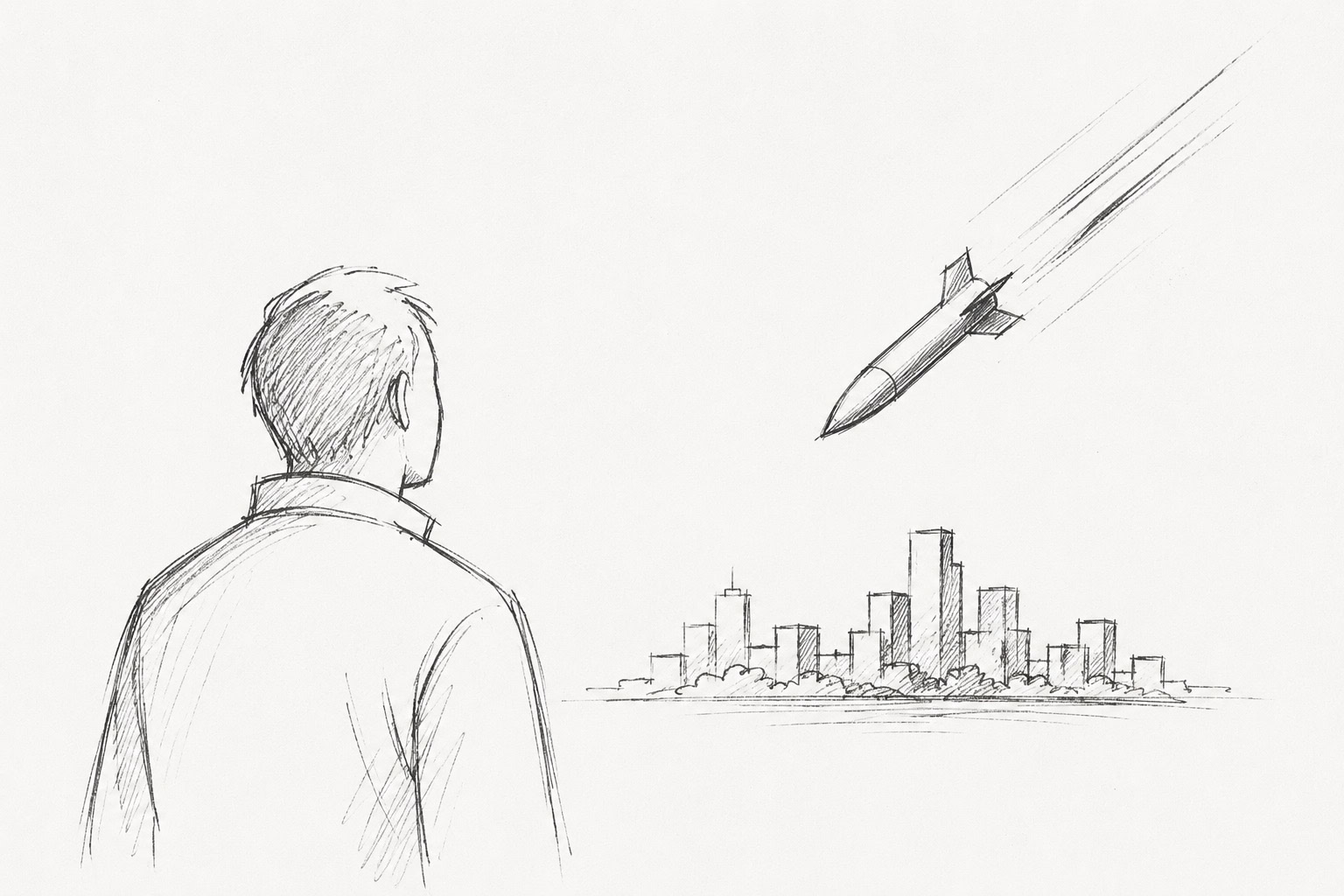
The ballistic missile threat: How cities and civilians have changed
Since the start of the year, Russia has launched at least 291 ballistic missiles against Ukraine. The old logic of “getting to shelter after the siren” is gradually becoming ineffective.
-
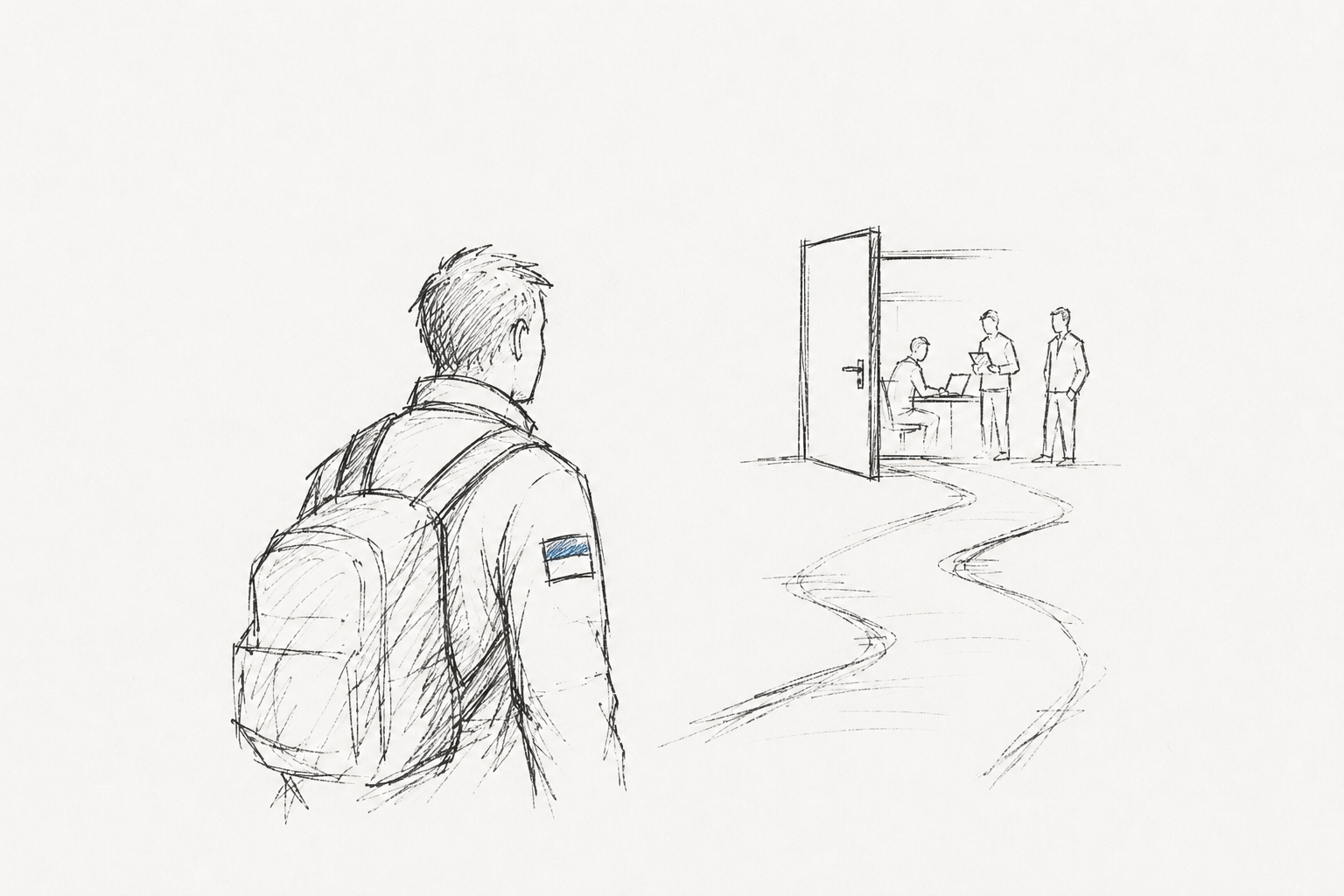
A soldier at the doorstep of the future: Why veterans struggle to find a job after leaving service?
As of 2026, Ukraine has nearly 1.8 million veterans, and the number continues to rise. But frontline experience does not guarantee an easy return to civilian employment. In some cases, it creates additional obstacles.
-
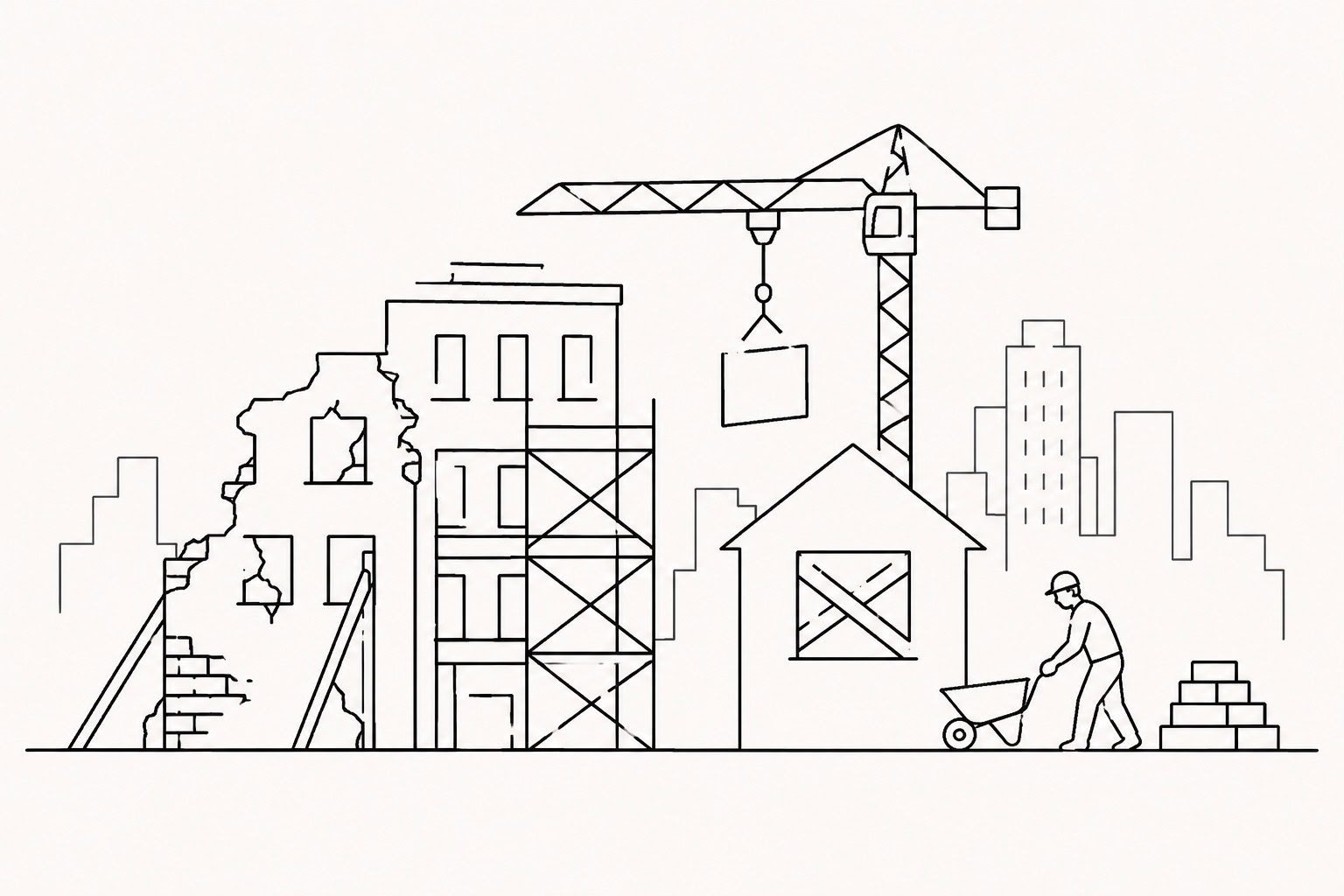
A nation of repairs: how war created an economy of constant recovery
Ukrainian cities increasingly resemble spaces of endless repair. Frontliner looks at how repair became a defining mode of survival for the country in 2026.
-

Getting used to war: Ukrainians are no longer reacting to danger
Air raid sirens no longer bring cities to a halt the way they did during the first years of Russia’s full-scale war. But in 2026, that adaptation is becoming a separate threat of its own, Frontliner reports.
-
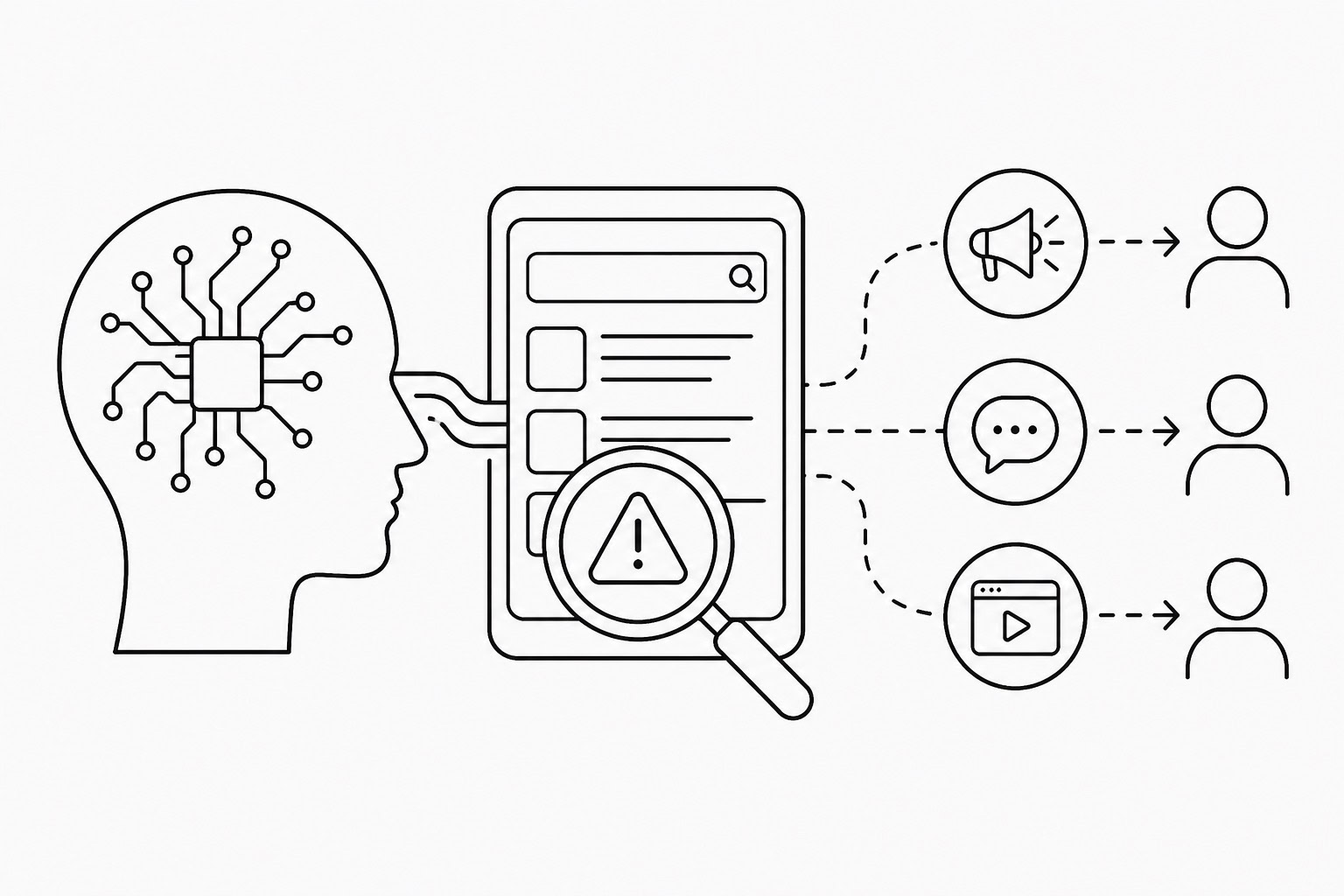
Algorithms of influence: how AI amplifies propaganda and what can be done about it
AI (or artificial intelligence) has become a new tool for shaping the information space. Frontliner examines how this mechanism works and where responsibility begins.
-
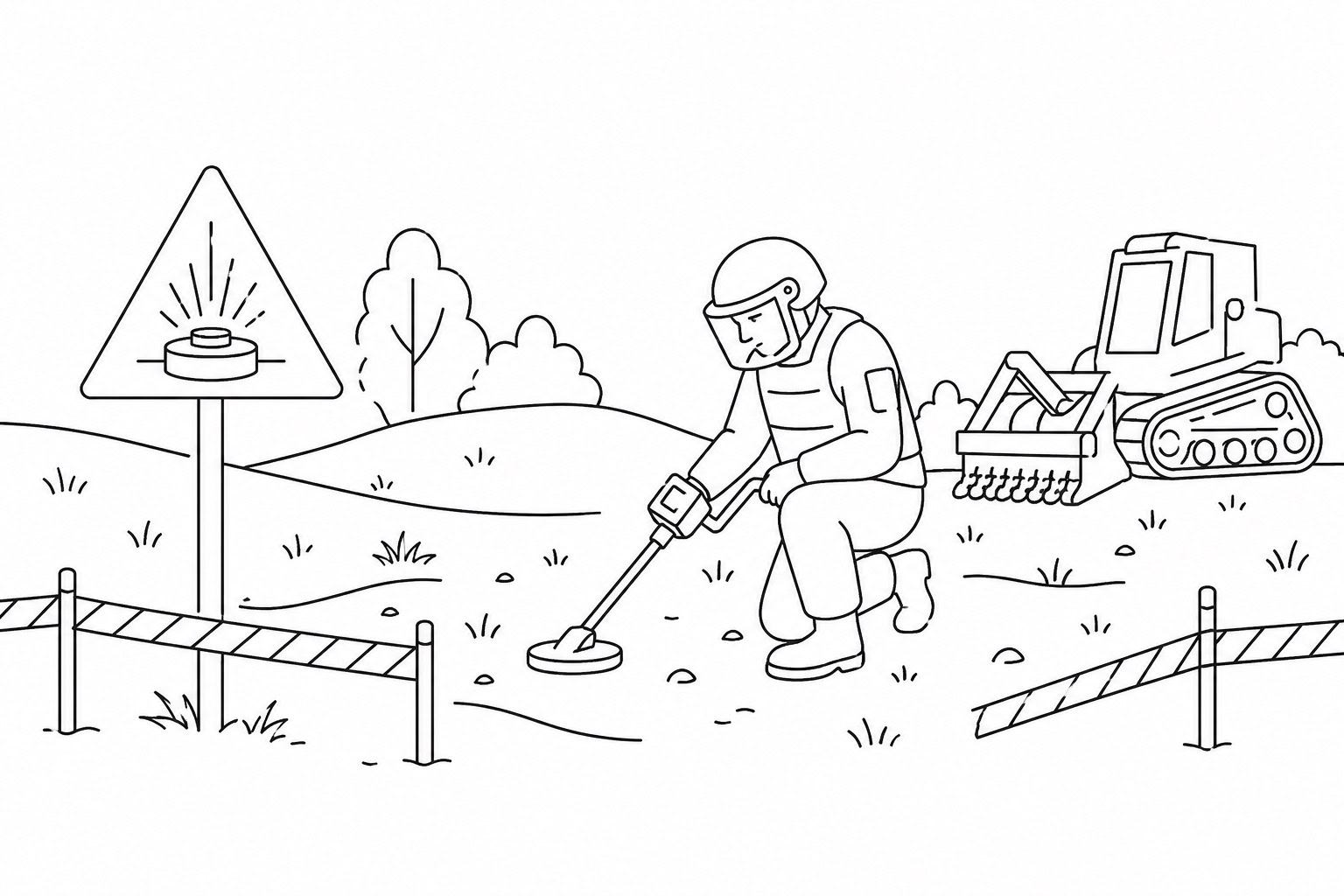
Dangerous ground: how Ukraine is clearing mines
After two years of intensive demining, those figures are gradually declining, but risks to civilians remain systemic. Frontliner examines how the situation is changing and what it means for people living across the country.
-
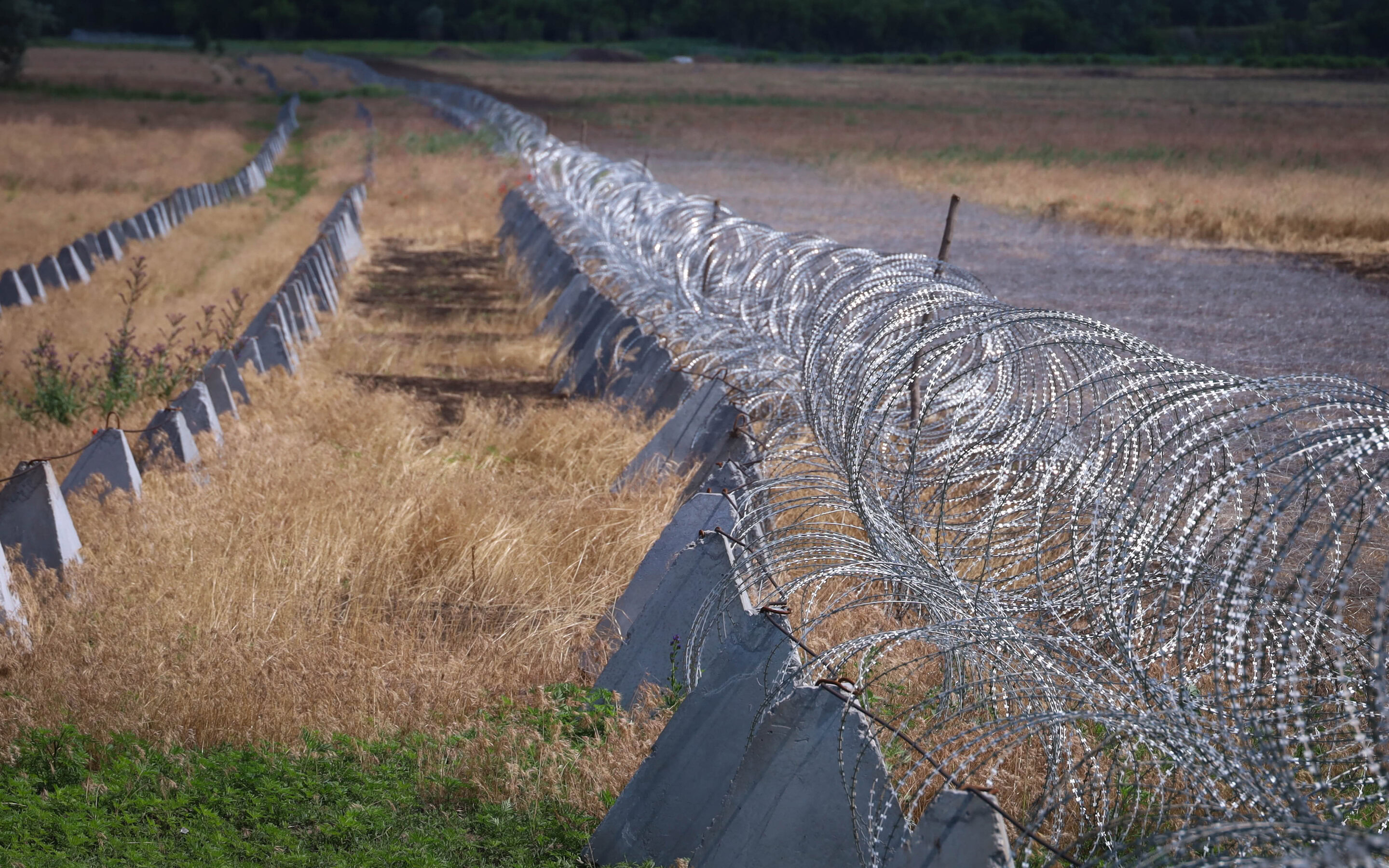
Russian forces failed in their plan to capture Kostiantynivka in April
Online, there has been an active discussion about the threat of Sumy’s encirclement amid intensified hostilities in the border areas. Frontliner analyzes what is happening on the front line.
-
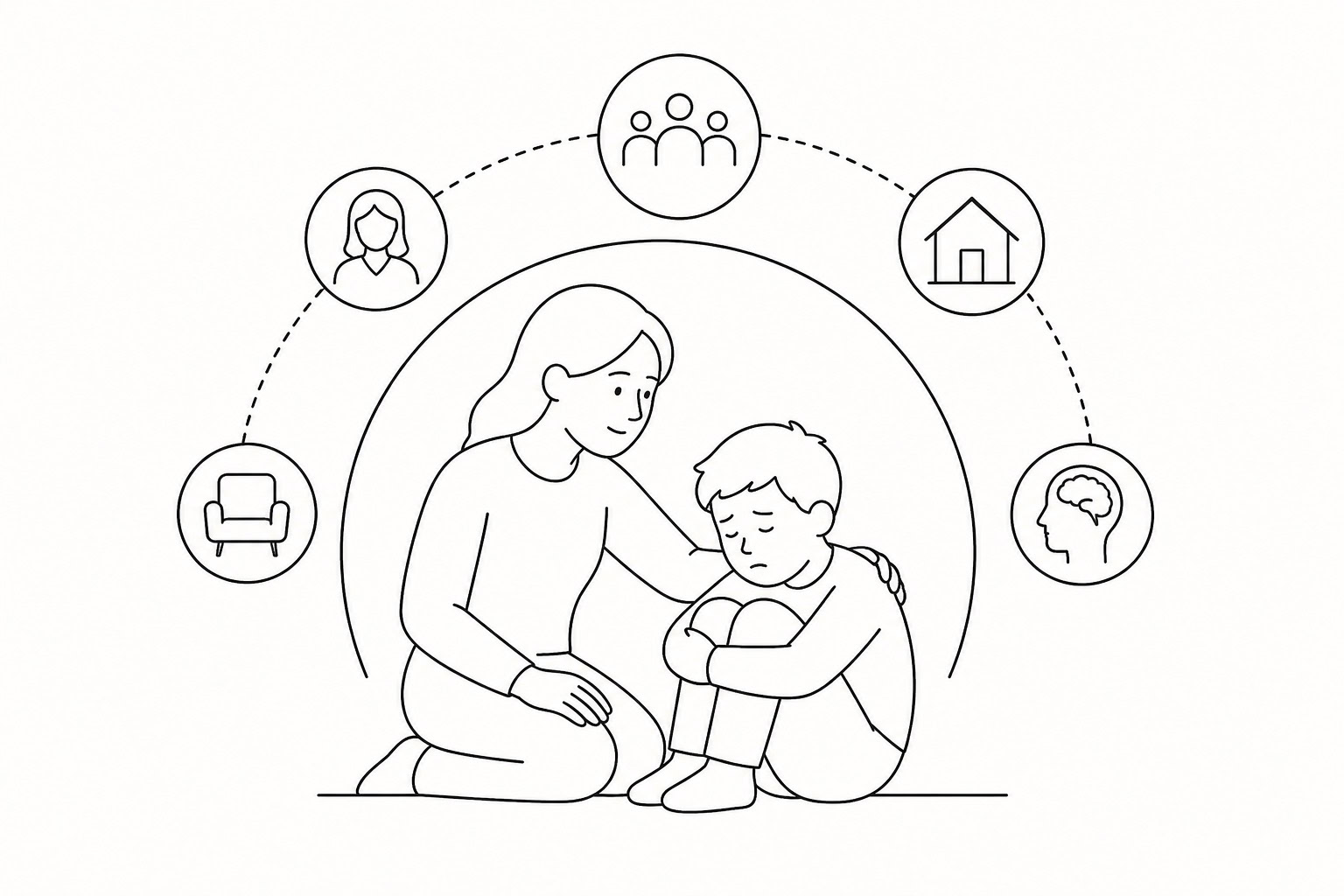
The pressure of war: how Ukraine’s system of psychological support for children works
The war in Ukraine has created a large-scale child mental health crisis. Frontliner examines how the system works and where its weaknesses remain.
-
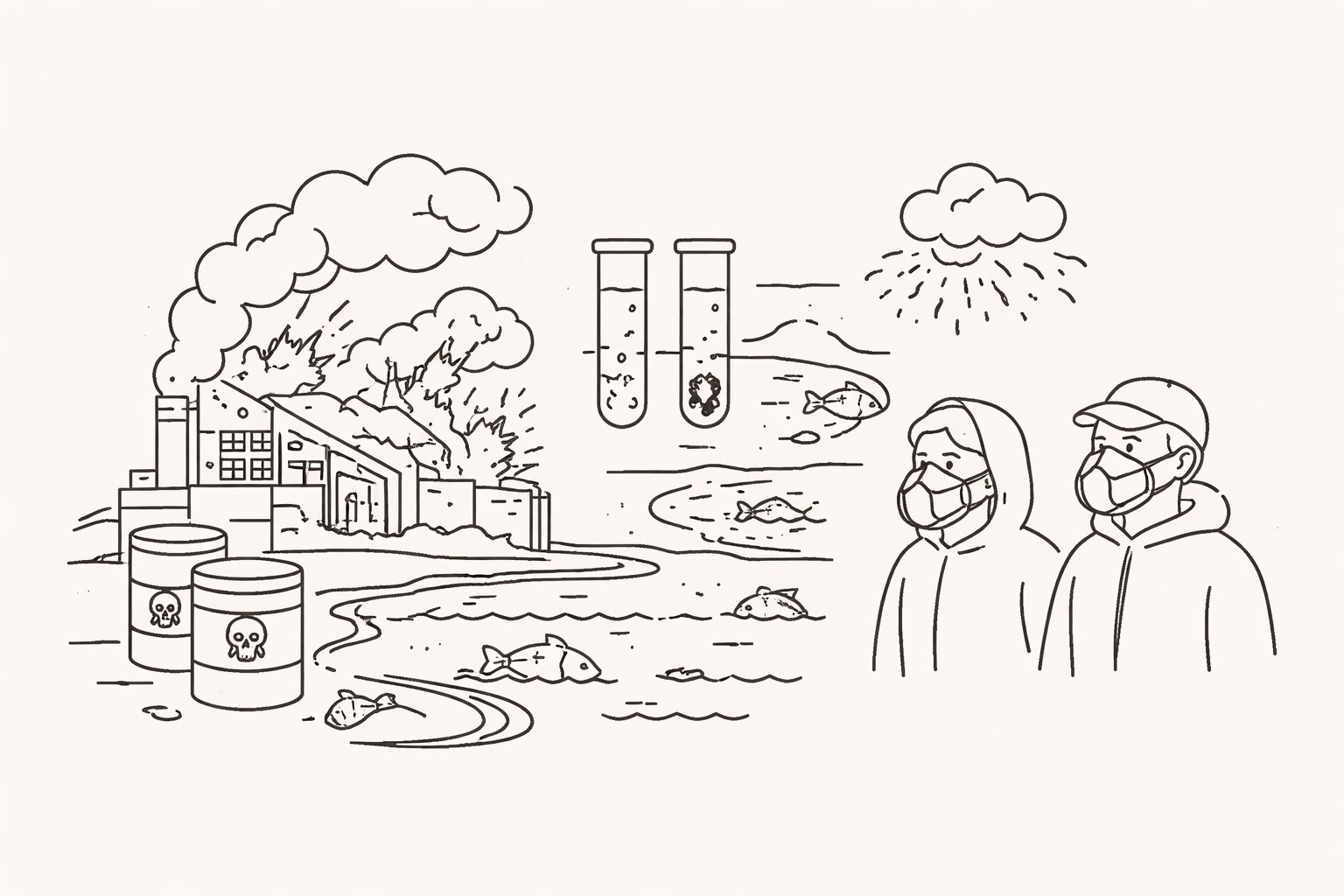
War on the environment: how explosions and fires are changing air and water
Some of these changes are immediately visible, while others accumulate and will emerge over time. Frontliner looks at the risks already recorded and what to expect.
-

War crimes trials: how Ukraine is gathering evidence for international tribunals
Russia’s war against Ukraine has been accompanied by widespread violations of international law. The effort goes beyond recording facts — it focuses on preparing evidence for court proceedings, Frontliner reports.
-
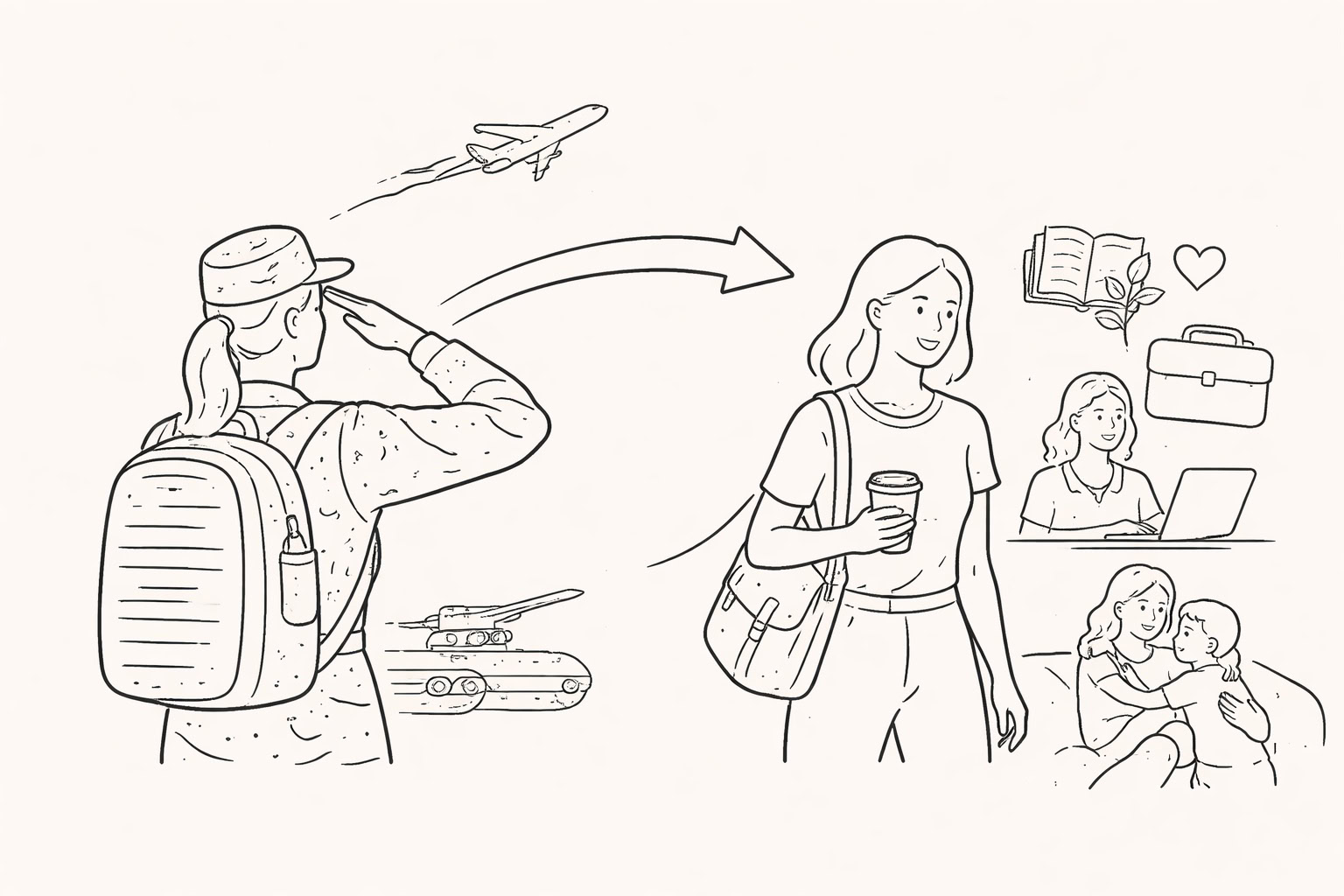
Women after service: how female veterans return to civilian life
The number of women serving in the military has increased during the full-scale war, driving rising demand for post-service reintegration. The support system is expanding, but demand is growing faster, Frontliner reports.