

-

Destroyed housing: What Ukraine has lost and what must be rebuilt
Russia has destroyed 14% of Ukraine’s housing stock, according to estimates by international organizations and the Ukrainian government. The scale of losses is already reshaping the country’s housing balance, and these changes will need to be considered in reconstruction efforts, Frontliner reports.
-
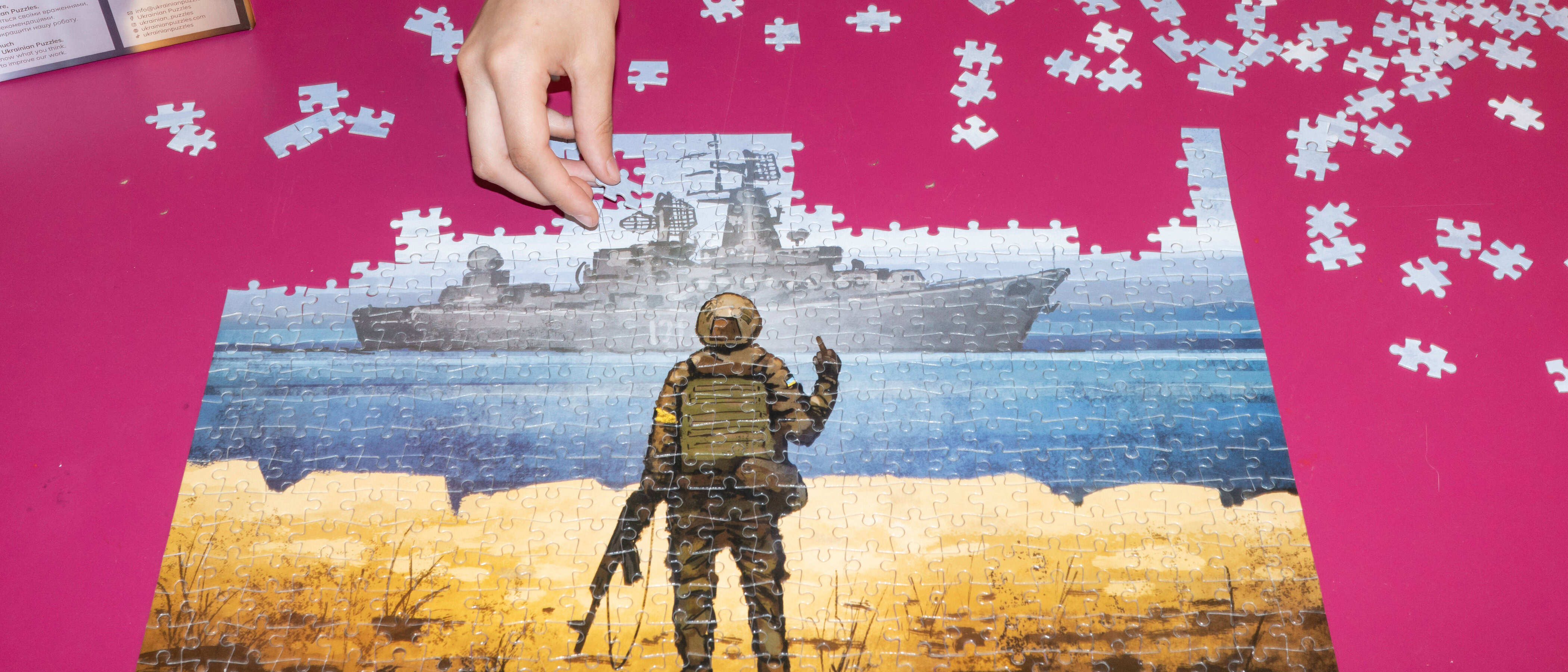
Recipe for revenge: High-profile operations of Ukraine’s intelligence services
Dedication, determination, and an unconventional approach prevail over scale. Below, Frontliner reports on the high-profile and legendary special operations of the Ukrainian intelligence services and the Armed Forces.
-

Digital security during war: How to protect your devices and accounts
Smartphones and computers have become entry points to personal data and finances. Frontliner explains how to protect yourself and avoid these schemes.
-
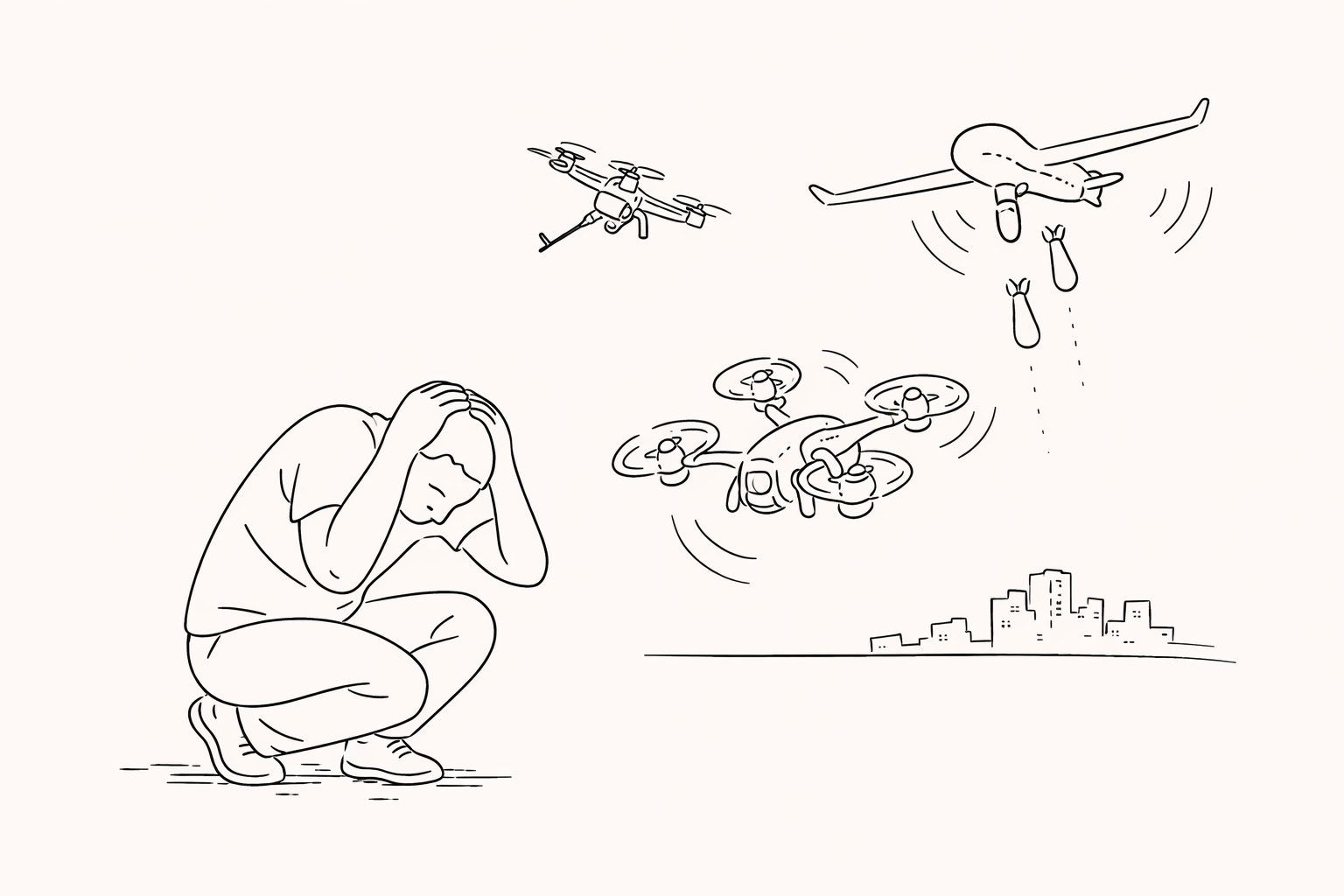
A drone overhead: How civilians should respond and what saves lives
Unmanned aerial vehicles have become a routine threat not only along the front line but also deep in the rear. Frontliner explains how civilians should respond when a drone is already overhead.
-

Pokrovsk and Myrnohrad are partially under Russian control according to an officer of the “Rubizh” Brigade
In the latest so-called meat-grinder assaults, the Russians lost over 6,000 troops in four days.
-
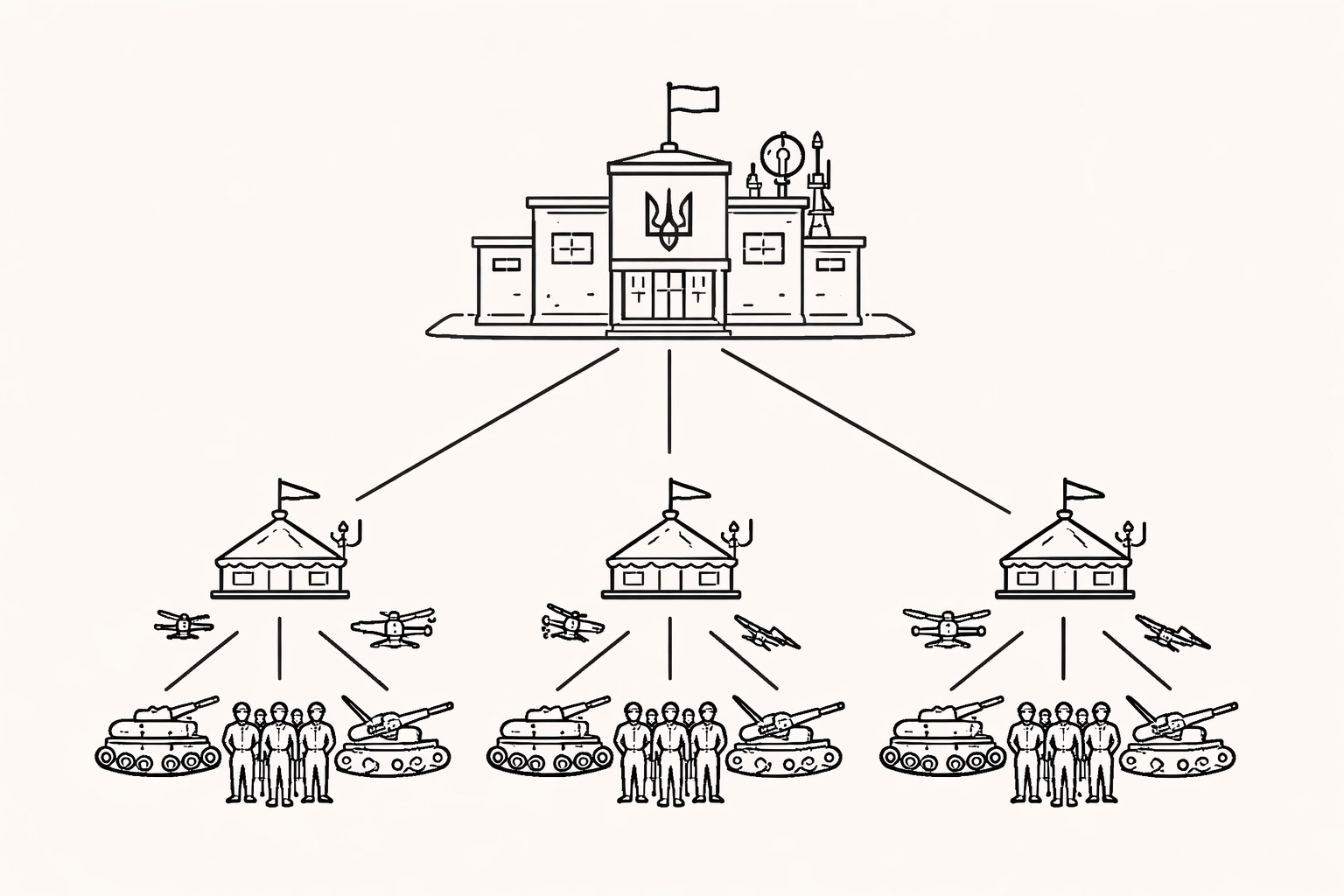
An army of corps: how Ukraine’s defense forces are restructuring during war
Ukraine’s military is undergoing one of its largest organizational reforms since the start of the war. The Ukrainian media outlet Frontliner explains how the structure of the Defense Forces is changing and what the transition to a corps system means.
-

Payments for wounded soldiers: how much can be received for rehabilitation
This includes not only their regular military pay, but also additional compensation granted for the period spent in hospital or on medical leave. Frontliner explains how this system works and what injured soldiers can expect after being wounded.
-
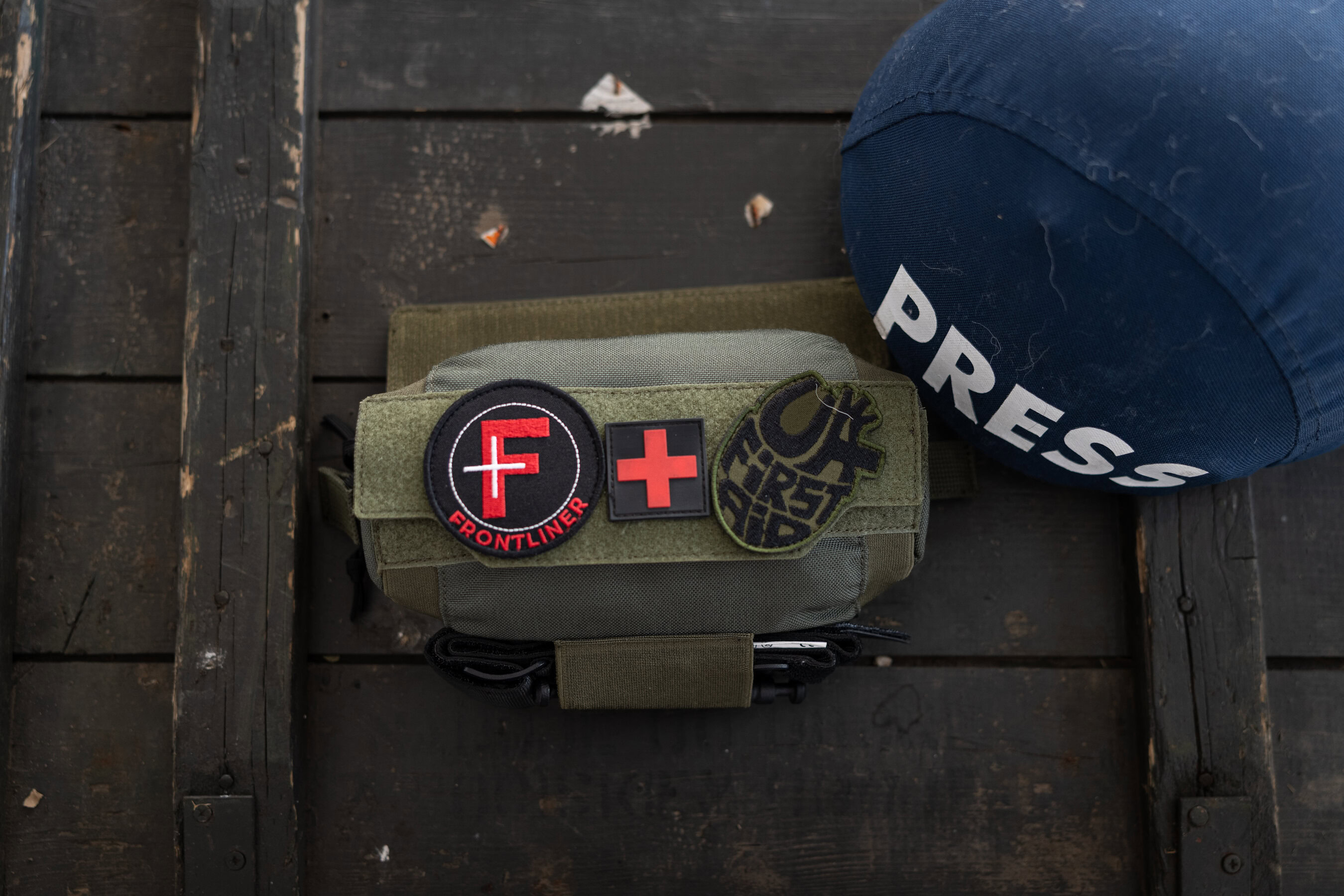
Fundraiser for Frontliner reporters’ first aid kits: protect a life, preserve the story
Frontliner is a community of people brought together by shared values and a common mission. That’s why, together with the Frontliner community and the UA First Aid charitable organization, we are raising funds for 30 individual first aid kits for the Frontliner team.
-
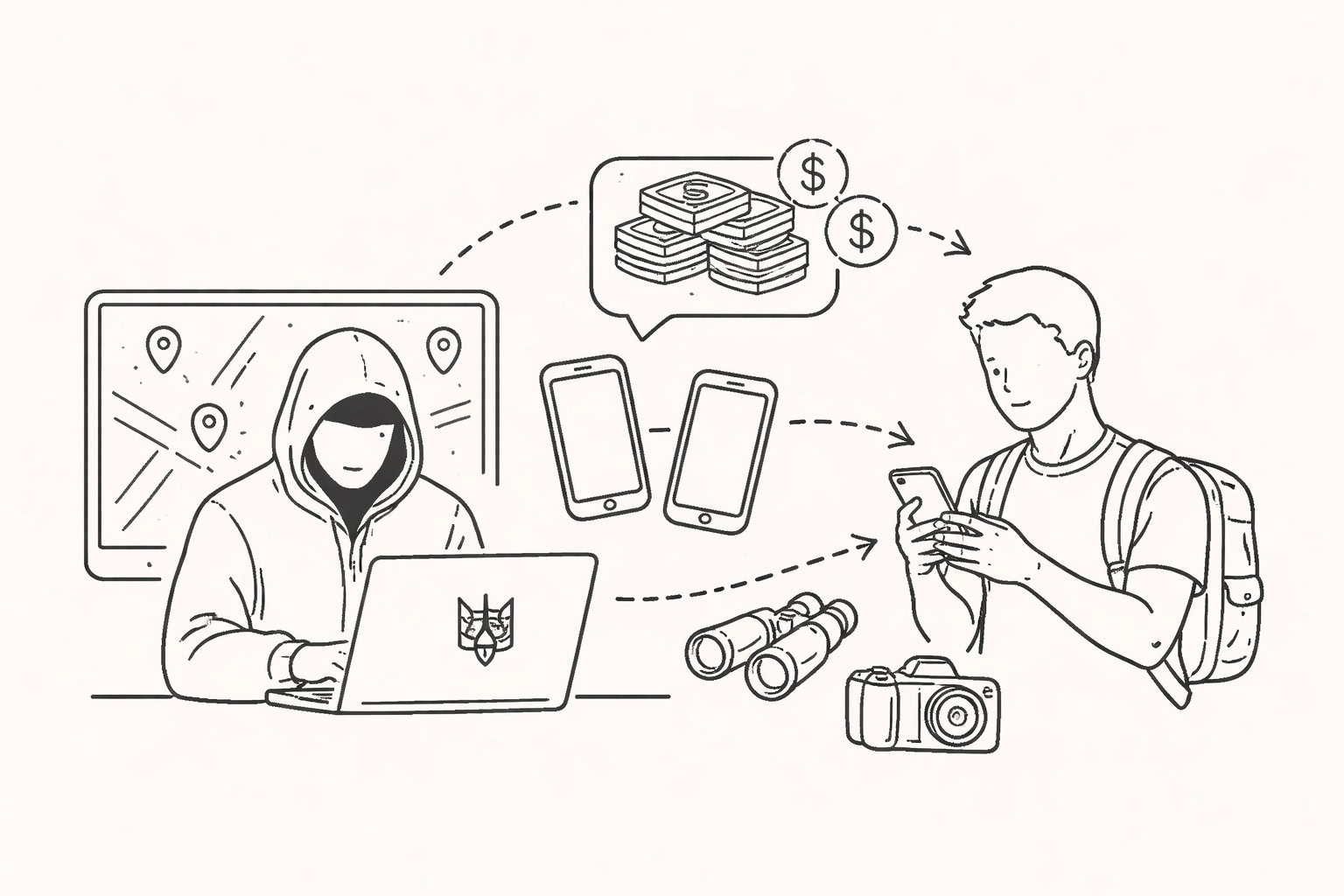
Easy money from the enemy: how not to become a Russian agent
Ukrainian law enforcement regularly reports arrests of people who carried out tasks for Russian intelligence services. The Ukrainian media outlet Frontliner examined how these schemes operate and how people can avoid falling into the trap of Russian intelligence.
-
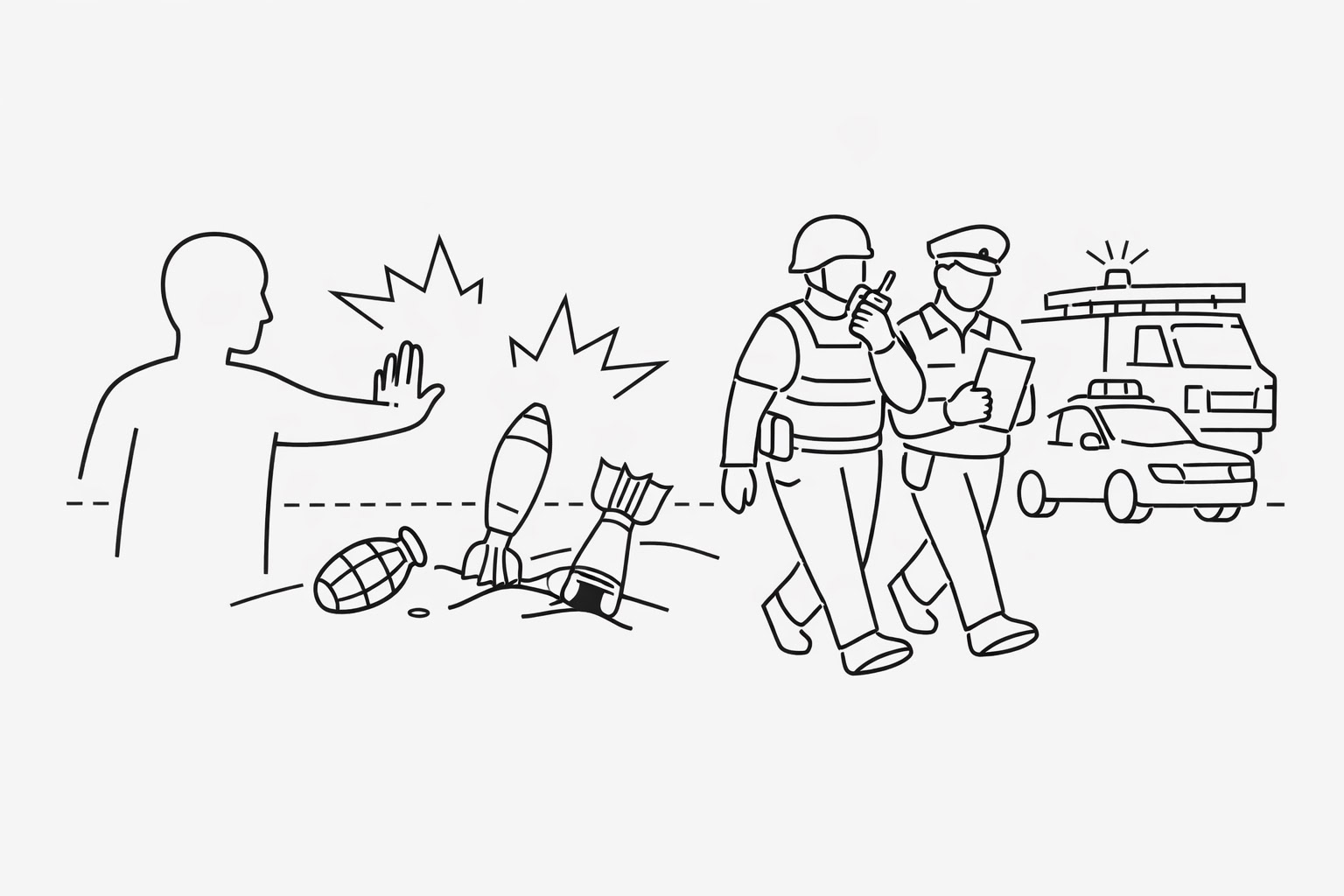
All debris after shelling is dangerous: how to avoid injury
After an impact, danger does not disappear when the blast wave subsides. Frontliner reviewed guidance on how to stay safe around hazardous debris.
-
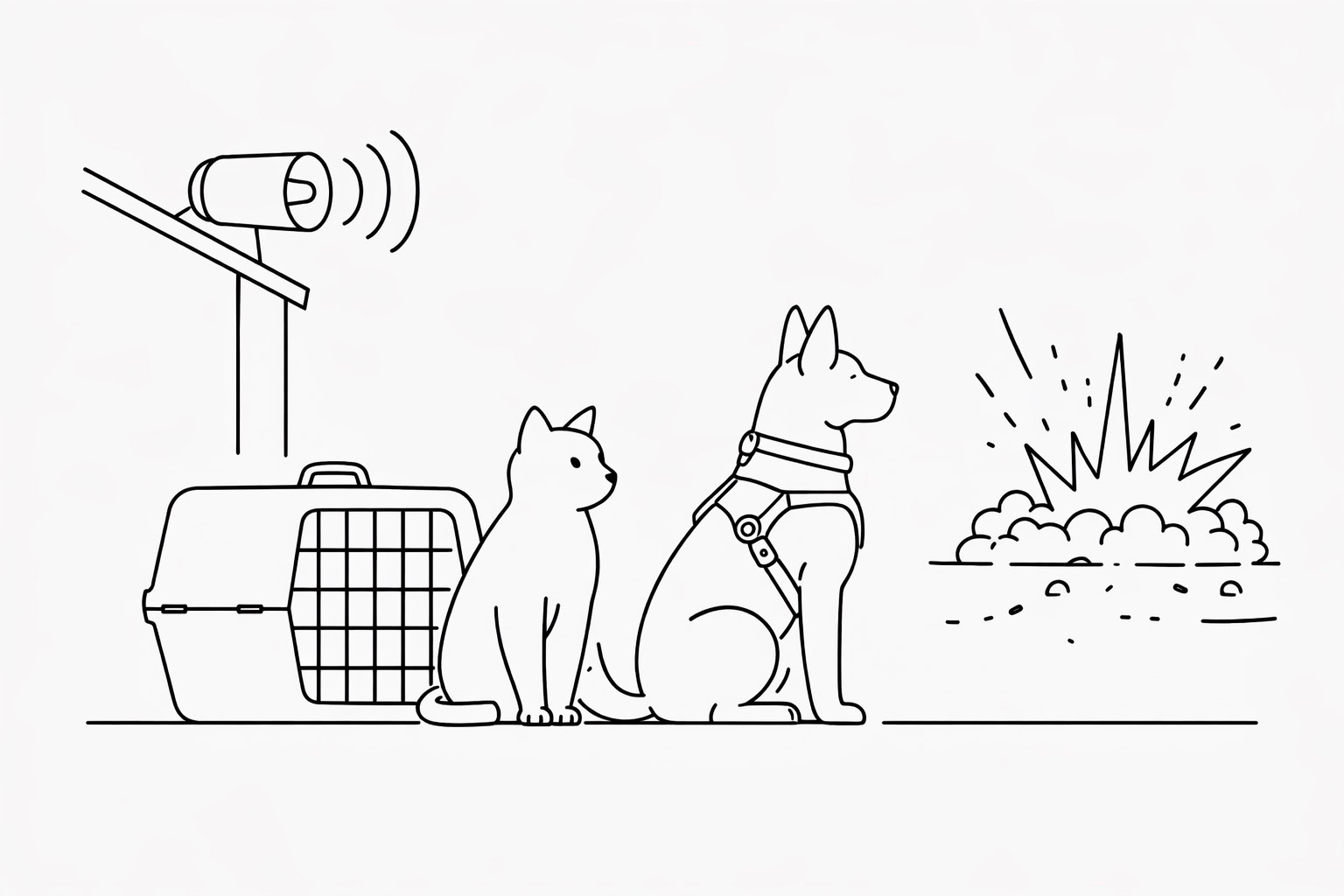
Tails in wartime: how to protect your pet under shelling
After explosions, danger for people often subsides faster than for animals. Pets struggle to orient themselves in chaos, react sharply to loud sounds and may break free from a leash or bolt through a door. In frontline areas, these risks are compounded by land mines, limited veterinary care and disrupted evacuation routes.