A child’s summer during wartime: how families are planning vacation in Ukraine
Ukrainian children are about to spend their fourth summer under wartime conditions, where even school vacations are shaped by air raid alerts, missile threats and security restrictions. About 3.5 million children are currently enrolled in schools across Ukraine, and many live in regions where attacks remain a daily risk. Despite that, parents are still trying to preserve at least part of normal childhood life through camps, trips, extracurricular activities, walks and recreation near water. At the same time, safety concerns have become central to nearly every summer plan. Frontliner looks at how families are organizing children’s vacations without creating false expectations about safety.
Summer vacation during wartime is less and less associated with carefree rest and relaxation. Even in relatively safer regions, parents must consider shelters, evacuation routes, backup power, communications and access to medical care when planning activities for their children.
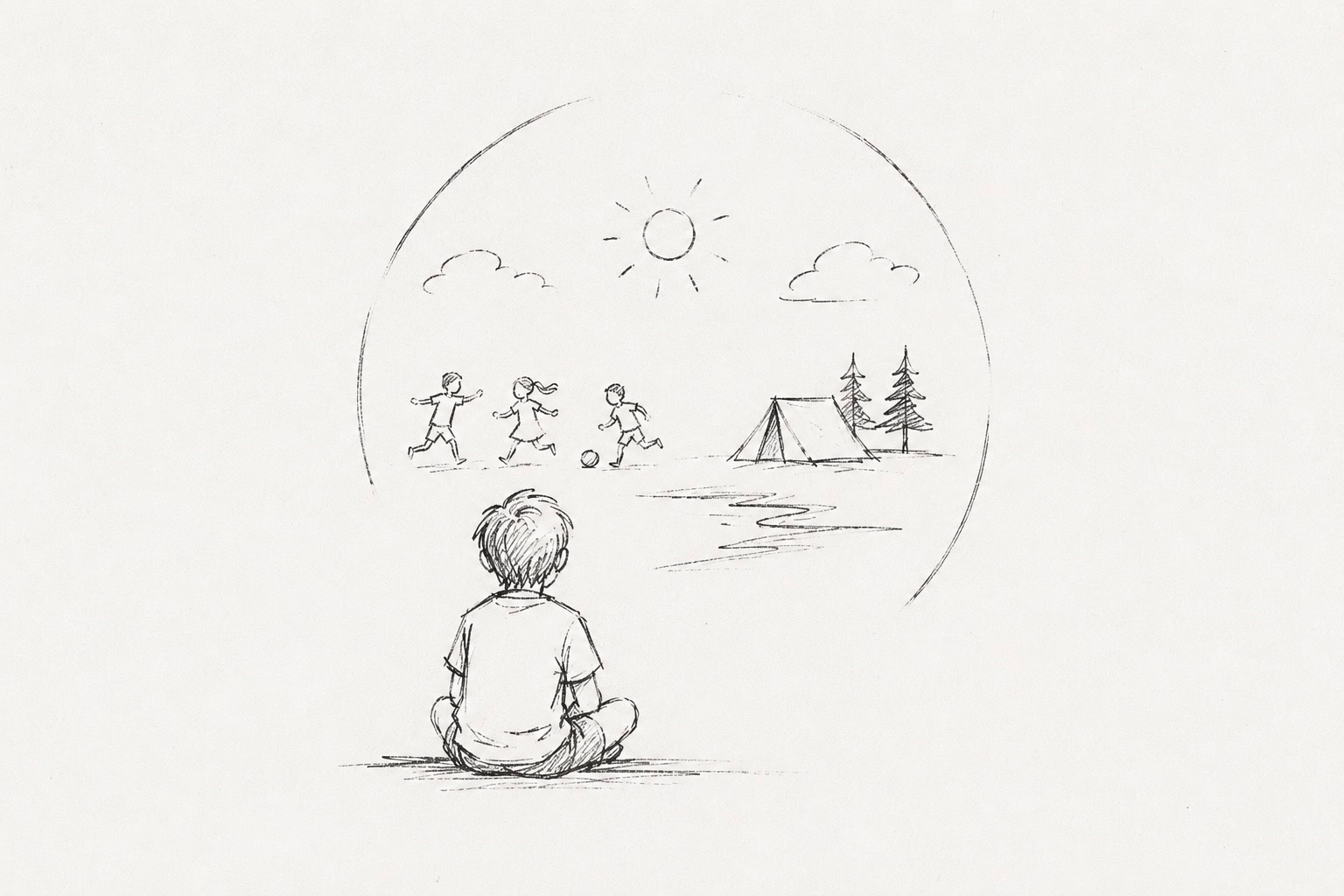
At the same time, complete isolation can also harm kids. Constantly staying at home and living only between school, air raid alerts and screens can increase anxiety, weaken social skills and create a sense of endless instability. For many parents, the challenge is no longer creating the illusion of complete safety, but learning how to manage risk responsibly.
Camps and travel
Safety matters more than entertainment
Only a few years ago, parents chose summer camps based on available amenities like swimming pools, excursions and sports activities. Today, the main concerns are access to shelters, proximity to potential military targets and emergency procedures during air raid alerts.
Even in western Ukraine, the risks no longer seem remote. As a result, many camps are moving toward smaller groups, shorter stays and programs with constant access to protected spaces.
Travel has become part of the risk
The risks are not limited to the vacation destination itself. Train stations, transportation hubs and long-distance bus routes remain potential targets during large-scale missile attacks.
As a result, many parents are choosing shorter trips, recreation closer to home or daytime activities without overnight stays. For many families, the safety of the journey has become nearly as important as the vacation itself.
Summer activities require constant attention
Children get used to danger faster than adults
One of the challenges in the fifth year of the war is that many children are becoming accustomed to danger. In a country where, according to Ukraine’s Ministry of Education and Science, about 3.5 million children attend school, some teenagers no longer react to air raid sirens, ignore safety rules or treat alerts as background noise. Russian missile strikes have become a part of everyday life for many of them.
As a result, adults increasingly find themselves not only responsible for children’s safety, but also repeatedly explaining the risks, especially during walks, trips or recreation near water.
Normal life does not equal ignoring the war
Psychologists and educators say children still need social interaction, physical activity and rest, even during wartime. But attempts to “switch off” from the war for a few weeks can create a false sense of safety.
As a result, many Ukrainian families are learning to balance two realities that once seemed incompatible: giving children a normal childhood while remaining constantly prepared for danger. That tension has become part of everyday life during the war.
What parents should consider before planning a trip
- Whether shelters are located nearby and who is responsible for evacuating children
- How organizers respond during air raid alerts
- Whether backup communication methods and medical assistance are available
- How safe the travel route is
- Whether the child understands basic safety procedures during an attack
- Whether critical infrastructure or possible military targets are located nearby
The illusion of safety has become a risk of its own
In 2026, the greater mistake may no longer be excessive caution, but acting as though the risks have decreased. In reality, the war continues to shape daily life even far from the front line.
For many Ukrainian families, a safe summer for children now depends on adults constantly taking potential dangers into account during any form of recreation or travel.