War through TikTok: How seconds-long videos replace news for teens and distort reality?
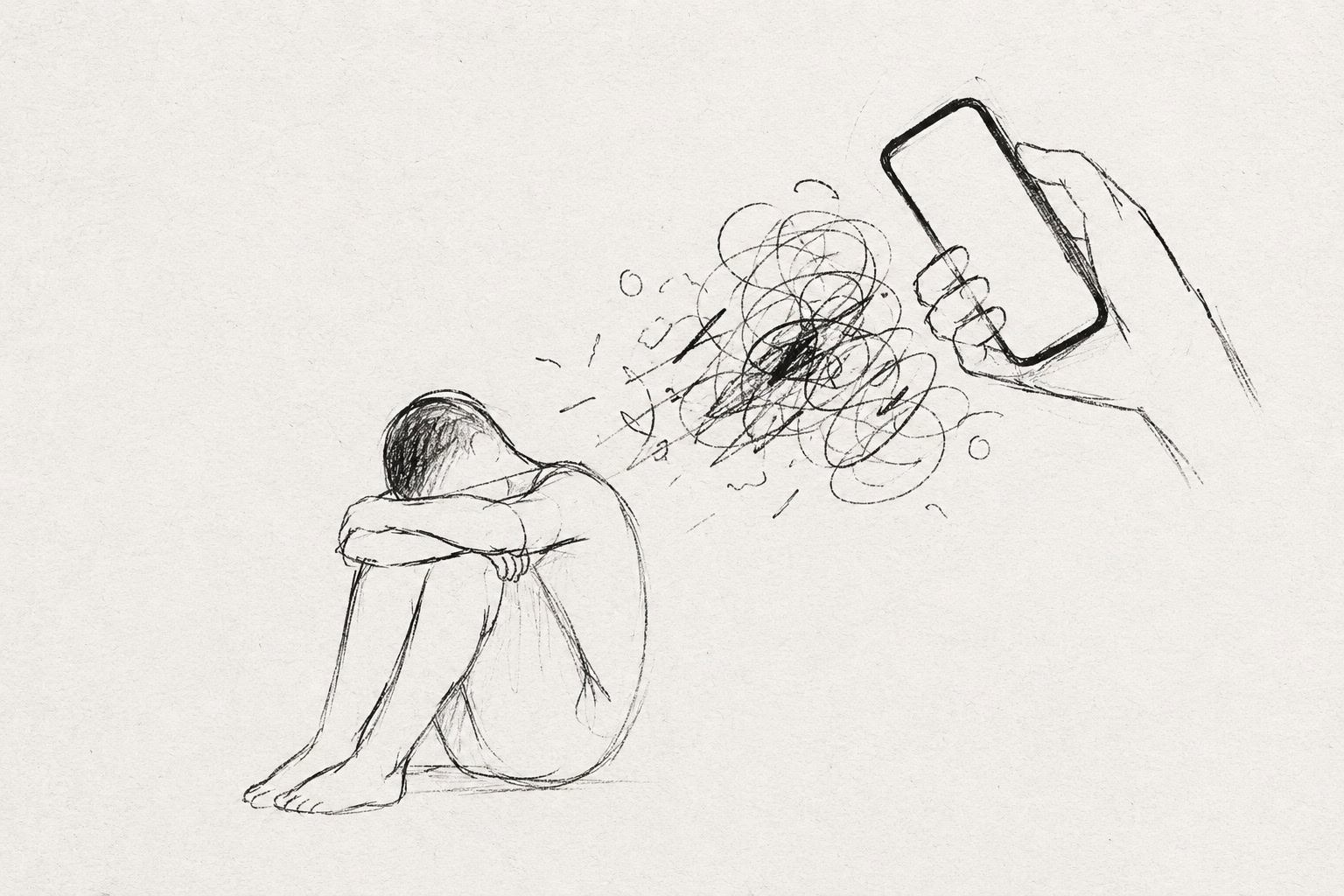
For many Ukrainian teenagers, war appears as an endless stream of short videos. Missile attacks, frontline footage, explosions, drones, evacuations, military memes and security camera clips are increasingly consumed through TikTok, Reels and Youtube Shorts rather than conventional news outlets. Social media algorithms have become far more influential than conventional media at capturing attention. Short-form video has emerged as the primary way many young people experience current events. Frontliner examines how this is shaping teenagers’ understanding of war.
War as an endless feed
The algorithm of emotion
Social media platforms increasingly create personalized algorithms. Once a teenager watches several videos about missile attacks, drones or military equipment, the platform is likely to push even more similar content. In a short time, a social media feed is flooded with war-related videos.
At the same time, algorithms don’t distinguish between journalism, propaganda, rumors or misinformation. Authentic footage can appear alongside staged videos, recycled clips from other countries or emotionally charged fakes. For teenagers accustomed to consuming information quickly, distinguishing between them becomes increasingly difficult.
A short video instead of an explanation
Traditional journalism typically provides context, causes and consequences. Clip videos work differently. They focus on a single emotional moment: an explosion, a person’s reaction, scenes of destruction or dramatic footage of a drone launch.
Therefore, understanding of the war can become fragmented. Teenagers may remember individual videos vividly while lacking a broader understanding of the events behind them. The war begins to appear as a collection of emotional scenes rather than a connected sequence of events with clear causes and consequences.
How it affects children
Becoming desensitized to violence
A constant flow of videos showing explosions, injuries and death can gradually reduce emotional sensitivity. Scenes that shocked viewers at the beginning of the full-scale war may eventually become routine.
This is particularly concerning during teen years, when emotional intelligence is still developing. Some young people begin to view war as a normal background condition, while others experience persistent anxiety fueled by an endless stream of alarming content.
Influencers matter more than news outlets
For many teenagers, influencers have become more convincing than journalists. Those who can explain events quickly and emotionally through short videos often shape opinions about military operations, political leaders and current events.
The challenge is that popularity on TikTok does not necessarily reflect expertise. A creator may attract millions of views while sharing inaccurate or misleading information. Yet the algorithm will continue promoting that content if it successfully holds viewers’ attention.
What parents can do:
- explain how TikTok and other social media algorithms work;
- discuss videos children have seen rather than simply banning them;
- encourage fact-checking through multiple sources;
- explain the difference between influencers and journalists;
- limit endless scrolling and passive consumption of content;
- watch for signs of anxiety, stress or emotional exhaustion.
Short-form video has already become one of the primary ways many teenagers consume information. Ignoring that reality is no longer an option. Social media platforms have effectively become a parallel information system, shaping young people’s understanding of war as much as schools, families and traditional media.
On platforms such as TikTok, war is filtered through algorithms that reward emotion, and spectacle. In that environment, careful explanation and context often lose out to a 15-second video within the first few moments of viewing.