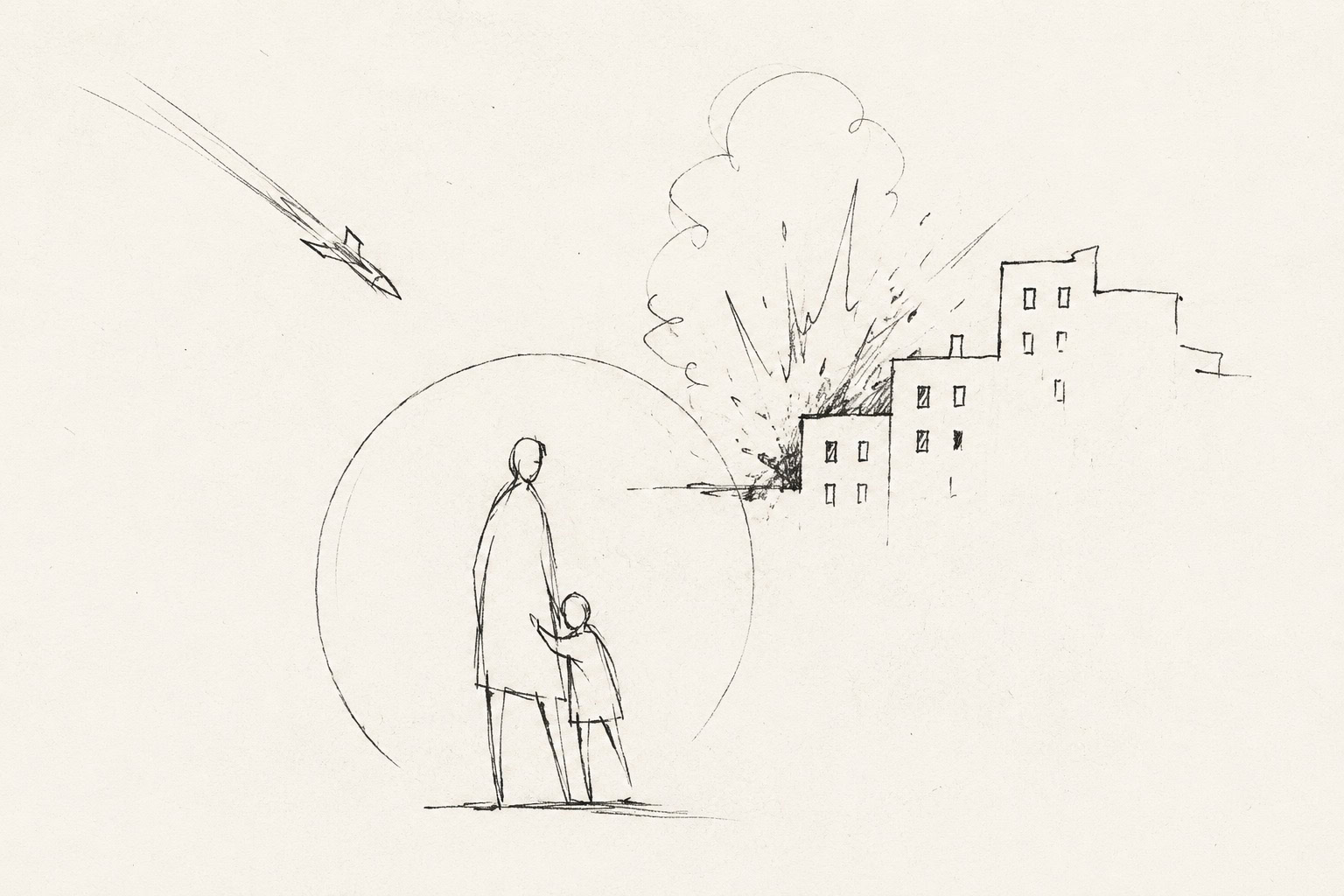
Living near a strategic site: Basic safety rules during wartime
The war has blurred the line between the front line and the rear. Russian missiles and drones regularly strike energy facilities, warehouses, industrial sites, transportation hubs and military locations in cities that were once considered relatively safe. Living near such sites now requires greater awareness and caution to avoid unintentionally assisting the enemy through photos or social media posts. Frontliner examines how civilian safety is changing around military and strategic facilities during wartime.
Russia has repeatedly targeted facilities that play a military or critical role in keeping the country running. These targets include not only military bases and ammunition depots, but also electrical substations, defense industry facilities, railway hubs, logistics centers, telecommunications infrastructure and energy sites.
For civilians, the danger extends beyond a direct hit. Even when a missile or drone strikes its intended target, nearby residential neighborhoods are often affected. Blast waves, falling debris, fires, shattered windows and damage to gas and power networks can turn surrounding areas into dangerous zones within minutes.
Why the risk is greater than it seems
Strategic infrastructure often sits near residential areas
In many Ukrainian cities, military, energy and logistics facilities are located close to residential neighborhoods. The urban planning dates back to the Soviet era, where industry, transportation infrastructure and housing were developed side by side. Since the start of the full-scale war, such areas have become zones of heightened risk.
Cities located along major transportation corridors or home to key energy infrastructure are particularly vulnerable. Russian attacks on the energy grid have already caused widespread disruptions to water supplies, heating, communications and transportation services.
Secondary strikes and post-impact dangers
Another major risk comes from follow-up strikes. After an initial attack, emergency responders, medical personnel, utility workers and civilians often gather at the scene. That is precisely when another strike may occur.
Ukrainian emergency services and local authorities regularly urge people not to gather near impact sites or turn tragedies into social media content. Even brief visits to strike locations can be dangerous because of secondary attacks, unexploded debris or ongoing fires.
Social media as a security risk
Photos and videos can be used by the enemy
During wartime, even a seemingly harmless photograph can become a source of intelligence. Videos of missile impacts, footage of air defense activity, geolocated images of military equipment or posts describing unusual activity in a neighborhood can help Russia assess strike results and plan future attacks.
Posts published in the first minutes after an attack are particularly sensitive. During that period, Russian monitoring systems actively collect information from Telegram, TikTok, Facebook, Instagram and local online communities.
Digital caution has become part of personal safety
Even a short video recorded from a courtyard can reveal the location of a previously unidentified site. Similarly, posts about military movements, air defense operations or strike damage before official statements are released can pose security risks.
Ukrainian law enforcement and security agencies regularly urge civilians not to picture military facilities, equipment, air defense positions or strike locations. Digital carelessness during wartime can have consequences not only for the person who posts the content, but also for entire communities
When danger becomes routine
People gradually stop responding to risk
One of the biggest challenges facing rear-area cities is the normalization of danger. Residents continue standing near windows during air raid alerts, recording explosions on their phones and ignoring basic protective measures such as the two-wall rule. Constant threats gradually become part of the background of everyday life.
But the danger does not diminish simply because people become accustomed to it. Russian strikes have repeatedly demonstrated that cities far from the front line remain potential targets.
Civilian behavior matters
Safety near strategic facilities is no longer solely a matter for air defenses or emergency responders. A significant portion of the risk depends on the behavior of civilians themselves.
Ignoring air raid alerts, acting carelessly or sharing sensitive information online can increase risks for others. Following basic wartime safety rules not only improves individual chances of survival but also contributes to broader public security.
How to reduce the risks
- do not publish photos or videos of military facilities, equipment, air defense systems or strike aftermaths;
- avoid posting about military movements or unusual activity in your area;
- stay away from windows and upper floors during air raid alerts;
- know the location of the nearest shelter and multiple routes to reach it;
- do not gather at strike sites or film emergency responders at work;
- keep phones charged and maintain backup power banks, water supplies and a basic first-aid kit;
- avoid staying near military convoys, energy facilities and large industrial sites during alerts;
- do not share unverified information about attacks or air defense operations.
War has turned Ukrainian cities into environments of constant risk, even far from the front line. But today, safety depends not only on air defenses or shelters. It also depends on the choices people make every day. A careless social media post, a video filmed from a balcony or the habit of ignoring an air raid alert can carry consequences far beyond the individual involved.