
Spring changed the war: Foliage, drones and the fight to keep supplies moving
Spring has given way to a different kind of war. Dense foliage has given the enemy greater cover for troop movements, infantry engagements have surged, and control over supply routes has emerged as a decisive factor. According to the General Staff, the Pokrovsk direction saw the highest number of combat engagements throughout May, while Russian forces kept up pressure on the approaches to Kostiantynivka. Despite relentless assaults, they failed to achieve any significant breakthroughs. Donetsk region remains the main theater of operations of the Russo-Ukrainian War. Read Frontliner’s breakdown of how the situation unfolded throughout May.
In May, Russian forces continued offensive operations along nearly the entire front line — on the most intense days, the number of combat engagements exceeded 200 per day, a tempo that has defined the grinding nature of the war in eastern Ukraine. Russian forces continued to concentrate their main efforts there, pressing hardest in the Donetsk region. The Institute for the Study of War (ISW) reported a concentration of forces along the Pokrovsk and Kostiantynivka fronts and renewed attempts to advance in both areas. Ukrainian forces have managed to contain Russian advances, in part through strikes on logistics, drone operations, and destroying enemy reserves before they reach the front.
The enemy is trying to make maximum use of
the zelenka in its assault operations.

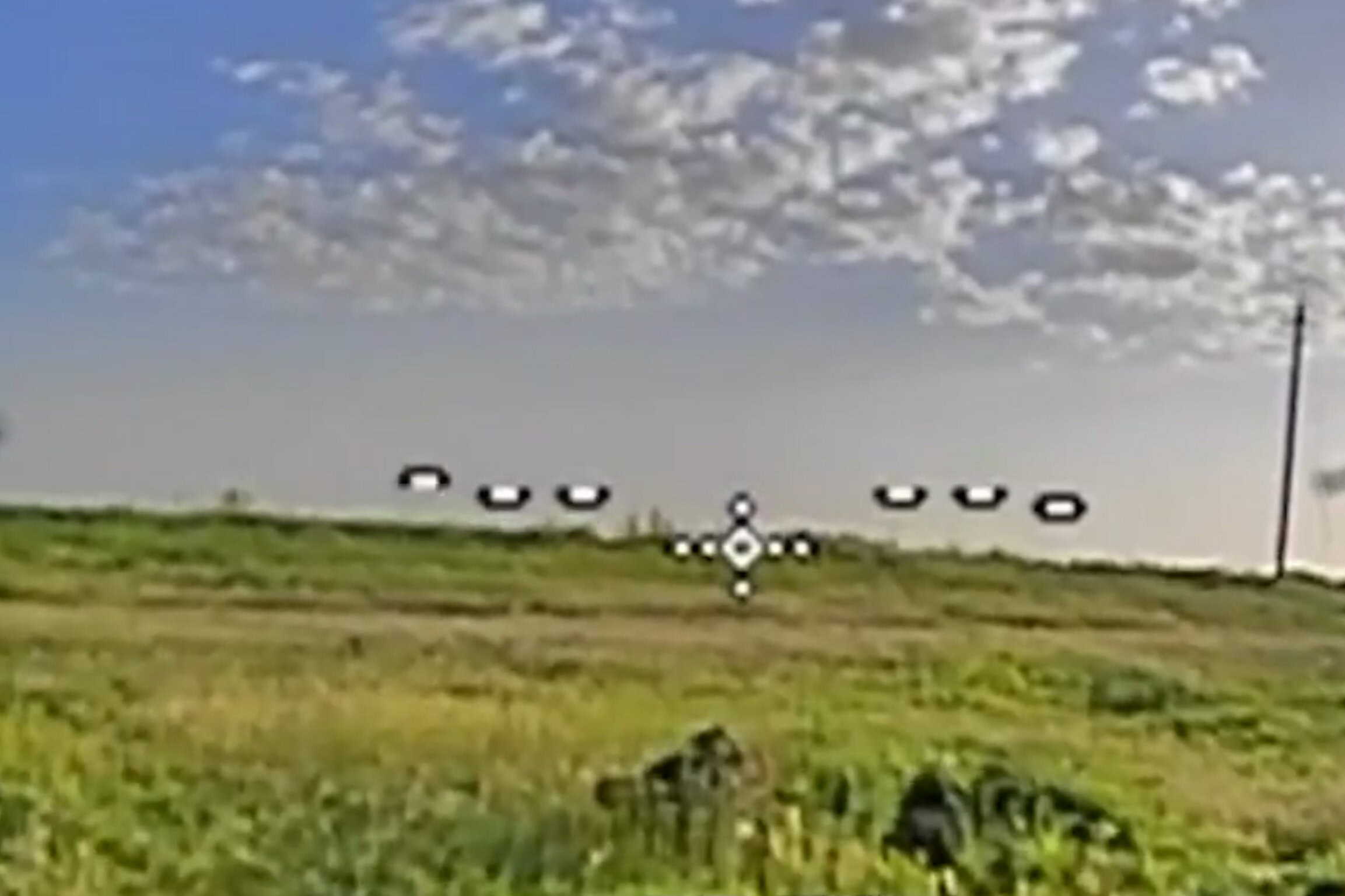
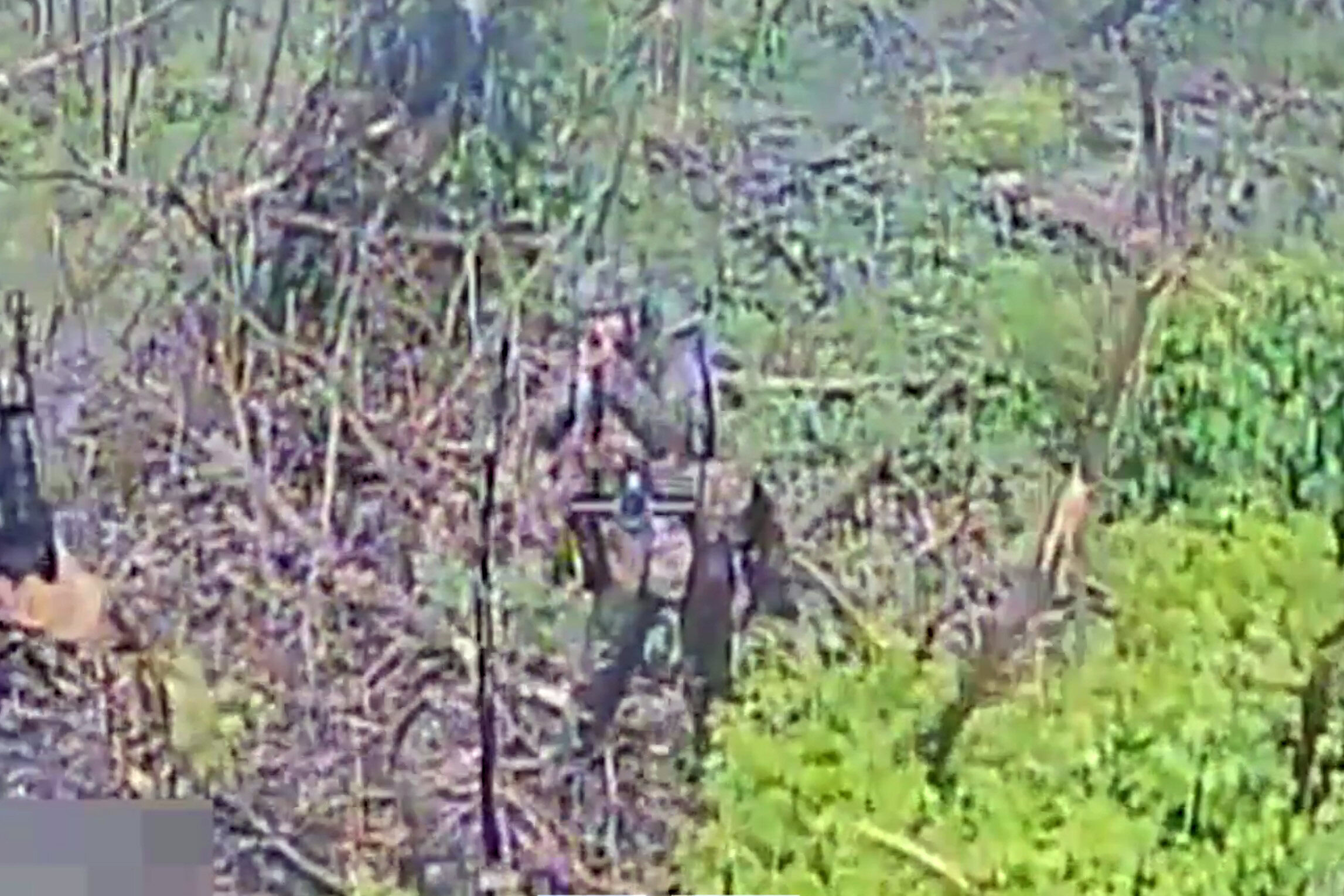
The difference between winter and late spring is felt sharply on the front line. In winter and early spring, Russian infantry could be spotted at a distance, well before reaching Ukrainian positions. Now that is far more difficult. Dense vegetation, known among soldiers as “zelenka,” emerged in May, offering the enemy natural cover.
[Editor’s note: Zelenka (Ukrainian: зеленка) derives from the Ukrainian word for green, zelenyi (зелений), and is used by Ukrainian soldiers to refer to thick foliage that provides natural concealment for troop movements.]
Ihor Shafihуlin, commander of the operational battalion of the 3rd Operational “Spartan” Brigade of the National Guard of Ukraine, says that on the Pokrovsk front, the distance at which the enemy can be detected has been cut in half.
“The enemy is trying to make maximum use of the zelenka in its assault operations. Before, we could observe them on the approach eight to 10 kilometers from the line of contact and destroy them before they got close. Now that distance has shrunk to three to five kilometers. They have become less visible and are able to move toward our positions with far greater concealment,” says Shafihуlin
The number of FPV drones detected via radio monitoring
has increased several times over.
This, he says, has led to an increase in infantry engagements. Russian forces attempt to mass in small groups near Ukrainian positions, then wait for reinforcements before pushing further.
“The enemy’s goal is to infiltrate our combat formations, hold position, observe, and wait for reinforcements. The zelenka has made this far more effective.”
The unit’s own statistics tell the same story. In April, small arms fire killed an average of one to three Russian soldiers per day within the battalion’s area of responsibility. By May, that number had risen to three to six per day. Drones, however, remain the primary means of engagement on the front line. According to the officer, the enemy is most often eliminated through FPV drones, bomber drones, or drops from a Mavic. The enemy is also expanding its kill zone, increasing both the number and intensity of drone operations — from FPV drones to Molniya-type UAVs, which Russian forces are using with growing frequency to strike the front line.
[Editor’s note: A kill zone is an area where an attacking force is exposed to concentrated fire, making movement extremely dangerous or fatal. In modern warfare, the term also encompasses threats from drone systems operating across the battlefield.]
“They fly out on open hunt. If the battery is running low, they will just strike trees or buildings. The number of FPV drones detected via radio monitoring has increased several times over. We periodically encounter Molniyas carrying FPV drones. They can fly 30 to 40 kilometers from the line of contact and launch FPVs from there. This happens every day,” says the battalion commander.
The primary target of these strikes is supply routes and logistics. The ability to safely move personnel, ammunition, and supplies to front positions has increasingly become the defining factor in the fighting.
Civilian vehicles, motorcycle raids
The equipment Russian forces use near the front line has also changed. On the Pokrovsk front, the enemy is increasingly relying on light civilian vehicles.
“We see modified Zhyhulis, Nyvas, and UAZs. They cut out part of the roof and trunk and turn them into something resembling pickups,” says Shafihуlin.
On the Kostiantynivka front, meanwhile, motorcycles and buggies remain one of the primary ways of delivering enemy assault groups to their objectives. Viacheslav, commander of the 3rd Mechanized Battalion of the 44th Mechanized Brigade, says the attacks happen almost every day.
During the most recent assault, at least six or seven motorcycles,
two buggies, and one armored vehicle came at us from different directions.
They cover these assaults with artillery, lay down smoke, and try to deliver groups
to positions where they are meant to dig in. All of these groups get destroyed.
But in recent weeks the intensity of such attacks has only grown,
Russia’s goals in Donetsk
Despite the absence of major breakthroughs, the Russian command has not abandoned its objectives in the Donetsk region.
Russia’s key strategic goal remains the capture of the cities of Kramatorsk and Sloviansk and full occupation of the region within its official administrative boundaries; however, the pace of advance remains significantly slower than during certain phases of previous years’ campaigns.
Locally, the enemy is concentrating forces not only on the Pokrovsk section of the front. On the Kostiantynivka front, Russian forces are targeting Druzhkivka and Oleksiieve-Druzhkivka as their next objectives.

Looking at the front as a whole, they have thrown a very large number
of forces into the Donetsk region.
This is where the main strike force is being formed.
“They tried to capture Dobropillia and advance from that flank toward Druzhkivka. It took them more than six months to try to encircle both cities, and nothing came of it. Now they are going straight at it, pushing toward Kostiantynivka and trying to infiltrate the city,” says Viacheslav.
Despite constant attacks, the enemy has failed to achieve any rapid advances. According to Ukrainian military assessments, for Russia to achieve meaningful results on this front, it would need to commit tens of thousands of additional forces.
Lessons from May
May brought no major breakthroughs for Russian forces in the Donetsk region. Instead, it made one thing increasingly clear: the front is being shaped by drone warfare and the battle for supply routes. Dense vegetation made it harder to spot the enemy before it reached Ukrainian positions, made small infantry groups more effective, and drove up the number of infantry engagements. FPV drones and mothership drones have extended their reach deeper into the rear, targeting supply routes and threatening the logistics that keep the front line running.
[Editor’s note: Mothership drones are larger UAVs that carry and release smaller drones, typically FPVs, closer to their target, extending their range well beyond standard operational limits.]
The Donetsk region remains the primary axis of Russia’s summer campaign, with the heaviest concentration of enemy forces and the Pokrovsk and Kostiantynivka fronts ranking among the most intense along the entire line.
“By all assessments, there could be a major escalation across the entire Donetsk front. We are already seeing preparations for the summer campaign,” says Ihor Shafihуlin.