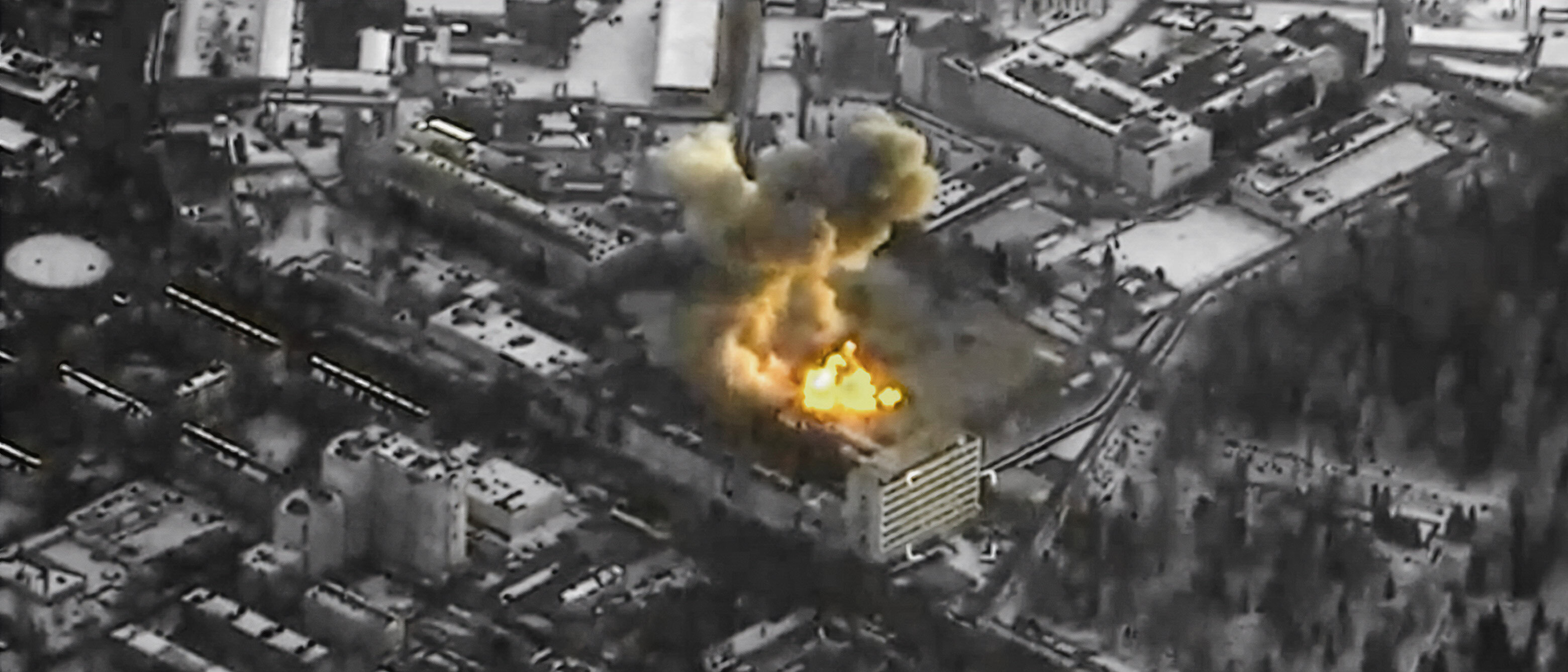
Armed Forces of Ukraine strike Kremniy EL plant in Bryansk: What we know
Russia is concealing the true scale of the damage to the Kremniy EL plant in Bryansk. The facility produces components for missiles used to strike Ukraine, including the Izdeliye-30, which on March 7, 2026, killed 11 people and wounded 16 in Kharkiv. After the strike on the plant itself, its production capacity has been significantly reduced. The death toll may be far higher than officially acknowledged, as dozens of Kremniy EL workers, civilians employed in military production, may have died in the attack.This was revealed by a Frontliner OSINT investigation.
Kremniy EL plant in Bryansk: supplying Russia’s missiles
In the Russian city of Bryansk, working at Kremniy is considered highly prestigious, according to employee and visitor reviews of the plant.
-
A social media review of the Kremniy EL plant by Pavel Logutov, Jan. 5, 2022. "Good factory, happy with management, from old Soviet stock, content with salary. Clinic on site. My opinion, no better place out there right now." Source: Social Media

-
A social media review of the Kremniy EL plant by Yan Kravkov, Oct. 22, 2023. "Good place, interesting. The work they do here is the best thing in all of Bryansk. Wish I could have stayed longer and seen everything." Source: Social Media

-
A social media review of the Kremniy EL plant by an unnamed process engineer. "High pay. Can have lunch at the facility’s cafeteria (need to pay)." Source: Social Media

The average salary in the industry is 51,000 rubles. In 2024, Kremniy EL was actively recruiting staff, promising above-average wages.

The above-mentioned expansion is confirmed by official data: the plant employed 1,700 people in 2024, growing to 1,800 by 2025.

Microelectronics for missiles
Kremniy EL specializes in microelectronics, with a catalog of 1,200 components used in the Izdeliye-30 and other missiles.
According to plant director Oleg Dantsev, it was Russia’s second-largest microelectronics producer and the sole supplier of components for many military products.
Building the workforce
Plant employees have received multiple awards by city and national leadership for their work performance. The plant has an established pipeline with universities that train specialists specifically to meet its needs. After graduation, the best of them join the production of microelectronics used to kill Ukrainians.
The Izdeliye-30 missile and Russia’s technological constraints
The Izdeliye-30 can be launched from strategic bombers such as the Tu-95 and Tu-160, as well as tactical aircraft like the Su-34. Its technical specifications closely resemble those of the Kh-101 missile, which may point to a lack of progress in Russian missile design: despite modern capabilities, Russian engineers continue to replicate older developments in new models.
The likely reason is outdated equipment. Plant workers say they are still operating Soviet-era machinery.

Payload, range, and dependence on import
The missile’s warhead weighs 800 kg. For comparison, the Shahed drone carries a warhead of 10 to 90 kg, and the Kh-101 cruise missile (pre-2024 variant) carries one of 400 kg. According to the missile’s designers, its strike range is 1,500 to 2,500 kilometers, meaning a missile launched from an Su-34 somewhere over Bryansk or Kursk oblast can reach Kyiv.
The missile also carries imported components from the United States, Switzerland, the Netherlands, China, Taiwan, Germany, and Belarus, according to Ukraine’s Defense Intelligence (HUR).
Modernization attempts and new launches
Russian officials have openly discussed plans to develop a ground-based launcher for the missile, as surface-to-surface launches are less expensive than air-to-surface ones. Little else is known about the project so far.
Russia’s defense industry may have been forced down this path by Operation Pavutyna, which destroyed more than 30% of its strategic bomber fleet. Forced to adapt, Russia is increasingly turning to tactical Su-type bombers, retrofitting them to carry the Kh-101, Kh-102, Kh-505, and now the Izdeliye-30.
[Editor’s note: Operation Pavutyna (“Spiderweb”) was a series of brazen Ukrainian drone strikes launched within Russian territory targeting Russian strategic airbases, including strikes on aircraft hangars and runways.]
Casualties and cover-up at Kremniy EL
On March 10, three days after the tragedy in Kharkiv, Ukraine struck the Kremniy EL plant during a shift change, when large numbers of workers were on site.
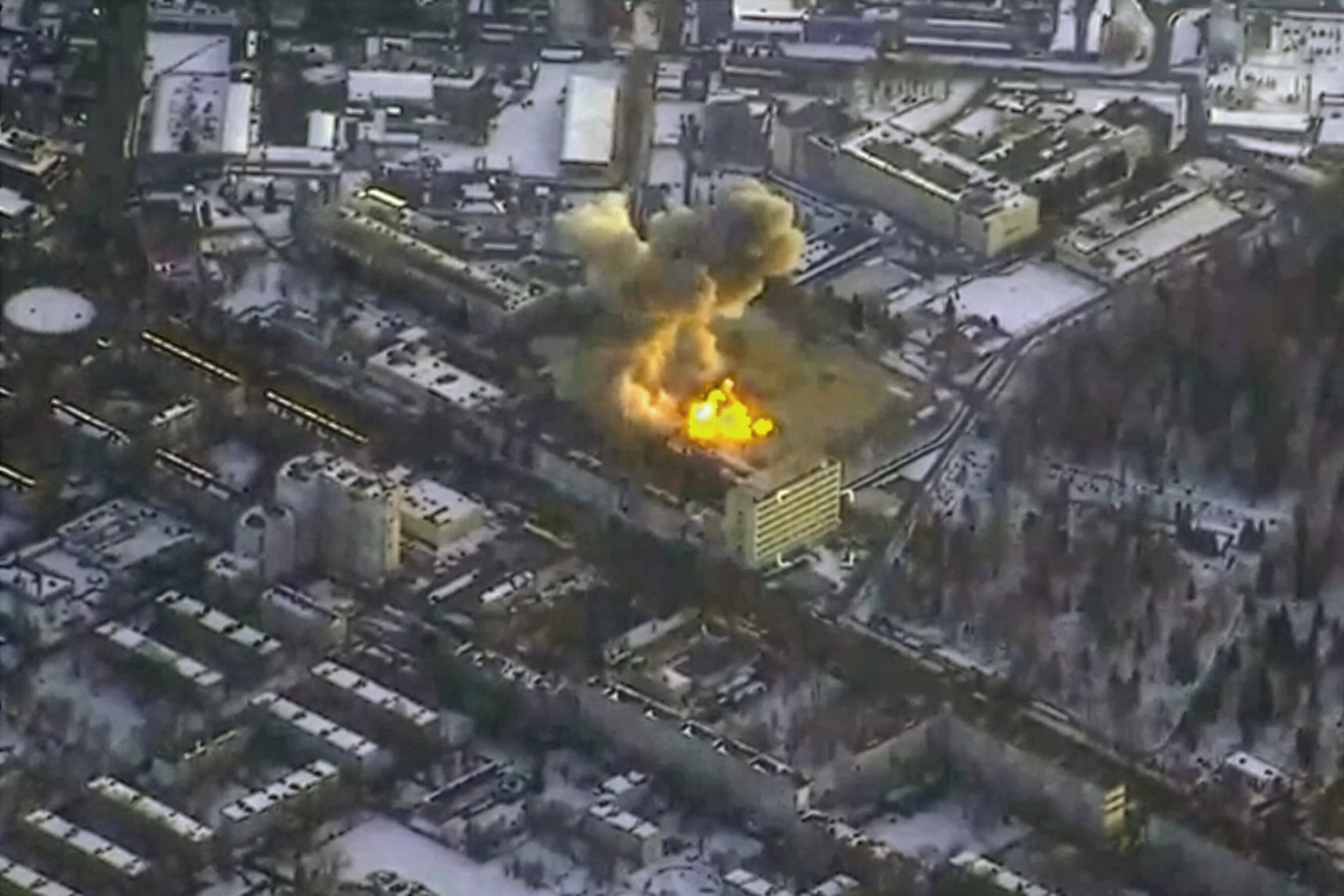
According to official statements from the Bryansk governor, only seven people were killed in the strike, including one plant employee, and 47 were wounded.
Unofficial accounts from local residents put the death toll at between 17 and 200 plant workers, a claim partially corroborated by comments on social media.


The real figures are likely being concealed. Locals report that bodies were secretly removed from the plant grounds under cover of night.

Compensation and reactions of loved ones
Victims have been promised compensation, but local residents are dissatisfied with the amounts. Families of killed civilians are being offered approximately $20,000, compared to around $68,000 paid to families of soldiers killed in the so-called special military operation zone.

The discontent is most likely driven by the low price being put on civilian silence. Russians are writing on social media that payments will only go to those who do not publicly speak about a family member’s death.
Concealing losses is standard Russian practice, but as the war drags on, people are demanding more financial compensation. The war is no longer somewhere far away in Ukraine. It is now coming to Russian cities.