More than a business: How veterans create ventures with their brothers in arms in mind
After being demobilized, Stanislav Lisovyi traded his military fatigues for work overalls. Yurii Danylyshyn returned to creating ceramic art. And Volodymyr Saveliev opened his own coworking space — a place designed to foster understanding between veterans and civilians. Yet, all three of them have something in common: having launched their own ventures, they continue to support soldiers on the front line and veterans transitioning back to civilian life. Frontline shares their stories.
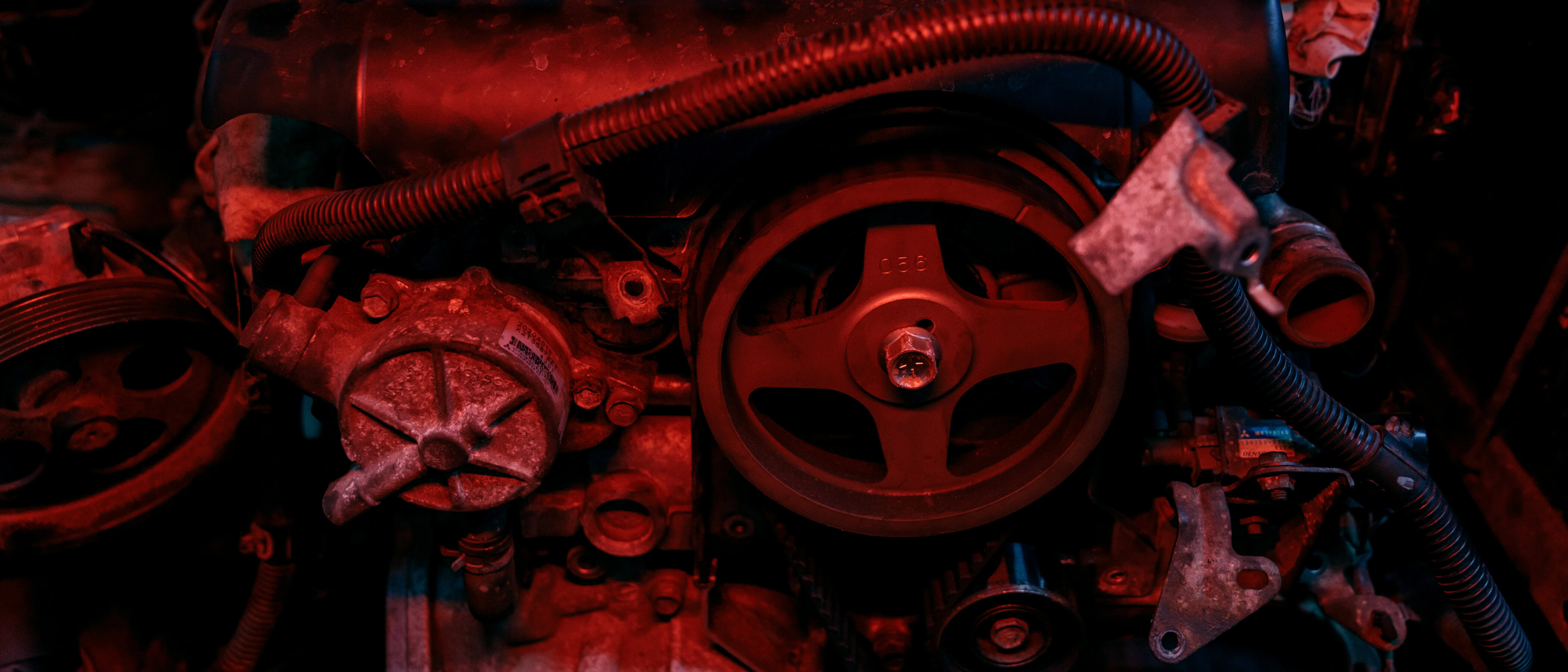
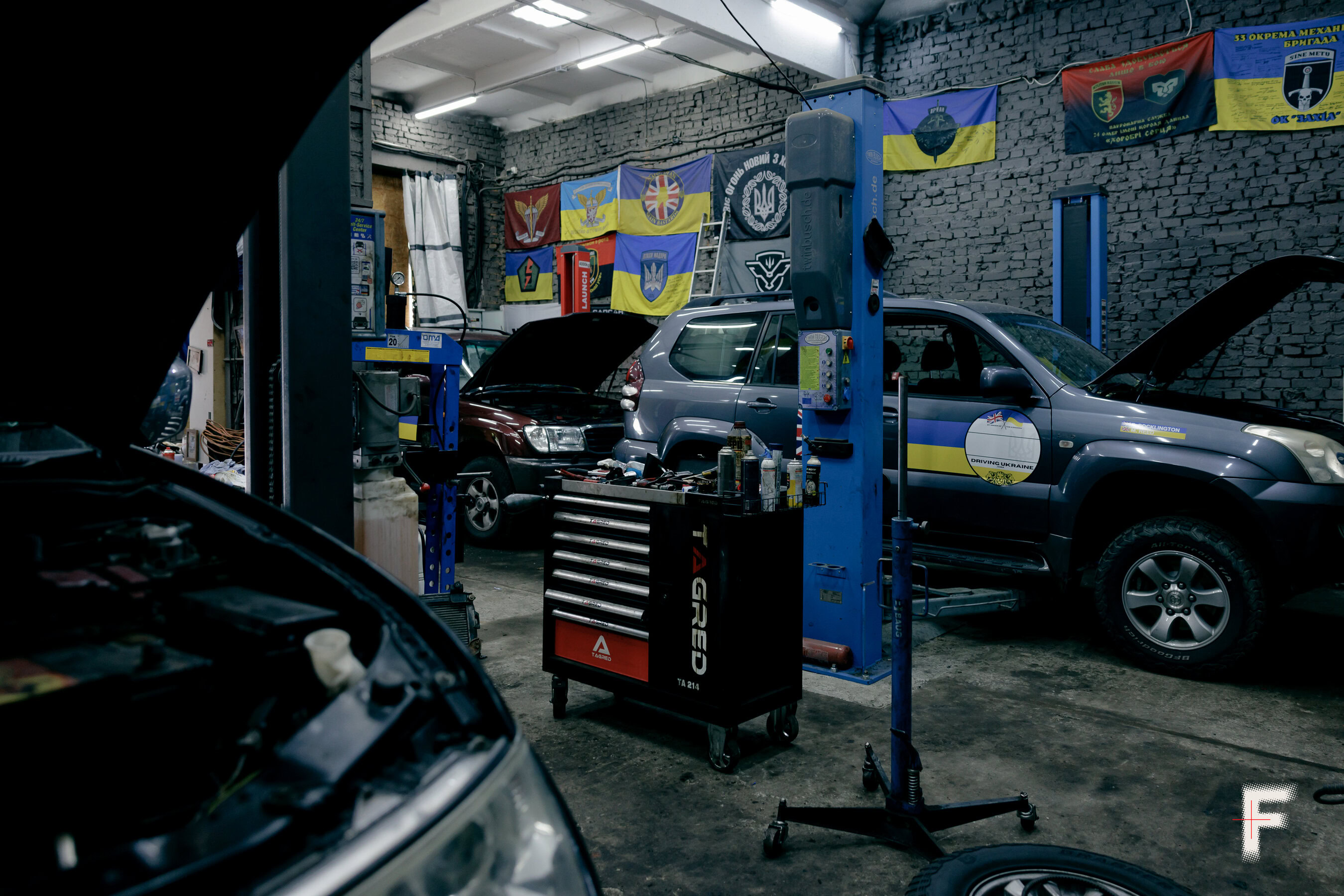
The auto repair shop is cool and smells of diesel fuel. Flags from combat brigades and foreign volunteers hang on the walls. A few vehicles are “resting” before heading out to work. Soon, instead of the familiar sounds of a repair bay, they will find themselves amid deafening explosions. Stanislav Lisovyi is the man preparing them for this journey: a veteran who now holds a wrench instead of a machine gun.
Face-to-face with a cruise missile in Zaporizhzhia
Before the full-scale invasion, Stanislav worked as a long-haul truck driver and knew his way around vehicles and repairs. He inherited this passion for mechanics from his father, a driver, who went on to operate heavy armored vehicles on the front line when the war broke out. Stanislav volunteered as well, joining the 73rd Naval Special Operations Center in the early days of the invasion.
We knew a full-scale war was coming
and were preparing for it.

“Many people in my circle are veterans since the ATO (Anti-Terrorist Operation) days, so we knew a full-scale war was coming and were preparing for it. I studied tactical medicine and hit the shooting range almost every week. My last training session was on February 21, and on February 24, I woke up to the sound of air raid sirens. I spent a few days manning checkpoints in Lviv before heading to the Kyiv region,” Lisovyi recalls.
After the liberation of the Kyiv region, he fought on the Mykolaiv and Zaporizhzhia fronts. It was in Zaporizhzhia, on April 21, 2022, that Stanislav was hit by a cruise missile.
“It was an absurd situation, because that missile wasn’t even meant for us. It was flying low toward the bridge, but it clipped a tree and exploded,” the veteran recalls.
Stanislav spent the next nine months learning to walk again, as his right leg was completely paralyzed. Shrapnel had damaged his spine, kidneys, and liver, leading doctors to believe he would never walk again. Following his check-ups, a doctor at the hospital in Uman would often repeat that, for now, the patient was more alive than dead.
Yet, to everyone’s surprise, Stanislav took his first steps on May 9, 2022. As he was later told, it was a miracle — a mix of his young body’s natural recovery and his tall stature.
I decided to bring vehicles to the guys,
because I’m drawn back to my people.
From military fatigues to work overalls
But the war did not end for Stanislav when he was wounded. Since his rehabilitation in 2023, he has been helping soldiers on the front line with vehicles, traveling to the border to bring back beaters.
“I tried to return to active duty a couple of times, but my comrades were against it because of my health. They offered me a staff job in the rear, but that’s just not for me. So, I decided to bring vehicles to the guys, because I’m drawn back to my people. I support the idea that you are either in the military, or you work for the military. I refuse to live under a Russian flag, and I want us to preserve our country.”
Later, Stanislav decided not only to bring in vehicles, but to open an auto shop to repair them. That’s how his own business was born in August 2023, which he later named “STO ne 200” auto shop.
[Editor’s note: “STO ne 200” is a tongue-in-cheek reference to military slang: if a vehicle isn’t a “200”—the code for a dead soldier—then it’s still repairable. The name also contains a double-entendre, as STO is an acronym for auto repair shop, but also sounds identical to the Ukrainian word for “100.”]

Local authorities helped with the workspace. Restaurateurs from Lviv donated metal worktables, while a doctor friend from the Czech Republic raised funds at the hospital and provided a vehicle lift. Stanislav brought some of his tools from home and received the rest as gifts from volunteers.
Over the past three years of work, more than a hundred vehicles have been repaired and delivered to the military. Military vehicles are the priority, but he also takes on civilian repairs. Maksym Sosliuk and his volunteer team, Driving Ukraine, bring them in from the UK. Then, Stanislav repairs them and sometimes drives to the front line himself. Two other mechanics used to work in the shop before, but now, Stanislav does everything alone. Nevertheless, he is looking for people who know their way around vehicles.
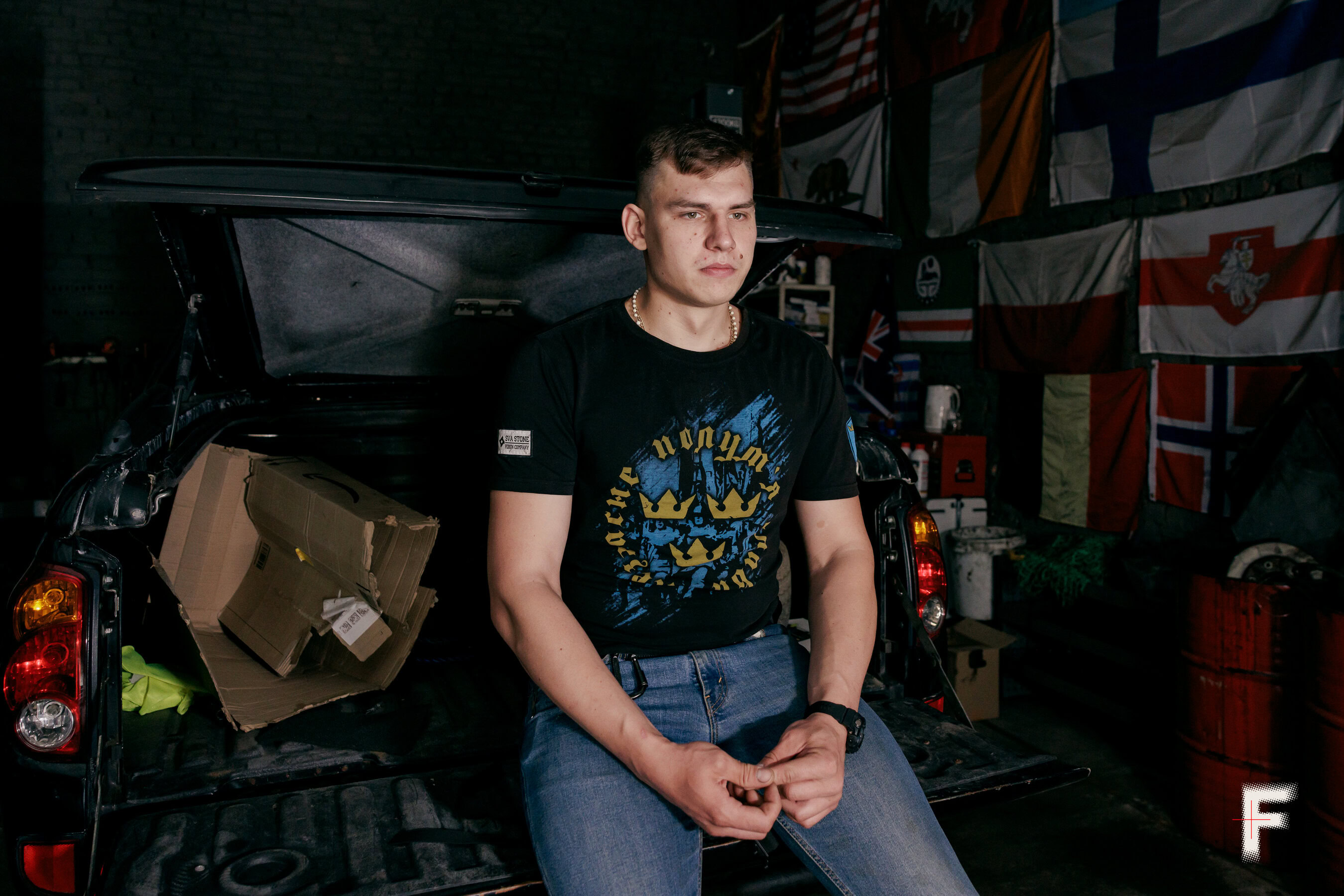
“I’m not chasing quantity. I’d rather do one vehicle properly and be confident in it than rush through repairs. I know where these vehicles are going and what they’ll be used for. And so far, not a single one of the guys has complained or wanted to come back and knock my head off over poor workmanship,” the veteran says.
For Stanislav, going out at three in the morning to fix a comrade’s vehicle that broke down before deployment to the East is not a problem but a duty. The most special vehicle for him was a Toyota equipped with an EW (Electronic warfare) system that was delivered to his father.

For Stanislav, the auto shop is both a panacea and a disease at the same time: it brings him satisfaction and frustration all at once. Working alone is tough. In the morning he goes out for spare parts, during the day he repairs vehicles, and in the evening he handles the bookkeeping. But in those moments when he wants to drop everything, he remembers that the guys are waiting for properly repaired vehicles, and that they want to come by the shop just to talk about their daily routines as soldiers and veterans.
How a former journalist became a potter
Inside a small workshop, over a hundred different pieces sit on the shelves, waiting for their owners. Some of them were made by participants of a masterclass at the Zirka z neba [A star from the sky in English] pottery workshop. The rest were created by its owner, Yurii Danylyshyn, who has been doing ceramic art for more than 17 years. “Zirka z neba” is a symbolic name because, as Yurii says, that is the best gift in the world.

Hanging on the wall near the entrance is a painting — a morning still life. This is the workshop owner’s favorite piece, which he created himself. The painting shows a blurry depiction of a glass of water, a bottle, and a cup. When people first wake up in the morning, they do not see things clearly, so Yurii captured that in the painting.
Yurii Danylyshyn is a former journalist who wanted to create something tangible and see the results of his work. A friend got him interested in pottery, suggesting he make a little angel out of clay. To be honest, back then it looked more like a creature from the movie Alien. But Yurii was fascinated by the process. At first, he learned on his own, and later he entered the Lviv National Academy of Arts and opened his own workshop.
I still haven’t fully recovered, even though I’ve been out
of the army for a few years now.
But it’s where I found like-minded people,

He sold his pieces at local fairs and soon realized they were bringing in better income. What began as a hobby became his bread and butter. But when the full-scale invasion began, he was forced to set it aside. Starting from the very first days, Danylyshyn volunteered with the 103rd Territorial Defense Brigade.
“Service during wartime is a very tough and traumatic experience. I still haven’t fully recovered, even though I’ve been out of the army for a few years now. But it’s where I found like-minded people—people who became true brothers in arms. It’s what helped us stick together.”
Masterclasses for wounded soldiers
In 2023, Yurii was seriously wounded in his arm and leg, spending a lot of time in hospitals. There, he lacked things to do, so after returning to Lviv, he decided to accept his friend’s offer and start running pottery masterclasses for soldiers undergoing rehabilitation at the Superhumans center. Later, Yurii started visiting hospitals and psychiatric wards where soldiers undergo treatment.
“I spent several months in hospitals in Kropyvnytskyi and Zaporizhzhia. There, they taught me how to walk again and use my arm. There is way too much downtime in hospitals with little to do. That’s why I realized how important it is to do something there that has a therapeutic effect,” the veteran says.

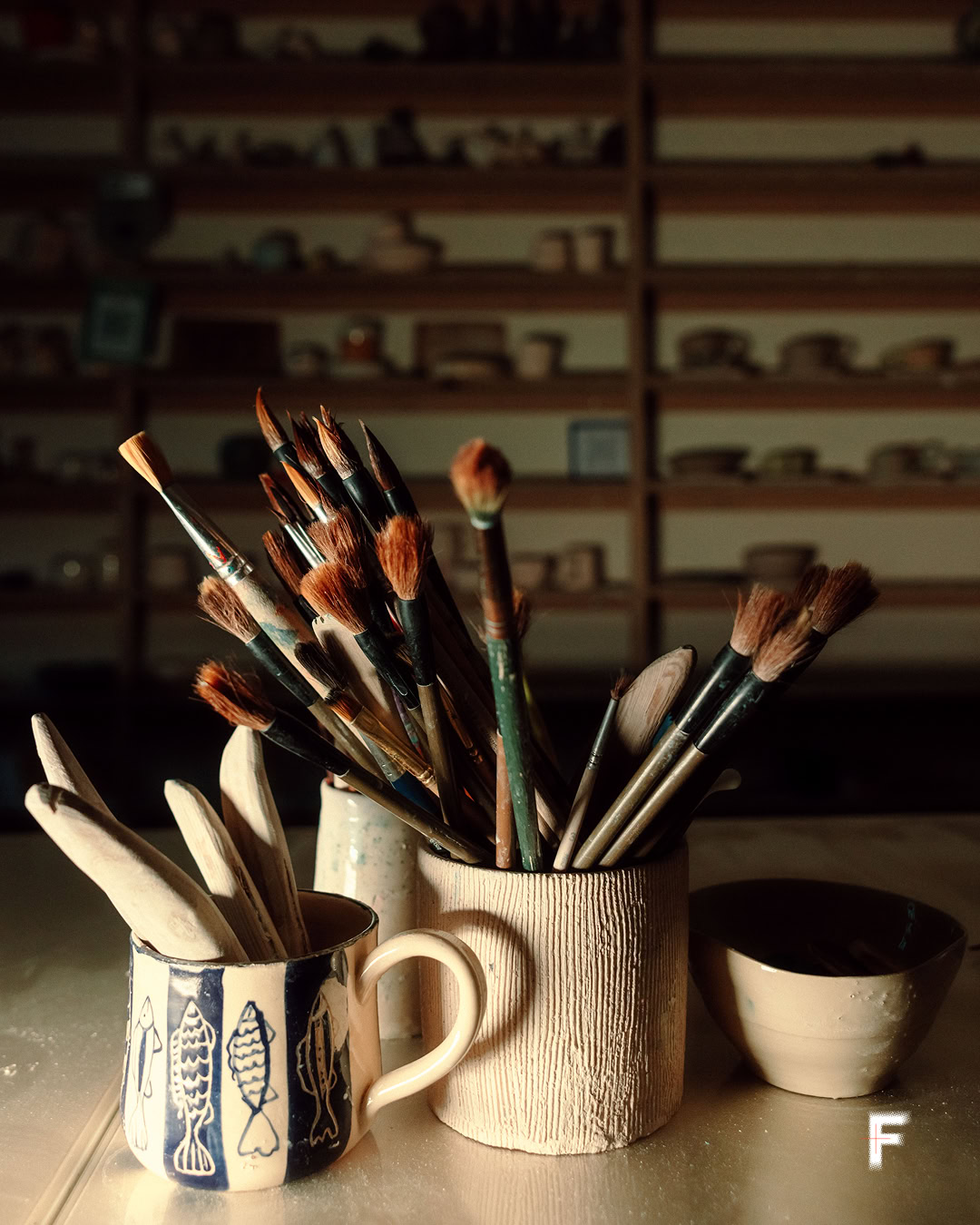
Servicemembers in hospitals respond well to these meetings because it is a chance to take their minds off the daily medical routine and create something with their own hands. Yurii Danylyshyn recalls how a wounded soldier who had lost both hands managed to do it as well, which surprised everyone:
“It all depends on a person’s state of mind. If someone had come to my hospital with a pottery wheel, I probably wouldn’t have joined in either under those circumstances. Some people just don’t want to try because they’re afraid of failure. One guy was missing his entire arm, and when I offered to help, he refused because he didn’t want anyone to think he was weak.”
Danylyshyn has been visiting soldiers every two weeks for more than a year. The largest group he has worked with at one time was 15 people. He sees real purpose in these meetings because he is doing something that was completely missing during his recovery. After the masterclasses, Yurii takes the pieces back to his workshop to fire them, and later returns them to the guys. All the pieces in the workshop are made from clay sourced near Sloviansk in the Donetsk region.
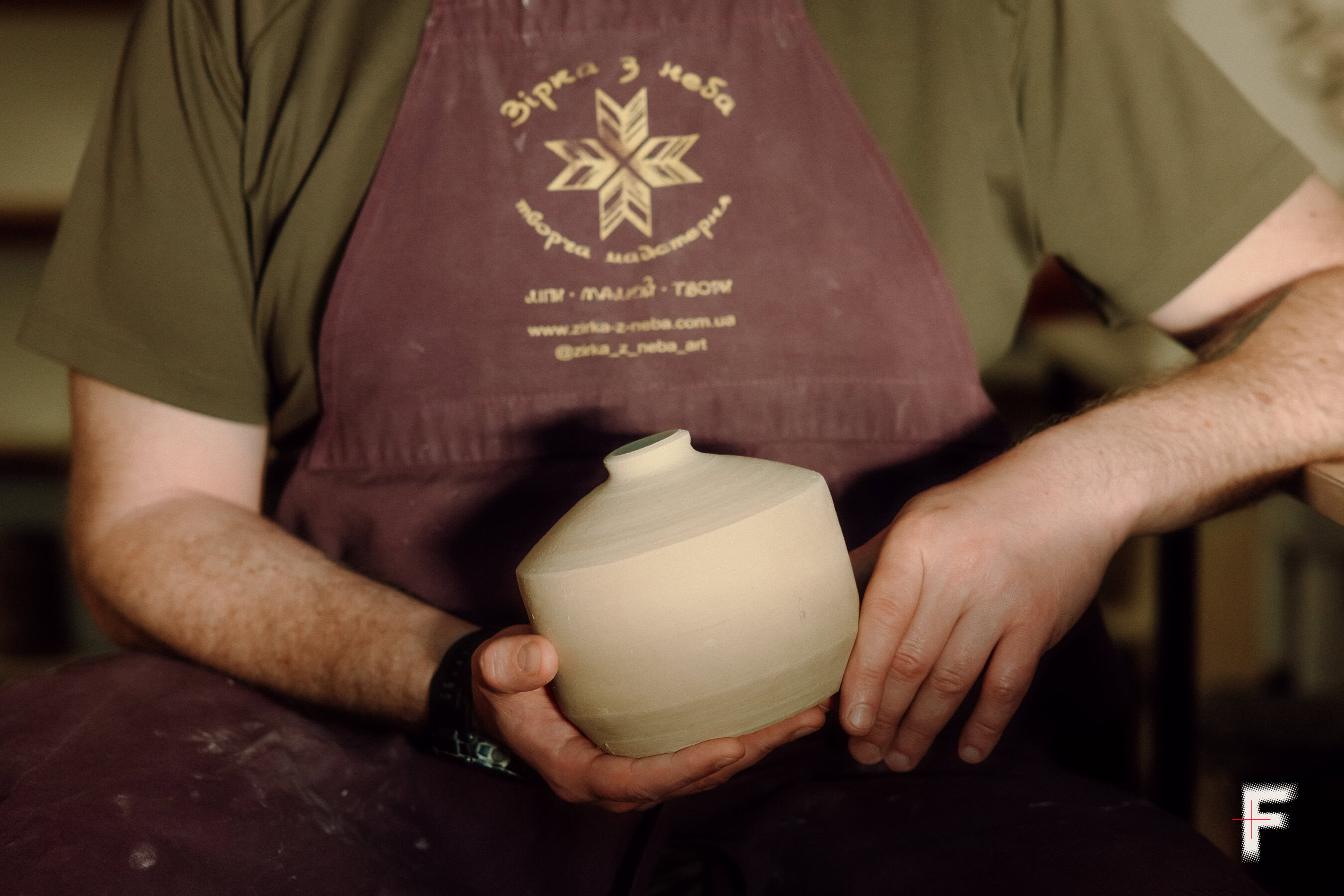
“For me, the pottery workshop is both a source of income and a job I love. Something I started on my own that keeps me growing. I love seeing the things I’ve created, and at the same time, I’m so happy for the people who get to enjoy the pieces they managed to make themselves,” Danylyshyn concludes.
Civilian with combat experience
This is not just a phrase on one of the patches at the Bereh coworking space, but the life philosophy of its founder, Volodymyr Saveliev. Before the full-scale invasion, Volodymyr was an industrial designer, creating packaging, boxes, and various decorations from cardboard and paper. He also worked as an engineer and at a comic book shop.
One day, you and your comrades barely make it out of a position alive,
and the next, you’re eating shawarma,
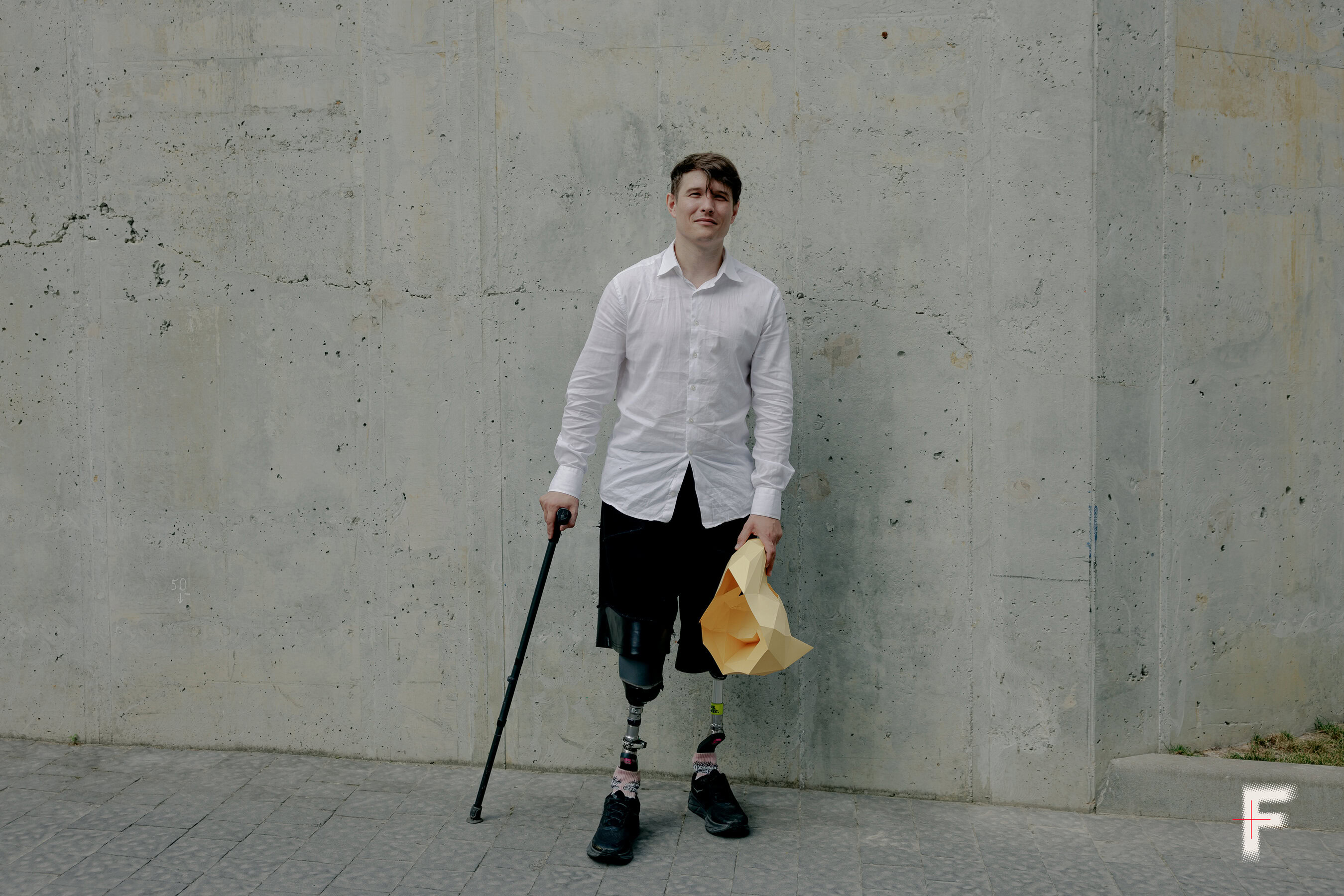
However, his life changed in 2023. Back during military training, Volodymyr became interested in medicine, so he joined his unit as a combat medic. Later, he completed officer training and took command of a platoon in August 2024.
Volodymyr calls himself “a civilian with combat experience.” The veteran describes war as pure surrealism — something that forces you to risk your life, devise survival strategies, and experience true brotherhood.
“Military service is a world of its own, where people who would likely never cross paths in civilian life learn to coexist. Here, food tastes different, emotions feel different, and you begin to value life itself more than ever. One day, you and your comrades barely make it out of a position alive, and the next, you’re eating shawarma and getting a haircut, as if you hadn’t just been sitting under shelling in a trench,” Saveliev says.
On October 15, 2024, Volodymyr was wounded on the Kostiantynivka front. While withdrawing from the position he stepped on a landmine, and a Russian drone dropped grenades several times before he could be evacuated. The next thing he remembers is waking up in Dnipro without either of his legs.

Later, Volodymyr was transferred to Lviv, where he underwent extensive treatment, prosthetics, and rehabilitation. On February 11, 2025, at the UNBROKEN center, Volodymyr stood on his prosthetic legs for the first time. That was the exact moment when he fully realized he had lost his legs, and he started joking that with his prosthetics, he would always be taller than he used to be.
Since then, Volodymyr’s life has been packed with activities — he played wheelchair basketball, completed a 45-kilometer wheelchair marathon in Paris, and recently started acting in the theater. In July of last year, Volodymyr Saveliev decided to establish the Bereh coworking space in Lviv using his own funds. The space opened in February 2026.
A place to support himself and fellow veterans
Bereh is fully accessible and inclusive. It is important to Volodymyr that everyone feels comfortable here, which is why the tables have rounded corners, the reception desk is low, and the interior is designed with as few obstacles as possible to allow free movement in a wheelchair. The coworking space is open every day, except Sunday. Visitors often note that the place is cozy, with fast internet and delicious coffee.
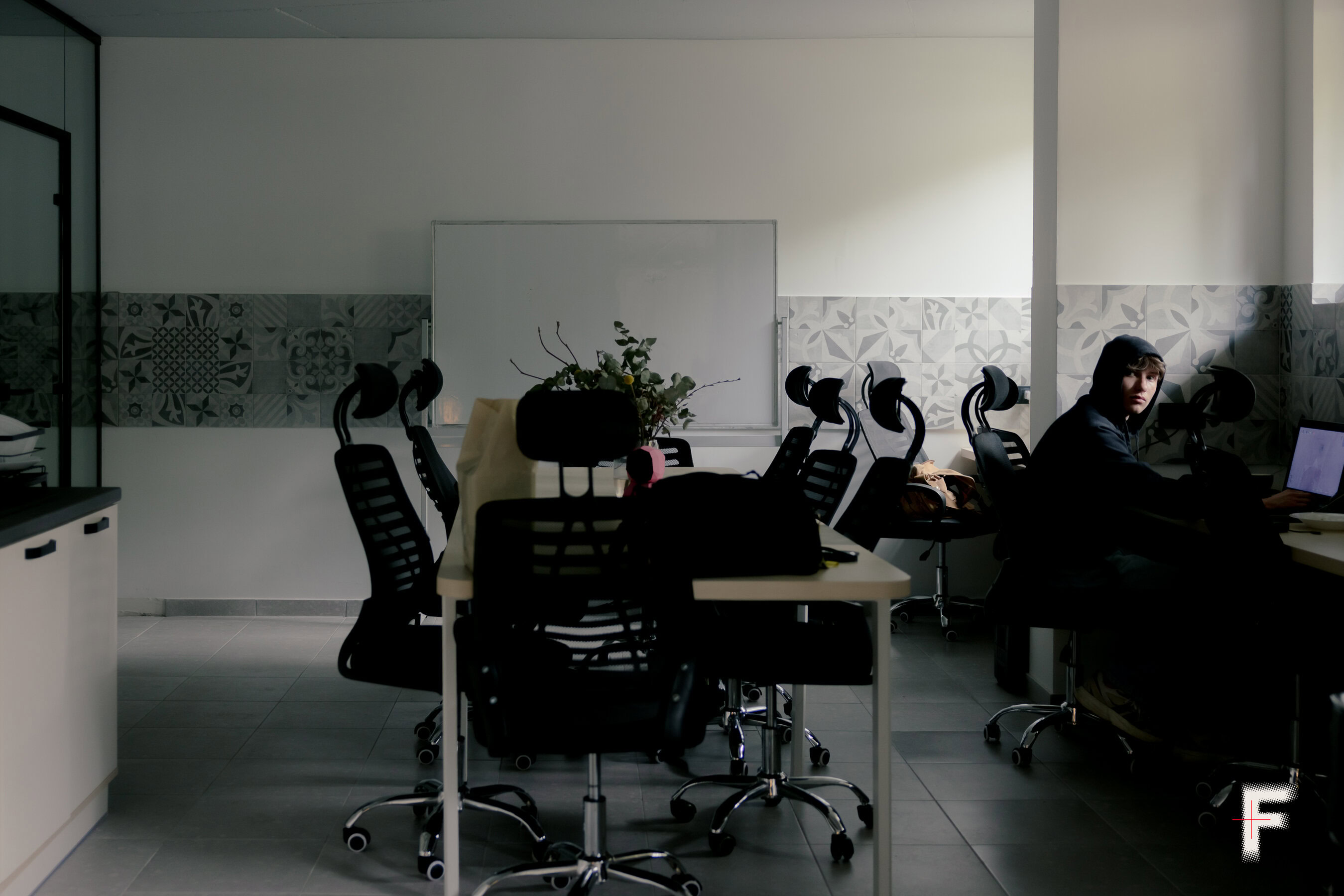
There are several regular customers who come here to work. However, Volodymyr is currently disappointed that few people visit the coworking space, even though they can join free events here, such as board game nights, tactical medicine workshops, and movie screenings.
“This place isn’t just a business for me; it’s a key part of my rehabilitation. I’ve met all kinds of people and now understand how management works. I want to see this space full of visitors who leave with fresh ideas and great connections,” Saveliev says.
Volodymyr’s favorite spot in the space is the sofa and chair by the window, where he can watch people passing by. His favorite items are the paintings by his comrades Olherd and Ruslan Kukhta, who also underwent rehabilitation at the UNBROKEN center. These paintings are available for purchase, with all proceeds going to the artists and to support the art therapy workshop at the rehabilitation center.
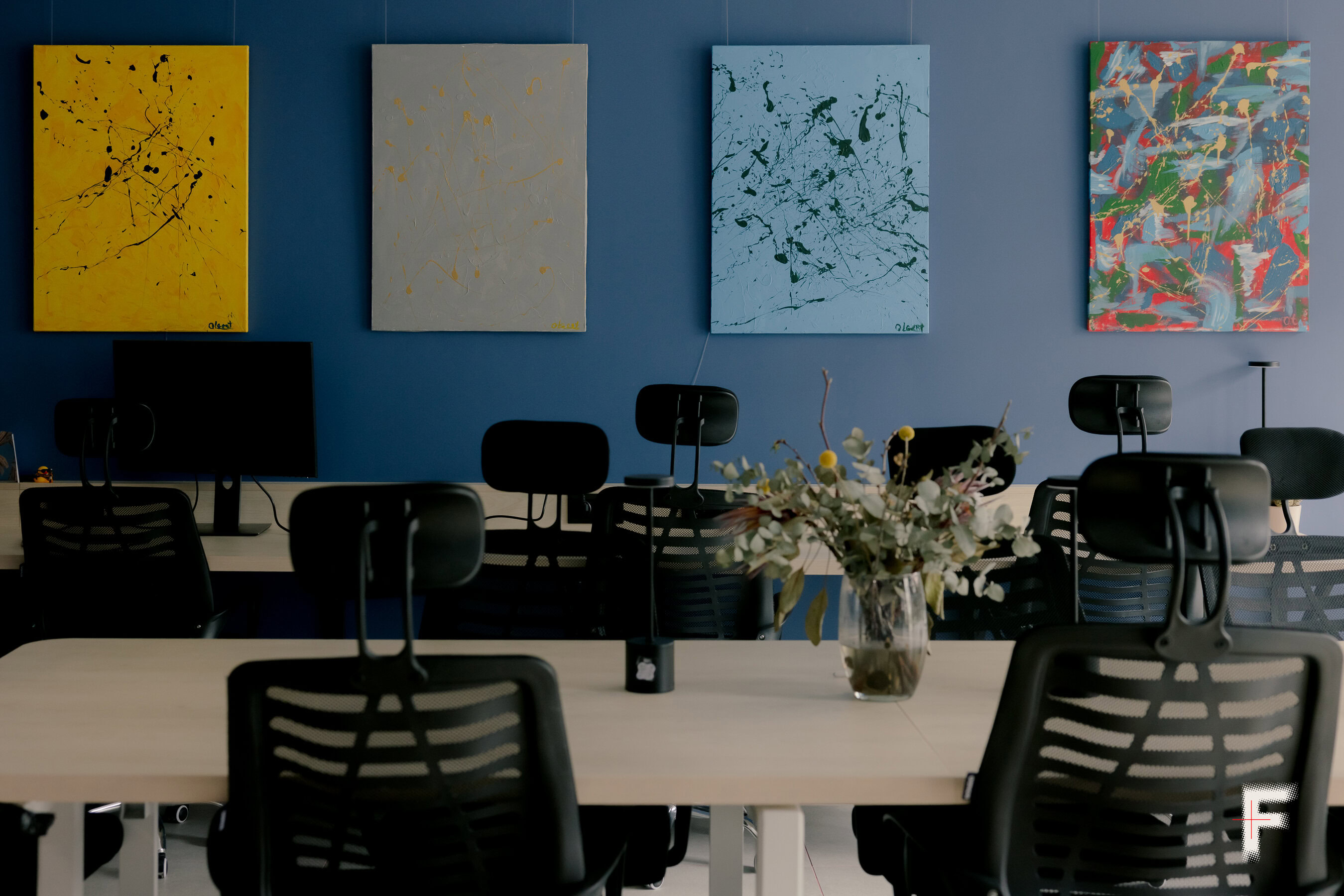
In May, the Bereh coworking space hosted an exhibition of paintings by soldier Ihor Svystun, which he created in frontline cities during his service. Some of the pieces were sold for 15,000 to 20,000 hryvnias, helping to support Ihor’s unit.
The space also sells Volyn drimucha merchandise by Valentyn Kalantai, a soldier from Volyn. And for those with a sweet tooth, the coworking space offers desserts from the brand “two camrat”, which was founded by the wife of one of Volodymyr’s comrades.
Visitors can also “pay it forward” by sponsoring a workspace for someone else. Thanks to these generous visitors, veterans and servicemen can now use the coworking space completely free of charge.
I don’t consider myself a soldier — that’s just how it
turned out because of the damn Russians.
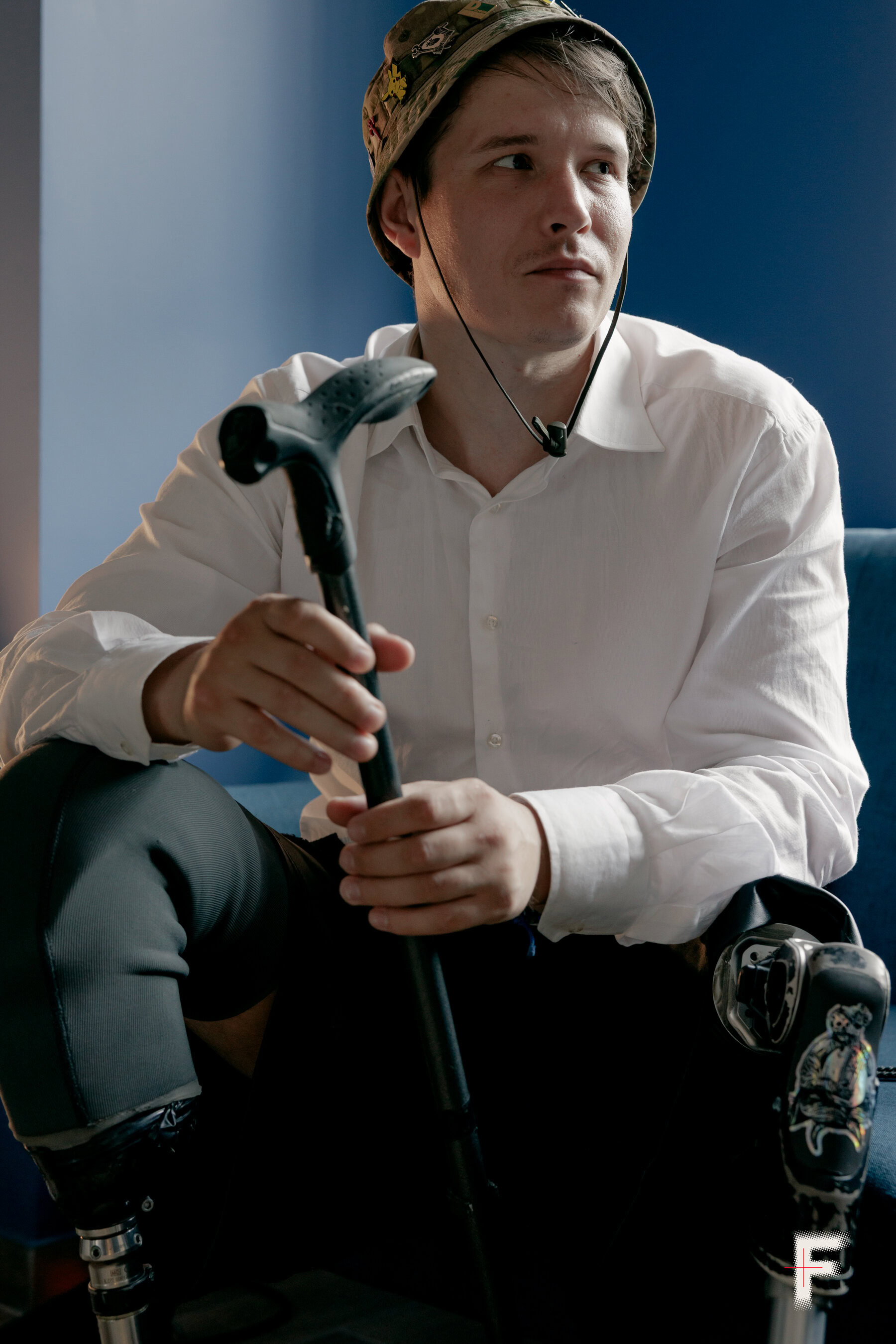
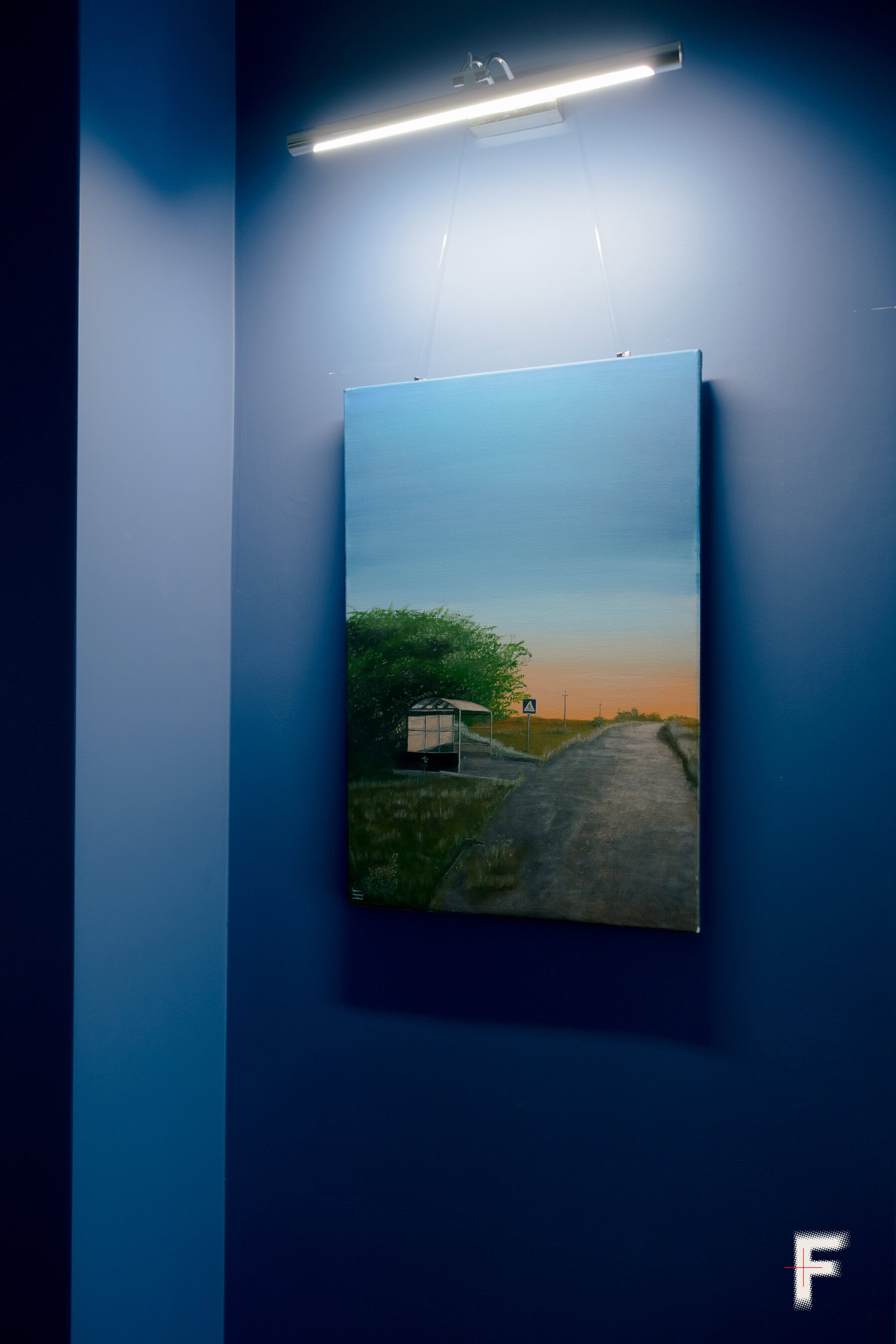
“We need to support each other and look for opportunities and ways to adapt to civilian life,” Saveliev says. “But for me, integration between these two worlds is essential. Civilians don’t have the experience that soldiers gained during the war. At the same time, soldiers must understand that they will be living among civilians. I don’t consider myself a soldier — that’s just how it turned out because of the damn Russians.”
***
Hi, we are Mariia and Anna, the authors of this article. Thank you for reading to the end.
Veterans are rebuilding their lives as civilians. They repair cars used on the front lines, teach the wounded in hospitals to create dishes, and promote other veteran businesses. This article features the experiences of three defenders who started their own businesses and continue to support their comrades after being discharged from service.
Every story starts with your support. Join the Frontliner community so we can keep up documenting Russia’s war against Ukraine from the front line and the rear.
***