Russia is building a Starlink rival. Belarus is helping. Will space-age internet follow?
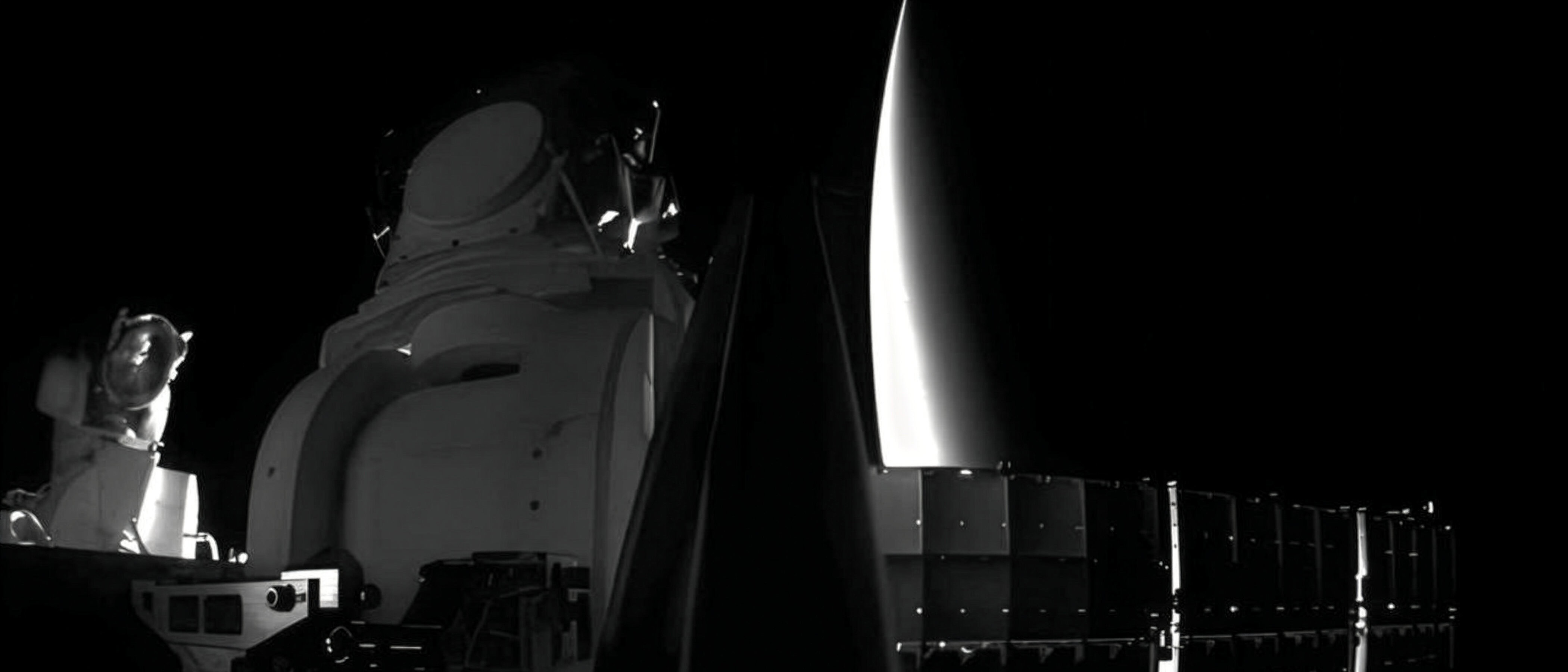
Russia wants to launch more than 900 satellites into space and build its own orbital communications network. Belarus has also joined the effort. In 2026, they managed to place 16 Rassvet-3 spacecraft in orbit. But despite this, a Frontliner OSINT investigation found that Russia's Starlink alternative won't be available to ordinary Russians anytime soon — if ever.
On Feb. 2, 2026, SpaceX deactivated Starlink terminal access across Russia. The U.S. Defense Intelligence Agency (DIA) believes that the subsequent communications problems in the Russian military helped Ukrainians recapture more than 400 square kilometers of Ukrainian land.
The need for widely available communications in Russia is longstanding. Covering 17 million square kilometers, the country is vast, and as of 2023, more than 24,000 settlements had no internet access. This shields the population from psychological operations, leaving Russian authorities struggling to monitor public sentiment, with little understanding of what drives life in the regions and limited ability to predict or influence the behavior of the people.
Russia has been developing its own satellite communications system since 2021. Notably, it is one of the few Russian space projects run by a private company, Bureau 1440. The Rassvet project is part of the Sfera Federal Target Program, has been designated a state priority, and is overseen at the highest levels of government, underscoring its importance to Moscow.

A shadowy private company is building Russia’s space technology
Bureau 1440 is a private aerospace company founded by Alexei Shelobakov in 2020. The company was initially created to explore the potential of satellite internet systems within the Megafon holding group.
One month after Russia’s full-scale invasion of Ukraine, Bureau 1440 was transferred from Megafon to IKS Holding. In December 2022, the company established a subsidiary in Belarus, CJSC AeroKosmicheskie Pribory, focused on developing and prototyping aerospace system components.
This subsidiary may serve as a channel for importing foreign components into Russia despite sanctions. Alexei Shelobakov has remained Bureau 1440’s CEO throughout. He also previously owned Mutabor, the Moscow nightclub infamous for a nude party scandal in 2023. Following the scandal, he stepped back from the club and relinquished ownership, then moved up the corporate ladder, becoming CEO and managing partner of IKS Holding the following year.
What is Rassvet?
Rassvet is a broadband communications and data transmission system — in simpler terms, satellite internet. The Rassvet-3 onboard system operates via 5G and uses specialized laser modules to exchange data between the satellite network and ground-based 5G mobile towers. The satellites are equipped with advanced power systems and plasma engines manufactured by OKB Fakel, an experimental design bureau based in Kaliningrad, Russia.
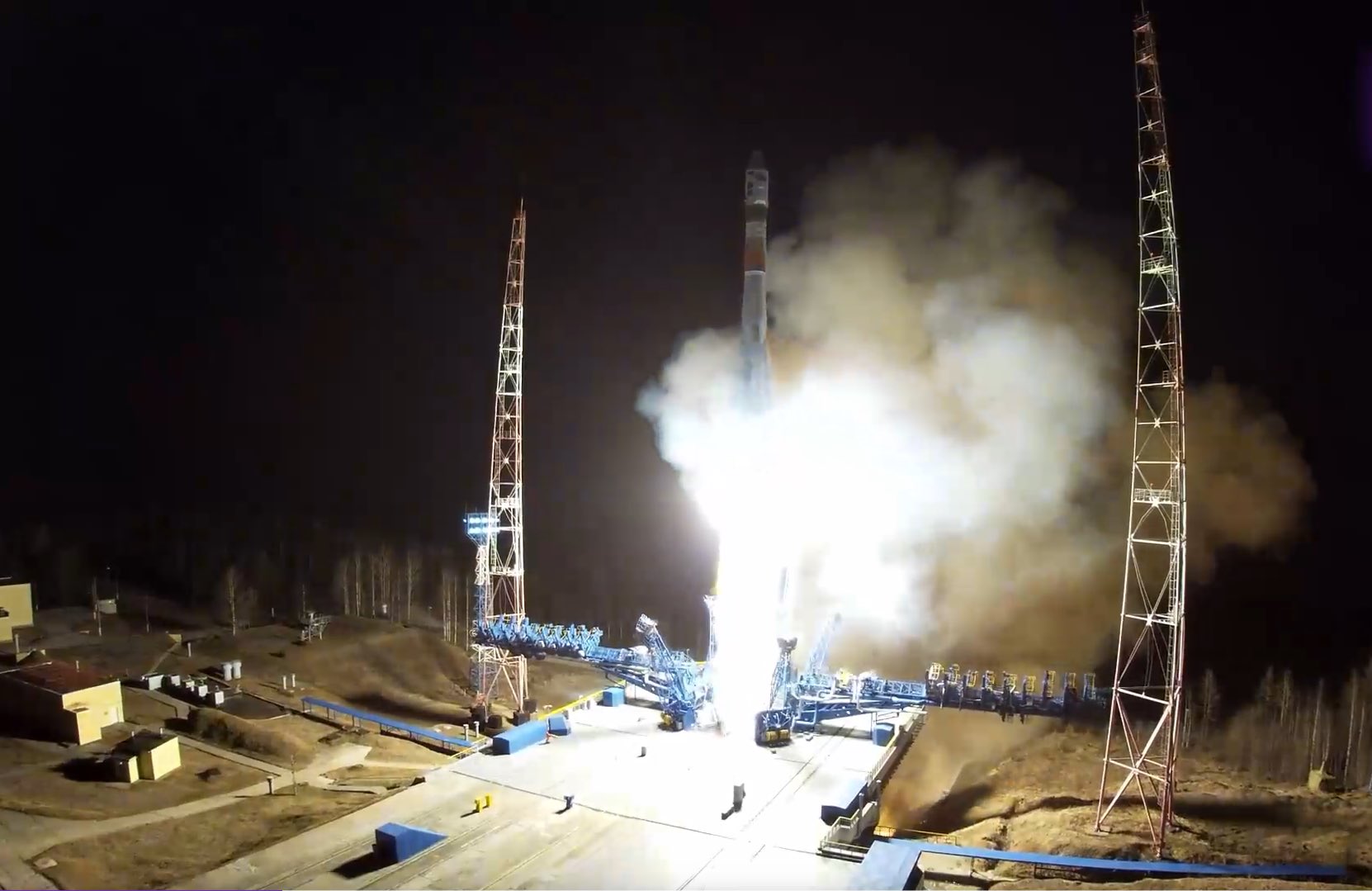
Bureau 1440 is developing a system that separates satellites from the rocket during launch. On March 23, 2026, a Fregat-M rocket launched from the Plesetsk Cosmodrome, successfully placing 16 Rassvet-3 spacecraft into orbit as part of efforts to build the communications network.

Belarus’s role in the Rassvet project
Belarus participates in the war against Ukraine as an accomplice and Kremlin ally. Russian forces used Belarusian territory to invade Ukraine, and Belarus continues to supply weapons, military equipment, and ammunition while its industry produces weapons parts for Russia.
The Rassvet project is no exception. CJSC AeroKosmicheskie Pribory, based in Belarus, supplies components for the internet satellites. On May 22, 2026, Russia announced a partnership with Belarusian mobile operator Belintersat, covering the joint deployment of ground infrastructure, upgrades to transmission stations, and integration of Belarus’s satellite network. The reason is straightforward: Russia needs a reliable network of mobile towers to broadcast the internet signal.

Can Russia’s would-be Starlink succeed?
The success of the Rassvet project hinges on having enough launch vehicles to deliver satellites into orbit and platforms from which to launch them. By 2027, Rassvet-3 is expected to place 292 spacecraft into orbit to achieve global coverage. That means, accounting for the March 2026 launch, Russia would need to put roughly 30 spacecraft into orbit every month.
By 2035, Russia aims to place 900 spacecraft into orbit. If they manage to meet the 2027 target, they would need to launch roughly 17 satellites per month. That is only possible with sufficient production capacity, components, launch vehicles, and platforms.
As of now, Bureau 1440 is behind schedule. Starlink, by comparison, operates more than 10,400 internet satellites as of May 2026, covering 150 countries across seven continents and serving roughly 20 million users daily, including Starlink Mobile subscribers.
Russia’s population exceeds 140 million. How can 900 spacecraft serve that many users? Russian engineers have an answer: place the satellites higher. At 800 kilometers altitude, compared to Starlink’s roughly 550, each satellite covers a larger footprint. Problem solved, at least on paper.
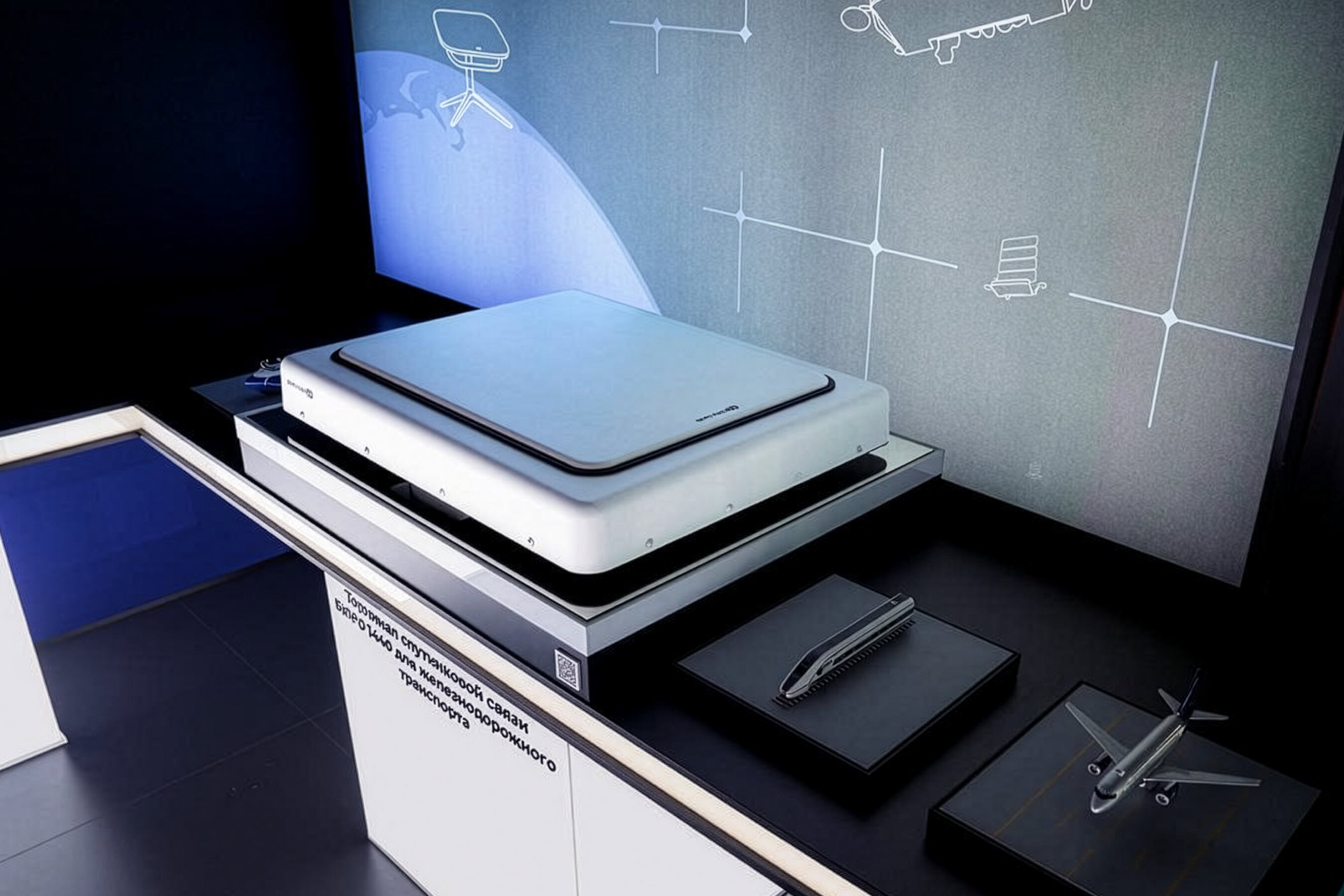
In practice, higher orbits come with tradeoffs. Equipment must withstand greater cosmic radiation, and getting heavier satellites up there is more challenging. Russian internet satellites weigh 370 kg, compared to 260-300 kg for American ones. The ground terminal is also significantly heavier: American models weigh between 1 kg and 4 kg depending on the model, while the Russian version weighs up to 15 kg.
-
Subscriber terminals for data transmission between satellites and users.

-
Prototype satellite communications terminal designed for trains.
Beyond getting satellites into orbit, Russia also needs serial production capable of keeping pace with the project’s demands. In reality, more than 1,000 satellites are needed, since not all will operate without interruption. SpaceX has launched more than 12,000 satellites, of which roughly 10,000 are currently active. Production is further hampered by a shortage of technology for manufacturing electronic components. Sanctions make it difficult to obtain parts, while domestically produced substitutes lack both the necessary quality and scale.
Russia’s rocket launches have followed a steady downward trend since the full-scale invasion began:
2021: 25 launches
2022: 22 launches
2023: 19 launches
2024: 17 launches
2025: 17 launches
Together, these factors explain the project’s sluggish start, slow progress, and failure to meet its stated targets. As of May 2026, Rassvet operates with significant limitations. Known uses are limited to a signals battalion of the 144th Motorized Rifle Division of the 20th Combined Arms Army of the Western Military District, and the Zapad-2025 Russian-Belarusian military exercises.

The system may eventually serve a limited number of users in specific locations, with tactical military units operating in Ukraine likely taking priority over settlements deep inside Russia, which may go without internet for years to come. And if the project is ever partially realized, Russia’s satellite communications system will work — just in a distinctly Russian way: behind schedule, patchy, unstable, and slow.