Crimea has become an island: how Ukraine’s ‘long-range sanctions’ are working
Crimea's occupation authorities have declared a state of emergency. They sharply cut rail service to mainland Russia, banned fuel sales to civilians, and introduced rolling blackouts. These are the consequences of a systematic campaign by Ukraine's Defense Forces to destroy the occupied peninsula's oil refining and fuel storage infrastructure. This isn't scattered sabotage. It's a strategy of "long-range sanctions." Frontliner has compiled a timeline of the strikes, analyzes the patterns, and forecasts what comes next.
According to Ukraine’s Foreign Intelligence Service, Crimea’s occupation authorities have decided not to use the audio system for missile and drone threat alerts. Oleg Kryuchkov, an adviser to Crimea’s Russia-installed “prime minister,” said that if sirens were used, “the alert would be blaring 22 hours a day.”
Why is fuel storage infrastructure the primary target?
Crimea has no oil refineries. Fuel has to be delivered to the peninsula from Russia, via the Kerch Strait (ferries, pontoons, the port of Kavkaz), the Kerch Bridge, and a land corridor through occupied southern Ukraine.
Ukraine’s Defense Forces have focused on striking three links in the fuel supply chain:
- Logistics: ports, bridges, ferries. These are the main supply routes that deliver fuel to the peninsula.
- Transshipment: sea terminals (the Feodosia Sea Oil Terminal, TES-Terminal-1 in Kerch, the port of Kavkaz). This is where fuel is pumped from tankers onto shore.
- Storage: fuel depots in Hvardiiske, Feodosia, Lenine, and Kerch. This is where fuel is accumulated and stored before distribution.
A strike on any single link reduces Russia’s ability to supply fuel to its forces, but a strike on all three creates a systemic crisis. That’s exactly what’s happening in Crimea right now.
Timeline: The gradual buildup of strikes
The first strikes on Crimea’s fuel infrastructure in 2026 were one-off incidents. The Hvardiiske fuel depot was hit on the night of Jan. 8, 2026, followed by the Azovska fuel depot in March. Starting in April, Ukraine’s Defense Forces shifted to regular strikes, intensifying each successive month.

The frequency of these strikes reveals patterns that point to the campaign’s underlying logic and where it’s headed next.
1. A gradual buildup in the pace and effectiveness of the strikes. In January-March 2026, strikes on Crimea’s fuel facilities were relatively sporadic, one or two per month. From April to June, they became weekly, and at times even daily. Strikes on fuel storage infrastructure alternated with the destruction of air defense systems, radar stations, airbases, and other sites that could be used for fuel logistics. What began as one-off strikes testing for gaps in Russian air defense has become a methodical campaign to dismantle enemy logistics.
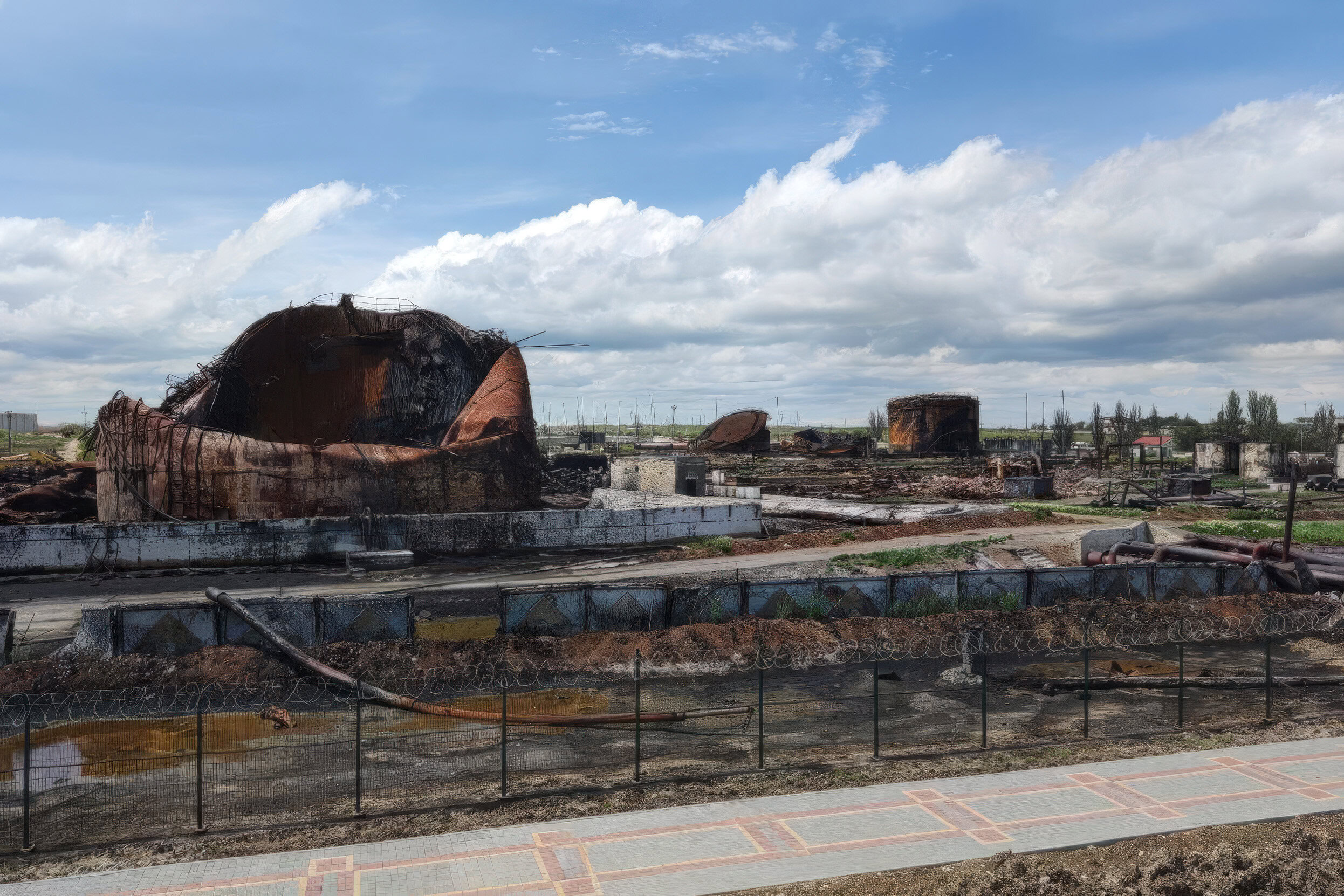
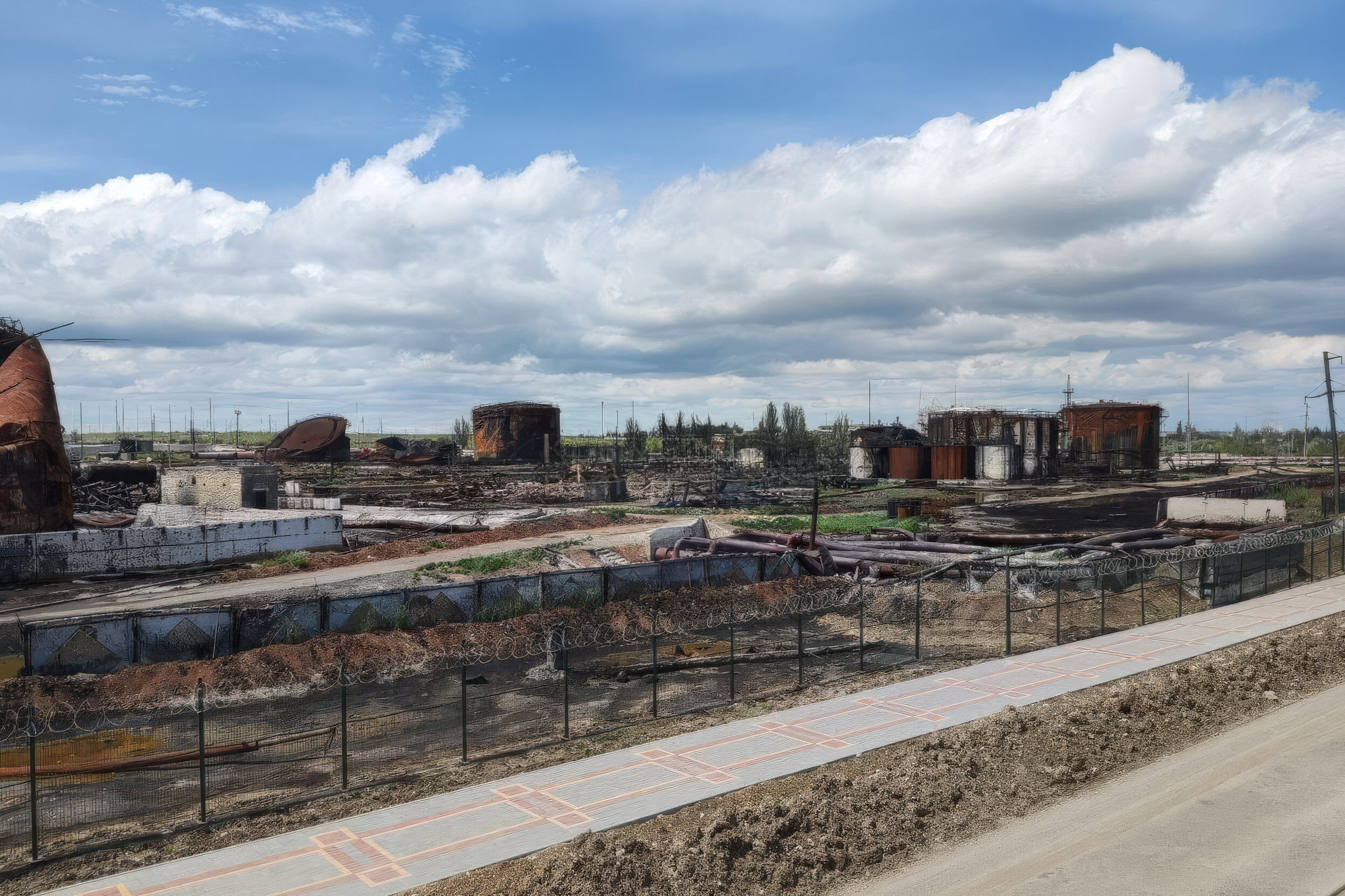
2. Strike, assess, strike again. Ukraine’s Defense Forces methodically re-target facilities that were already hit before. The Feodosia Sea Oil Terminal was attacked in October 2025, destroying more than half of its 43 storage tanks. In April 2026, Ukraine’s Defense Forces struck the tanks that survived the previous attacks. In June, they struck again. In other words, no target is considered “sufficiently destroyed” as long as even one storage tank remains usable by the enemy.
-
Publicly available photos of the Feodosia Sea Oil Terminal after it was hit again by Ukraine's Defense Forces.
-
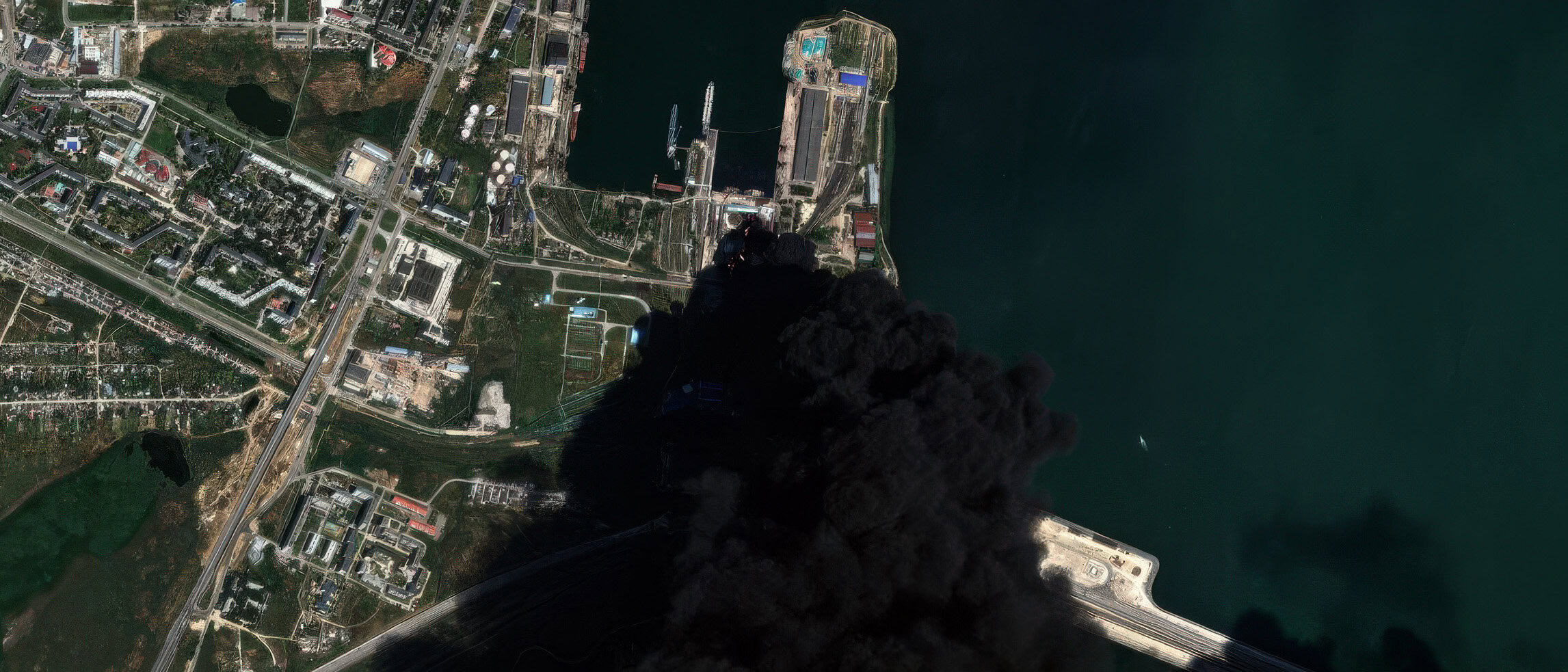
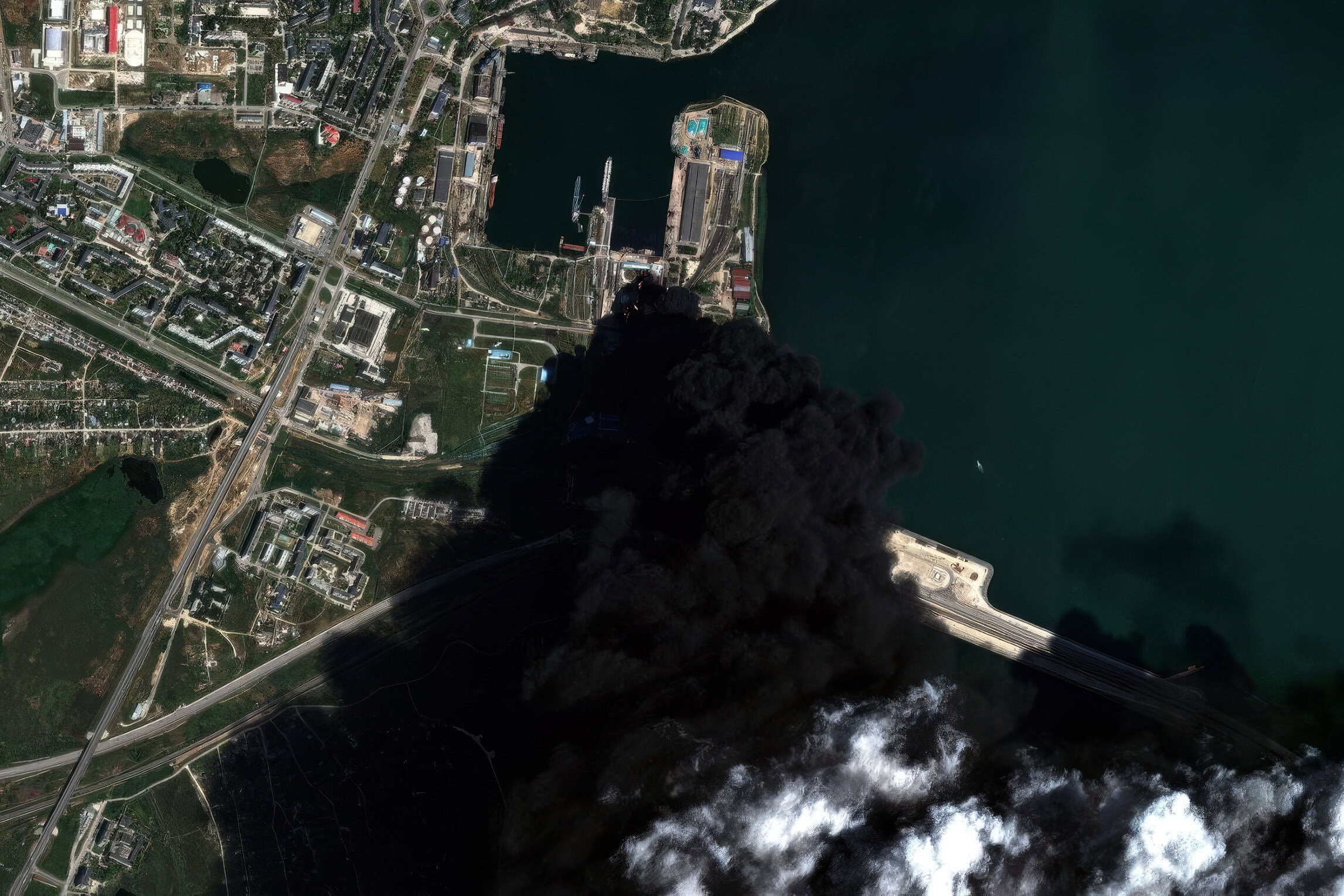
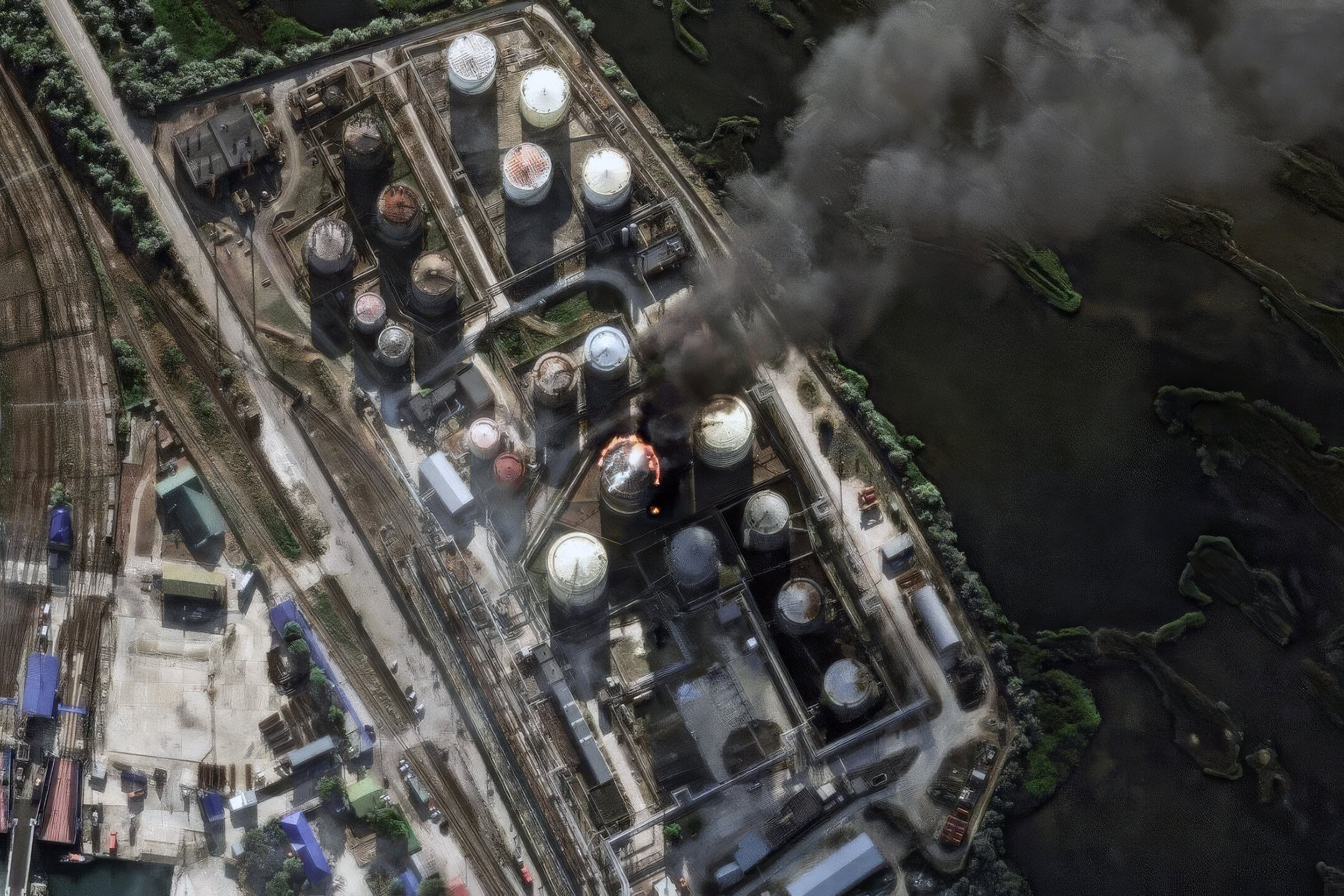
3. Synchronized strikes across the supply chain. Strikes on Crimea are part of a broader, interconnected pattern that extends into mainland Russia. The fuel depot in Kerch was hit almost simultaneously with the port of Kavkaz on the opposite shore of the strait, which supplied it with fuel. Refineries in Krasnodar Krai (Tuapse, Ilsky, Slavyansky) were struck soon after. Destroying a fuel depot means little if fuel can simply be rerouted there. That logic drives the strategy: dismantle the entire supply chain, not just individual links.
-
Satellite image of a fuel depot after Ukraine's Defense Forces struck it, Kerch, Crimea, Ukraine
-
Satellite image of the port of Kavkaz after the strike by Ukraine's Defense Forces, Russia
4. Air defense first, fuel infrastructure second. From January to March, Ukraine’s Defense Forces systematically hit Russian air defense systems on the occupied peninsula: three SAM/SAM-artillery systems in January, five in February, eight in March. Dozens of radar stations were also hit. Once the enemy’s air defense had been weakened, Ukraine’s Defense Forces began mass strikes on fuel depots.
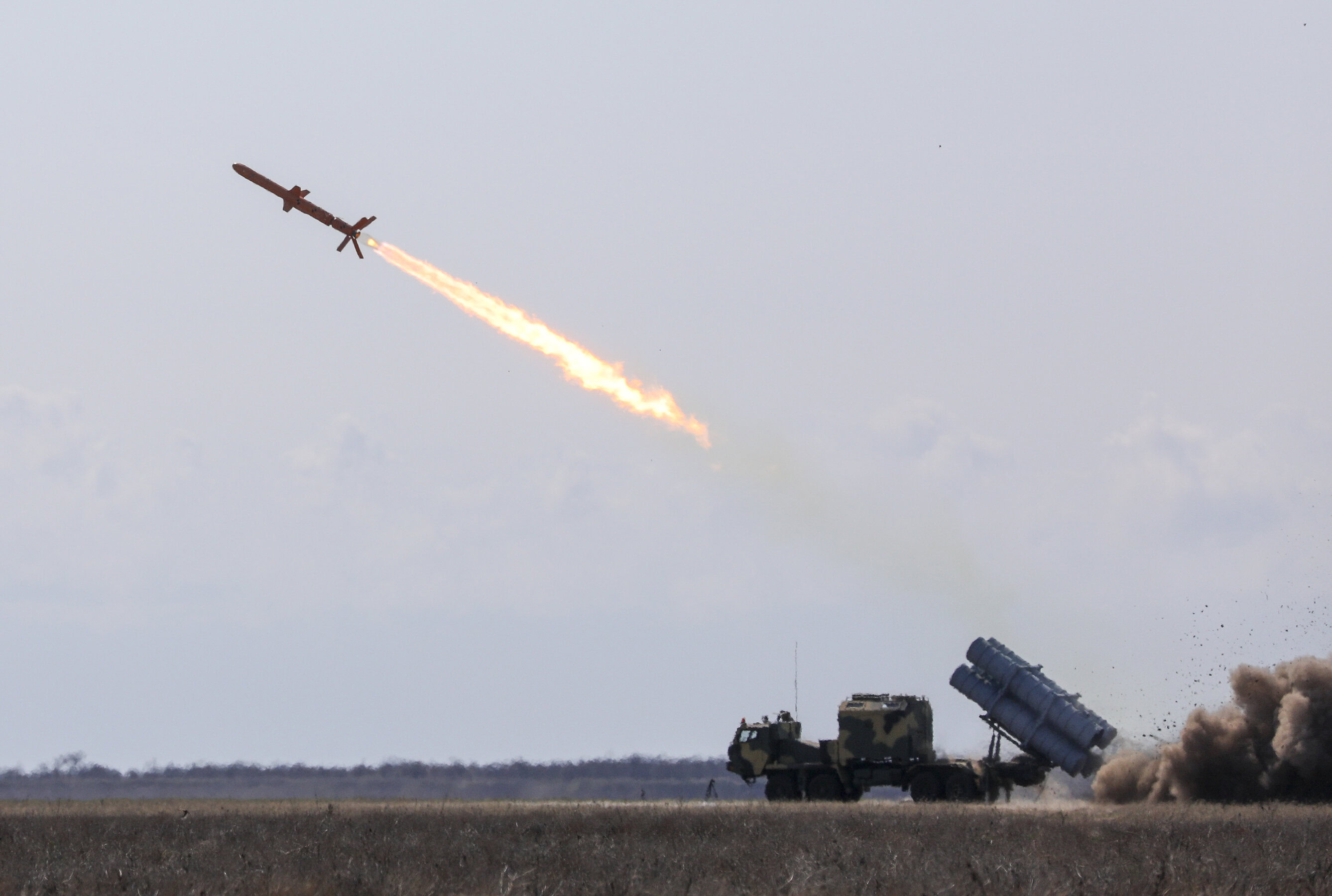
5. Ukraine’s technological edge, and independence. The primary means of striking targets in Crimea has been Ukrainian-made drones. Missiles were used sparingly, and only against especially high-value targets, most of which were located on mainland Russia. The Novoshakhtinsk oil refinery in Rostov oblast, for example, which directly affects Crimea’s fuel infrastructure, was struck with a Neptune missile. This means Ukraine’s Defense Forces’ strikes don’t depend on Western weapons deliveries. The campaign is being carried out independently, using Ukraine’s own capabilities.
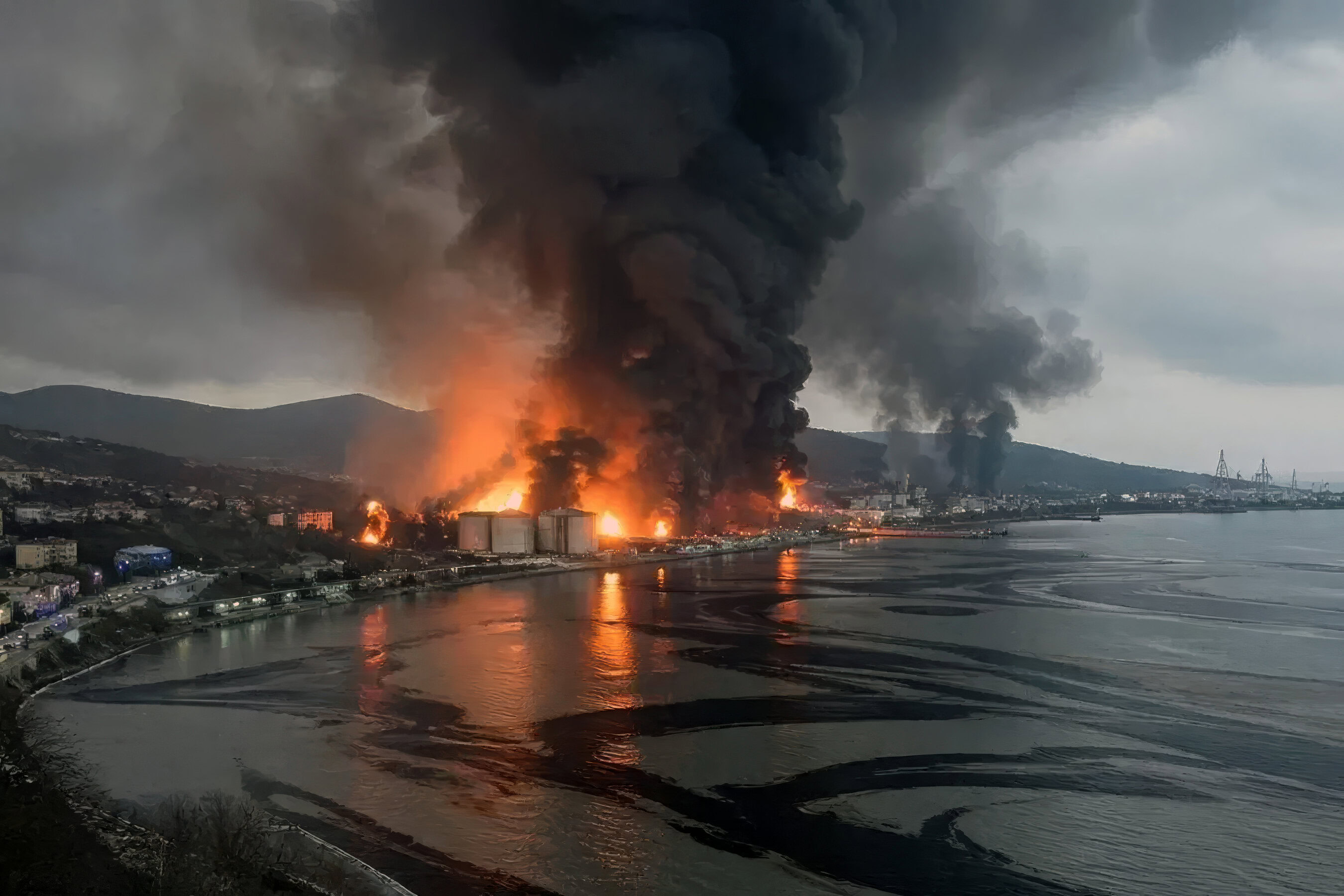
6. The blockade effect on Russia’s occupying forces. Strikes on the ports, ferries, and the bridge are turning Crimea into a fortress the Russians can’t reach. The port of Kavkaz is burning, so ferries aren’t running. The Kerch Bridge is overloaded and restricted for hazardous cargo. Russians are wary of transporting hazardous cargo, given how flammable it has proven to be. On the night of June 22-23, 2026, Ukraine’s Defense Forces destroyed the railway bridge over the North Crimean Canal near Rozdolne, cutting off one of the peninsula’s key logistics arteries. Physically delivering fuel to the peninsula in the volumes needed is now nearly impossible.
7. The psychological effect on the population. Crimean residents are growing increasingly dissatisfied with Russian authorities. Serhii Danylov, a researcher focused on southern Ukraine and deputy director of the Center for Middle Eastern Studies, says Ukraine’s Defense Forces’ strikes are having a psychological impact on sentiment among Crimean residents. According to him, the population currently falls into three categories. Ukraine-aligned residents are elated. Ambivalent residents are becoming more cautious. Pro-Russian residents are publicly criticizing the authorities for the first time. Propaganda quickly collides with the reality of fuel and power shortages.
Crimea is just one front in the ‘oil war’
From January to May 2026, Ukraine’s Defense Forces struck 15 Russian oil refineries on mainland Russian territory. According to President Volodymyr Zelenskyy, “as of May 2026, nearly 40% of Russia’s primary oil refining capacity had been knocked out.”
The Moscow oil refinery, struck twice in June, will not be able to recover before the end of 2026. The Tuapse oil refinery was struck four times in April, forcing authorities to declare a state of emergency. Two oil refineries were struck in Nizhnekamsk. The Yaroslavl oil refinery, a key source of aviation fuel, and the Kirishi oil refinery were also struck. Each of these facilities is part of Russia’s economy, as well as part of its military supply chain.
Crimea isn’t a producer, but it’s a critical logistics hub. The peninsula has no refineries, but it does have fuel depots, terminals, and ports through which fuel is distributed to the military units occupying southern Ukraine, as well as to Russia’s Black Sea Fleet. Destroying this infrastructure doesn’t hit Russia’s economy broadly. It hits the combat capability of Russian forces.
What comes next?
Based on the campaign’s trajectory so far, the likely next steps include:
- Mopping up. All of Crimea’s major fuel depots have already been struck. The next stage could entail eliminating storage tanks that are still functional. More than half of the Feodosia terminal’s 43 tanks have already been destroyed, and it will likely remain a target. Smaller storage sites that have so far gone unengaged might also be attacked: petroleum, oils, and lubricants (POL) warehouses, and reserve tanks at military units.
Editor’s note: POL: petroleum, oils, and lubricants is the standard military logistics category for fuel and related products.
- Collapse of the ferry service. The port of Kavkaz and the Kerch ferry crossing are no longer functioning properly. The logical next step appears to be the complete destruction of the ferry fleet (Ukraine’s Defense Intelligence, HUR, already destroyed the railway ferry Slavianin back in April 2026). The bridge is now the only remaining supply route, and it’s already overloaded, with the transport of POL restricted.
- Energy infrastructure. Strikes on thermal power plants, substations, and gas distribution stations, which began in June 2026, point to an expansion in the types of targets being hit. It’s likely that an energy crisis will follow the fuel crisis in Crimea. Sevastopol has already introduced rolling blackout schedules.
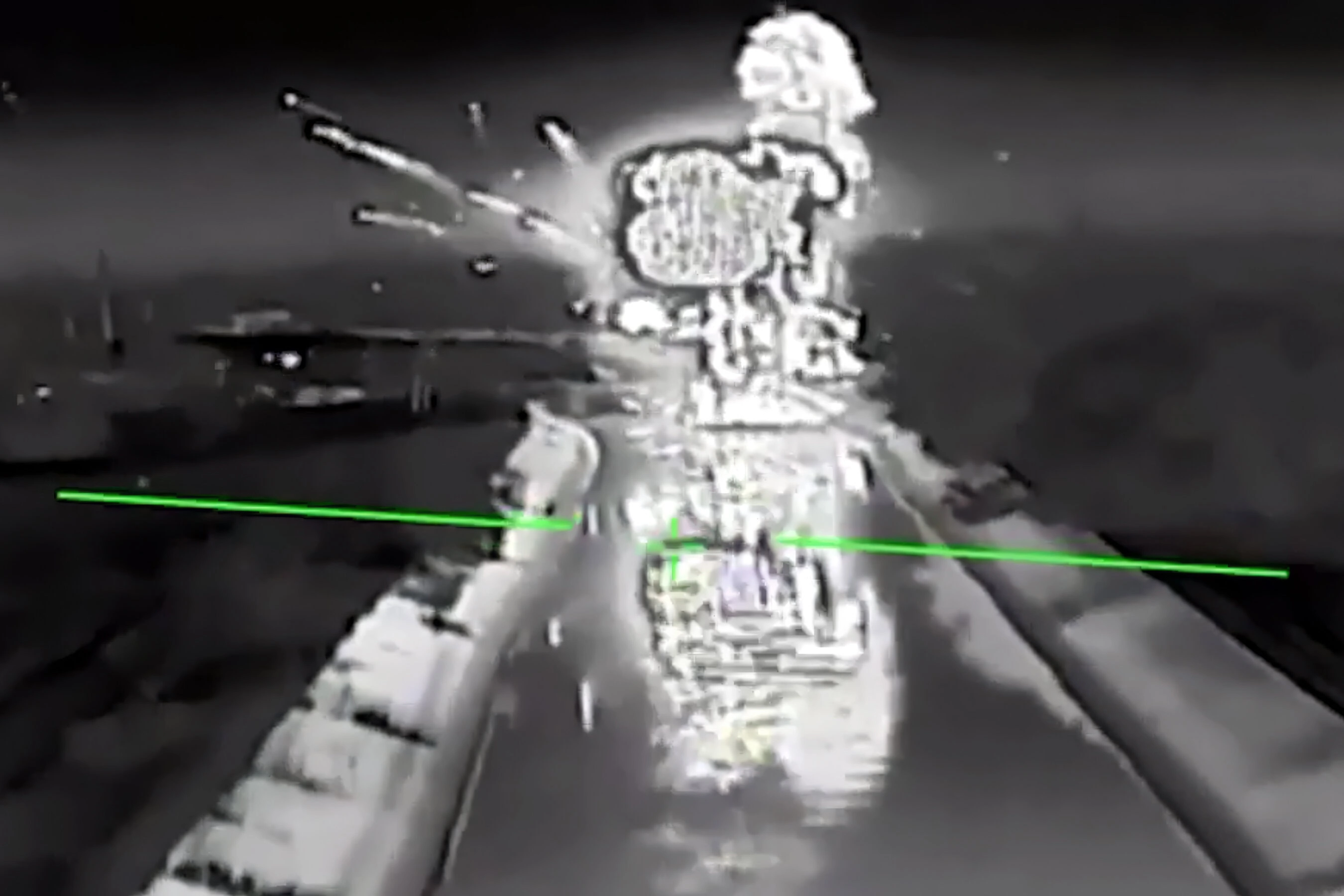
- Crimea’s land corridor. For several weeks now, Ukraine has been striking trucks and fuel tankers along the northern approaches to Crimea, turning the Kherson-Armiansk highway into a “road of death.” Rather than relying solely on strikes against storage depots, Ukraine’s Defense Forces are also destroying fuel while it’s in transit, since it’s less protected there, and the machine-vision technology Frontliner previously covered allows drones to automatically lock onto targeted trucks.
- The results of Russia’s countermeasures. Russia is trying to reinforce Crimea’s air defenses, redeploying additional systems and rolling out mobile firing groups. But complex equipment like radar and SAM systems is under constant threat of strikes, can be easily rendered inoperable, and is hard to replace. An even bigger bottleneck is the shortage of qualified operators to run it. There’s also a tradeoff: every system redeployed to Crimea leaves Russia’s air defenses weaker elsewhere, which counts as a win for Ukraine’s campaign in its own right.
- Political fallout. On June 26, 2026, self-proclaimed “prime minister of Crimea” Sergey Aksyonov declared a state of emergency in Crimea. The likely next step is a forced evacuation of Russian settlers to mainland Russia, a process that’s already begun. Civilian vehicles are now backed up 15 kilometers at the Kerch Bridge. Sergey Aksyonov and Mikhail Razvozhaev, the Russia-installed governor of Sevastopol, are now publicly airing grievances over the situation. Local residents are frustrated by the collapse of the tourist season, since it’s their main source of income.
- Ukraine’s groundwork for an offensive. The current campaign resembles a systematic buildup toward a strategic offensive on southern Ukraine and Crimea. Weakening air defense, destroying fuel and energy infrastructure, and disrupting logistics are all textbook elements of preparation for a large-scale offensive.
Why this isn’t just about Crimea
The systematic strikes on Crimea represent an attempt to wage a new kind of war, one where drones replace strategic aviation and cruise missiles. It’s a precedent for the entire world: drones costing tens of thousands of dollars are destroying factories, weapons depots, fuel and lubricant reserves, and airbases worth millions. Traditional calculations of military balance no longer apply. Crimea is returning to Ukraine’s information and strategic sphere, and it will likely, in time, be liberated, with Ukrainian trains running there once again