AI soldier: How fast artificial intelligence could replace infantry on the battlefield
For the first time in history, technology plays an increasingly central role in decisions about striking targets.. Although humans still have the final say, technology is already gathering, processing, and analyzing the data. This transformation did not begin in Pentagon laboratories, but in the fields near Pokrovsk, across the Black Sea, and over Siberian airfields. Over four years of war, the Defense Forces of Ukraine have turned artificial intelligence into a weapon of everyday use. Frontliner explains how it works and what to expect next.
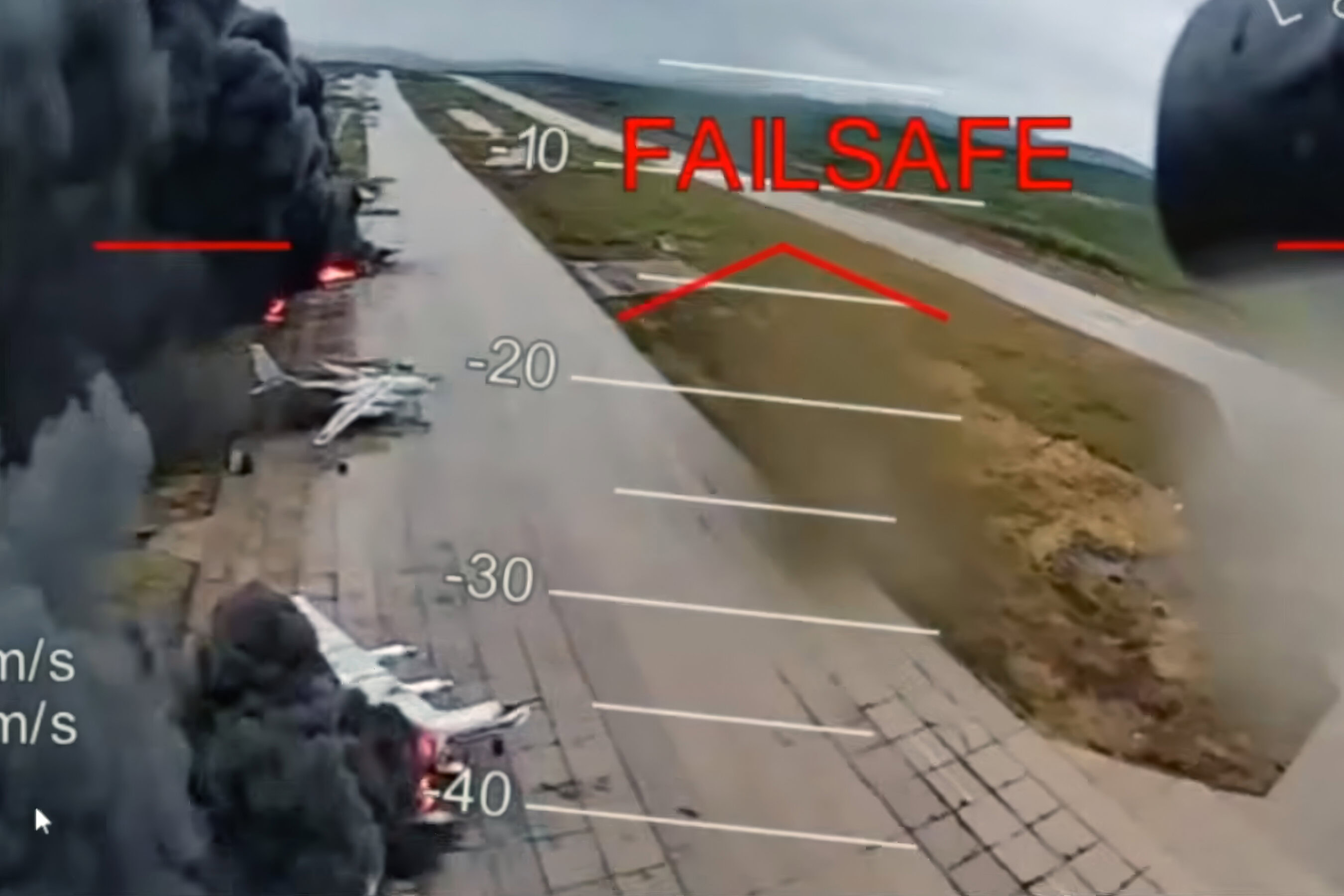
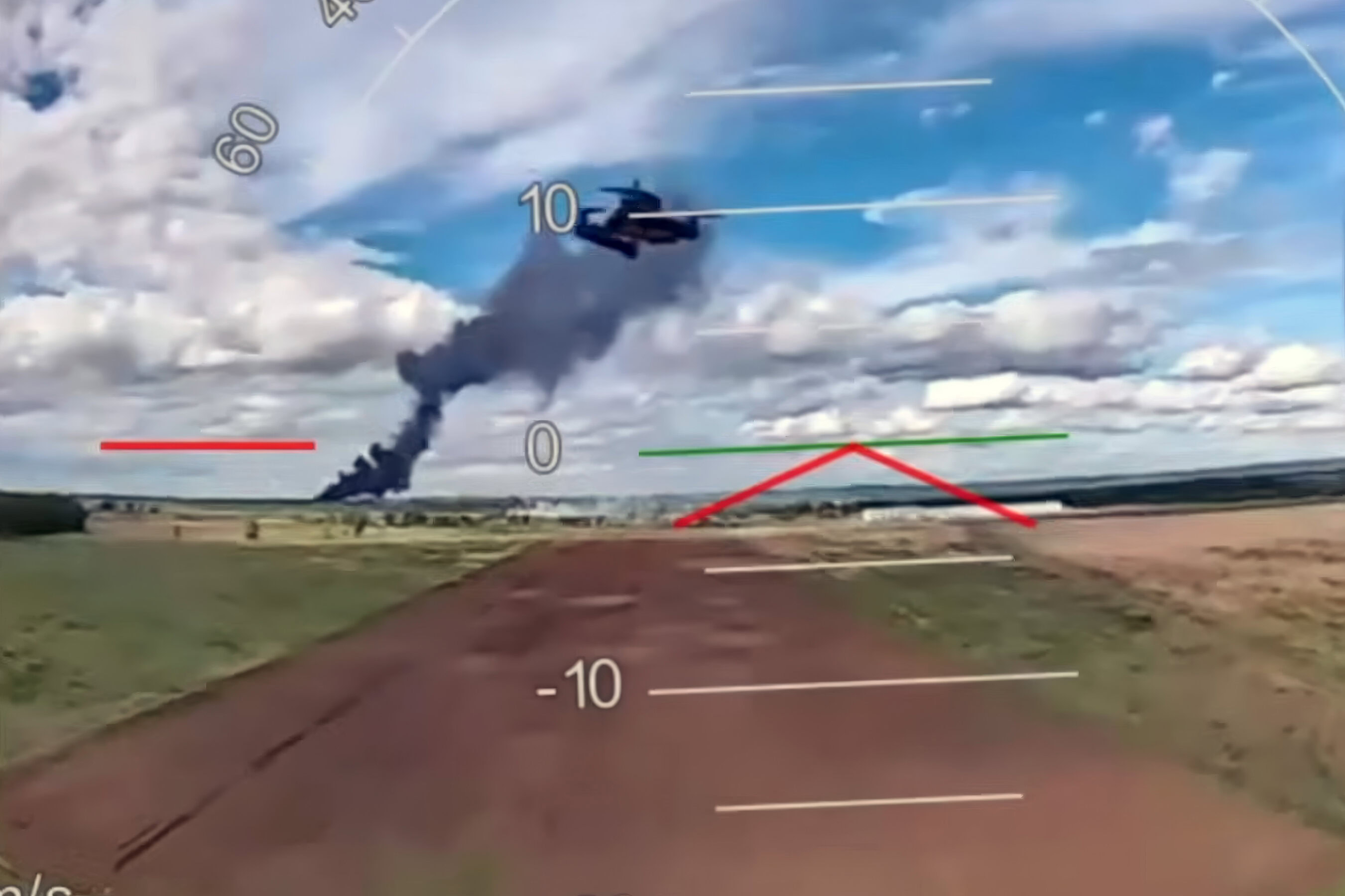
On the morning of June 1, 2025, the “all clear” signal for the air raid alert finally sounded in Kyiv. The night before, Russia had launched 472 Shahed drones — the largest single drone attack at that point. While municipal workers were clearing the aftermath of the strikes, 4,000 kilometers east of Ukraine’s border, around noon, a truck stopped in the Irkutsk region. The trailer’s roof automatically opened, allowing drones to take off and head toward the Belaya airbase, where they subsequently destroyed several Russian strategic bombers. Almost simultaneously, trucks stopped in the Murmansk, Ryazan, and Ivanovo regions, repeating the same drone-delivery scenario to eliminate Russian aviation at its airfields.
-
Screenshot from a video publicly released by the Security Service of Ukraine.
-
Screenshot from a video publicly released by the Security Service of Ukraine.
-
Open-source satellite image.
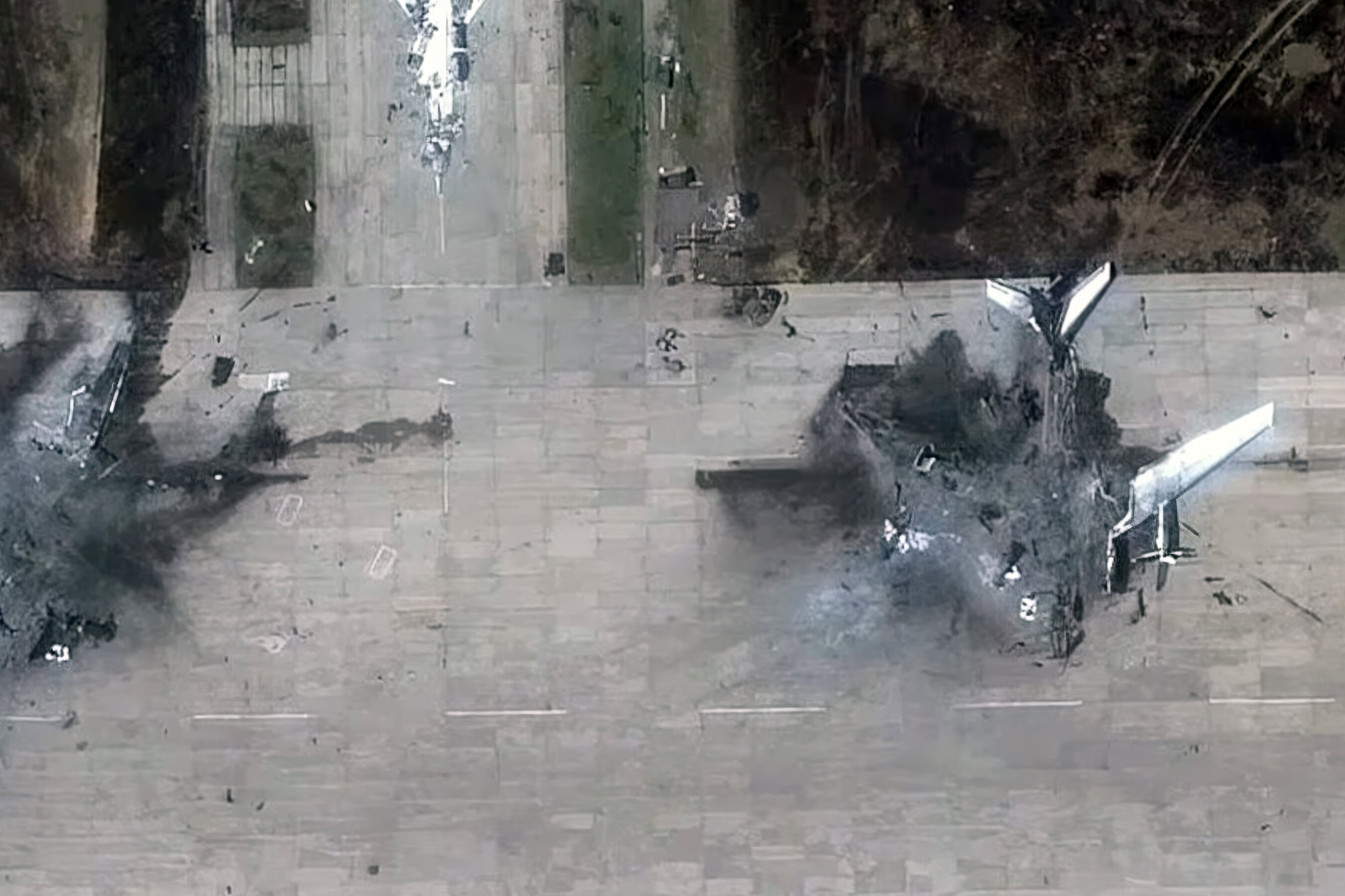
Just minutes after the attack, drone footage of the strikes on the Tu-95 bombers appeared in Ukrainian media. Within an hour, the entire world learned about Operation Spiderweb. While Russian drones continued to overwhelm Ukrainian air defense systems by sheer numbers Ukrainian air defense systems and strike anything in their path, Ukrainian drones equipped with computer vision were precisely destroying Russia’s strategic bombers deep behind enemy lines.
This is what a war looks like when artificial intelligence is a full-fledged participant. Can technology replace infantry? How fast will AI achieve agency? And will the movie Terminator become a documentary?
What is artificial intelligence and how do the Defense Forces of Ukraine use it?
Artificial intelligence is a collection of technologies that mimic human cognitive functions using algorithms, data analysis, and machine learning. AI can process vast amounts of information, identify patterns, and generate recommendations or possible solutions to a problem. In most cases, AI analyzes data and suggests options, while the final decision remains with a human. However, that principle is gradually beginning to change. AI can be used for military purposes at several different levels.
Tactical level
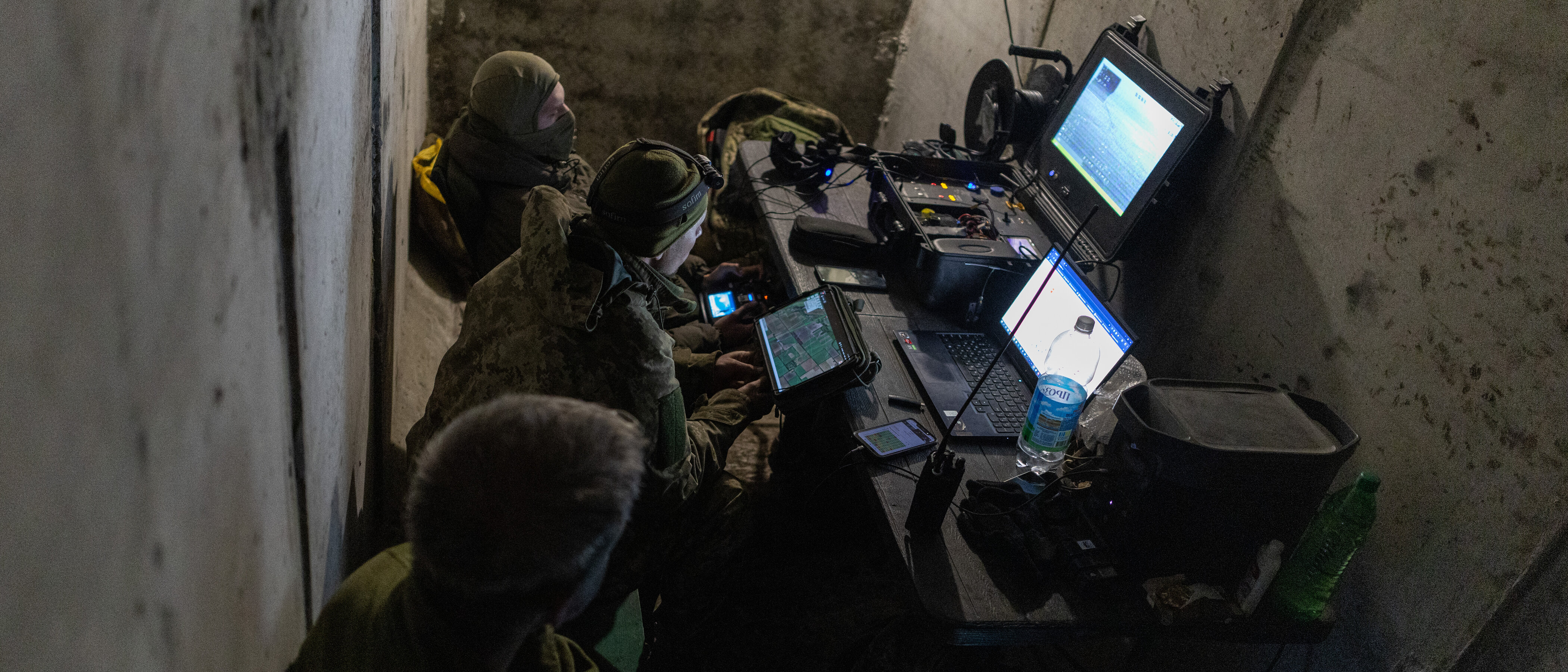
Military AI does not look like the Terminator or a black hydra. It is a technology in the service of an operator who pilots a drone from a bunker dozens of kilometers away from the front line. Using an inexpensive tablet, the soldier selects a target and decides whether to engage it. When the drone approaches the target and enters the range of enemy electronic warfare systems (EW), it uses computer vision to lock onto the target and home in autonomously — even after losing connection with the operator.
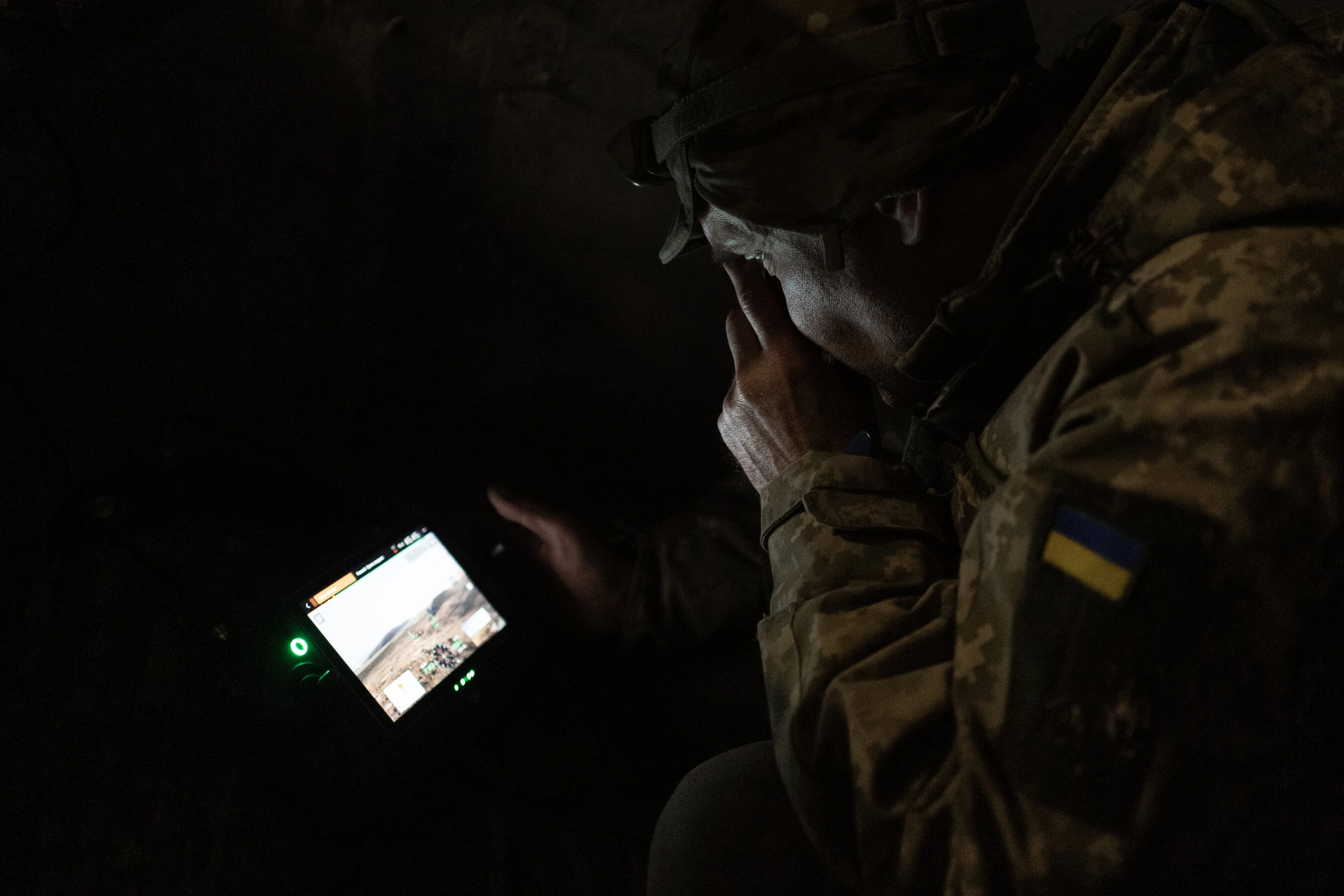
Computer vision is a technology that uses algorithms and neural networks to process visual data from onboard cameras, identify targets, and track or engage them — either with human confirmation or autonomously. The introduction of this technology has raised the strike success rate of the Defense Forces of Ukraine from 30% to 80%. The Ukrainian surveillance drone Saker Scout can distinguish 64 types of Russian military equipment and operate under active EW systems. It detects a target and transmits data to an FPV drone, which then strikes it. According to last year’s data from BRAVE1, more than 200 companies in Ukraine are developing UAVs with computer vision.
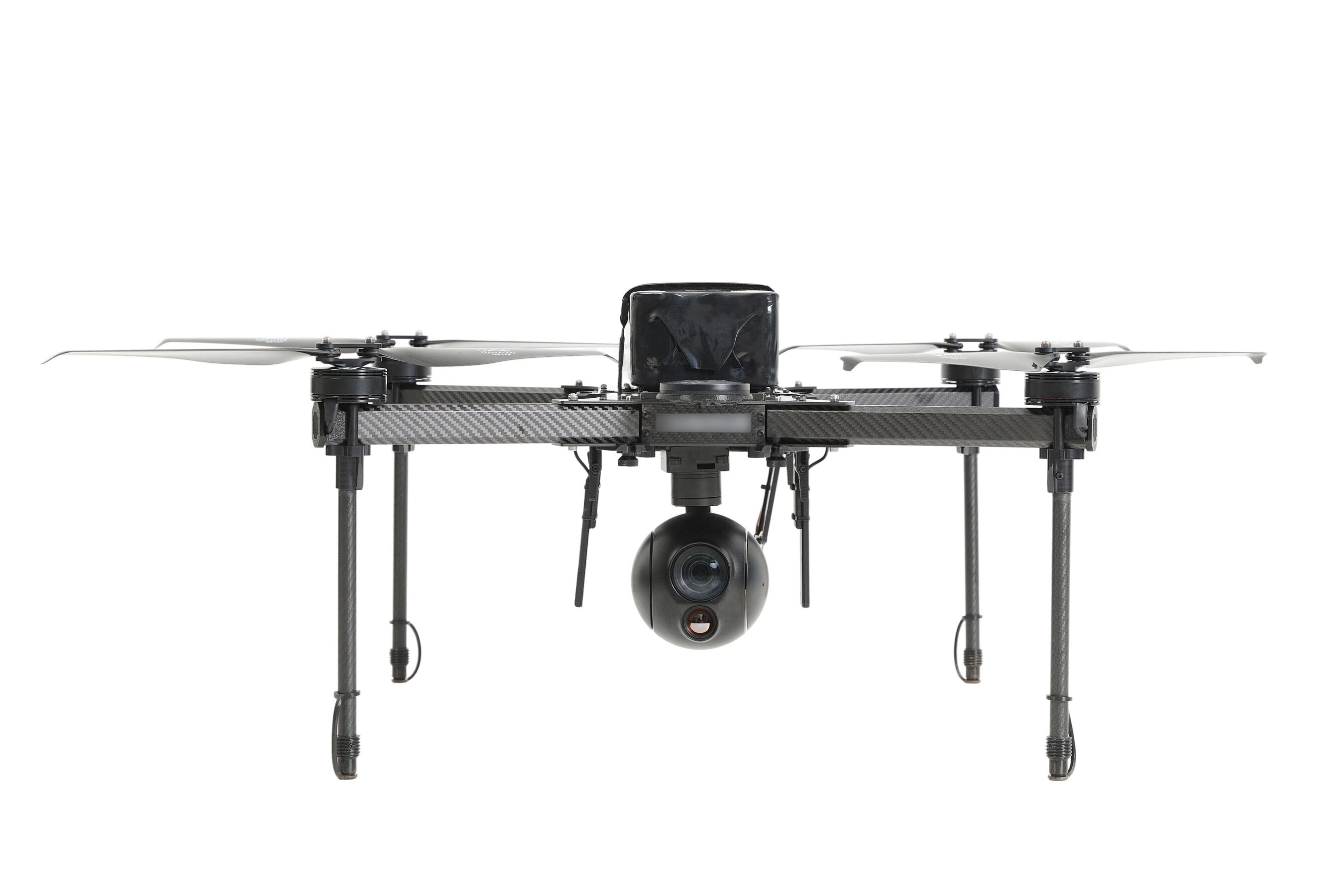
Another aspect of tactical AI usage is robotic turrets. They also utilize computer vision technology but are used for static defense. Deployed either automatically or by an operator, the turret connects to a tablet via a secure communication channel. This allows the robotic system to detect and engage the enemy within an 800-meter range. A human still makes the decision to fire — the turret is not an autonomous weapon. Instead, the algorithm flags potential targets and selects them for the operator.

The most precious resource of war is time for decision-making. Timely decisions save soldiers’ lives. On a tactical level, the use of AI has reduced decision-making time from hours to minutes.
Operational level: Coordination and planning
At the operational level, troops are coordinated on the battlefield. DELTA is a Ukrainian platform that integrates various types of data: satellite imagery, locations of enemy equipment, and drone reconnaissance data. Rapid cross-analysis of these data streams provides a real-time assessment of the situation and suggests potential courses of action. Automating this analysis saves time and accelerates the pace of decision-making.
Strategic level
The tactical level operates within a range of several kilometers, while the operational level extends to dozens of kilometers.The strategic level, in turn, enables missions thousands of kilometers deep behind enemy lines.
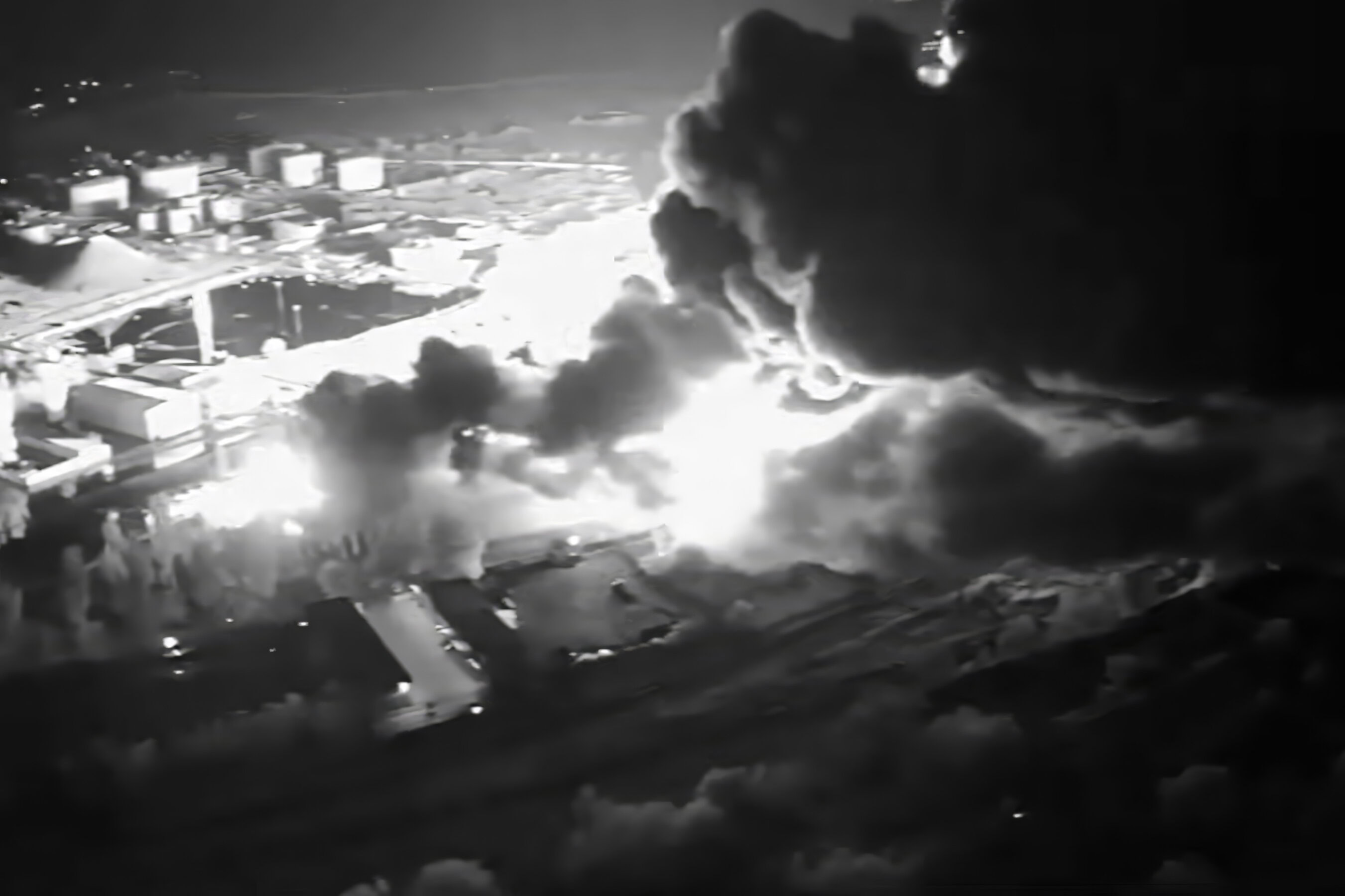
Striking elements of Russia’s nuclear triad (intercontinental ballistic missiles, nuclear-powered ballistic missile submarines, and strategic bombers), as well as attacking the Black Sea Fleet and carrying out deep strikes against oil refineries and energy infrastructure inside Russia, has become possible thanks to AI. Although the Defense Forces of Ukraine do not disclose the extent of AI’s involvement in these operations, it is clear that none of this would be possible without computer vision.
Intelligence analysis
While humanoid robots are not yet capable of replacing humans in combat positions, they can partially replace scouts in the field. Automating the analysis of large datasets can accelerate potential conflicts by identifying their preconditions in advance, while also enabling social manipulation, cyber threats, and mass surveillance. On the other hand, AI-driven automation of data analysis accelerates wartime decision-making, potentially bringing conflicts to a quicker end. Utilizing AI for data processing is visually the least impressive aspect of modern warfare. Here, you will not find footage of burning military hardware or videos of Russians complaining under a rain of burning oil. Yet, without this component, these special operations would either be impossible or require significantly more preparation time. In this context, the American company Palantir is most frequently cited. One of the first major instances of the Defense Forces of Ukraine deploying Palantir systems was during the liberation of the Kherson region in autumn 2022.
Other applications: Healthcare and justice
Military AI is not always used as a weapon or for strike preparation. The technology also performs more “boring,” routine tasks that are no less important.
In October of last year, the British outlet The Engineer highlighted a Ukrainian device that gathers real-time data from wounded soldiers, including heart rate, body temperature and other vital signs. An AI algorithm then analyzes these to prioritize medical evacuation. As in the previous examples, while AI collects and processes the data, the final decision remains with humans.
Another area of application is prosthetics. The Ukrainian-American company Esper Bionics creates prosthetic hands powered by artificial intelligence. With the help of AI, the device adapts to the user’s typical movements and learns to perform them more precisely.

American company Clearview AI can identify individuals from a photo. According to Ukrainian officials and the company itself, Clearview has helped deanonymize Russian war criminals. At the request of Ukrainian military personnel, the application analyzed thousands of photos and videos capturing violations of the laws and customs of war. The system automatically and rapidly identified individuals across these media materials. However, specific details regarding these use cases remain unavailable in open sources.
Will humans keep up with AI development and find common ground in the future?
Currently, AI technology remains entirely dependent on humans and power sources, lacks physical embodiment, and is incapable of prolonged autonomous operation. At the same time, international humanitarian law has yet to establish clear regulatory frameworks defining the boundaries of AI application for either aggressors or defending nations. While European organizations are merely preparing to debate these issues at upcoming symposiums, dictatorial regimes such as China and North Korea keep their military AI research and testing strictly classified. Experts state that humanity has only two to three years before AI gains agency — the capacity to make autonomous decisions, including executing strikes without human confirmation, or independently collecting and analyzing data without human requests.