
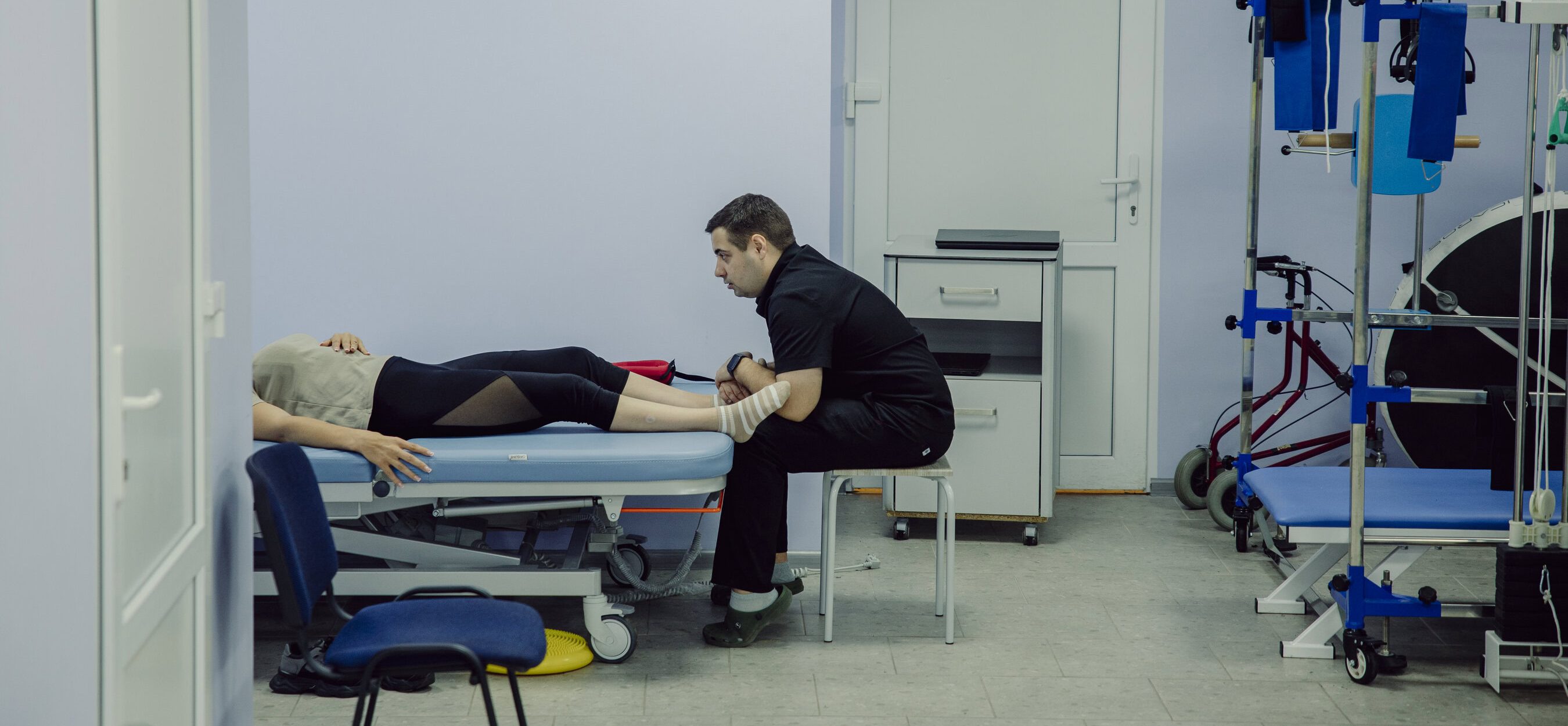
One Prostir Turboty instead of dozens of offices: Odesa’s new support hub for veterans
The Prostir Turboty (Care Space) officially began operating at the Odesa Regional Clinical Hospital. Frontliner reporters went to see how the new space works.
The Prostir Turboty (Care Space) officially began operating at the Odesa Regional Clinical Hospital. Frontliner reporters went to see how the new space works.
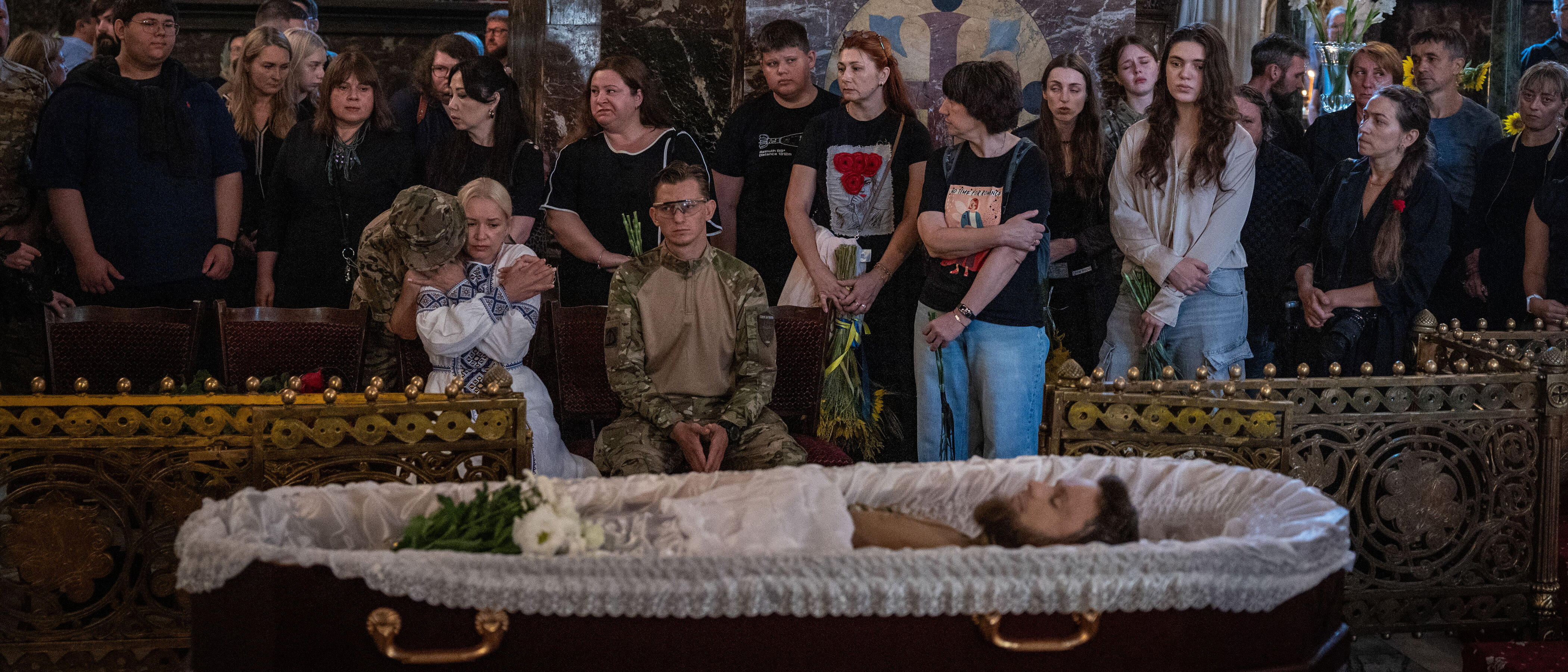
Oleksii Yukov was killed on Aug. 5, 2026, when his car struck a mine in Lyman hromada, Donetsk region. He was 40. For more than 25 years, Yukov searched for the dead, first traveling to the battlefields of past wars.
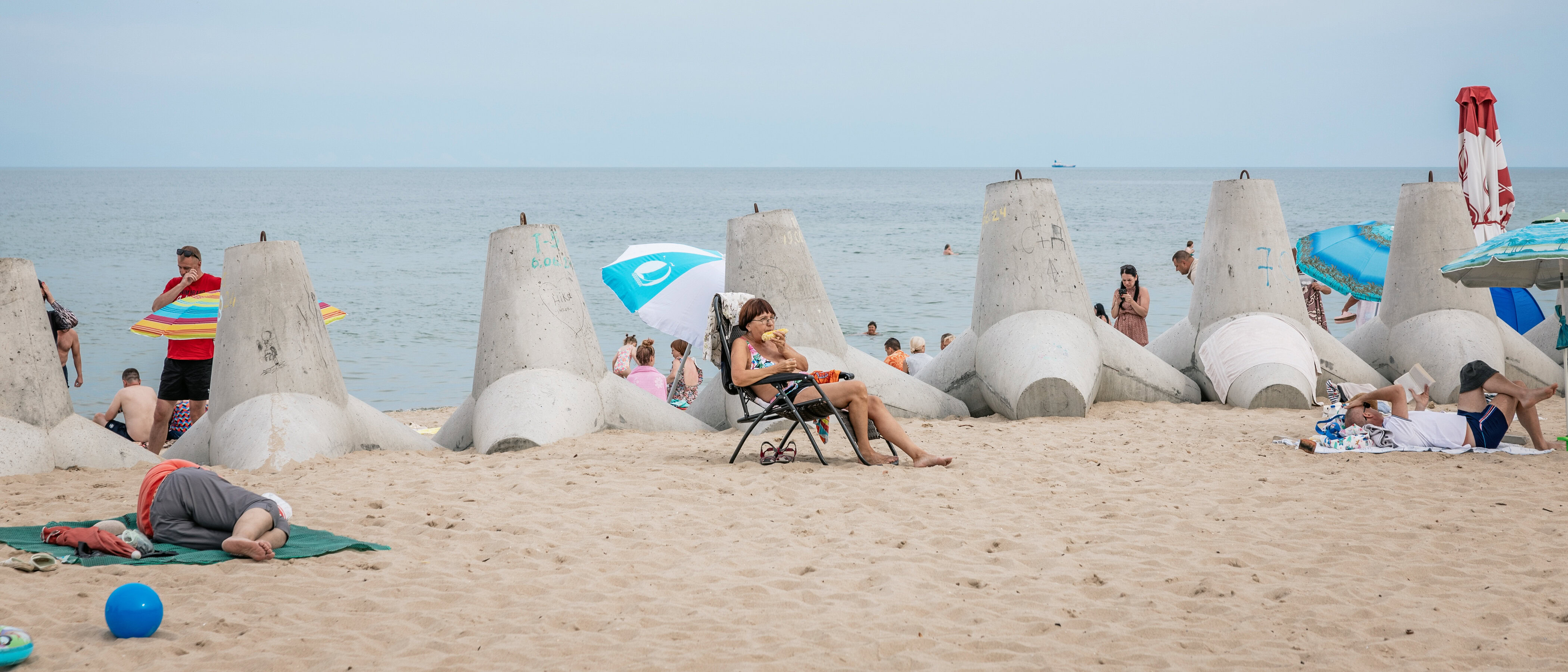
The wartime summer 2026 has brought its usual heat to the resort town of Chornomorsk, warming the sand and the people who lie on it. See how war has reshaped a resort town in a new Frontliner report.
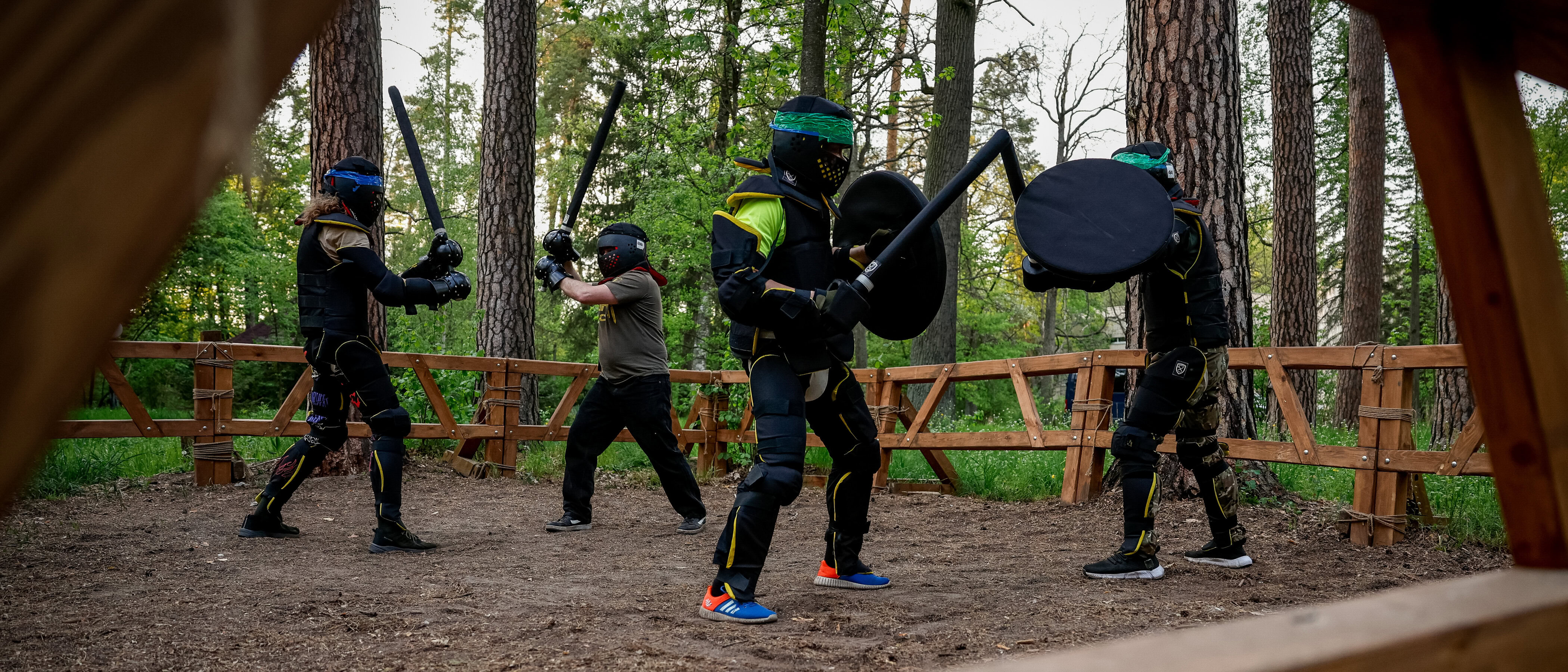
Veterans and active-duty soldiers recover from wartime experiences by mastering the basics of medieval combat and buhurt. Explore how the training sessions work and what participants gain from the sport in Frontliner’s report.
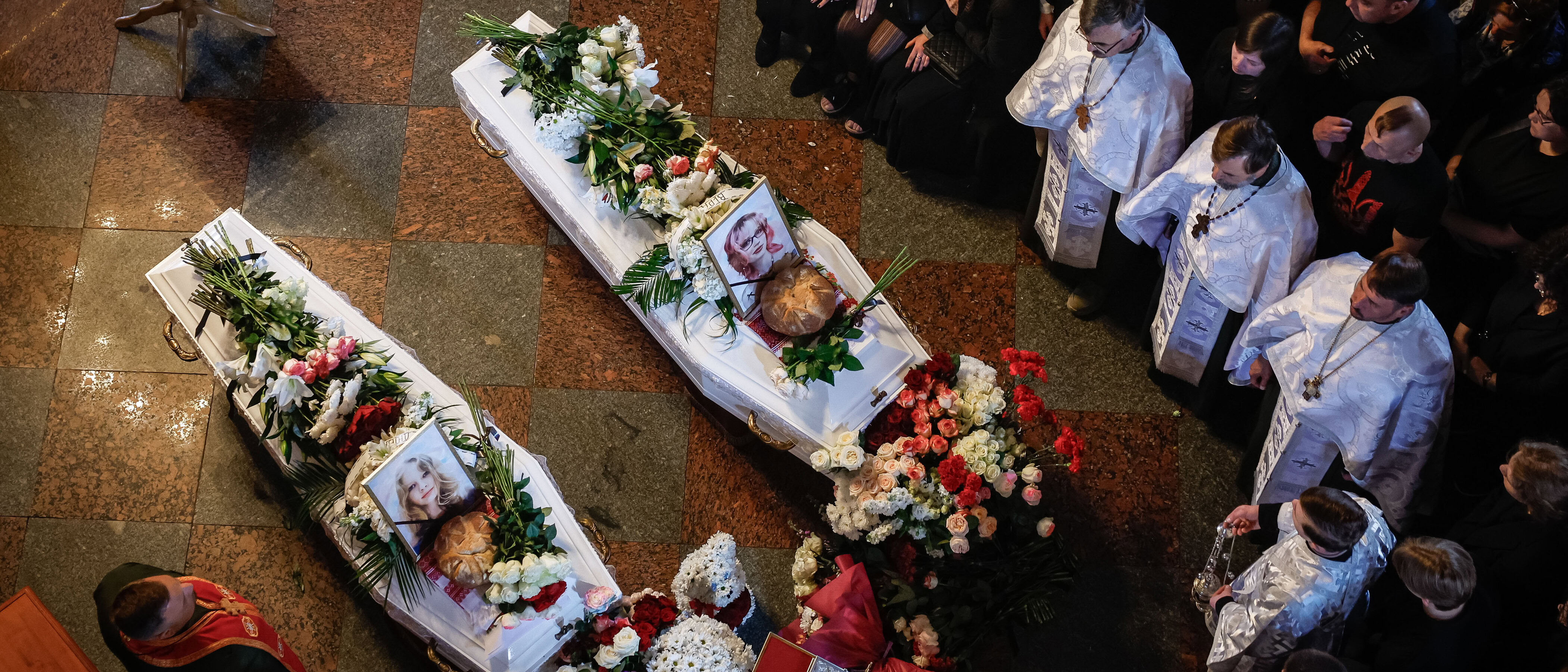
What began as a rescue operation became a wait for the return of the bodies of 12-year-old Liubava and 17-year-old Vira Yakovileva, killed during a massive Russian attack on Kyiv on May 14, 2026.
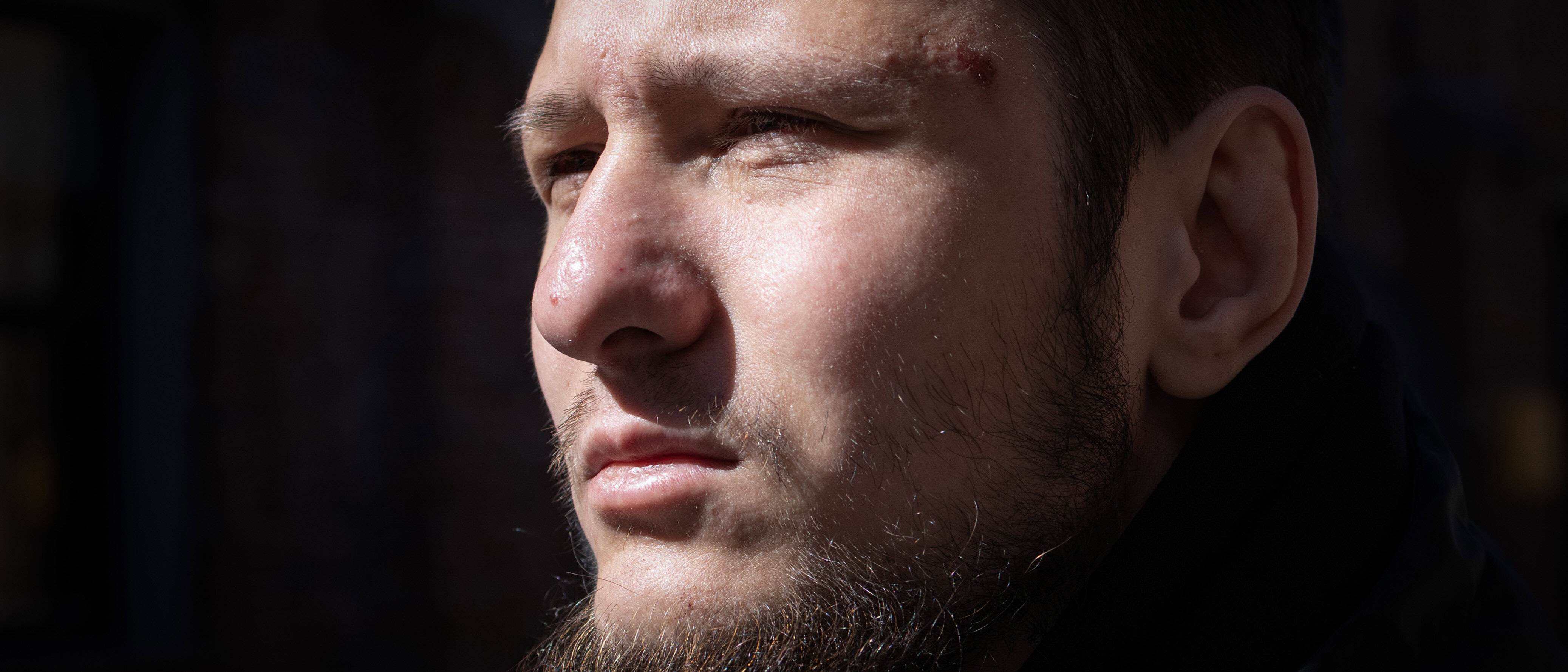
Vladyslav was released from Russian captivity, but his twin brother Stanislav remains held. Frontliner tells the story of 26-year-old marine Vladyslav Chuhuienko, who spent 1,227 days in captivity and is now learning to live in a world that has changed while he was imprisoned.
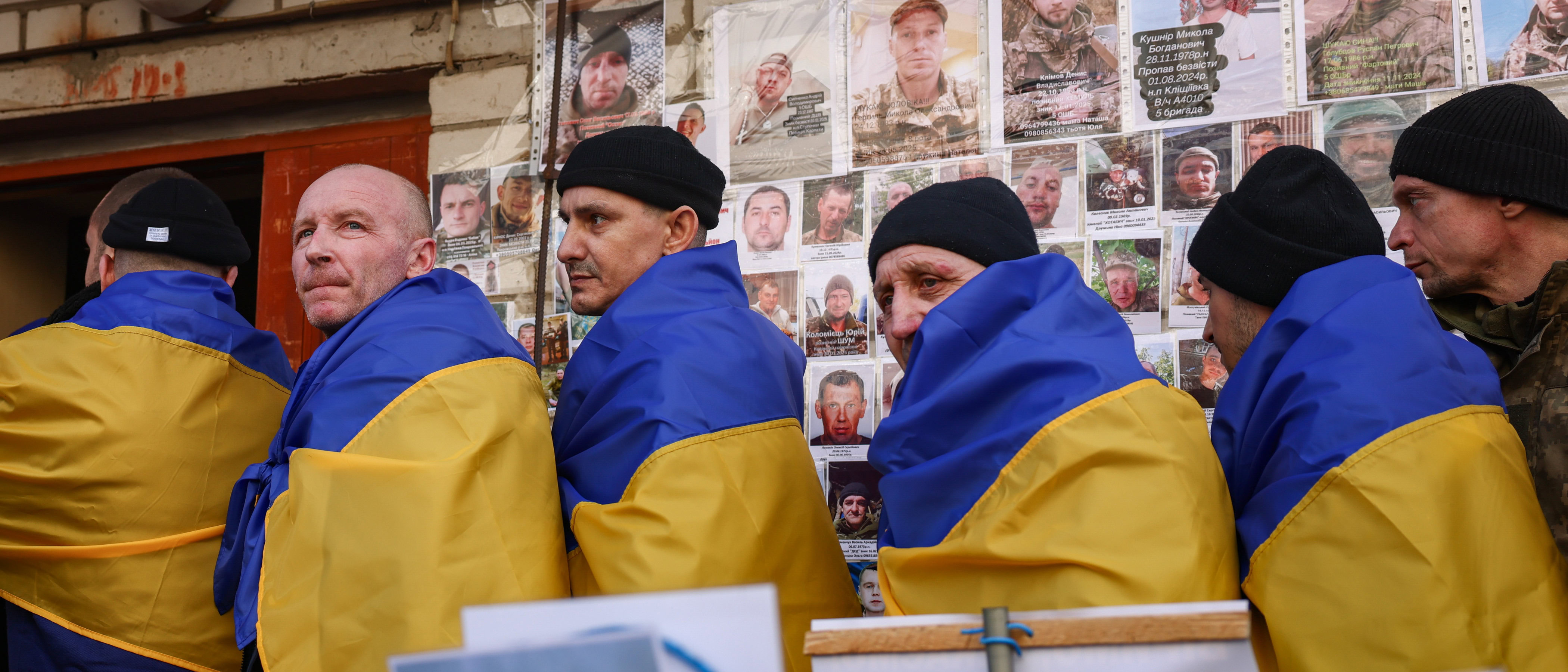
First embraces with loved ones and tears of joy after years of separation. Over two days of a large-scale exchange, 500 Ukrainian defenders returned home from Russian captivity. Frontliner journalists captured the moments when families first received the long-awaited news and were reunited.
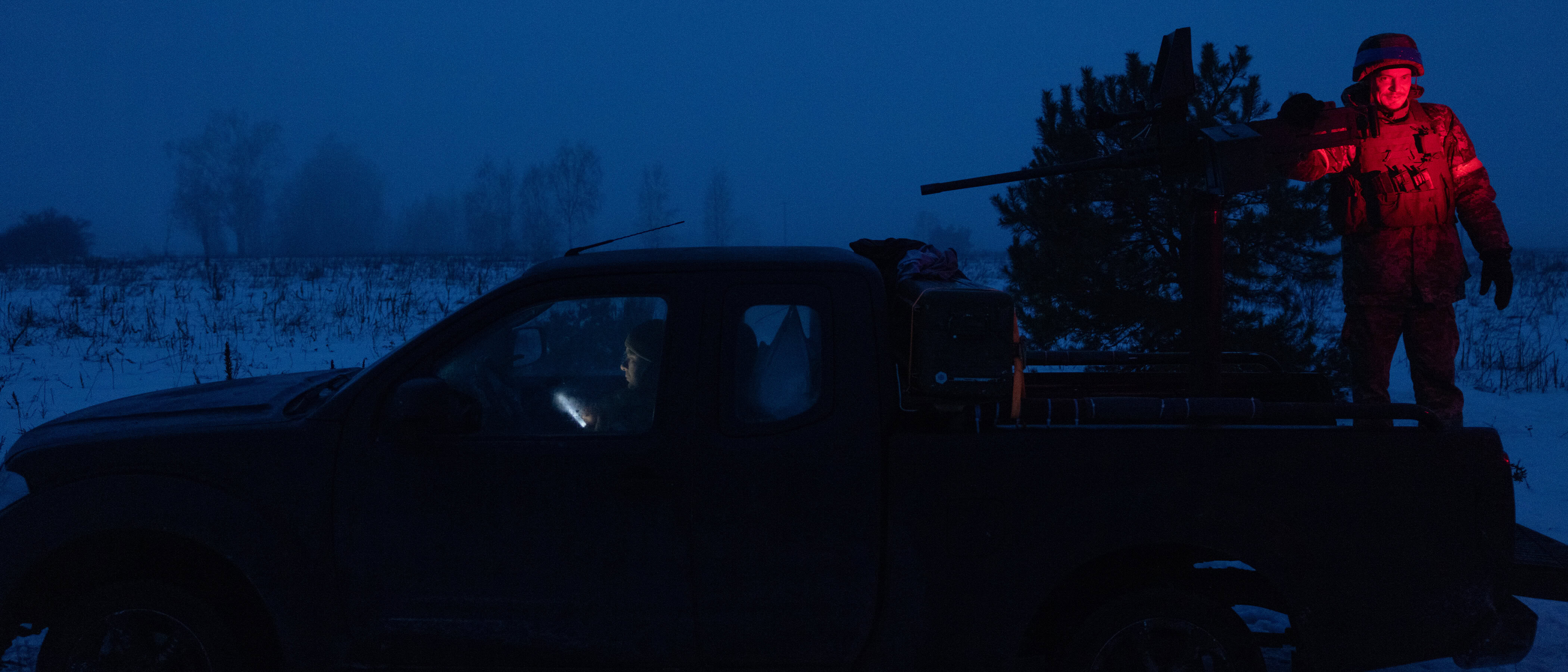
While mobile fire groups (MFGs) scan the darkness, enemy Shahed drones are evolving. Frontliner journalists investigated why methods that have worked in recent years are unable to keep up with the pace of Russian attacks, and how the work of mobile fire groups can be improved.
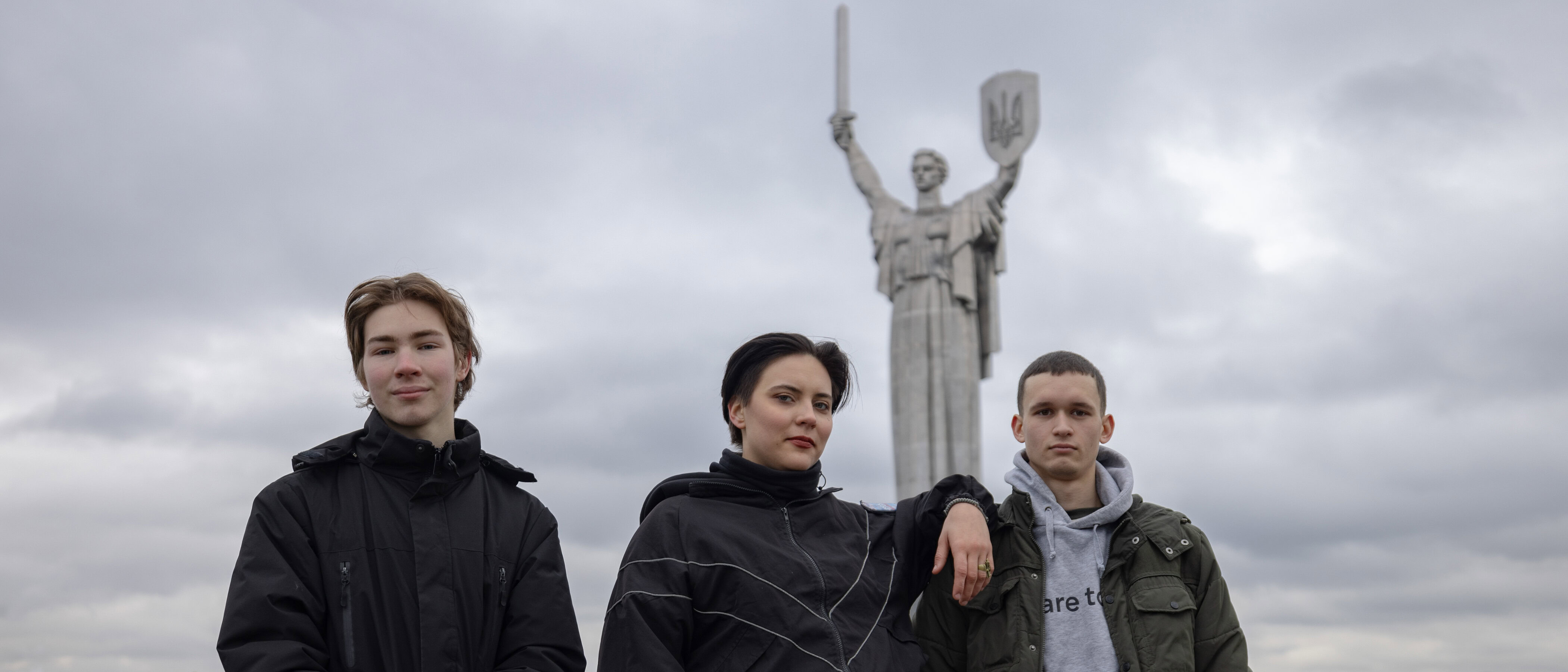
In temporarily occupied Crimea, Russian security forces routinely pursue residents for their pro-Ukrainian stance, fabricating charges, exerting pressure, intimidating families and restricting their freedom of movement. Frontliner traces their stories which expose how the occupation system punishes dissent and turns returning home into an ordeal.
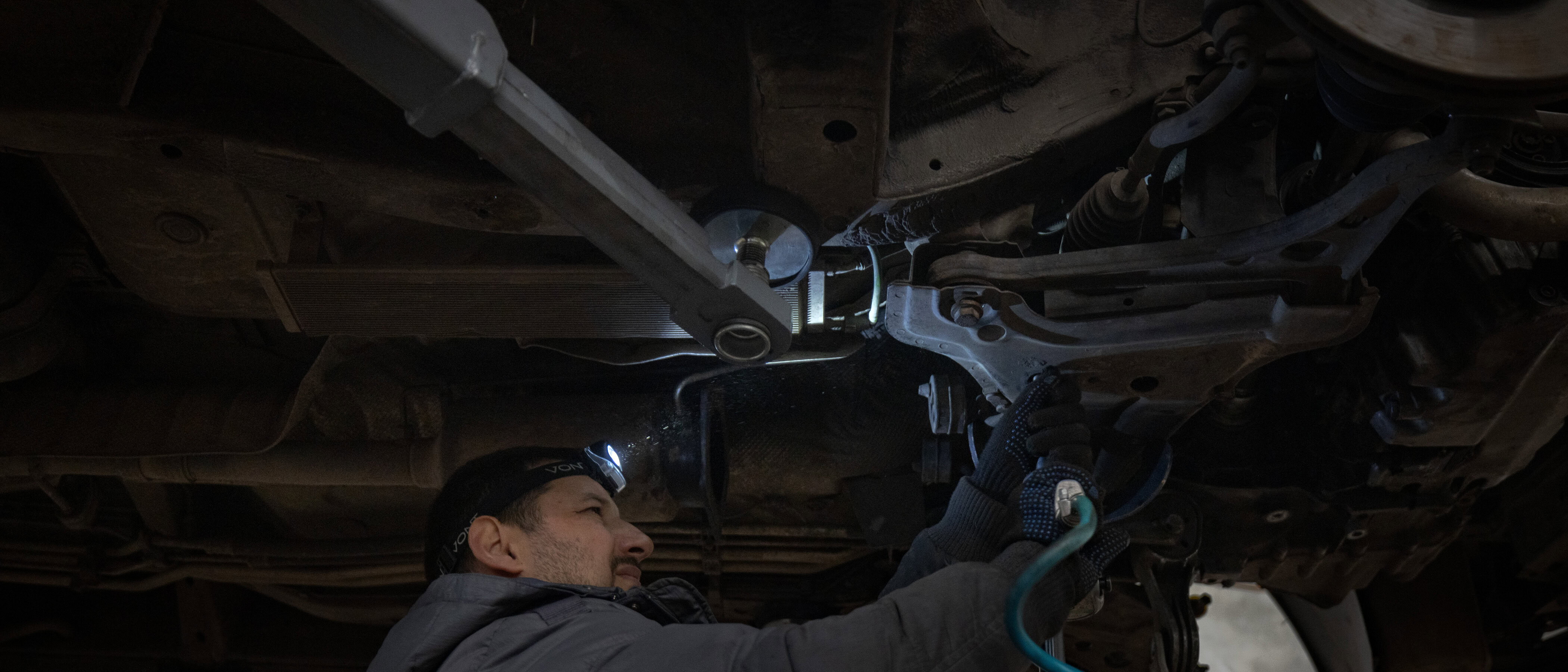
“The biggest problems come from indifference,” says Petro Shuklinov, a servicemember who created a unique auto repair shop. According to him, people are willing to donate to drones or new cars – it’s new and effective.