

Leaving their prosthetics in the stands, veterans enter the ice rink
The ice rink is chilly and alive with sound. It’s much like a regular hockey game, but only coach Serhii Shvets is wearing skates. Frontliner reporters watch the session unfold.
The ice rink is chilly and alive with sound. It’s much like a regular hockey game, but only coach Serhii Shvets is wearing skates. Frontliner reporters watch the session unfold.
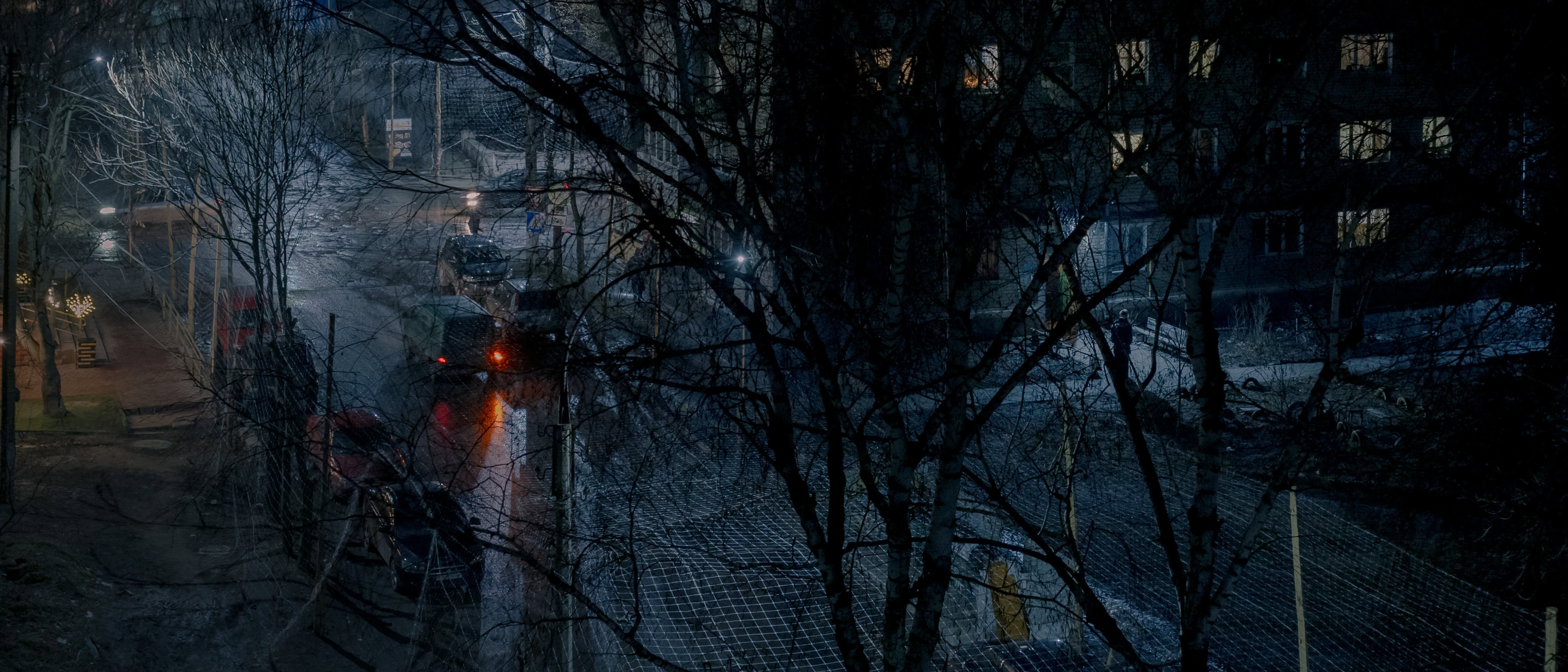
Izium in the Kharkiv region remains a key military logistics hub, with a steady flow of troops and heavy equipment passing through the city. Frontliner reporters look at daily life in frontline Izium.

For service members whose hearing was damaged in combat, help is becoming easier to reach. A new microscope at Kyiv’s Hearing Restoration Center is expected to increase the number of complex surgeries, notes a report by Frontliner.
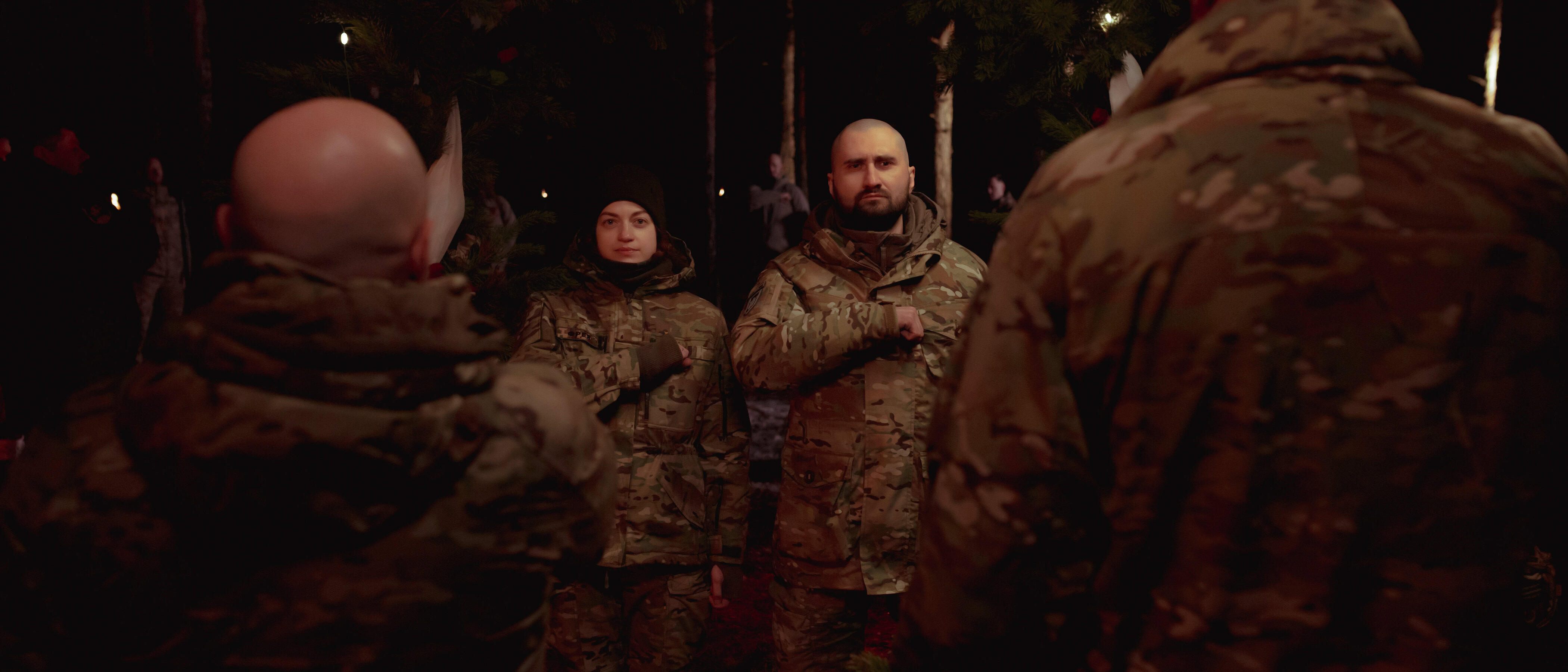
Soldiers of the 3rd Separate Assault Brigade traded conventional wedding venues for a torchlit outdoor ceremony. The event, held in the Kharkiv region, was documented by Frontliner.
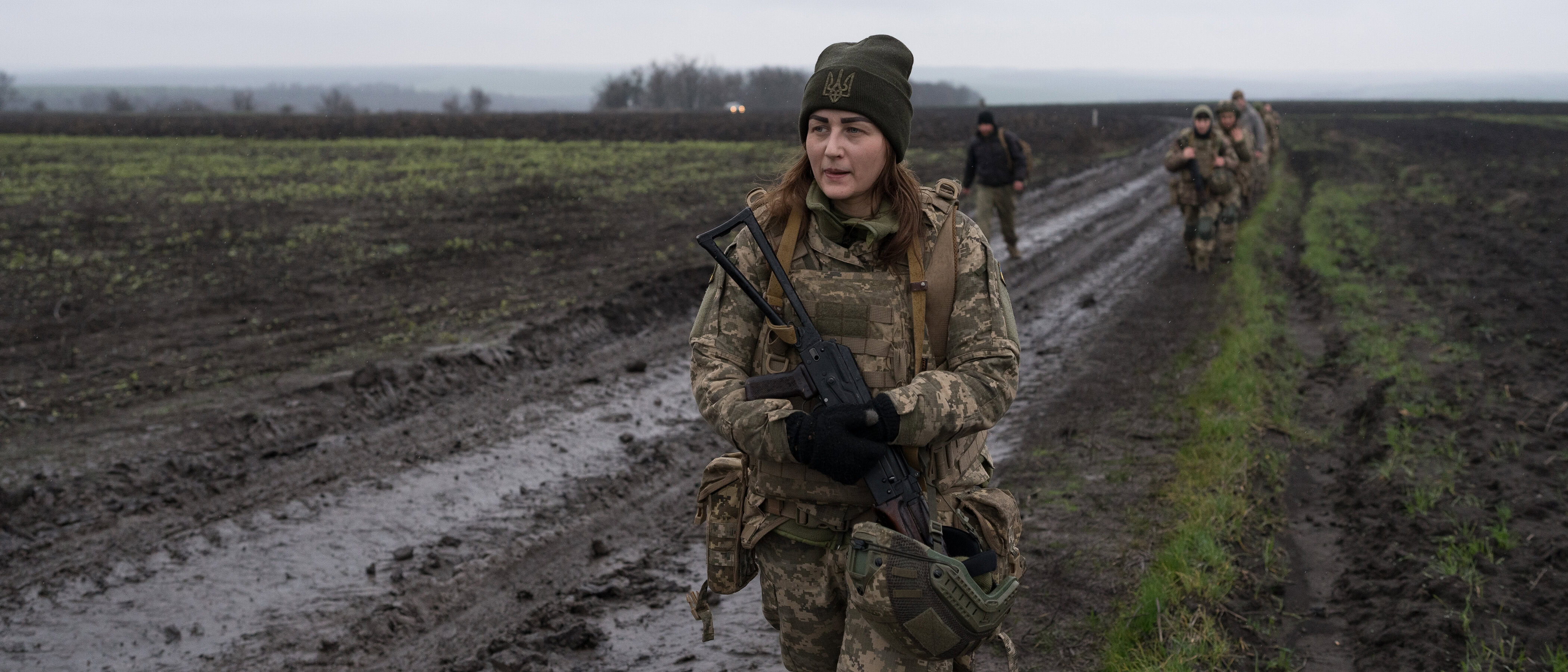
Formerly incarcerated women have joined the military and are now serving on the Zaporizhzhia front. Frontliner followed their journey from the correctional facility to their first combat deployment and explored why they see the army as a second chance.
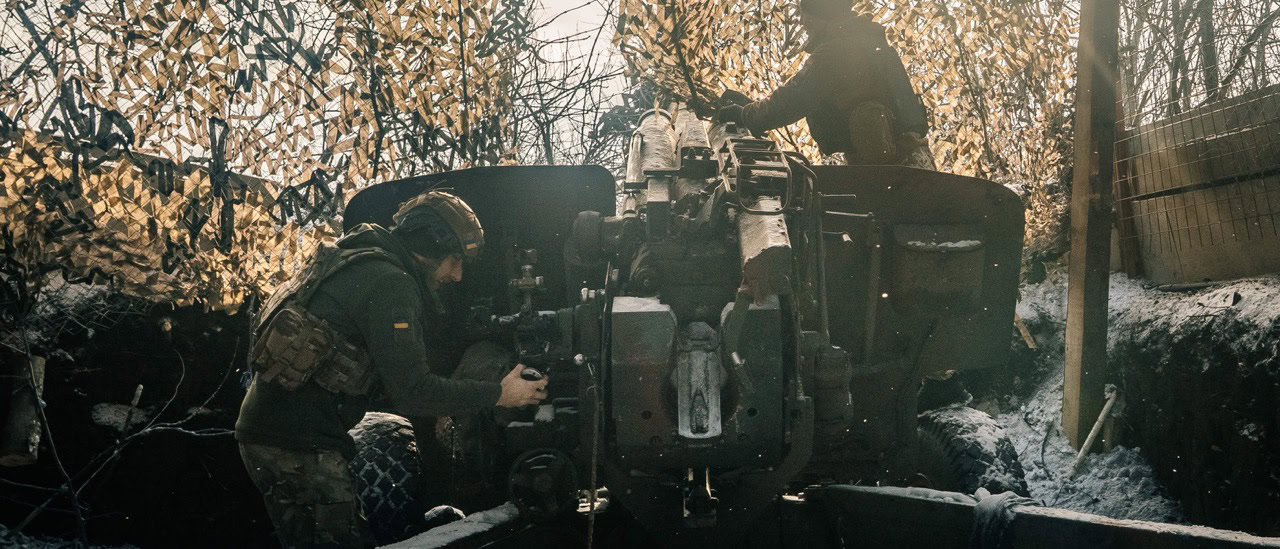
Along the boundary between Ukraine’s Donetsk and Dnipropetrovsk regions, Russian forces continue efforts to push the front line forward. The Pokrovsk sector remains among the most intense areas of fighting. Frontliner reports on how Ukrainian artillery operates under these conditions.
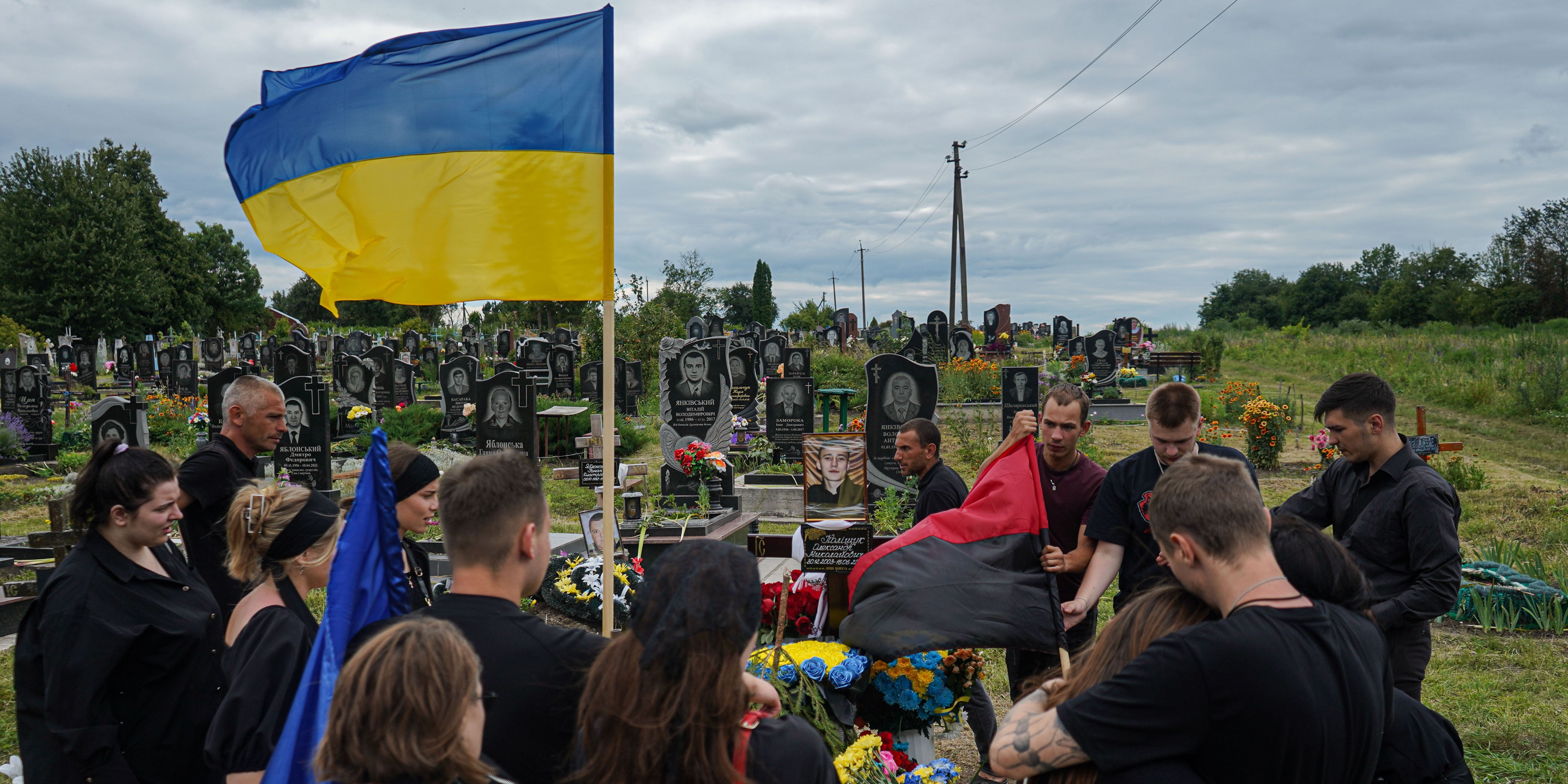
At the start of the full-scale invasion, the youngest soldiers were those born in 2003. Now — those born in 2007. Their feats and deaths are felt especially acutely, as recent school photographs have become portraits on graves.

They consider themselves lucky – those who are living out their days with care and under a roof. Across Ukraine, shelters for people with disabilities and pensioners are overflowing. With each year of war, the situation worsens.

At least 9,000 foreigners are fighting for Russia against Ukraine, according to estimates by the Coordination Headquarters “I Want to Live” project, a Ukrainian government initiative that operates a hotline to encourage Russian soldiers to surrender.

Across Kherson runs one of the toughest stretches of the frontline — a shifting maze of river delta channels, overgrown thickets, and elusive crossings. In this watery battlefield, survival depends on adaptation. One of the units that has mastered it is “Buzky Gard”: fighters who fuse intimate knowledge of the terrain with the tactics of asymmetric warfare. Frontliner reports on how they operate in this zone of constant risk.

Russian soldier Mykhailo Romanov, commander of a tank regiment, has been accused by Ukrainian prosecutors of shooting a resident of the village of Bohdanivka and then raping his wife three times in 2022.

“Look at the sky ahead and on the right side” – those are the first instructions you hear when you start a trip to Kostiantynivka, which is located a few kilometers from active fighting. Frontliner’s report is about the city, which balances between daily life and death.

Even as U.S, President Donald Trump pushes for a peace deal with Vladimir Putin without a cease-fire, Russia is escalating its strikes on cities and towns in the Donetsk Oblast in eastern Ukraine, forcing thousands to flee.

Service members and veterans are excavating the Trypillian culture, thereby reclaiming themselves. They are rehabilitating through archaeology near Lehedzyne in Cherkasy Oblast.

On August 8, 2025, people in Kyiv bid farewell to Viktoriia Roshchyna, a 27-year-old journalist tortured to death while in Russian captivity. Her killing shocked the international community and became another stark reminder of Russia’s brutality and lawlessness.

Local authorities promised to bury every fallen defender at public expense, yet the mourners who trailed a cortege of three soldiers through town witnessed indignities money had not fixed. Widows and mothers were left convinced that the state’s help fell short.

An ambulance pulls away from Ukraine’s Heart Institute, a state-run facility in Kyiv, at 1 a.m. It speeds along at 150 kilometers per hour (93 miles per hour), occasionally turning on its sirens, as almost all the roads are empty. The destination: Korosten, a small town in the Zhytomyr region of northern Ukraine, approximately 90 miles (145 kilometers) west of Kyiv and near the border with Belarus. There, a deceased donor’s heart can save a seriously ill patient.

Seventy-three-year-old Lidiia Burlatska has lived through two wars in one city. In 2014, she did not leave Sloviansk during the occupation, and now she refuses to evacuate, even though the front line is approaching and is only 25 kilometers from her home. During three years of full-scale war, the retiree lost her son-in-law, learned to fall asleep to the sound of shelling, and stopped watching the news “because it hurts.” More than 50 years of living in Sloviansk have convinced her that there is no point in running away from what she has built her whole life. A Frontliner reporter spoke with a woman who lives where war has become part of everyday life, but where people still continue to hope.
