
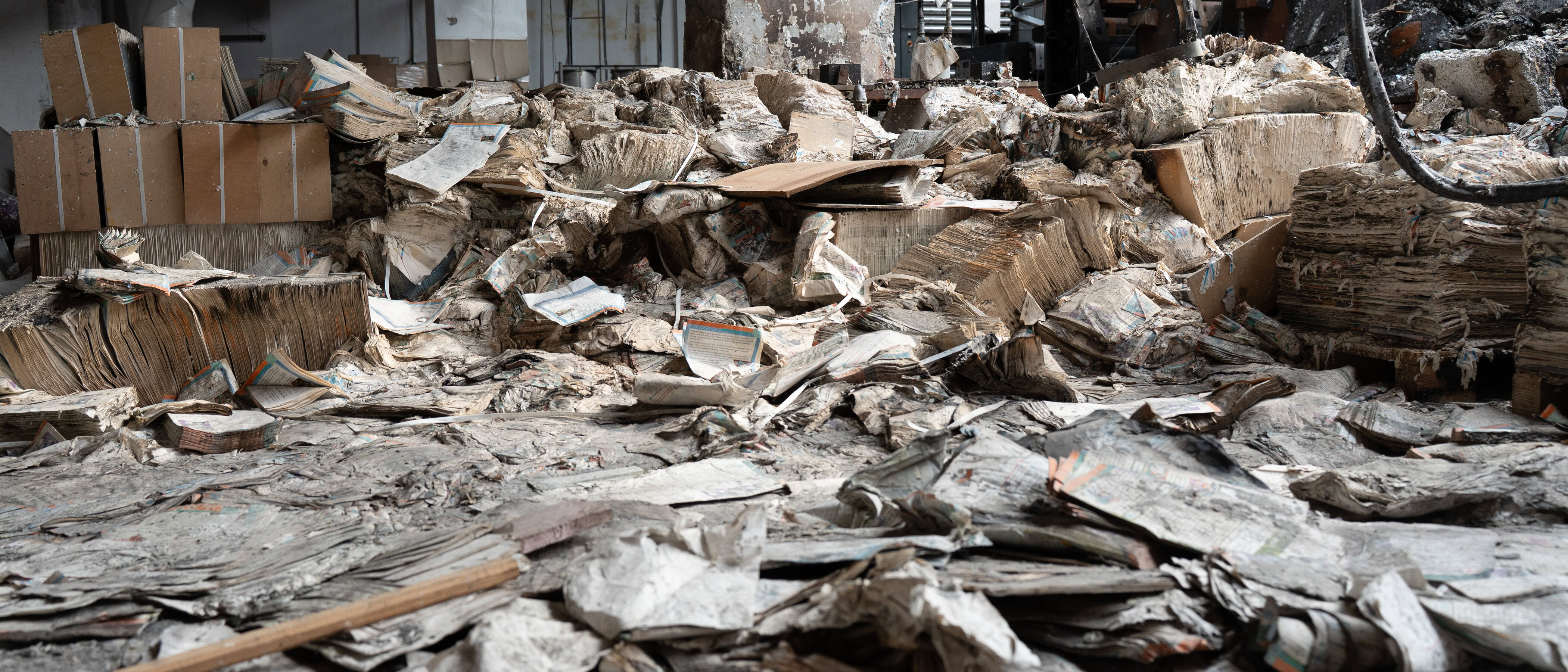
Russian missiles vs. Ukrainian books: How the publishing industry holds the line
Over just two months, roughly 13 million books have been destroyed in Ukraine. Read how the Ukrainian publishing sector endures...
Over just two months, roughly 13 million books have been destroyed in Ukraine. Read how the Ukrainian publishing sector endures...
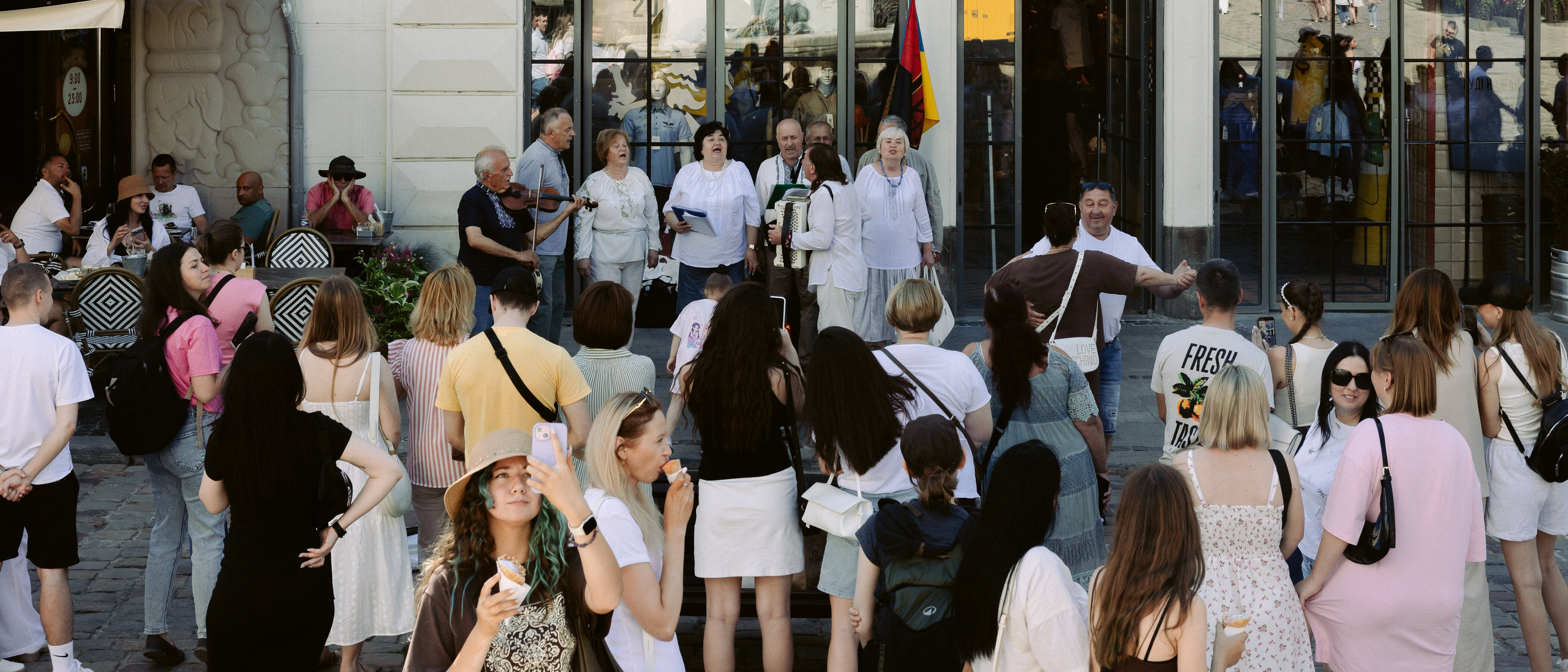
Ten people, old in years but young at heart, set an upbeat mood for the passersby.This is how they have...
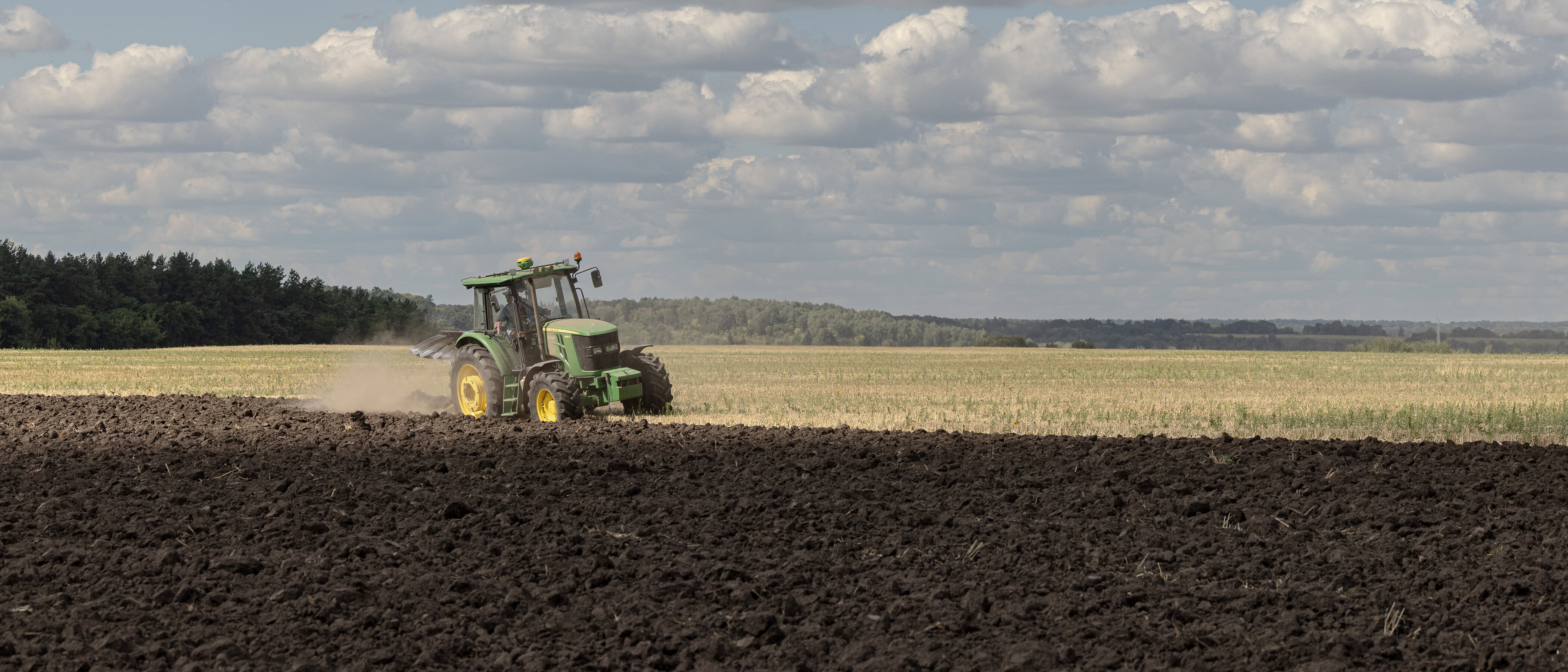
Frontliner talked to the farmers about why they are staying on their farms despite the enormous risks.

Their hands burn from the rough stems, the intense heat makes it hard to breathe, and their backs throb with exhaustion. Frontliner saw how artisans in the Dnipropetrovsk region transform a green field into traditional amulets.

Decades lie between the hideouts in the forest and the modern dugouts, and Ukrainians once again have to write the same story of struggle, Frontliner reports.
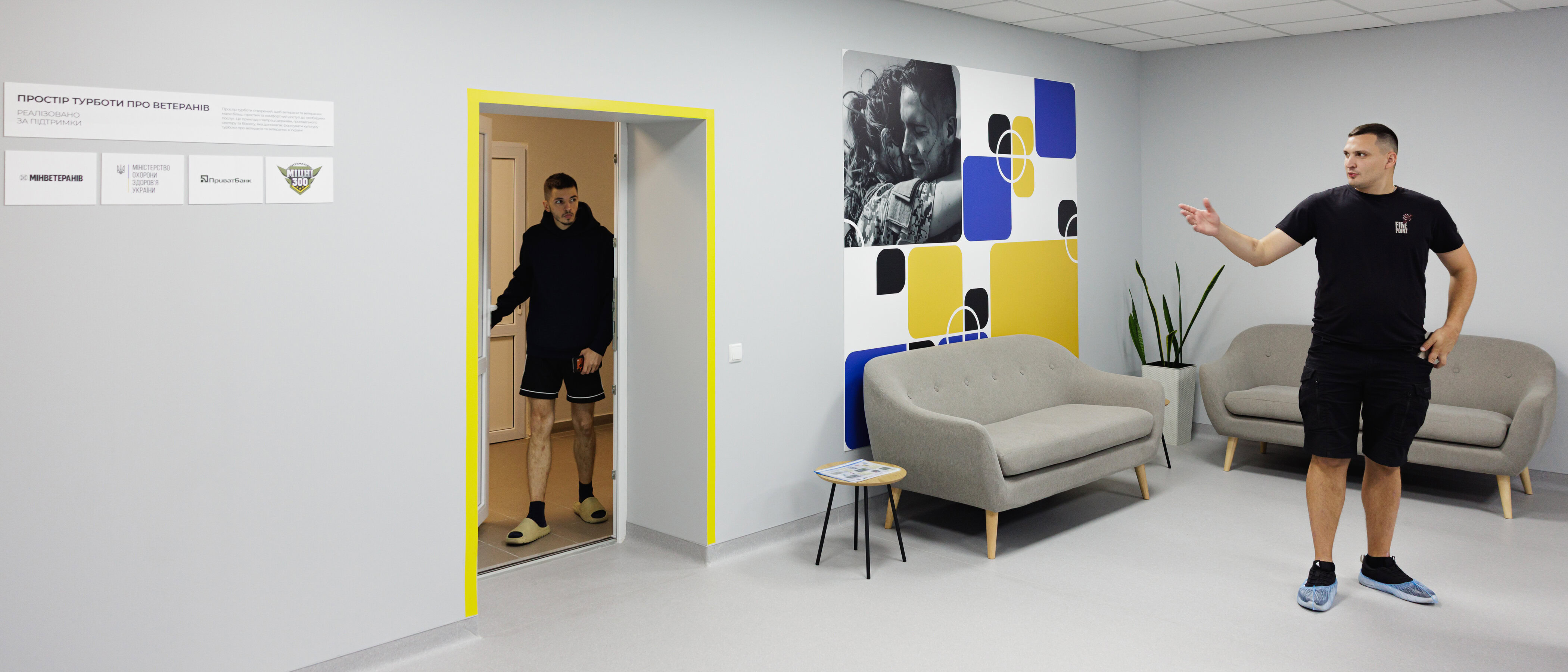
On their first day in Ukrainka, the team from the Siverskodonetsk hospital scrubbed the run-down building themselves so they could start seeing patients as soon as possible. Frontliner journalists went to see how it works.

Who will conduct the Russian mobilization and take responsibility for the ruined tourist season in Crimea and the regular strikes on rear cities?

Ivan Akimov signed the “18–24” contract, having dreamed of joining the military ever since 2014. Frontliner reporters tell the story of what he lost on the way from home to the military and what he gained.

The weaver's fingers settle on a skein of soft yellow. The choice is made: this kots will be blue and yellow. Frontliner watched a third-generation kots weaver bring a forgotten craft back to life.
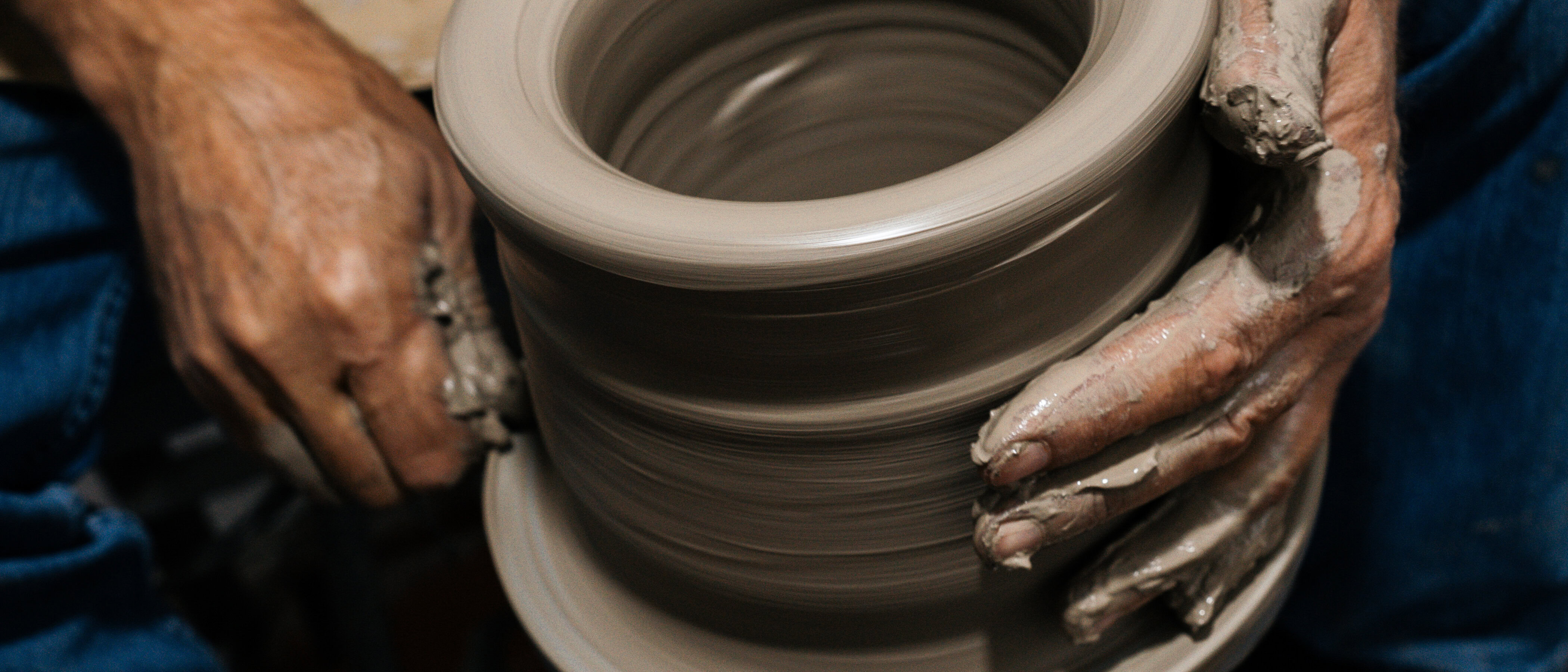
Rough, cracked hands, white with clay and weathered by years of pottery, knead the pliable clay. Frontliner witnesses firsthand how raw clay is transformed into a traditional lembyk in a Poltava workshop.
As soon as armored vehicles appear near the gray zone, the “safari” begins. Frontliner looked into whether there is any future for combat vehicles that Ukraine rarely deploys to the front line due to the lethal risks.

She spends hours making paper flowers before immersing them in wax. Frontliner witnessed the making of this traditional Poltava accessory.
