Glass from the flame: The Ukrainian master keeping ancient glassblowing art alive
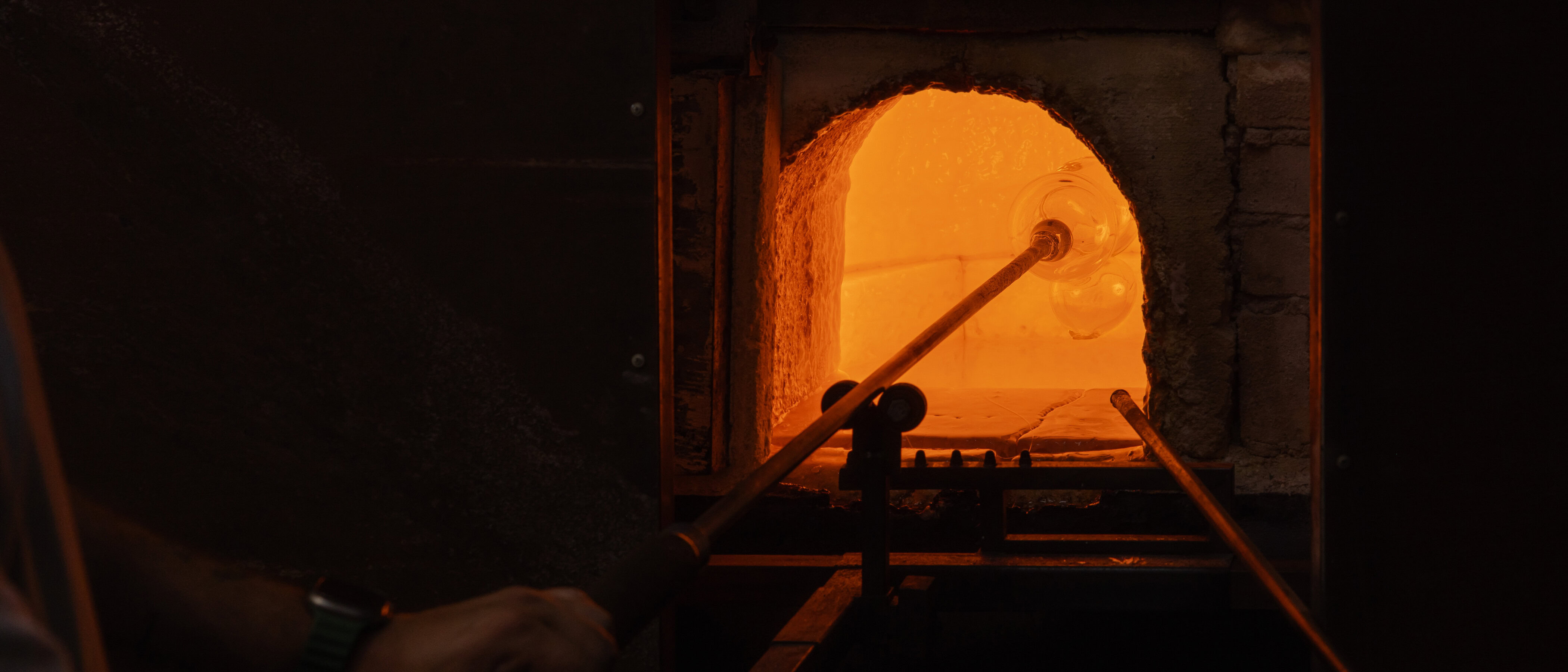
Three artisans spin a blowpipe, blow a bubble from molten glass, shape the piece, and then place it into the annealing furnace. They do not even have time to wipe the sweat from their brows. Although it is 30 degrees outside, the air near the furnace, heated to 1,200 degrees, is three times hotter. For six consecutive years, this furnace has been fired up at dawn before the start of work. In the evening, the temperature is lowered, and it is completely extinguished only once a year. All of this is for the sake of glass art, ranging from bird figures to seven-ton chandeliers. Frontliner explores how the art of glassmaking is evolving in Ukraine.
Historically in Ukrainian lands, blowing molten glass and handcrafting it by the furnace was called hutnytstvo (glassmaking). The artisans had to work incredibly fast while the fire burned. Over the course of two or three days, they crafted small pieces, including jewelry, containers, decanters, glasses, vases, and various everyday items. The possibilities for early glassblowers were restricted by their fuel source. When relying solely on firewood, controlling the furnace temperature is quite a challenge. Yet, a number of even these small items have withstood the test of time, surviving through the centuries to the present day.
Marian Talanchuk, the founder of a glassblowing workshop in the village of Krasiv in the Lviv region, says there are many legends about how the huta (glassworks) originated. And none of them are convincing to the master. “But it definitely must have happened near the forests because, at first, the masters melted glass in wood-fired furnaces,” Marian Talanchuk explained. “There was a time when small glass windows in wooden houses were considered a luxury. Poor people could not afford to buy glass.”
Glassmaking is experiencing a revival.
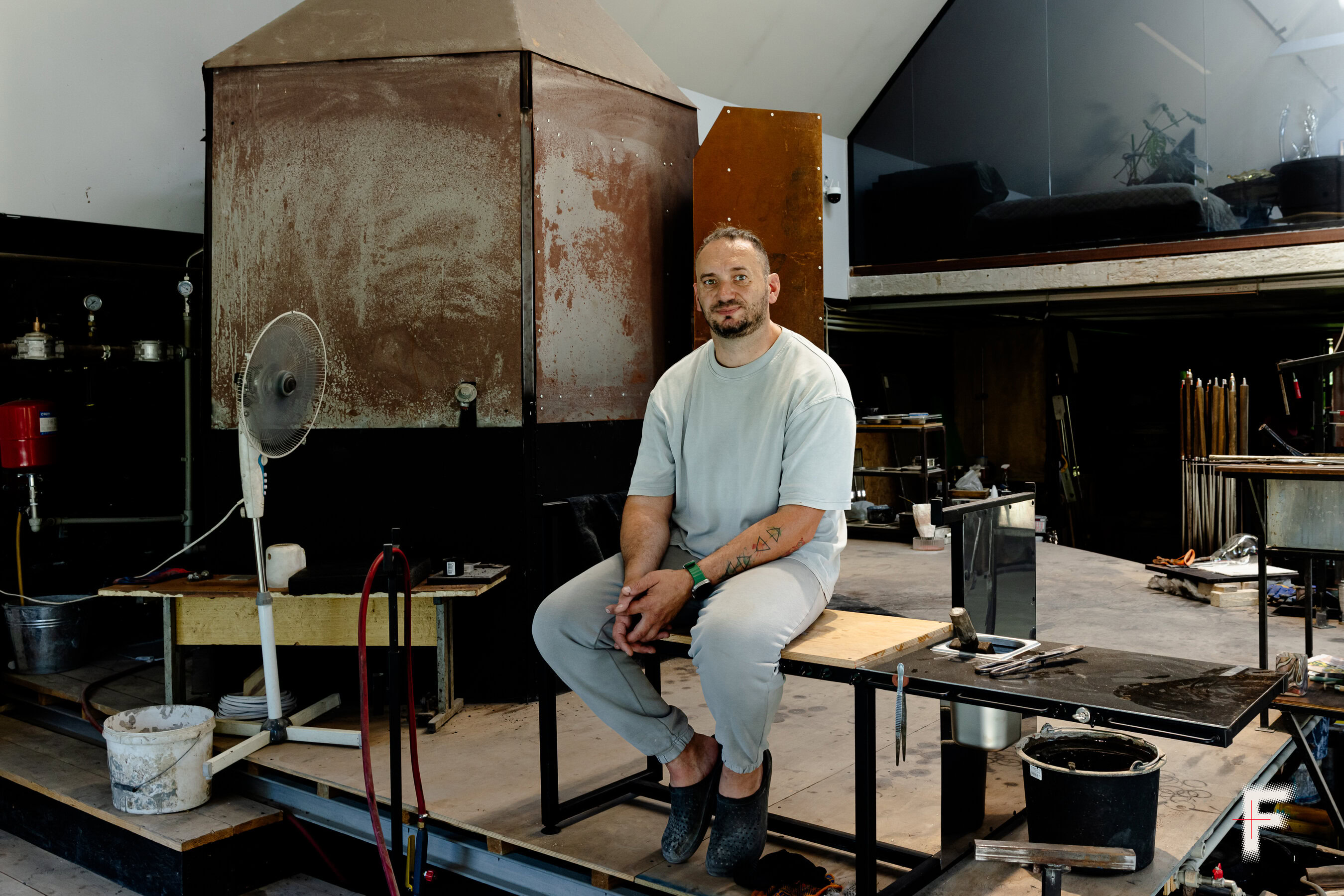
Now, glassmaking is experiencing a revival thanks to artisans like Marian and his colleagues in the workshop. Today, hand-blown glass is of better quality than it was in past centuries. The working conditions for the masters are also different. They create in a modern workshop with a gas furnace that Marian built himself. And instead of the rustling of the forest, the furnace’s hum intertwines with modern music.
“Glassmaking is experiencing a revival, but very few people actually practice it in Ukraine,” Marian Talanchuk says. “There are only three furnaces, located at the Academy of Arts in Lviv, at a private family workshop in Briukhovychi, and ours. There used to be two glassmaking factories in the Lviv region as well, but they have already shut down. However, we continue our creative work and are constantly looking for new forms. If the craft is not developed, it will simply die out.”
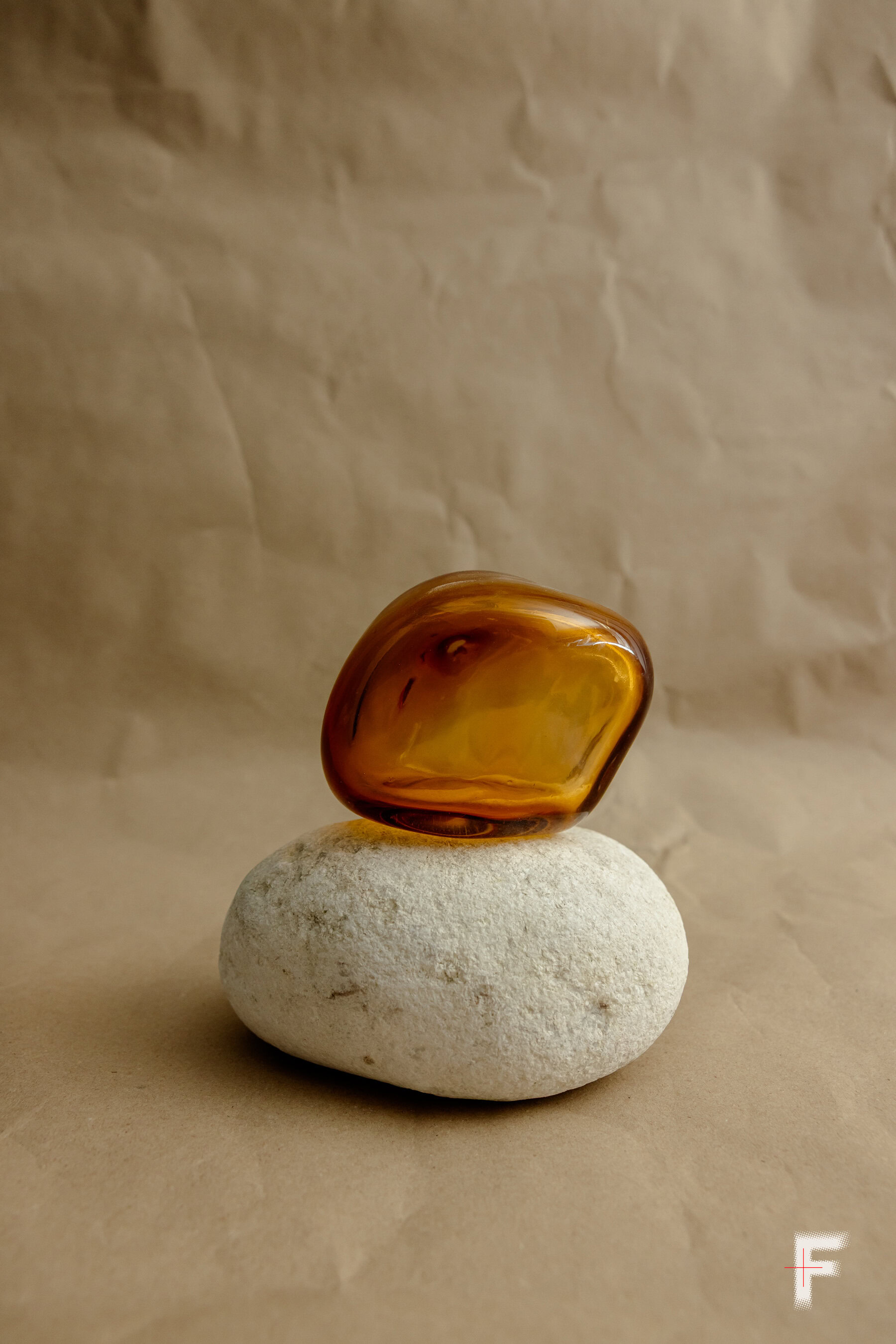
Not only following the tradition, but also experimenting
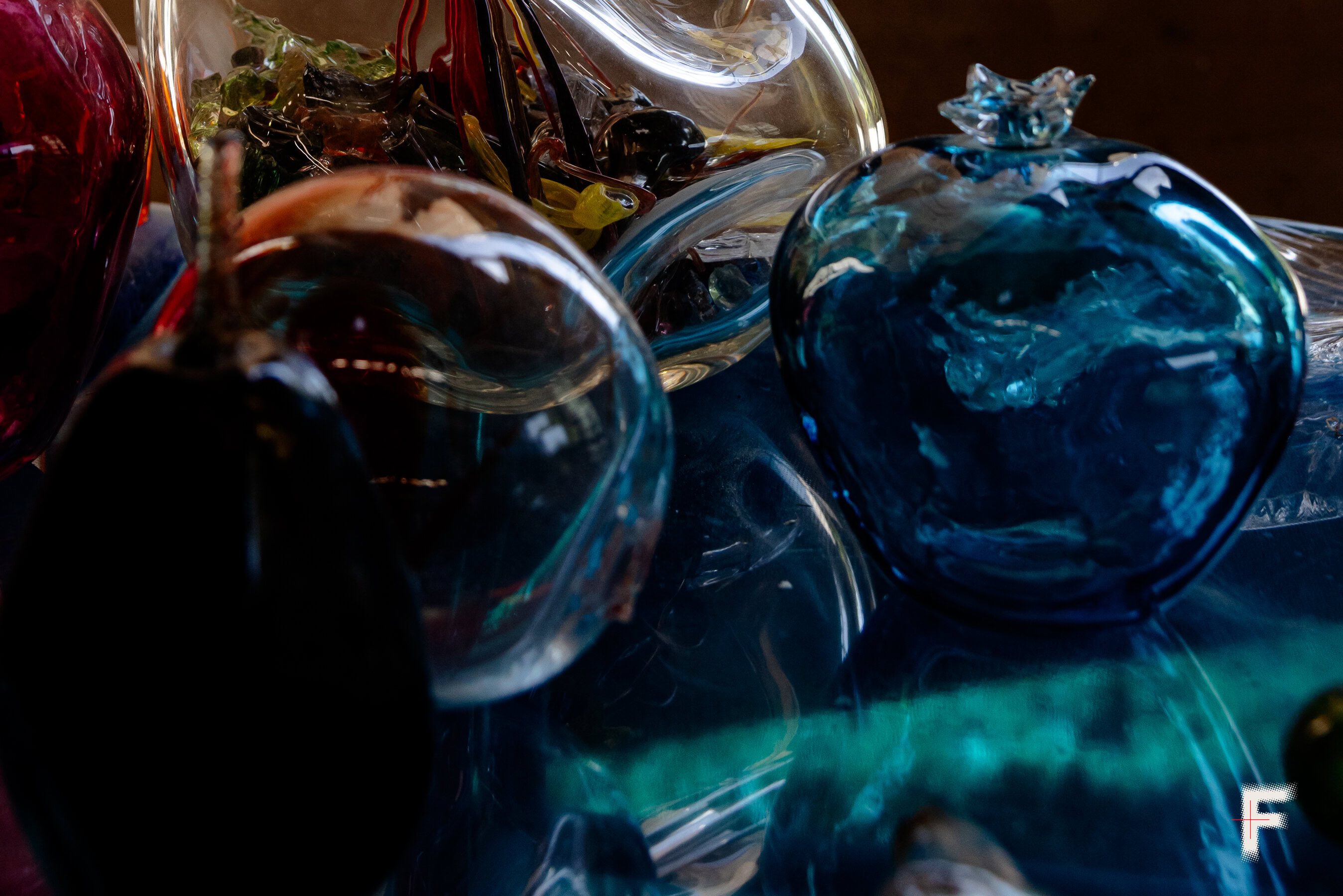
An entire day of meticulous work by the artisans resulted in a delicate composition of two birds, flowers, and a pomegranate under a clear glass dome. Originally intended to be a chandelier, master Marian Talanchuk decided to transform the piece into a table centerpiece. It turned out to be an everlasting alternative to a vase of flowers that need to be changed frequently. On other tables lie glass tree leaves, vases, and blocks of colored glass. Eventually, they will also become parts of complete compositions.
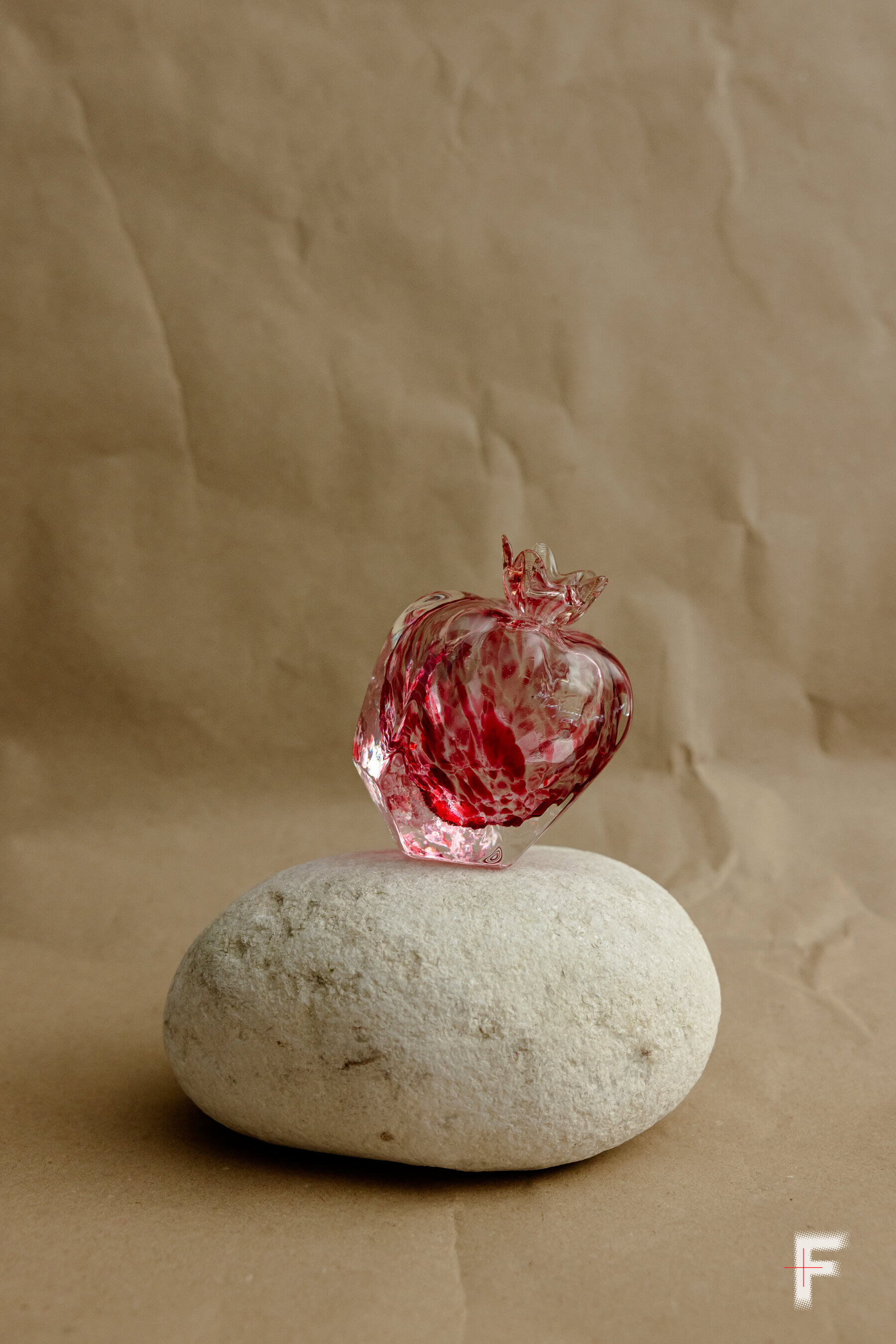
Marian says that you can create anything out of glass. When it comes to traditional pieces, multicolored glass birds remain the absolute favorites among customers. Another highly requested item is the glass pomegranate. The artisan crafted his very first one 12 years ago when he was just taking his first steps into the world of glassmaking.
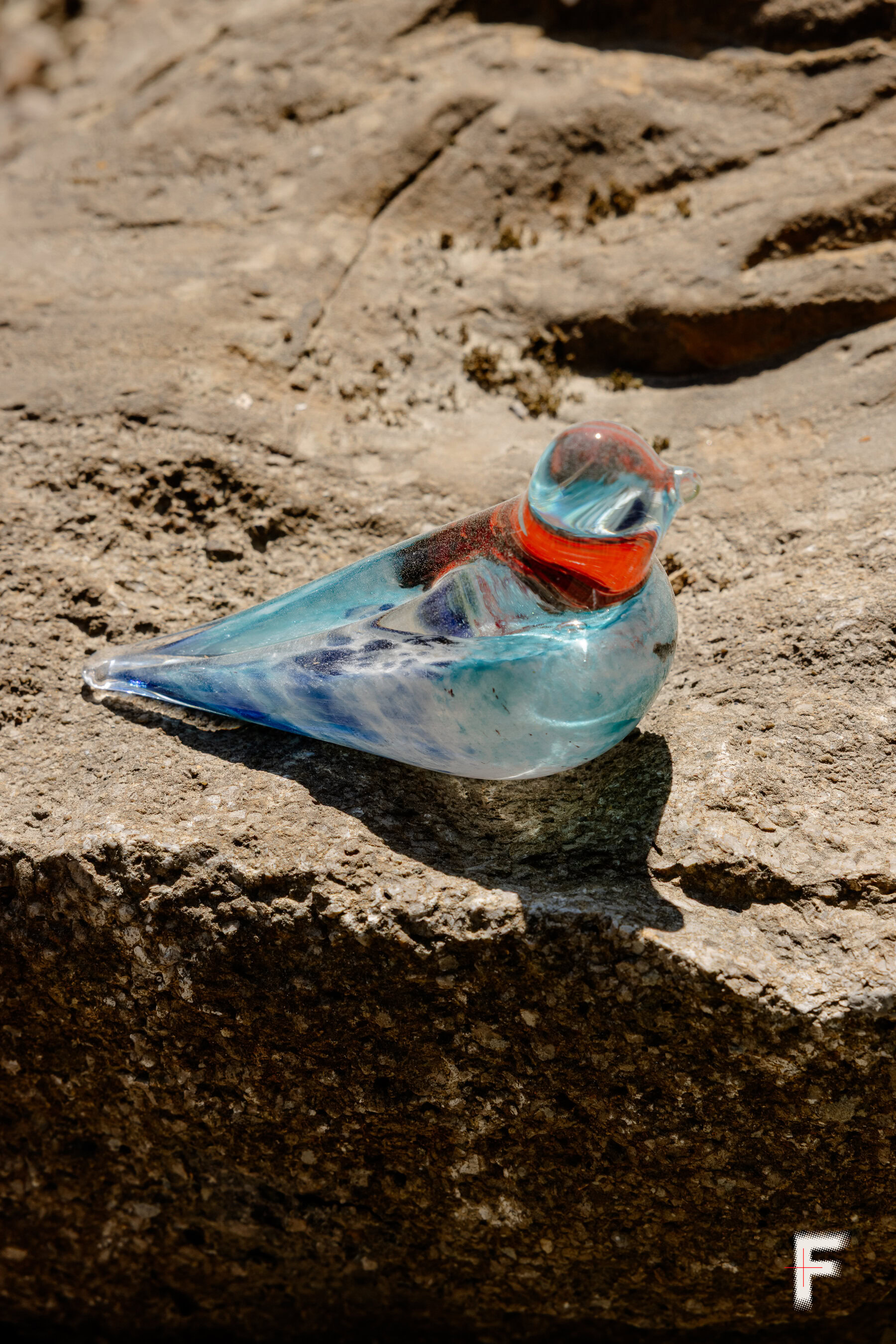
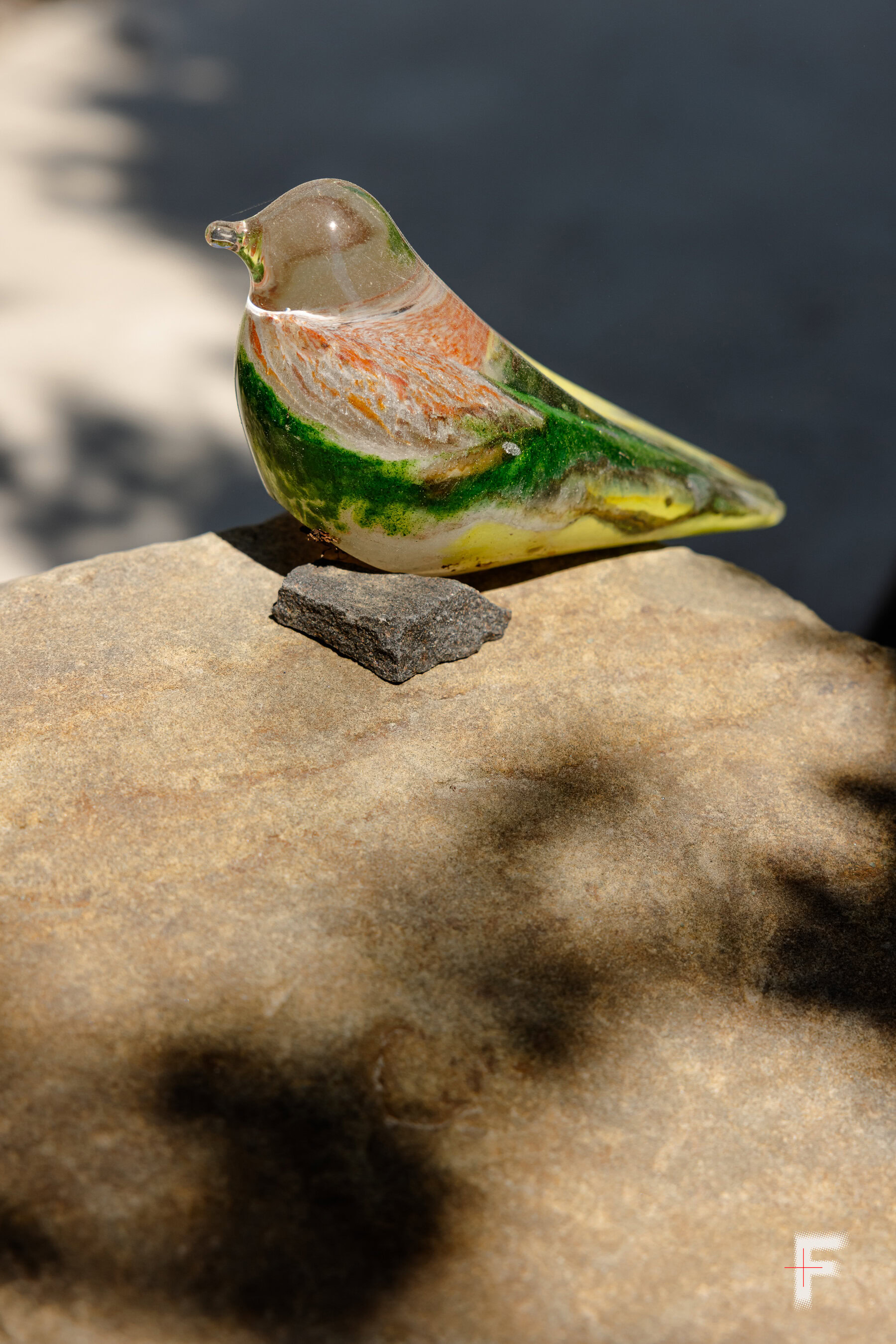
However, the master is more interested in creating large-scale installations that require a lot of time to work on, rather than small souvenirs. Therefore, his creations include a glass chandelier weighing seven tons in a Kyiv restaurant. And for a recreation complex near Lviv, they created a glass wall featuring over 4,000 pieces.
For the most part, the workshop produces interior items, such as chandeliers, vases, columns, and even bar counters. There is demand for these items abroad, where they sell for three times as much as on the Ukrainian market. However, the glassblowing craft isn’t cheap, since gas, electricity, and raw materials all come at a cost. The master orders his raw glass from Czechia.

From molten glass to gallery shelves
The master uses a blowpipe to collect the banka, the first portion of molten glass from the furnace. He quickly removes it from the fire and blows into the pipe, constantly rotating it with his hands. Nearby, easy to reach, wooden barrels of water hold the soaking blocks used to shape the glass. The master rolls the hot glass mass inside them to make it smooth.
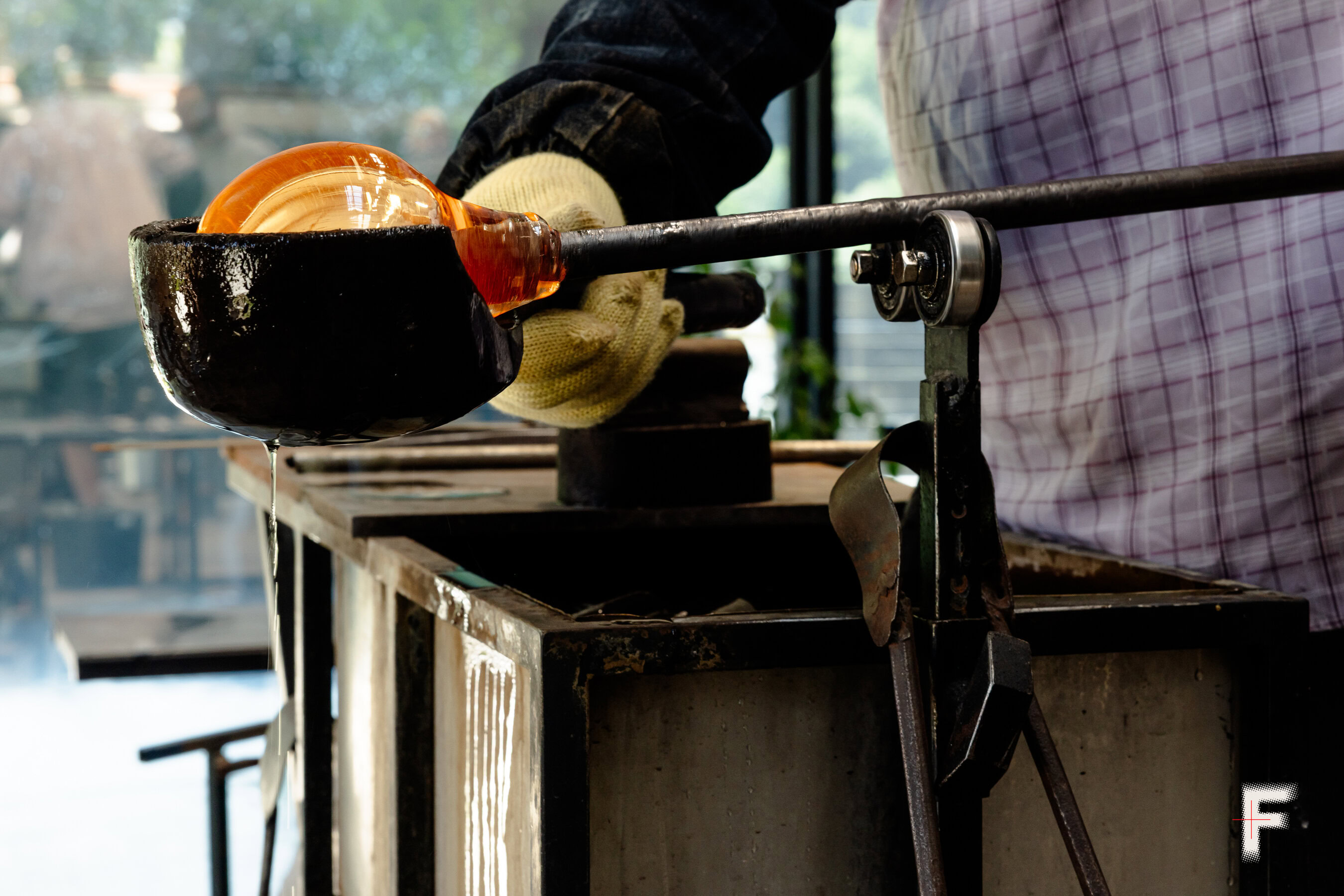
Depending on the size of the future item, the master repeats this process several times. During this phase, the craftsman’s movements are more technical, demanding intense focus and rapid execution. And when everything comes together, the master transforms into a true artist, using massive glassblowing jacks or small tweezers to shape his future masterpiece.
This is my sixth year without a vacation,
yet I cannot say the work has worn me out.
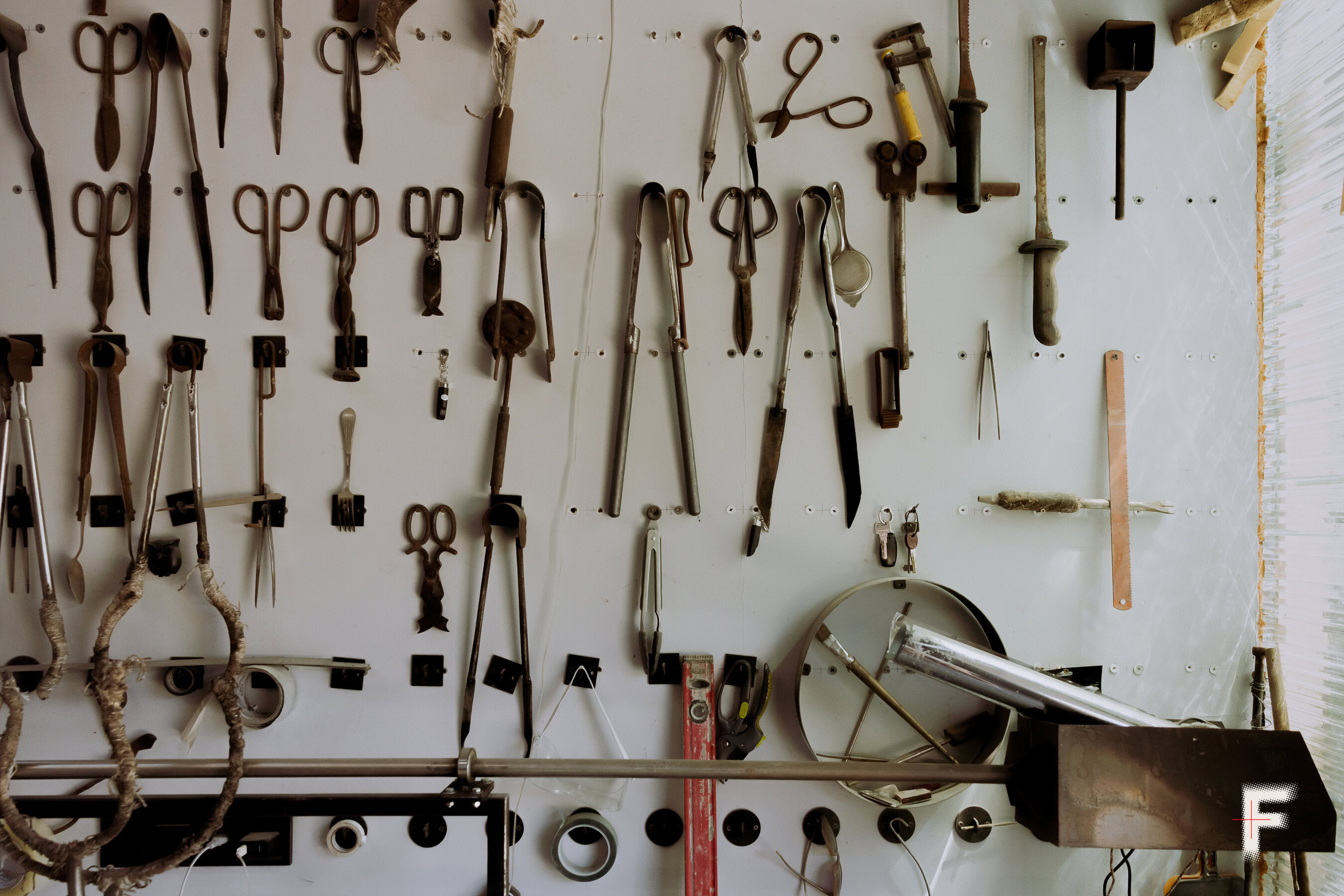
The artisan places the finished items into the annealing furnace. They spend almost a day there as the temperature gradually decreases so they can cool down to room temperature. If this is not done, the glass will simply shatter into pieces due to internal stress. After annealing, cold working begins, which includes polishing, engraving, and grinding with various tools and devices.
The workshop has several machines for this purpose. Among them is a rare machine for vacuum metal deposition on glass. According to Marian, in Ukraine, this is done only in his workshop and one other in Kharkiv.
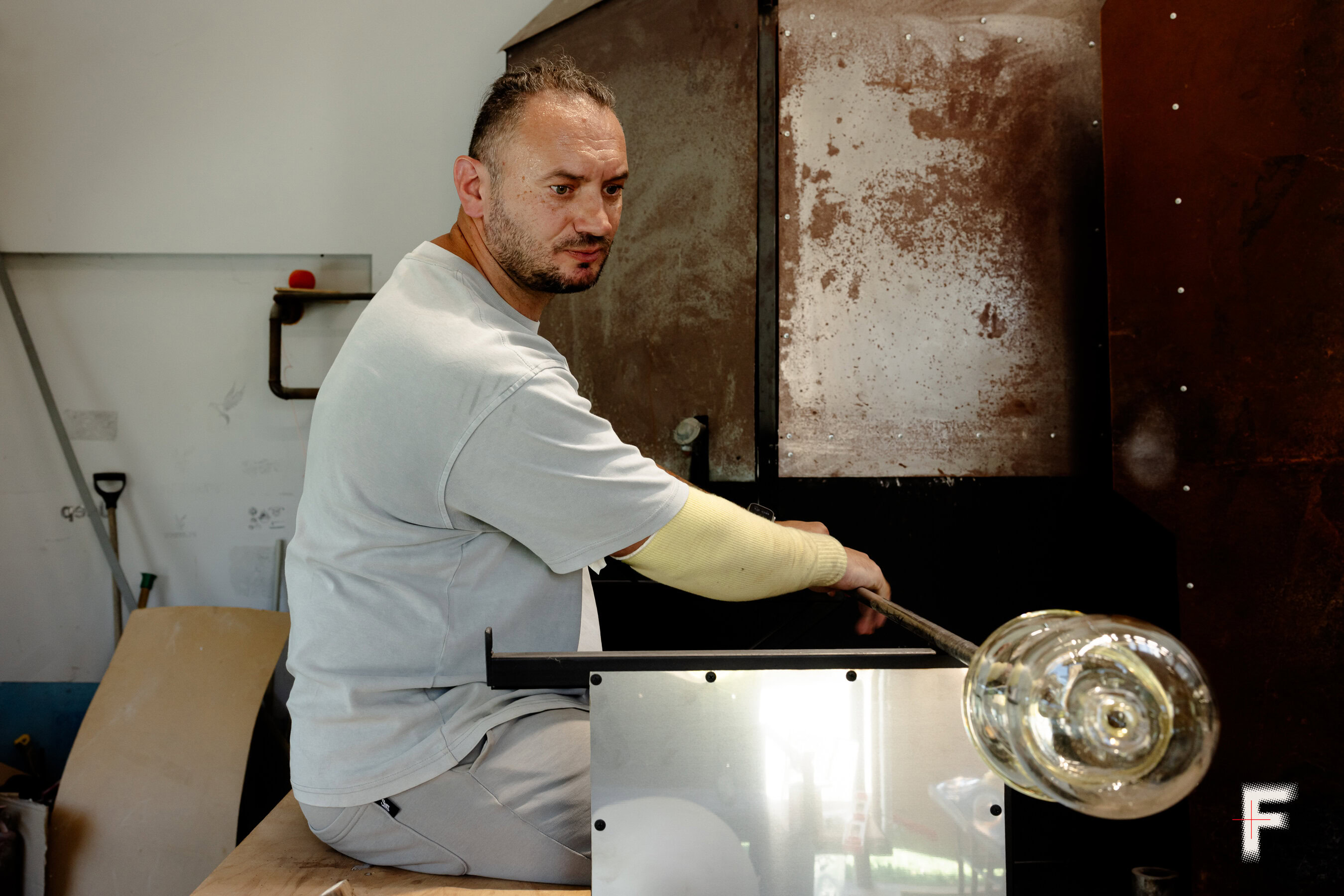
“The hardest part of our work right now is the heat and the physical exhaustion that comes with it,” Marian Talanchuk explained. “But it’s not like we’re clocking in at a factory for a monotonous shift. This is my sixth year without a vacation, yet I cannot say the work has worn me out. On the contrary, our constant experiments help keep the passion alive.”

Returning home through the craft
After graduating from the Academy of Arts, Marian Talanchuk made stained glass windows. Later, a demand for his products emerged in Dnipro, so the master moved there. One day, his clients became interested in blown glass pieces, asking him to create glass lampshades.
For over a decade since then, the master split his time between two cities. He worked in Dnipro on weekdays and traveled to the Lviv region on weekends, where he rented a port in a massive glass furnace at a glass factory. His current colleagues, artisans Ihor Shalevii and Dmytro Klymkiv, worked alongside him. They have even more experience, as they previously worked at the glass factory in Pisochne in the Lviv region.

Eventually, hand-blown glass captivated the master’s thoughts and hands, replacing stained glass. It offered more freedom for creativity without imposing any boundaries on scale.
I learned through hands-on practice what glass is, how to hold it,
where to pour it, and why you must constantly rotate the pipe
so the glass does not slide off. It has no limits, except for
the clients’ budgets, and can become anything,
In his childhood, in his grandmother’s native village, Marian spent every summer eating raspberries, working in the garden, and hanging out with friends until late. Every time he returned to Dnipro by train, Marian dreamed of a modern, spacious workshop. And he imagined it at his hometown.
Now, in his native Krasiv, Marian Talanchuk invites clients to his own workshop for negotiations and signs major contracts. And every day, beside the glowing furnace, he strives to ensure that glassblowing in Ukraine continues to live on.
***
A multimedia documentary project “As long as hands remember”
Created in partnership between Ukrainian media outlet Frontliner
and Ukrainian design brand GUNIA.
***