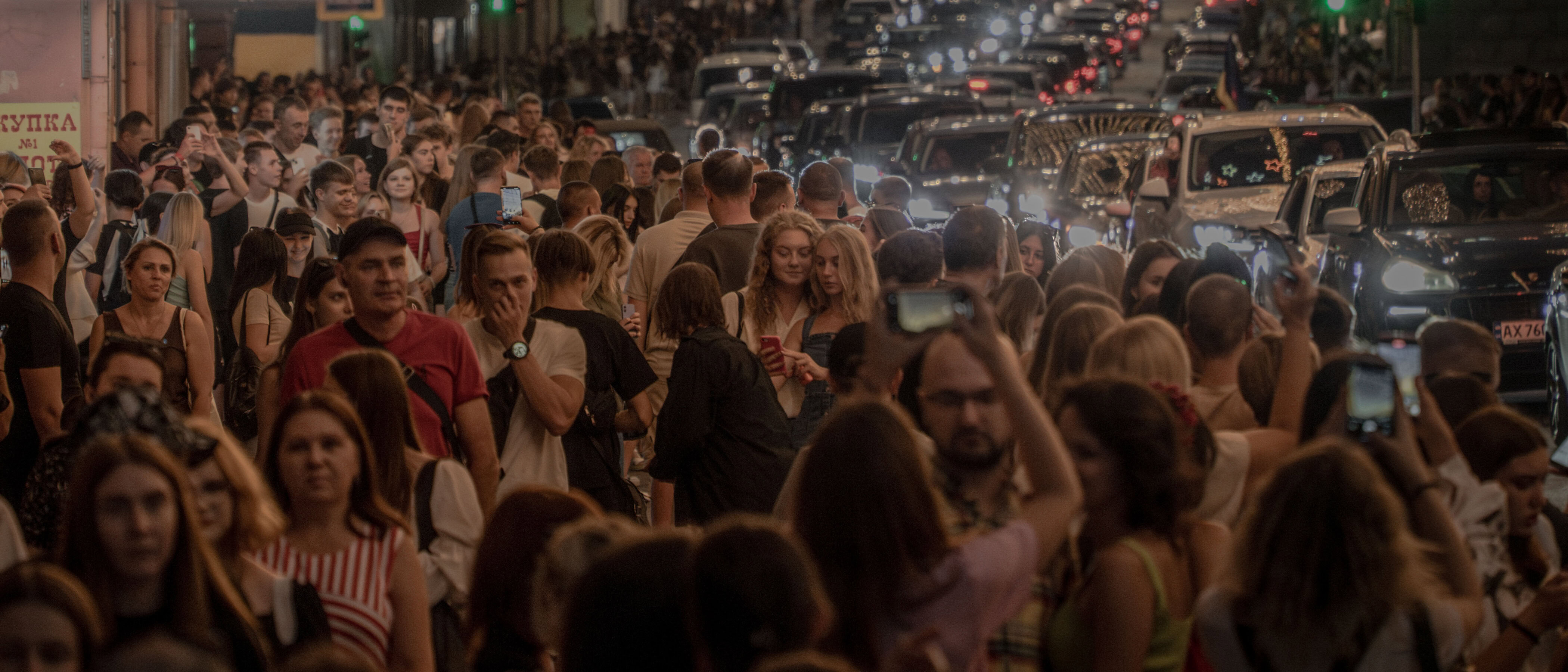
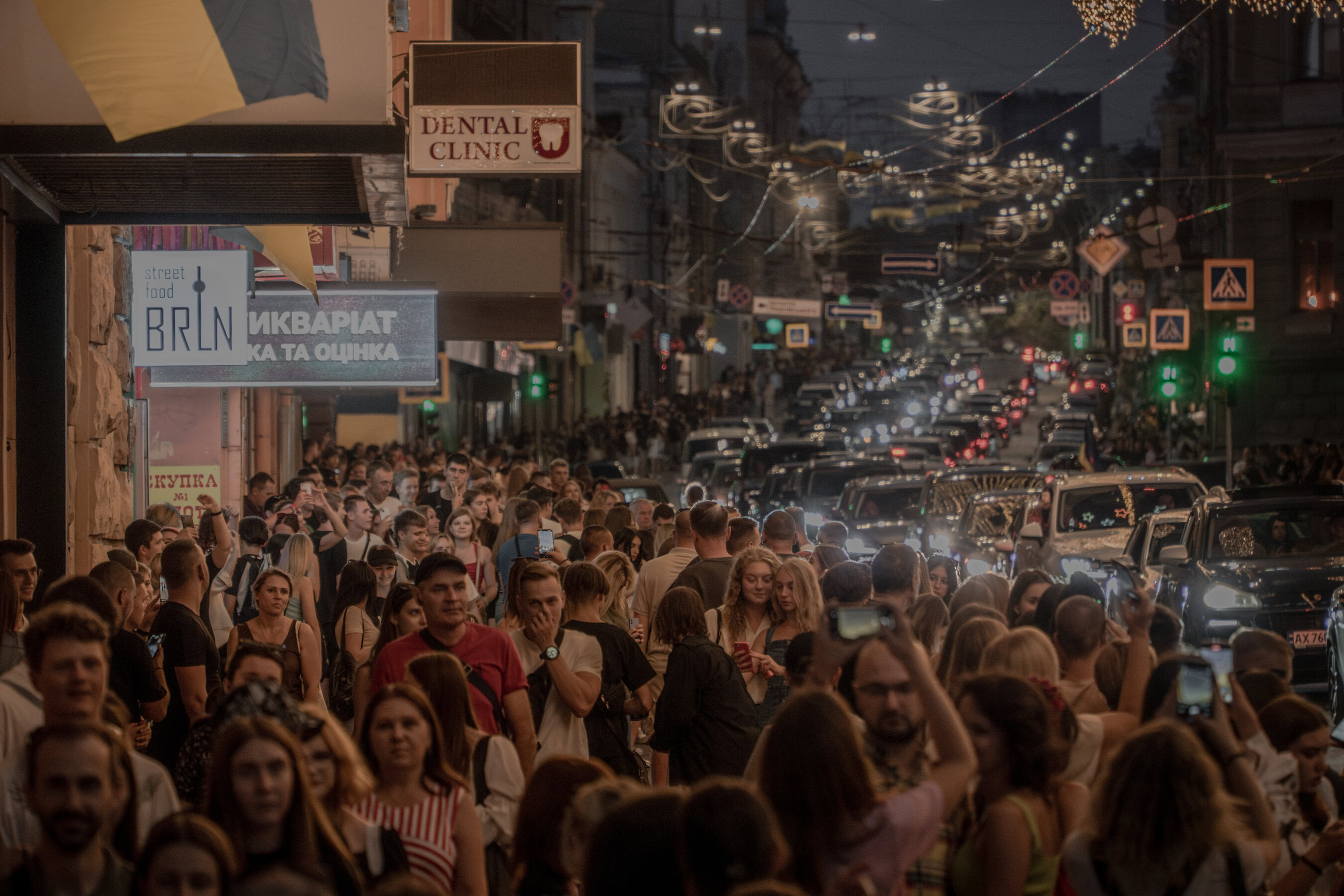
The full-scale life of young Kharkiv
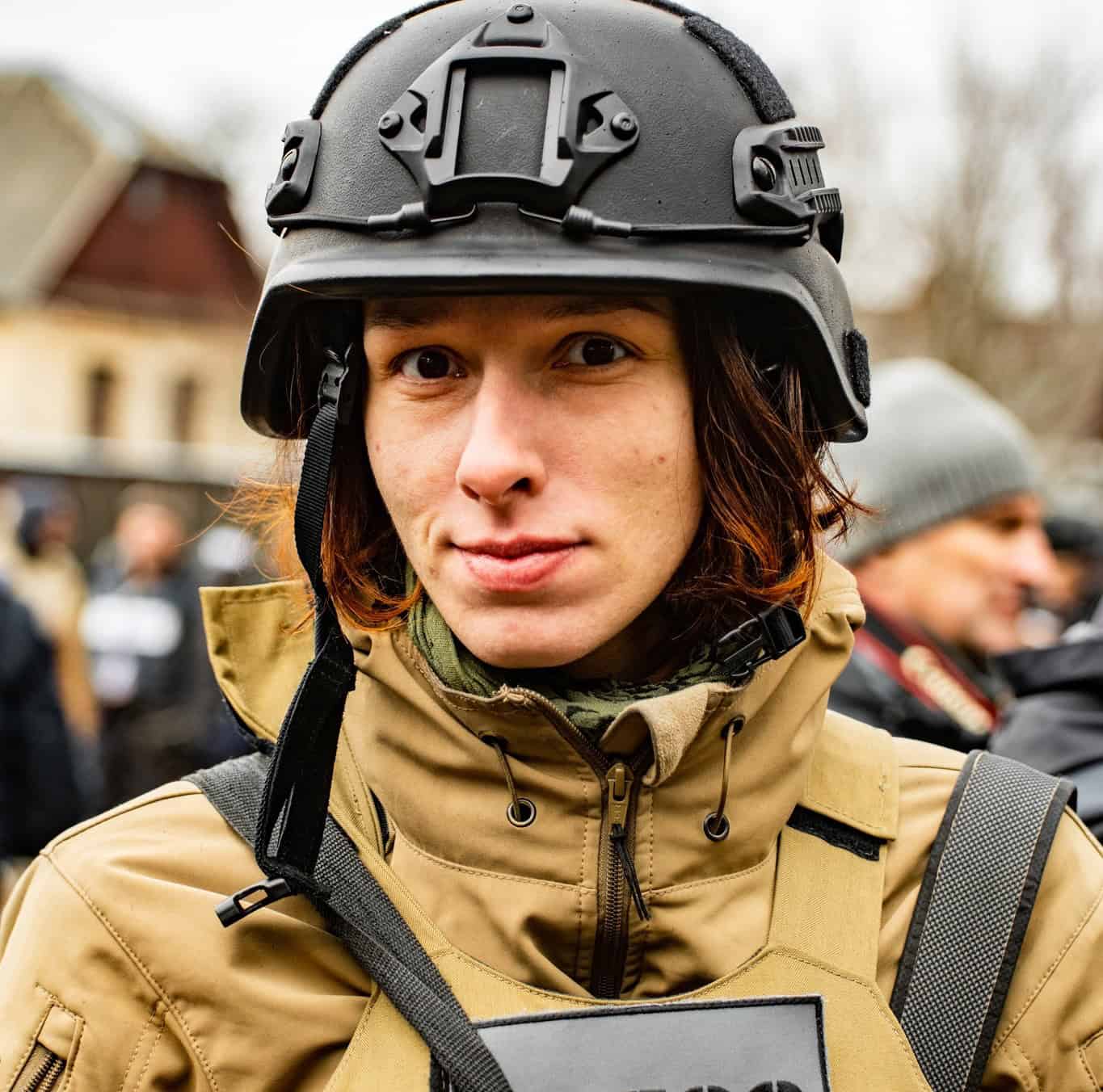
Enemy FPV drones are already reaching Kharkiv's ring road; the city suffers from daily strikes, and during air raid alerts, which only ever pause briefly and rarely, GPS navigation goes down. And yet, the proximity of war and the constant threat of death seem only to make life surge with greater intensity. Modern exhibition spaces, classical and alternative theater formats, poetic graffiti on boarded-up windows, partially destroyed buildings. Small businesses are developing alongside countless humanitarian and volunteer initiatives. "Full-scale life" is a phrase printed on a local woman's T-shirt that perfectly sums up the city's collective spirit. Frontliner journalist Olena Maksymenko witnessed this firsthand and now reports on how Kharkiv's teenagers live and spend their free time.
The atmosphere and spirit of Kharkiv have long been considered unique. Because the city sits so close to the border, historical events resonate much more sharply here than anywhere else. Take, for instance, the protests during the Revolution of Dignity. In Kyiv, the “Anti-Maidan” movement was largely made up of paid crowds. You could sense it just by talking to them: “nothing personal, just business.” In the villages around the city, the going rates for such “work” were common knowledge. In the capital, it was quite easy to feel like a patriot, as activists from all over the country flocked there.
In Kharkiv, though, the reality was much more dramatic. Standing on the darker side of the divide were young men fueled by hate (imported thugs from across the Russian border, not city residents). They looked like prehistoric cavemen who had awakened from suspended animation, thrown on tracksuits, and crawled out of their caves onto the streets.
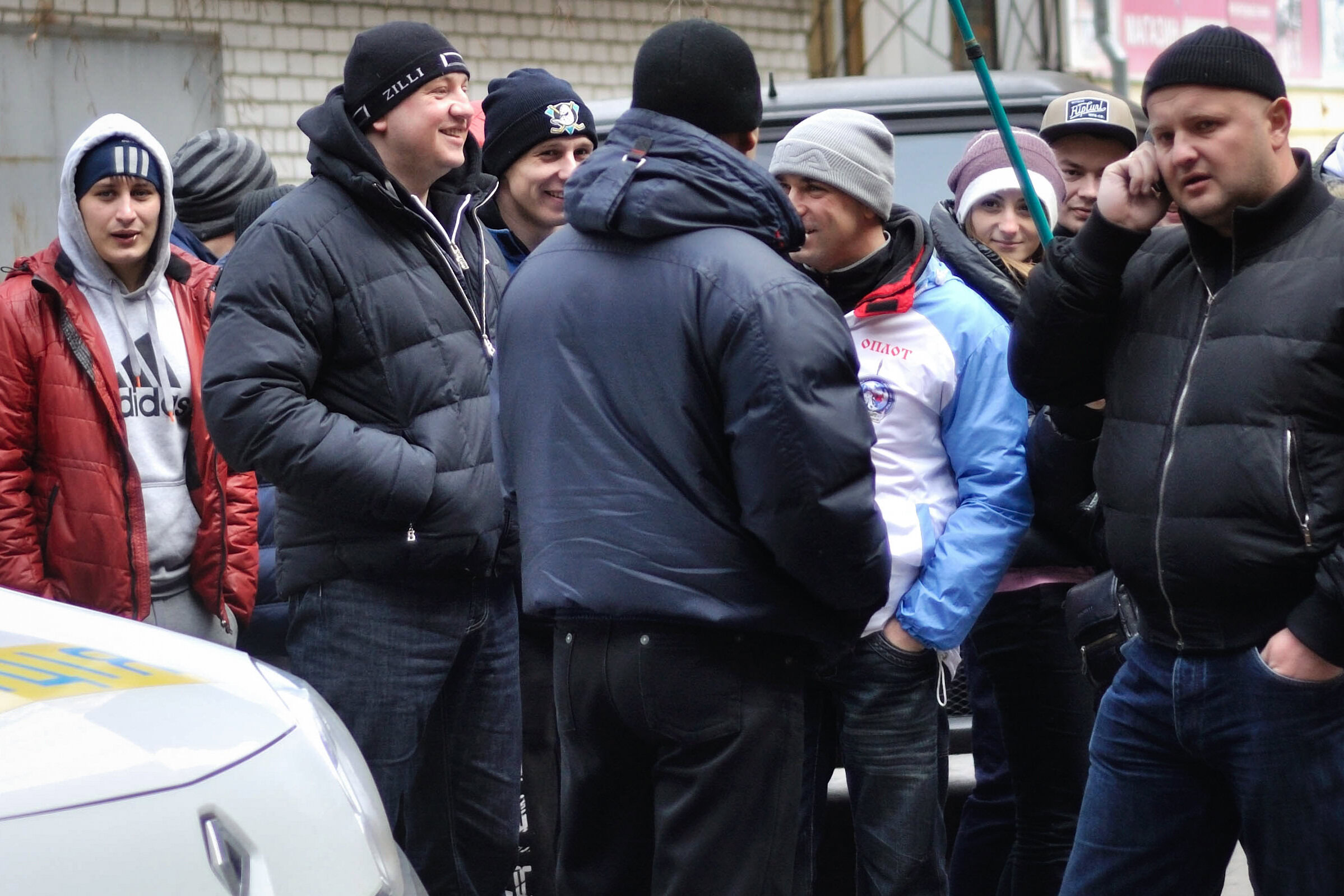
Holding a gathering of pro-Maidan activists was practically impossible, as the opposition would track them down and attack. Kharkiv residents strongly advised taking off blue-and-yellow ribbons from clothing outside of protests and rallies. The tension in the air was palpable. Yet, because of this, the Ukrainian insurgent songs and carols sung by the crowds echoed with an immensely deeper, defiant power.

That same tension remains palpable amid the full-scale war
At the onset of the full-scale invasion, Kharkiv stood its ground and prevented an encirclement. The Ukrainian Defense Forces liberated a portion of the region’s occupied territories. Life in the city, which has now become a frontline hub, not only refused to fade away but surged with renewed vigor. It is tinged with notes of fatalism, bravery, and a defiance of death through the very act of celebrating life.
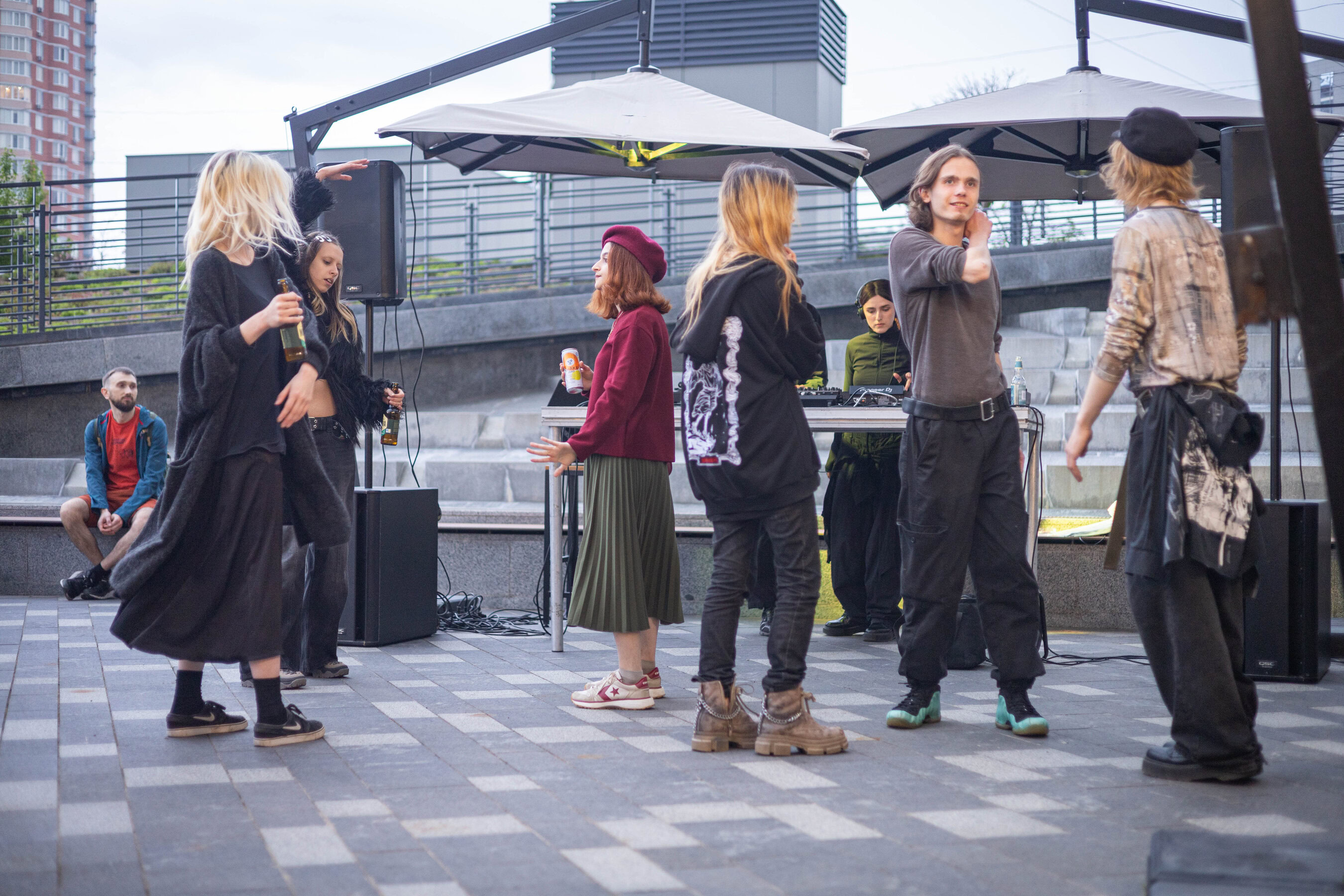
In the open-air space outside a Kharkiv cafe, a young man and woman adjust the faders on a DJ mixer while vinyl records spin. Techno is playing. Some people sit alone, watching the crowd, while others dance; small groups chat actively and laugh. Couples sit off to the side, embracing. There is beer, cocktails, kombucha. The partygoers have vastly different styles and tastes, but what unites most of them here is their youth. When the war started, the guests and regulars of this space were still just children. Consequently, they have barely experienced peacetime and do not know a world without war.
-
Dancing to techno during a Shahed drone attack, Kharkiv, Ukraine, May 19, 2026. (Olena Maksymenko/Frontliner)
-
A partygoer during a Shahed drone attack, Kharkiv, Ukraine, May 19, 2026. (Olena Maksymenko/Frontliner)

-
Young people chat and relax during an air raid alert, Kharkiv, Ukraine, May 19, 2026. (Olena Maksymenko/Frontliner)

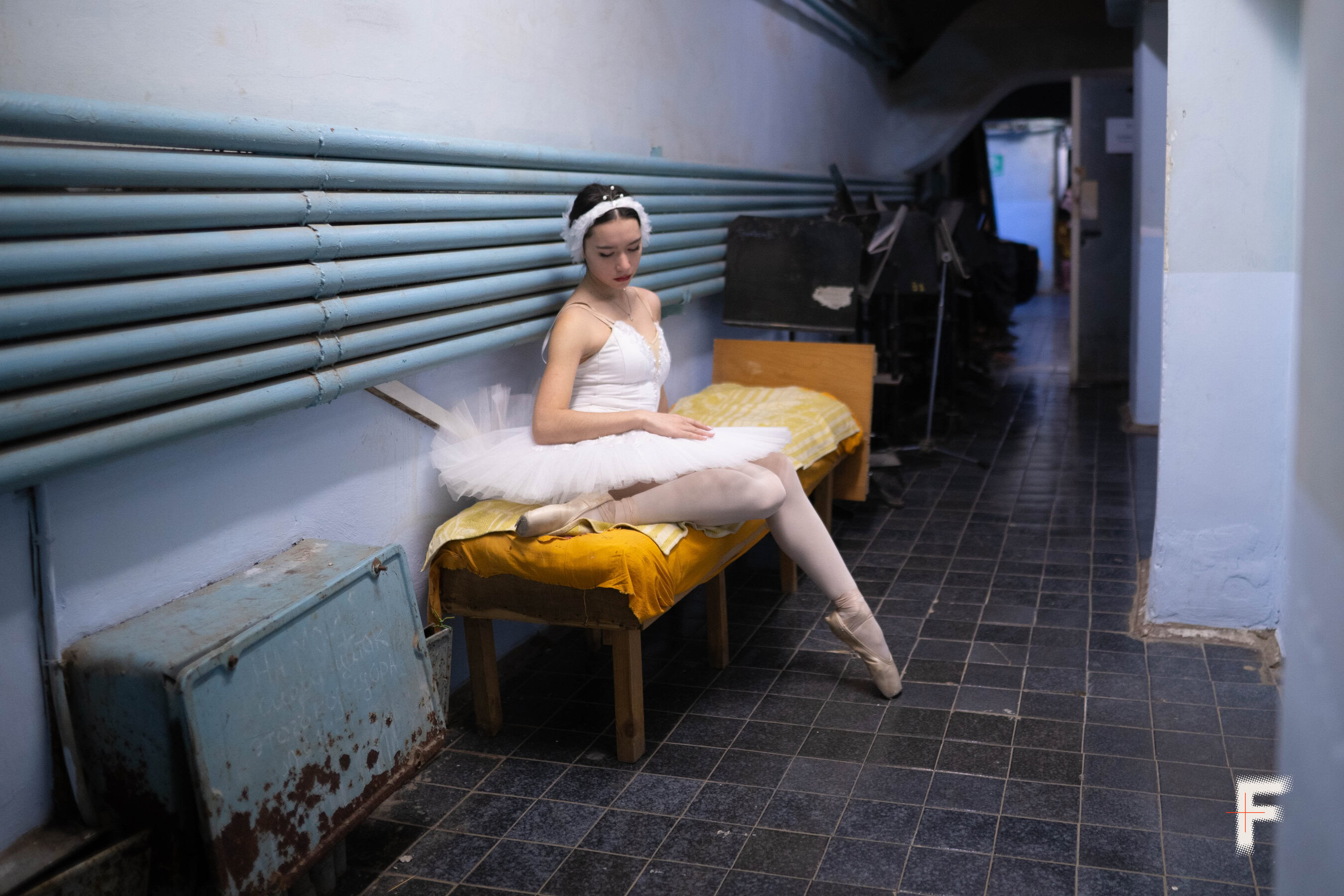
Life in Kharkiv is moving underground: subterranean schools have appeared , and the opera and ballet have also descended into shelters. However, if on any average day a person were to go to the basement every time an air raid siren sounded, they would have to spend most of the day there. Consequently, they wouldn’t have time for anything else. Not to mention the psychological toll of such a lifestyle. Therefore, for most people, danger has long become not just a daily reality, but an extra motivation to live life to the fullest and do whatever they can to aid the struggle. Those who couldn’t adapt have left the city.
Detroit, an American industrial city that eventually fell into decline and became desolate, is considered the birthplace of techno. Kharkiv is also an industrial city, but instead of deteriorating under the impact of war, it is thriving and developing. During the party, an explosion is heard. One of the young men, a documentary videographer, sighs and says goodbye to his friends: a Shahed drone has hit nearby, so he must go and film the aftermath.