Perfumes, gowns, and reinforced concrete: From air-raid shelter to theater stage
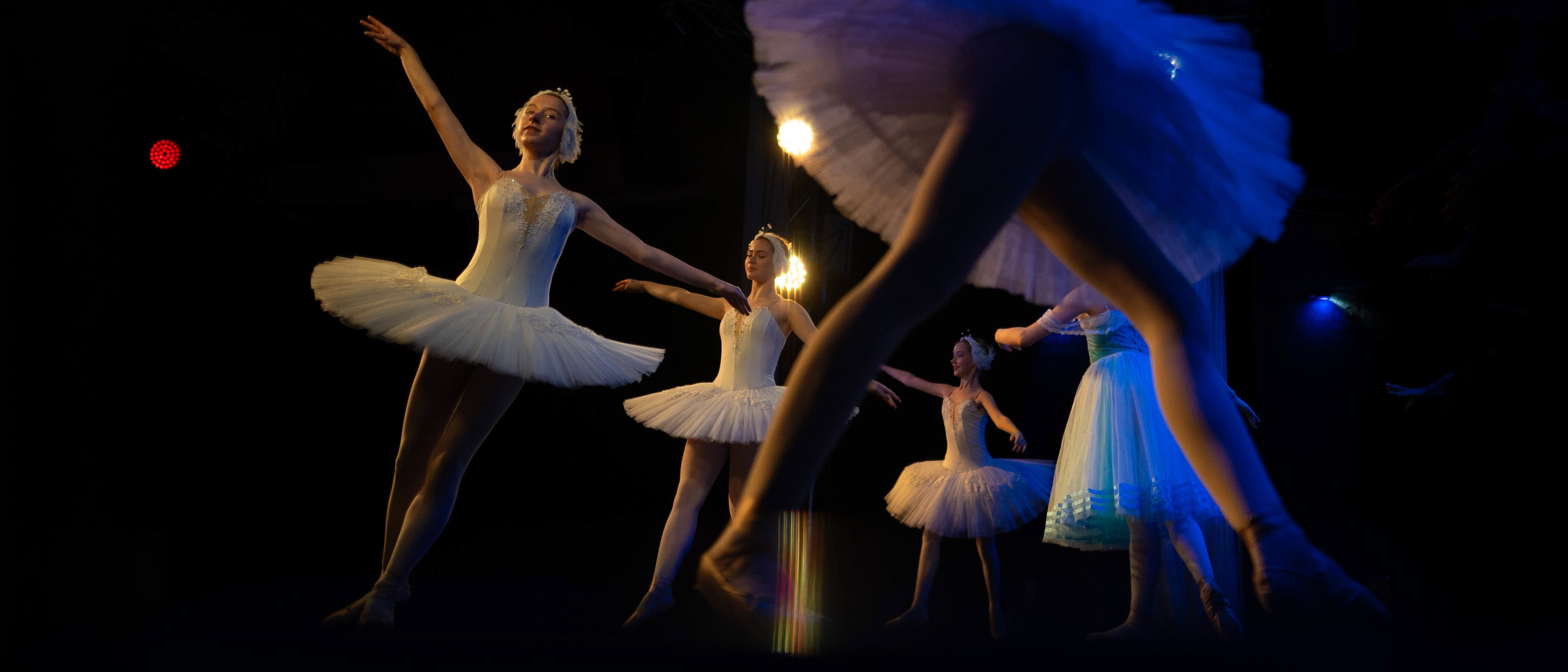
Performances at the Kharkiv National Opera and Ballet Theater continue even during air raid alerts. The show goes on, and the audience remains in their seats. Systematic Russian shelling cannot halt the work of the Mykola Lysenko Theater, one of Ukraine’s largest opera houses. Frontliner reporter witnessed this firsthand.
The Kharkiv National Opera and Ballet Theater named after Mykola Lysenko was built to Soviet tastes and designed with potential threats from the West in mind. Today, this monumental building shields against attacks from the East. To this end, the original design choices of Soviet architects have proven invaluable.
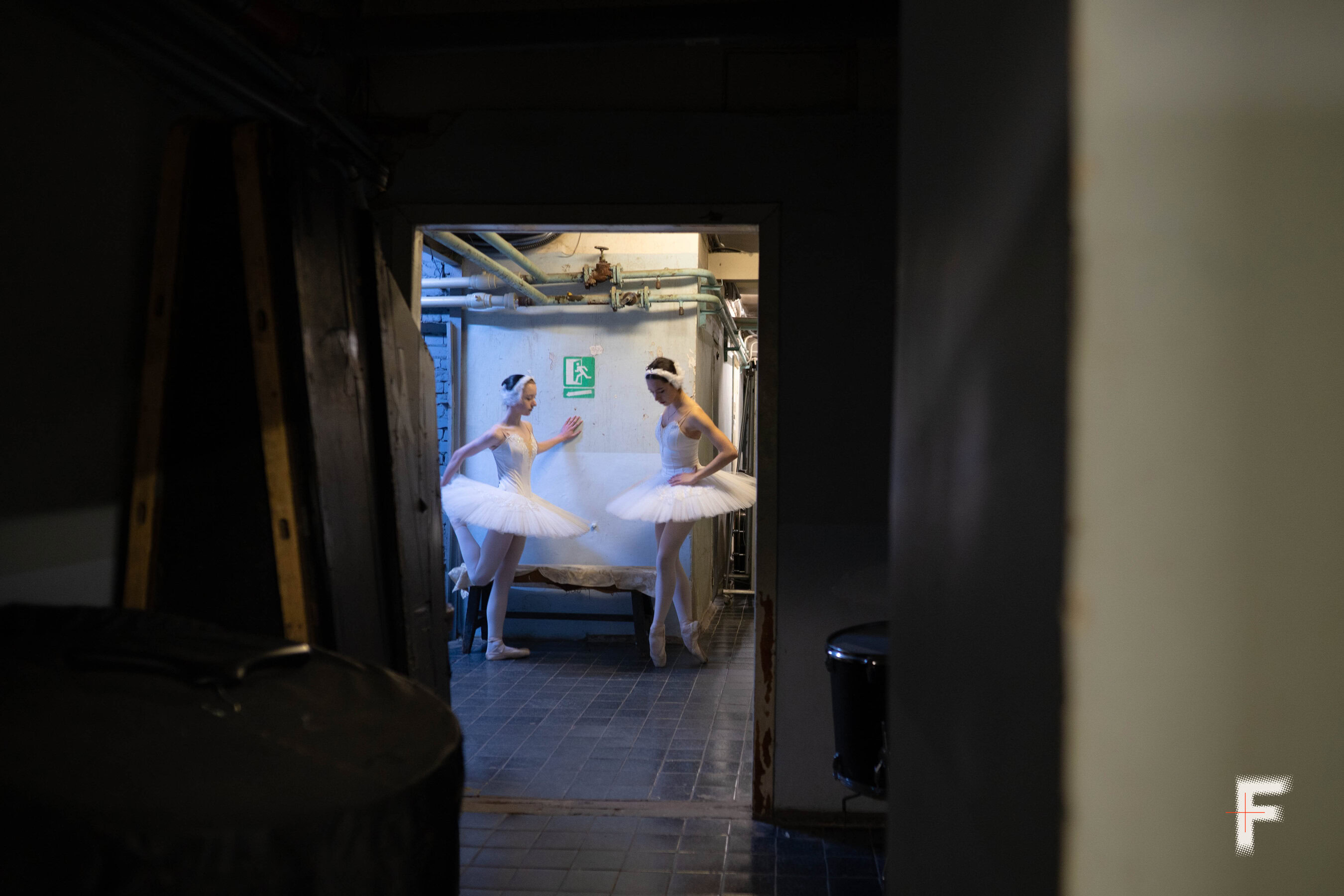
The main auditorium, which seats 1,500 people, remains vulnerable to Russian missiles. Beneath the main stage lie basement facilities suitable for a modern, fully equipped fallout shelter. Air filtration systems, airtightness, and the sheer scale of the space made it possible to create the underground “Loft Stage” and an auditorium with a seating capacity for 400 people.

The space is dark, illuminated by a dim white light so faint it is almost imperceptible, as if absorbed by the gray concrete walls. Office chairs, arranged in rows and marked with yellow-painted numbers, await the audience as they take their seats.
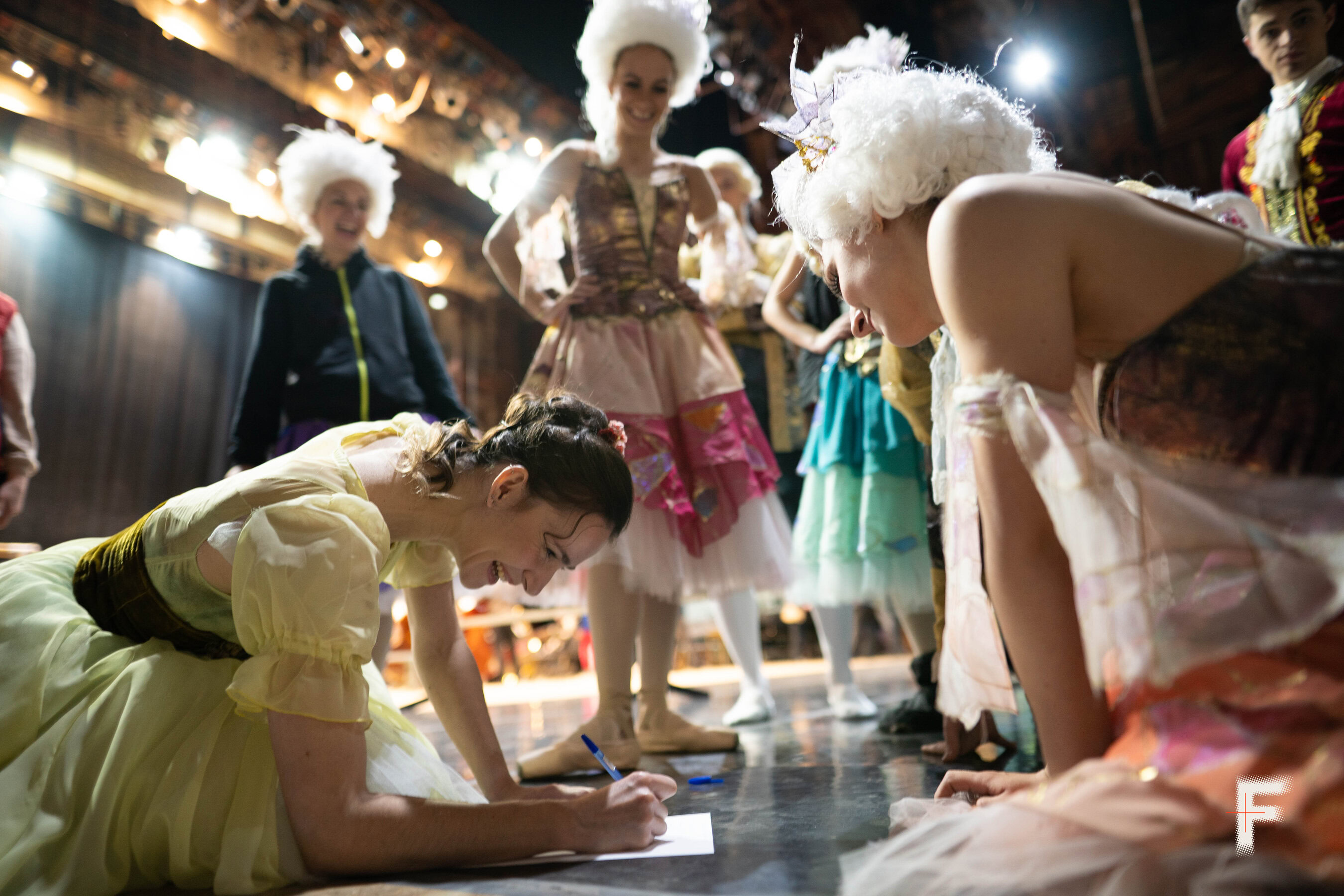
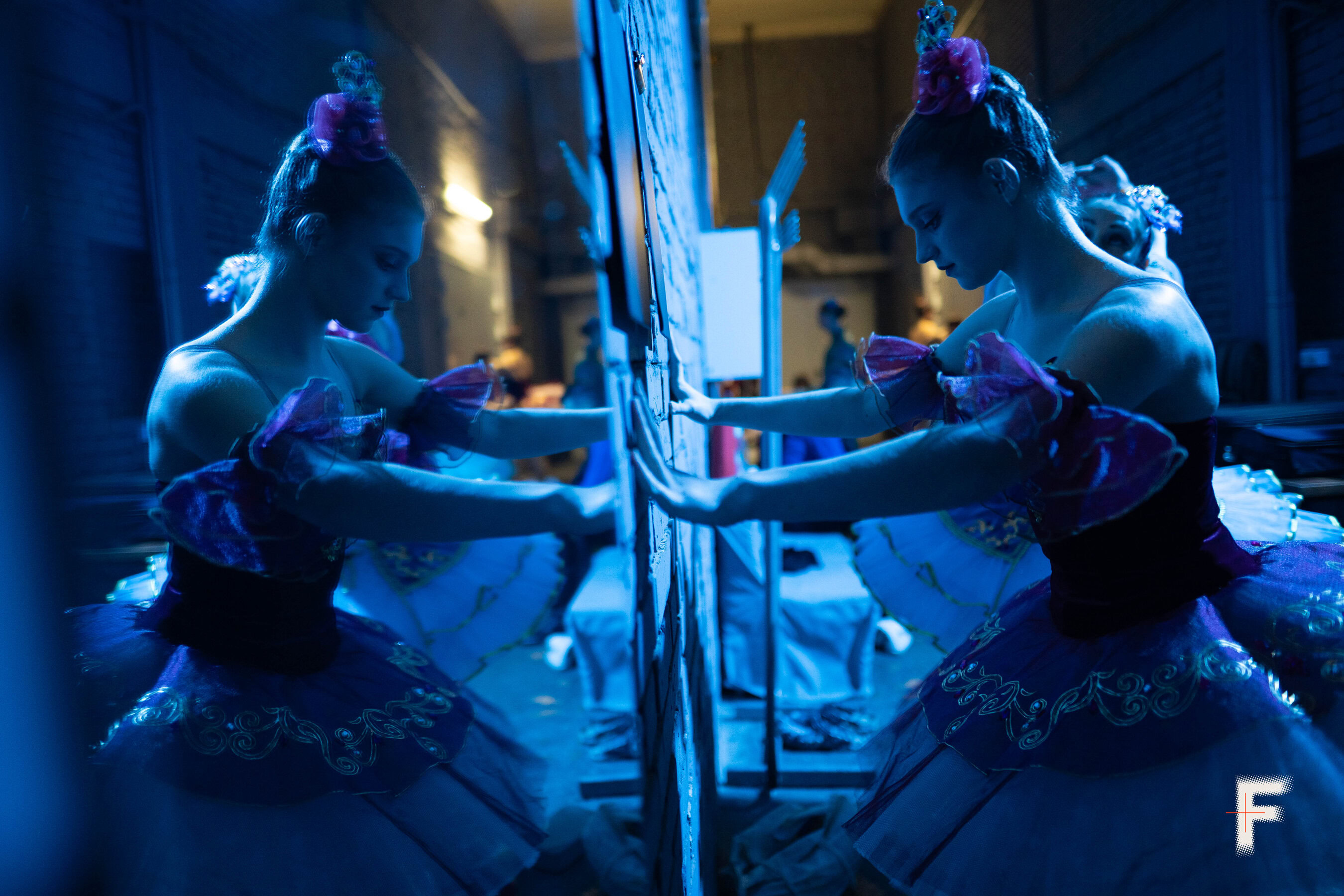
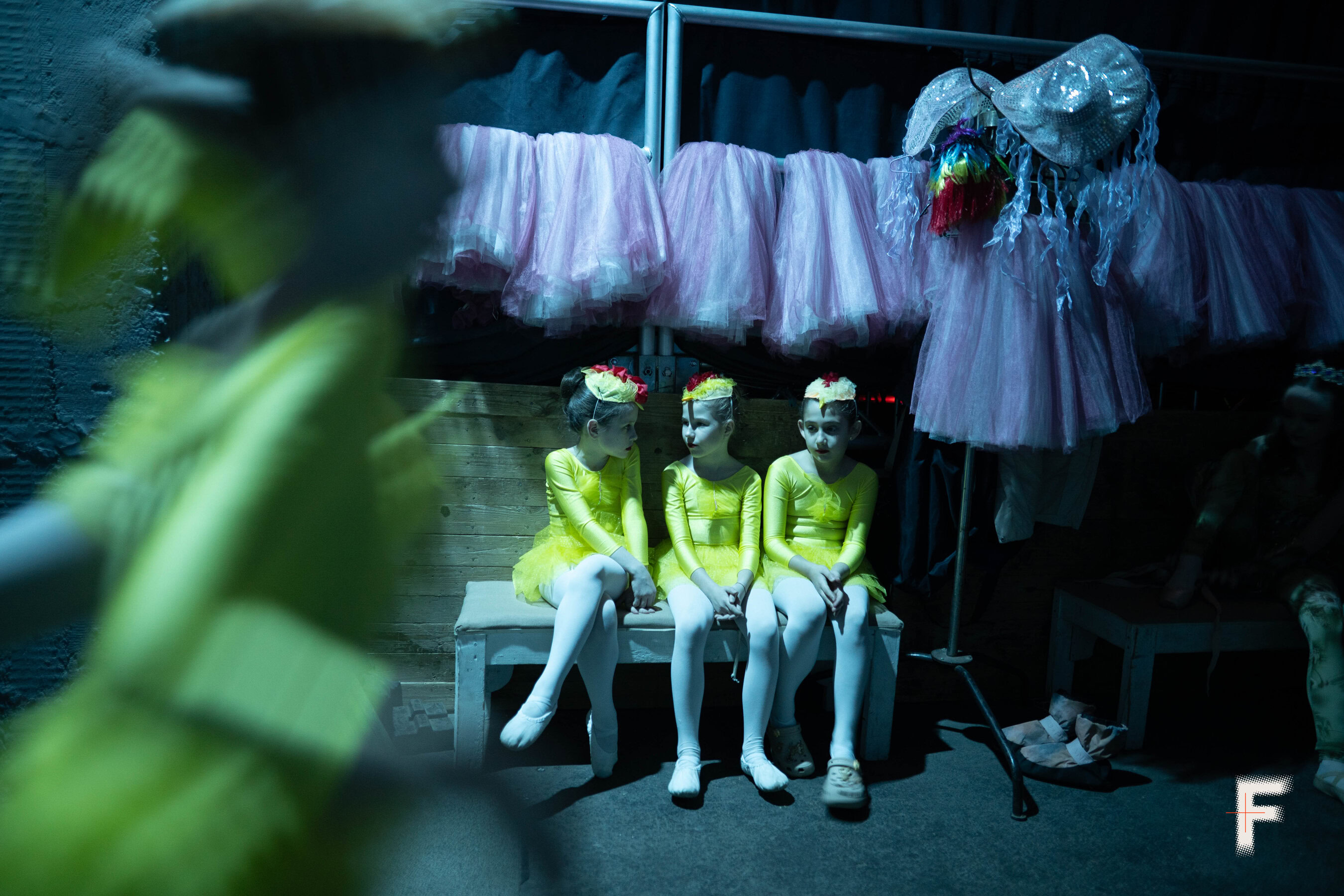
Meanwhile, the performers, already made up and dressed in stage costumes, descend in the elevator from the main building and take the fire escape to the backstage area. This space is even darker and more cramped, resembling a labyrinth with only a few dim bulbs. They touch up their makeup and prepare to enter the stage. Near the stage entrance, there are rosin boxes for rubbing on their pointe shoes to prevent them from slipping on the floor. Among the performers, dressers scurry with needles in their teeth and thread in hand, adjusting costumes on the spot, as the garments do not always withstand the rhythm of the performance.

The theater had to bring in performers
Since the start of the war, a portion of the troupe has spent over two years representing Ukraine in Europe. During this period, as part of the “European Way” project, they gave 300 performances across 16 countries. After the core members returned to Kharkiv, the repertoire had to be revised. The transition from traditional sets to LED screens, combined with a more intimate setting, posed only technical challenges.
“The greatest challenge has been a shortage of staff, particularly in the orchestra and the choir,” notes Ihor Tuluzov, General Director of the theater.
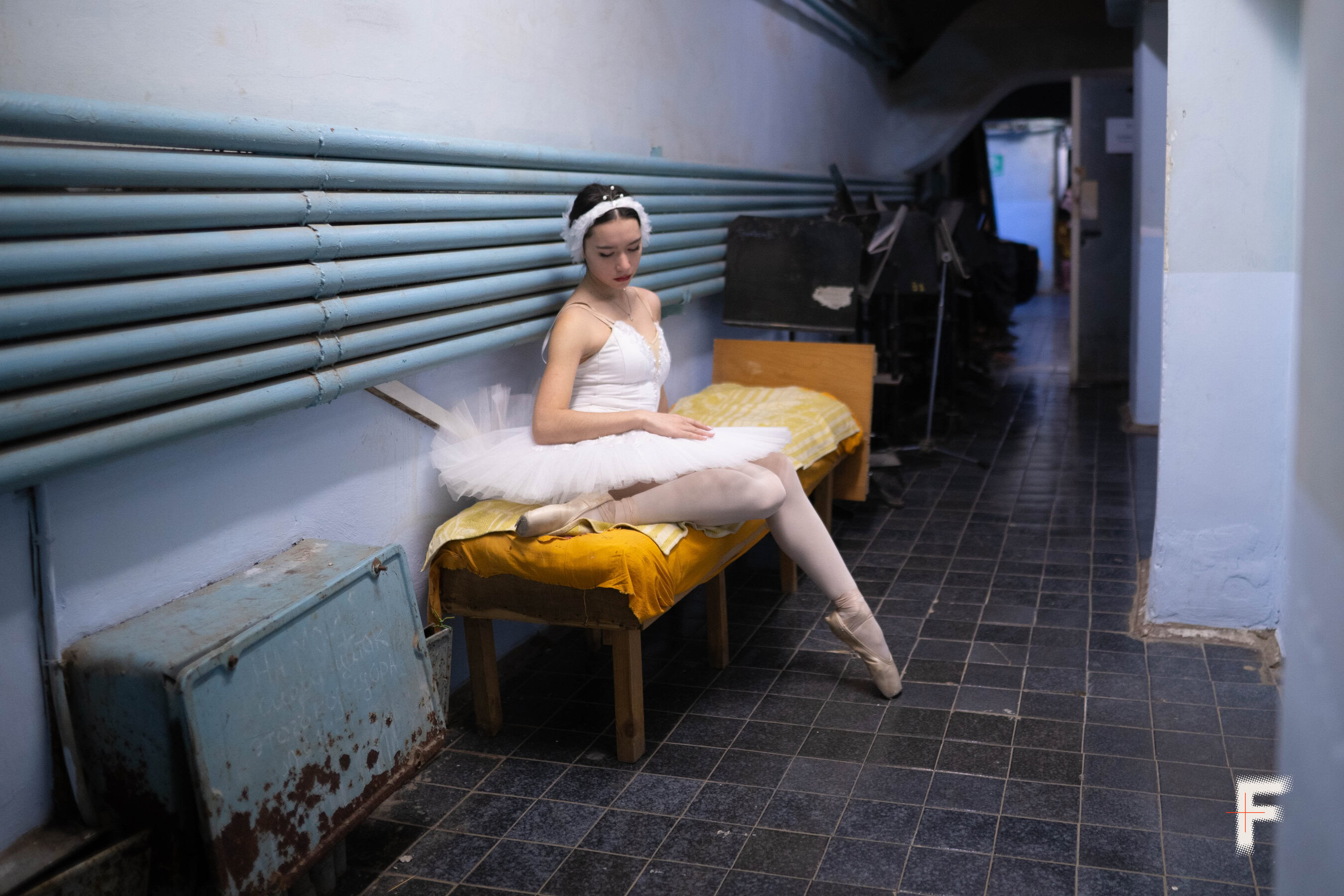
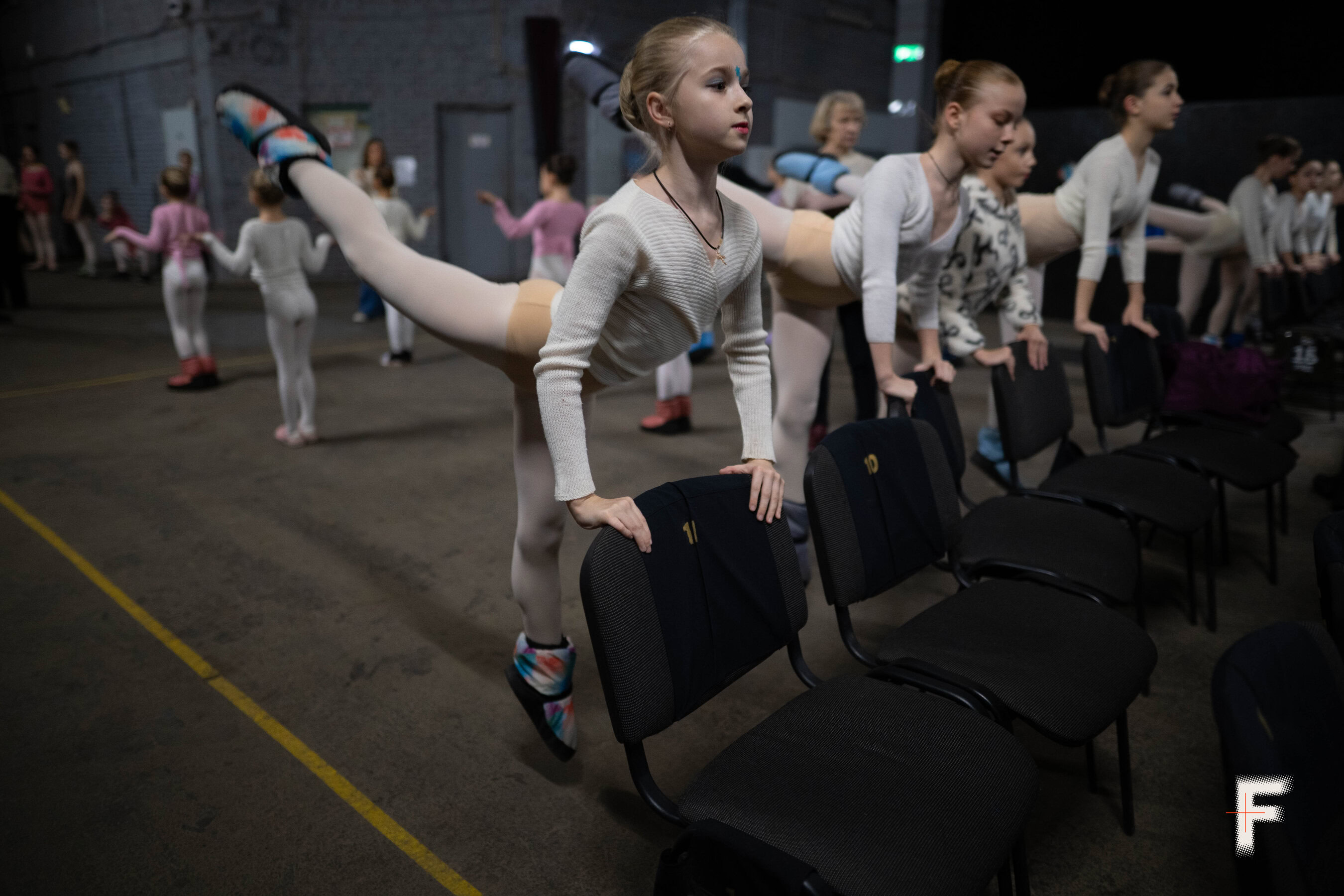
With performers struggling to fully recover between shows, the theater began bringing in colleagues from other cities. Additionally, students from specialized universities have been involved; for these young performers, it provides a safe, practical experience, while for the institution, it is a chance to discover new talent.
“You reminded us that we are alive”
During the first weeks of the full-scale invasion, Kharkiv was forced to live underground — in the metro and in shelters. While glass office centers crumbled under blast waves, the theater building stood like a monolith. Despite direct strikes and fires, the company managed to save 15,000 costumes, stage props, and equipment.
In March 2022, the actors gave performances in metro stations and in liberated cities.
“People would shake our hand and say, ‘You reminded us that we are alive,’” recalls Larysa Abanshyna, the theater’s public relations specialist.
-
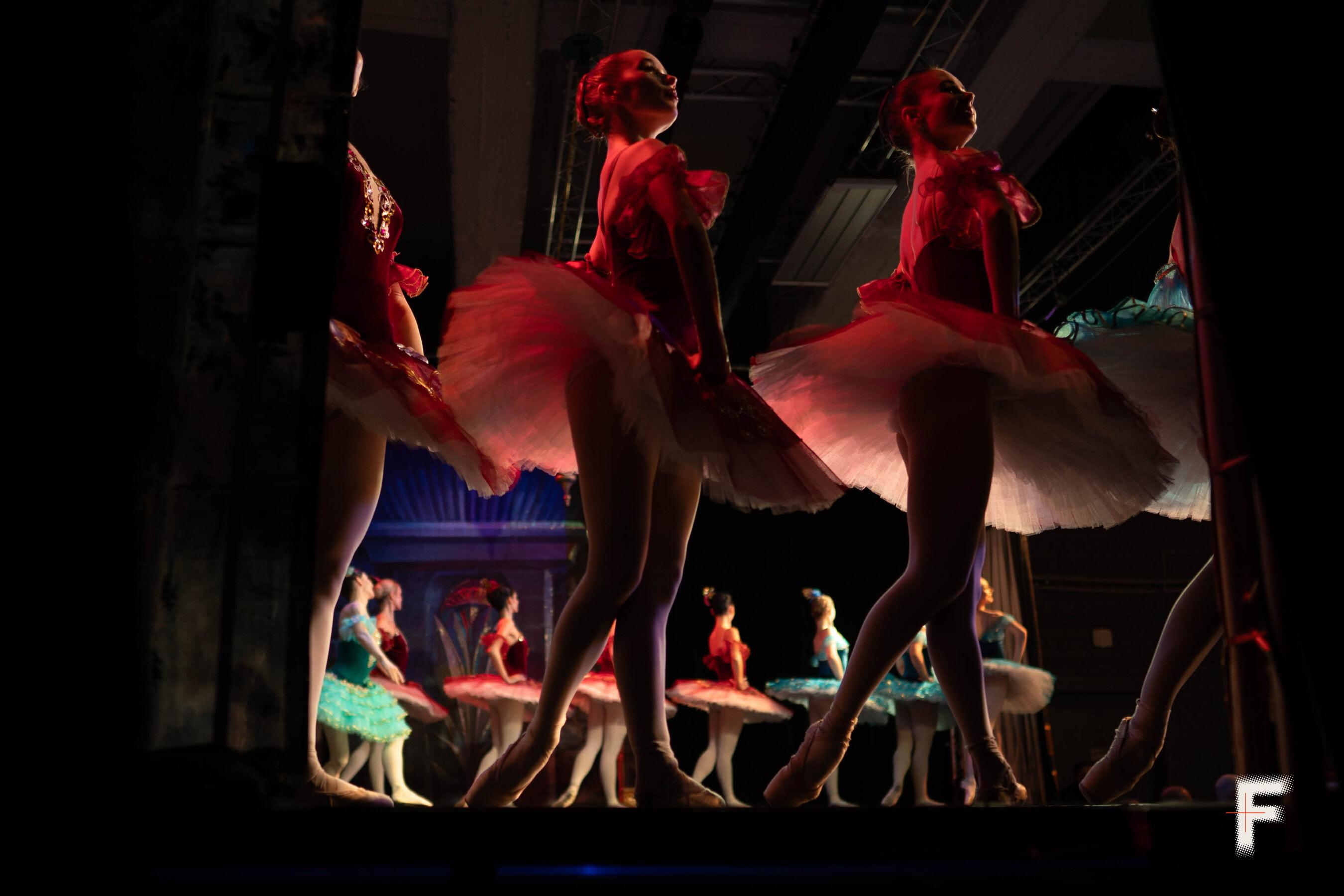
KhATOB company rehearsal, Kharkiv, Ukraine, Nov. 18, 2025. (Marharyta Fal/Frontliner)
-

A renovation plan was unveiled in early 2023, and by the end of the year, the “Loft Stage” had begun welcoming its first audiences.
Some call the theater an architectural monster; others see it as a symbol of Kharkiv. For thousands of residents, the Kharkiv National Opera and Ballet Theater named after Mykola Lysenko has become a place of strength, where the path to high art leads down concrete stairs into the shelter.
-
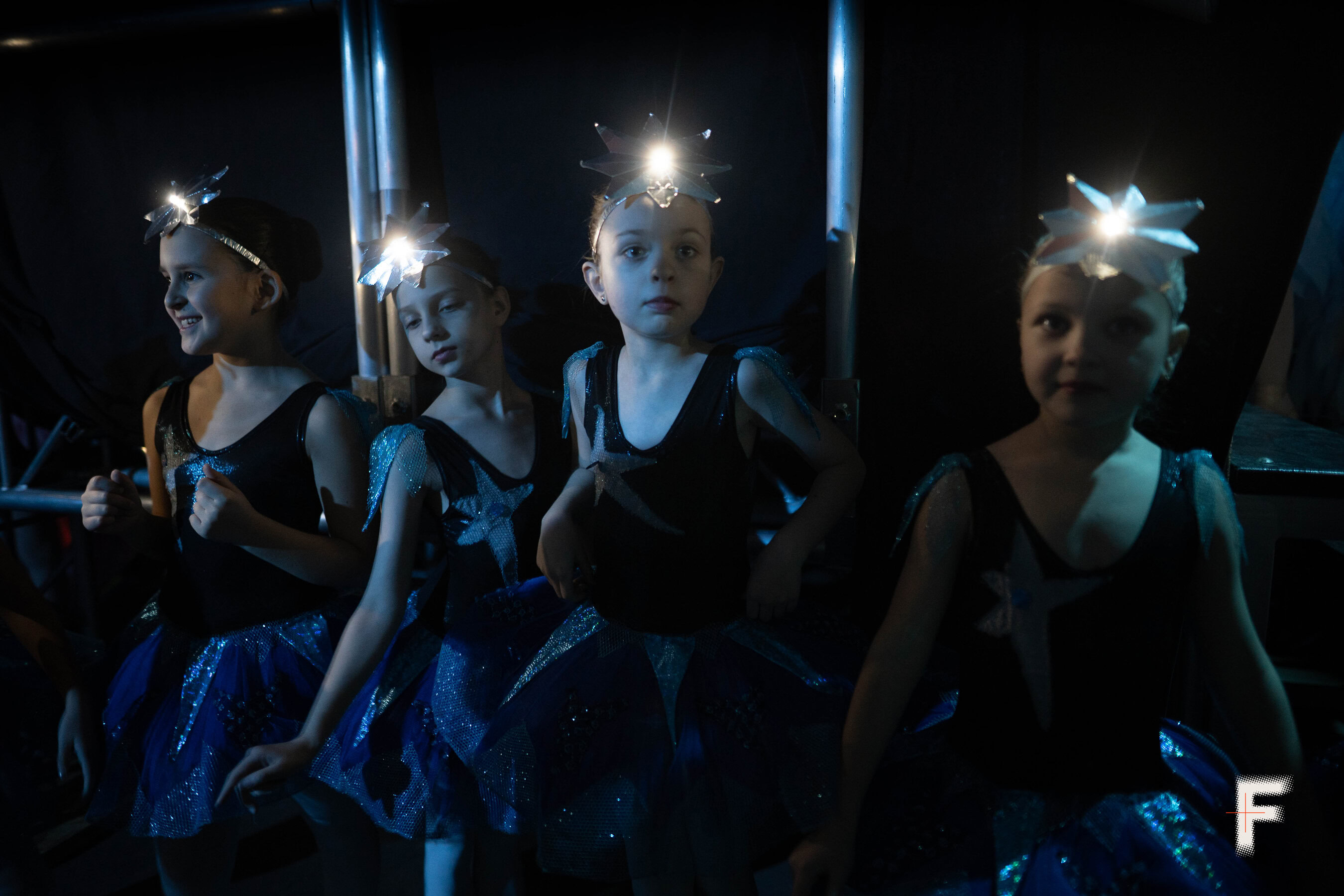
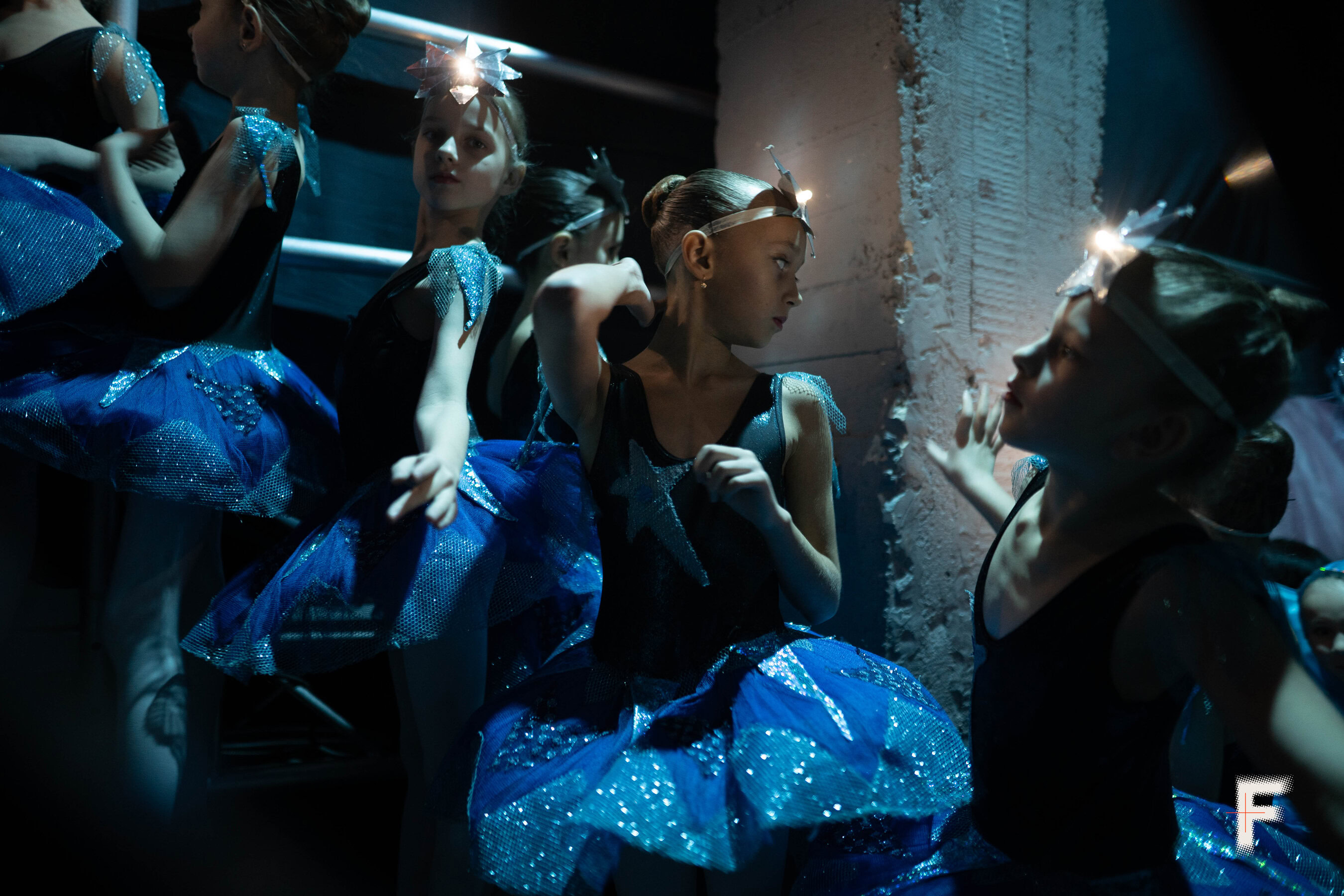
Students of the Kharkiv Choreographic School prepare to take the stage from backstage of Loft Stage, KhATOB, Kharkiv, Ukraine, Dec. 9, 2025. (Marharyta Fal/Frontliner)
-


***
Hi, I am Marharyta, the author of this article. Thank you for reading to the end.
The technical component is what makes this article so important. It is a unique case that would be hard to replicate. In this report, I discuss the challenges the theater currently faces and how it overcomes them.
Every story starts with your support. Join the Frontliner community so we can keep up documenting Russia’s war against Ukraine from the front line and the rear.
***