Taken prisoner, a Ukrainian border guard turns his captors’ rifle on them and escapes
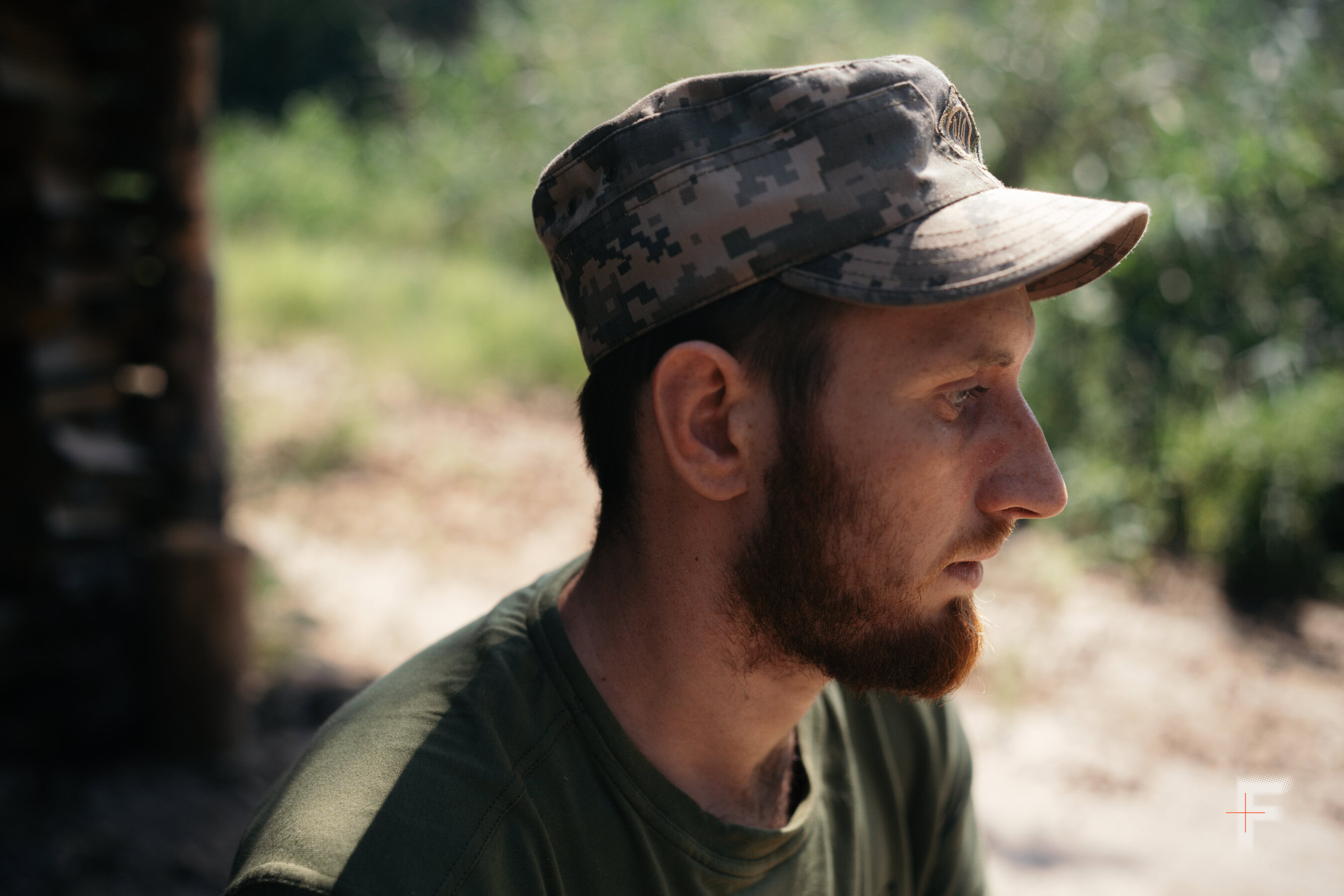
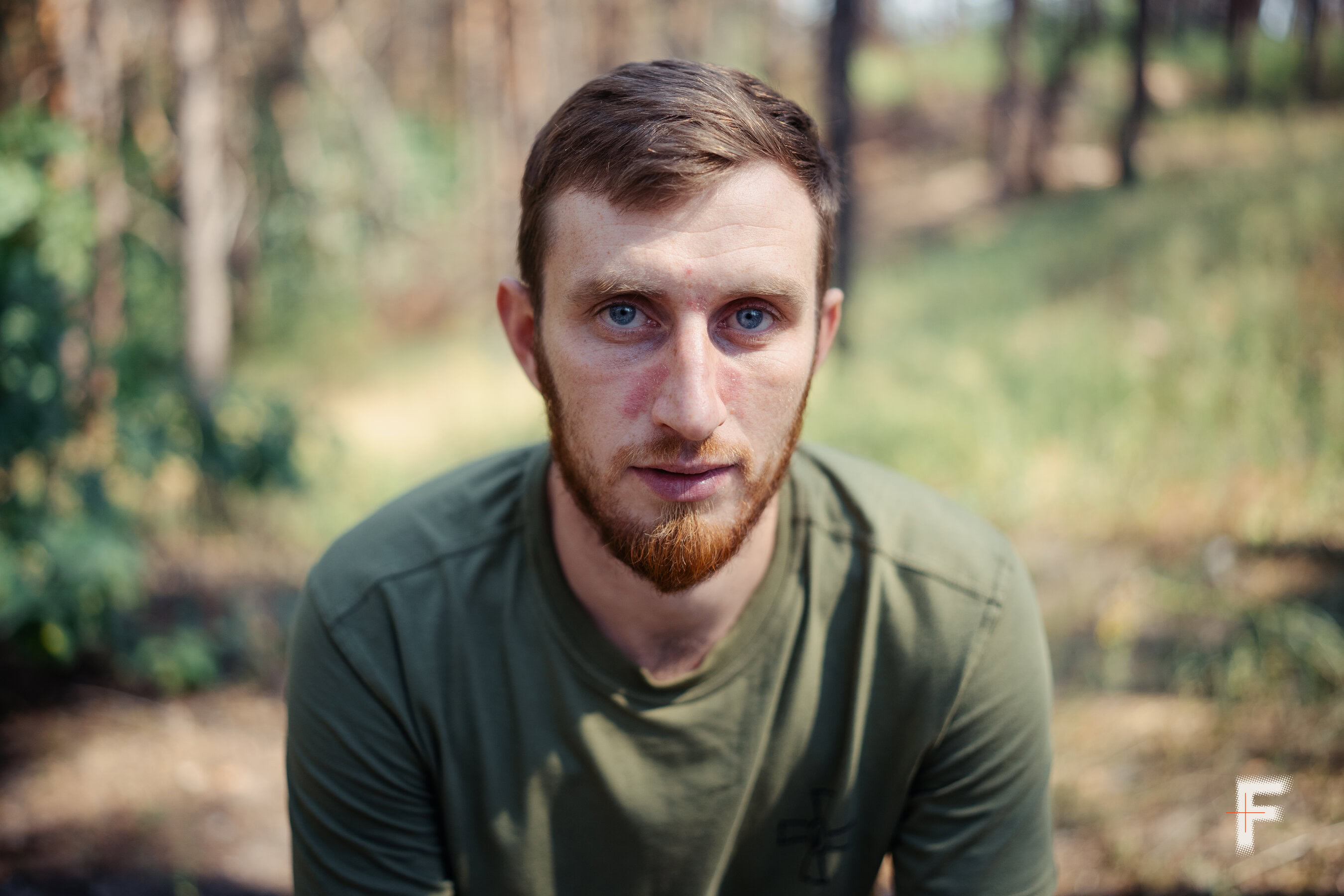
He spent nearly two days in enemy captivity, took revenge for his fallen brothers-in-arms, and made it back to his position. “Pele,” a serviceman of the State Border Guard Service, killed the enemy with the same weapon the occupiers had used to shoot the soldiers of his unit: two bullets, one for each of them. A direct hit. He then made his way back to Ukrainian positions. The events took place on the Lyman front in early August 2026. Frontliner met “Pele” immediately after he returned from his position, and then again two weeks later to see how he was coping with what he had experienced.
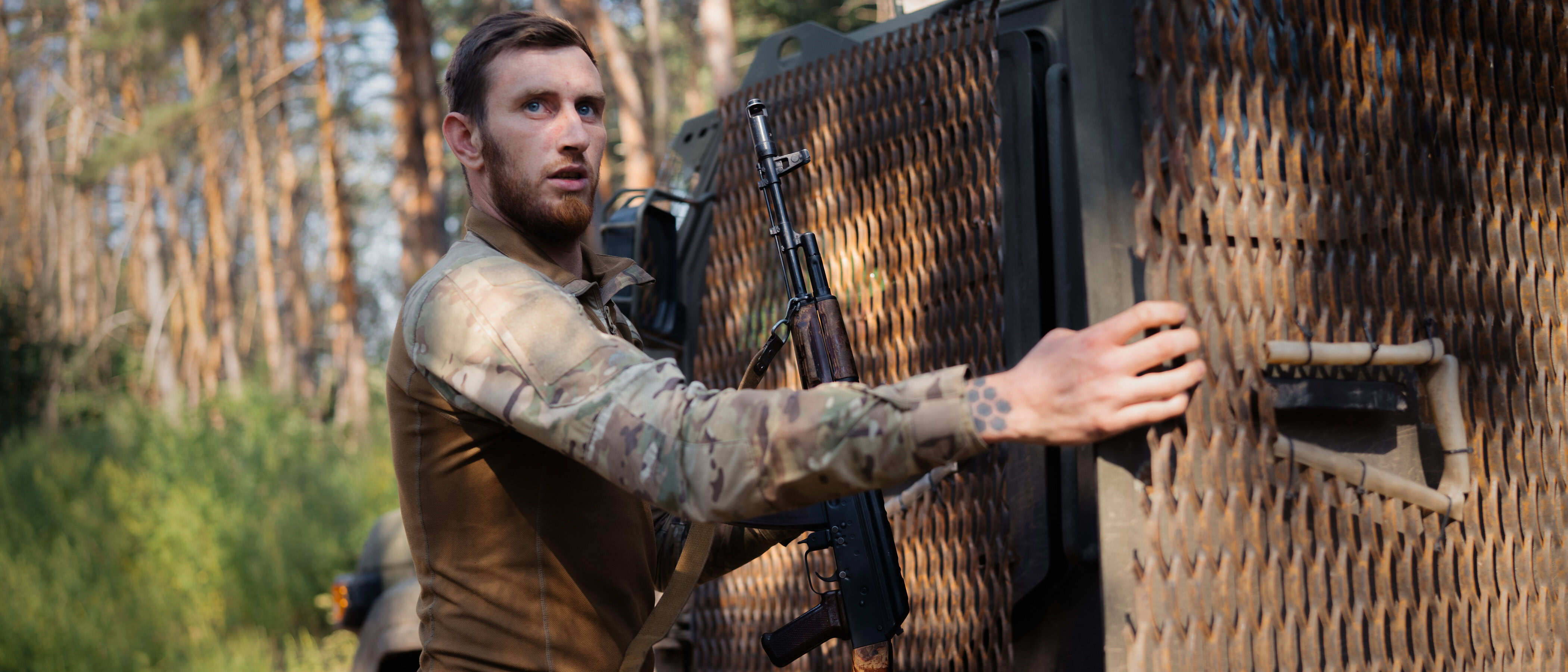
An armored vehicle approaches the meeting point. Oleksandr, a serviceman of the Sribna Triika (Silver Three) combat unit, Pomsta (Revenge) Brigade of the State Border Guard Service, steps out. A broad smile spreads across his face.

While leaving the line of contact, he had a chance to get some rest at a transit position where his brothers-in-arms were stationed.
“I didn’t feel safe until the third day, when I reached the positions of our guys. I hadn’t slept for two nights. I was afraid to close my eyes. Every time I did, I would immediately see it all again: being in captivity, sitting under that tree, and watching them kill ‘Malian’ and ‘Epik,’” the soldier says.
From cook to infantryman
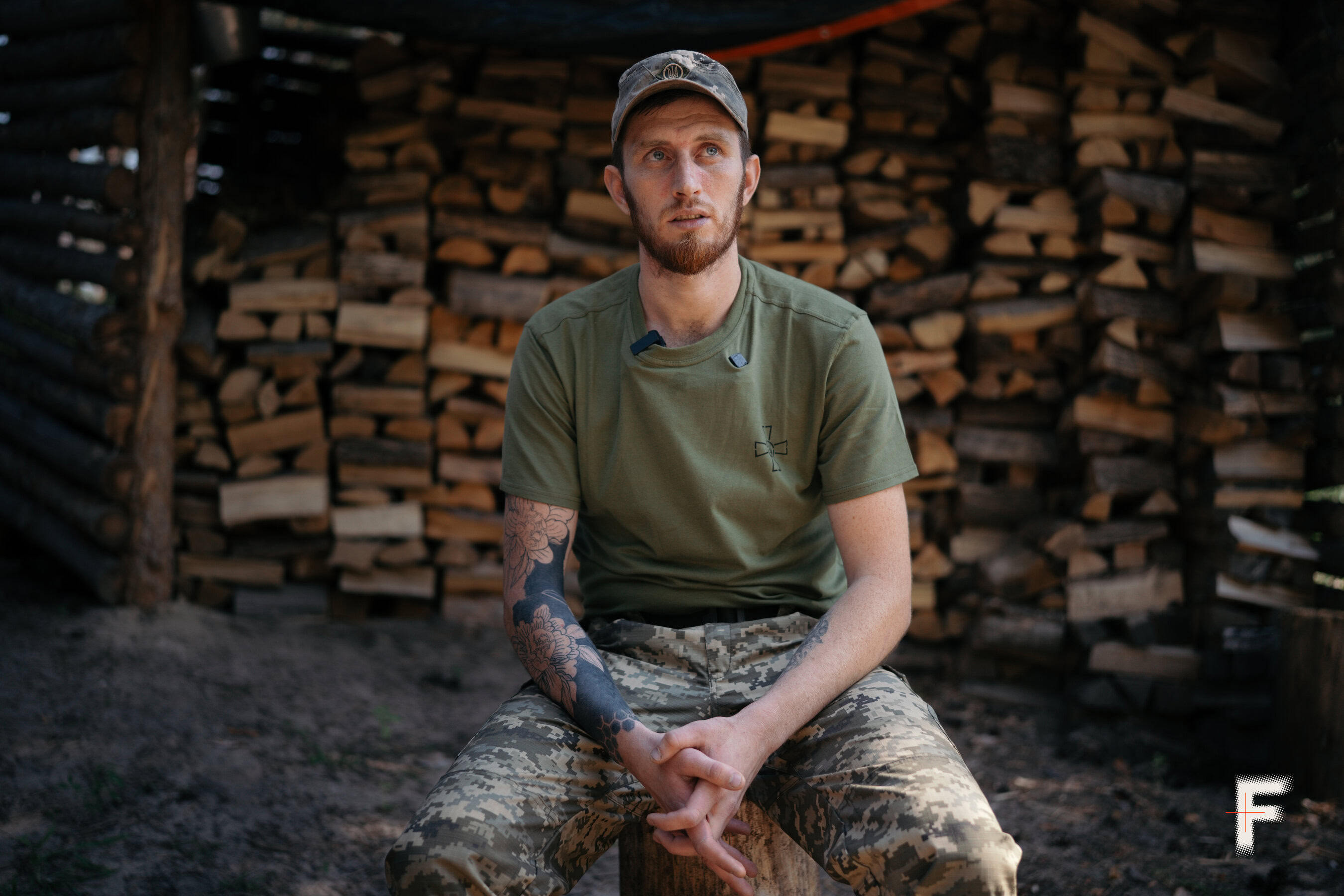
Oleksandr is from the Kyiv region. He is 27. Before joining the military, he worked as a cook at an amusement park. He had played soccer since first grade. His fellow soldiers gave him the call sign “Pele” after the legendary Brazilian soccer player. He had several friends in the military, and one of them encouraged Oleksandr to join the State Border Guard Service.
“I agreed. That same day, I took my documents to our local Military Recruitment Office. I went through basic military training and was then assigned to the Sribna Triika unit as a driver. For the first couple of weeks, I did my share of driving so I could memorize the routes to the positions, where I would pick up the guys and where each position was located.
Since I was new, and everyone new in the unit starts in the infantry before moving to a specialty, they transferred me to the infantry. They told me, ‘Everyone comes back, and you will too,’” says “Pele.”
“There’s no going back for me”
Oleksandr talks about his fallen brothers-in-arms. `He went through adaptation in the unit together with “Malian” and “Epik.” The three of them shared a dugout until they set out. “Malian” was the oldest of the three. He was 53.
“He was a quiet, calm man who worked as a cook. It was clear that he really loved what he did,” says “Pele.
“Epik” was a year older than Oleksandr, and they were kindred spirits. “Pele” had promised to invite him to his wedding.
“Pele” tells about one of their last conversations before his friend’s death:
As we were approaching the position, I joked to ‘Epik’:
‘We could go AWOL. We’ve already made it to the front line anyway.’
He replied completely seriously: ‘There’s no going back for me.’

On August 7, 2026, the group set out for their position. The position was a 10-kilometer walk away. Because of heavy drone activity, it took them three days to get there.
“Before we set out, ‘Epik’ and I were looking for a third person to join our group. We told everyone that we wanted to make it there in a single day. Covering 10 kilometers on foot is no easy task in the current conditions. ‘Malian’ agreed despite his age. But our journey lasted longer. After covering most of the way, we came under fire. ‘Epik’ was concussed. We spent the night at a transit position. Despite that, he seemed to get a surge of adrenaline and wanted to push on. With ‘Malian,’ it was the opposite. He didn’t show fear, but said it was difficult for him to keep going,” Oleksandr says.
After reaching their destination, the servicemen took over the position from the previous group and arranged their personal belongings in the dugout. “Malian” made some instant noodles. “Epik” wanted to smoke. He was the only one of the three who smoked. Each man was to stand a three-hour watch, and “Epik” took the first.
“Everything happened very quickly. ‘Epik’ was sitting on the steps leading into the dugout. He managed to smoke one cigarette. Then he heard someone approaching. ‘Tea or coffee?’ he asked. They asked how many of us were there and told him to give them our call signs. When he said my call sign, I saw him fall face-first into the dugout. I immediately realized he was killed. He didn’t even have time to say a word. Then the grenades started coming. They emptied a magazine into the dugout. And when they threw in a smoke grenade, we had no choice but to surrender. There was only one way out of the dugout. There was no point in shooting back because we had no idea how many of them there were,” Oleksandr says.
“Keep the young one. Shoot the older one”
After stripping and searching the men, the Russians forced them to lie face down. “Pele” heard one of the occupiers report over the radio to his commanders about the two prisoners. The response came instantly: “Keep the young one. Shoot the older one.”
Malian’ was shot in front of me,
barely an arm’s length away.
“One bullet to the head. His head was right beside my elbow. Everything inside me went cold. They pulled me up and told me to walk straight ahead. They didn’t know where they were going either, or where the different positions were. We just went into a tree line, maybe 50 meters in. Our guys had the sky covered, but they didn’t know I was still alive. I had left my radio in the dugout. But there were explosions and gunfire, so everyone assumed that all three members of our group had been killed. Friendly forces were searching the tree line in an attempt to kill the two Russian soldiers,” the serviceman says.
Nearly two days with Russian soldiers
“Pele” remembers the two Russian soldiers clearly. Both wore sneakers and poor-quality military uniforms. They had no first-aid kits, phones or food with them. They did not know where they were or where they were supposed to go.
“They wandered around that tree line for two days in sneakers and ripped clothes. When they saw the canned meat and condensed milk in our backpacks, they looked as though they had never seen anything like this before. But their reaction to the butter surprised me most. They all but ate the wrapper too,” says “Pele.”
The older Russian had the call sign “Staryi.” He kept his finger on the trigger the whole time, making it clear that one wrong move could have left “Pele” sharing the fate of his fallen brothers-in-arms.
The younger one was 32 and had the call sign “Liutsyi.” He was originally from Belarus. Oleksandr remembers him as an empathetic and talkative man. He spoke about his experience of living in Ukraine before the full-scale invasion and was open about his life. “Pele” thinks this may have helped him stay calm and gave him strength at the start.
“Maybe it was because I was constantly talking to ‘Liutsyi’ that I kept reassuring myself that things weren’t so bad. We talked like we’d known each other for years. I spent almost two days with them. Because drones were constantly in the sky, we spent most of the time sitting under a tree. He didn’t even tie me up. Whenever ‘Staryi’ left, he would say, ‘You can see that I’ve got nothing against you. I’m not even holding my rifle because I don’t need to. The only thing is, when more of our guys come, I’ll tie your hands with a rope so they don’t start asking questions.’”

The Russians received orders to wait for reinforcements. Oleksandr realized he had little time left to escape. He was supposed to be handed over to the Russian command headquarters. Once there, escaping would have been impossible. A message came over the radio: another group was expected within an hour.
“Pele” set himself a goal: to gain “Staryi’s” trust and make him lower his guard as he posed the greater threat.
The serviceman pretended to have heart problems and asked for Corvalol — a common over-the-counter sedative drop — which was in “Malian’s” first-aid kit. Seeing Oleksandr in that condition, the Russian relaxed, loosening his grip on his weapon.
I thought about luring ‘Staryi’ into the dugout to look for cigarettes.
He had asked whether I smoked. The first time, he went to get my backpack;
the second, to ‘Malian’s.’ I could have killed him right then.
But the distance, the drones in the sky, the brush ahead of me,
and knowing that friendly positions were nearby stopped me.
They would have heard the shots and, not knowing who was firing,
could have sent drones to the area. I wouldn’t have been able to hide from them,
Two bullets — one for each
The turning point came when “Staryi” returned from the dugout for the third time. “Liutsyi” had stepped away to use the toilet, leaving his rifle beside “Pele.”
“‘Staryi’ was sitting close to me. When ‘Liutsyi’ left to go to the toilet, ‘Staryi’ started rolling a cigarette. I got up and, adrenaline taking over, said, ‘Well, guys, no hard feelings.’ One bullet in his head, and one in the other’s.”
I shot them with the same rifle
they had used to kill my brothers-in-arms.
“I dropped it and ran toward friendly positions. I ran without looking back, straight through a minefield. I quickly made it to our dugout, grabbed my helmet and my rifle.”
His own side didn’t believe him at first
Oleksandr radioed members of his unit, the same men he had linked up with when he first entered the position. But his brothers-in-arms did not immediately believe it was really him.
“Three times, I called out my call sign, and no one answered. On the fourth try, I said: ‘It’s me. I’m running from the Russians. I’m heading to our nearest position.’ When I reached the first position, where the guys I had linked up with were stationed, they met me there. I got back on the radio afterward and explained what had happened. Even then, they still didn’t believe me. There was another Ukrainian position about 400 meters away. They were moving to assault us because they thought I had led the Russians to our dugout. Only later did they realize I was alone,” says “Pele.”
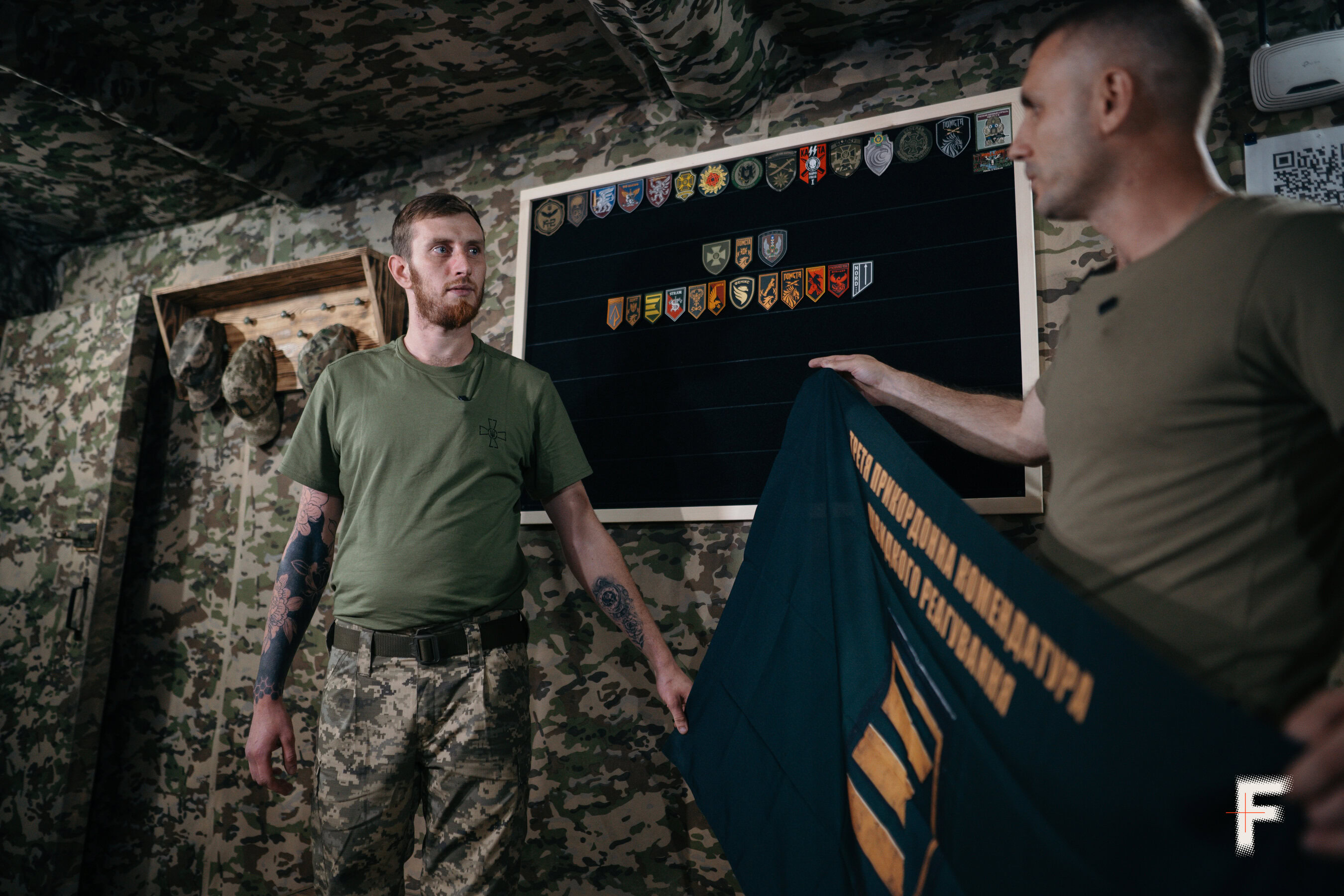
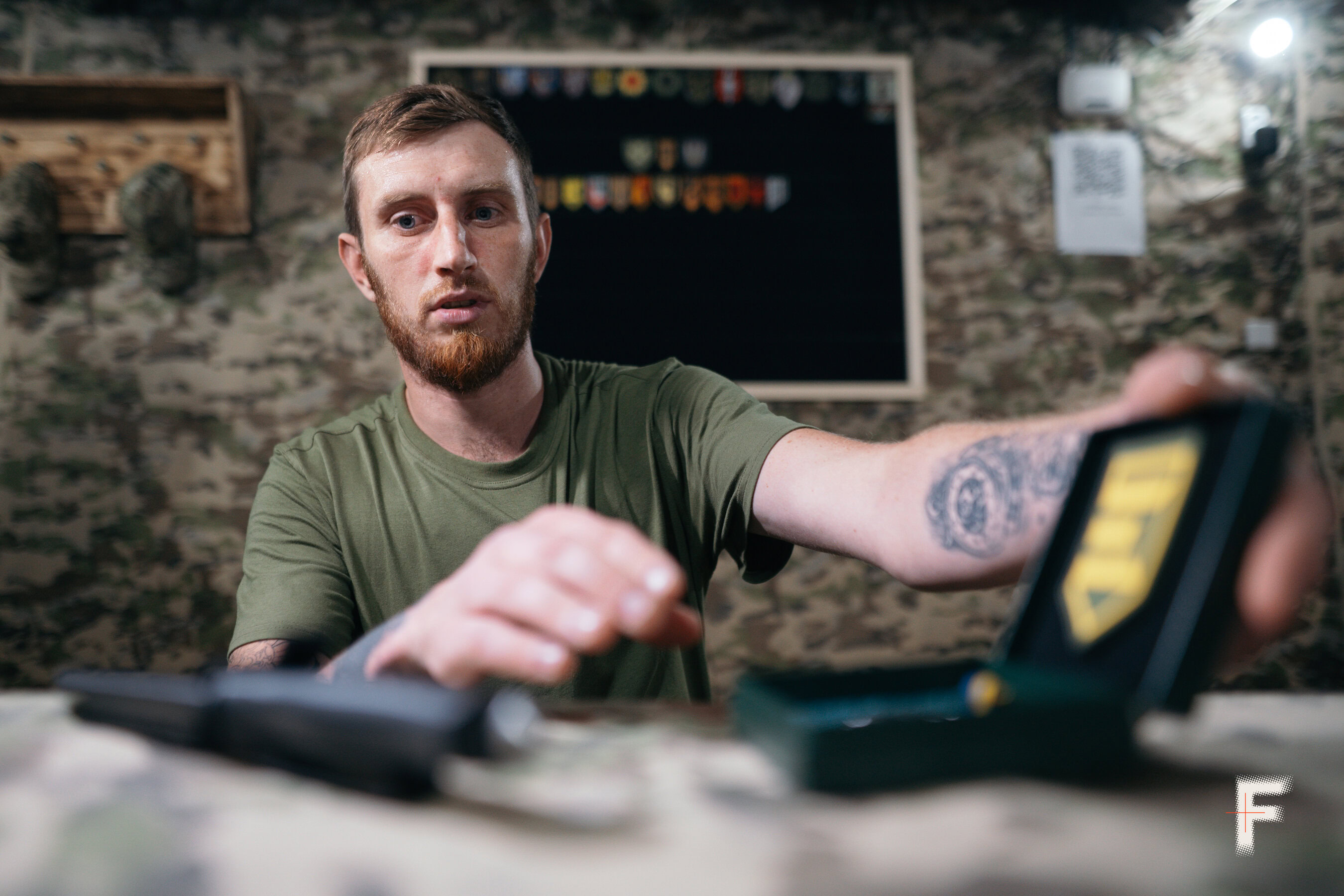
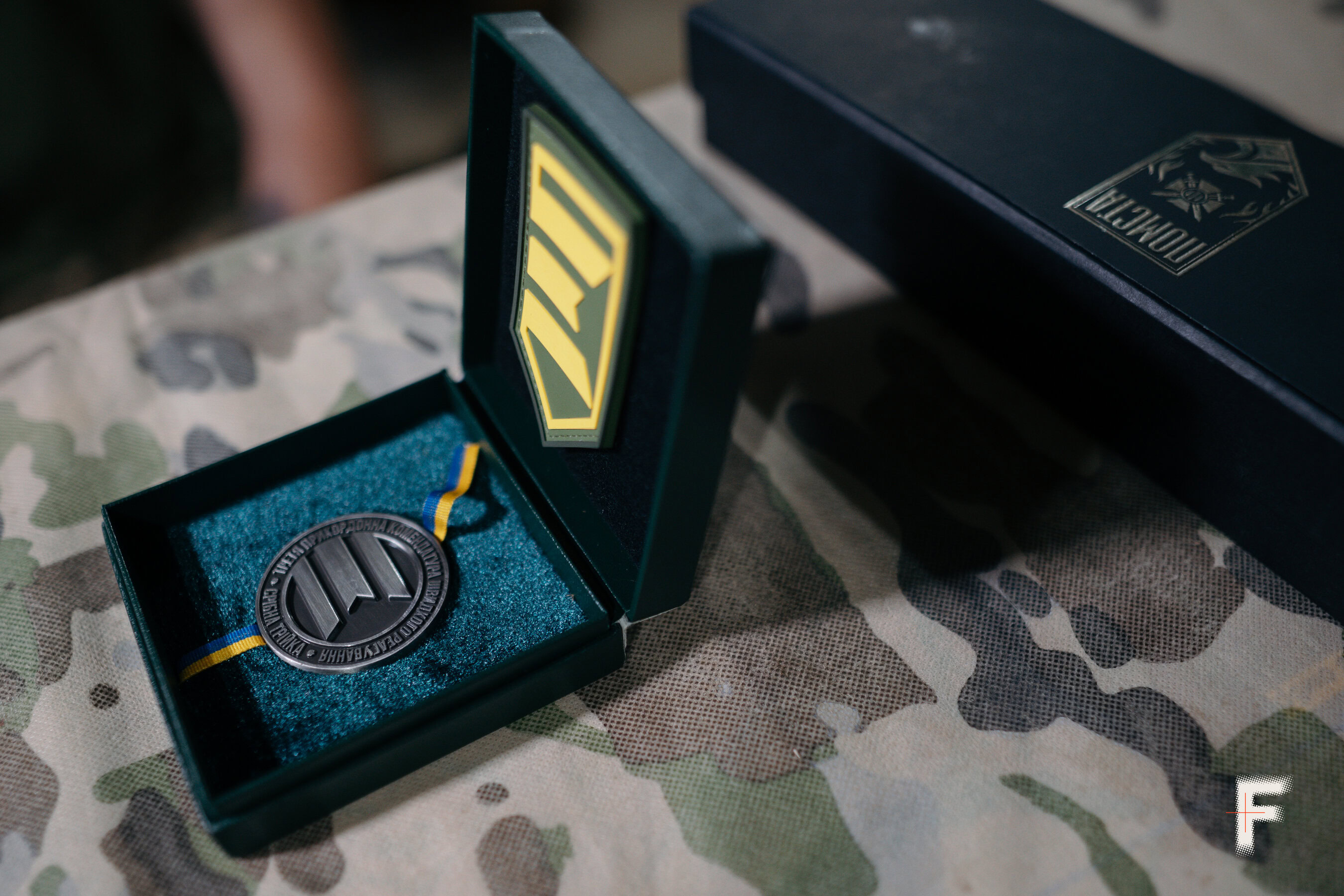
Ten days later Oleksandr left the position. It was the first such case in the unit. The commander personally came to congratulate him on his return. For his courage and for killing the enemy, “Pele” was presented with the flag of the Sribna Triika unit, as well as a unit coin, a combat patch and a commemorative knife. The knife was presented to him by Anatolii Nahirnyi, commandant of the Sribna Triika unit, Pomsta Brigade of the State Border Guard Service.
-
“Pele,” a serviceman of the 3rd Border Guard Commandant's Rapid Response Unit receiving an award, Kharkiv region, Ukraine, Aug. 18, 2026. (Marharyta Fal/Frontliner)
-
-
Award of the 3rd Border Guard Commandant's Rapid Response Unit, Kharkiv region, Ukraine, Aug. 18, 2026. (Marharyta Fal/Frontliner)
‘For two weeks, I felt like a person, not a soldier’
After everything he had been through, Oleksandr began having nightmares. On September 8, he returned from a two-week leave in Odesa to the combat zone. Frontliner had an opportunity to speak with the soldier again.
“When you’re at war, you live for today. But when I left and went on leave, different thoughts started creeping into my head. I had nightmares. It happened every third night. I dreamed about my brothers-in-arms being killed and about me running to our guys. I tried to keep my mind on other things.”
I went to the sea while I was on leave, talked to the guys
and spent time with my girlfriend. We talked about everything,
but never about the war. I avoided any kind of conversation about it,
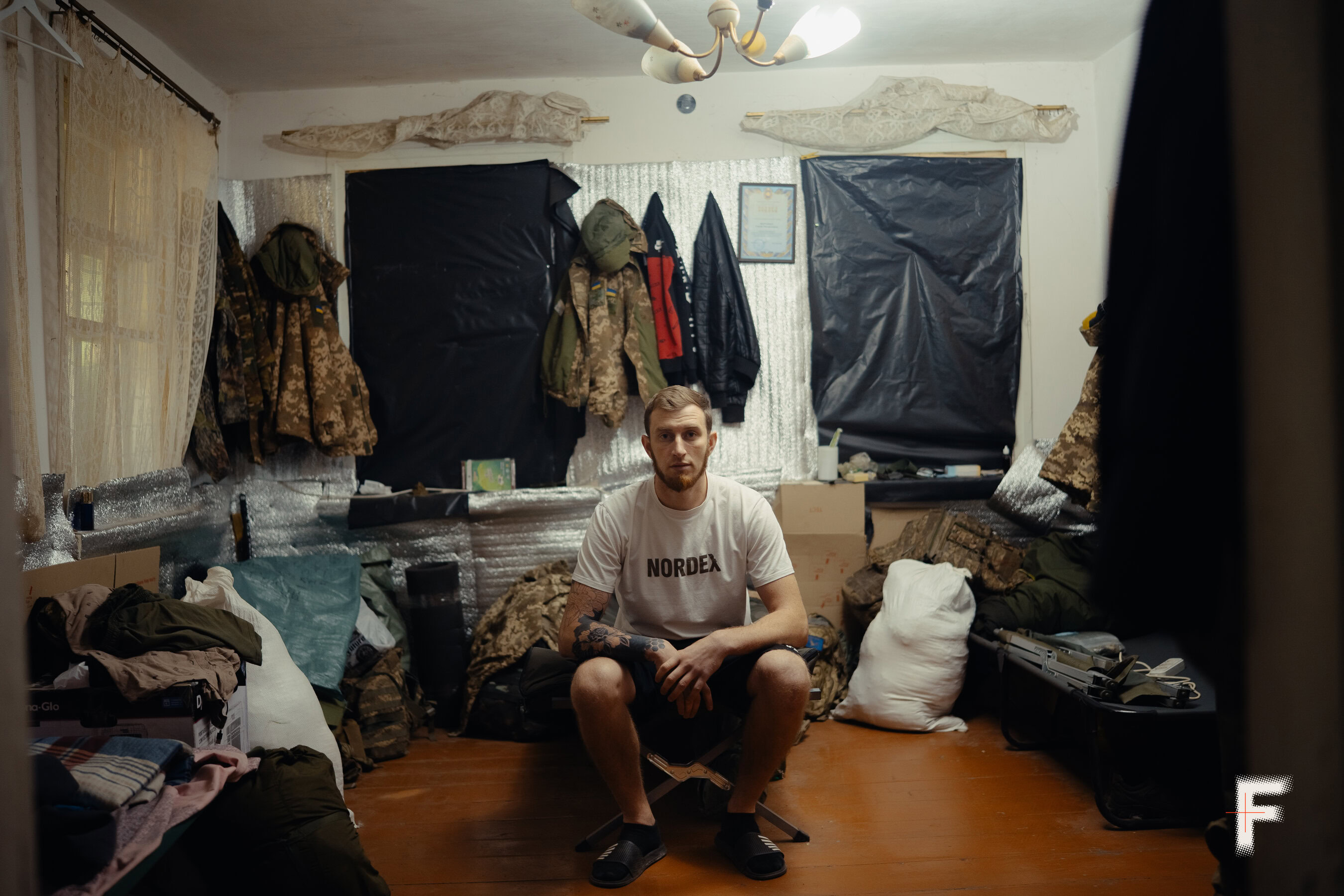
After changing into civilian clothes, Oleksandr felt a sense of relief. To him, the uniform felt like a burden he could finally take off for two weeks:
“For two weeks, I felt like a person, not a soldier. I didn’t have to run anywhere, there was no adrenaline. I was able to rest. And that helped me keep going.”
Looking ahead, Oleksandr plans to be discharged as a former prisoner of war and return to civilian life. Still, “Pele” does not rule out changing his mind and choosing to remain in service.