‘No one knows whose skull this is’: Russia’s blockade starves an occupied Oleshky
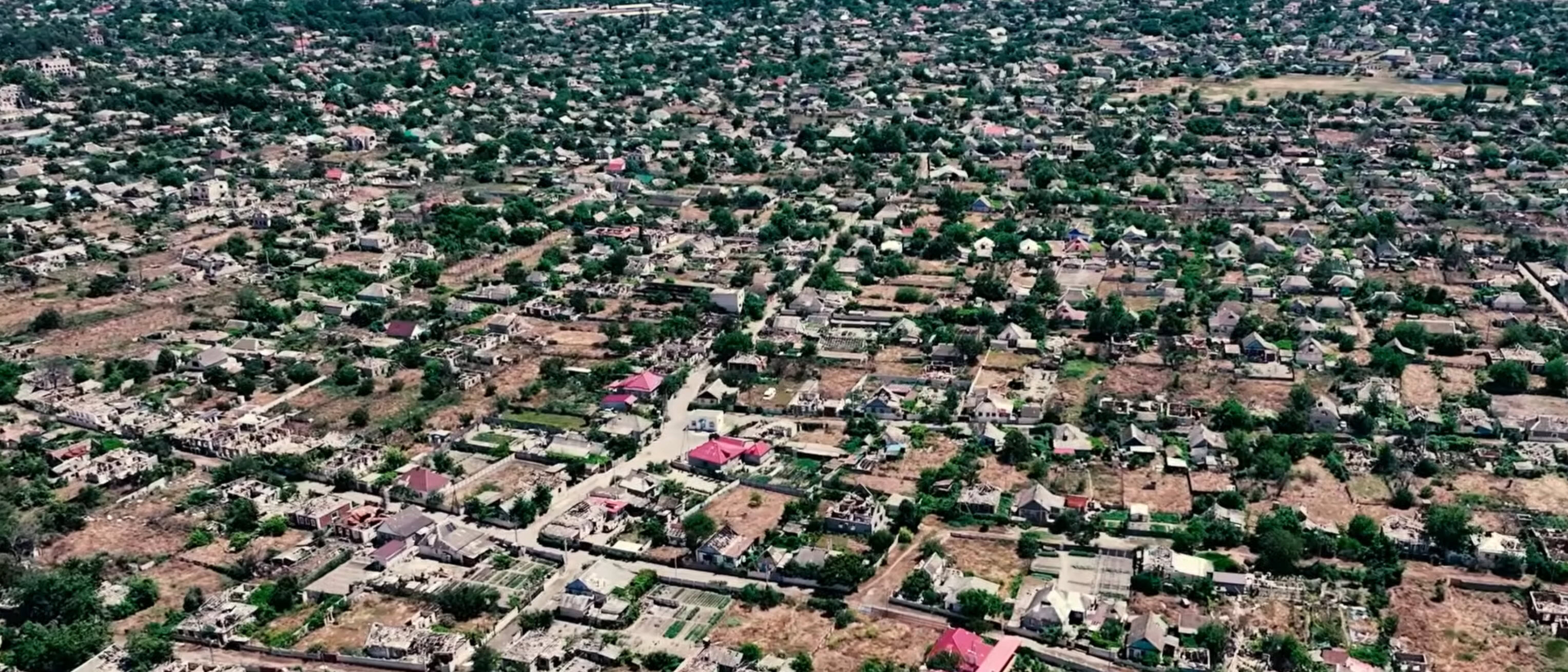
Occupied Oleshky in Kherson region is worn down by hunger: people are dying from a lack of food and medicine, and are being killed by shelling. Fresh human remains are found in the streets. Relatives of people trapped in the besieged city are trying to get food to them any way they can. Frontliner journalists set out to find out how people in Oleshky are holding on and who helps deliver the parcels.
Medicine, semolina, flour, canned food, sunflower oil, and personal hygiene products: this is what Kherson resident Iryna Chukhalova packs into a parcel. She is from Oleshky and she left the city with her husband and two children in March 2022, after the occupation began. Her friends stayed behind in Oleshky.
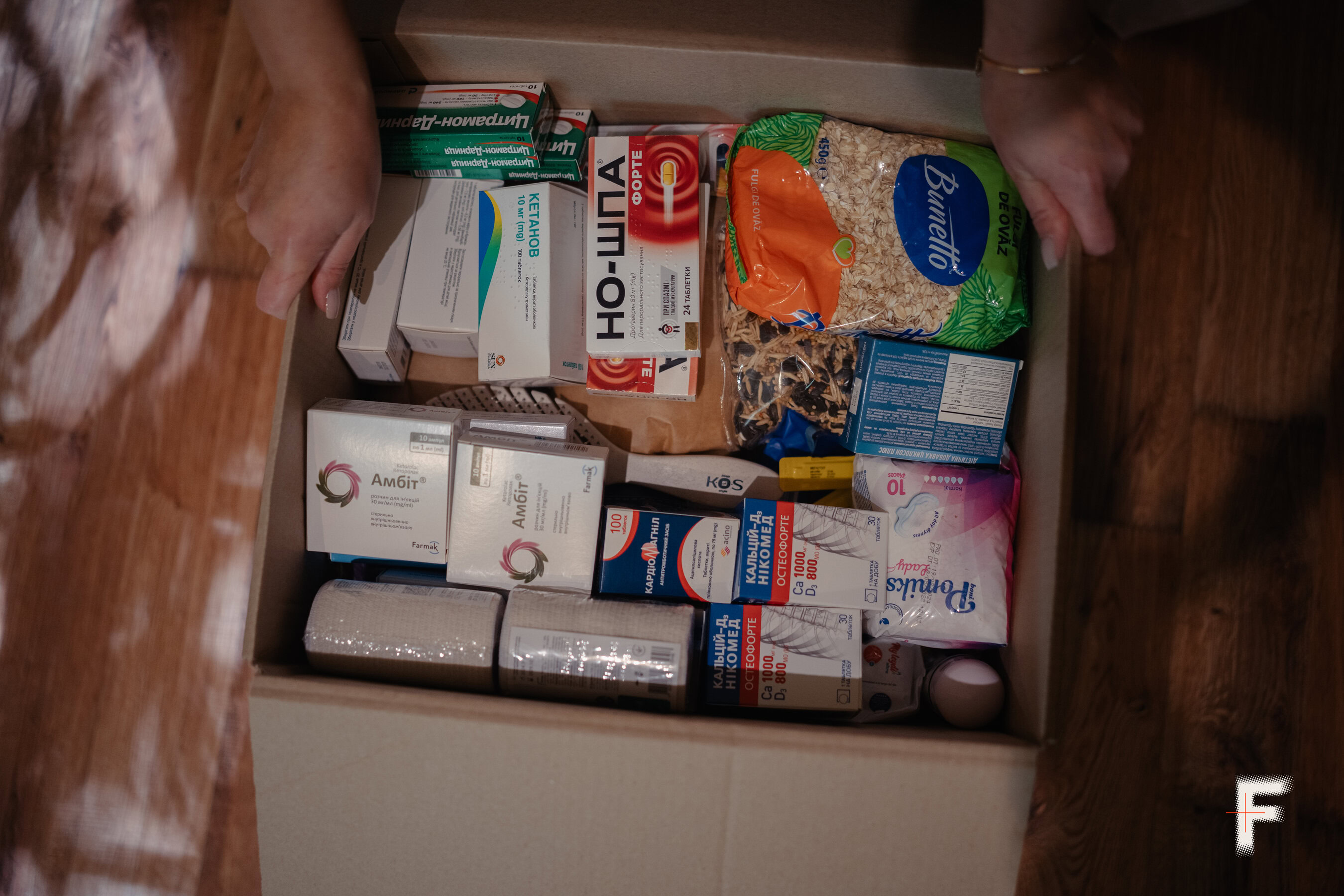
One package must not weigh more than 10 kilograms. Within a few hours this parcel and 13 others will go to soldiers, who will send it across to the left bank of the Dnipro River by bomber drone.
According to official figures, about 2,000 people remain in blockaded Oleshky, including children and elderly people. The roads into and out of the city are mined.
“Ideally, I’d send everything. But I can’t always fit it all within the weight limit. We pack compact foods that people ask for: yeast, powdered milk, grains. The guys put in their own field rations, dried borshch. Once we sent butter. We froze it solid, and they were so happy there when they got it,” Chukhalova says.

A terrorist attack that led to a humanitarian catastrophe
Oleshky lies on the left bank of the Dnipro River, about nine kilometers from Kherson. The city has been under Russian occupation since the first hours of the full-scale invasion. It is a logistics hub for Russian units and one of the places where their positions are concentrated. From there, the occupiers shell Kherson and other towns and villages on the right bank of the Dnipro in Kherson region.

In 2023, the Russians blew up the Kakhovka hydroelectric power plant, whose dam connected the two banks. The destruction of the dam flooded 80 communities on the right and left banks, including Kherson and Oleshky, and set off a massive humanitarian catastrophe. Since then, the city has had no basic utilities: no electricity, gas, or running water.
According to Chukhalova, after the flooding caused by the Kakhovka plant’s destruction, food deliveries to Oleshky became irregular. Residents began reporting shortages in mid-2025.
Last year, our friends in Oleshky told us that food was running low
in the city and some products had run out. And whatever there is,
it’s very expensive. At first the problem was the high prices,
because there was very little and not enough for everyone,

We found out at the beginning of this year
that people were suffering from hunger.
According to Chukhalova, soldiers holding the defense in the Kherson sector have been delivering parcels to Oleshky by heavy drones since 2025. The mission was called “quiet parcels,” because it wasn’t publicized in the media. In early 2026, the food shortage became critical.
“We found out at the beginning of this year that people were suffering from hunger. We teamed up with friends and soldiers and tried to make these deliveries regular, but it’s very hard, because there are so many requests and it’s physically hard to manage that many parcels. But it’s true: people in Oleshky are frying grass. It’s called purslane, it’s very fleshy, and they add it to borshch like cabbage, just to get some nutrition,” Chukhalova says.
Bodies of the dead lie in the streets
Most residents are afraid to speak about the scale of the problem, because Russian troops are spread out across the city. They disguise themselves as civilians, enter homes without permission, take people’s supplies, and interrogate them. People have disappeared after such visits.
People in Oleshky also cannot bury their dead or visit cemeteries. According to Chukhalova, the ban, imposed by the Russian authorities, has been in force since the occupation began.
People die from hunger, disease, shelling, and mine blasts. The dead are brought to one place, and from there they are taken to nearby occupied Skadovsk. What happens to the bodies after that is unknown. Relatives are not allowed to take their dead.
Chukhalova has just received news from Oleshky that an elderly man was killed by a mine.
“Friends there just told me they went to collect the body. The man stopped to pick some nuts. He stepped on a mine. That’s the reality. And there are so many cases like this,” she says.
Human remains are found in the city’s streets. Chukhalova shows a photograph of a human skull found in her friends’ yard.
People disappear without a trace.

“A dog brought it into their yard. As you can see, it hasn’t dried out yet. Gnawed. Someone sent me this photo in the spring. No one knows whose it is. And it was a shock to me. Because people disappear without a trace. There’s no way to even identify who it is.”
Dozens of kilometers on mined roads
Volunteer and activist Oleksandra Knyha is also from Oleshky. She says evacuating from the city is dangerous because the roads are mined. The nearest town people try to reach is Radensk, 26 kilometers from the city.
Most of those still in the city are elderly. For them, covering that distance under shelling is extremely hard, if not impossible.
According to the Oleshky City Military Administration, about 65 residents managed to get out across a minefield in September 2026. Among them were eight children.
Earlier, people also tried to deliver humanitarian aid by land. People in the temporarily occupied territories loaded parcels and drove them toward the city.
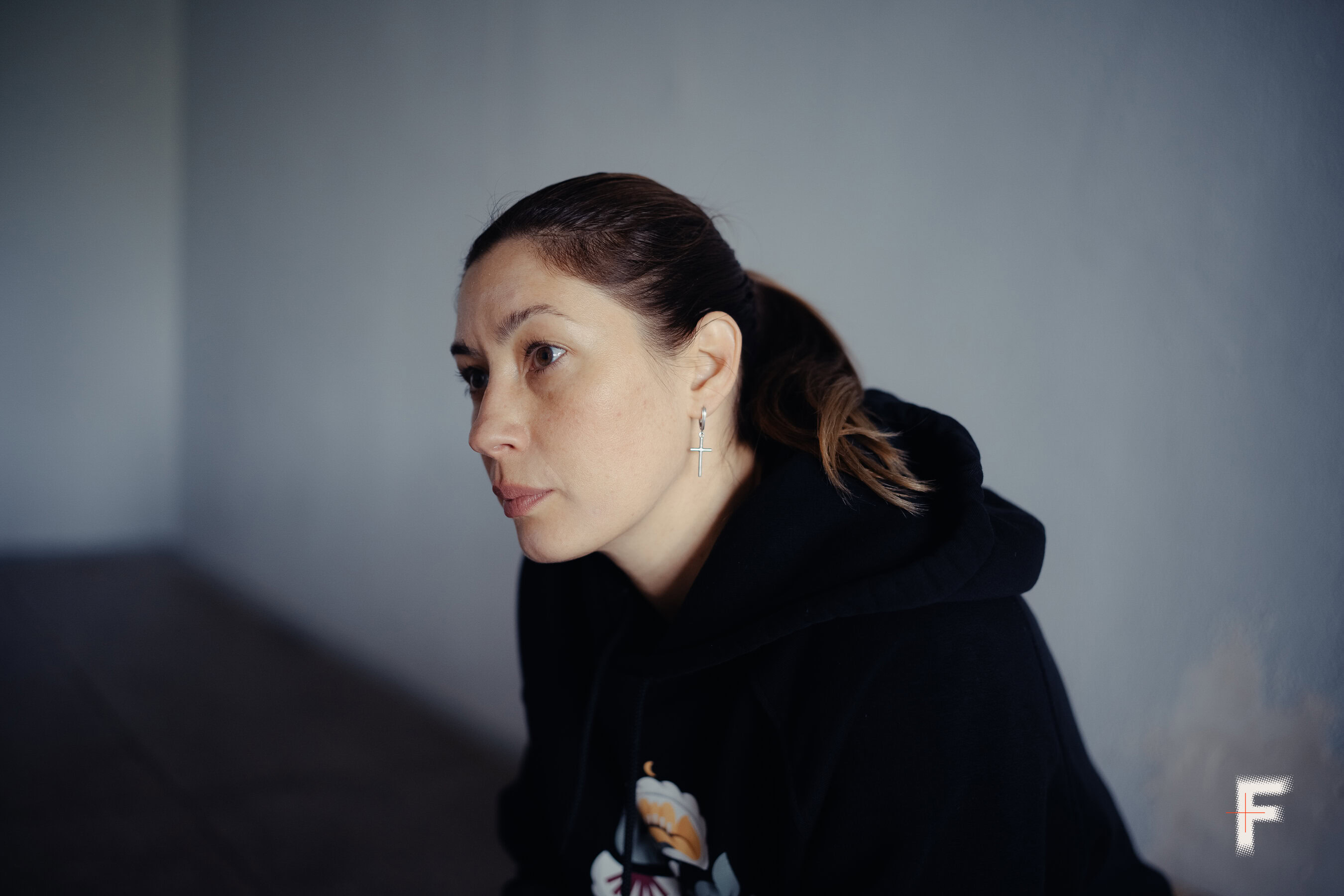
“The last humanitarian aid shipment that people tried to bring in was stopped by the Russians with drones at the Blyzniuky gas station. They took all the food,” Knyha says.
She says such operations were planned carefully, because if the occupation authorities found out the mission had been organized at Ukraine’s request, it could cost the drivers their lives.
“We can’t say these are Ukrainian volunteers, that this is a Ukrainian mission, because it’s an occupation, and you have to be very careful, choose every word, filter everything you say. We arranged with people in the temporarily occupied territories for them to bring humanitarian aid in. But unfortunately, as with all the other shipments, the Russian side didn’t let it through,” Knyha says.

Over the course of 2026, the birds have disappeared from Oleshky. Knyha says there are fewer dogs and cats. Pets are caught and eaten. She says both civilians and Russian soldiers are doing this.
Civilians as a human shield for Russian troops
Serhii Skalozub, a service member of the 34th Marine Brigade “Borysfen,” says the last humanitarian convoy reached Oleshky in May.
He says the Russians use civilians as a human shield, forcing people to deliver parcels to addresses where Russian units are based. If people refuse, Skalozub says, civilians may be threatened and subjected to violence.
Civilians are being used to deliver food, equipment,
and gasoline to their soldiers,

“We have information that when humanitarian convoys came in, they (the Russians — ed.) did this: they gathered civilians from a list, gave them food, and said, ‘Here are 10 kilograms for you. You carry nine of them to this point. And one kilogram is yours to keep.’ If that doesn’t happen, the consequences can vary for the person who signed for the parcel. They can kill them, they can maim them for not keeping the deal. So civilians are being used to deliver food, equipment, and gasoline to their soldiers,” he says.
Another method of warfare the Russian side uses is shelling the neighborhoods where civilians live. According to Skalozub, if Ukrainian forces haven’t struck enemy positions in a day, the Russians shell the city themselves and then pass these attacks off as Ukrainian.
Shooting at civilians is not a problem for them.

“The Russians have a very simple tactic: if there were no strikes from our side today, they stage them themselves, just to write in their combat log that they had a combat day and get paid for it. Shooting at civilians is not a problem for them. They just talk it over among themselves: ‘We’re working this sector with a mortar. Any of ours there?’ ‘No one.’ And then they present it as the Ukrainian authorities are shelling the city,” Skalozub says.
The Defense Forces of Ukraine have carried out several operations, delivering about 8,000 kilograms of food to the city with heavy drones.
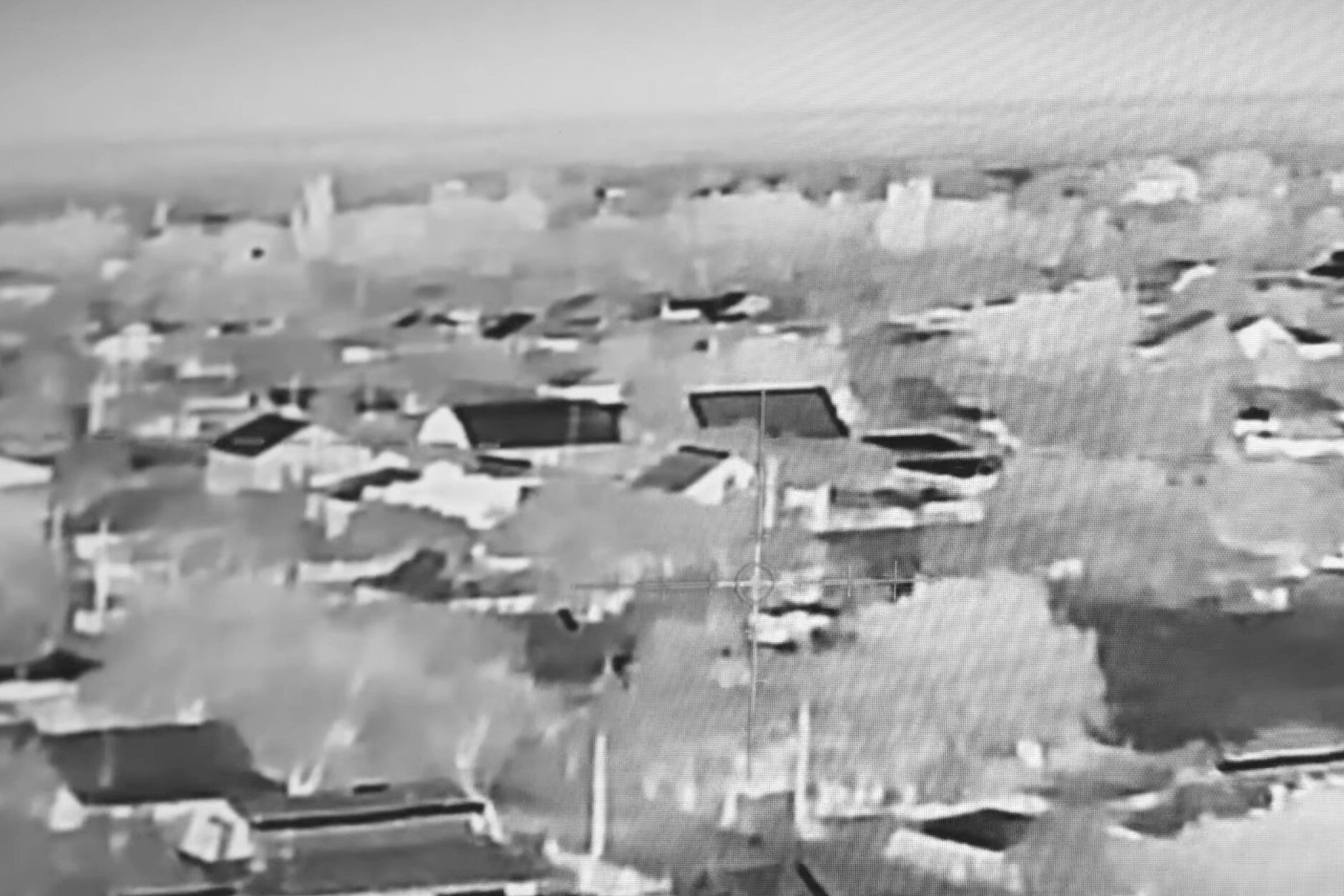
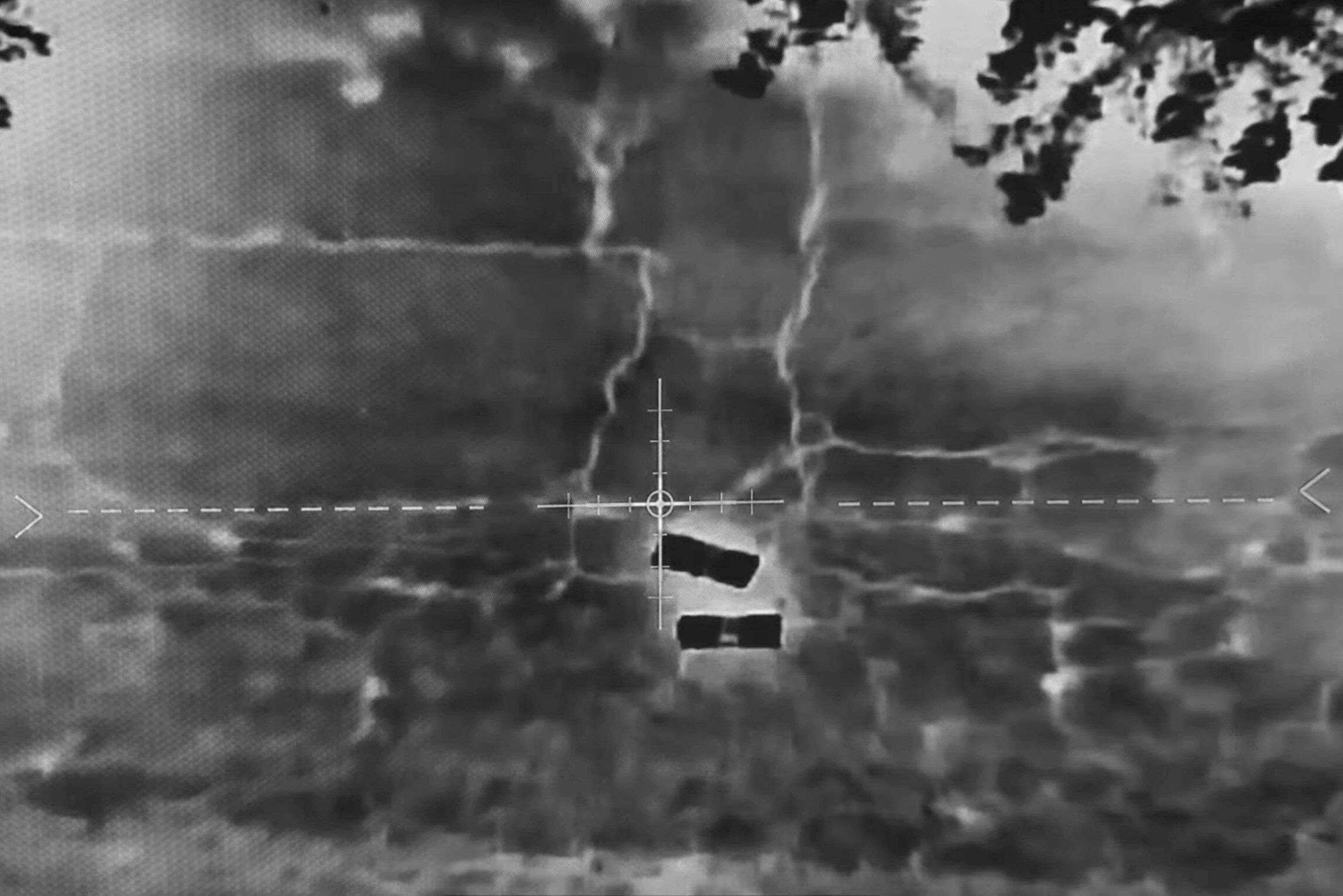
According to the Kherson Regional Military Administration, Russian troops shot down Ukrainian drones carrying provisions meant for civilians. The head of the regional military administration, Oleksandr Prokudin, said the Russians take the food for themselves or resell it to the city’s residents. There have also been cases of detention and violence against people who received humanitarian parcels.
Russia’s top political leadership knows about the situation in Oleshky, but is deliberately continuing the blockade and keeping independent humanitarian missions out of the city.