Leaving their prosthetics in the stands, veterans enter the ice rink
The ice rink is chilly and alive with sound. It’s much like a regular hockey game, but only coach Serhii Shvets is wearing skates. Frontliner reporters watch the session unfold.
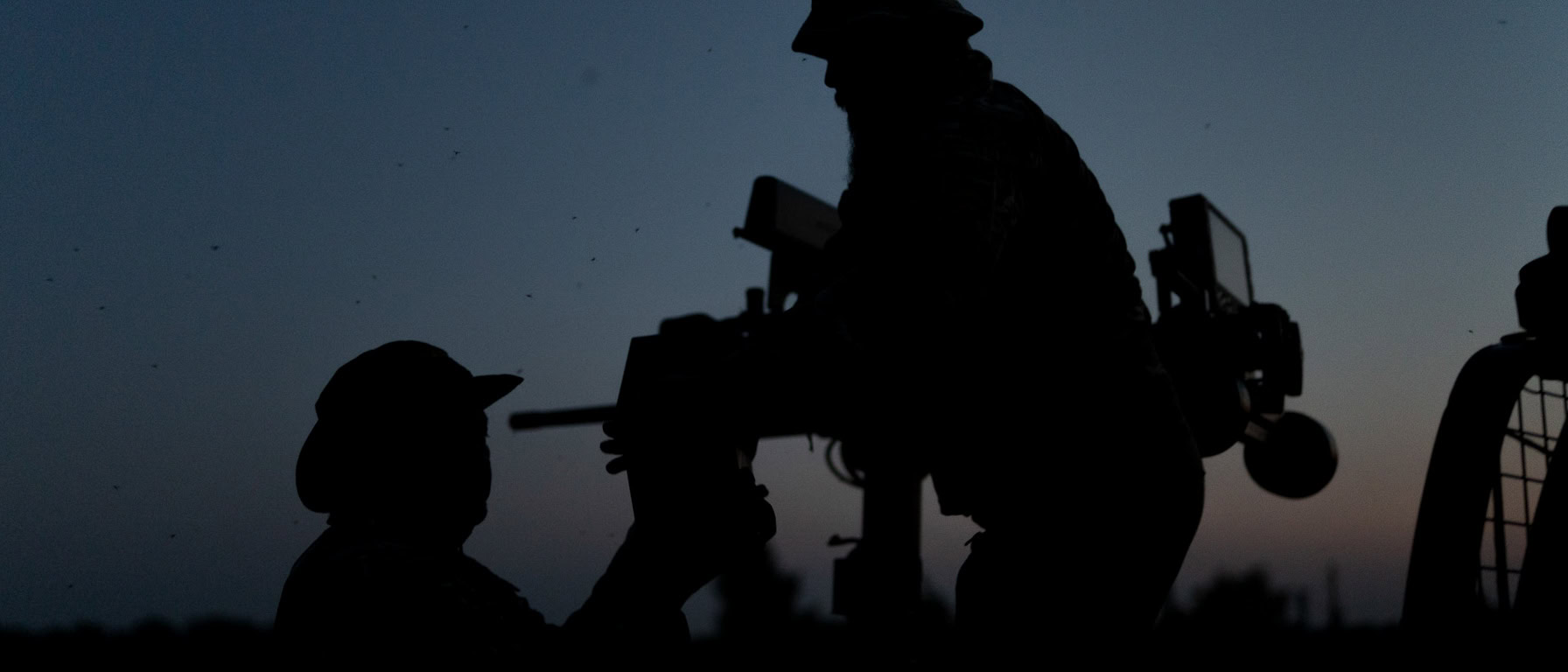
Ukrainian service members continue to protect the sky over the country using mostly foreign-made weapons developed in the last century. They still work – but how well do they keep pace with the tempo of modern warfare?
The Frontliner team shares a live playlist — music that accompanied reports, trips to the front, and work during the war in Ukraine.
Yevhen grew up too fast. He never finished school because his battalion was sent on a combat operation in Krynky – there was no time for online lessons. He spent 67 days there and came out nearly unscathed.
Being under fire is terrifying. But it is many times worse for a bedridden person who cannot make it to a shelter or leave a dangerous city on their own. People with limited mobility rely on family, social services, and rescuers, and a single mistake or delay can cost them their lives.
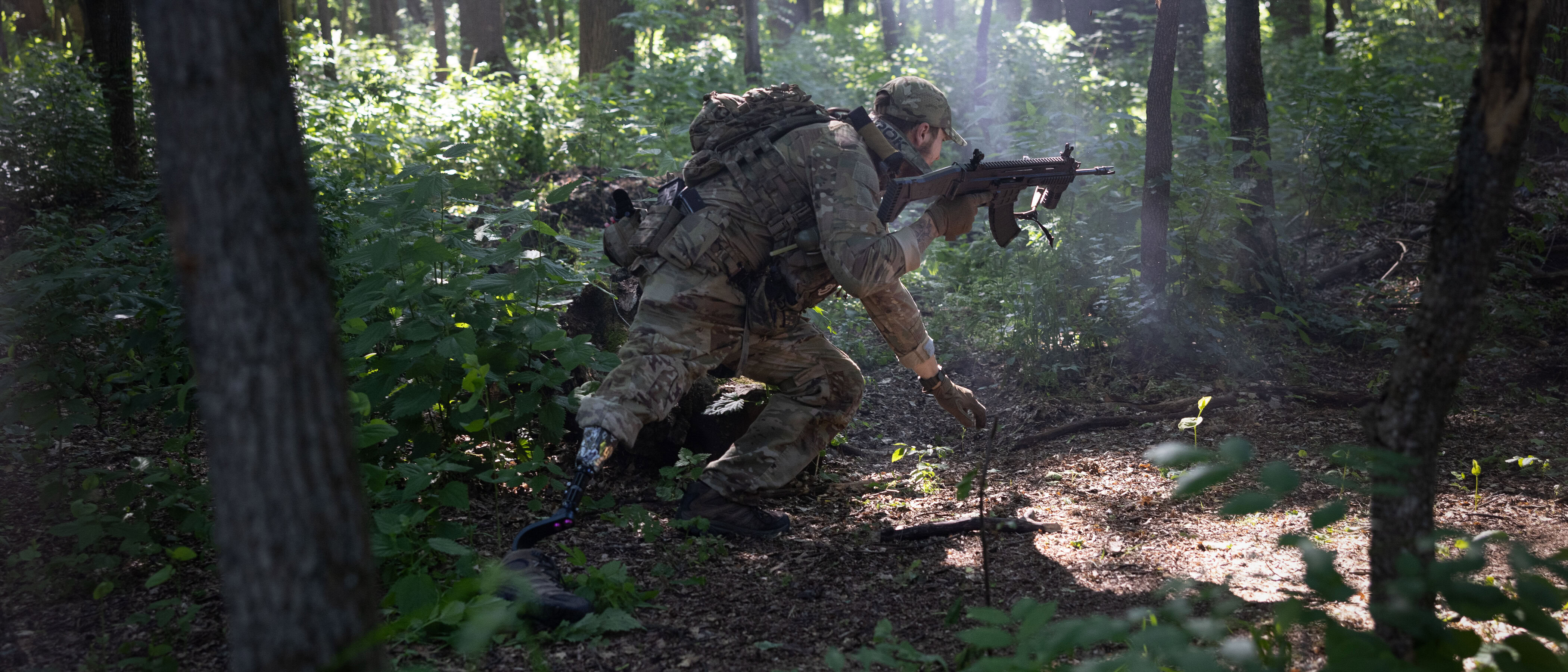
Amid simulated explosions and the buzzing of drones, cadets drill until their reactions become automatic – ready to fight and to help a comrade. They are not superheroes, but ordinary people who were recently mobilized.
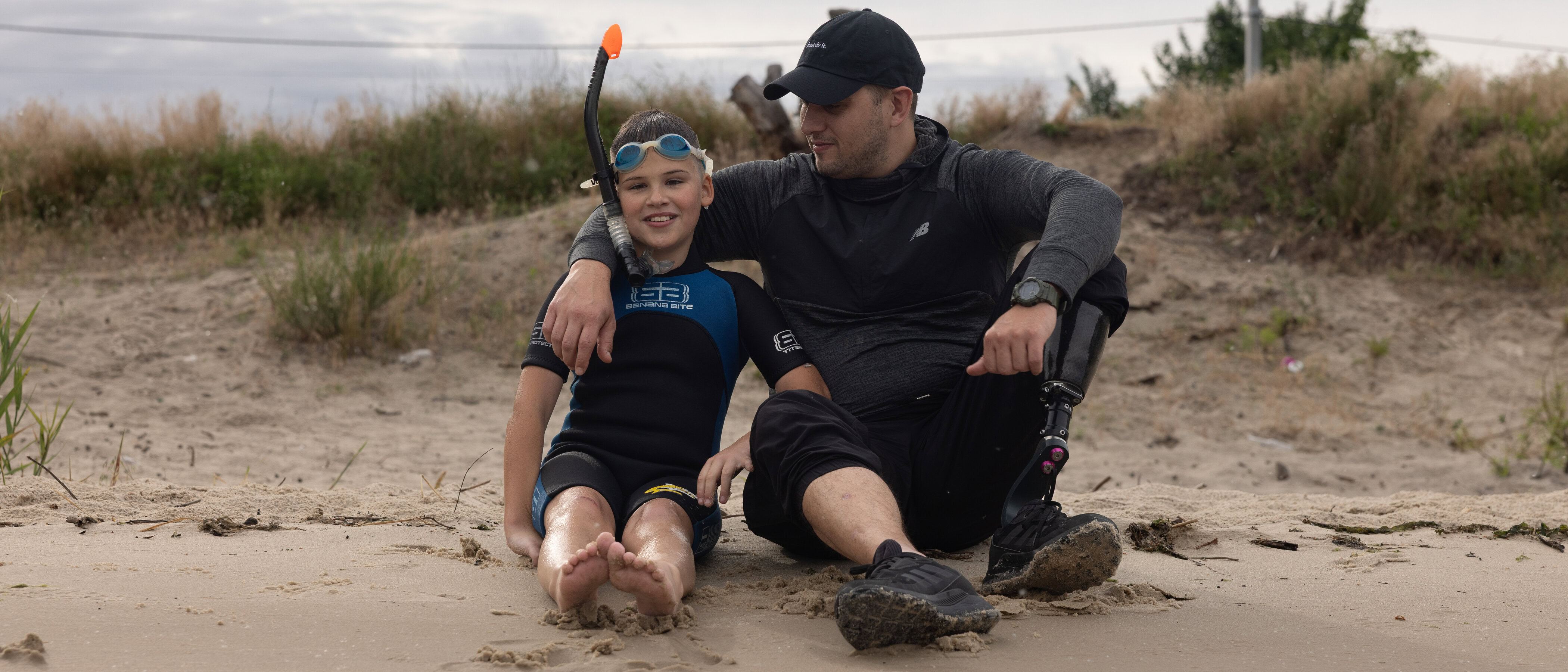
Despite amputations and severe wounds, they prove that injury doesn't stand in the way of reaching your goals. Fourteen veterans from across Ukraine entered the ring.
Khmelnytskyi is a city little known to people outside its region of Ukraine. It is not a tourist destination yet it has nevertheless become home to many service members. Though small, it has welcomed 130,000 displaced people since the start of the full-scale war.
After losing both legs, Serhii Telehera decided to train for a 42-kilometer marathon. It’s his way of challenging fate and proving that life didn’t end in a hospital bed. He may never complete the full distance, but every training session brings him closer to his goal.
What are the younger generations taught? What is the difference between national-patriotic education and the militarization of children? Seeking answers to these questions, Frontliner reporters visited the celebration of the anniversary of the founding of the public organization “Patriots 1654” and talked with its participants.
Enemy missiles and kamikaze drones approach Odesa from the sea. In the morning, Odesans head to the shoreline – to listen to and gaze into the waves with which they shared another terrifying night. Frontliner reporter Diana Deliurman reflects on how the sea has taken on a sacred meaning for Odesa’s people during the full-scale war.
About 11,000 convicts have joined the army, according to the Penitentiary Service of Ukraine. Many have distinguished themselves in battles on the most difficult sections of the front.
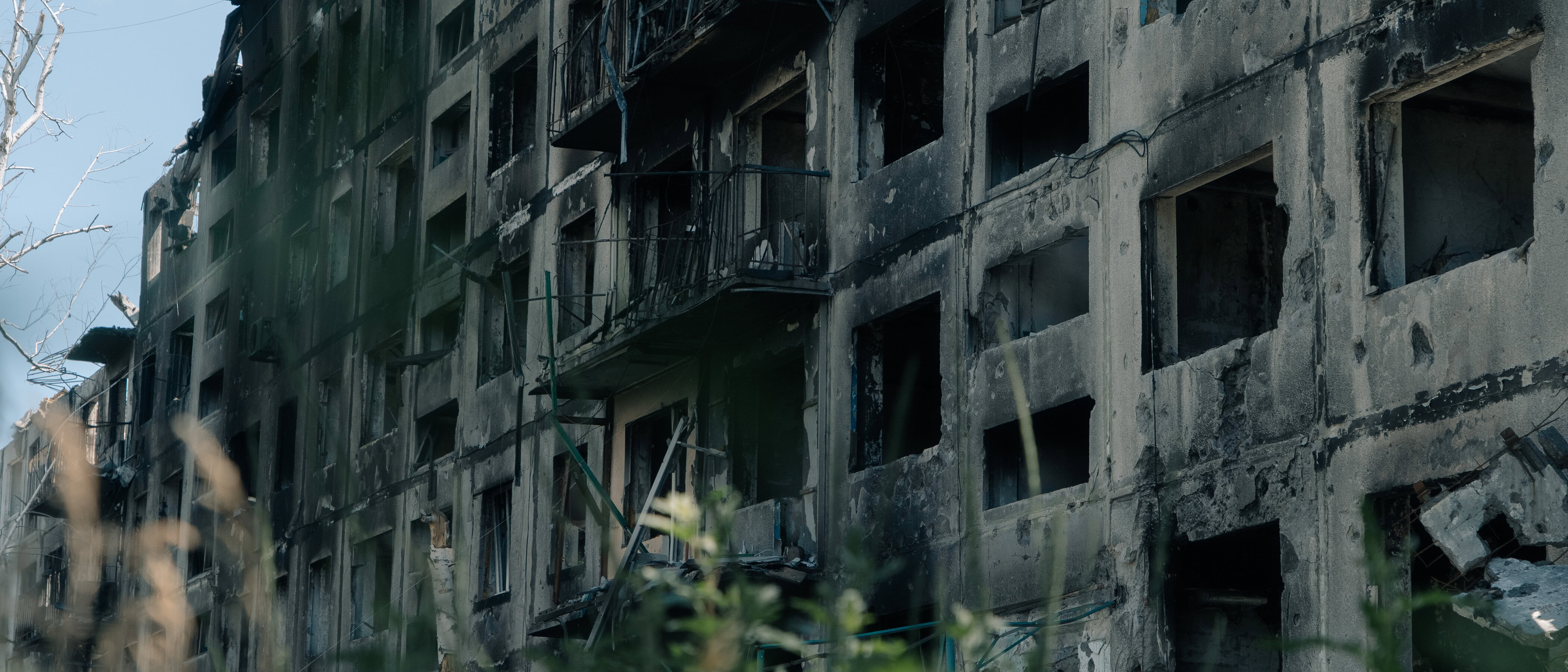
Russian shelling in Kyiv has left dozens of loved ones and neighbors dead under the rubble – losses that cannot be let go – as well as countless destroyed apartments.