The double life of opera director Oleh Tokar: Opera by day, drone hunting by night
By day, he runs rehearsals, coordinates the work of dozens of people, and makes sure performances at Ukraine's National Opera go off without a hitch. By night, he picks up a machine gun and climbs into the pickup truck of a mobile firing team with the volunteer unit Mriia. For more than four years, director Oleh Tokar has split his life between two realities: his work at the theater and nighttime hunts for Russian drones. Frontliner journalists joined the volunteers on duty to see how they defend Kyiv's airspace.
“Dear ballet artists, dear orchestra artists, please take your places. We’re beginning the first act. God be with us all,” is how director Oleh Tokar of Ukraine’s National Opera addresses the performers before every show. In a few minutes, the lights will dim, the conductor will step into the orchestra pit, and the curtain will slowly rise.

From the director’s console, the stage is fully visible. In the half-dark of the wings, where cables tangle and the heavy rigging of the moving set pieces stretches overhead, Oleh runs the show from the first bell to the final bow. Before it begins, he checks that everyone working on the performance is ready: the performers, lighting technicians, sound engineers, and prop masters. He coordinates with the conductor, checks whether an air raid alert is in effect before giving the command to begin.
“It’s very meticulous, very demanding work. From the start of the performance to the end, I control everything, down to the last chord and the closing of the curtain,” he says.

Oleh’s workday begins long before the first bell. While people are still making their way to the theater, the performers are already warming up in the ballet studio. Hours of work on the performance lie ahead. He coordinates replacements if artists fall ill. If the blocking changes, he restructures the performance so the audience never notices.
Managing the show is my favorite part of the job. Afterward,
the music keeps playing in my head until morning,
along with details I had to stay on top of,
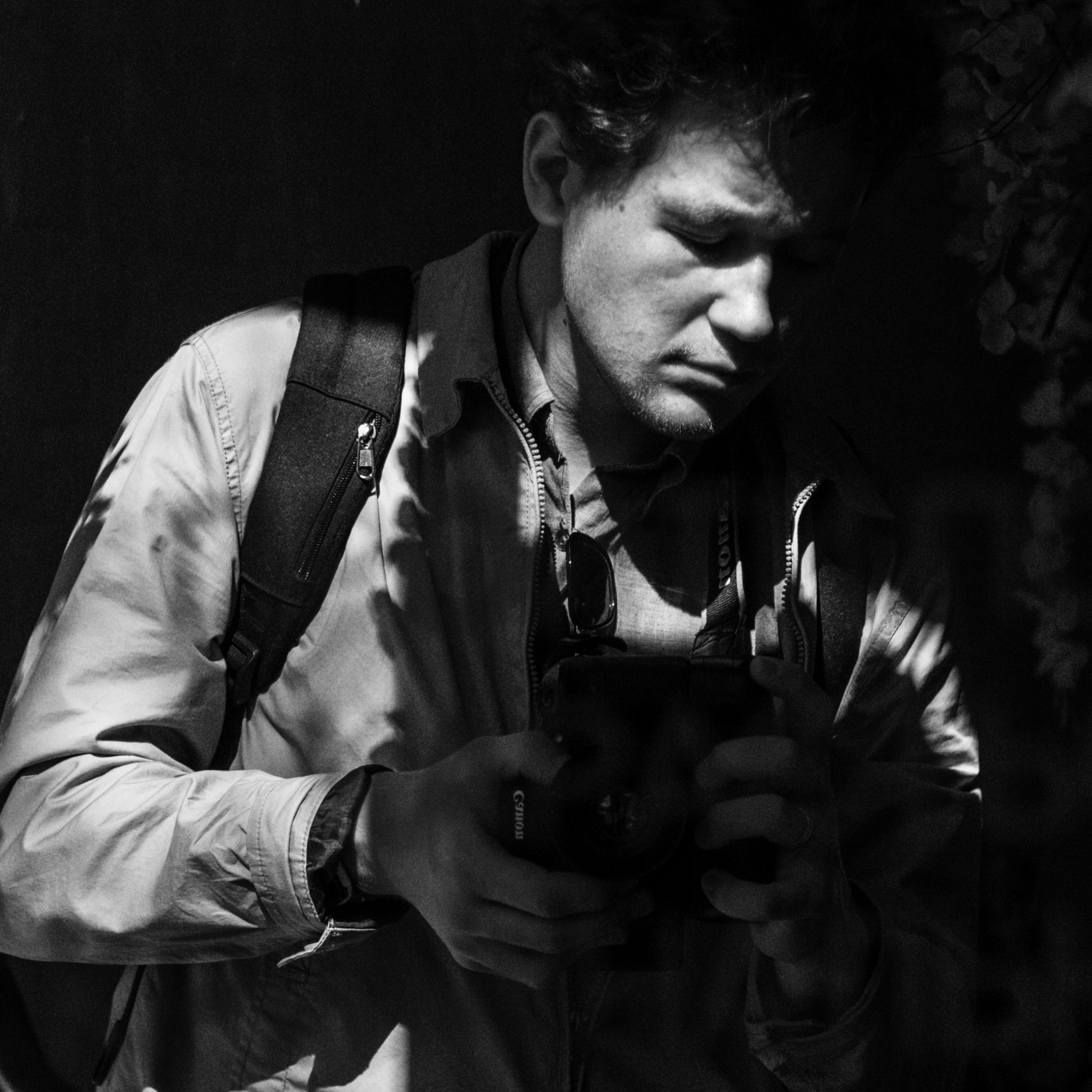
Oleh Tokar has spent nearly his entire life in the theater. He studied in Kharkiv before moving to Kyiv at age twelve, where he attended the Kyiv Choreographic College. He then joined Ukraine’s National Opera. He spent twenty-four years on stage, performing lead roles before moving behind the scenes.
There’s no comparing
that feeling to anything else.
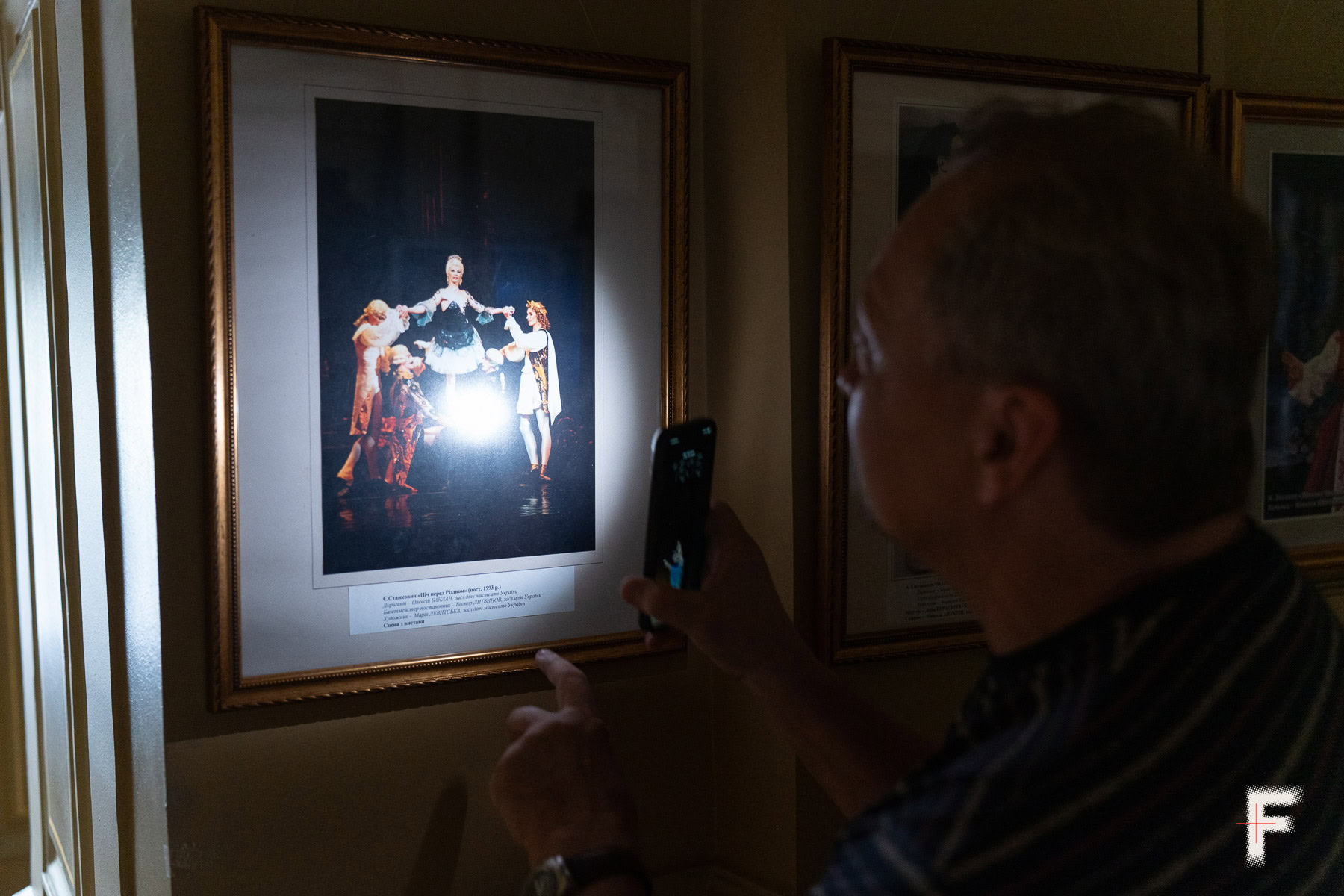
“When I was a performer, what I loved most was that moment when you step onstage and feel like everything depends on you right now. There’s no comparing that feeling to anything else. But ballet dancers retire from the profession very early,” he says.
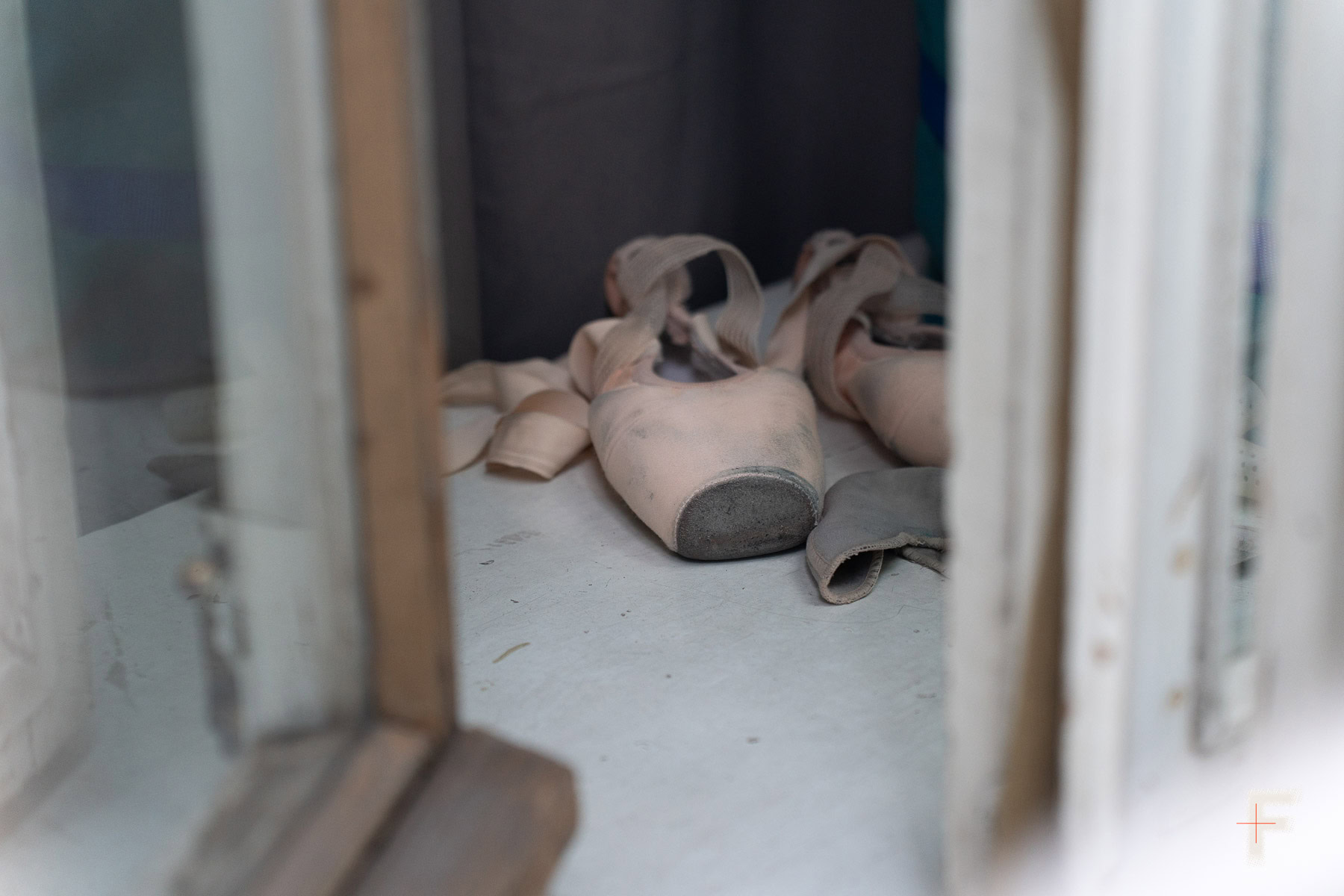
A dancer’s career is short, since the physical toll it takes is too great to sustain for long. Although Oleh eventually stopped performing onstage, the theater remained the center of his life, and he stayed on as a director.
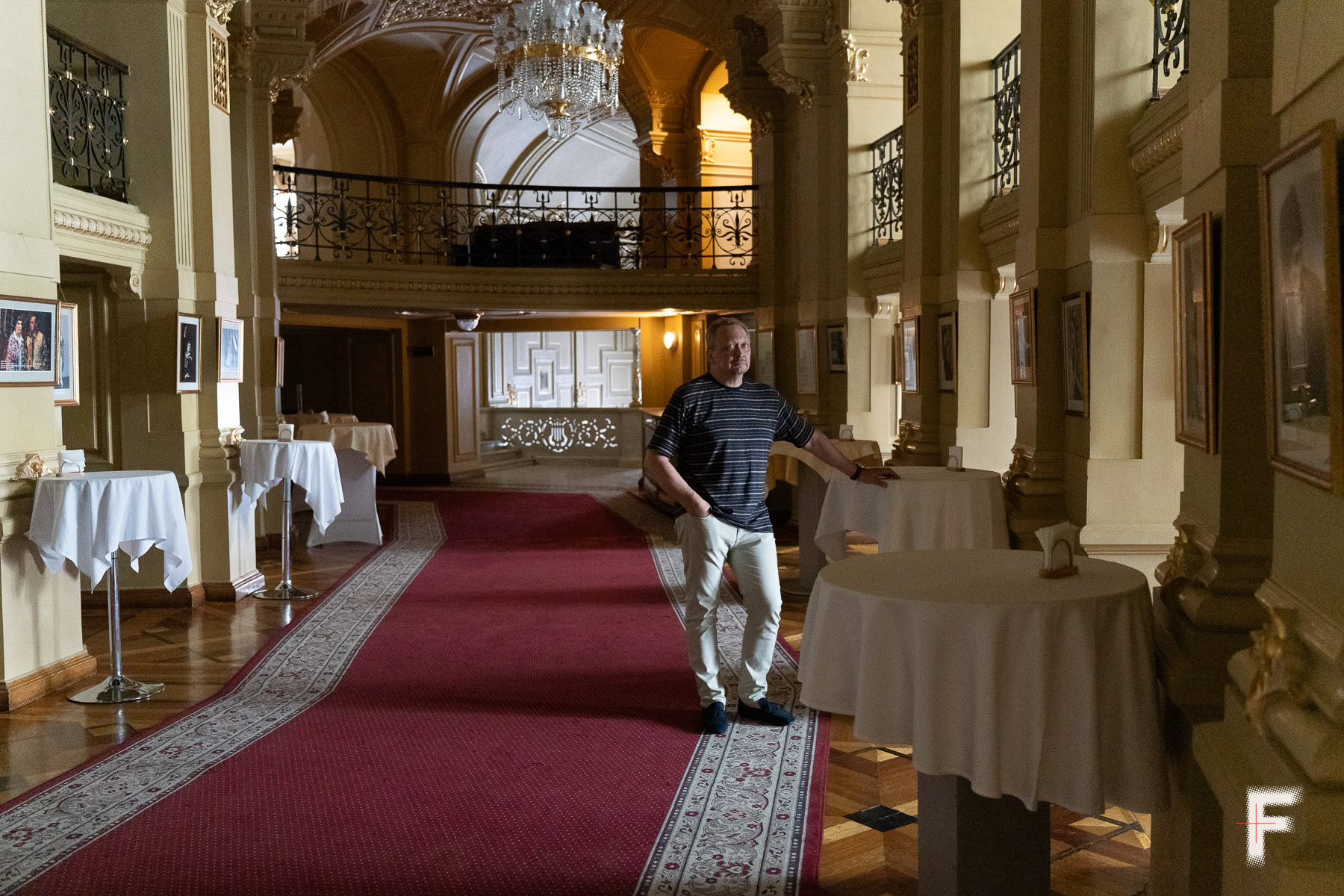
“Now I don’t go onstage anymore, but I feel for every performer. Before, I was only responsible for myself. Now I’m responsible for the whole show. It’s a different kind of responsibility, a different way of looking at the theater, but my love for it hasn’t changed,” Oleh says.
After more than forty years working in opera, he’s used to living by the theater’s schedule. But his day doesn’t end after the performers take their final bow. Oleh trades one workplace for another.
Second shift
A night shift awaits with the mobile firing team of the Mriia Volunteer Formation. He has served there as a volunteer machine gunner for more than four years. Alongside air defense units, he helps defend Kyiv’s skies from Russian attack drones.
The drive from the theater to the duty post takes less than an hour. The bright lights of the city center give way to the darker outskirts, and instead of stage cues, the occasional radio transmission crackles through.

On night duty, Oleh visibly changes. The soft tone of the theater disappears from his voice, replaced by short commands, sharp focus, and battle-ready composure. He keeps glancing at the screen showing the current air situation.
“They’re coming in again, f***. Shaheds, from the north. See?” he says, pointing at the monitor. That means the conversation could break off at any moment, cut short by the order to move out.
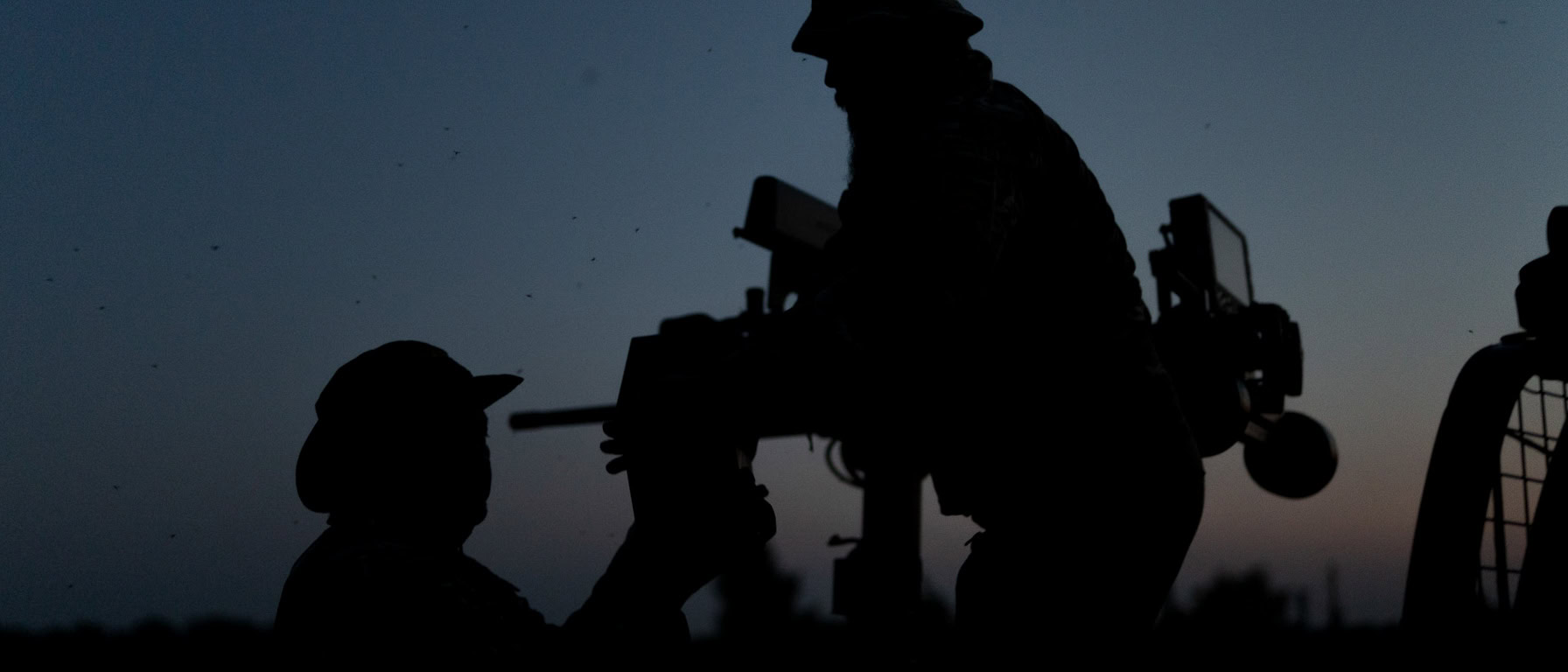
Around 11 p.m., the order finally comes to head to the combat position. The crew takes their places: the driver starts the vehicle, the operator activates the targeting system, and the machine gunner readies for action. By regulation, they have only a few minutes to reach their assigned position.

Back at the start of the full-scale invasion, mobile firing teams operated almost blind. They searched for targets visually, sweeping the sky with searchlights and trying to spot Russian drones in the dark. That approach has since changed. The crew receives information on the aerial target’s route, the operator tracks its movement on a tablet screen, and the system helps aim the machine gun in the right direction.

We used to work with a searchlight out in the field.
That’s no longer effective. Now we have SkyLock:
we see the target in real time, get data through radar, and aim,
The callout doesn’t last long. The crew tracks the target, but this time they don’t have to open fire: the drone leaves their area of responsibility. They pass the information to the next mobile firing team, and the volunteers head back to base to wait for the next call.
Even if they don’t fly over us, that still counts as an achievement.
They know we’re here, and they factor that in,
Between two realities
Almost every morning after a full shift on duty, Oleh comes home for only a few hours. He manages to get a little sleep, then heads back to the National Opera. He’s lived at this pace for more than four years now. He says the hardest part isn’t the night callouts or the lack of sleep. It’s having to switch between two completely different realities every day.
If a performance and a duty shift happen to overlap on the same day, his brothers-in-arms cover for him for a few hours. Oleh drives to the theater, manages the performance, and on the way to the position stops to pick up something for his fellow volunteers to have with their tea.

“For me, that’s the hardest part. There, I have to run the performance well so everything comes together. Here, I have to do my job and not let anyone down. Sometimes on my way here, I’m replaying in my head what I could have done better at the theater. Then I arrive, and I have to switch completely,” Oleh says.
Over time, Oleh has noticed that the theater and night duty have more in common than it might seem. In the theater, dozens of people work to make sure the audience never notices a single misstep. The same principle applies on combat duty. Everyone has a role, but if needed, they can get behind the wheel, work as the operator, or take up the machine gun.
“In the theater, I have to make sure every department works as one. It’s the same here. If needed, we all cover for each other. We’re a team,” he says.
All the volunteers on the mobile firing team have civilian jobs. Illia Iziubenko works as an operator at Nova Poshta, Volodymyr Brazhnyk works in manufacturing, and Oleh reports to the National Opera every day. At night, they go out to defend Kyiv’s skies without pay. They often cover the cost of fuel, vehicle repairs, lubricants, some of their gear, water, and even food out of their own pockets.
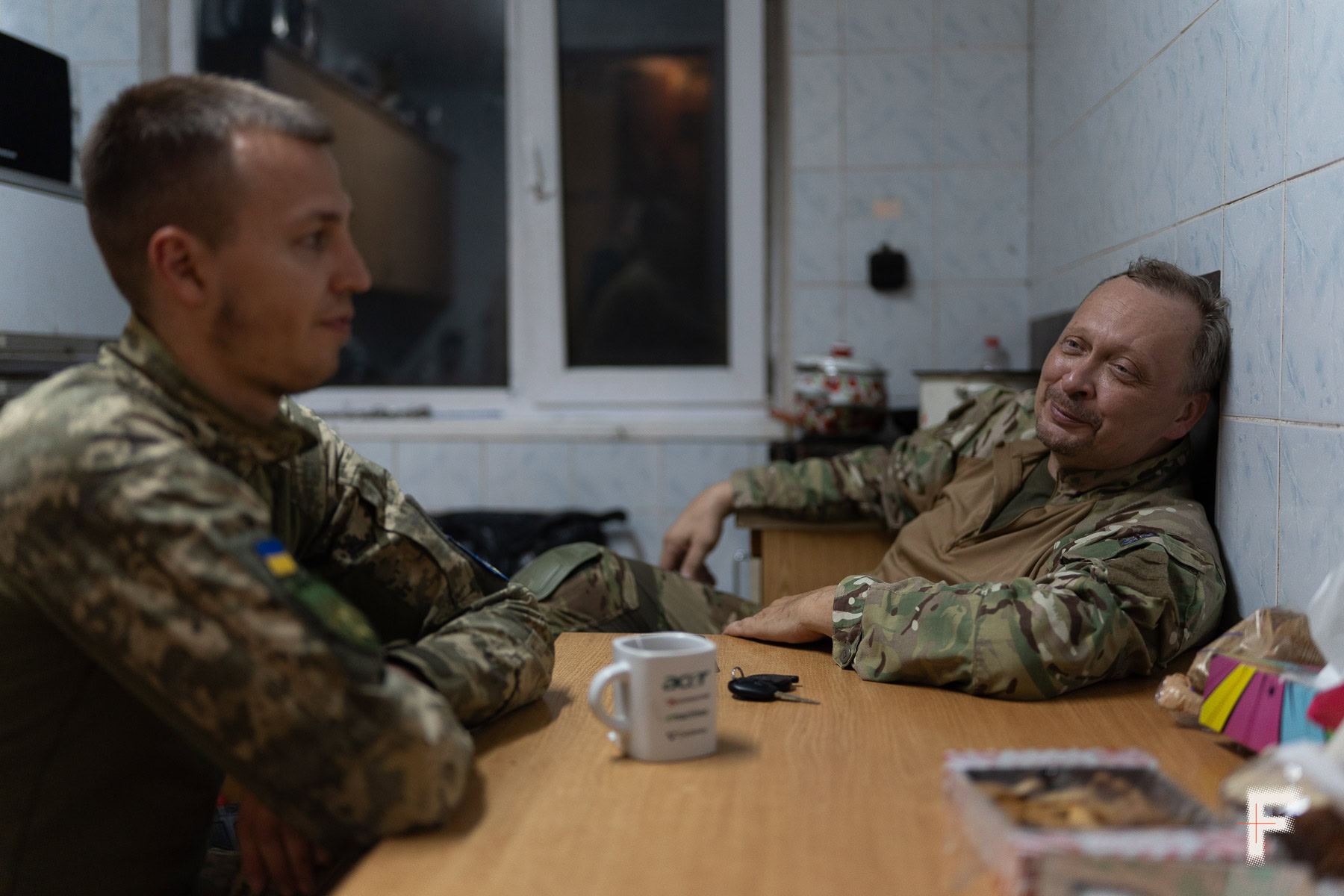
“We’re not heroes. We’re ordinary people who have families. We’d love to just sit and watch TV right now. But someone has to do it. If not us, who?” Oleh says.
At the start of the full-scale invasion, he joined a volunteer formation to help stop the enemy. Over four years, his motivation has changed. Now, Oleh says, it’s no longer just about duty. It’s also about the people he spends nearly every night beside. Together, they go out on combat missions, wait for orders, come home in the morning, and know that in a critical moment, they can rely on one another.
“People say: ‘You could just leave.’ We could. But if I stay home and hear a drone flying overhead, I’ll know my guys are out there on duty. How would I ever look at myself in the mirror if I didn’t go? I trust them, and they trust me. Together, we are the defense,” he says.
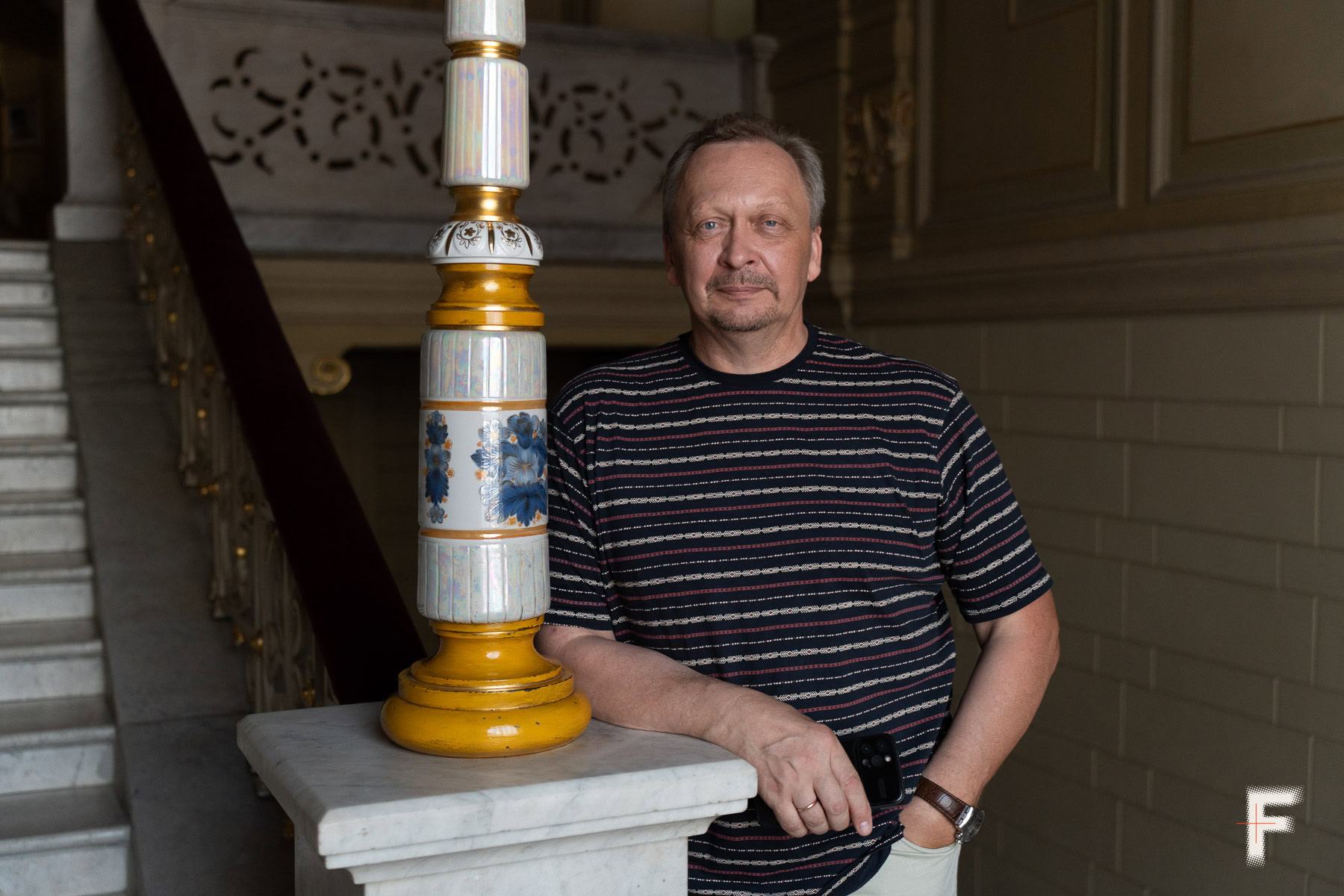
The theater hasn’t disappeared from Oleh’s life, but the war has changed its place in it. He works at the National Opera, then heads back on duty. He’s grown used to this rhythm by now: there’s a job to see through to the end, and that’s motivation enough to report for duty again.