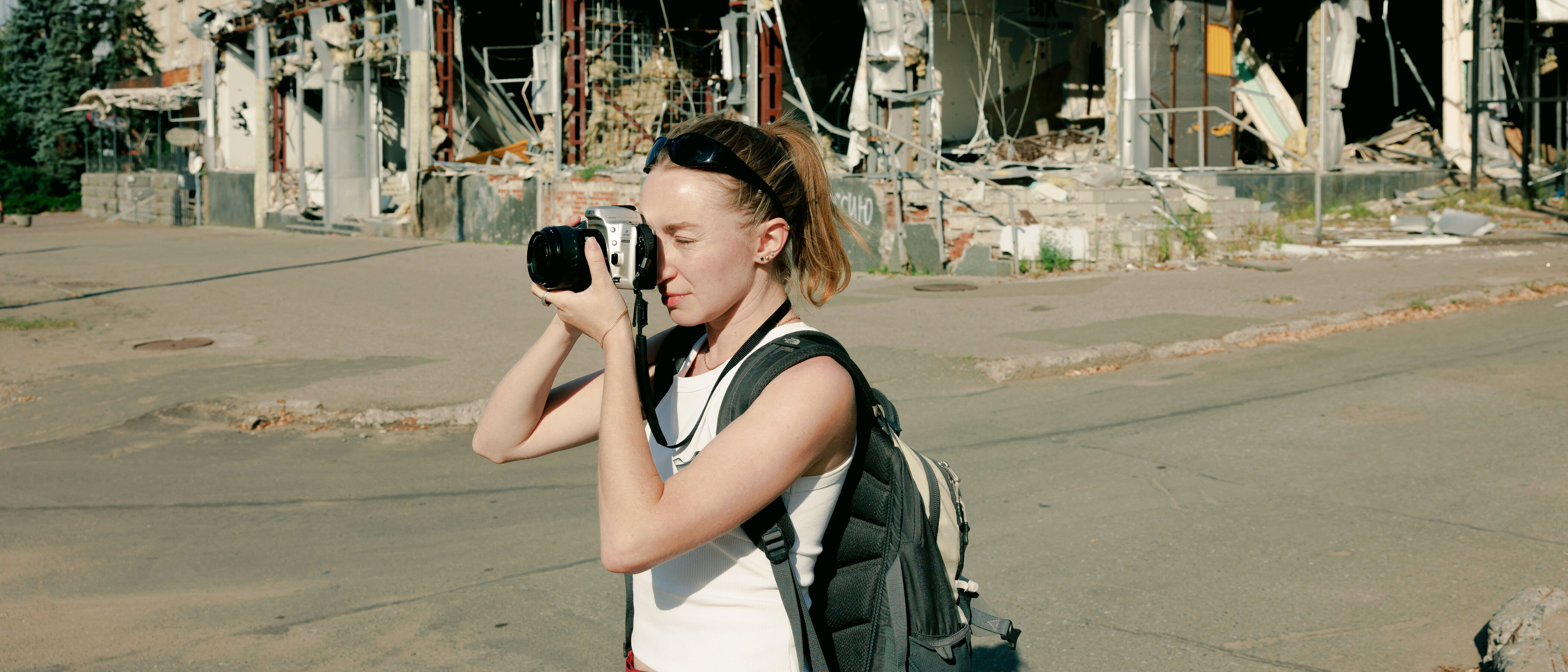
Kramatorsk and Sloviansk: Drones, roses, the beach and a life that needs remembering
In Kramatorsk and neighboring Sloviansk, Russian drones hunt cars and guided bombs destroy homes every day, but at the same time, people still go to the lake, tend their roses, drink coffee and fall in love. By the summer of 2026, only a few kilometers separated these two realities, the front and everyday life. A Frontliner reporter spent five days in these cities, experiencing them up close for the first time rather than through the news.
“How am I supposed to live without Kramatorsk?” Olha asked while making me a coffee. She had spent almost her entire life in the city. When I arrived, she was still working at her coffee shop in the city center, but was already preparing to close it. I spent less than a week in Kramatorsk, but ever since I left, I have found myself returning to that question again and again.
I had long noticed how little coverage Kramatorsk and neighboring Sloviansk received in Ukraine’s major media outlets. I myself knew almost nothing about these cities, beyond the fact that Russian forces were advancing in their direction. Then someone asked me whether Kramatorsk had already been occupied. That really got me thinking.I wanted to finally experience the city firsthand, talk to local residents, and find out how they saw this part of the country, and how they believed it was seen.
I’m on the Lviv-Lozova train, traveling from one end of the country to the other. One end I’ve known since childhood; the other, I’ve never seen. There is no longer a direct connection to Kramatorsk, and recently the train has stopped going as far as Lozova. So I have to get off in Barvinkove and take a bus from there to Kramatorsk.

I arrived in the evening, as the sun was already beginning to set. The city has suffered extensive damage: ruined and abandoned buildings with shattered windows, burned-out cars, and scars left by shelling. On some streets, there is almost no sign of life. At times, faint bloodstains can still be seen on the asphalt, a sign that someone was recently killed there.
Despite all this, the sunset in Kramatorsk took my breath away. The evening light covered the city in gold, softened the damaged facades and, for a few minutes, offered a glimpse of what life here had once been like. Since then, it has been my favorite time of day in Kramatorsk. But when the sun went down, that sense of beauty disappeared with it. In the morning, there were new burned-out cars and damaged buildings: reminders of what had happened during the night.

I immediately noticed the huge Ukrainian flag when I first arrived in Kramatorsk. Imagine a city under daily bombardment, FPV drones flying overhead, and above it all, a giant Ukrainian flag waving in the wind. It gives everyone who sees it a sense of reassurance.
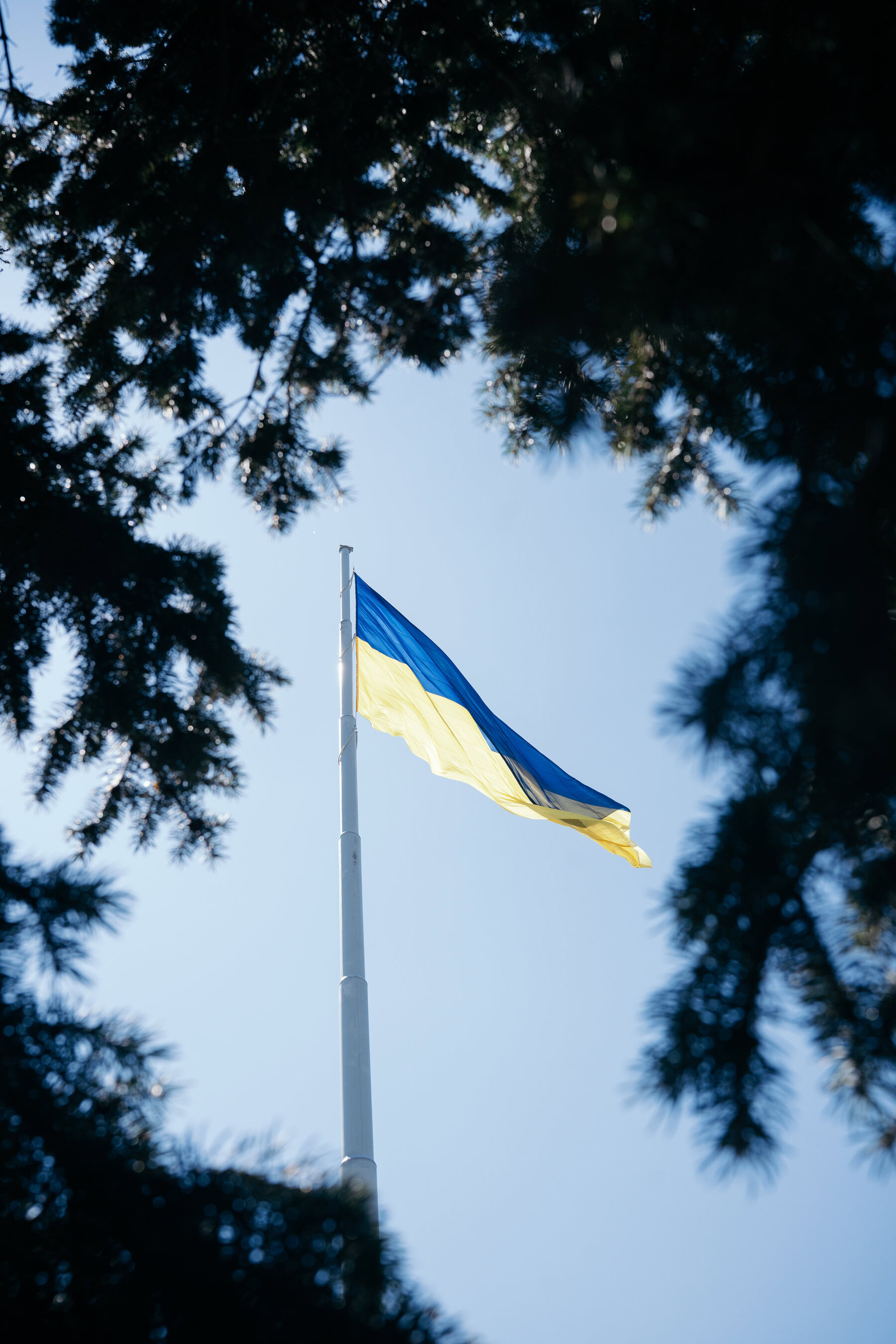
So it is no surprise that the Russians keep trying to take it down. It’s happened several times before: the flag would be shot down, and within a few days it would be back in its place.
This time, I watched it happen again. I was tracking a Russian drone on a drone detector, watching on the screen as it moved closer and closer to the flag. It was painful to watch. Moments later, the image disappeared, followed by the sound of an explosion.
A city of blooming roses
Russian FPV drones also target cars, making it particularly dangerous to drive around the city. The first time I took a taxi, a Russian drone approached us just a hundred meters into the journey. It hovered in front of us briefly before suddenly turning away.
I asked the driver:
“What are we going to do?”
“Let’s have a smoke!” he said, laughing nervously.
I burst out laughing too, perhaps out of sheer relief that we narrowly escaped death.
A few days later, I had stopped flinching at every explosion. The tension, however, never left. It sat somewhere inside me, making it difficult to breathe deeply. I began to distinguish the buzz of drones from the sound of guided bombs and artillery, and I learned how to move through the city more carefully. I was starting to understand its unwritten rules. That was when I started noticing more than just the things that could kill me.
“This is a city of blooming roses!” Olenka told me later, when I pointed my camera at her and asked her to tell me something about Kramatorsk. She is 26 and moved here from Kyiv to be close to the man she loves, who is serving in the military.
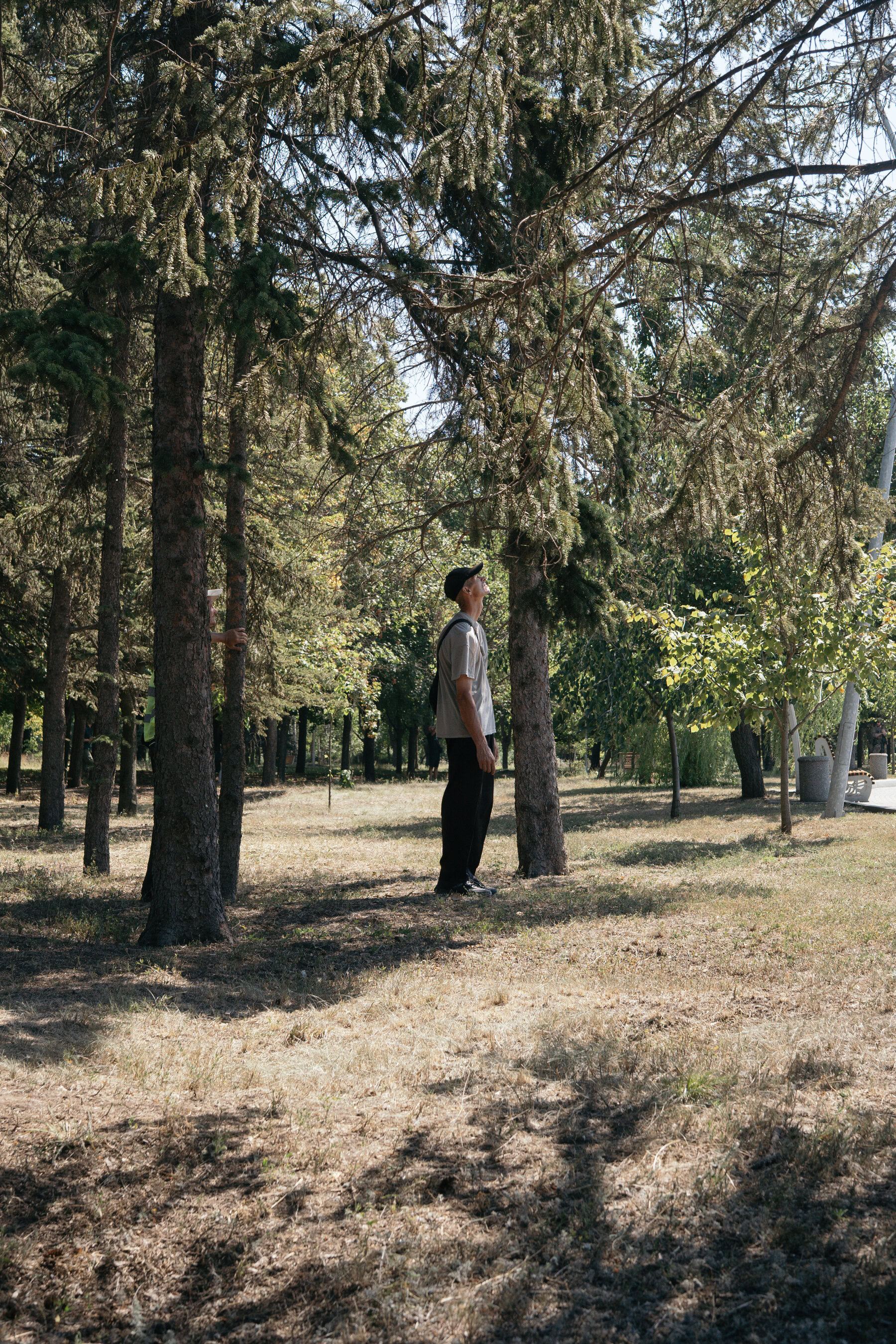
The roses are in fact everywhere: the city is in bloom. Municipal workers and residents alike continue to care for them. Even now, as Kramatorsk comes under shelling every day, someone is still watering the flower beds and trimming the bushes.

When the people who live here explain what keeps them in Kramatorsk, a hometown for some, a home for others, I find myself becoming increasingly attached to the city as well. Olha struggles to hold back tears and doesn’t know how to begin packing. Olenka speaks sadly about the approaching time when she will have to leave the city too.
I, meanwhile, have already received a reminder from Ukrzaliznytsia about my Lozova-Lviv train.
Drones in the sky, people in the water
Olenka and I take a bus to neighboring Sloviansk: to its salt lakes, sandy beaches, “healing mud” and non-alcoholic beer. I had heard about the legendary resort long before and had always dreamed of visiting it.
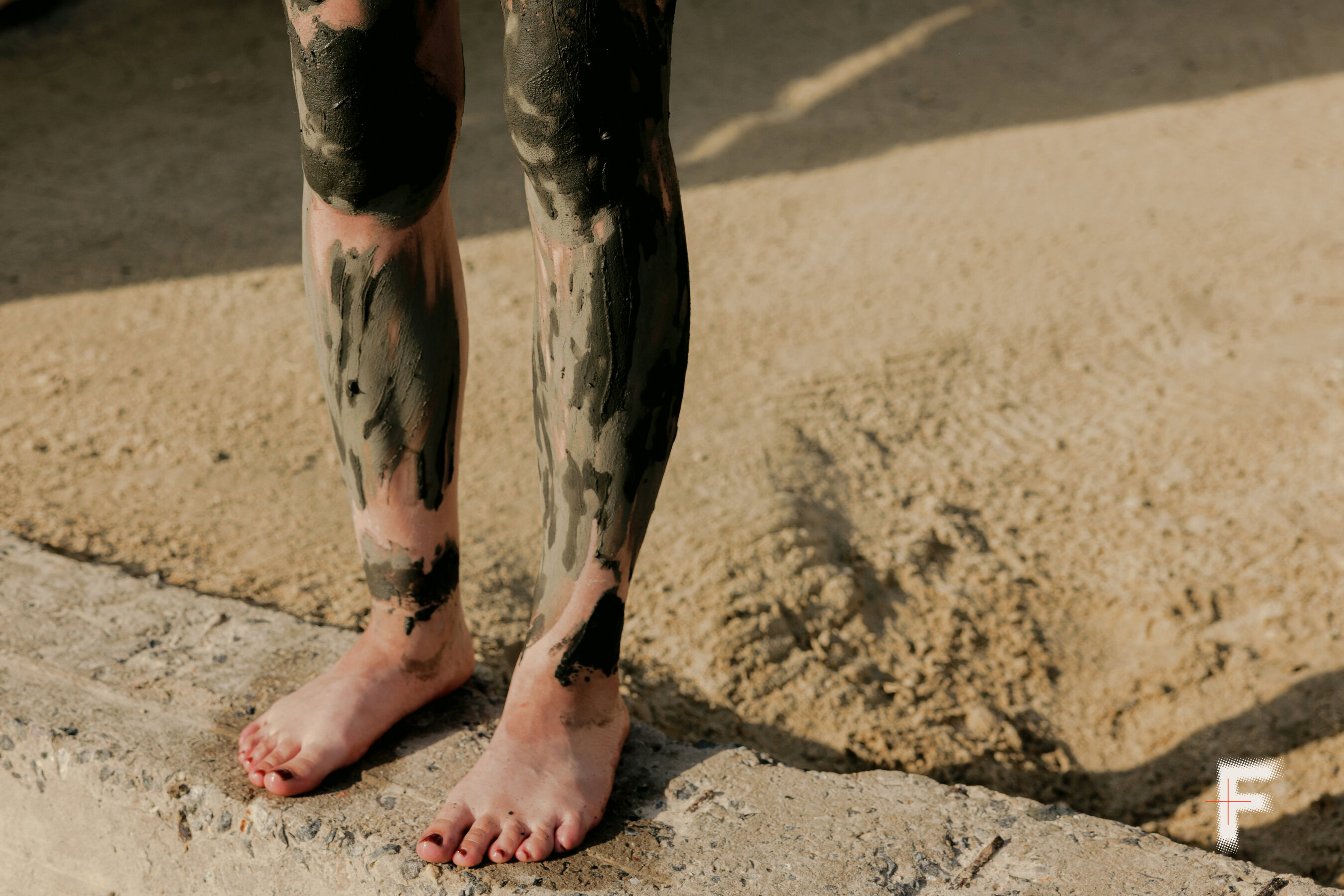
When we arrived, I saw a strange scene that seemed completely disconnected from the days before. People lounged beneath straw umbrellas, some splashed in the water, and older women covered themselves in foul-smelling mud.

We grabbed a couple of sun loungers and ran straight into the water. I wanted to try everything, so after swimming, I smeared the mud all over myself too, and then had a lemon-flavored non-alcoholic beer.
I heard a drone overhead. At first, I could barely distinguish it from the birds circling over the lakes.
“Smile, we are on camera,” someone said.
The drone flew away. An explosion sounded somewhere nearby, and a moment later, smoke began to rise from behind the trees by the beach. Almost no one reacted. Olenka and I went swimming. I was starting to understand the local rhythms.
Falling in love with these places turned out to be remarkably easy. But what was I to do with that feeling now? It was a long-distance love. All I could do was watch from afar as Russia destroyed something that had recently become close to my heart.

After I left, Olha’s coffee shop closed. Russia destroyed the Nova Poshta branch where I picked up my photographic film, and Pereidalnia eatery, where I had the best Kyiv-style cutlet of my life. The war also forced the Zaboi showroom to close, that was the place where I bought a T-shirt with the outline of the Donetsk region, so oversized that three of me could fit inside it.
[Ed. note: Nova Poshta — Ukraine’s largest private postal and parcel delivery service, known for continuing operations in frontline regions and often among the last services to withdraw before a city falls to Russian forces.]
I don’t know if I will ever see these cities again the way I saw them for the first time. Maybe that is why I tried so hard to remember them.
Kramatorsk. Sloviansk. Why did we only meet now?
***
Hi, I am Yuliia, the author of this article. Thank you for reading to the end.
Every story starts with your support. Join the Frontliner community so we can keep up documenting Russia’s war against Ukraine from the front line and the rear.
***