
The sound of war: How the 33rd Mechanized Brigade’s sound ranging platoon operates
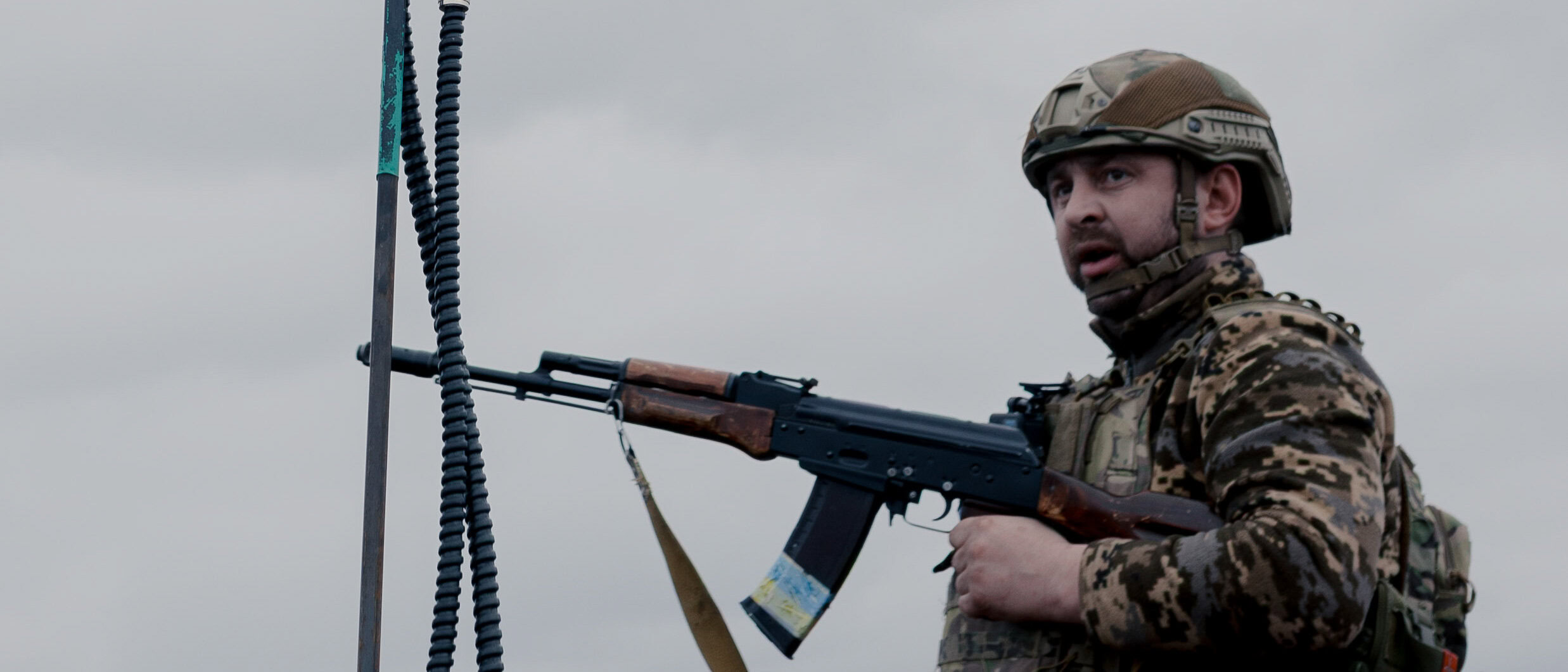
Soldiers of the 33rd Mechanized Brigade utilize modern sound ranging systems on the Kupiansk front. They differ significantly from outdated Soviet-era equipment and enable the detection of enemy artillery at ranges of up to 40 kilometers. Despite the constant threat of Russian FPV drones, the work of these operators helps destroy targets along the front on a daily basis.
In a field just a few kilometers from their positions, 33rd Mechanized Brigade soldiers Serhii Rodinchuk and Andrii Polivka map out a route to the site where they will set up sound-ranging receivers. They plan the route in advance, accounting for weather conditions, muddy terrain, potential observation points, and the threat of FPV drones that could appear at any moment.


At designated locations, the soldiers install antennas equipped with batteries and small computers that process the signals. All components operate as a unified network, transmitting data to a base station. The software then determines the firing direction and approximate distance to the equipment that fired. According to Andrii Polivka, the longest distance from which enemy artillery has been detected is 40 kilometers.

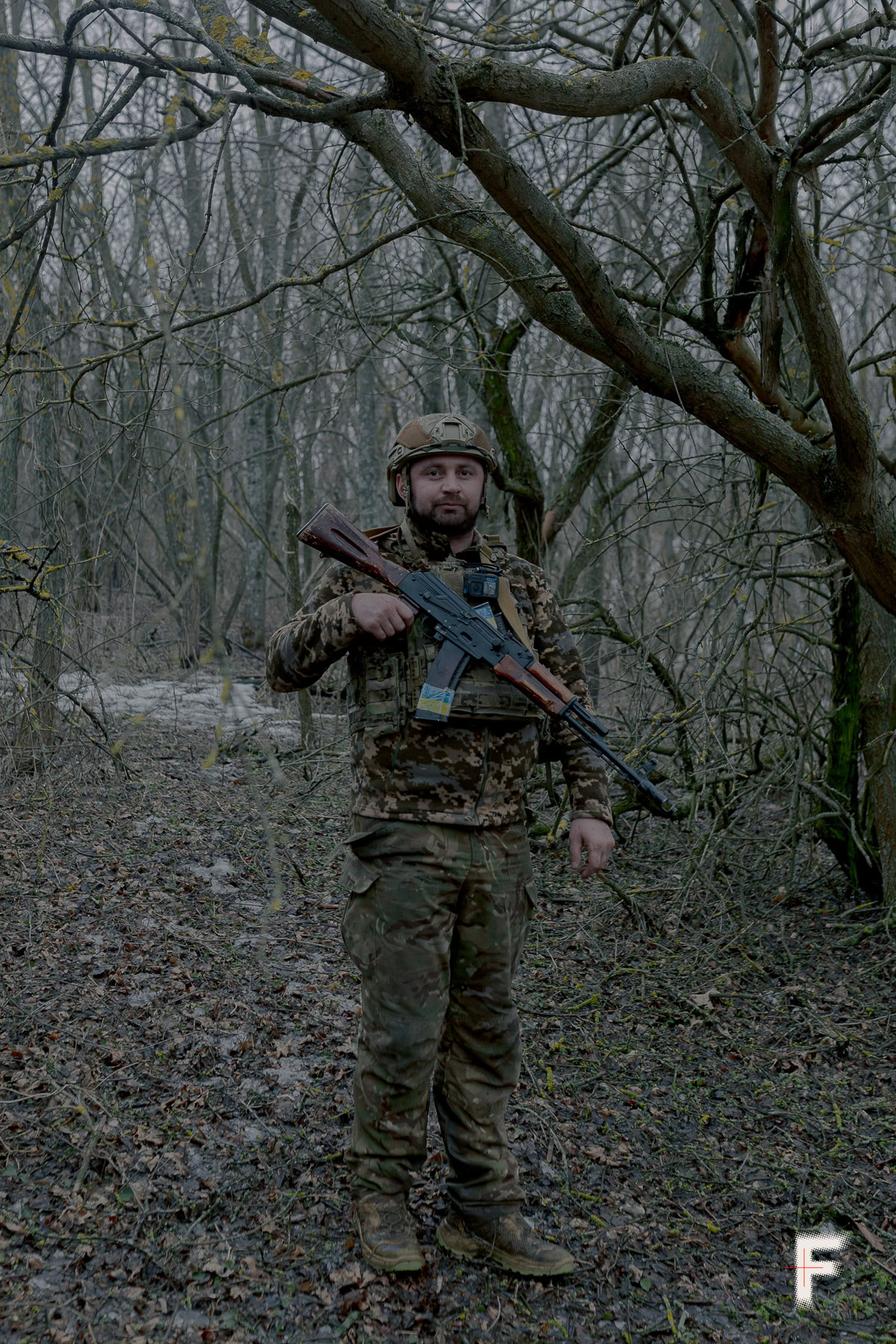

Beside one of the receivers, Andrii checks the equipment, including battery status, connections, and antenna alignment. Weather conditions affect sound, and equipment may malfunction or shift, requiring repeated setup. As a result, these field missions occur regularly.
“In winter, it is every two days, and in summer, every five. It is dangerous as FPV drones are constantly flying in this area. This week, it has been every day,” Andrii explains.


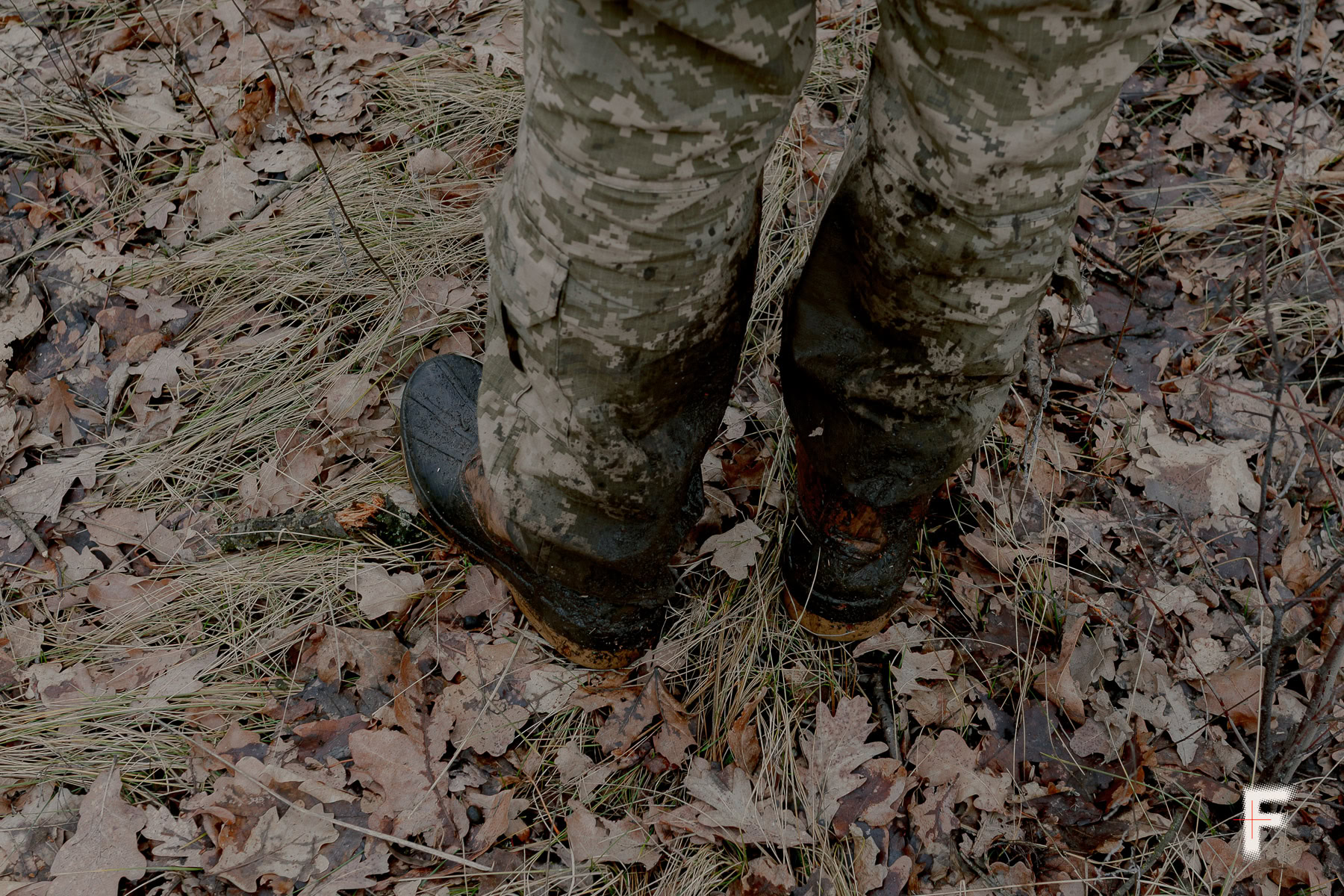
After completing their check, the soldiers quickly leave the site and return to their positions. In the field, they have no cover, so if drones appear, they must wait out the threat.
“We went out to work this morning, and as we reached one of the receivers, two FPV drones flew over our heads. We quickly dashed into a treeline and waited. One circled for a bit before flying away. The second one did the same,” Serhii recalls.

Andrii notes that the threats they face extend beyond FPV drones. The soldiers often embark on missions without communication, and the enemy can appear unexpectedly.
“Once, the enemy caught us by surprise and captured a sound ranging group. I cannot go into detail, but it just shows once again how vulnerable this work is,” Andrii says.


The collected data is transmitted to an artillery reconnaissance command post, where it is analyzed and cross-referenced with other sources. If the information is verified, reconnaissance drones pinpoint the target before artillery strikes.
“Two days ago, we detected an enemy cannon. We passed along the coordinates, and it was destroyed,” Serhii says.
According to the soldiers, sound ranging work has changed significantly in recent years. Previously, equipment was installed on old vehicles, such as the GAZ-66 truck.
“Back then, it was less accurate. Nowadays, we have computers, and that is a huge difference,” Andrii adds.
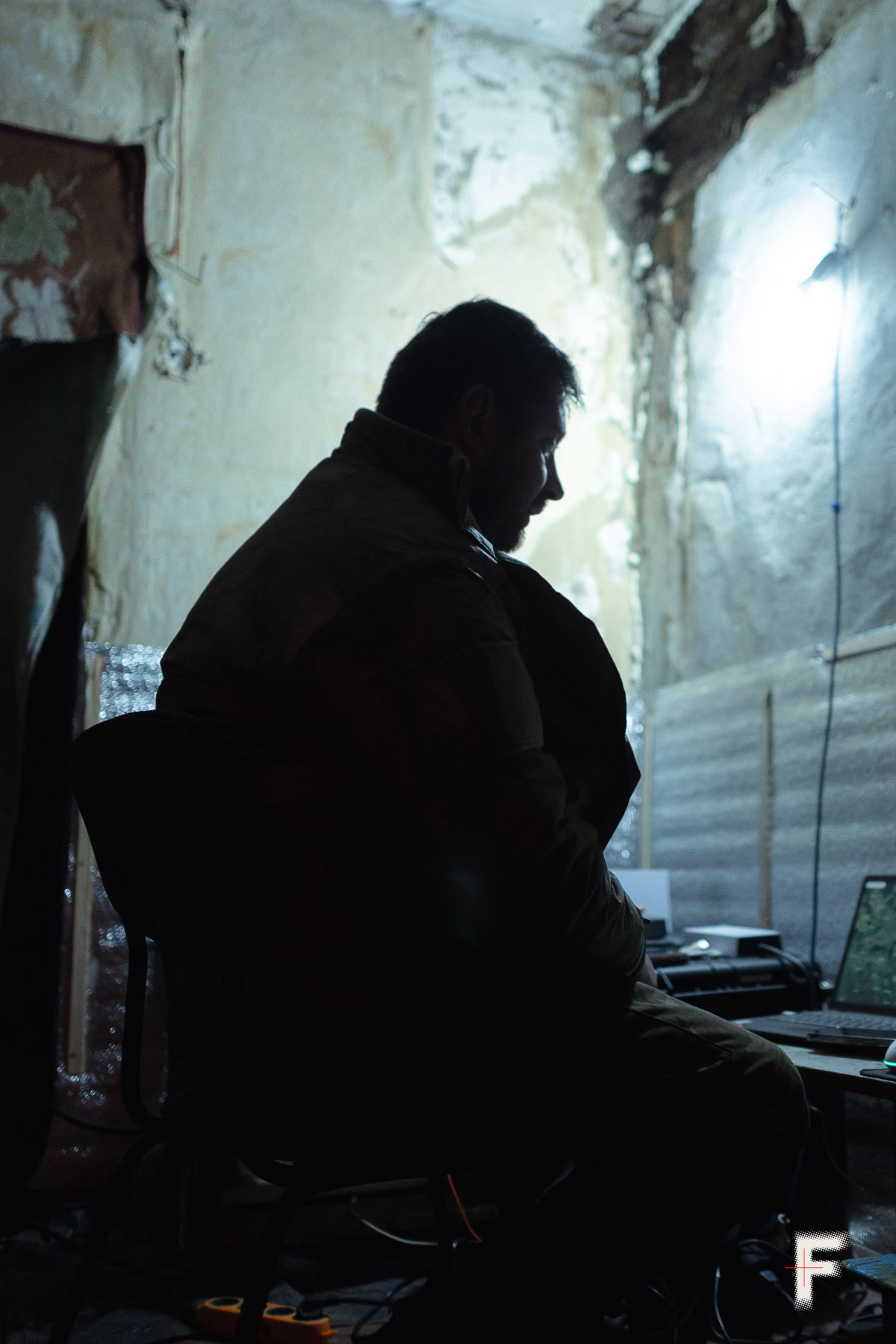
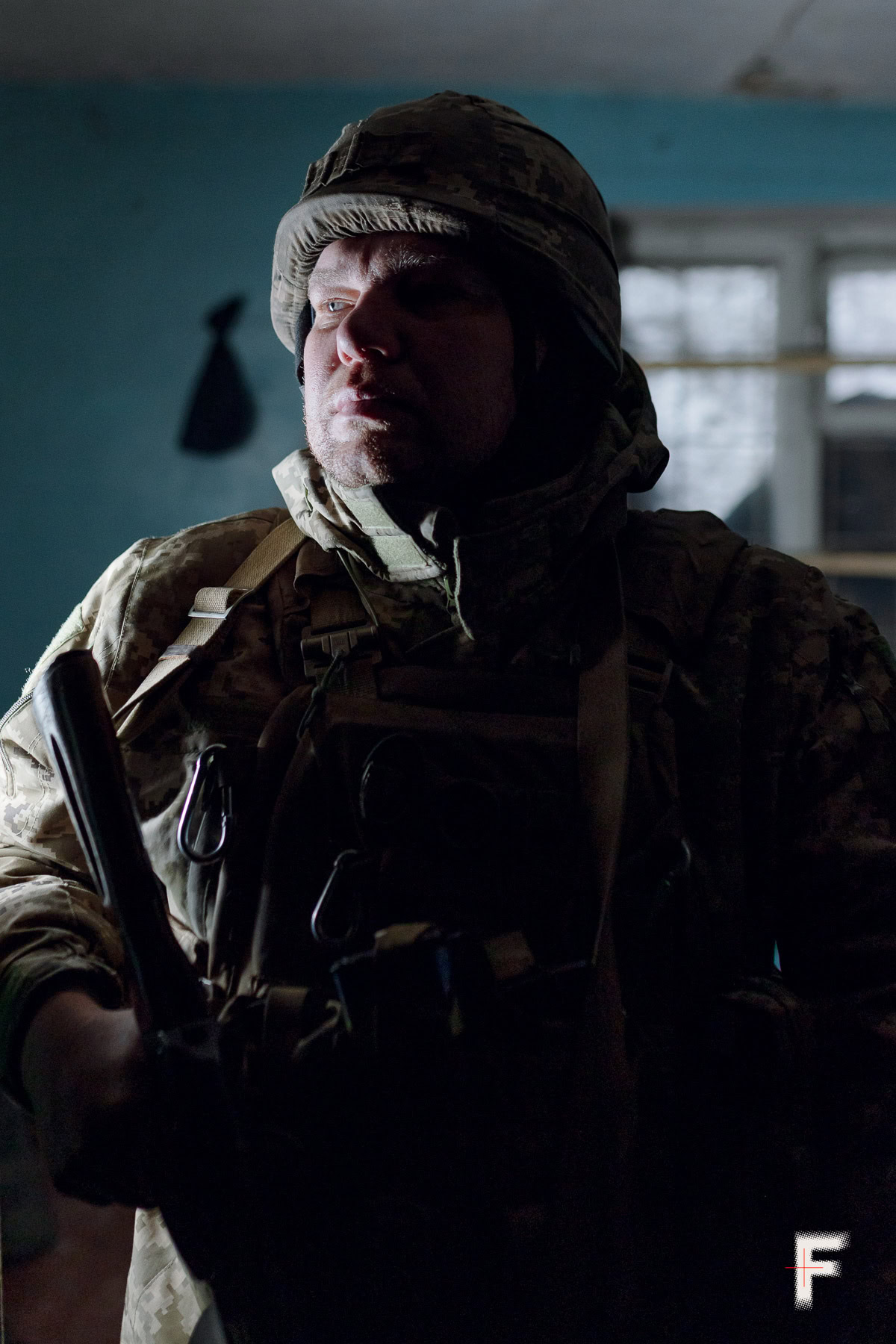
Despite the risks, these field missions remain a regular part of their daily work. The equipment demands a continuous human presence in the field — without it, the system would not work. Serhii says that for the soldiers, this has become routine, with everyone knowing their job.
“You have to enjoy your work. If you don’t, something is wrong. For me, knowing that every sound we record today could become another step toward destroying the enemy is satisfying.”

***
Sound ranging is one of the least conspicuous yet critically important elements of modern warfare. Field missions to maintain the system are conducted regularly amid the constant threat of FPV drones. Although soldiers face increased danger, the detection and subsequent destruction of enemy artillery depend directly on this work.
Every story starts with your support. Join the Frontliner community so we can keep up documenting Russia’s war against Ukraine from the front line and the rear.
***


