Over 8,000 drones a month: How strike intensity across Ukraine has changed and what to expect this winter
Over the course of a year, Russia has systematically restructured its large-scale combined attacks on Ukrainian rear cities. The types of targets, strike scenarios, and weapons have evolved, with the primary goal ultimately shifting from exhausting air defense to destroying civilian infrastructure. Frontliner examined how Russia’s large-scale combined attacks on Ukraine’s rear cities have changed over time, as well as how effectively Ukrainian air defense has intercepted incoming targets, to explain what has changed over the past year and what threats these developments pose to Ukraine.
The evolution of Shahed drone attacks
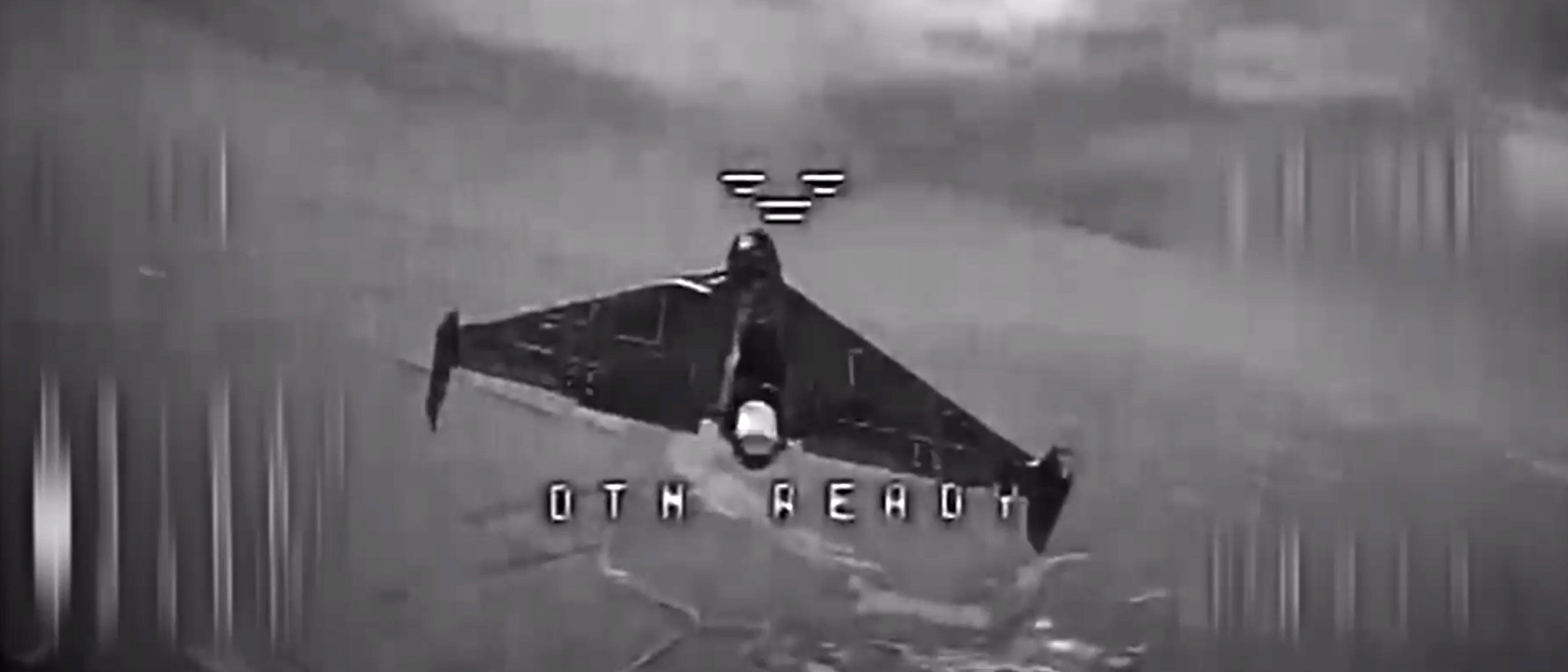
On October 17, 2022, Russia launched its first massive Shahed attack on a city with a population of over one million. 28 UAVs attacked Kyiv, five of which struck the city’s infrastructure and residential buildings. Three years later, on the night of October 17, Russia launched more than twice as many drones at Ukraine — 70 in total. Just six months later, on April 17, 2026, this number more than doubled again, reaching 172 UAVs of various types. Shaheds — or their Russian designation “Geran” — have become a routine part of daily life for Ukrainians. Few civilians now respond to air raid alerts triggered by Shahed swarms. Yet over nearly four years of use, these drones have significantly evolved in scale, quality, warheads, and employment tactics, making them increasingly dangerous. How have this weapon and its deployment methods changed?

1. There has been a rapid surge in the number of Gerbera and Parodiya decoy drones. Currently, their share during large-scale UAV attacks reaches 35 to 40 percent. These numbers are driven by low production and material costs. A ‘Gerbera’ costs between $2,000 and $3,000 — up to twenty times cheaper than an attack drone. According to open sources, a Shahed-136 costs $50,000 to $70,000. Throughout 2026, Russia plans to produce approximately 60,000 attack UAVs and about 50,000 decoy drones, meaning that nearly half of the drones used in attacks will be decoys. As a result, while the overall cost of drone strikes will decrease, their effectiveness could actually increase. Ukrainian air defense systems cannot distinguish between attack drones and decoys, making this increase in air targets a major challenge for Ukraine.
2. The introduction of jet-powered modifications such as the ‘Geran-3’ and ‘Geran-4’, which reach speeds of up to 500 km/h, currently making it impossible for Ukrainian interceptor drones to shoot them down.
3. Drones equipped with mesh networks are more resistant to Ukrainian EW. Radio control via mesh modems reduces the effectiveness of Ukrainian electronic countermeasures.
4. Upgrades to Kometa antennas, used in attack drones, increase strike precision.
May 2026 set an all-time record for the number of Russian UAVs launched — 8150 in total. In June, however, this number dropped to 5749. As of July 19, 2026, 2955 Russian UAVs have been launched. Despite claimed increase in drone production rates, the overall launch trend is declining. Several factors may be contributing to this:
- Depleted stocks and the need for drone stockpiling following the record-breaking May.
- Strikes by the Defense Forces of Ukraine on Russia’s military-industrial complex involved in UAV development and manufacturing.
- Potential supply chain disruptions for components from China and other countries.
- A possible repurposing of production lines toward jet-powered UAVs, which is temporarily slowing production rates.
The key questions are: Will Russia be able to quickly restore and scale up its production capacity to maintain a high tempo of drone attacks? Will strikes by the Defense Forces of Ukraine on Russia’s military-industrial complex cause the number of launched drones to decrease? And can the decline in the number of drones launched be considered a trend that will continue into the autumn?

If the Defense Forces of Ukraine continue regular, successful strikes on Russian UAV manufacturing and assembly plants, while the Ukrainian defense industry scales up the production of jet-powered interceptor drones to counter swarms of decoys and attack UAVs, the number of drone attacks on Ukraine is likely to gradually decline.
Ballistic missiles
It is the ballistic component that saw the most dramatic increase over the past year.

There are several reasons for this surge in ballistic missile strikes: increased domestic missile production in Russia, established procurement and modifications of North Korean ballistic missiles, as well as the acquisition of foreign electronics bypassing sanctions to accelerate missile assembly in Russia.
Another important factor is a more than twofold increase in the production of S-300/S-400 missiles. These missiles, originally meant for air defense systems, are now actively used by Russia against ground targets. They are cheaper compared to Iskanders, mass-produced, and very difficult to intercept due to their flight profile.
According to the Defence Intelligence of Ukraine, Russia is capable of producing up to 100 ballistic missiles per month. In February 2026, Russia launched 121 ballistic missiles in a single month — a record at the time. Moreover, in the first 20 days of July alone, reports from the Ukrainian Air Force show that Russia has already launched 107 ballistic missiles. Thus, twice in 2026 (in February and July), Russia’s missile usage has exceeded its monthly production capacity.
Why the situation escalated
Partly, this is tied to the crisis in Ukrainian air defense — specifically, the shortage of PAC-3 missiles for the Patriot systems. Even though Ukrainian soldiers have significantly optimized PAC-3 usage by learning to destroy a target with a single missile instead of two or three, the supply of interceptors remains insufficient. Of course, one could cite partners’ reluctance to supply interceptors, political bickering, or an illuminati conspiracy, but there is a simple mathematical explanation for this.
Lockheed Martin, the manufacturer of interceptor missiles, can produce up to 52 PAC-3 missiles per month. Meanwhile, Ukraine is targeted by over 100 ballistic missiles a month. On top of that, during large-scale attacks, the enemy also uses ground- and sea-based cruise missiles, aeroballistic Zircon missiles, and Kh-22 and Kh-32 anti-ship missiles, which also need to be intercepted.
In other words, to repel Russia’s large-scale attacks, Ukraine would need to receive three times as many PAC-3 missiles as the company can currently produce per month.
The good news is that Lockheed Martin plans to increase production to 166 missiles per month, which could significantly improve the situation if all produced missiles were supplied to Ukraine. However, the bad news is that the company does not expect to reach that production rate until 2030.
How Ukraine plans to address this problem
During the NATO summit, U.S. President Donald Trump promised Ukrainian President Volodymyr Zelenskyy that the United States would grant Ukraine a license to produce interceptor missiles. Meanwhile, the president of Lockheed Martin said it was too early to discuss transferring such a license to Ukraine, as the company was still in talks with the U.S. Army.
Concurrently, during a meeting of the Coalition of the Willing, Zelenskyy requested 300 interceptor missiles from allies. According to estimates, this should be enough to last through the winter. However, no final decision has been made yet regarding the transfer of such a quantity of PAC-3 missiles.

What to expect this winter?
Based on trends from January to June 2026, the upcoming winter will depend on three key factors.
1. Russia is likely to maintain its ballistic missile production rate at 100 – 120 missiles per month and will deliberately continue its strategy of depleting Ukrainian air defense. This means planning large-scale attacks in such a way that ballistic missiles, alongside cruise missiles and drone swarms, reach targets in a single city simultaneously to overwhelm air defense.
A separate issue is addressing the shortage of PAC-3 interceptor missiles capable of shooting down ballistic targets. New interceptor supplies are not expected until 2027, meaning that days with zero ballistic interceptions could become a regular occurrence.
2. The drone component, despite a temporary decrease in June 2026 (5,749 compared to 8,161 in May), does not necessarily indicate a strategic or systematic decline. Russia plans to produce approximately 60,000 long-range UAVs and nearly 50,000 decoys per year, meaning it could deploy an average of around 9,200 drones per month. The active use of jet-powered Geran-3/4 drones will complicate the work of mobile fire groups, placing additional strain on air defense systems.
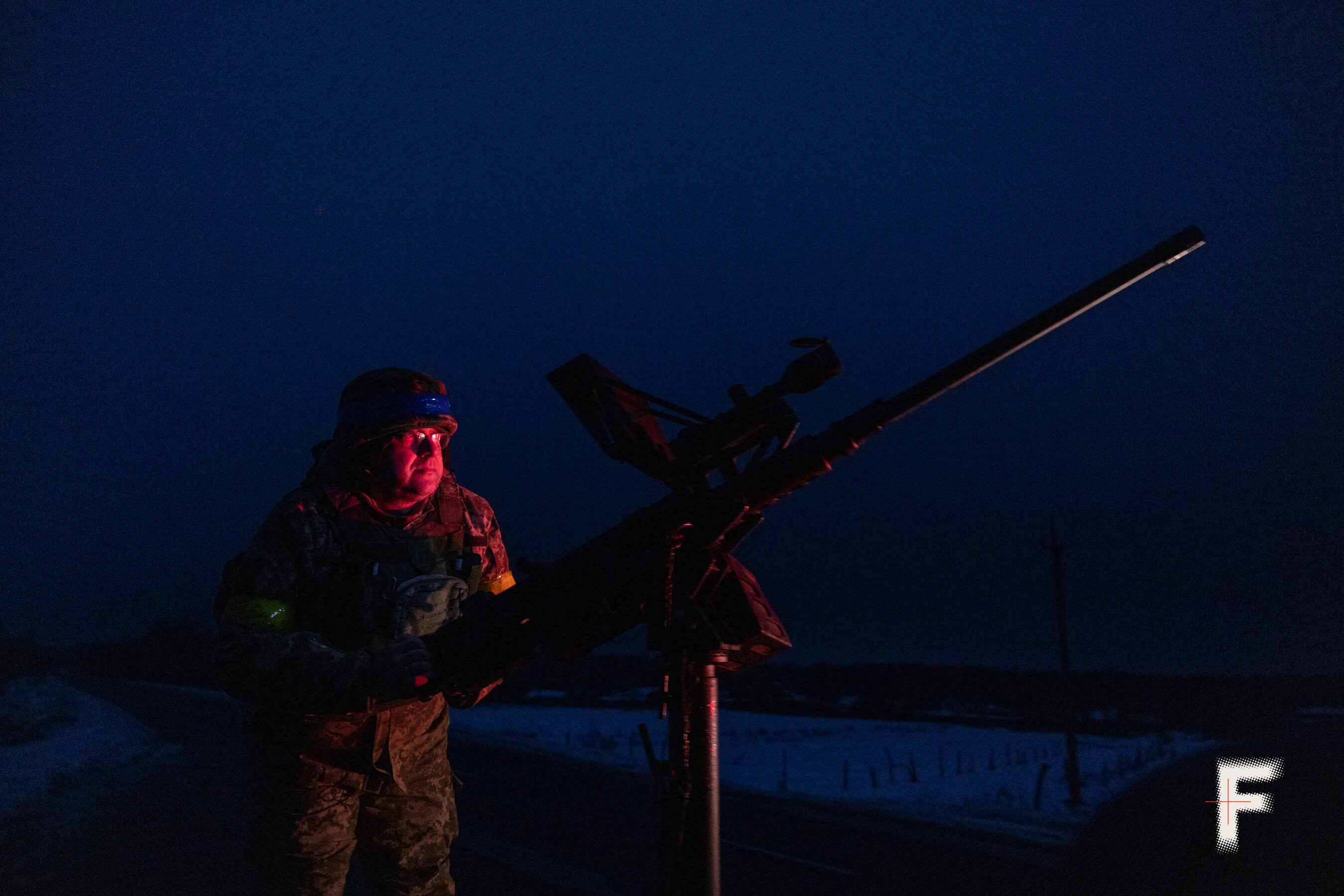
3. A decisive factor is Ukraine’s success in scaling up its own countermeasures. Establishing and increasing the production of Sting interceptor drones, FP-7 ballistic missiles, and FP-5 Flamingo cruise missiles — leading to systematic, effective strikes on Russia’s military-industrial complex — could partially ease the impact of large-scale winter attacks. However, if strikes on factories prove insufficient or unsuccessful, and supplies of interceptor drones do not grow, the second half of 2026 will be extremely challenging for the entire country.
Over the past year, large-scale combined attacks on cities in Ukraine’s rear cities have changed significantly. Shahed drones remain a mass-deployed and psychologically draining weapon, yet they are becoming increasingly less lethal thanks to Ukrainian countermeasures and improved interception capabilities. Ballistic missiles, on the other hand, have turned into a genuine tool of terror — one for which Ukraine currently lacks a ready solution, both in terms of quantity and technology.
The key battle is unfolding on assembly lines and in negotiation halls: whether the collective West will manage to scale up PAC-3 production, whether Ukraine can strike plants of the Russian military-industrial complex effectively enough, and whether Russia’s production and economic potential will be depleted before Ukraine runs out of interceptors and missiles.