‘You’re like a friend, like a brother to them’: How a hospital relocated from Luhansk region helps veterans
Instead of sterile exam rooms, there were bare rented walls, rags and buckets of water. On their first day in Ukrainka, the team from the Siverskodonetsk hospital scrubbed the run-down building themselves so they could start seeing patients as soon as possible. Diagnostics, an inpatient ward and rehabilitation gradually took shape. As the flow of wounded soldiers grew, the team saw something else: veterans needed help not just with their injuries, but with paperwork and tracking down the right specialists. So the team built the Space of Care (Prostir Turboty) to take that weight off their shoulders. Frontliner journalists went to see how it works.
There was no existing building the team could simply walk into and start seeing patients. So the relocated Siverskodonetsk hospital team rolled up their sleeves, picked up rags and got to work organizing its new workplace in Ukrainka, in the Kyiv region.
“We arrived and were horrified. There was nothing. But everyone who showed up changed their clothes and started washing the walls, windows and doors themselves,” says Oksana Andreikiv-Morozova, the hospital’s acting director.
Before the full-scale invasion, this hospital was one of the largest multidisciplinary medical facilities in the Luhansk region. After relocating in 2023, the team had to rebuild the hospital almost from scratch: finding funds for repairs and equipment, adapting a rented building for medical use, and gradually restoring services for patients.
The relocation significantly changed the makeup of the team. Some team members could not continue working in Ukrainka, going instead to other regions where they found housing and work. For those who followed the hospital, housing remains the most acute problem.
“We’re all internally displaced persons, we don’t have our own housing. Renting here is quite expensive. People often stay where it’s cheaper, or in communities that provide free housing,” says Andreikiv-Morozova.

All this makes it hard for the hospital to attract new staff, even as the flow of patients keeps growing, especially those recovering from combat wounds and injuries. The hospital is nonetheless working to strengthen its rehabilitation branch, seeking recovery experts, occupational therapists and psychotherapists.
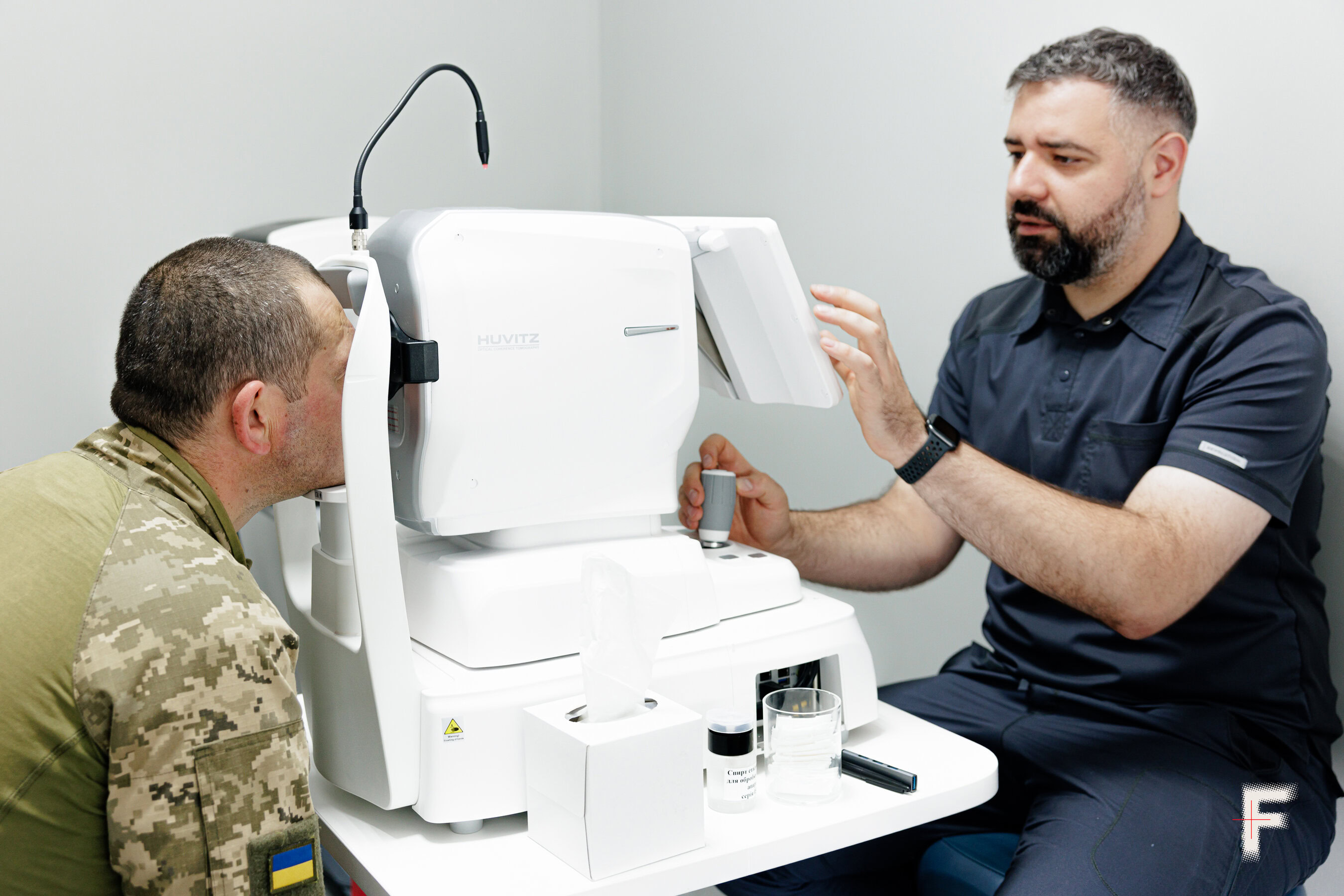
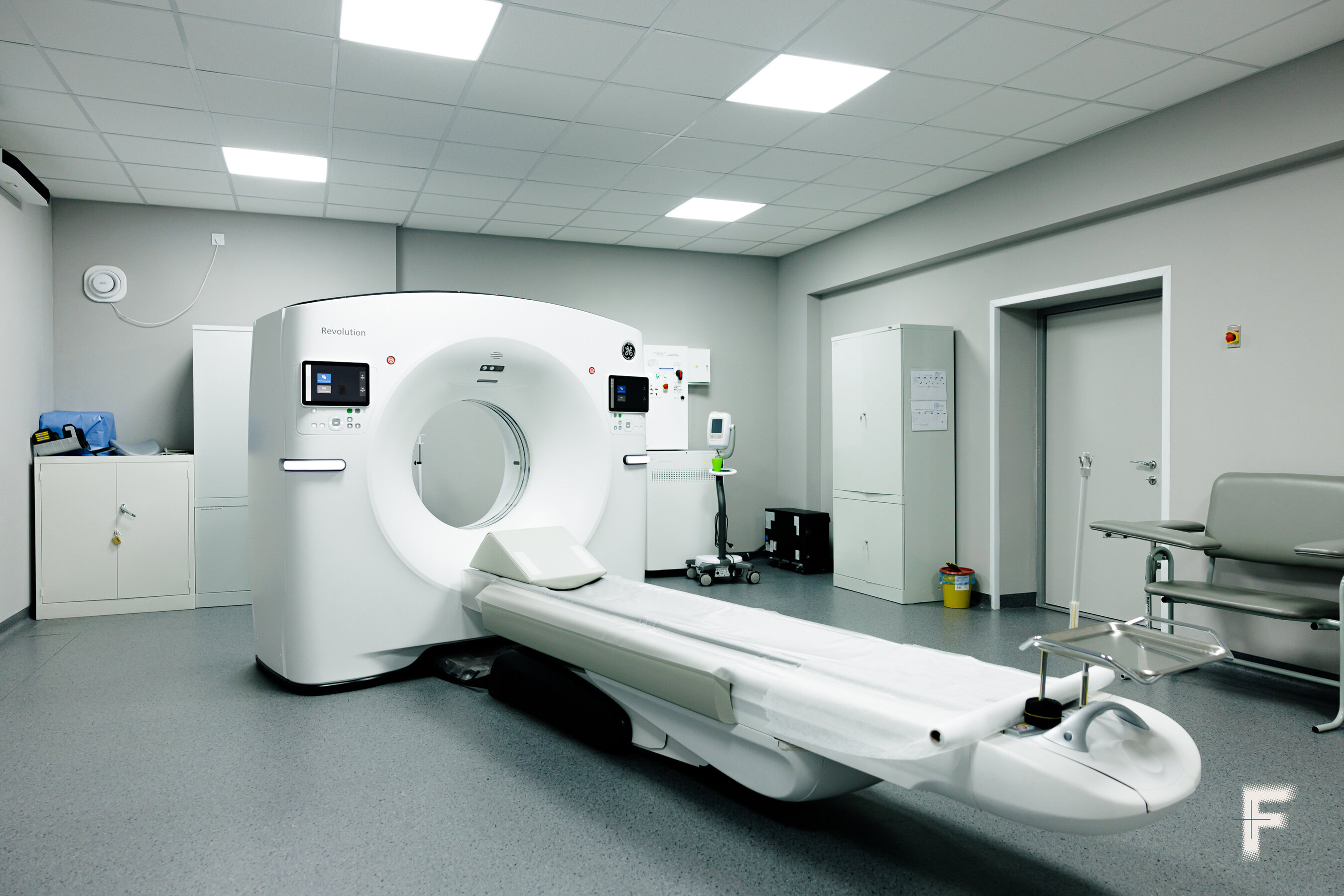
The hospital has to expand within its rented square footage: the facility rents the building for a nominal fee but cannot freely make changes to it or carry out major reconstruction. Even so, a laboratory, ultrasound, ophthalmology, X-ray diagnostics and CT scan rooms are already fully operating, along with dentistry, an inpatient department and rehabilitation.
A place where a veteran doesn’t have to wander from office to office
Among the hospital’s patients are service members and veterans. Daily contact with the wounded showed the team that these patients need more than medical procedures. They need a place where they can get help without red tape.
That’s how the Space of Care appeared at the hospital. The project was carried out through a joint initiative of the Ministry of Veterans Affairs, the Ministry of Health and PrivatBank, which acted as the main donor and fully funded the site’s setup. Partners also included the NGO Mitsni 300 and the International Renaissance Foundation.

The Ukrainka City Council also took part in creating the space. Alevtyna Shmahel, a council deputy who heads the education, health care and veterans policy commission, was one of the project’s three coordinators. The core idea: bring everything necessary under one roof, so a person recovering from serious injuries doesn’t have to wander hallways looking for the right doctors or offices.
“At the start, three people were involved: the hospital’s director, a technical specialist, and me, coordinating the document exchange process,” says Shmahel.
-
Alevtyna Shmahel, Danylo Fedosieienko, and Hryhorii Andriienko talk at Space of Care at Siverskodonetsk Multidisciplinary Hospital, Ukrainka, Ukraine, Aug. 27, 2026. (Anna Zubenko/Frontliner)
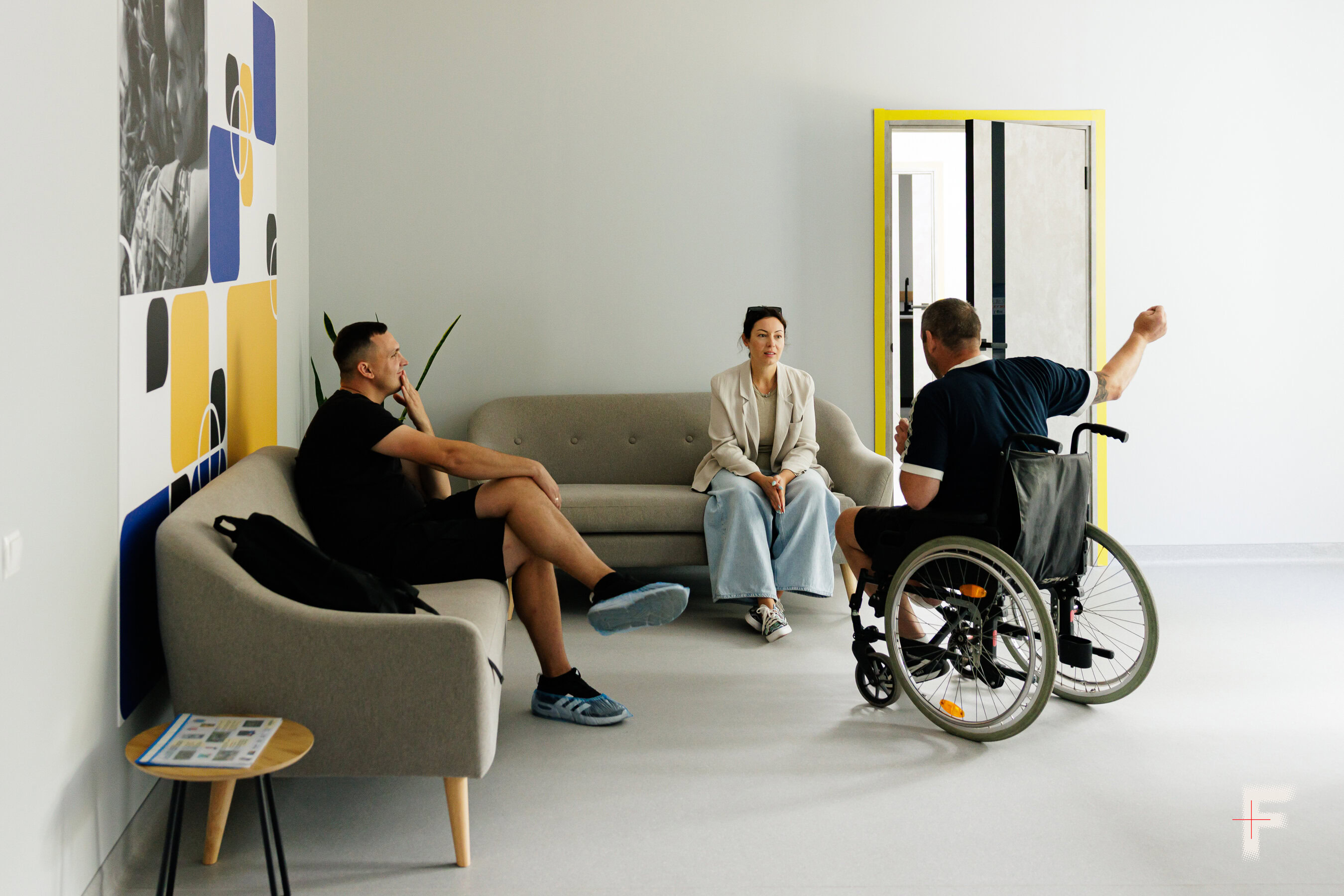
-
Danylo Fedosieienko, Hryhorii Andriienko, and Alevtyna Shmahel talk at Space of Care at Siverskodonetsk Multidisciplinary Hospital, Ukrainka, Ukraine, Aug. 27, 2026. (Anna Zubenko/Frontliner)
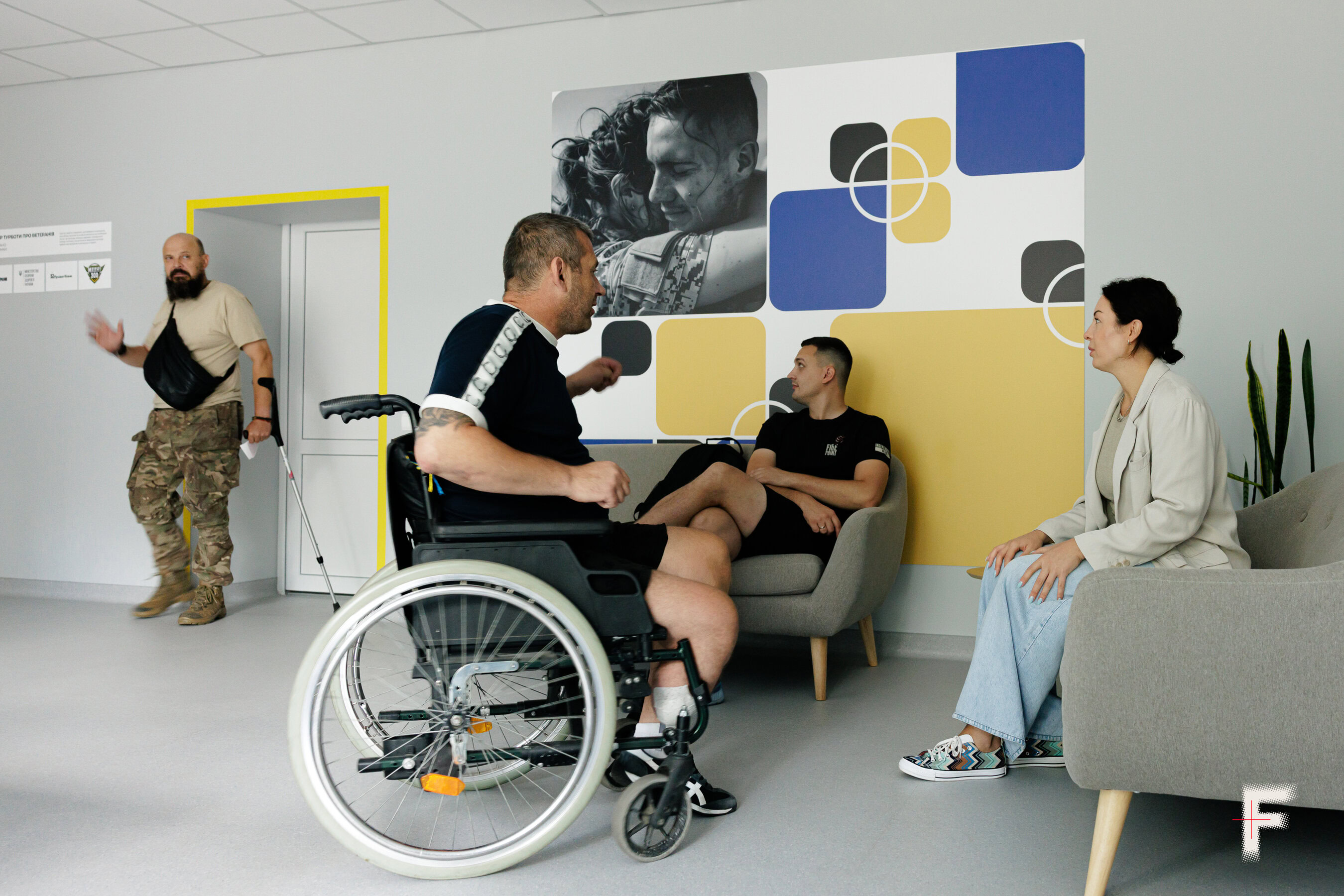
According to her, when setting up the space, they considered more than just administrative needs. It was important to give veterans a place where they could meet with relatives in peace and talk among themselves.
Before, they had to go outside, stand in the sun or the rain to talk.
You can’t talk long like that, it’s uncomfortable, you can’t relax,
you can’t say everything you need to say,
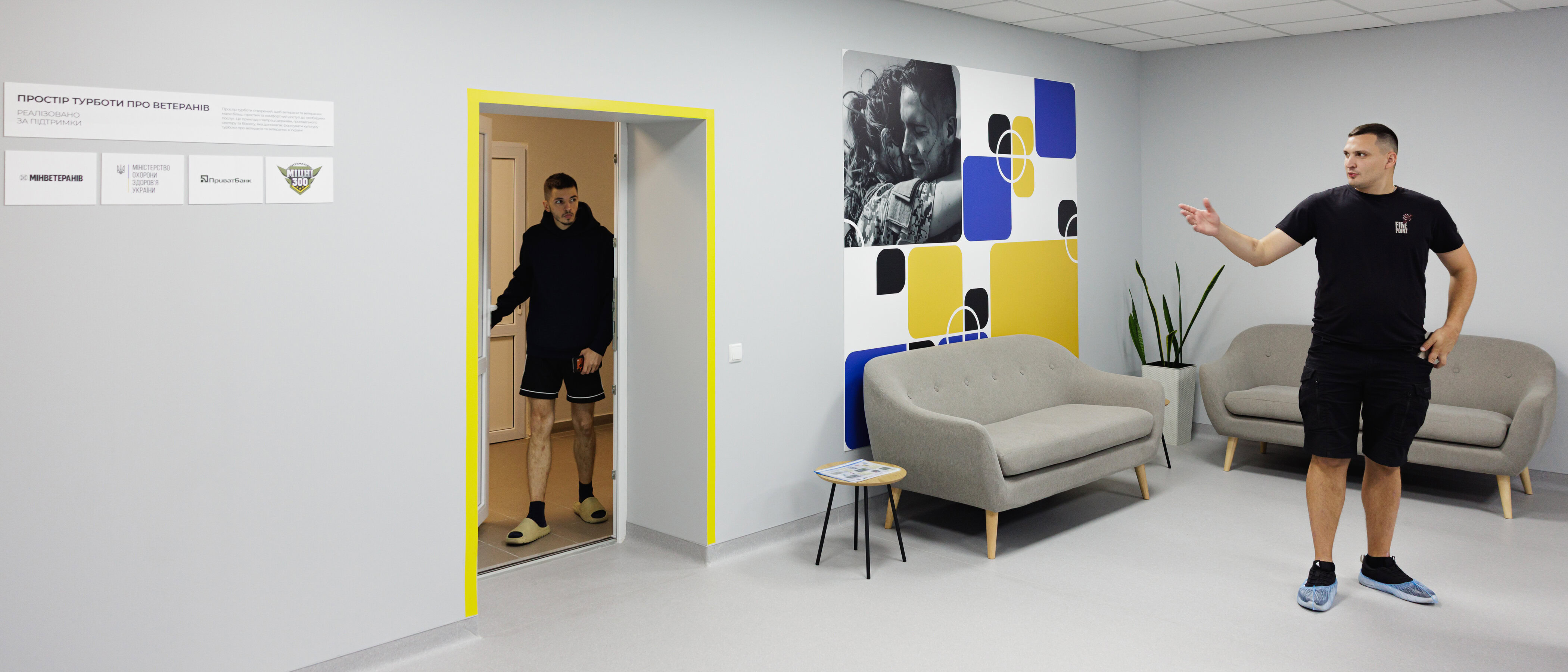
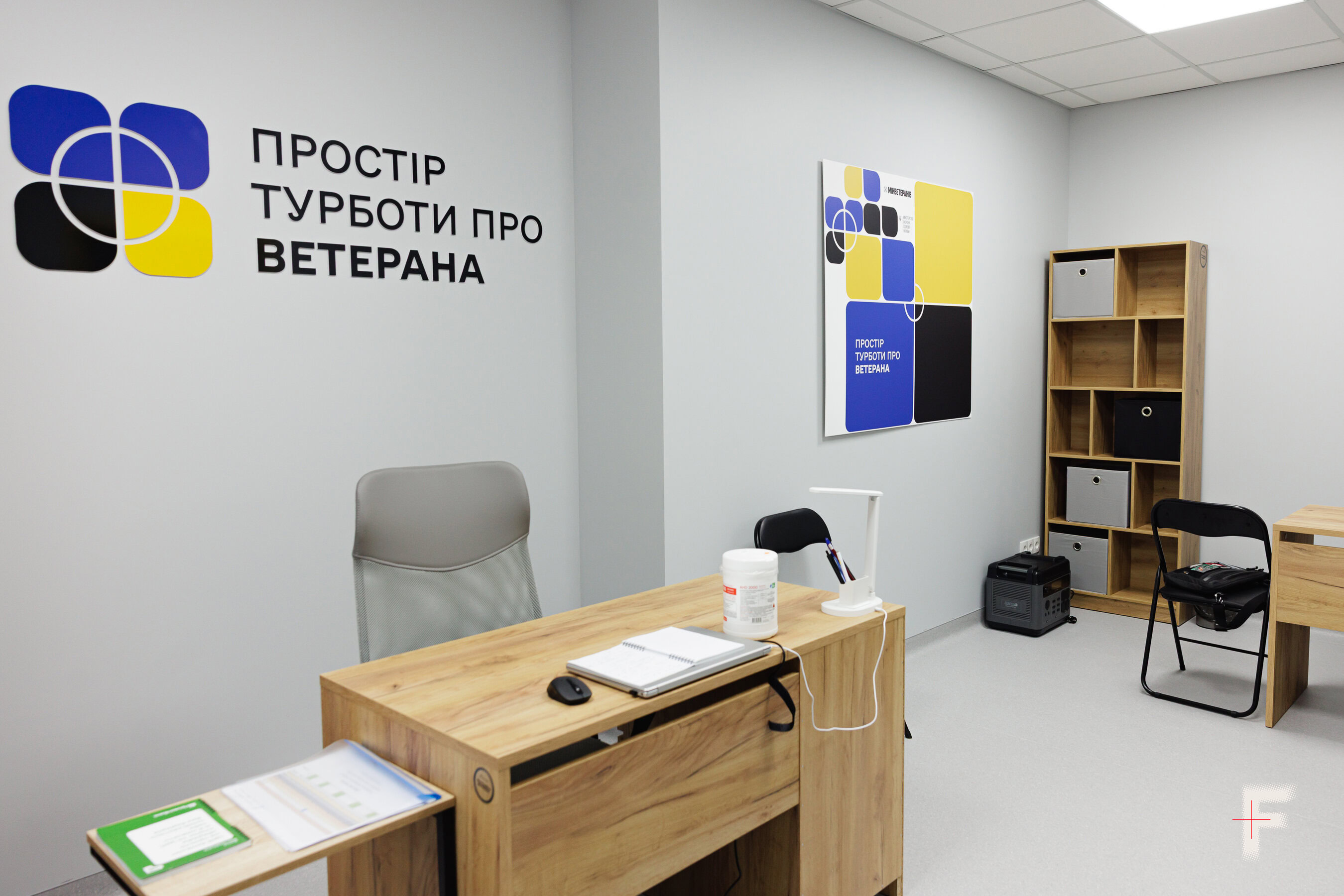
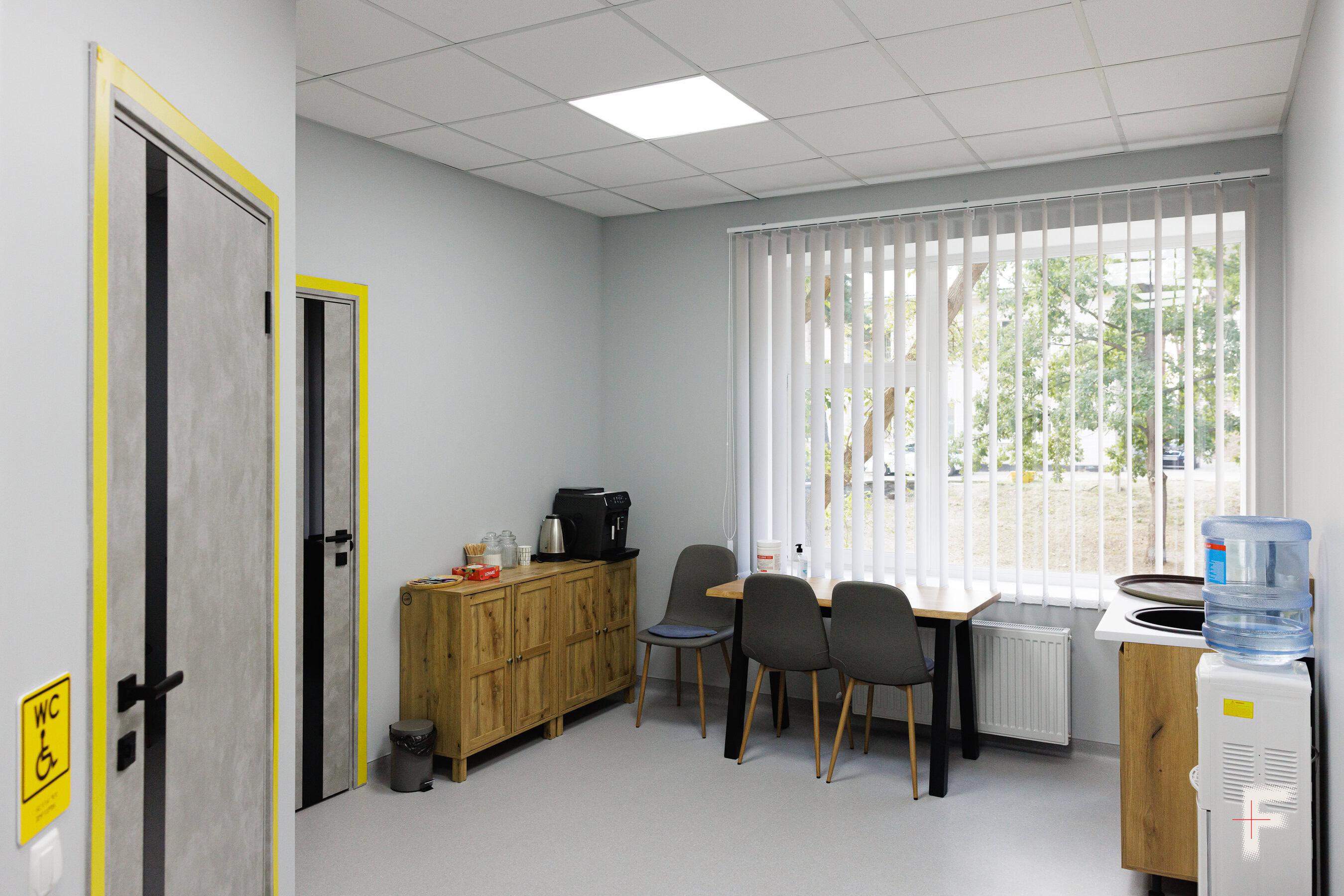
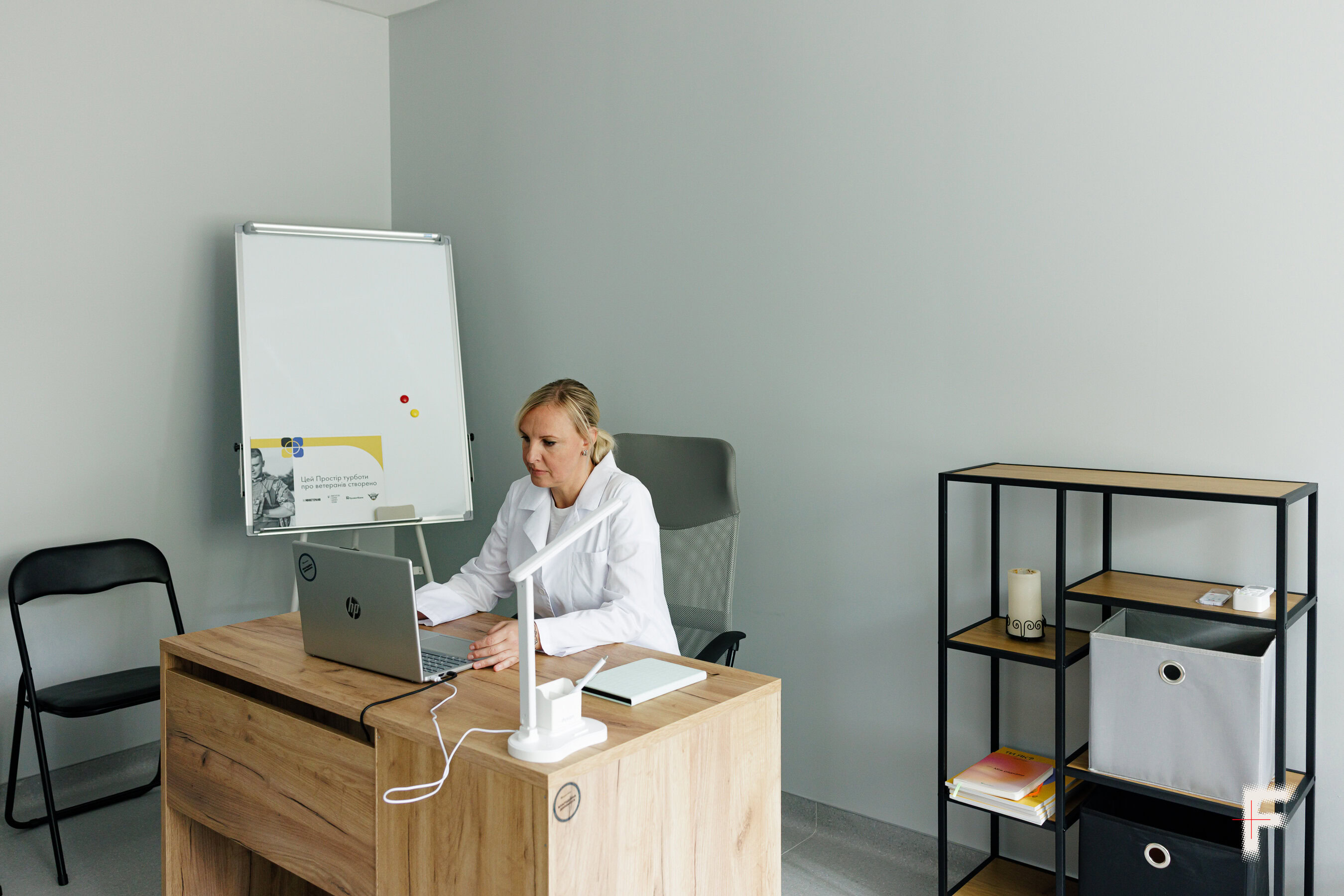
At the space, people can get consultations on treatment, sort out rehabilitation programs and seek psychological support. There’s a workspace for the veteran support specialist, a separate psychologist’s office, a lounge area with Wi-Fi, coffee and tea, a projector and wheelchair-accessible table tennis table.

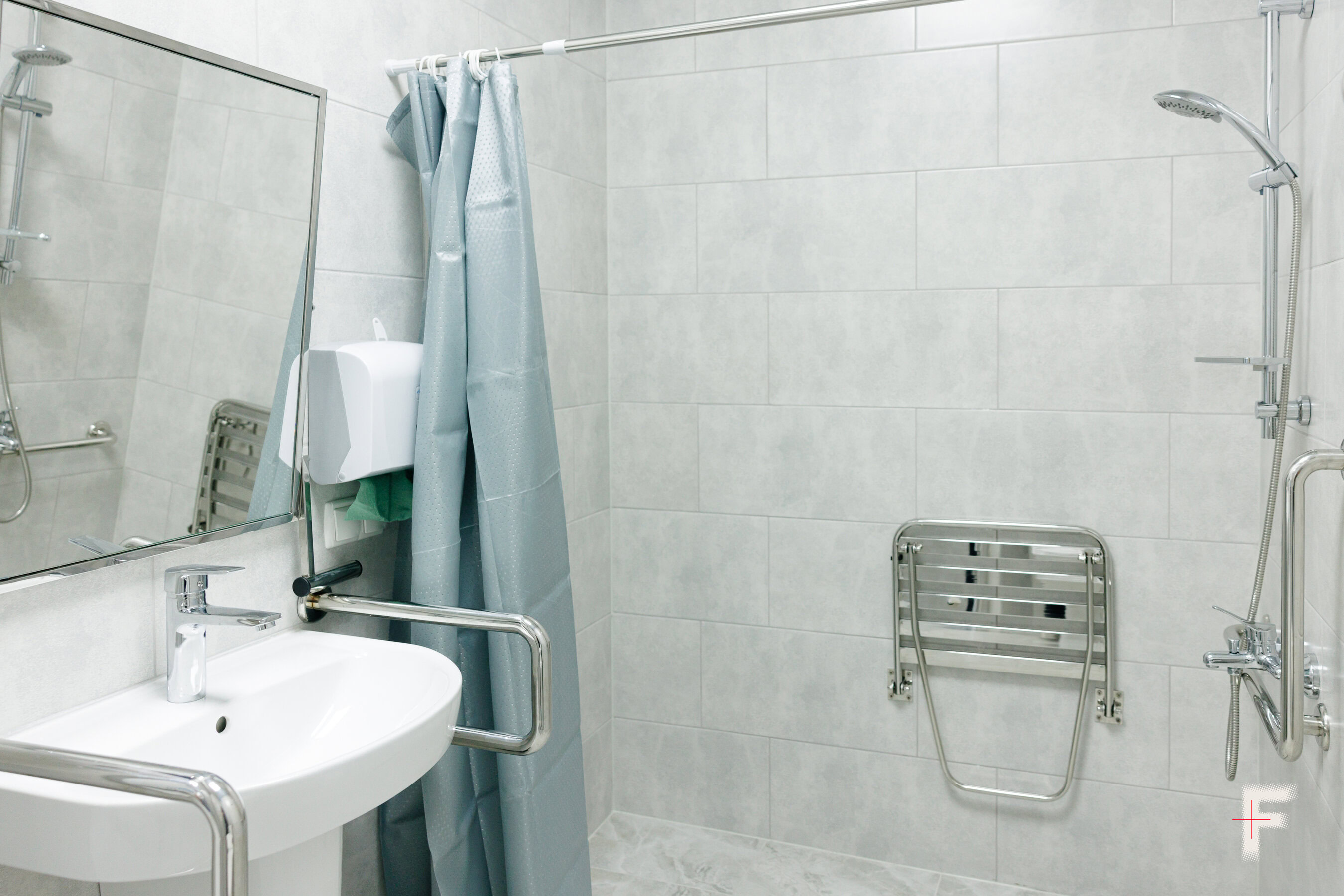
The space also serves as a place for people to interact and mingle. Group activities and workshops can be held here, along with movie nights or watching football matches. There’s even an accessible shower, currently the only one in the hospital.
Veterans behave like they’re almost at their own home, walking in,
making themselves tea or coffee. They’re part of this process,
a bit of everyday routine. That’s a plus too,
PrivatBank: not just a space, but a presence
The needs of veterans and service members go beyond medical procedures. After serious injuries or returning from service, people have to restore documents, arrange benefits and handle banking matters. The Space of Care can now help with some of that too.
For PrivatBank, this kind of work is part of a long-term program on accessibility and veterans policy. This year the bank set a strategic goal of opening 10 Space of Care centers in different regions of Ukraine, says Eduard Filchakov, director of PrivatBank’s Northern Regional Directorate.

Locations for these centers are chosen based on the medical facility’s caseload, geographic accessibility and the team’s willingness. The logic of opening centers specifically at hospitals is purely practical: a person undergoing inpatient treatment or rehabilitation can get the service on-site, without tiring trips across the city.
“As a bank, we try to find out exactly what a specific hospital needs. If there’s a request from the Ministry of Health or from the facility itself, we look at what will bring the most benefit to both the hospital and the people,” says Filchakov.
A separate focus of this work is physical access to financial services for those who, because of injuries or amputations, find it hard to reach a branch on their own. A bank representative can be called directly to the Space of Care to help the veteran resolve financial matters, from opening or reissuing cards to consultations on government programs and payments.
In addition, the facility installed an accessible ATM designed specifically for people in wheelchairs. The control panel, screen and keyboard sit significantly lower than the standard level, allowing it to be used without outside help.

As the country’s largest bank, we feel a responsibility.
We want to be proactive, so we can account for every aspect
of customer service. That’s why we constantly track
the needs of veterans and low-mobility groups,
Filchakov had known the hospital’s medical staff for a long time, since before the full-scale war. When he returned to Siverskodonetsk from Kyiv in 2016, he took on this very institution as its relationship manager.
“I worked with the accounting department, the staff who received their salaries through PrivatBank, and the hospital’s leadership. We had a very close working relationship,” he recalls.
Even as his career took him elsewhere, he stayed in touch with the familiar staff. After the full-scale invasion, he watched as the team he knew was forced to leave their hometown and rebuild their lives in the Kyiv region. For him, partnering with this hospital is a way to support people he knows and fulfill a civic duty at the same time.
“We have to show people coming back that there’s something to come back to. That we’re here for them, too,” Eduard says.
Peer to peer: the work of a veteran support specialist
But cozy rooms and modern equipment mean little without the person who greets you at the door. At the Space of Care in Ukrainka, that person is Danylo Fedosieienko, a veteran support specialist who has walked the path himself, from service to recovery after being wounded.
He signed his contract with the Armed Forces of Ukraine back in 2019. When the full-scale war began, he returned to the ranks, was wounded twice, and returned to the front line each time after treatment. In January 2024, he was discharged to the reserve for health reasons.
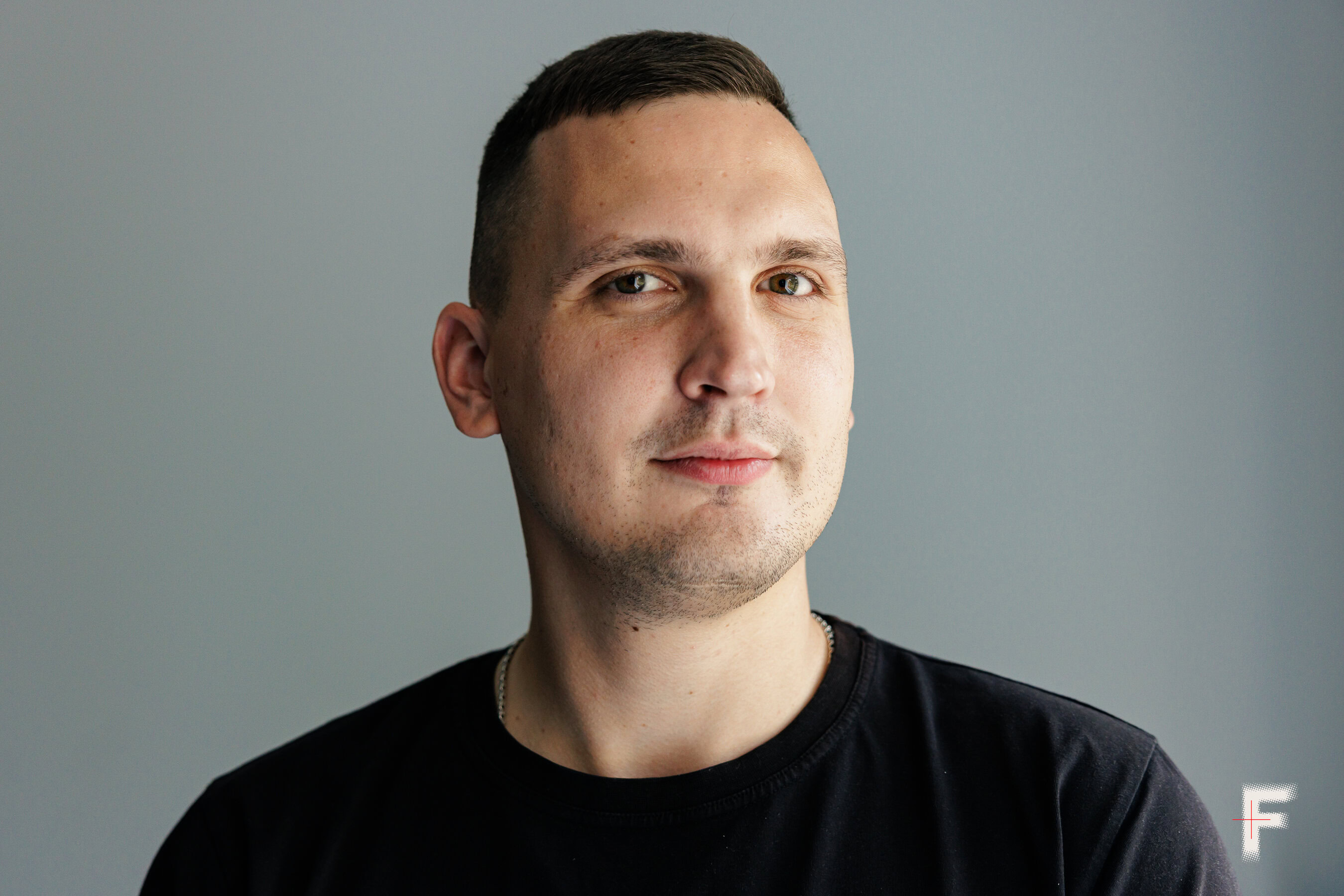
“When I was going through treatment myself, there were no support specialists like this. I had to figure everything out on my own. So I know what it’s like when there’s no support,” he says.
His workday doesn’t start at a desk in front of a monitor. First, he goes to the wards: greets the veterans, asks how they’re doing, and finds out who needs what. Only after this morning round does he pick up the phone and paperwork.

His tasks vary day to day: helping reissue an injury certificate, untangling a payment calculation, reaching a unit, or tracking down a specialist.
“It’s the simple stuff, too. A guy might say ‘I’ve got medicine or clothes waiting at the post office, can you pick them up?’ I’ve never once turned anyone down. Even going out to get smokes, buying water, because a lot of guys still can’t physically travel far on their own and need someone with them. These are basic needs, but it still has to get done,” Danylo says.
Before starting the job, he went through a selection process and training in psychological support and the legislation governing work with veterans. But the real nature of his position is being there in all kinds of situations, not just when an official matter comes up. For veterans, it matters to have someone they can turn to without having to explain the full context of what they’ve been through.

“If someone doesn’t even need psychological help, just needs to talk something out, we communicate peer to peer. I’m like a friend to them, like a brother,” he says.
Danylo says the work has grown into something personal for him over time. He keeps supporting veterans outside his formal working hours, too, when he sees that someone is struggling and needs his help.
“There have been times I came in even on my days off. Some work you just do to earn money, and some work you do because it calls to you. For me, it’s the second kind,” he says.
“Here, you’re talking to someone who understands”
One of the people Danylo has supported through treatment and rehabilitation is marine and veteran Pavlo Lytvyn. For him, the Space of Care is a chance to step outside the hospital ward and talk to people who share a similar life experience.
His military path began back in 2014, at the Naval Lyceum in Odesa. He dreamed of becoming a serviceman, saw it as his calling, and went on to join the 501st Marine Battalion. In April 2022, the defenders were ordered to surrender. For Pavlo, years of captivity in Russian detention followed — in Sartana, Olenivka, Taganrog, Kashin, and a penal colony in Mordovia.
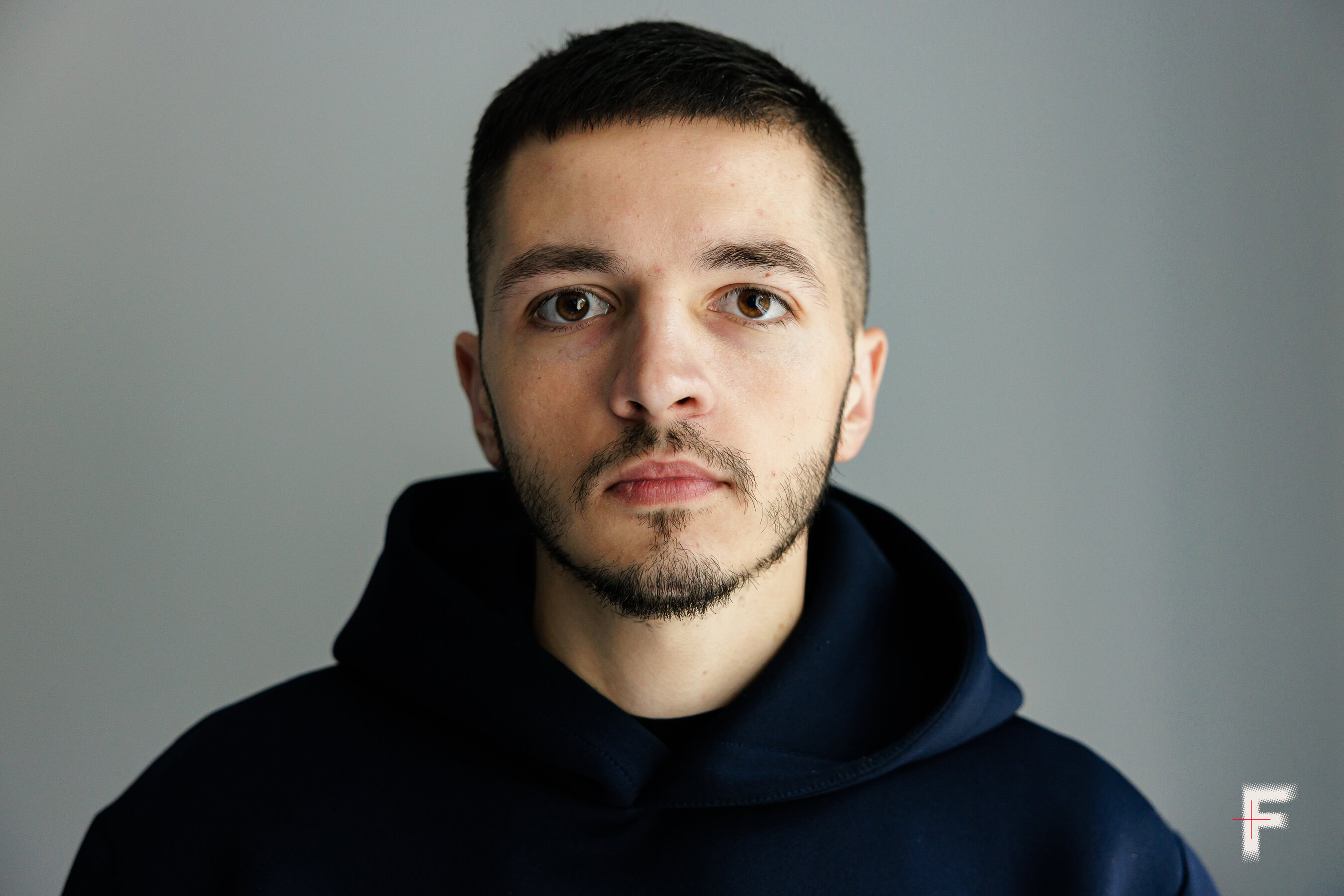
“There, they literally suppressed every basic human need. We were taken out to the toilet on command, or not let out at all. They constantly forced us to stand, and our legs swelled from exhaustion. Turning your head the wrong way got everyone beaten. In winter, in northern Russia, temperatures dropped to minus 30, minus 40 degrees Celsius. There was no heating, and they kept the window open,” says Pavlo.
On June 26, 2026, he returned from Russian captivity. But the inhumane conditions of his detention had seriously damaged his health. After surgery at a Kyiv hospital, the marine was transferred to Ukrainka for rehabilitation. There, he found a place where he could change his surroundings and spend time among people who got him.
They told me right off that the hospital has the Space of Care.
Here you can get psychological support, resolve legal issues
with a specialist, or just spend quiet time with others who served, too,
Pavlo reads a lot, is learning to tune in to himself, and is gradually figuring out how to build his life going forward. Talking with Danylo has become an important part of this time for him. Both have military experience, so some things between them don’t need explaining.
“I’m trying to understand myself in a new way, who I am now and how much I’ve changed. I want to fill the emptiness that built up inside me over the years of war and captivity. Working with a veteran, you understand each other instantly. No matter how many books a person reads, they won’t fully grasp it until they’ve been through it,” Pavlo says.
Support beyond the Space of Care
Support for veterans in the community doesn’t end at the Space of Care. Activities are organized for them outside the hospital, too, including trips to a bakery in Vytachiv. There, veterans knead dough and bake bread themselves, walk along the Vytachiv bluffs, and take their baked goods home after the workshop. They plan to run these trips regularly.
Also, at the initiative of the Veterans’ Council, work has begun in Ukrainka on an accessible descent to the Dnipro River, though the work isn’t finished yet. Accessibility remains one of the city’s biggest challenges overall, not just at medical facilities, but on roads, at building entrances, along descents, and in other parts of urban space.

The medical staff are developing the hospital itself far from home for now. But even as the facility resumes operations in Ukrainka, its staff haven’t given up on the idea of returning to Siverskodonetsk, says hospital director Oksana Andreikiv-Morozova:
“Of course, we’re waiting to go back. Because who else but us can bring it back to the same level it was before? I think a lot of us will be ready to get up and go right away. We want to return to our native Luhansk land.”

With a return not yet possible, developing the rehabilitation department is one of the hospital’s main priorities, and accessibility remains the biggest hurdle, says Alevtyna Shmahel:
“Almost all the equipment is there. The specialists are there. There’s modern equipment, but the floors and doors aren’t wide enough for a wheelchair to get through. Plus there are regulations that keep changing. They’re getting stricter, and we have to meet them.”
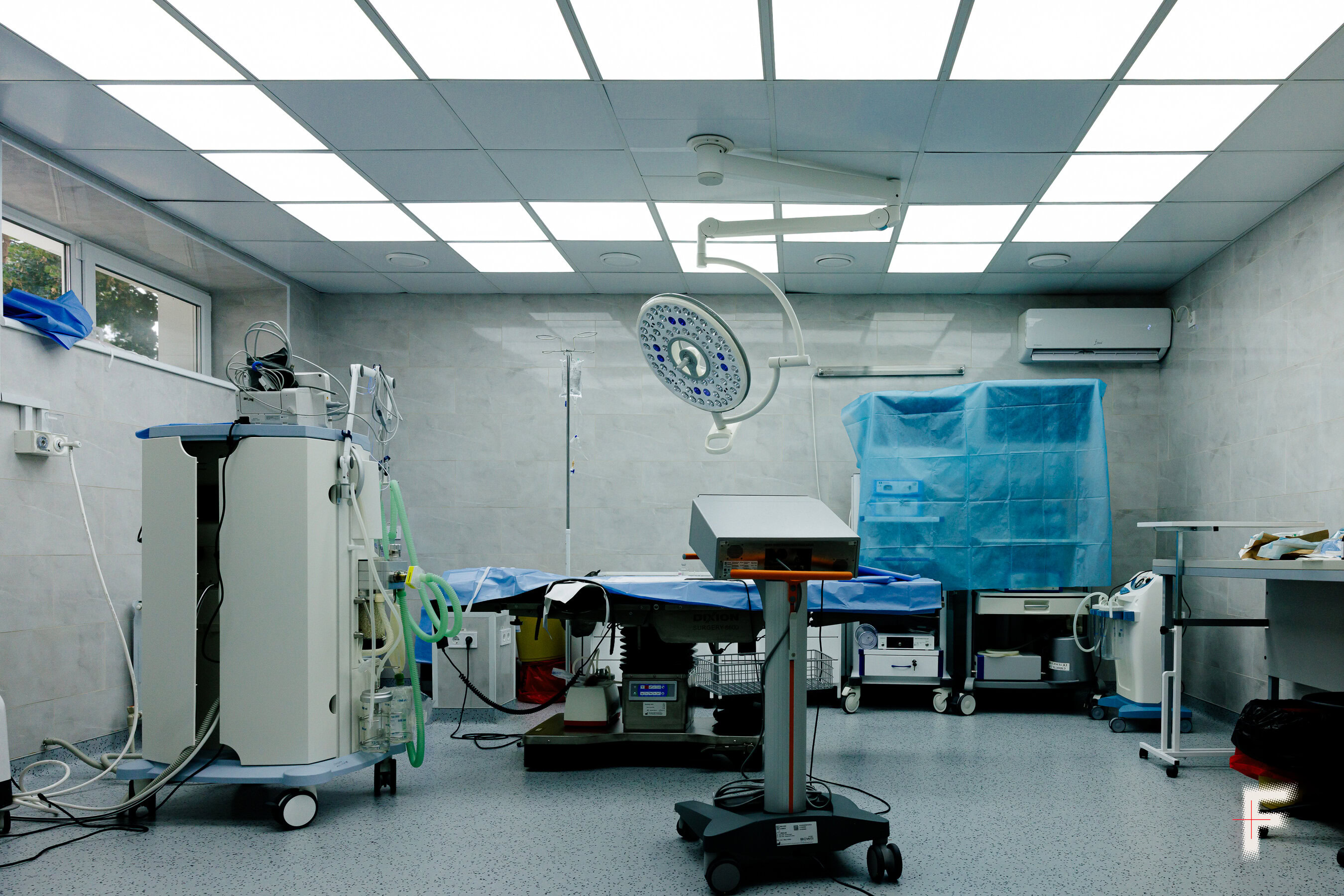
To resolve these issues, the hospital is looking for additional funding opportunities. In particular, they want to bring in big business to support specific areas of work.
“I’d really love to find a large enterprise that could help a lot with concrete things, like renovating the rehabilitation department or the entrance area. That would bring huge benefits to veterans, internally displaced persons, and the population as a whole. It would develop the healthcare sector,” says Alevtyna.

She believes support for veterans shouldn’t end with treatment or the opening of a dedicated space. After returning from service, people face entirely practical questions: where to live, where to work, how to get around the city, and how to go through rehabilitation. And it’s the state, medical institutions, and business that need to address them, the lawmaker insists:
“My brother is fighting, my friends are fighting, my neighbors are fighting. There are those who are wounded, who’ve come back, who are recovering. There are those who won’t come back. This is the minimum we can do right now.”