Geran-5: Russia’s low-cost new missile is wearing down Ukraine’s air defenses
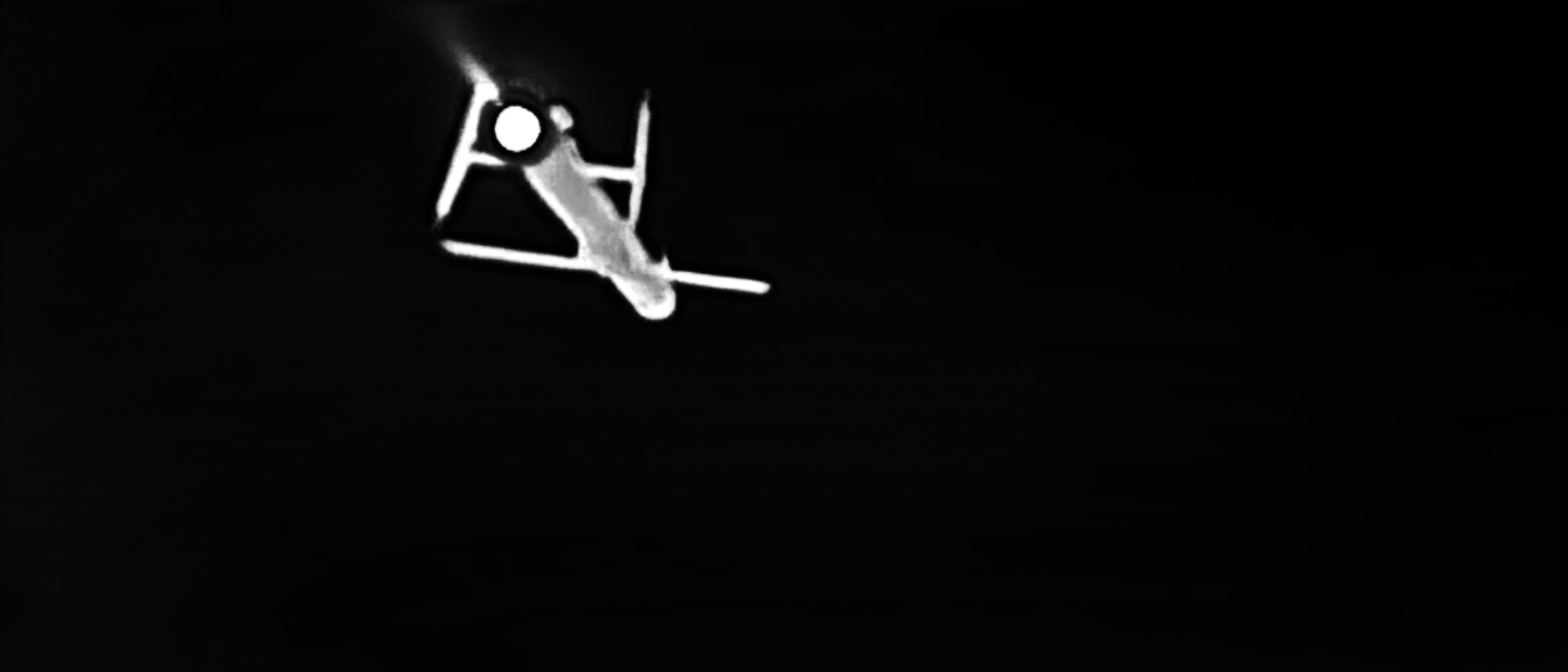
Russia is hitting Ukraine with the new high-speed Geran-5 missile that costs many times less than conventional cruise missiles. Geran-5 missile is based on an American design dating back to the 1970s and incorporates a Chinese engine and electronics of the kind even found in household appliances. This combination allows Russia to mass-produce weapons that drain Ukraine’s air defense resources. Frontliner takes a closer look at how Geran-5 is built, where its components come from and what makes it so dangerous.
Geran-5 was first deployed in early January 2026. It was officially unveiled at Moscow’s May 9 military parade. In the summer, Russian forces begun using it regularly against Ukraine. According to the Telegram monitoring channel Strategic Aviation, since September, Geran-5’s share of all drones Russia launches at Kyiv has reached about 75%.
From American target drone to Russian missile
This is not the first time Russia has used foreign designs to to make its own weapons, and the practice continued after the full-scale invasion. The full-scale invasion of Ukraine was no exception. In 2022, Russia took the Iranian Shahed as its base and later modernized the design. The drone had a flying-wing configuration and was powered by a piston engine.
Geran-5 also has an Iranian ancestor, but its design is very different from the Shahed’s. This missile has a cylindrical fuselage, straight wings and a twin-fin tail. It is 6.5 meters long, has a wingspan of 3.2 meters and weighs 800-850 kilograms, including a 90-kilogram warhead. It can hit targets up to 1,000 kilometers away. The missile usually flies at 400-600 km/h, but can sprint to 700-800 km/h on some stretches.
Geran-5’s prototype was the Iranian Karrar, built on the American MQM-107 Streaker target drone. The United States originally developed the MQM-107 Streaker reusable aerial target to train air defense units and fighter crews and to test missiles. Iranian engineers adapted the American design for a different purpose: instead of an aerial target, they turned it into a small cruise missile.
Foreign components used in Russia’s Geran-5
According to Defense Intelligence of Ukraine (HUR), Geran-5 contains 16 foreign components, all made in three countries: the United States, China and Germany. Frontliner examined publicly available information on these components.

The country where a component is manufactured is not necessarily the country from which it is supplied to Russia. American, Chinese and German components may have reached Russia through intermediaries in third countries. Because the exact routes are unknown, it is harder to identify the intermediaries and to determine who could be targeted with further sanctions.
US-made components account for the largest share of the 16 foreign components identified in Geran-5. Six were manufactured by the American company Texas Instruments. They include digital signal processors, voltage regulators, hex inverters and CAN transceivers. Frontliner also found Texas Instruments components in its earlier analysis of Geran-4.
Controlling the supply of such components is challenging, as they have legitimate civilian uses and are found in a wide range of consumer electronics. Because they are so widely used, it is harder to track them and stop them from reaching Russia.
The use of civilian electronic components in Russian missiles may indicate that Russia’s defense industry is adapting to sanctions. It may also allow Russian manufacturers to continue using components purchased earlier, without losing time looking for new suppliers.
Chinese engines, Russian dependence
One of Geran-5’s main advantages is its relatively inexpensive Chinese TF-TJ2000A engine made by TELEFLY. The engine costs approximately $30,000-40,000 wholesale, while the entire missile is estimated to cost $90,000-140,000. By comparison, a Kh-101 cruise missile costs around $2 million, roughly 15 times as much.
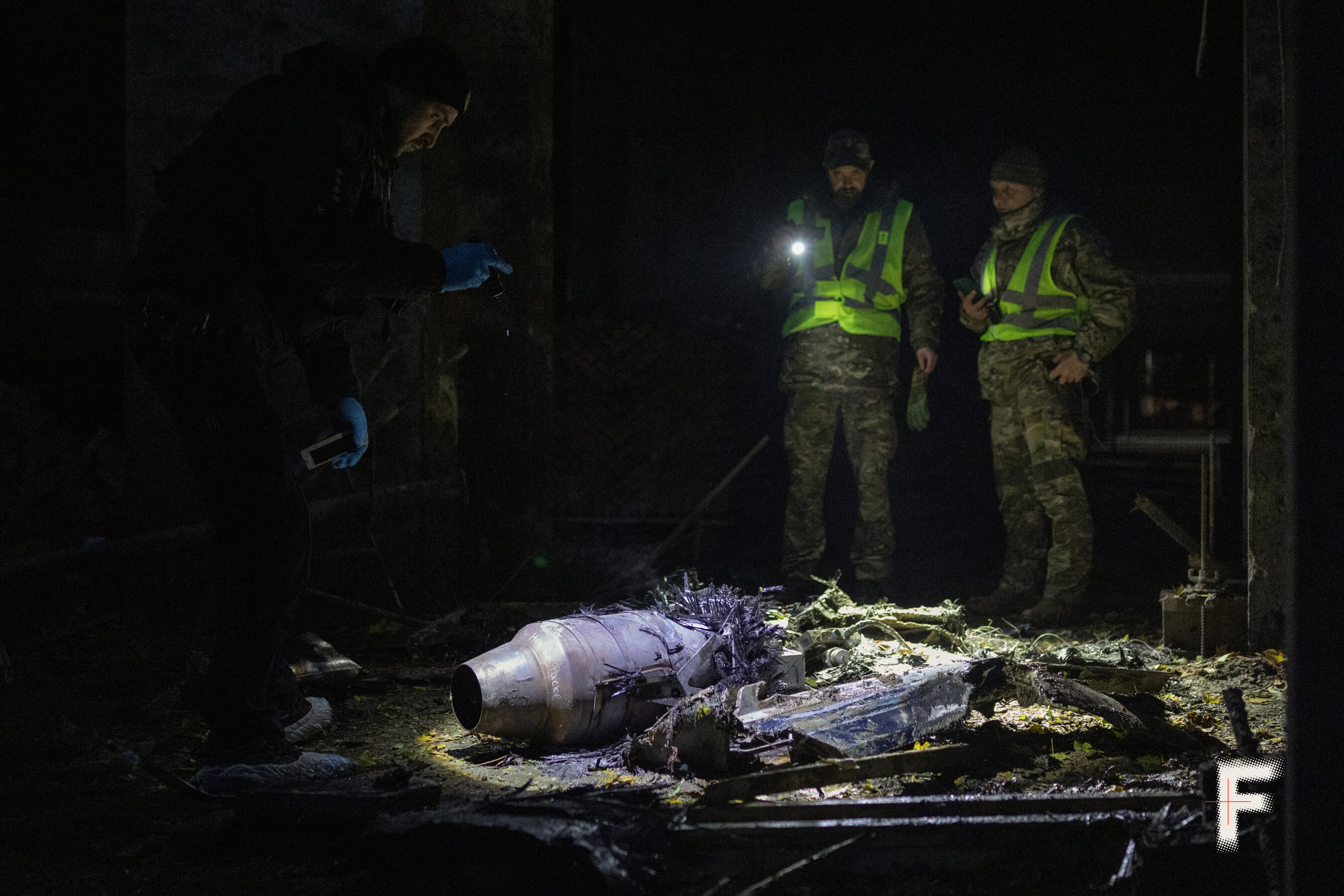

For Russia, which continues to wage a protracted war against Ukraine, the low cost of Geran-5 is particularly important. The same money buys far more of them. However, the missile’s low price has a catch: dependence on China. Disruptions to the supply of Chinese engines could affect Geran-5 production rates. Chinese limits on these supplies could become one way to curb Russian production. Reliance on imported engines also leaves Russia exposed to sanctions.
It remains to be seen whether Russia can replicate Chinese technology and set up its own mass production of engines. Iran took a similar route when it used the American MQM-107 Streaker design as the basis for its own development. Russian media claim the country has started its own serial production of engines for the next-generation missile, Geran-K5-K. However, HUR does not identify a Chinese or any other foreign engine manufacturer in its list of components for Geran-K5-K.
Indirectly, these reports may indicate Russia is seeking to establish domestic engine production for Geran-K5-K, potentially in Alabuga, Russia. However, there is currently no direct evidence in open sources that production has been localized there. Russia may be seeking to reduce its dependence on Chinese engines, but limited access to modern manufacturing equipment and technology could complicate the effort.
A cheap missile against costly air defense
Ukrainian analysts estimate that the Alabuga plant produces around 3,000 Geran-4 and Geran-5 missiles per month. They forecast that production could increase to tens of thousands in 2027.
Ukrainian air defense forces are already intercepting missiles of this type and refining their ways of countering them. One possible role of Geran-5 is to divert air defense resources from other incoming threats. In this role, it partly resembles the American MQM-107 Streaker target drone.
During large-scale attacks, the high volume of incoming aerial targets puts additional pressure on the air defense system. With a speed exceeding 600 km/h, Geran-5 may be beyond the reach of some interceptor drones. This sometimes forces Ukrainian troops to deploy considerably more expensive anti-aircraft missiles against it.
Russian engineers are working to increase Geran-5’s speed even further, including by moving the Chinese engine inside the fuselage. This upgrade could make it harder to shoot the missile down with cheaper air defense systems.

Satellite images of a drone launch site near the village of Tsimbulova in Russia’s Oryol Oblast show that the number of Geran-5 launch pads has increased. The expansion of launch infrastructure may indicate that Russia is preparing to deploy these missiles more intensively. However, satellite images alone cannot establish production volumes or how regularly foreign-made components are being supplied.