‘It exploded mid-air’: A soldier recalls downing Russian helicopters over Hostomel
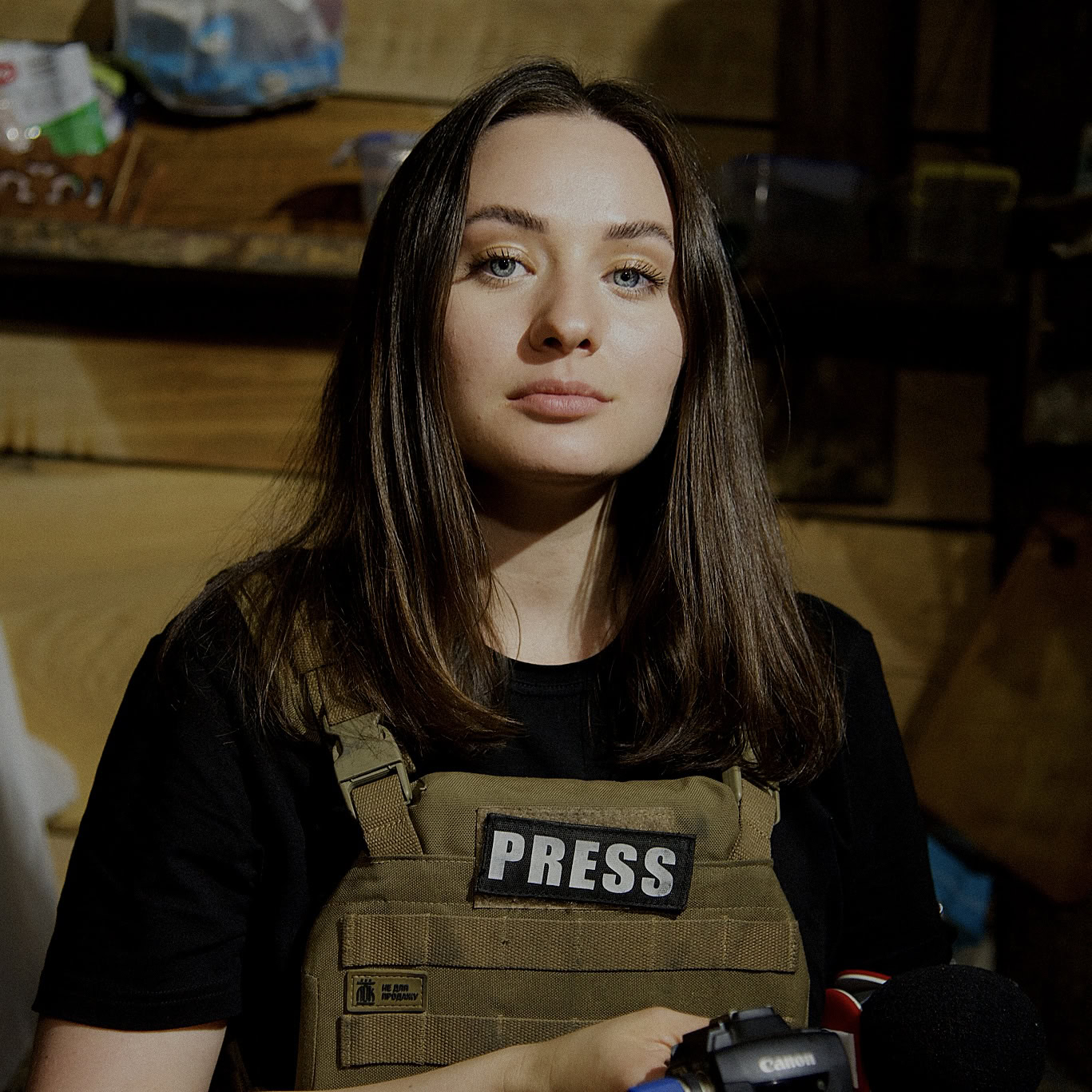
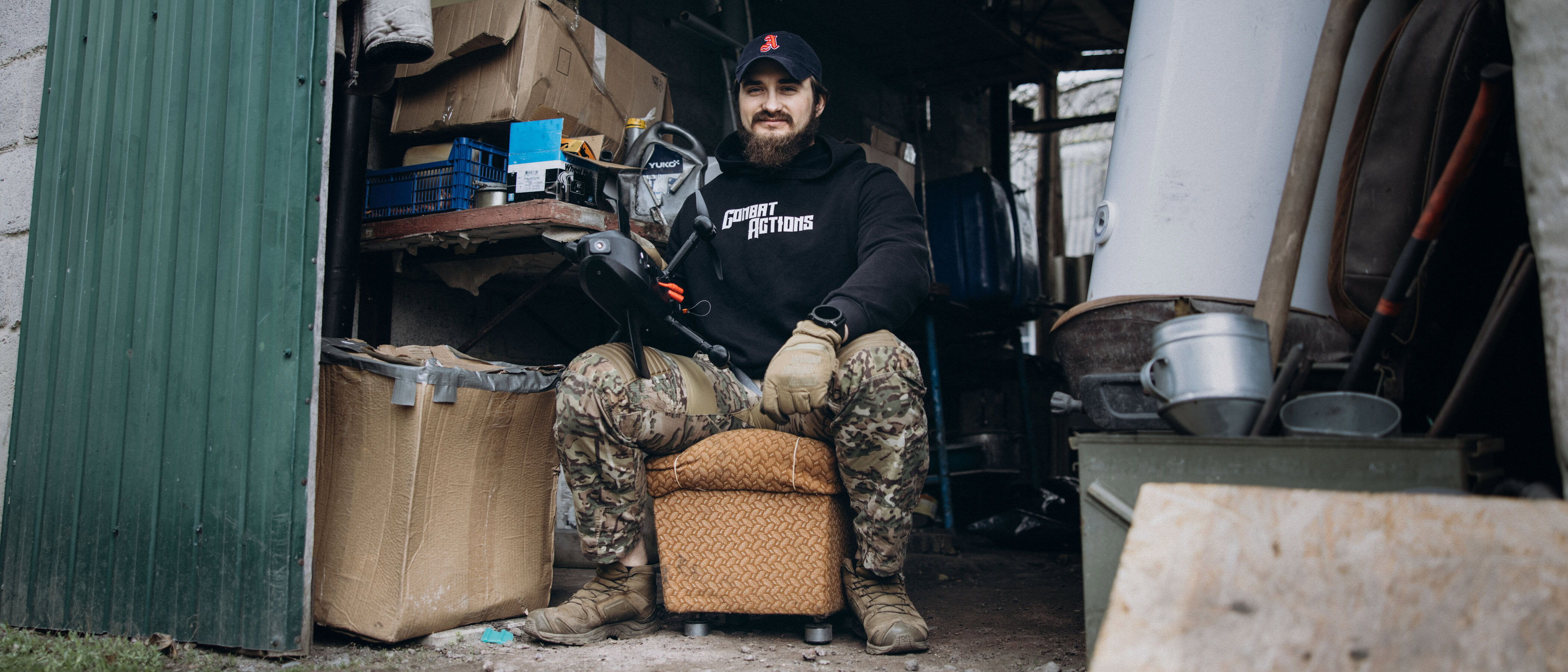
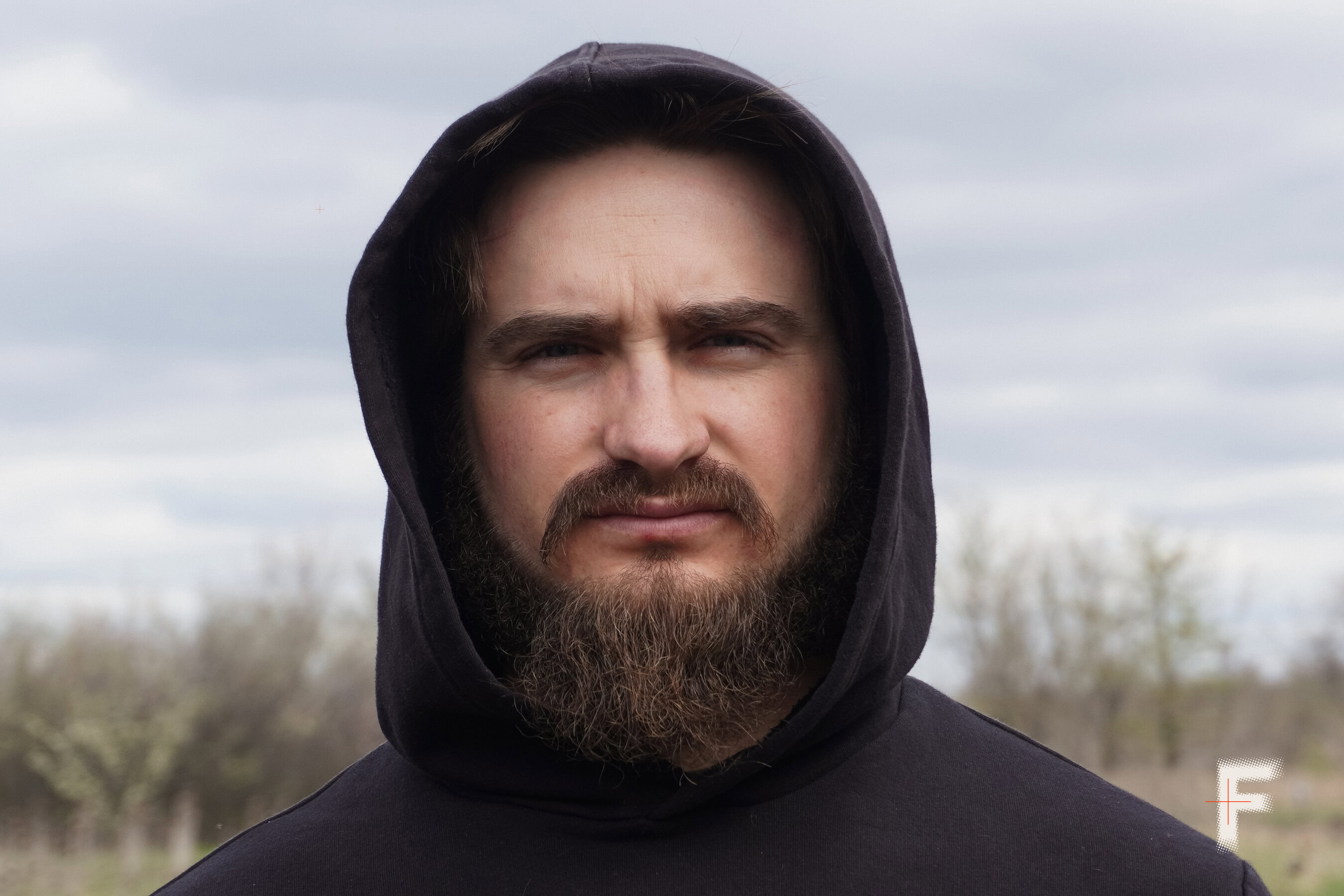
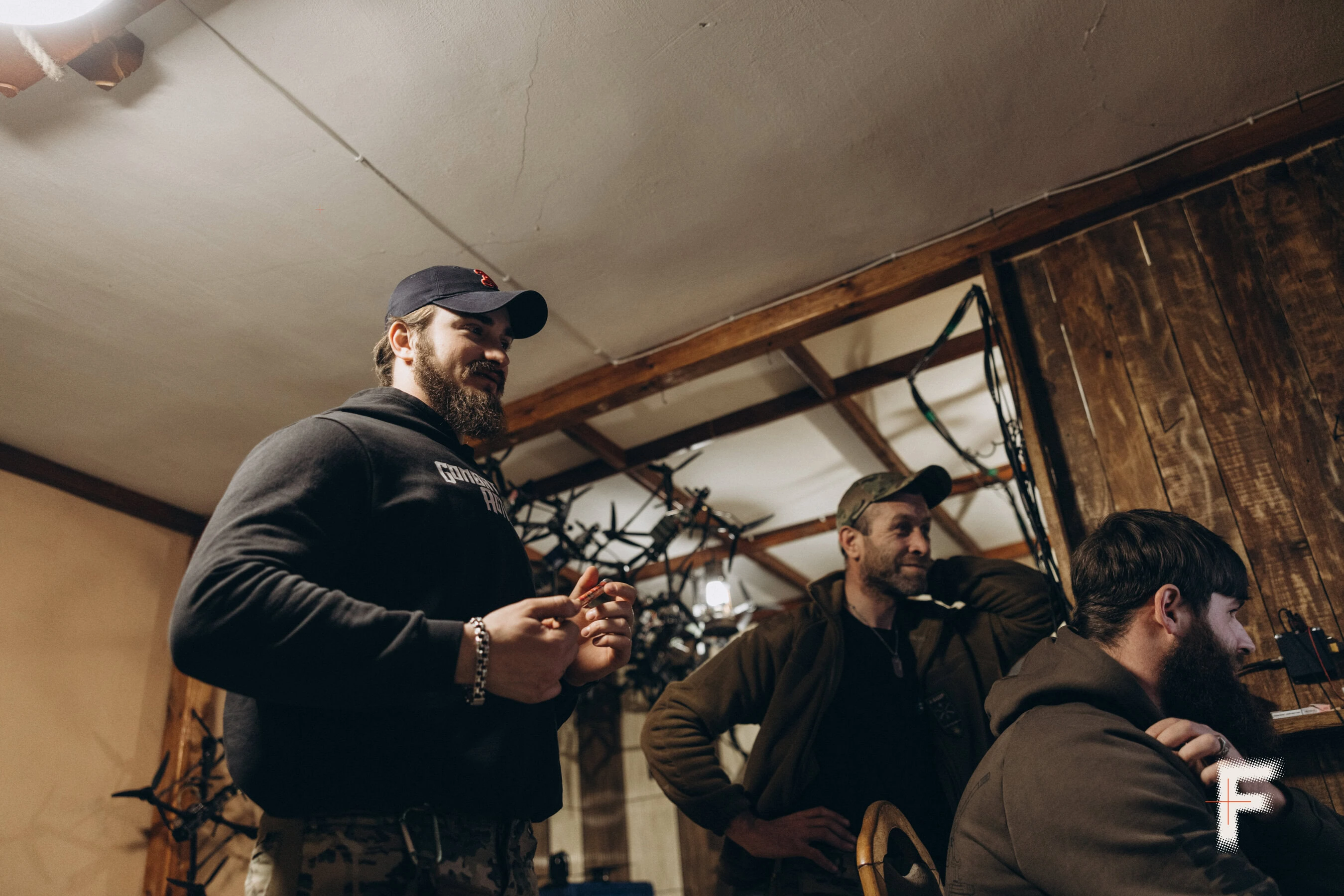
Serhii Falatiuk, call sign “Fara,” shot down a Russian Ka-52 attack helicopter with an Igla-1 MANPADS during the battle for Hostomel in February 2022. He was 25 when Russia launched its full-scale invasion. Since then, Serhii has fought in battles in the Kyiv region, the Kharkiv counteroffensive, and the battle of Bakhmut; he has been wounded and returned to the front line. Today, he commands a battery of anti-aircraft unmanned aerial systems. Frontliner met with Falatiuk in eastern Ukraine to discuss the first days of the full-scale war, the evolution of modern warfare, and a commander’s responsibility for his troops.
“Fara” began his military career in 2016, serving in the 8th Operational Purpose Regiment “Jaguar” [Editor’s note: the unit was reorganized as the 14th Operational Brigade “Chervona Kalyna” in 2022.] Since 2018, he has been serving with the 4th Operational Brigade of the National Guard “Rubizh.”
Serhii Falatiuk was commissioned as an officer in 2021. In early 2022, he was attending advanced training courses at the National Academy of the National Guard of Ukraine in Kharkiv. However, due to a surge in the COVID-19 pandemic, the training was shifted to distance learning, and he returned to Kyiv. By that time, most of his unit had already deployed to the East.
“My wife and I were sitting in the kitchen, discussing the news. There were already rumors of a full-scale invasion. We joked that we needed to insure the apartment, the TV, and the fridge. ‘Just in case we suddenly have to buy new ones,’ I said,” Serhii recalls.
The command held briefings on the possibility of a Russian offensive and the defense of the Kyiv region. Citing statements by the Russian president, some soldiers suggested that the enemy might advance directly on the capital. Most, however, still believed that the main combat operation would unfold in the Donetsk and Luhansk regions, where the Russians already held a foothold and a significant troop presence.
Frontliner: How did the full-scale invasion begin for you?
Serhii Falatiuk: On the night of February 24, I reported for duty at Antonov Airport in Hostomel. We formed a composite company to secure the facility. As the senior officer in charge of air defense, I set up our positions, and we stood watch. It all started with missile strikes on Kyiv, the Antonov State Enterprise, and our military unit. After that, the first attack helicopters entered the airspace.
They thought “Kyiv in three days” would actually work. They wanted to showcase their best equipment — Ka-52s, T-90s, aircraft — and prove they were the “world’s second army.” But it turned out that it was all just metal and plastic, and it all burned.
What was your first reaction when you saw the helicopters?
As they were approaching, there was no fear. But once we realized we had to shoot them down, that’s when the fear set in. None of us in the air defense unit at Antonov had ever fired an Igla MANPADS in combat before. We had only trained on simulators.
There was concern that someone might freeze up and fail to launch. But I took responsibility because I was in command of this makeshift unit. It included people from different batteries, not just my own.
Did you have any doubts before taking that first shot, or did adrenaline just take over?
No, it was a quick, deliberate decision. I saw the target, I knew how to use the MANPADS, and I reported over the radio to my superior officer that I had visual contact with a Ka-52. They replied that nothing was showing up on the radar.
I activated the BCU (Battery Coolant Unit) and saw that the helicopter was already very close. I knew that according to the technical specifications, if a target is closer than 500 meters, the missile might miss because it can lose guidance due to ground clutter. So I let the helicopter pass, waited for it to move further away, and only then did I fire a pursuit shot. There was hesitation. But I took that first missile, made the first launch, and hit the helicopter. It exploded in mid-air, and right then I realized: we could actually do this.
[Editor’s note: Activating the BCU (Battery Coolant Unit) on a MANPADS supplies the system with electrical power and cools the missile’s infrared seeker to its operating temperature.]
The guys took their missiles and kept working. Every launch brought down a target. In total, we managed to destroy six helicopters, two of which I shot down myself.
Did you have to engage in close combat after that?
Yes. The Ka-52 themselves don’t carry troops. They were arriving as a mix of Ka-52s and Mi-8s, with the Mi-8s carrying infantry. Once we ran out of MANPADS, we engaged in small-arms combat with the landing forces.
When we realized that ammunition was running low, we received an order to withdraw to more advantageous positions to replenish our ammo.
That evening, after we withdrew, the 72nd Mechanized Brigade, Defence Intelligence, and Special Operations Forces had already moved in. We were rotated out. But later, an order came down that we needed to go back in. Then came the question: “Are you ready to go back?” I knew that if I said no, everyone else would say no too. So we went back without hesitation.
Following the liberation of the Kyiv region, your brigade was deployed to the Bakhmut front — one of the toughest sectors back in 2022. How active was enemy aviation there? How often did you have to engage them?
In October 2022, I shot down two Russian Su-25 close air support aircraft on the outskirts of Bakhmut with an Igla MANPADS. We had just arrived at the front, heard a jet coming, and waited for it to enter the engagement area. I fired and hit it. A few months later, in December, I was wounded. I took six pieces of shrapnel to the chest during a mortar attack, and spent about a year in rehabilitation. They wanted to discharge me for medical reasons, but I refused. As they say: fully fit for service.
I returned to the combat zone in 2024, and that’s when we started forming a battery of anti-aircraft FPV interceptors. By then, manned aviation had taken a back seat — jets weren’t flying into our sector anymore. Instead, drones began to take over the battlefield. We started seeing large numbers of reconnaissance UAVs, fixed-wing drones, and loitering munitions.

How long did it take you to learn how to shoot down Russian fixed-wing drones?
About two to three months to reach a solid proficiency level. We formed our first crew, trained the operators and engineers, and kept pushing forward. We didn’t just stand still waiting for results from that one crew — we were already forming the next ones.
Our crews are put together so well that there’s no weak link among them. We didn’t just recruit people at random. We selected them based on their character and spirit. This guy is a great operator, another is a skilled engineer, and another is an outstanding spotter. Every single one of them knows exactly why they’re here, and they do an exceptional job.
People need a lot of practice. Simply getting certified as a drone operator isn’t enough. You have to develop muscle memory so that you don’t even think about which switch to flip — you just do it automatically. Your hands need to know what to do in any situation.
In your opinion, is the military’s manpower shortage solely the responsibility of citizens themselves? Or does much of it also depend on brigade and unit commanders?
People often hesitate to join the military because of all the rumors floating around it. They love to exaggerate, claiming that it’s a total nightmare out there and that everyone is going to get killed.
I always told my guys: until you get there and see it for yourself, you won’t understand. After their first deployment, many of them don’t want to leave, because they see that reality is very different from what people write on Telegram channels. Yes, war is a nightmare. Yes, you can get killed. But you can get hit in Kyiv, too.
Everyone wants proof that they’ll get something out of it before they’re willing to commit. But that’s not how it works. Not just with the state — it doesn’t work that way anywhere. It’s the same in business or any other job: first you have to put in the work, and then you get results.

In your opinion, what does a good unit look like?
We treat our people with dignity and respect. In my brigade, I’ve never seen anyone beaten, tied up, or mistreated. There are days off, rotations, and ongoing training. People are properly prepared — there’s an adjustment period, basic military training, and specialized training. We have all of that in place.
Infantry training is the foundation for everyone. Even if you’re an FPV drone operator, a Russian could crawl up to your position in five minutes, and suddenly you have to fight as an infantryman.
Mobilized soldiers who are scared at first often change their outlook once they join the unit. They see that they are treated well and that people genuinely want to train them. After that, it all comes down to the individual — whether they want to learn or not.
Do you respect the enemy? What can you say about the level of Russian military training?
I wouldn’t say I respect them, but I wouldn’t underestimate them either. They learn from their mistakes very quickly. They’re already shooting down aerial targets and developing their own FPV interceptors. The enemy is cunning, and thinking they’re all just clueless “mobiks” is a serious mistake.
But there’s a huge difference between us. I’ve seen how the Russians conduct assaults. They simply push waves of men forward. Half of them are without any gear, sometimes even without weapons. Some have broken legs and are on crutches. There were even guys who’d been punished by their own commanders — stripped naked for some offense and sent into battle, basically to be slaughtered. Once we captured a guy who had empty mags. We don’t do that to our people. Our soldiers are trained.