Wounded civilians: A thorny path to government assistance
A civilian’s life is transformed after a war injury. Pain, fear and new physical limitations reshape everything. Treatment and recovery may take months or even years. Throughout this time, people need financial, social and legal support. Frontliner spoke with civilians wounded by Russian shelling to understand what support they can realistically expect from the state.
Civilians wounded in the war are entitled to benefits, financial aid and state-funded prosthetics. But many find themselves lost in a maze of procedures required to obtain official status as a civilian affected by war-related hostilities. The process is highly bureaucratic, complex and inconsistent, and even figuring out where to begin can be difficult. The system responsible for granting civilian injury status is overwhelmed. From February 2022 to February 2026, only 1,150 civilians were able to officially confirm that their injuries were caused by explosive ordnance. Meanwhile, according to the UN Human Rights Monitoring Mission, 41,000 civilians in Ukraine were affected by war-related hostilities during that same period.
Injured in the first days of the full-scale invasion
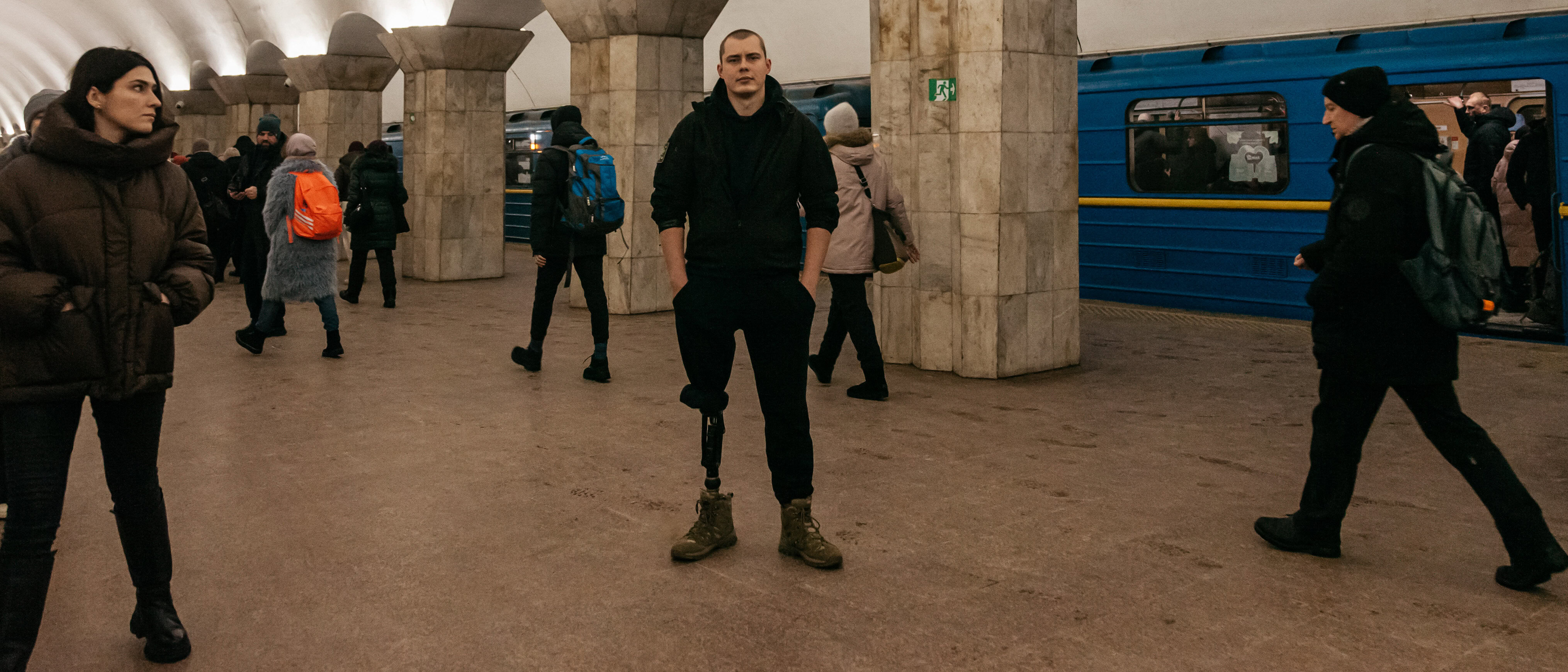
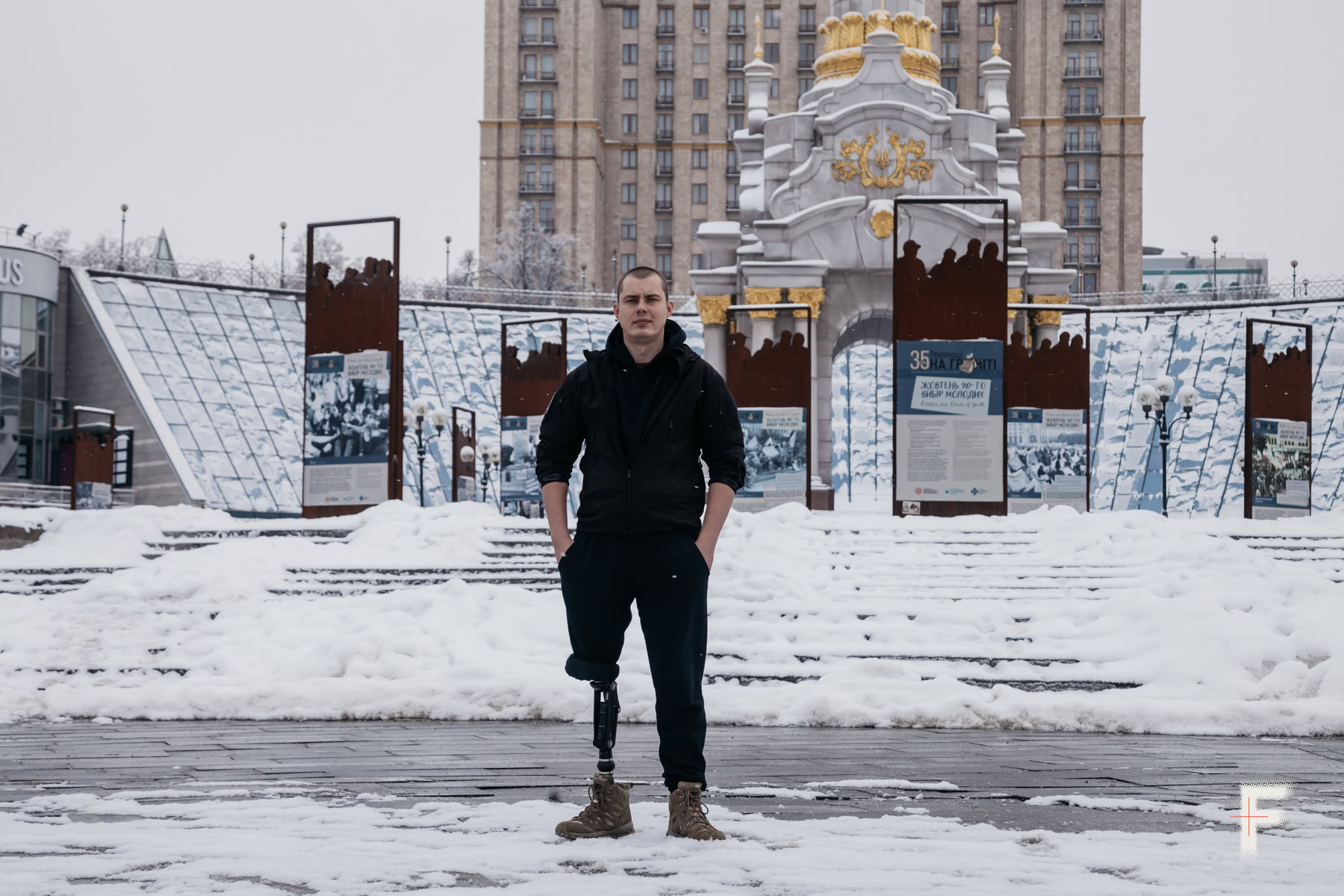
Bohdan Khambir, 27, lives in the village of Rusaniv in Kyiv Oblast, which came under active fire in the early days of the full-scale invasion. On March 2, 2022, while he was at home, a Russian shell tore straight through the wall of his house. Bohdan sustained third-degree burns, a shattered knee and femur, and lost his right leg above the knee.
I saw my leg just hanging by a piece of skin,
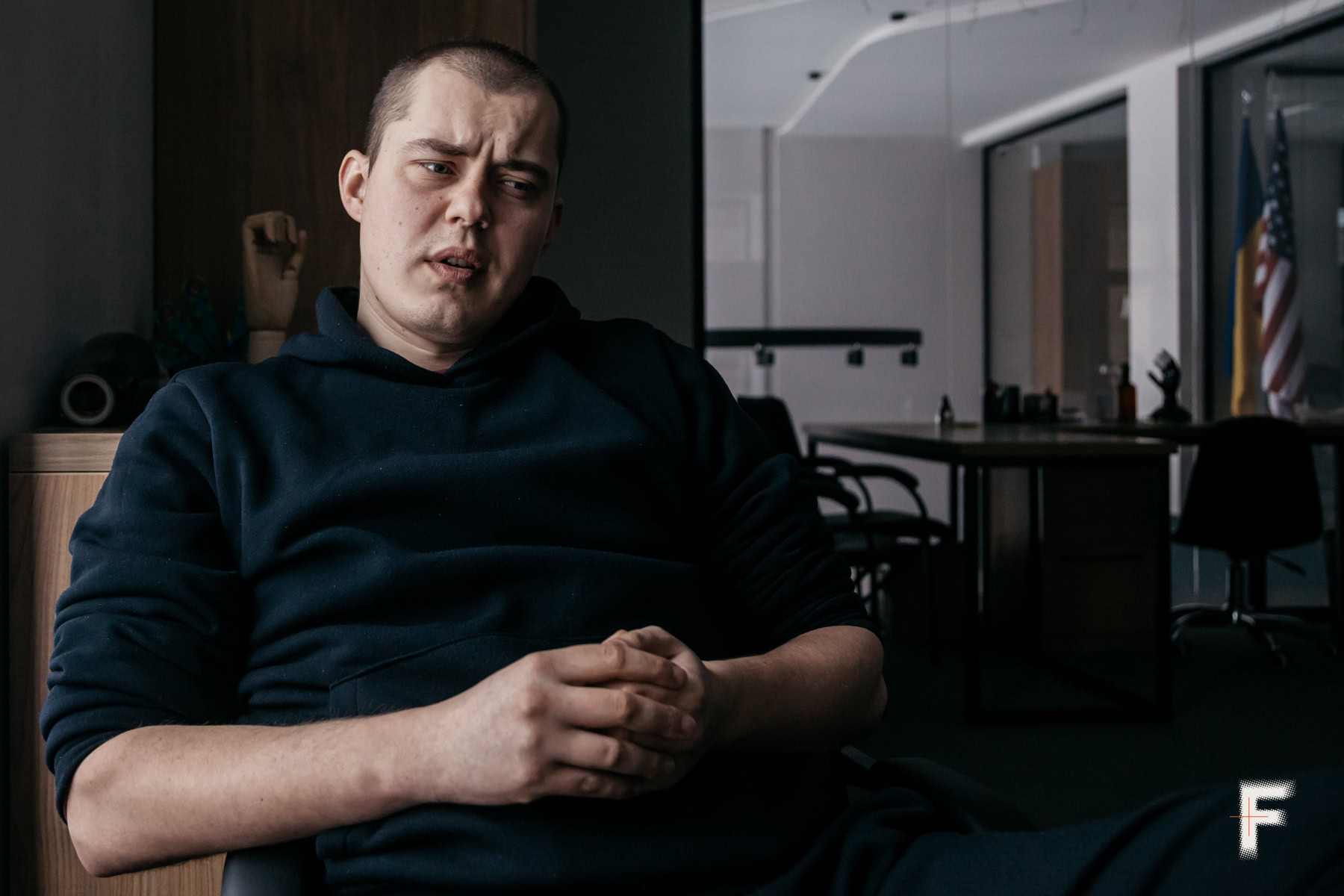
Bohdan’s parents provided him with first aid and took him to the Brovary Clinical Hospital. However, he could not remain in Brovary to complete his full course of treatment, as the frontline was approaching and all men with similar injuries were being evacuated.
“We understood that if Russian troops entered the hospital and saw men with amputations, no one would check whether you were a civilian or a soldier. They would kill everyone, including the doctors, right there in the wards,” Bohdan says.
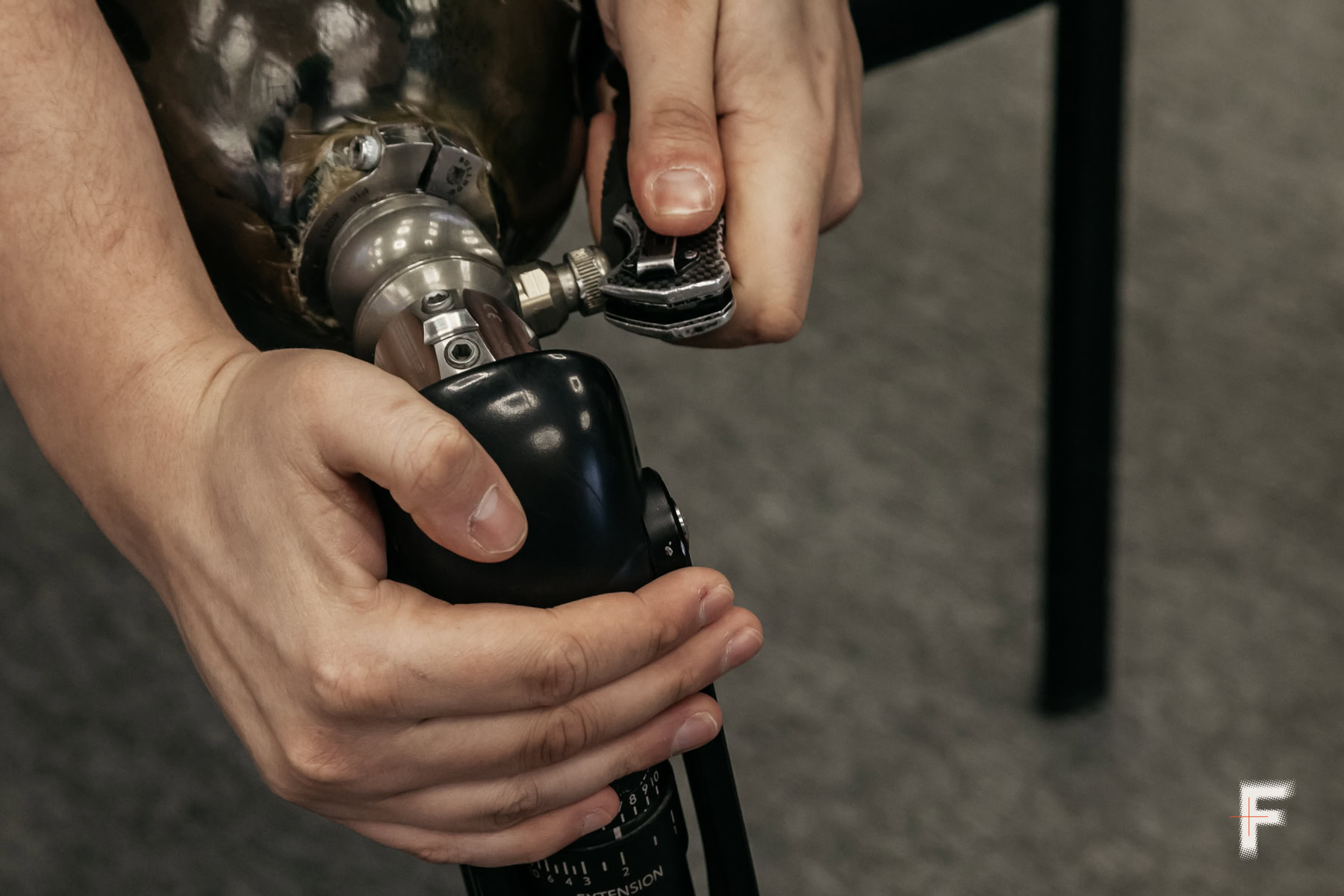
At the request of the Ministry of Health, Germany accepted Bohdan and other victims from the Brovary district for treatment. All expenses for accommodations and prosthetics were covered by the German side. In Hamburg, Bohdan was fitted with prosthetics and trained to walk on them. He returned home with a primary prosthetic worth €34,600 and a backup valued at €16,800. This allowed Bohdan to continue in his line of work — since February 2023, he has been back at his job as a construction foreman.
Disability as a result of war
Being officially recognized as having a war-related disability determines the support a person can receive from the state. Without this recognition, an injury is treated like any ordinary accident or illness. With the status, people can receive a higher pension, discounts on utilities of up to 100%, free public transport, and priority in the state-managed queue for housing or a vehicle. Through a state program called eOselia, those with war-related disabilities can take out a housing loan at just 3% interest, compared to 7% for other applicants. They also gain access to a range of medical programs, often without having to wait in line.
After his injury, Bohdan couldn’t get around on his own, so his parents took on most of the work to secure his disability status.
It was quite an ordeal — from receiving my first medical certificate
to finally being recognized as a person with a war-related disability,
the whole process took two years and two months,
To prove that his injuries were caused by the war and to secure future financial compensation from the Russian Federation, Bohdan initiated a criminal case. The materials were sent to the Security Service of Ukraine (SBU) and later reviewed by the Brovary District Court in the Kyiv region, which ruled in his favor. Bohdan added the document to a file that included medical reports, his police statement, the Ministry of Internal Affairs’ findings on the type of explosive device, and the exact date and circumstances of the attack.
Based on these documents, the Interagency Commission under the Ministry of Veterans Affairs confirmed that Bohdan’s injuries were caused by explosive devices. This paved the way for the Medical-Social Expert Commissions (MSEC) to review his case, which officially granted him the status of a person with a war-related disability.
Bohdan’s case took place during a period of reform at the Medical-Social Expert Commissions (MSEC) and changes within the Interagency Commission. The system was evolving, and the procedure for granting war-related disability status to civilians was simplified and streamlined.
A faster path to war-related disability status
Iryna Kovalenko was injured in 2025. She had left Bakhmut in 2022, but Russian aggression caught up with the 56-year-old in June 2025 while she was at her workplace in Kyiv.
During Russian shelling of the facility where Iryna worked, part of the building’s structure collapsed, and a live electrical wire struck her arm.
I understood I had to get the wire off me. I managed to do it.
When I looked at my hand, my severed fingers were hanging from my work glove.
I realized at that moment that my hand was gone,
A fire broke out inside the building, and the exits were blocked. Iryna found herself trapped but managed to escape through a small service window. She suffered burns and fell from a height. A police officer from the rescue team found her and took her to a hospital in Kyiv.
After the incident, Iryna struggled to sleep. She was haunted by fear and nightmares of the building engulfed in flames. She eventually received psychological support and spent a month and a half in the hospital, where treatment for her injuries, counseling, and therapy were all provided free of charge.
After her discharge, Iryna went to her family doctor to begin rehabilitation, only to learn that the wait for a program was more than a month. In the meantime, she managed to obtain her status as a person with a war-related disability.
Some of the documents were gathered with the help of her employer’s legal team, but the medical certificates had to be obtained in person. Iryna says that, due to her fragile state after the injury, she would not have managed on her own, so her daughter accompanied her at all times. The process of obtaining war-related disability status took a month and a half. She was given second-degree disability status, which provides her with a pension of 7,800 hryvnias (approximately €200). She also receives an additional payment of 3,000 hryvnias (around €75) as a displaced person with a disability.
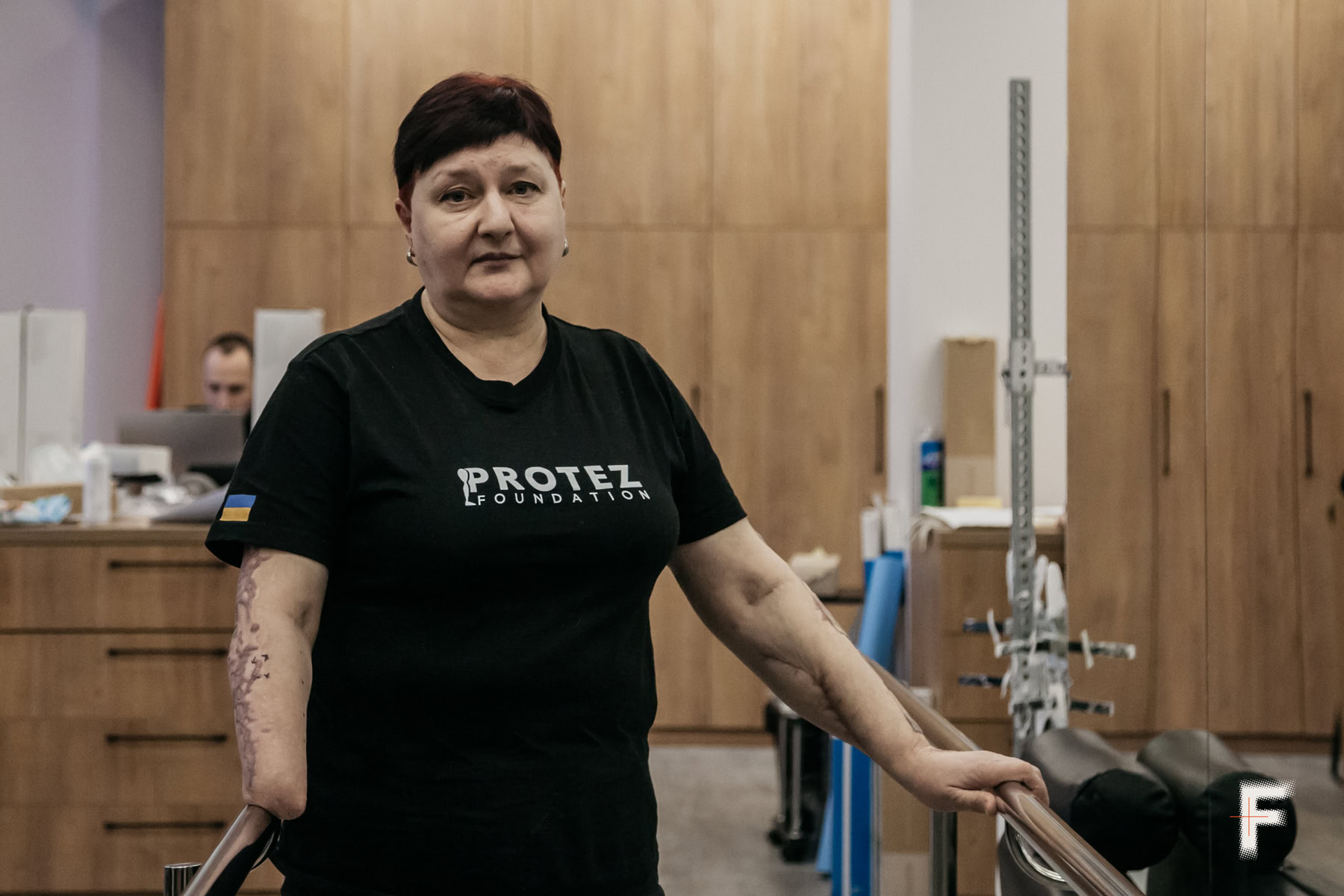
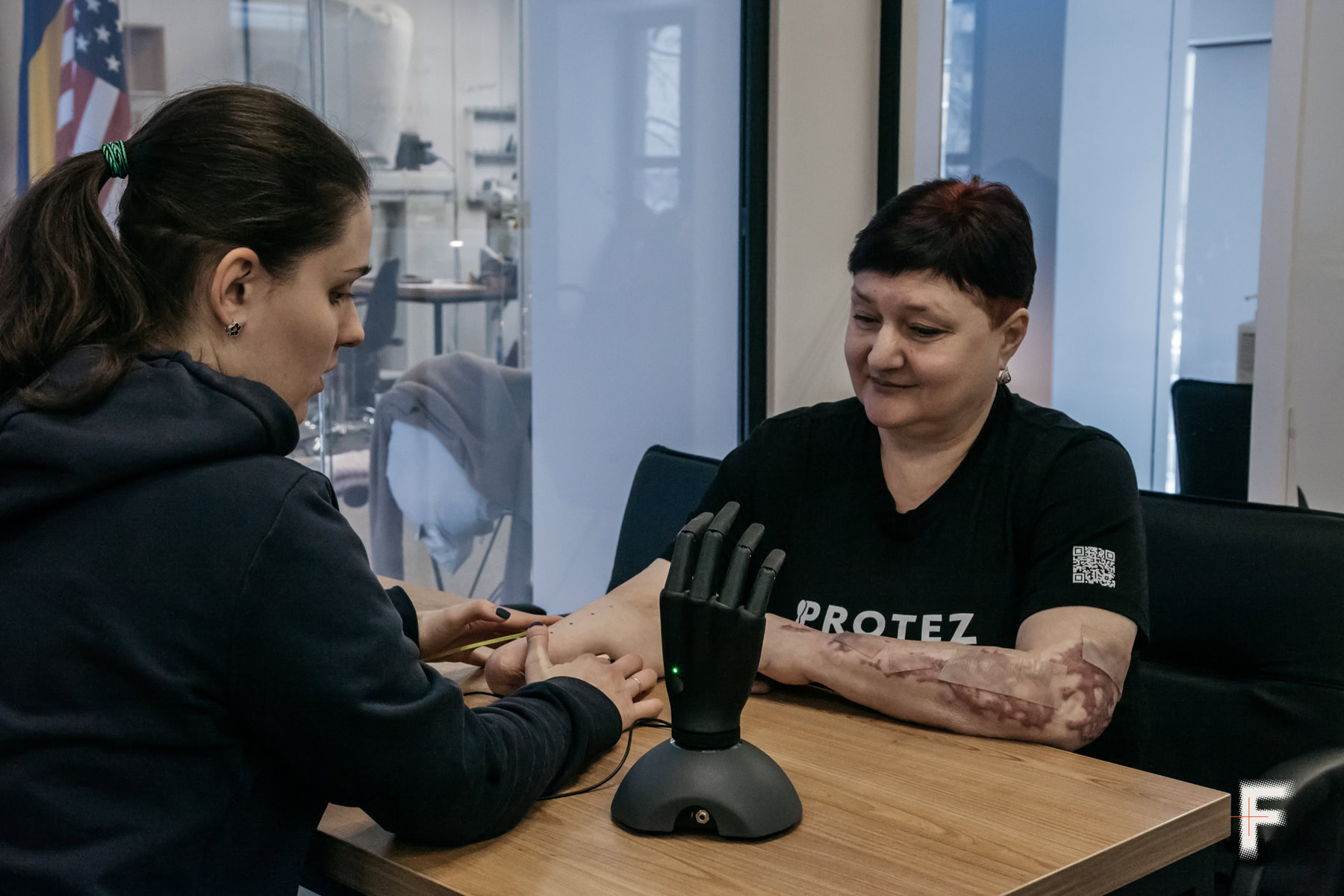
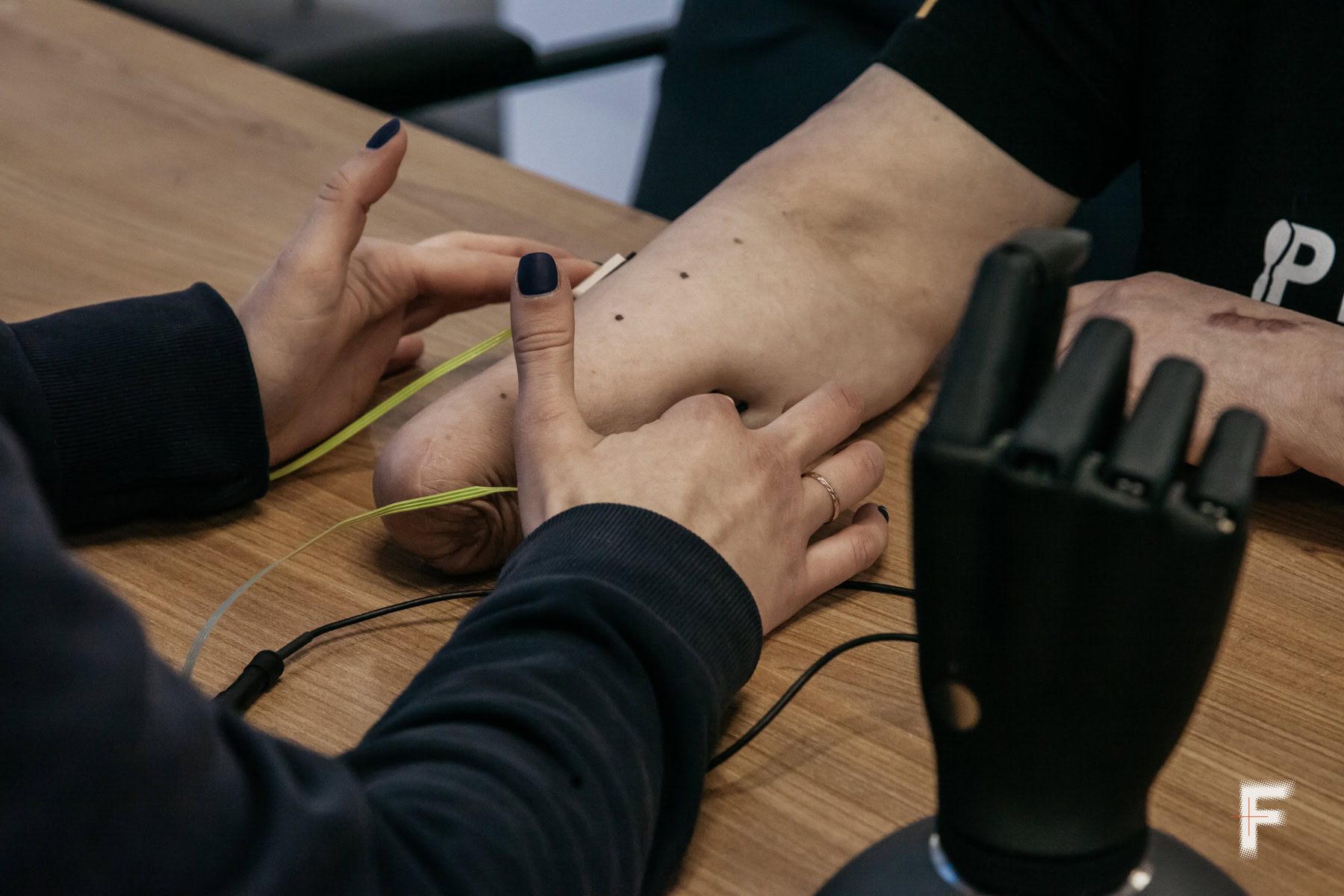
Iryna Kovalenko’s family searched extensively for a suitable prosthesis, submitting applications to several organizations. Among them was the non-profit Protez Foundation, which took on her case. The foundation provided her with two prostheses free of charge, a mechanical one and a bionic one that will allow her to return to work.
-
Iryna Kovalеnko learning to use a bionic prosthesis at the Protez Foundation center, Kyiv, Ukraine, Jan. 15, 2026. (Oleksandra Rakhimova/Frontliner)

-
Iryna Kovalеnko learning to use a bionic prosthesis at the Protez Foundation center, Kyiv, Ukraine, Jan. 15, 2026. (Oleksandra Rakhimova/Frontliner)
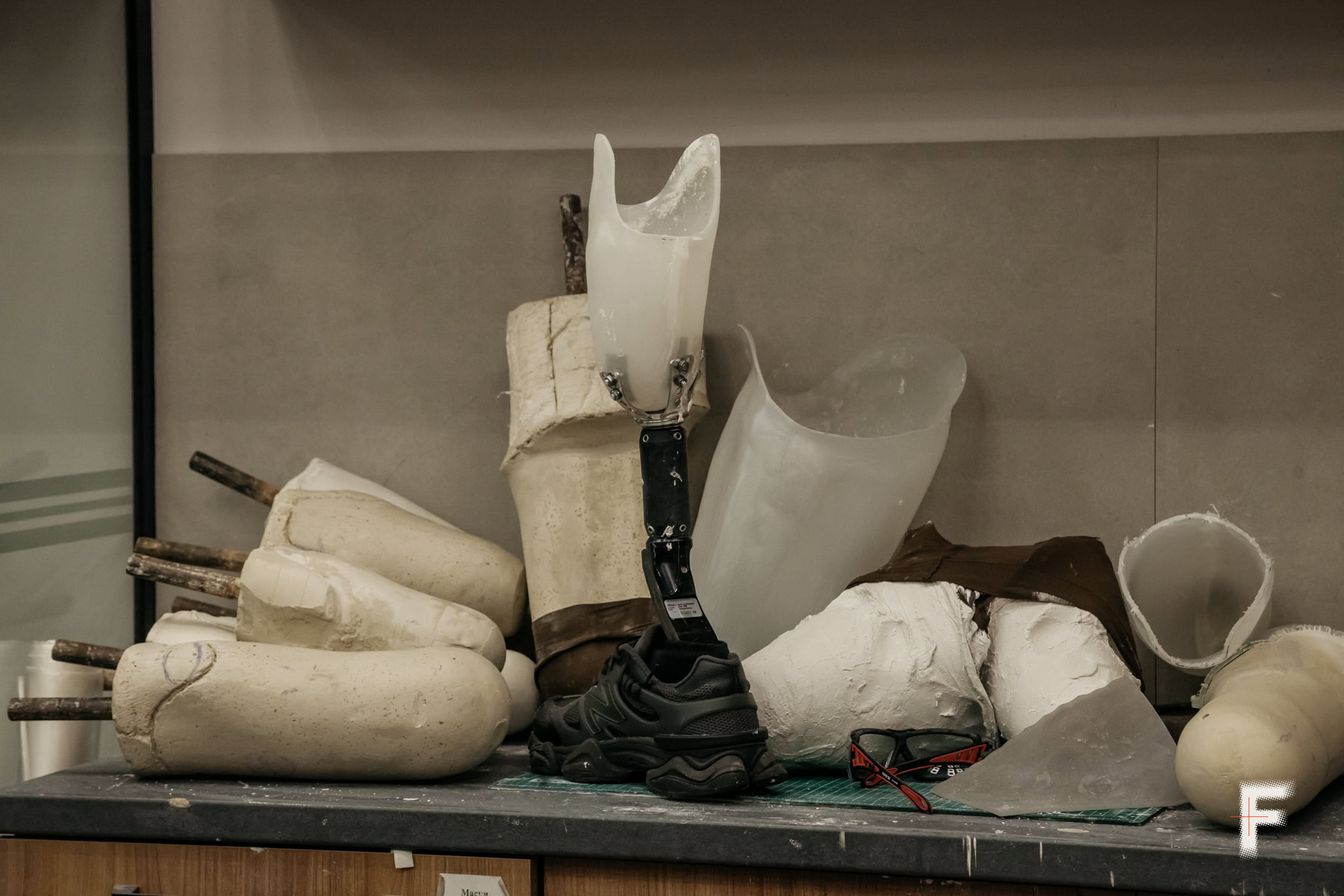
Civilians injured in the war who have been granted war-related disability status are entitled to free prosthetics. However, the state only covers prostheses that are on a specific approved list and that fall within set price limits. The basic price cap for a high-function prosthesis for a civilian with a disability, as reimbursed by the state, cannot exceed 900 times the subsistence minimum; at the beginning of 2026, this amounted to 2,995,200 hryvnias (approximately €75,000) excluding sales taxes. If a prosthesis costs more than this, the person must cover the difference themselves or rely on charitable funding. Obtaining a prosthesis abroad, outside the state program, means losing the right to free repairs until the prosthesis is officially registered in Ukraine.
Residents of areas directly affected by active war hostilities have only been able to apply for war-related disability status since May 2023, while people injured elsewhere in Ukraine gained this right starting in October 2024.