Useful at the front and at home: Patriotic education by personal example
Instead of the usual school bell, a Vesnianka plays over the loudspeaker. Today, instead of algebra and literature, these secondary school students are learning tourniquet application, playing laser tag, and discussing volunteering — all part of their citizenship class. Frontliner reports on what young people are learning at the center for national and patriotic education.
[Editor’s Note: Vesnianka (Веснянка), or “spring song,” is one of the oldest forms of Ukrainian folk tradition. These songs feature simple melodies, call-and-response structures, and imagery drawn from the natural world: migratory birds, flowing water, and first blossoms. Rooted in ancient Slavic rites, they embody the spirit of collective joy and seasonal renewal.]
In a spacious classroom at one of the Lviv schools, secondary school students are doing a special morning warm-up: at the instructor’s command, they turn around repeatedly to become disoriented.
“Attention, injury to the right leg!”, shouts instructor Nadiia loudly; everyone lies down on the floor and must apply a tourniquet properly in a matter of seconds. Nadiia urges her students on and checks their performance.
When full-scale war broke out, Nadiia Tkachyk was a second-year university student and was set to become an architect. However, she realized that in times of war, she needed to be useful in some other way: she volunteered, attended training sessions, and intensively studied tactical medicine. Eventually, she became a trainer in tactical medicine and first aid, frequently conducting classes at training grounds and workshops in various cities. She also performs this role at the Volia [ed. –– freedom in Ukrainian] center for national and patriotic education at one of the schools in Lviv.
This will come in handy not only on the front line,
but also in accidents, daily life, or dangerous situations,
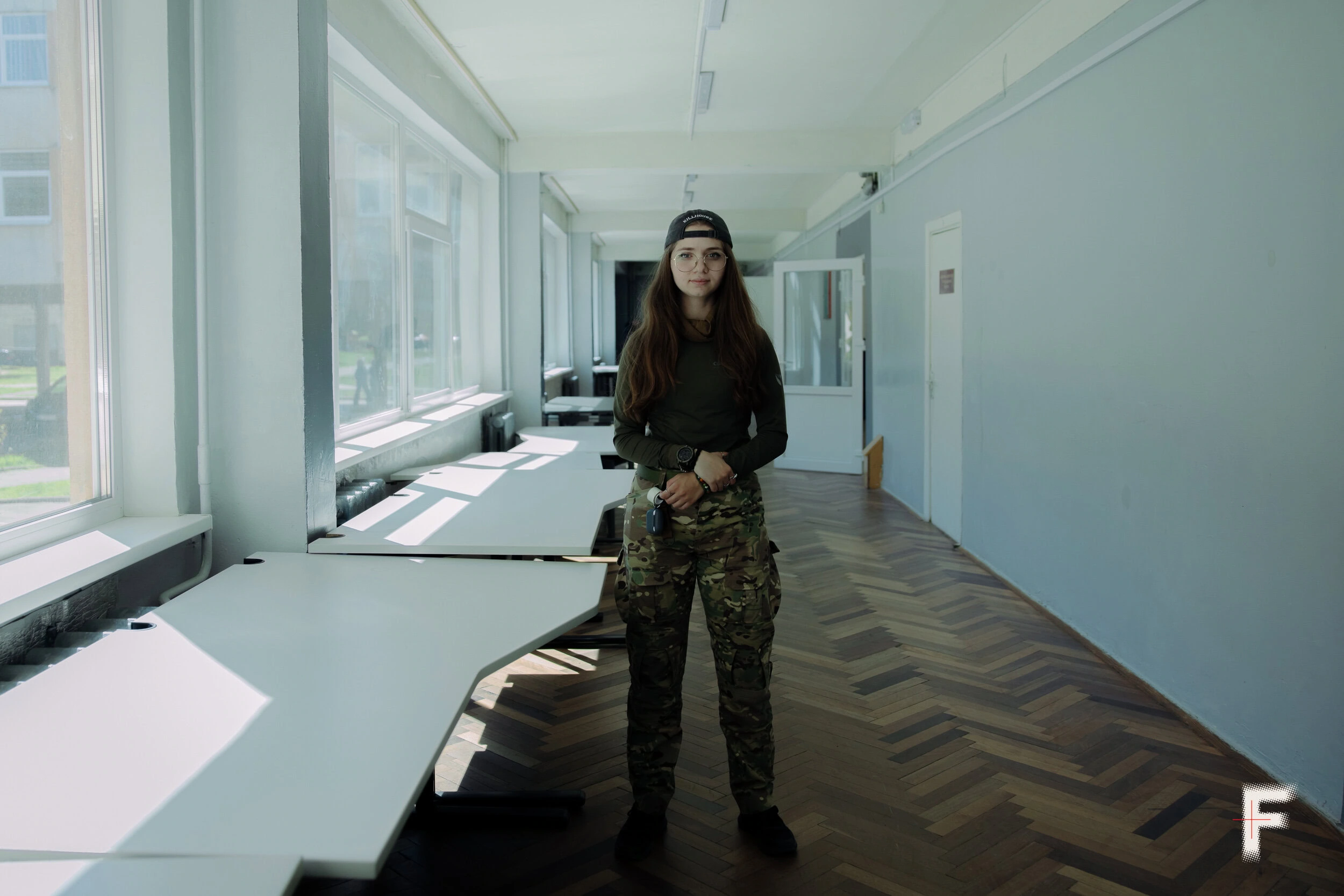
“I very much enjoy teaching children because I understand that I am instilling values in them that they can carry with them throughout their lives. Right now, they are easily influenced by adults, that is why we need to raise responsible citizens and teach them first aid. This will come in handy not only on the front line, if they end up there, but also in accidents, daily life, or dangerous situations,” Nadiia “Kolibri” Tkachyk says.
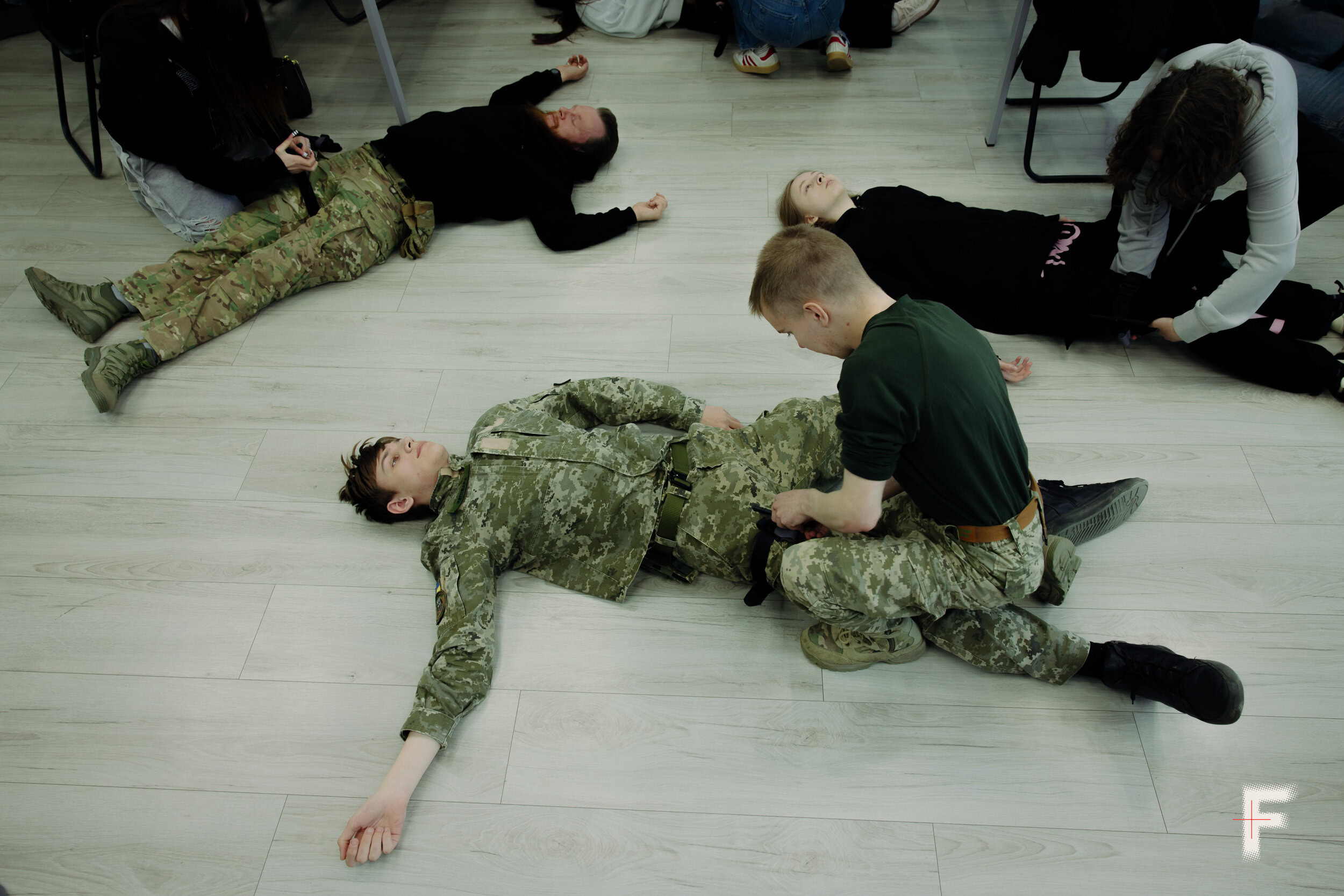
The teenagers practice applying tourniquets throughout the entire class. When they apply them to each other, you can hear jokes mixed with occasional groans. However, Nadiia assures them that the bruises will fade in a few days.
“We need regular training sessions because that is the only way to hone our skills; and we need those skills so we do not panic and can act in extreme situations,” Dmytro Diatlov, an assistant tactical medicine instructor, explains to the students.
“If I need to serve as an example for young people, I am ready”
Dmytro has been working at the center for two years. His experience includes volunteering in Lviv, studying tactical medicine, and traveling to the Eastern part of Ukraine in his own tow truck to transport broken-down cars to local repair shops. Later, as a volunteer, he traveled to the Kharkiv, Dnipropetrovsk, Kherson, and Donetsk regions. Now Dmytro is part of a volunteer community that evacuates vehicles from the front lines.
I am also inspired by interacting with young people,
because they are interested,

“I have a seven-year-old daughter, and I understand how important it is to set a good example for children. If I can become such an example, then I must do so. I am also inspired by interacting with young people, because they are interested not only in the issues I can help with as an assistant instructor, but also in how the equipment works, logistics, and volunteering,” says Dmytro Diatlov.
The assistant feels that the boys and girls appreciate his work, especially since they practice life-saving skills during the classes.
In March, after shelling of one of the districts of Lviv,
an 11th-grade girl who attends classes at the center was able
to assess the situation and apply a tourniquet to
a person until the ambulance arrived,
“We are not training assault troops; we’re teaching life skills”
The Volia center for national and patriotic education was launched in May 2024. There are currently 15 such centers operating in Lviv. Head Oleksii Sopilko explains that the centers follow an experimental curriculum. Secondary school students are taught information security, OSINT, firearms and marksmanship training, how to handle air guns, as well as tactical medicine using the MARCH algorithm, first aid, and more.
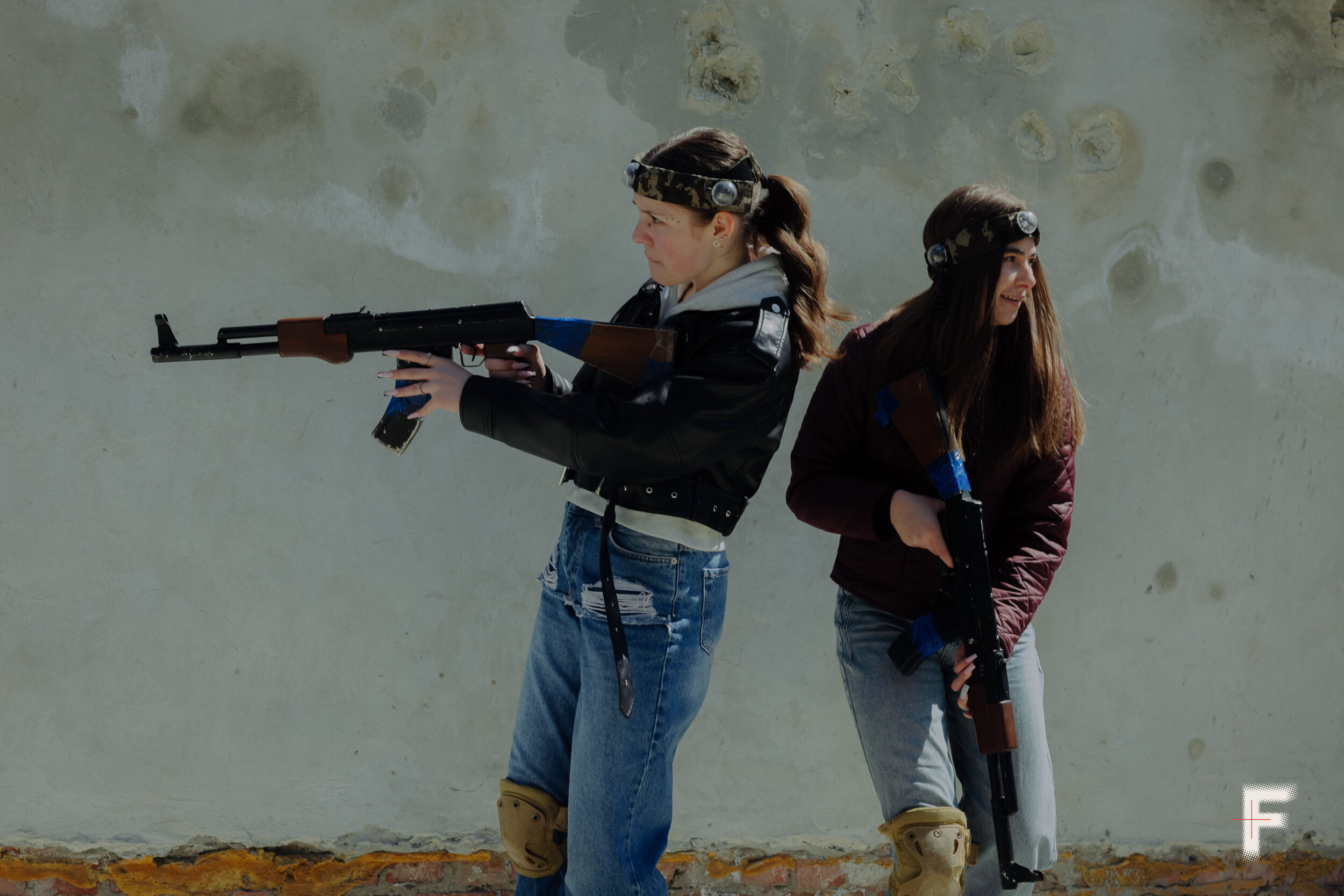
“We do not train assault troops; we teach young people how to navigate the terrain, use a radio and map, as well as other skills necessary for surviving in wartime,” says Oleksii Sopilko.
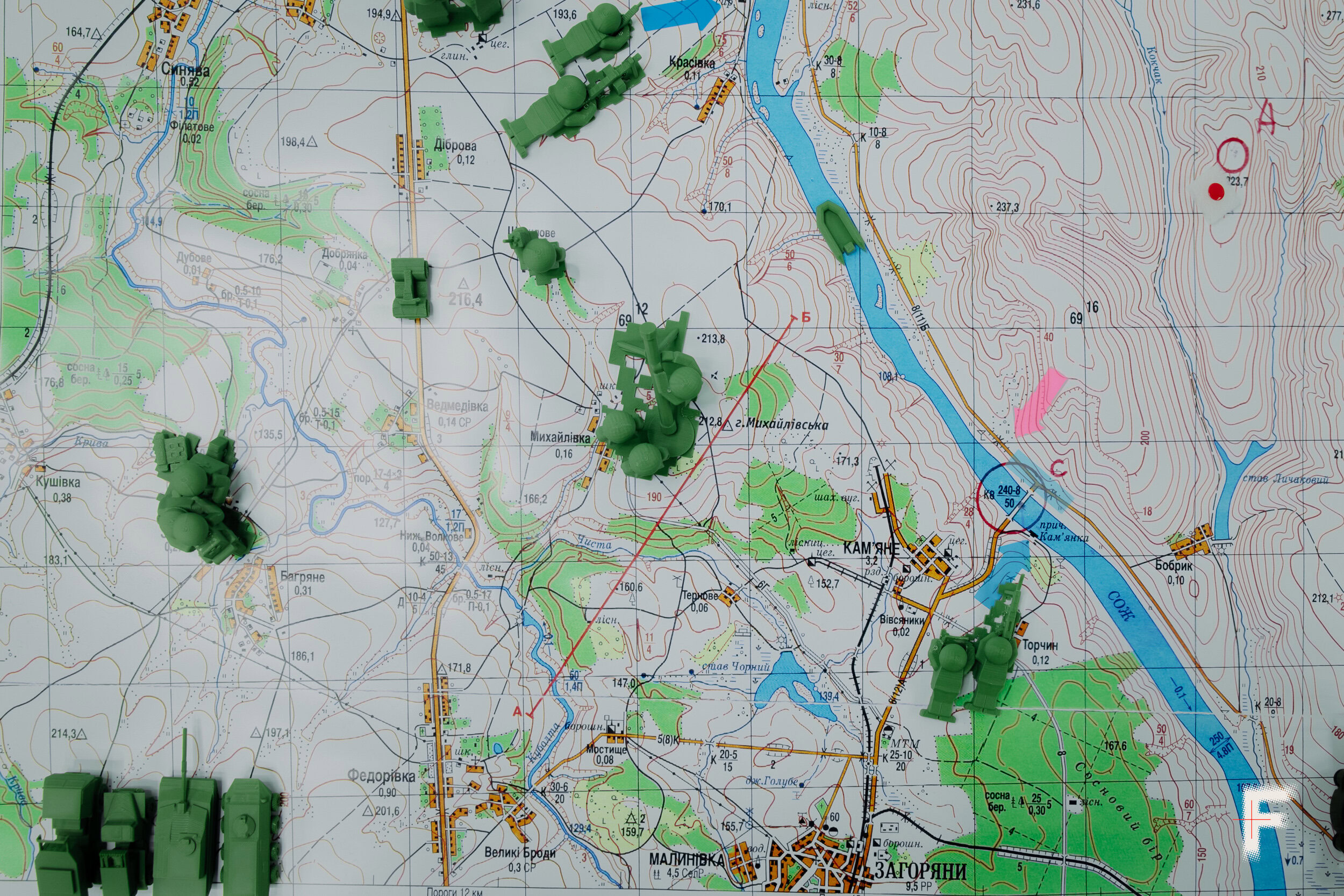
The center often invites military personnel or veterans to share their own service experiences. The center’s head himself shares these experiences, as he is a career serviceman who served in the army for 26 years before working at a children’s tourism center.
During the full-scale war, Oleksii spent two years fighting in the Donetsk and Luhansk regions. When he was offered the position of head of the center for national and patriotic education, he accepted, believing he could make a difference there. To him, patriotism is not about big words. It is about doing your work properly, and being able to help yourself and others in challenging situations.
This is not a military drill; after all, we work with children.
The children find it interesting,
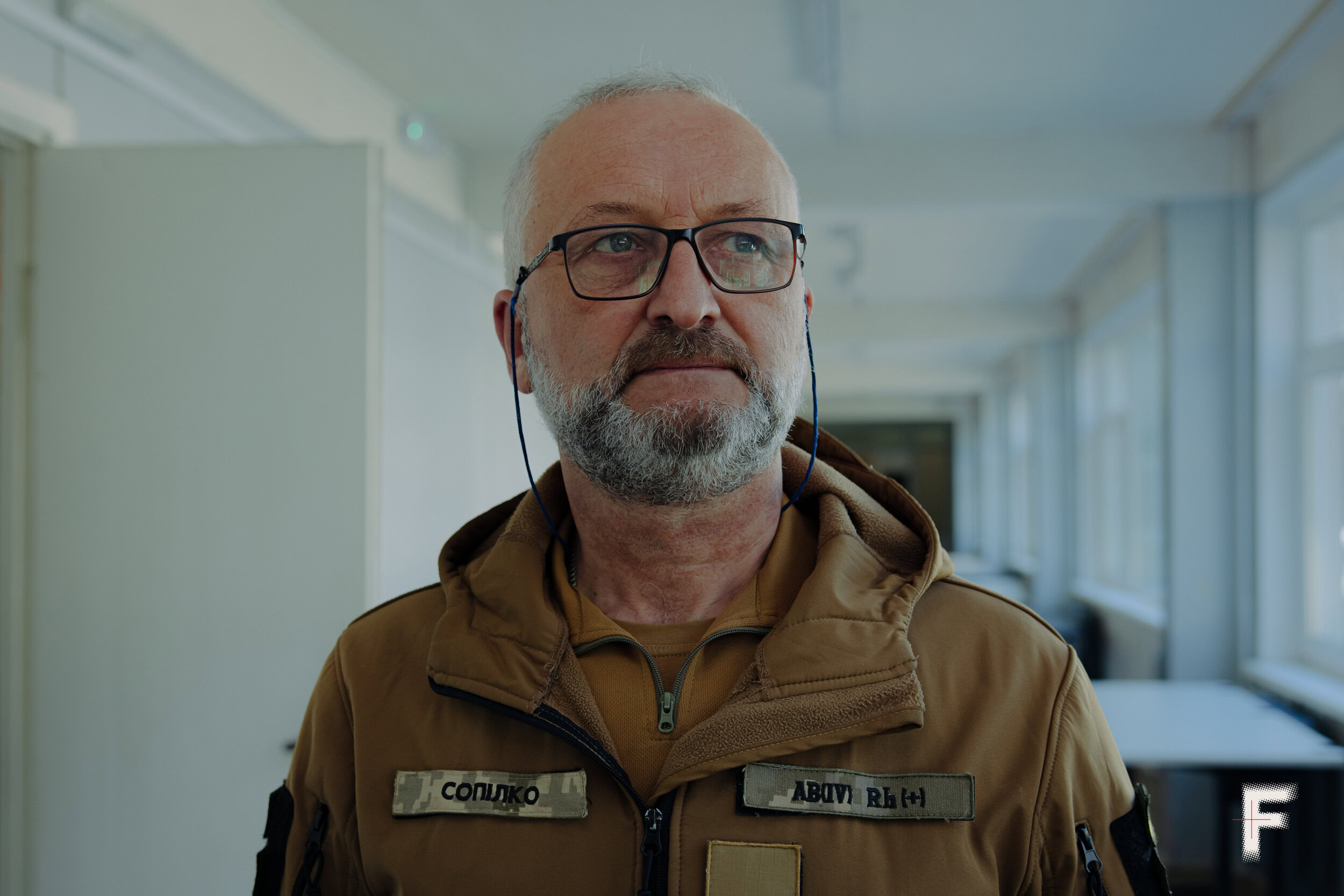
“The most challenging aspect is the uncertainty, which is why we teach children how to navigate the terrain, find cover, avoid panicking as well as medical skills, which are needed not only at the front but also in the rear. All our teaching is built around games and quests. This is not a military drill; after all, we work with children. The children find it interesting, and the instructors and assistants themselves serve as examples of national-patriotic education,” says Oleksii Sopilko.

The schoolyard as a training ground
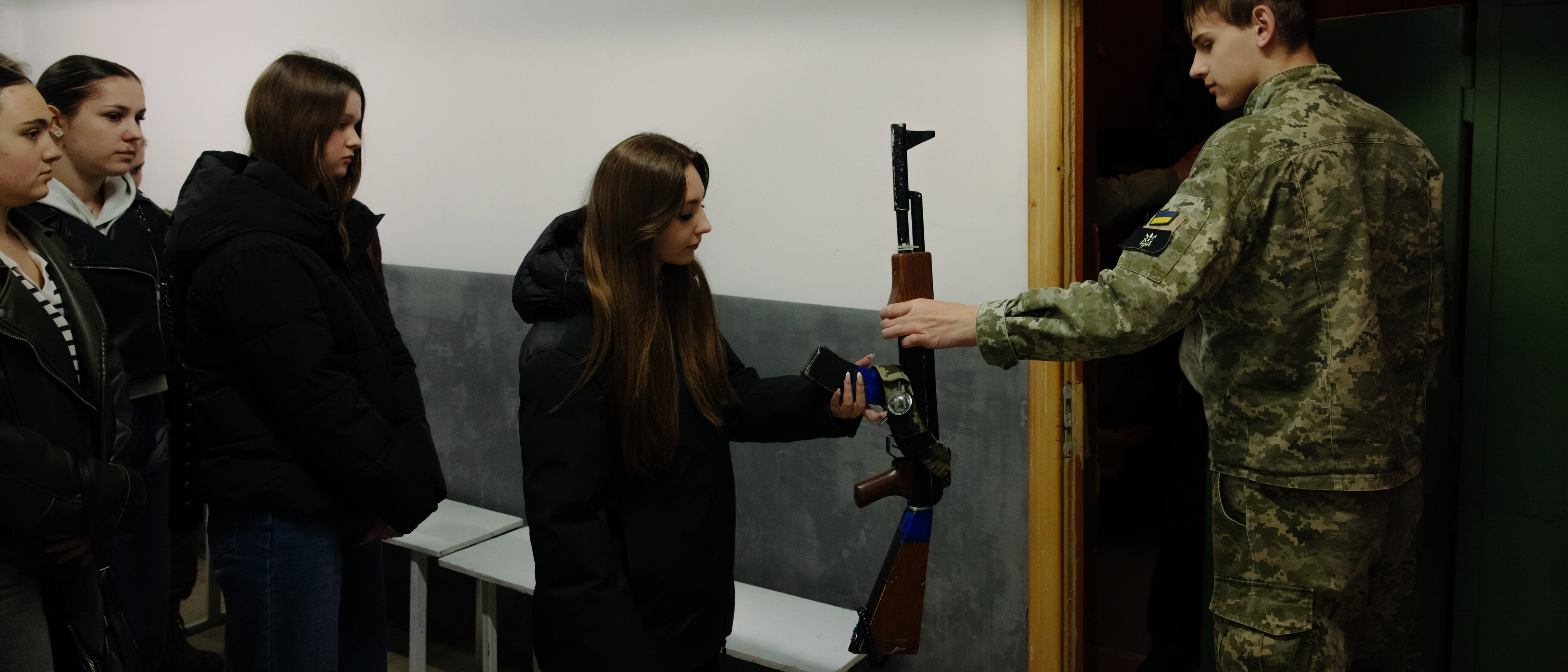
According to the schedule, it’s time for tactics training. Today, instructor’s assistant Vira Khrystoforova is teaching the boys and girls weapon handling. Vira has been working with the children for several months. In 2024, she fled occupied Luhansk because she could no longer stay there. She worked in hospitality at first, then moved into volunteering, fundraising for the military and regularly joining training drills at the training camps.
They do not march, nor do they sing ‘Katyusha’;
instead, they learn to help themselves and their loved ones,

“I want the children to understand what is going on. Many adults who are not familiar with the context of the war have often asked me if Luhansk has really been occupied since 2014. Children need to grow up understanding the significance of what is happening. They do not march like I did in school, nor do they sing ‘Katyusha’; instead, they learn to help themselves and their loved ones. We are shaping their national consciousness,” says Vira Khrystoforova.

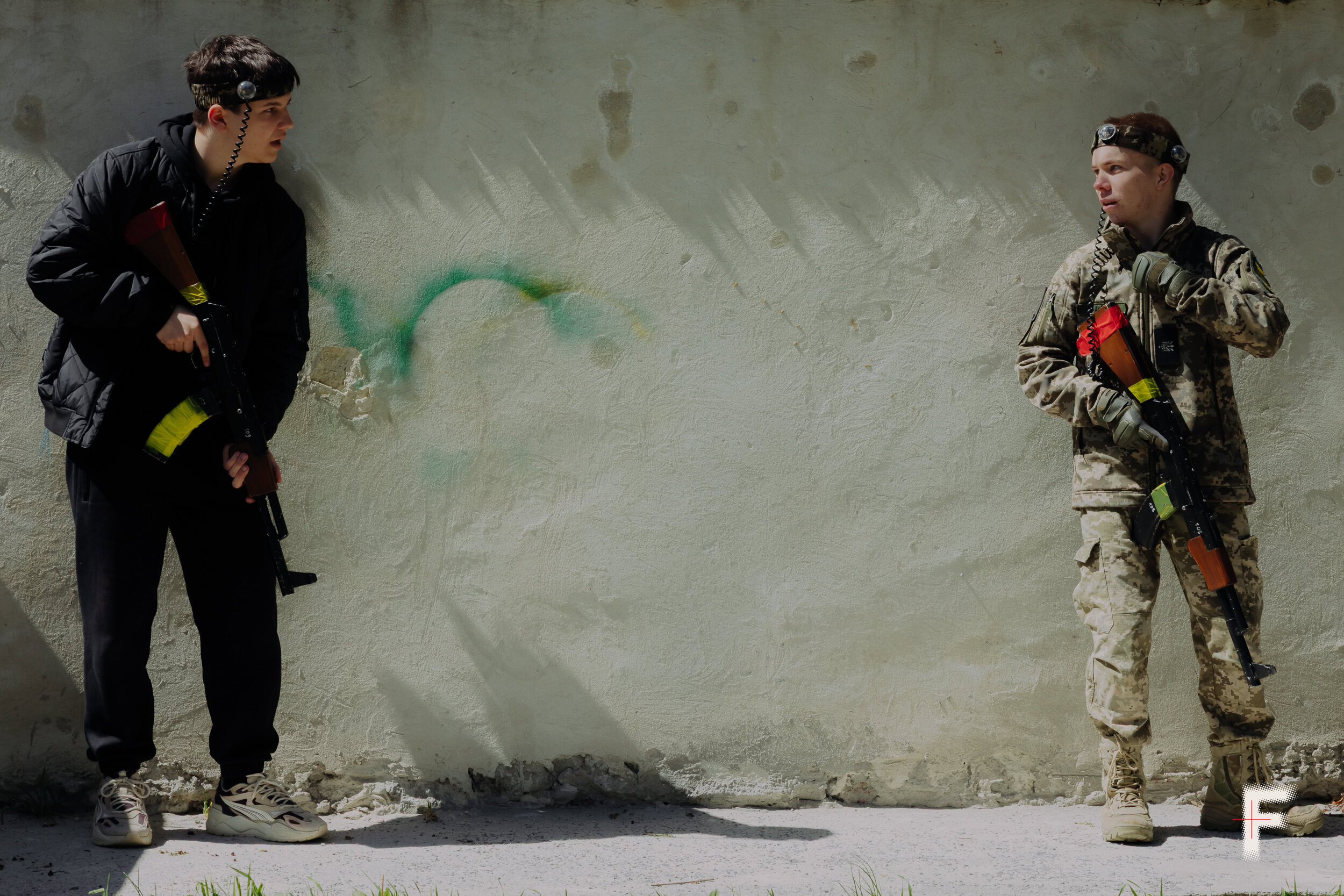
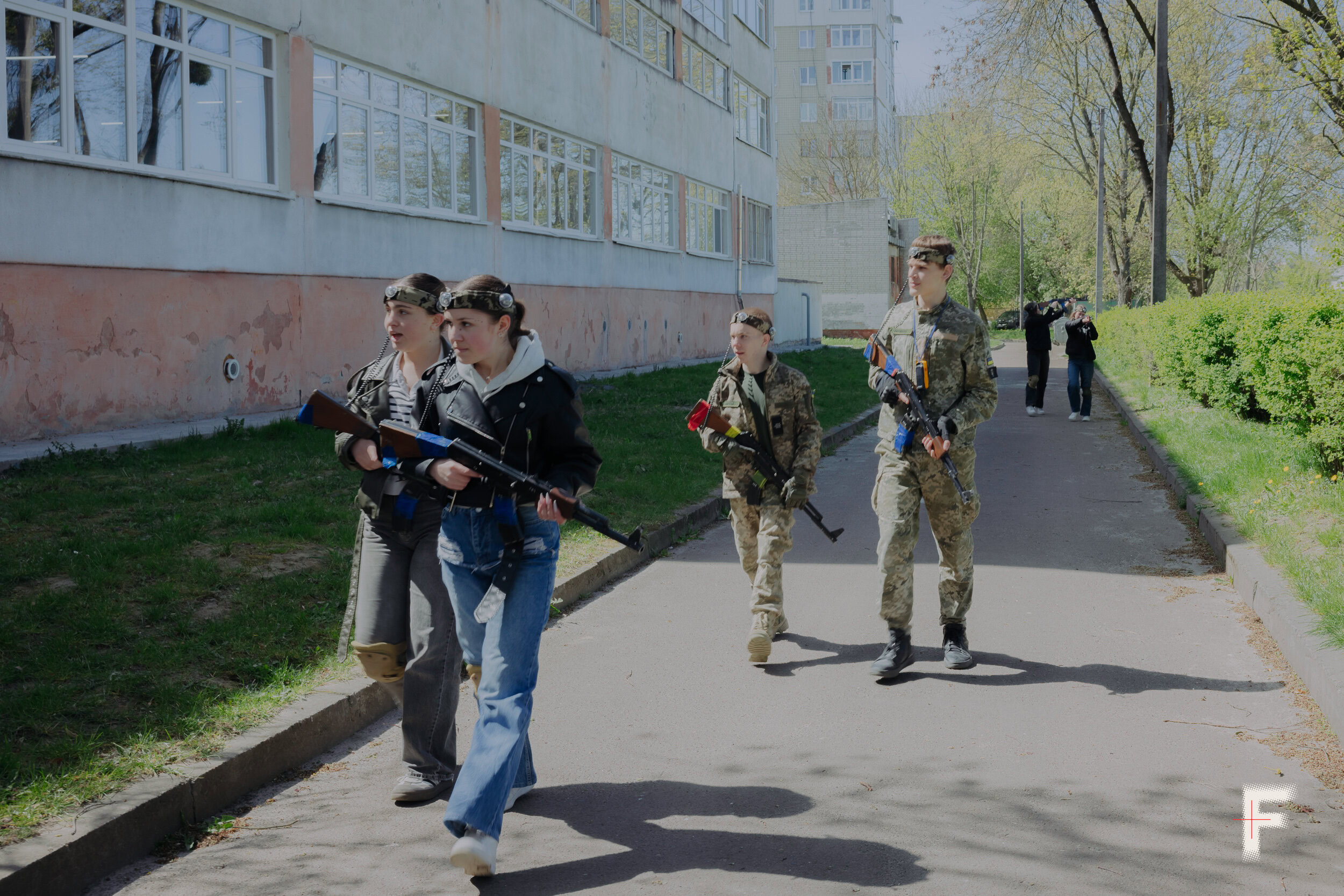
After lunch, the schoolyard turns into a battlefield. All participants are divided into two teams and play laser tag, trying to hit each other with a beam of light. The most important thing here is to practice teamwork and the skills of helping one another.
-
Students discuss team strategy during a tactics class, Lviv, Ukraine, April 28, 2026. (Anna Zubenko/Frontliner)
-
A student applies a tourniquet, Lviv, Ukraine, April 28, 2026. (Anna Zubenko/Frontliner)
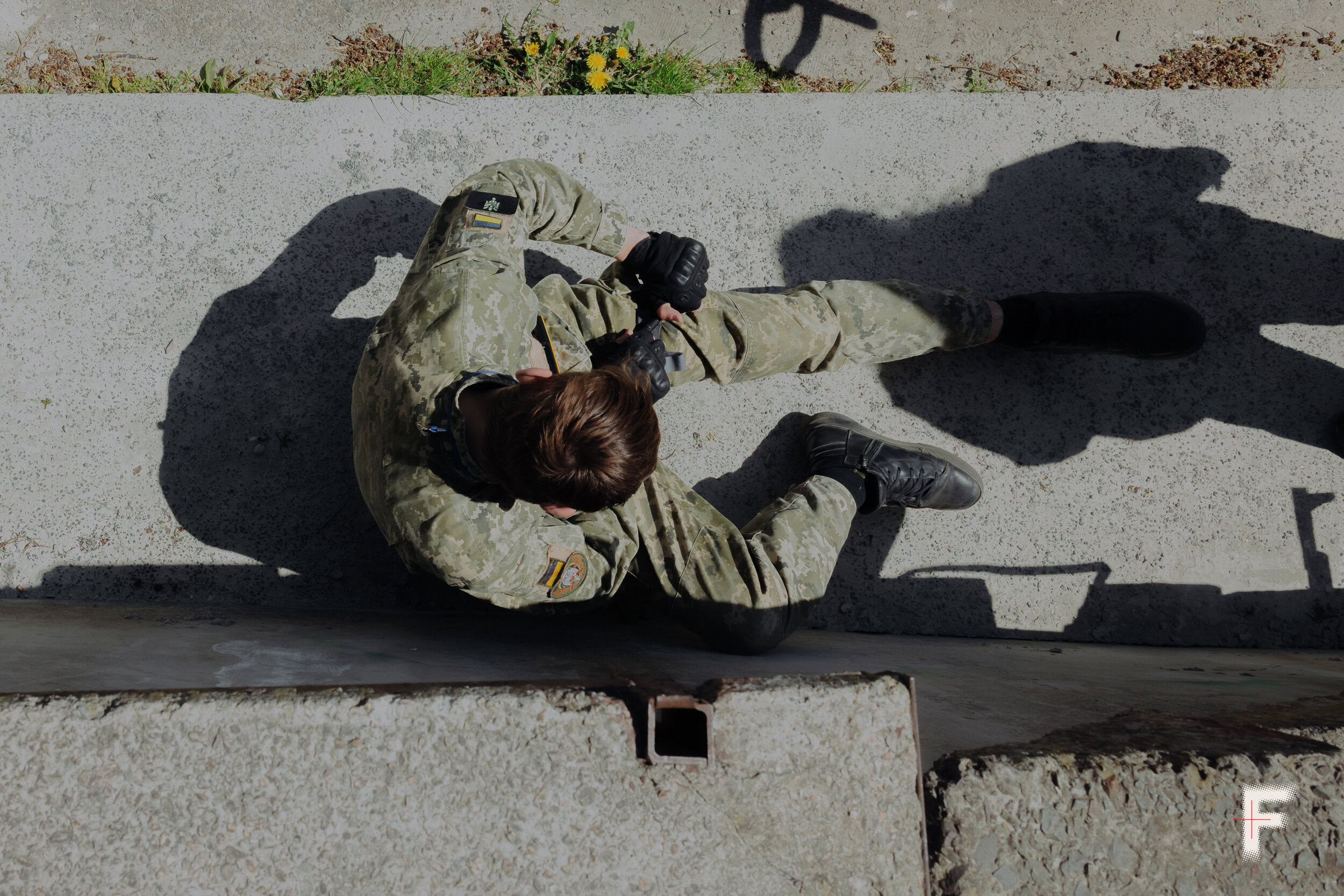
Yurii Sopilko observes the game and gives instructions to those who have received a simulated wound; they have to apply a tourniquet or pack the wound. After nearly half an hour of active play, the instructor and his assistant analyze the participants’ mistakes and the quality of their teamwork.
We teach children how to handle weapons
primarily for self-defense,
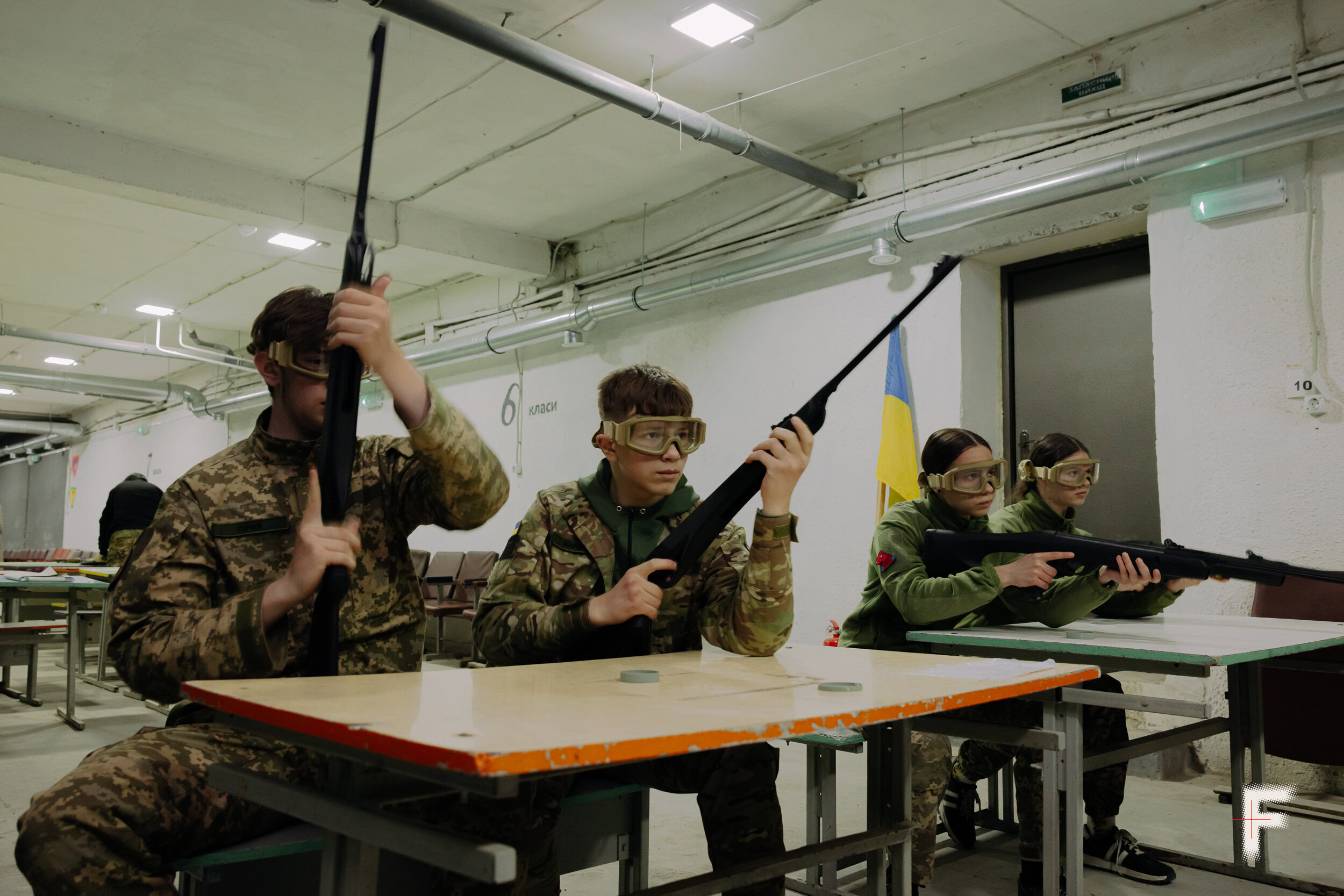
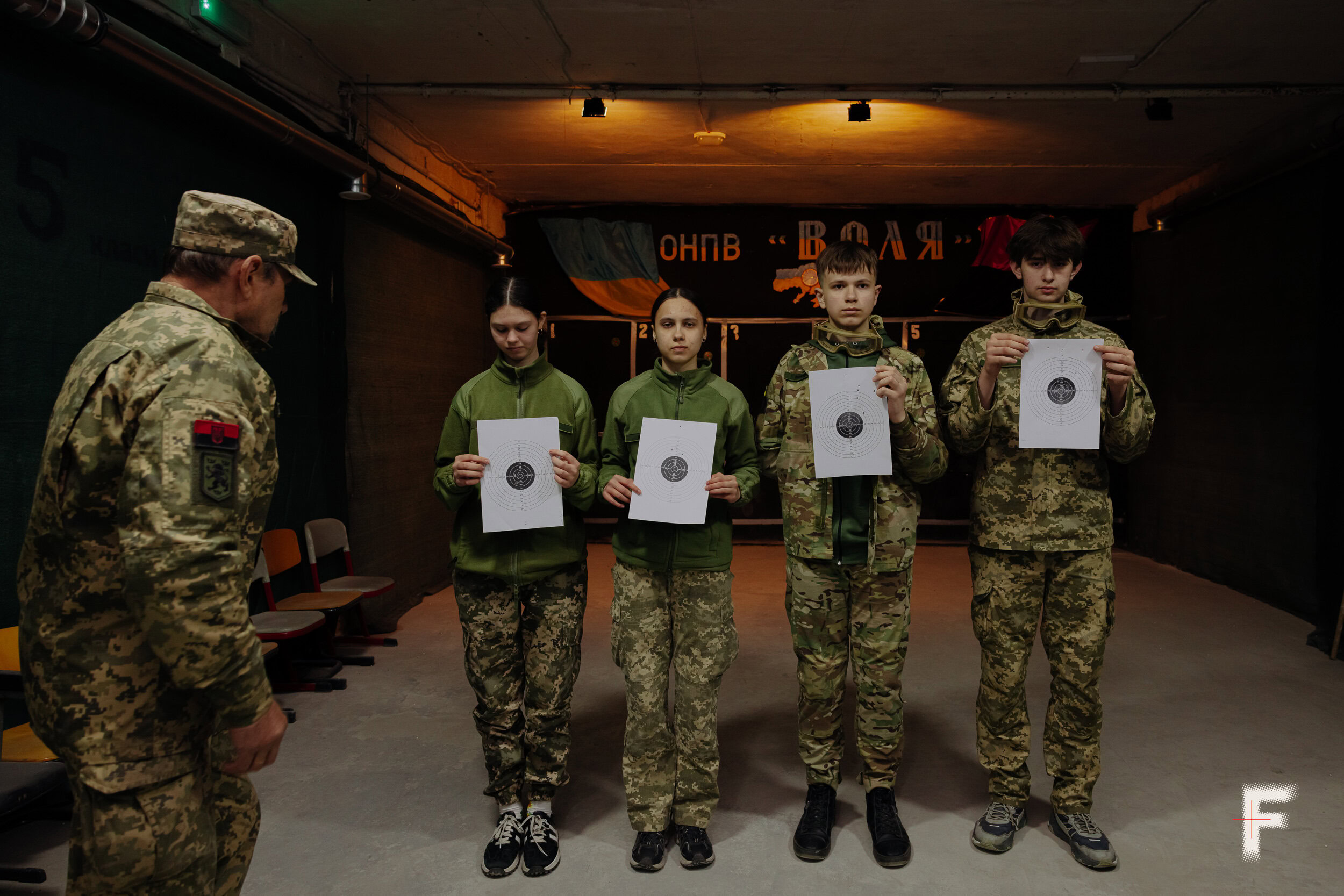
Later, some of the teenagers head to a tactical training session at the firing range with veteran Vasyl Rudetskyi, who teaches firearms training. He retired from service in 2024 and decided to apply his knowledge in working with young people:
“We teach the kids the basics: how to fire at a target, what an assault rifle is, and what a magazine is. This is not basic military training: we teach children how to handle weapons primarily for self-defense. However, the most important thing is to teach each of them so they can handle themselves in difficult situations,” says Vasyl Rudetskyi.
“Finding the Intersections of civilian and military life”
It is not just classes on tactics and medicine that help young people learn to navigate life.
In his classes, practical psychologist Oleksandr Mitin talks about different issues, ranging from the harm caused by drugs to why volunteering matters today.
Considerable attention is also given to learning how to communicate with military personnel and veterans, especially those with disabilities. Oleksandr’s father returned from the front line, so he knows about this not only from theory but also from personal experience.
A civilian should know that the correct term is ‘wheelchair’ rather than ‘buggy.’
To me, that matters more than learning how to handle a rifle.

“I draw on historical examples, since history tends to repeat itself,” says Mitin. “I focus a lot on awareness: a civilian should know that the correct term is ‘wheelchair’ rather than ‘buggy.’ To me, that matters more than learning how to handle a rifle. If someone joins the army, they will be taught that. But ethics need to be learned at school.”
In his view, the main goal of the center is to raise responsible and aware individuals. In his classes, Oleksandr teaches children what it means to be mindful patriots: not just to love their country deeply but also to critically assess and question the authorities. He also teaches them to be active, know the laws, fulfill their duties, and strive for the country to grow.
And what do the children think?
The children have different attitudes toward the classes at the center. This is evident from how they prepare for class: some wear uniforms with name patches, while others show up with fresh manicures and white pants, which make it difficult to exercise, especially during laser tag.
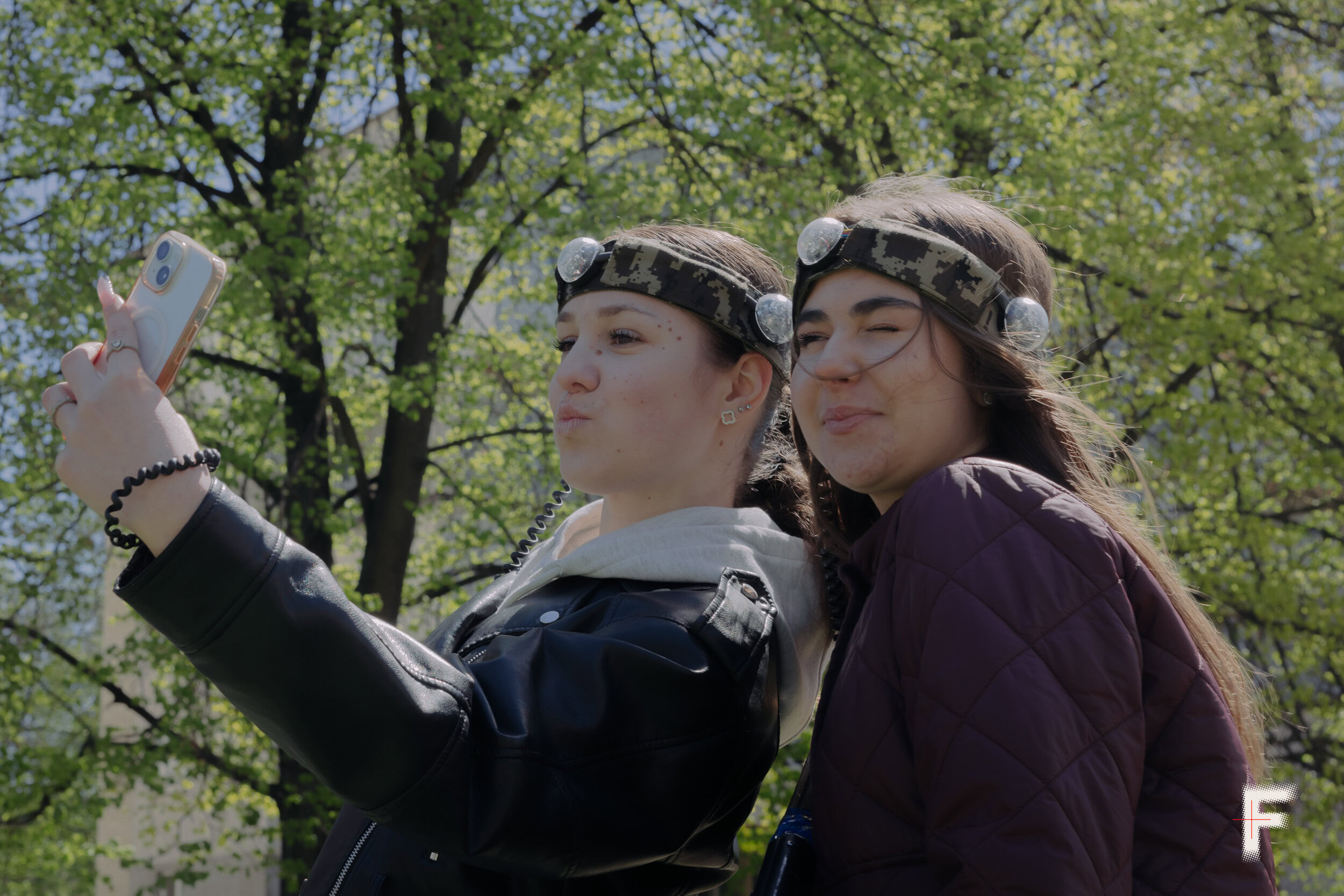
Andrii Yeroshko sees himself as a serviceman in the future, so he is currently eager to practice assembling and disassembling an assault rifle, and he often takes the lead in laser tag games. The young man says he enjoys the atmosphere of the classes and interacting with like-minded peers.

Not all students attending these classes see their future in the military. Oleksii Sopilko shares that several girls want to enroll in medical university. There is a young man who dreams of studying theatre, but he puts in his maximum effort during classes.
Volodymyr Banas plans to enroll in a theological seminary after school and become a priest. He attends these classes because he believes that first-aid skills could come in handy even in the sphere he has chosen. He also wants to make the most of his school years. He considers the instructors and their assistants to be mentors who set a good example of what a responsible person should be.
Rostyslav Maharevych, on the other hand, believes that the most important thing he learns in class is how to apply a tourniquet. For his birthday, Rostyslav plans to buy the gift he wants most: a personal tourniquet, for which he is saving up.
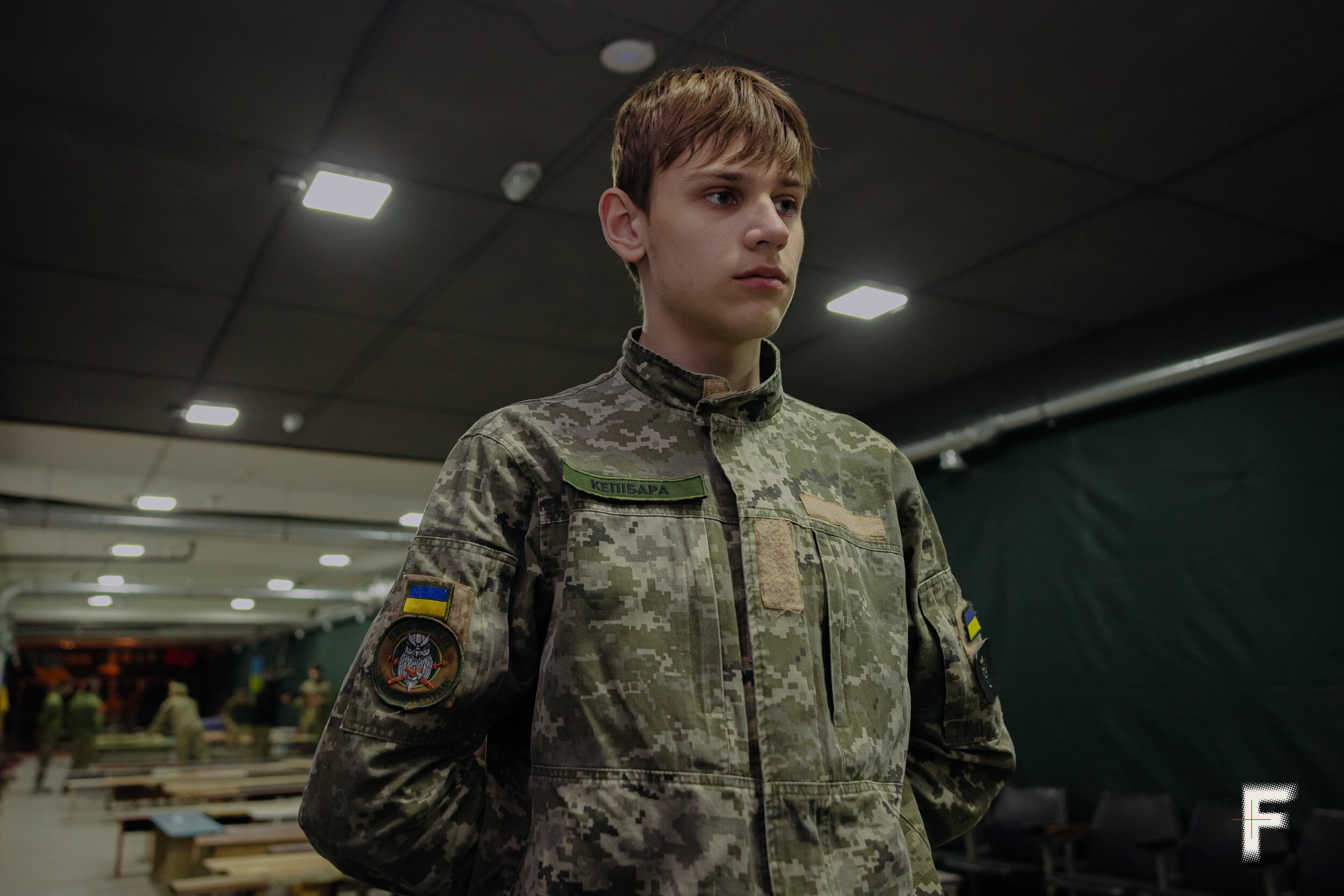
“I really like that our instructors are not just teachers to us, they are friends with whom we can talk about various topics and who are always interesting to be around,” says Rostyslav.

In May, these children and their instructors will travel to the Carpathian Mountains for training drills to put their knowledge into practice in the field.
“We can teach children to cook, do laundry, and wash dishes, but if the enemy comes, what will they do? They need to learn to shoot, defend themselves, work as a team, and be ready for challenges,” says Oleksii Sopilko.
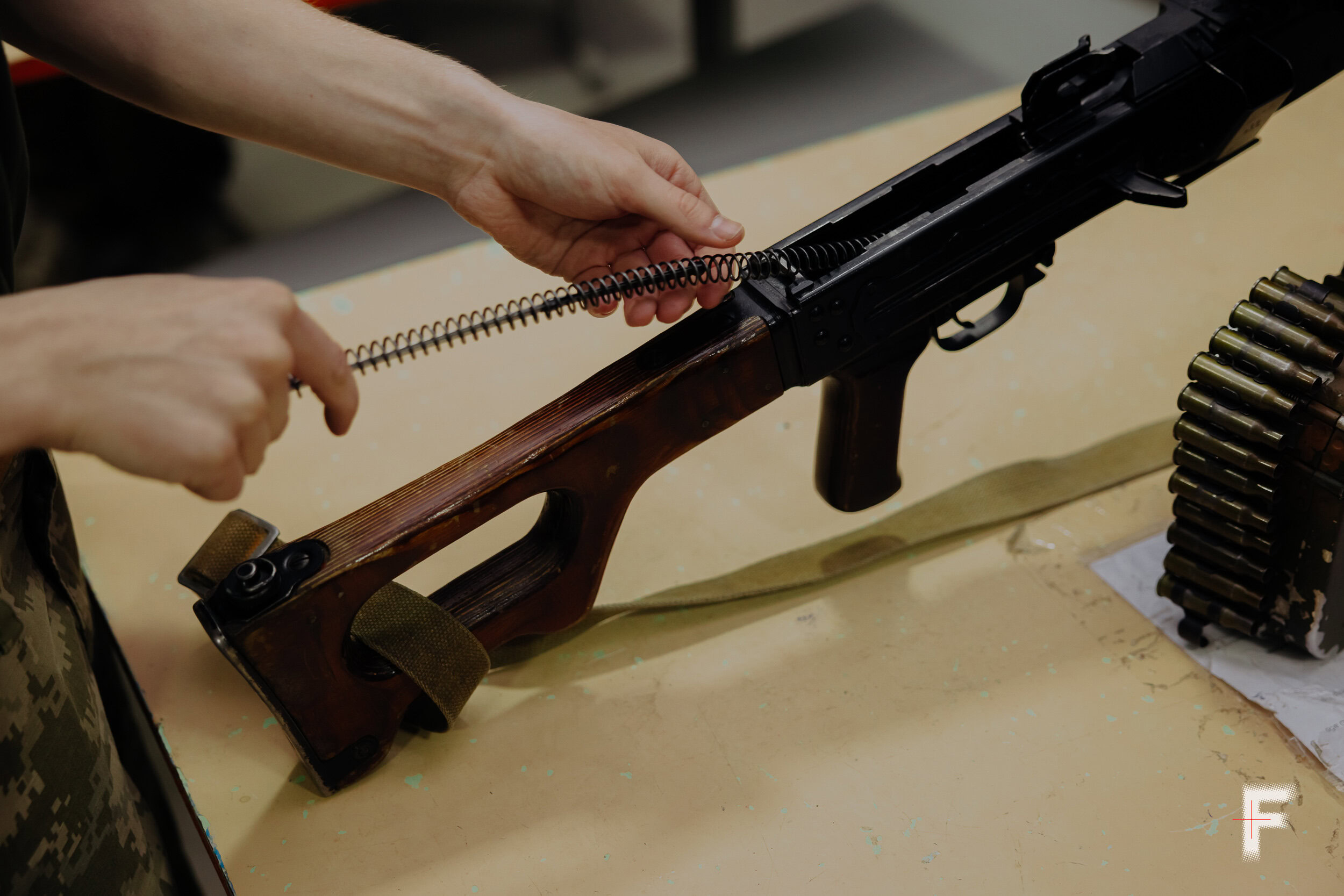
When Oleksii was in school during the Soviet era, patriotic education classes were completely different:
“I can not compare the classes we used to have with today’s ones. The same assault rifles, compasses, and firing principles remain. However, the historical context is completely different: we are living in wartime, and modern technologies have emerged. Back in the Soviet times, it was all about party ideology, but now our aim is survival and the defense of our country”.
***
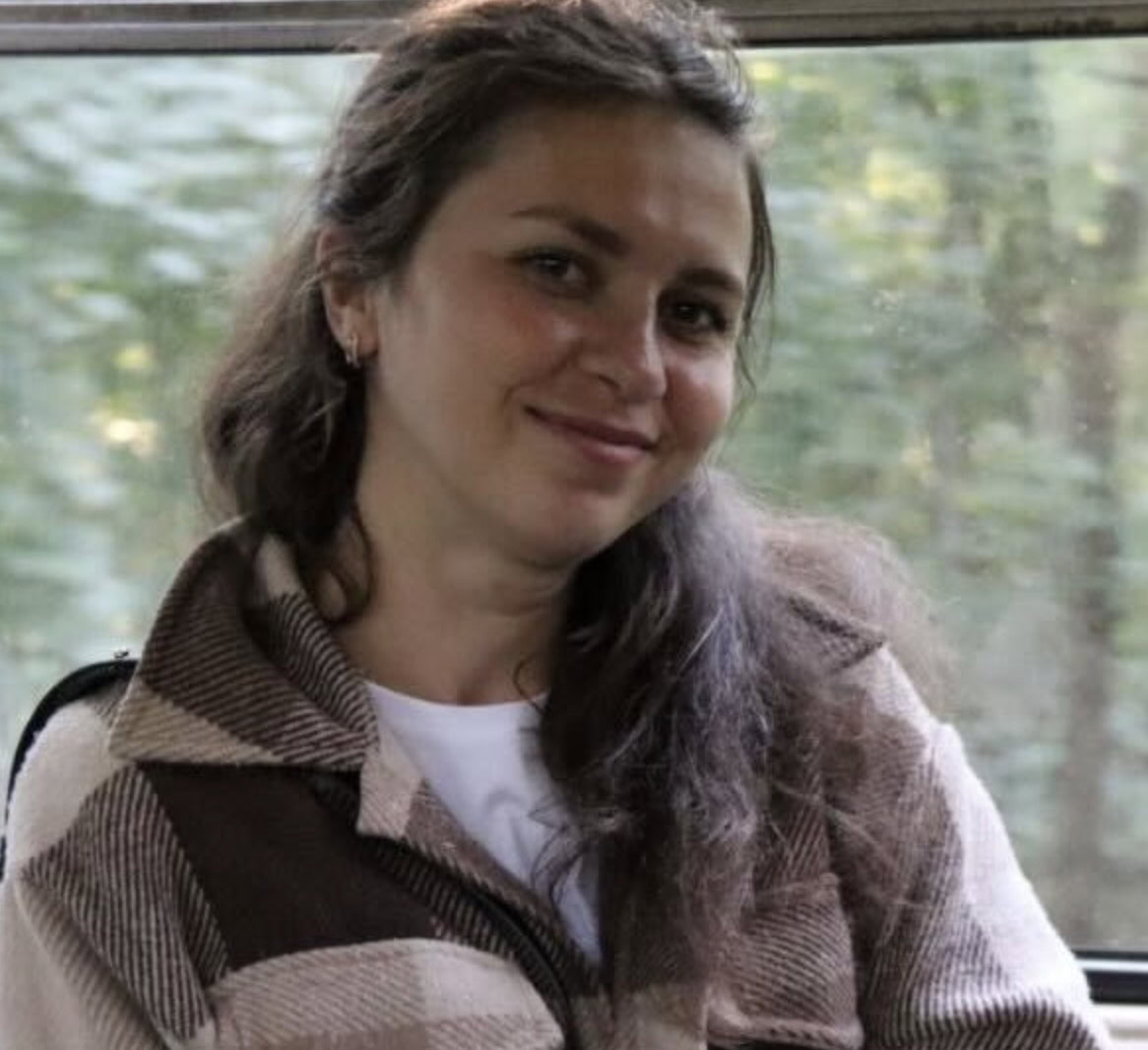
Hi, we are Mariia and Anna, the authors of this article. Thank you for reading to the end.
During our country’s fight for survival, the best national and patriotic education for children comes not from textbooks, but from the positive examples set by adults. This report focuses on veterans, volunteers, and young people with a strong sense of civic responsibility, who are teaching these values to schoolchildren. Therefore, in addition to regular school subjects, children have already learned how to apply a tourniquet, navigate in the woods, and work as a team during laser tag games.
Every story starts with your support. Join the Frontliner community so we can keep up documenting Russia’s war against Ukraine from the front line and the rear.
***