An inherited enemy: UPA hideouts, Armed Forces dugouts and the same struggle
Nadiika clutches a note for the underground of the Ukrainian Insurgent Army (UPA) and runs barefoot down a familiar path to a house on the other side of the village in the Lemko Region. Her heart pounds. She has to deliver the note, and she can only hope someone is home. She fears for her brother, too. He is somewhere in the forest, hiding in a hideout. More than half a century later, young Ukrainian men and women find themselves in dugouts instead of hideouts, and radios and Starlink terminals have replaced leaflets. Only the enemy has stayed the same. Decades lie between the hideouts in the forest and the modern dugouts, and Ukrainians once again have to write the same story of struggle, Frontliner reports.
Nine-year-old Anastasiia’s life changed in 1944. The year before, the biggest surprise for the girl was a new name. In first grade, her teacher told her that Anastasia means “hope” in Greek. Her large family got used to it, too. Her parents, brothers and sisters, 11 people in all, had survived World War II and hoped for a life of peace in their home village of Repid in what was then Sanok County, where many Ukrainians had lived since the 16th century.
The Polish authorities didn’t give land to Ukrainians. They resettled
their own people instead. If our people held a wedding, the Poles
would sit down at the tables to eat and drink. They could even rape
the bride in front of the groom. In 1944, when the Poles abused people brutally,
the Ukrainian Insurgent Army came to help us,
A little courier
In the evenings, the insurgents often came to the house where Nadiia’s family lived. They ate bryndza cheese, bread and honey, drank milk and sang. The children quickly memorized the tunes and learned all the insurgent songs.
Once my father asked an insurgent whether they were fighting
and dying in vain. He answered that they could not know in advance,
but if we sleep and do nothing, we will never win freedom,

One day an insurgent whose legs were covered in boils came to their house. Nadiia’s sister Mariia asked to wash his legs, saying it would be an honor for her. The soldier cried and thanked her, saying he felt at home, as if he were beside his mother.
The Poles detained Nadiia’s older sister and often beat her during interrogations. They accused her of helping the insurgents in the forest. “I know nothing, and I can’t lie,” Mariia would answer after being beaten bloody. Then she would carry food to the insurgents in the forest again. Among them was their brother, Fedir “Vorobets” Palynskyi.
“At first they kept it from the children, but later they included us in the underground, too. My mother often gave me notes and told me to go to some house and place them in the owners’ hands. If they weren’t home, I had to come back without reading the note,” Palynska-Lastivetska says.
As an adult, she asked her mother what the notes said. She joked that she had been a little UPA courier.
Forced from home, relatives arrested
Nadiia’s father was called a “rich man” in the village. No one had as much land or livestock. But right after the war, the Polish and Soviet authorities began pressuring people to “voluntarily” resettle during the exchange of territories.
“For two years in a row, we slept in our clothes and stood ready. At night, someone stayed on the bell tower on watch and warned us when the Poles were approaching,” Palynska-Lastivetska says.
On May 17, 1945, after school, Nadiia went to visit her sister to pick snowdrops. Soon her sister’s loud cry cut through the birdsong in the garden. She said the Poles were taking people out of the village and sent Nadiika to wait for their parents at the gate. Horses hitched to wagons, their heads lowered, were already passing the house. They were carrying people who would never come home again.
The people were resettled to deprive the insurgents of local support. The Poles took Nadiia’s family, along with others, 30 kilometers (about 19 miles) from home and left them in the open field. They stayed there for two months, but everyone believed they would be allowed back.

We were constantly under
the close watch of the Muscovites.
Instead of being sent home, the resettled people were distributed among nearby villages by the authorities. For several months, Nadiia’s family lived in a village in the Ternopil region, and then in the village of Pitrych in the Lviv region. There was plenty of work by day. At night, men who called themselves “forest boys” knocked on the windows and asked to warm up. But rumors were going around the village that Russians were disguising themselves as UPA fighters, so the hostess shut the windows at night and said there was no spare room. The neighbors took pity on the so-called “forest boys,” but the next morning they were deported to Siberia.
A few months later, her large family moved to the village of Skvariava, also near Lviv. The authorities settled them in a house from which a wealthy family had been forcibly evicted. And it was a relative of that family who informed the KGB that the new occupants of the house had ties to the insurgents.
After the first search, the KGB arrested Nadiia’s father and her older brother Fedir. When her sister Mariia brought them food, she was arrested, too. Mariia and Fedir were later exiled to Kazakhstan. Nadiia lived in the Lviv region with her parents and her other brothers and sisters, and had to help her mother work on the collective farm.
“We were constantly under the close watch of the Muscovites. And when the executioner Stalin died, the prisoners began an uprising. During one of them, my sister was killed. A Moscow tank ran over her after the 40th day of the uprising. And my brother served nine years and returned to live in the village with our parents. Later he organized the funeral of Commander Kuk according to his will,” Palynska-Lastivetska says.
Twenty-five years of exile for taking part in the UPA
At the same time, the underground fight continued in the forests of Halychyna. In the middle of a forest near the village of Basivka in the Lviv region, there is a hideout that the insurgents built on the site of dugouts from World War I and the Polish-Ukrainian war of 1918-1919.

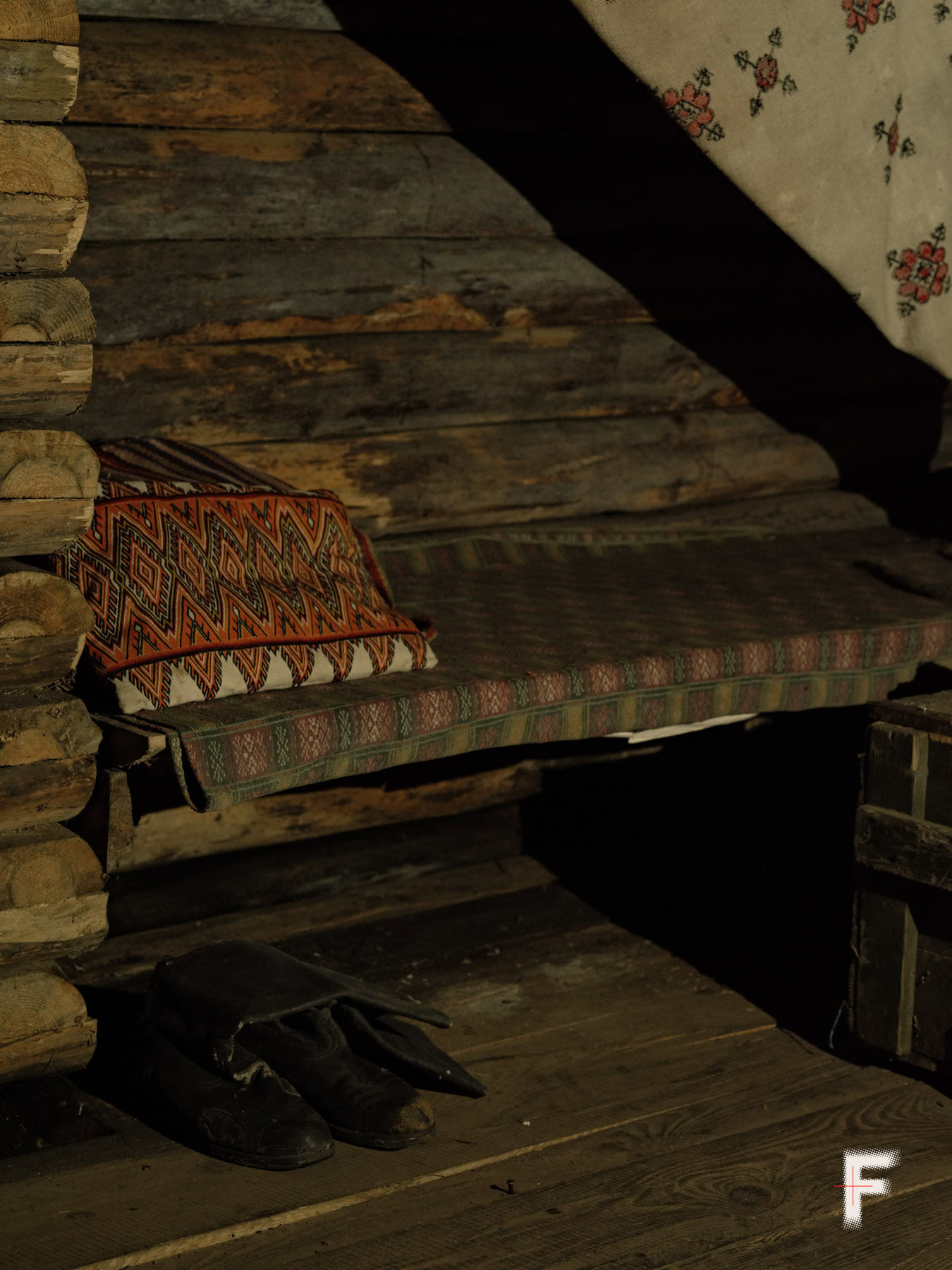
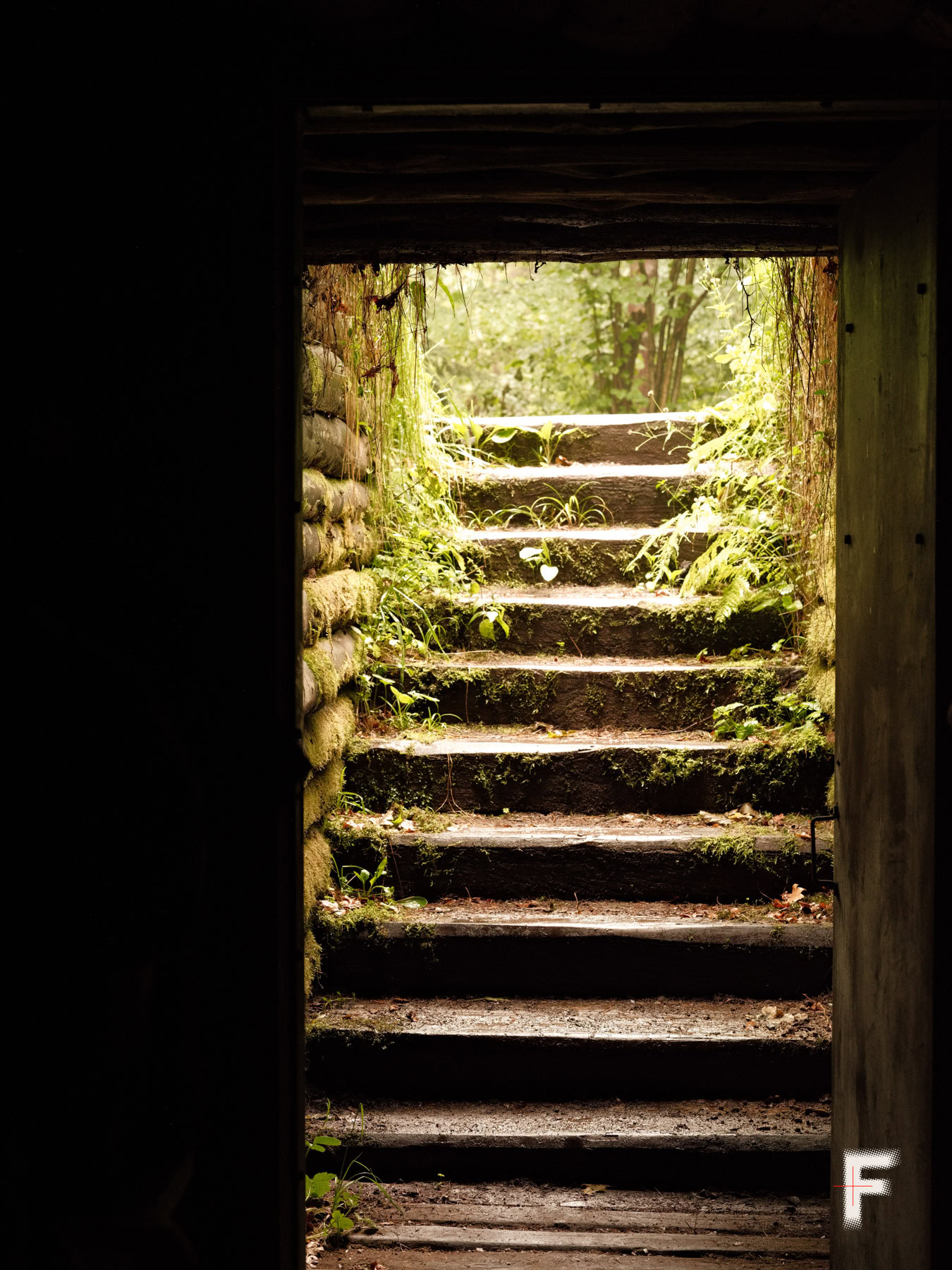
In the middle of the forest, there was a waist-high bush that had to be lifted. Under it was a ladder down to the hideout. Below, a guard of three insurgents met visitors and led them on all fours through a 30-meter underground passage, lighting the tunnel with a small oil lamp.
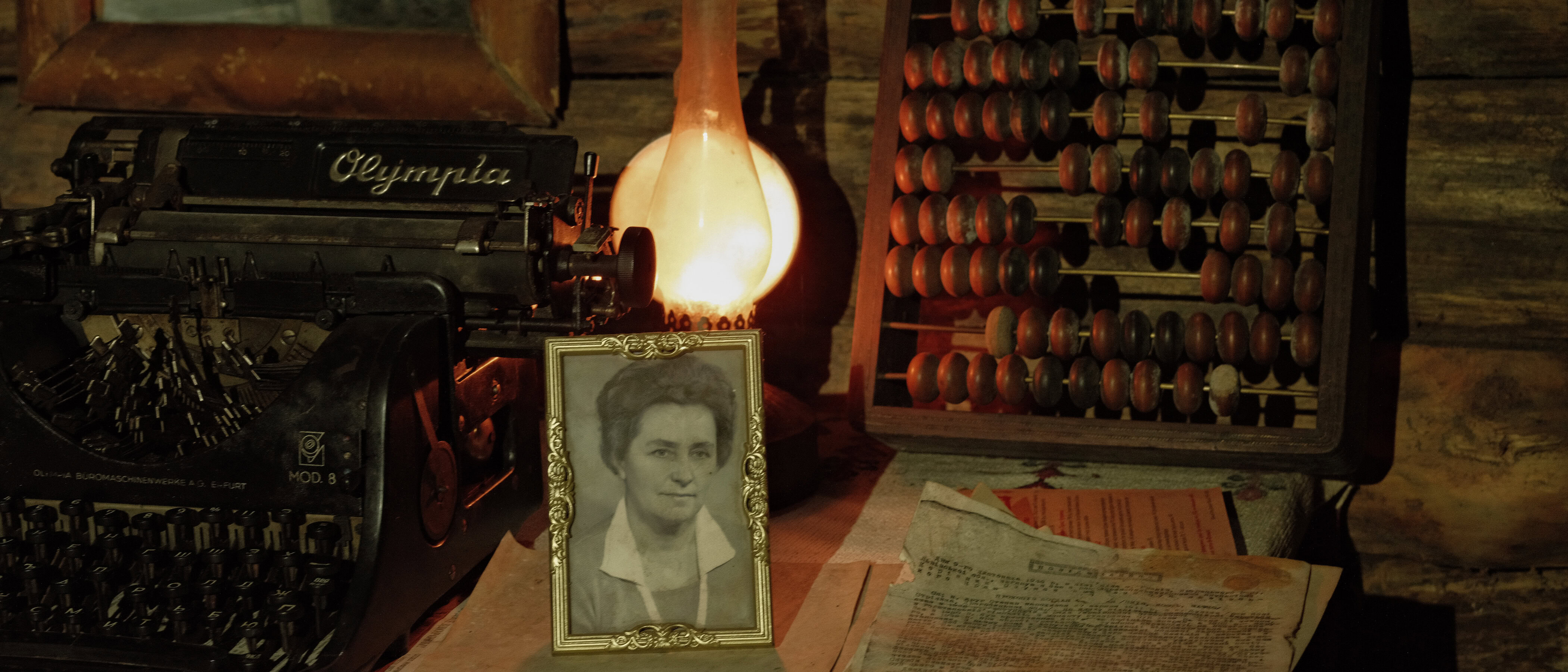
In the next room sat two young women who helped the insurgents fight, not with weapons but with words. Besides the beds, the room had a work desk and a typewriter for each of them. And there was a mirror, so they could freshen up even underground.
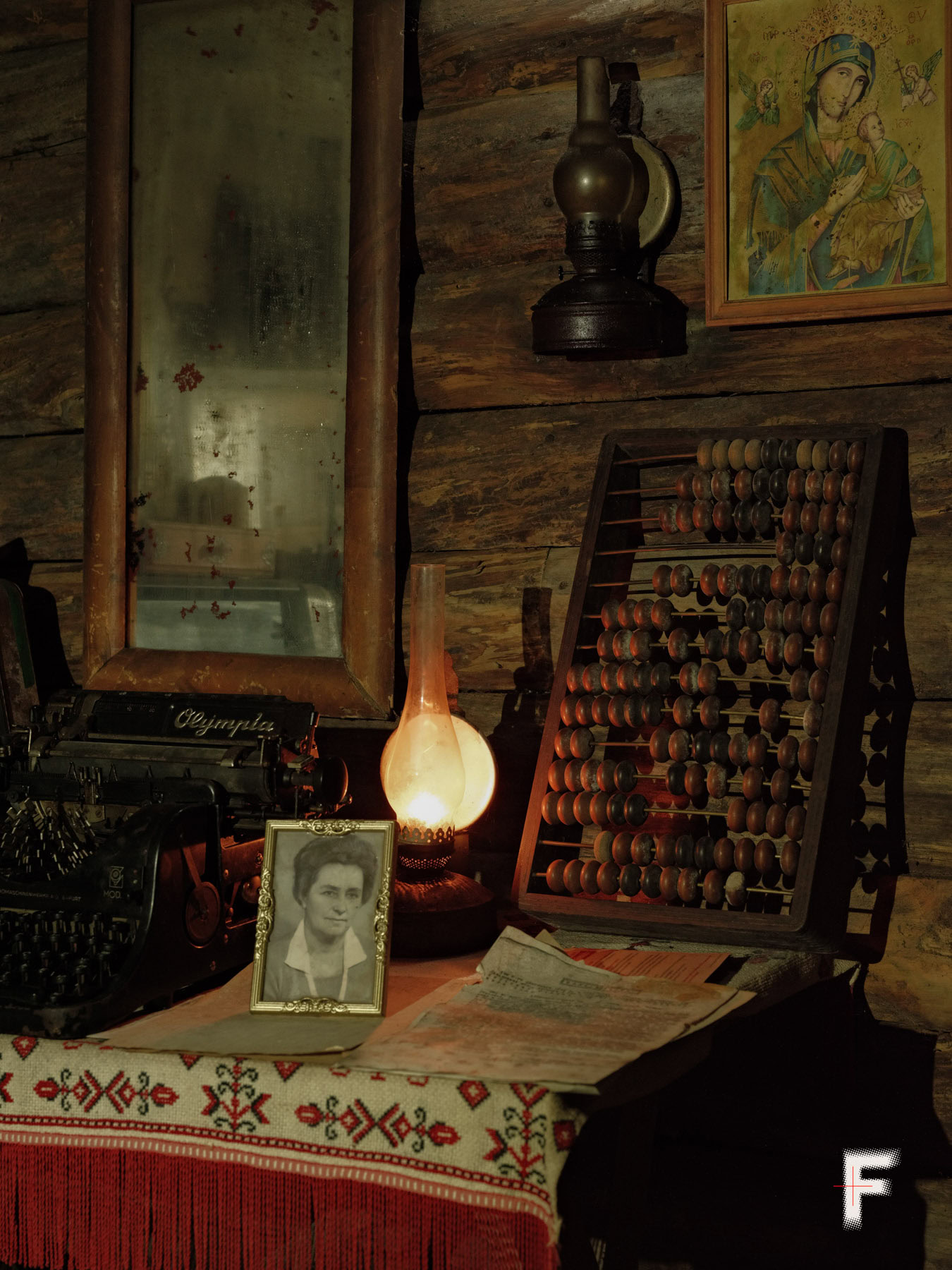
The typists received letters from the districts, wrote reports and sent them through couriers to Commander in Chief Roman Shukhevych and, after his death, to Vasyl Kuk.
The hideout was used until 1952. Then Russians captured Yevhen Pryshliak, head of the Lviv district of the OUN-UPA, nearby. The insurgents feared he might reveal the location under torture, so they abandoned it. But they did not leave Basivka.
Three insurgents, Mykhailo “Skoryi” Hnativ, Stepan “Kruk” Yankevych and underground typist Volodymyra “Andriika” Kulyk, took shelter for a few days in a hideout under the house of a local couple, the Shveds. Then KGB officers surrounded the house. Commander “Skoryi” and soldier Kruk returned fire while Andriika burned documents. That August day in 1955 was hot and black, from the burning insurgent archive or from the end closing in. “Skoryi” was killed. Kruk and Andriika were each sentenced to 25 years of exile.

During interrogations, Soviet officers pressed the underground typist to cooperate. They threatened what she held dearest: her daughter, born in the underground in 1951 and left with an acquaintance to raise. Volodymyra refused, even when told she would never see her child again. For that, she was sent to a women’s prison camp in the Kemerovo region of the USSR, where she worked felling timber.
Life in the hideout and the harsh conditions of the taiga took their toll, and Volodymyra Kulyk contracted tuberculosis. Fate tested her again. The only people “Andriika” could write to, and the only ones who sent her glucose and injections, were the Shved family, the same people who had betrayed the insurgents.
After her early release 10 years later, Volodymyra did not want to meet the Shveds. She searched for her Natalka as long as her heart beat, but never found her: the girl had been adopted and her name changed. On Christmas Eve 2010, she died in a small apartment in Lviv, across from the monument to Stepan Bandera. That same year, a monument was built at the site of the last battle in Basivka, and local enthusiasts began restoring the hideout based on Kulyk’s accounts.
The largest hideout in Halychyna
Ivan Popovych has told this story several hundred times a year. Each time, he tells it as if he had been next to Volodymyra as she destroyed document after document, until she passed out from exhaustion or despair.
Ivan Popovych is the director of the museum “Hideout of the UPA Underground Printing House,” in the forest near Basivka. He greets every visitor the same way: at an unexpected moment, he jumps out from behind a tree and asks for the underground password. After telling the story of the place, he leads them to the hideout.

Inside, it smells of wood, mold and earth. Near the entrance, shelves hold fragments and shell casings from World War I. On the table and shelves are leaflets, lamps and dishes that Ivan Popovych brought from home or found online and at flea markets. There are also German gas masks that soldiers used in the war, and two milk cans and a jerry can from World War II.
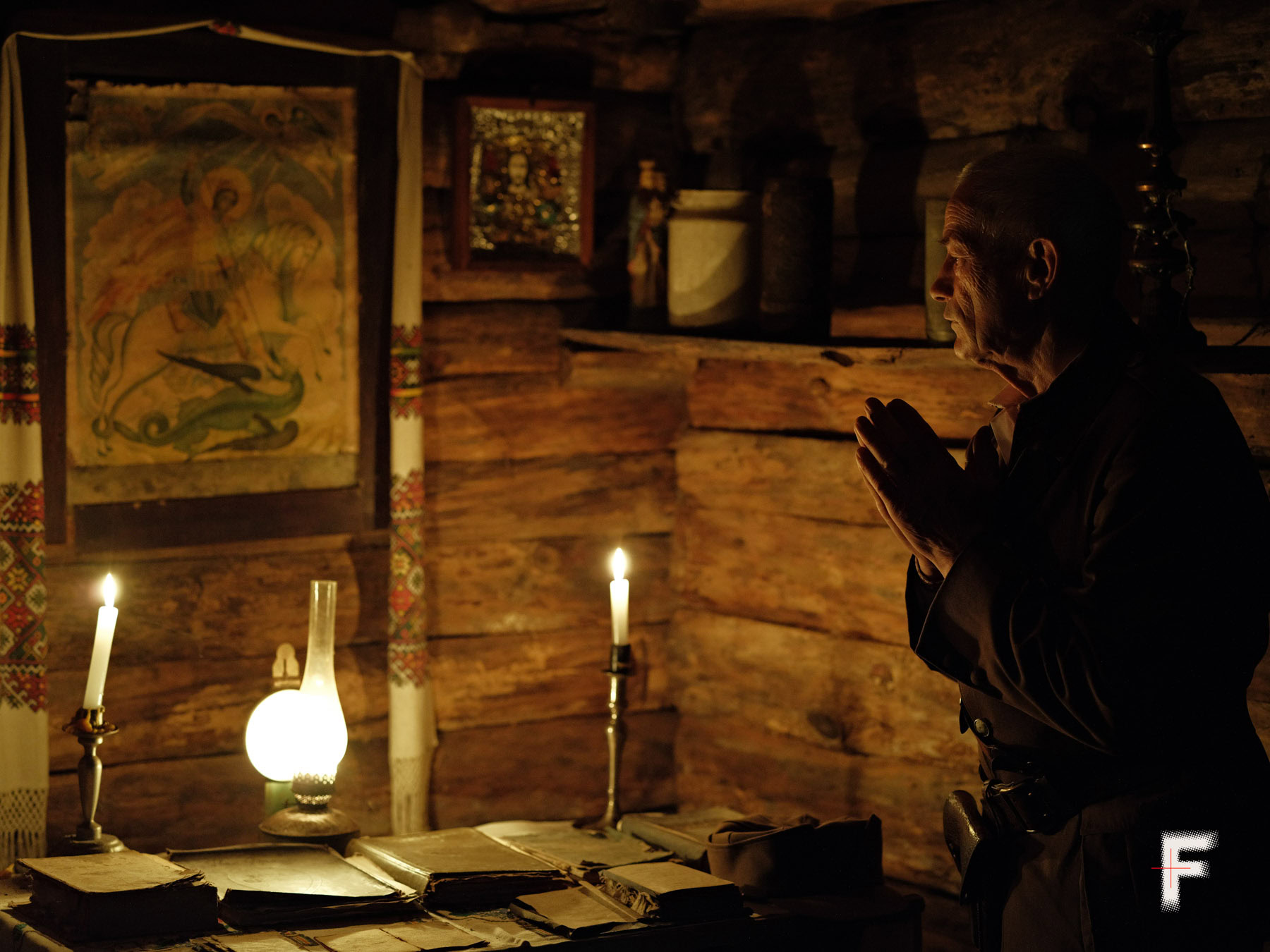
From this room, a 30-meter corridor leads to another. On the walls of the tunnel hang brigade flags and combat patches from servicemen who visit the museum. Along the way, a prayer corner catches the eye. Here the insurgents began and ended each day with prayer before an icon.
“Faith in God and Ukraine helped the insurgents survive in such conditions. We recreated two rooms the way Volodymyra Kulyk described them to us. But we also made one more room, purely a museum, which never existed. One stand has photos of the insurgents who lived in the hideout and information about them. The other has illustrations of insurgent banknotes, called bofons. Imagine, in hideouts with no daylight, they created more than 500 different designs,” Popovych says.
Flames didn’t destroy the memory
After the insurgents’ battle with the KGB units, the hideout was forgotten. Nearly 20 years later, the ceiling of one room caved in because the wood had rotted. Forest rangers came across this and called the police, which at the time was Soviet. They couldn’t find any archival documents, because Commander “Skoryi” had buried part of them in milk cans somewhere in the forest, and Volodymyra had burned the rest.
“Black archaeologists” found one milk can with documents and demanded half a million hryvnias for it. They later allowed historians to copy the documents, which are now kept in the archive of the Security Service of Ukraine (SBU). The can held 320 documents: lists of those killed, deported to Siberia or missing, as well as a detailed description of every village near Lviv in the early 1950s.
Ivan Popovych and his friends found the second can:
“When we opened the lid, there was water and rotted paper inside. We thought we would only save the can itself, but at the bottom lay a copper box. We opened it warily, not knowing if it was booby-trapped. Inside was a shortwave American transmitter that sent a signal 2,000 kilometers from the hideout. That’s proof this wasn’t just an ordinary hideout, but one that mattered to the underground’s leadership.”
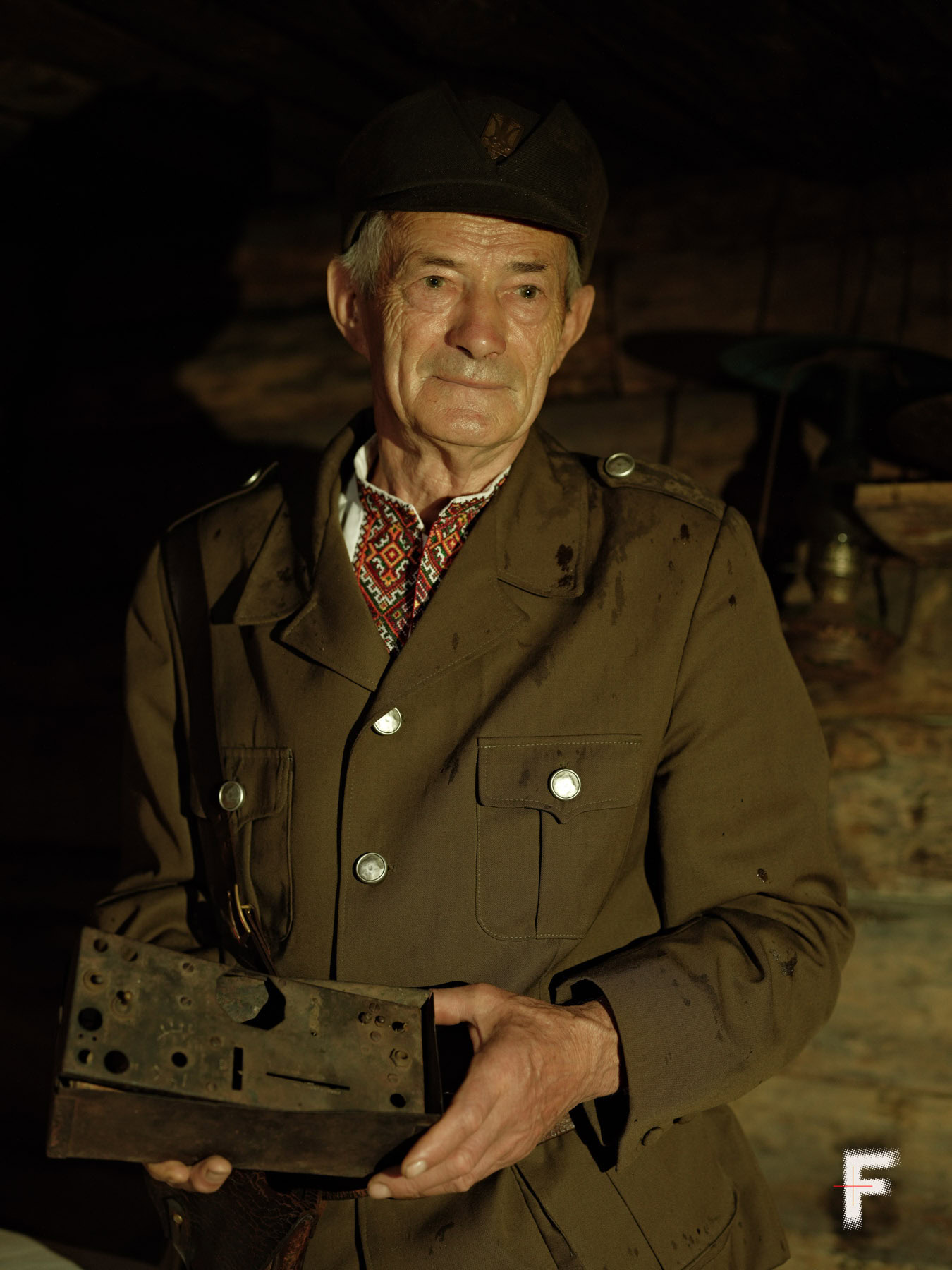
Ivan Popovych discovered that Pavlo “Bomba” Lozynskyi had dropped this transmitter into the forest by parachute from an American plane in 1950. Volodymyra Kulyk used that parachute to sew herself a shirt, embroidering it by the light of an oil lamp through long, cold evenings. It is still kept today in the Museum of the Liberation Struggle of Ukraine.
The hideout was restored based on Volodymyra Kulyk’s accounts between 2011 and 2014, to preserve the memory of the UPA’s fight for independence. But in 2017, it all burned down in a single night: someone set fire to the hideout on the eve of Stepan Bandera’s birthday. A year later, Popovych says, he and local authorities restored it once more. Now it is the largest authentic restored UPA hideout in Ukraine.
If it weren’t for their fight, there wouldn’t have been
those who ran under bullets on the Maidan with wooden shields,
or those who volunteered in the first days of Russia’s invasion,

“The insurgents took up arms voluntarily, without pay, but for what their hearts called them to do. Some today might say they fought and the Russian still won, so their sacrifice was in vain. But if it weren’t for their fight, there wouldn’t have been those who ran under bullets on the Maidan with wooden shields, or those who volunteered in the first days of Russia’s invasion. Just as selflessly as the UPA soldiers once did,” Ivan Popovych believes.
An inherited score with the occupier
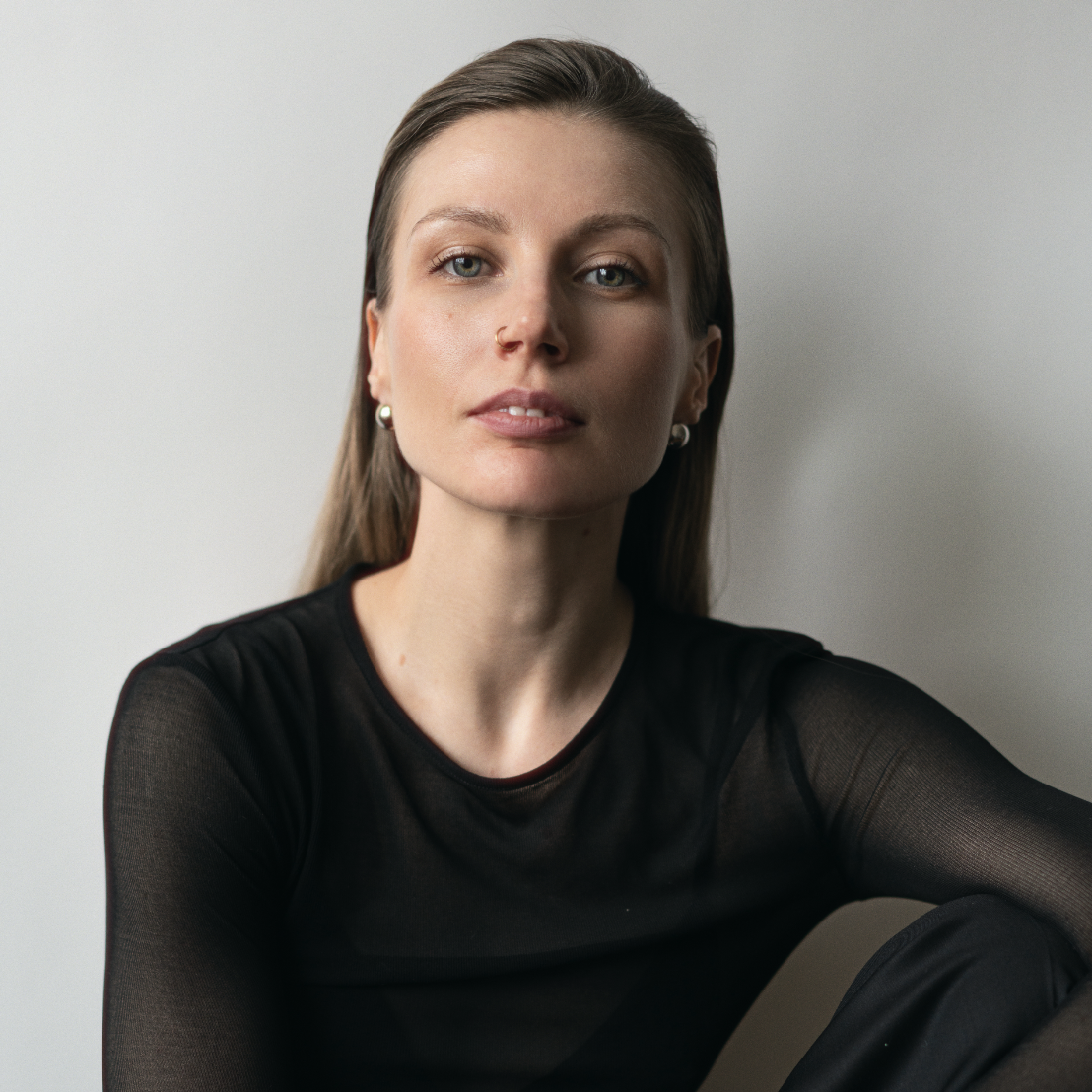
Descendants of UPA soldiers continue fighting for a free Ukraine, too. Dmytro Sahatyi, call sign “Kadylo,” has been fighting for more than three years. His callsign is no accident: before military service, Dmytro was a priest, and he plans to return to his vocation after the war.
But right now, Dmytro Sahatyi is, first and foremost, a soldier, one who has had his own scores to settle with the occupiers since the last century.
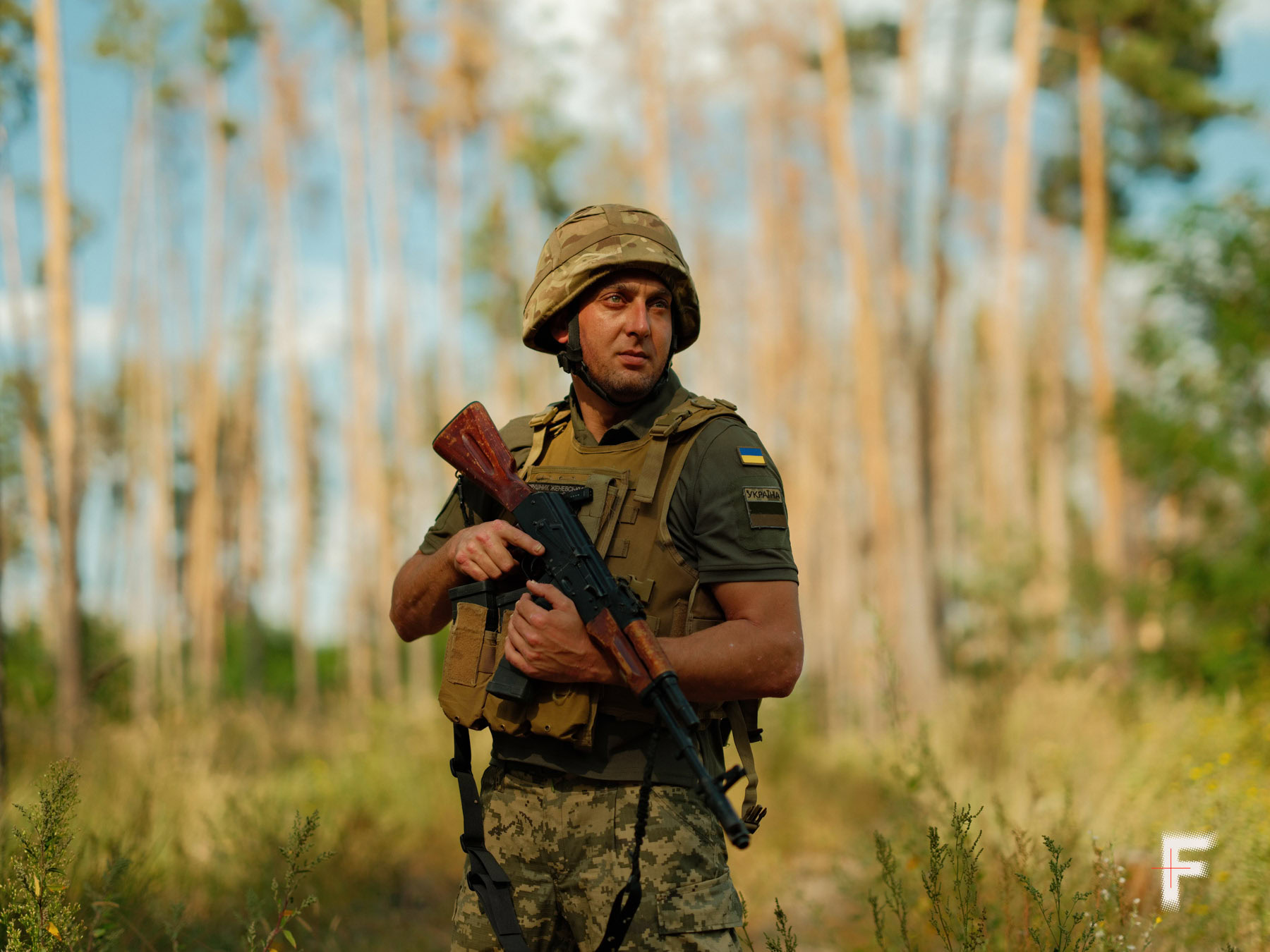
Dmytro remembered his grandfather Demian by his favorite pastime. The old man, still strong, would sit focused, rolling his own cigarettes on a German hand-cranking machine. And he never failed to add his signature phrase “shliak trafyv,” meaning roughly “damn it,” whether things went well or badly. That’s how his grandfather is remembered, the way he was when he passed away in his 73rd year. Dmytro wasn’t even 10 years old yet.
But in his youth, Demian Sahatyi wasn’t occupied with rolling cigarettes. During World War II, he was repeatedly summoned for interrogation by Soviet intelligence services at Zolochiv Castle, where they had set up a prison. Once they held him for four days and released him with his back completely black from beatings. He expected nothing less: his two older brothers were fighting in the UPA.
Eventually, Demian ran out of patience and joined the underground himself. Alongside his brothers, he fought shoulder to shoulder, weapon in hand, hiding in the hideouts, until the death of the dictator Joseph Stalin in 1953. Then he came out of the hideout and bribed a local doctor to diagnose him with tuberculosis, freeing himself from service in the Soviet army.
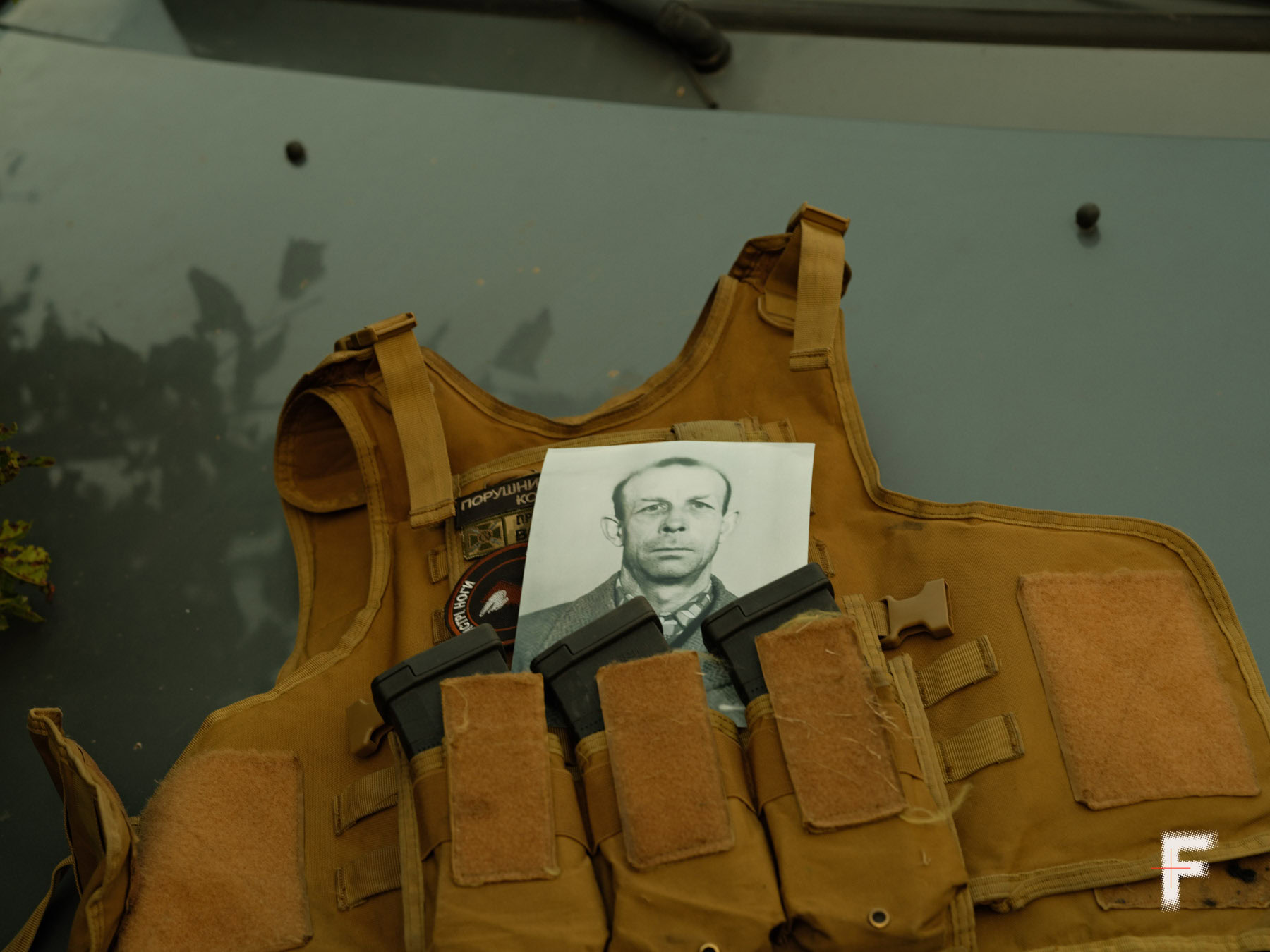
What interested Dmytro most was hearing about the insurgents’ daily life. The soldier says his own daily life in dugouts or at observation posts is almost no different from what the underground fighters experienced. The only difference now is the internet, Starlink and radios; back then, it was much harder to keep in contact. But the camouflage challenges are the same:
“In winter now, we can’t light a fire in the dugout, because thermal imaging would spot us. And they couldn’t light a fire in the hideout, because the snow above would melt. I’ve studied the UPA a lot, and I’m convinced it played a key role in the struggle for independence at that time. It showed that our people can fight. Everyone who honors the UPA and Ukraine has an inherited score with the enemy,” Dmytrо says.
From the parish to the front
Dmytro’s path to the priesthood wasn’t easy. As a young man, he went to study at a theological seminary. There the discipline was strict. But he always believed rules were made to be broken. He was expelled from the seminary three times, and once took a break himself, but eventually decided to be ordained. He had a parish in the Kherson region, and later in Volyn.
From 2015 to 2019, Dmytro traveled to the front to visit the 80th Air Assault Brigade. Father Dmytro ministered to this unit back when the military chaplaincy mission was still just beginning to take shape.
One should pray, but one also should do
something in addition to that,
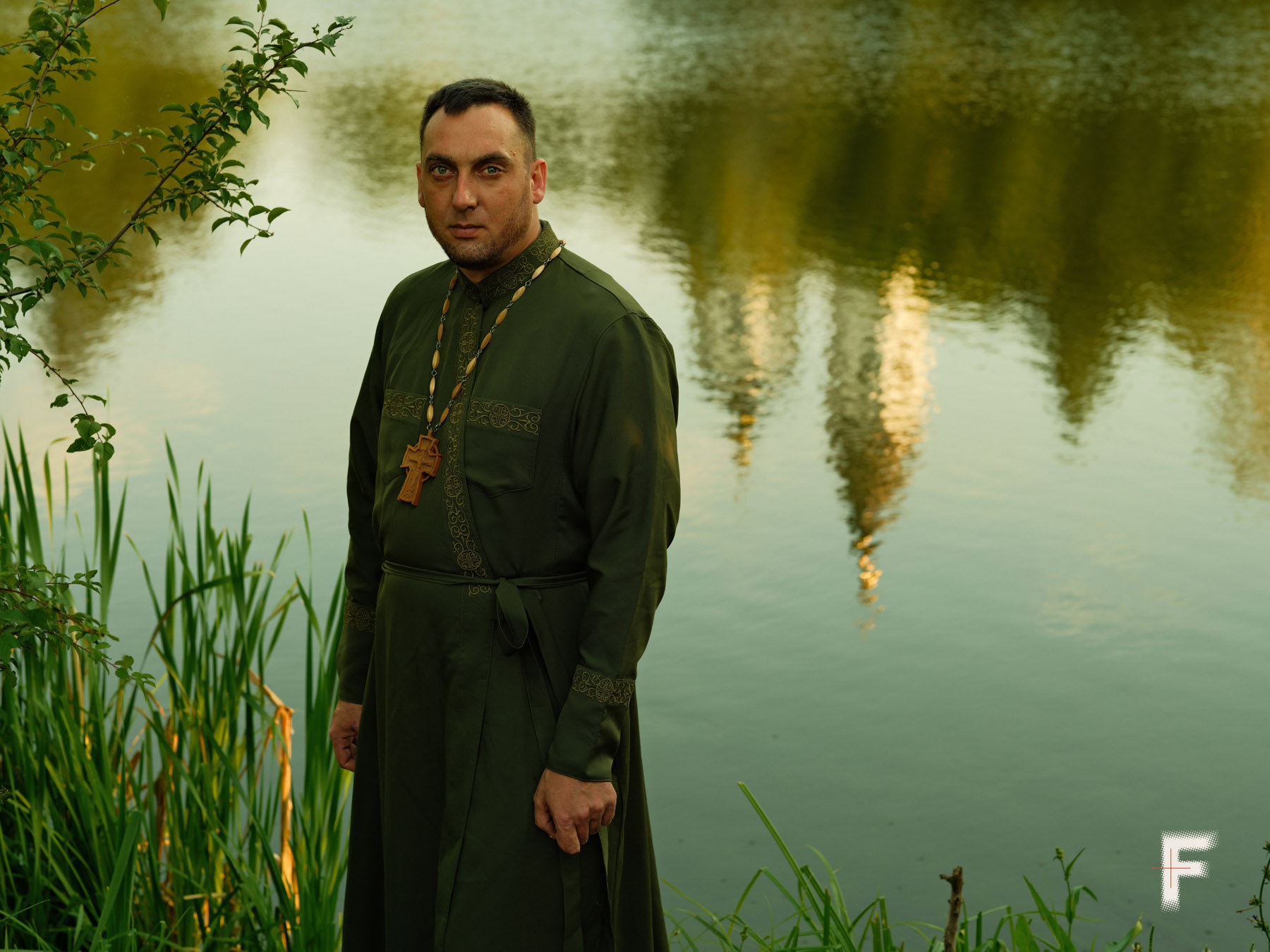
“I knew very well that a time would come when I’d have to take up arms. But there was no shortage of people trying to talk me out of it. Everyone said I could be more useful volunteering and staying a priest,” Dmytro says.
After being turned down at the military enlistment office, where Dmytro had come to enlist on Feb. 25, 2022, he kept traveling to the front with volunteers. He often visited soldiers of the 11th Border Guard Detachment. But in 2023, he finally decided to trade his cassock for a military uniform and applied directly to a unit.
“My brothers in arms treat me just like everyone else. In combat or in daily life, there are no privileges. Some people say my job is to pray, not to run through tree lines with a rifle. Well then, let’s listen to the zealots, let’s all lay down our weapons and just pray for the Russians to leave our land. What happens then? There will be no Ukraine. One should pray, but one also should do something in addition to that,” Dmytro “Kadylo” says.
Dmytro Sahatyi now commands an evacuation group that retrieves the dead, the wounded and civilians from the combat zone in the Kharkiv region. Dmytro and his group go out to bring them back, regardless of the time of day.

Sometimes after his missions, Dmytro “Kadylo” livestreams for his parishioners on social media. But he says there isn’t always time for that: when he comes back with his arms covered in blood up to the elbow from the evacuated, and his thoughts and heart going to the dead, social media is last on his mind.
Online, Dmytro is open and speaks his mind sincerely, without pretense. So much so that his colonel once asked him: “‘Kadylo,’ in three years I still can’t figure out: are you f***ing crazy, or are you pretending?”
Dmytro wants priestly life to stay open, not closed off, and for the church to keep evolving. He used to tell jokes during his sermons, calling it spiritual stand-up. Over more than three years of front-line routine, Dmytro has grown stronger in his own faith:
“I have never prayed the way I did in that one tree line, when two Grad rockets came in near us, or when I was carrying a wounded man out through another tree line while drones fell nearby — not at the altar of St. Sophia’s Cathedral, not even at the tomb of St. Peter.”

Right now, Dmytro “Kadylo” Sahatyi’s biggest dreams are for victory and for people to become more civically conscious. And to take a motorcycle trip to the Carpathians.
Weaving camouflage nets, continuing the fight
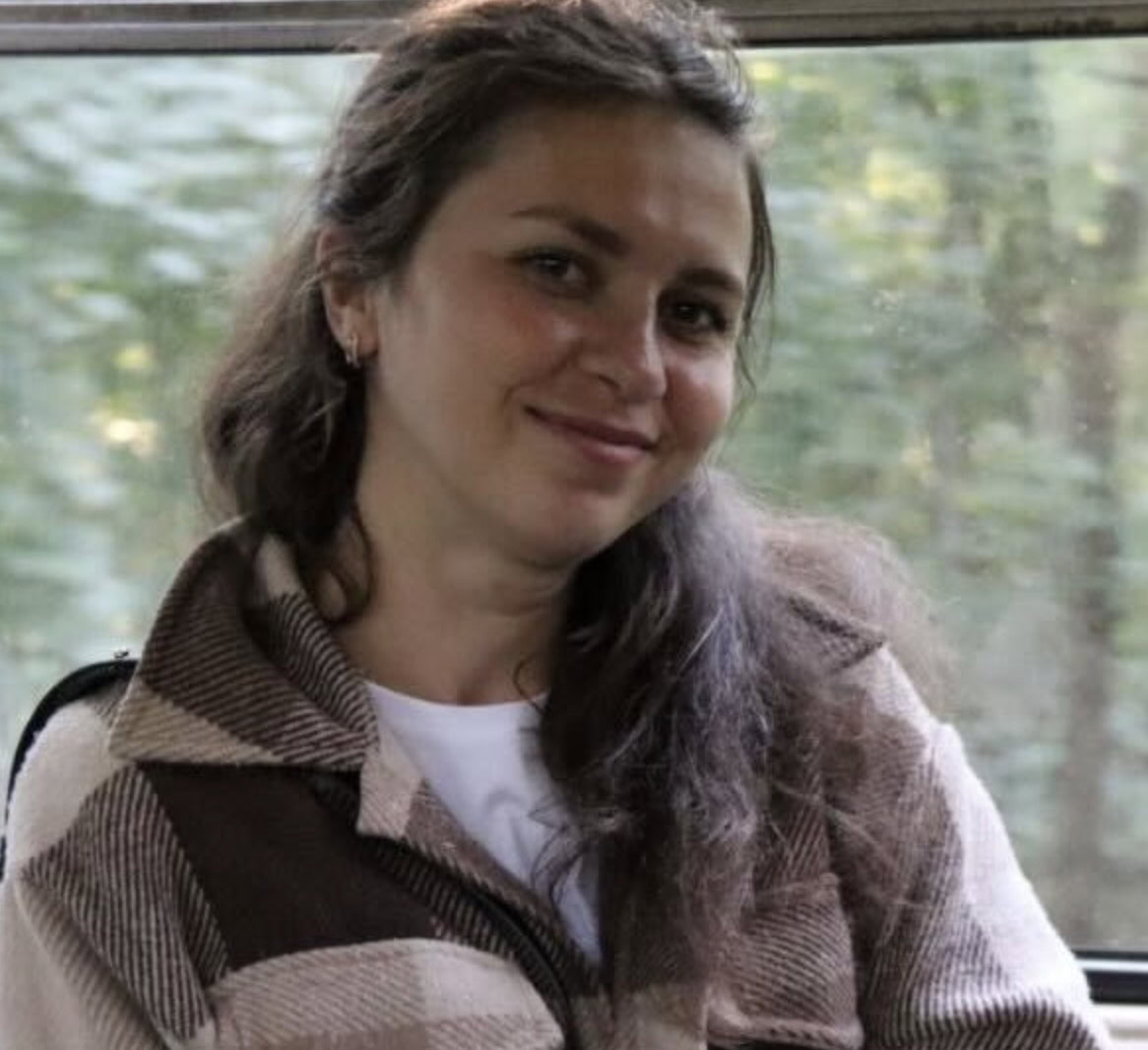
That same Anastasiia-Nadiia from the village of Repid still dreams of victory too. She is now a 91-year-old woman who, despite her age, never tires of talking about everything she’s lived through. She does so readily on a hot August day this year, in her younger sister’s apartment in Uzhhorod, where she has been living since the COVID epidemic. Nadiia Palynska-Lastivetska smiles as she calls herself an “internally displaced person.”
It was in Uzhhorod that people started calling her a “Banderite” again. That’s because she goes to church in an embroidered shirt and calls for services to be held in Ukrainian. She also insists that store signs with Russian names be changed on local shops.
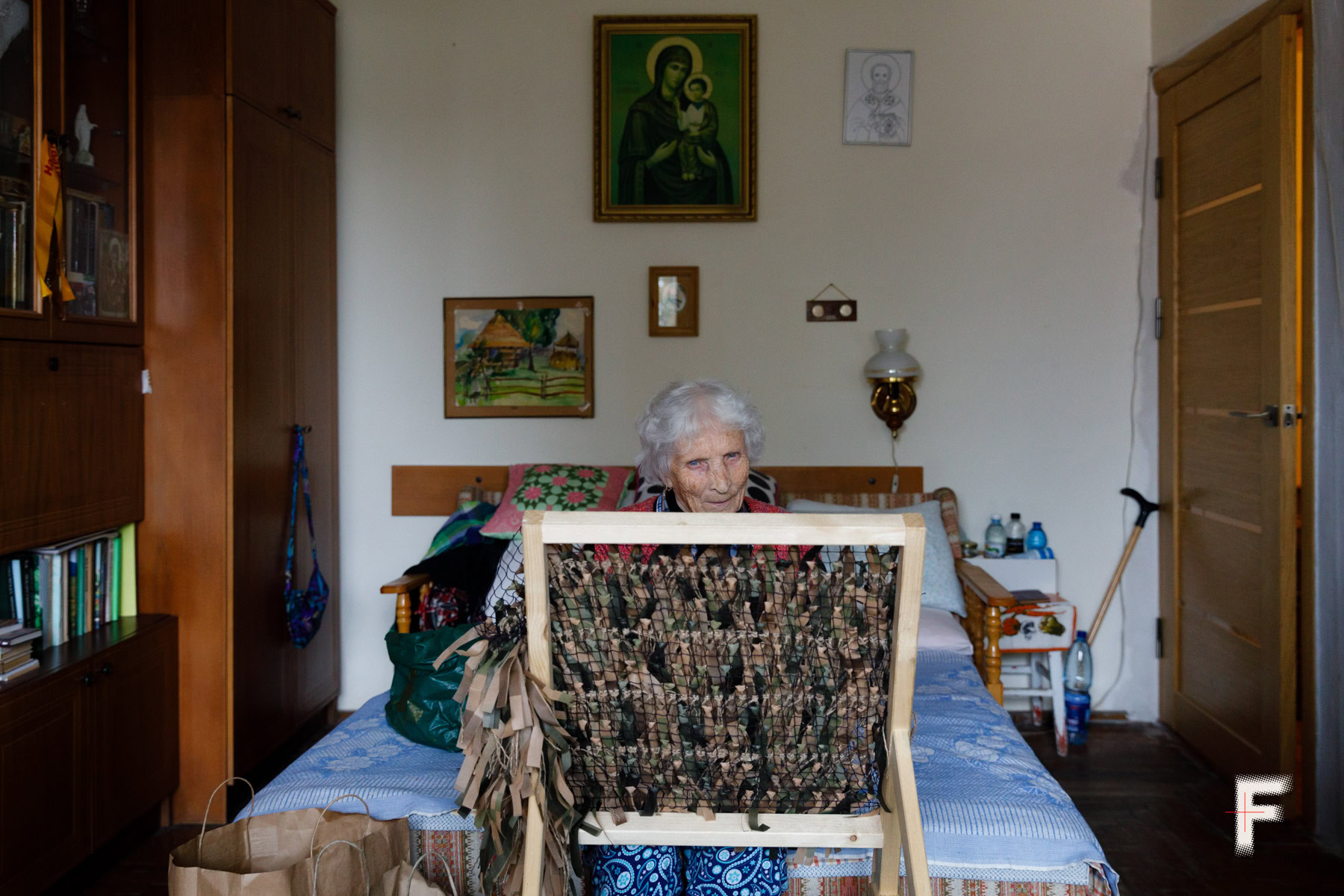
But her most important mission now is to keep supporting the military. Every day, 91-year-old Nadiia Palynska-Lastivetska wakes up early. She doesn’t trouble anyone, makes her own breakfast, and by 6 a.m. she’s already weaving camouflage nets and ghillie suits, known in Ukrainian as “kikimoras.” She believes God has kept her on this earth so long so she could help in today’s fight for independence:
The UPA made a great contribution to this fight, and it did so without
any outside help, relying only on its own strength. Now all of Europe
is supporting us. So I still believe I’ll live to see victory. And
after that, I will want to live forever, because Ukraine will be free.