Russian missiles vs. Ukrainian books: How the publishing industry holds the line
Over just two months, roughly 13 million books have been destroyed in Ukraine, wiping out nearly one-third of the nation's annual market volume. Readers reacted instantly, flocking to bookstores and clearing the shelves, and demand for Ukrainian literature only grew. Yet restoring the publishing cycle just as quickly is impossible, as Russian strikes inflict damage at every stage of book production. Read how the Ukrainian publishing sector endures under targeted terror in this story by Frontliner.
Digital text is nearly impossible to destroy. It can be duplicated in emails, shared via messaging apps or backed up across dozens of cloud drives. But once it materializes in Ukraine as ink on paper, a printed cover or a physical book in a warehouse, it becomes a target for a Russian missile or drone.
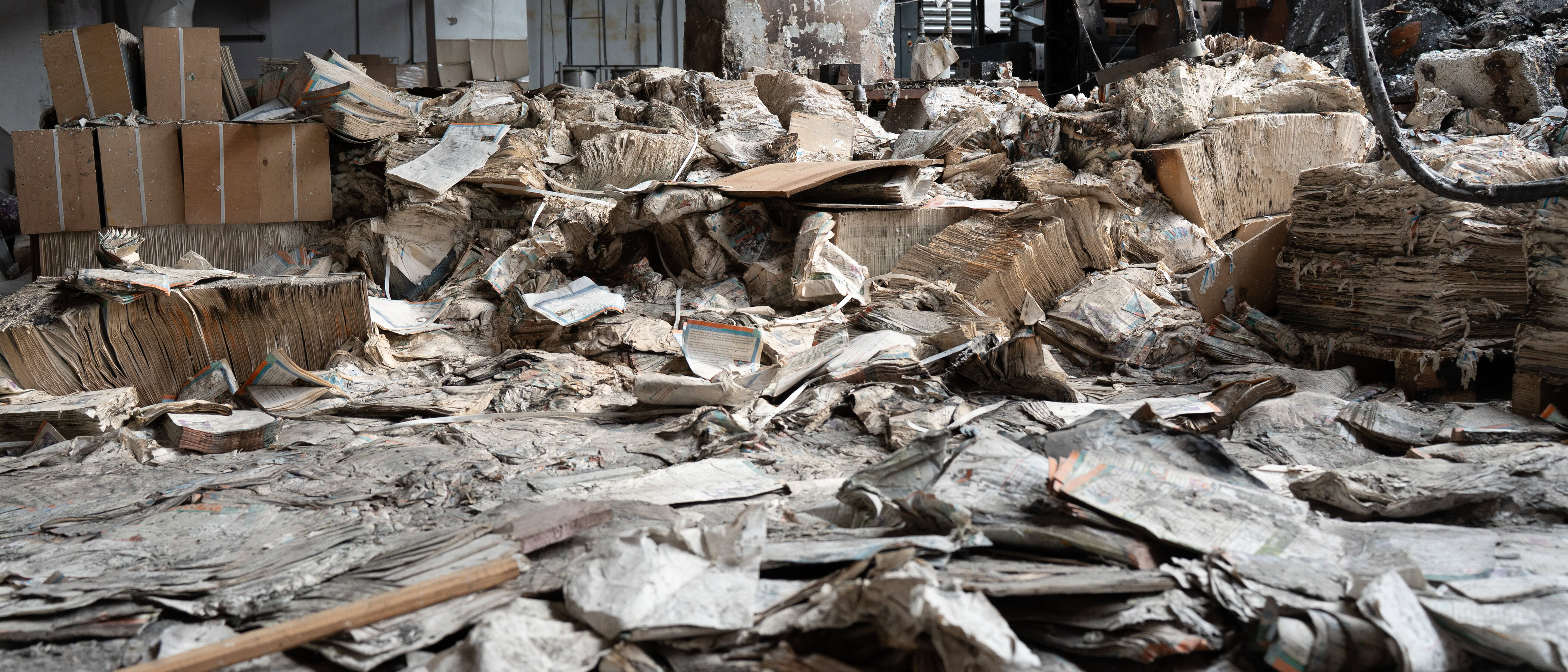
In the summer of 2026, attacks on Ukraine’s book infrastructure became systematic. In just two months, about 13 million books were destroyed across the country, nearly one-third of the nation’s yearly market volume. The strikes targeted printing plants, publisher warehouses and bookstores.

The current strikes on literature are a continuation of Moscow’s centuries-old policy. Bans on Ukrainian printing date back to the Russian Empire. The Valuev Circular of 1863 restricted publishing in the Ukrainian language, while the Ems Ukaz of 1876 banned the printing of Ukrainian books and other publications.
In the 20th century, Ukrainian culture was destroyed alongside its authors, particularly during the Stalinist repressions. Today, Russia does not need decrees to destroy a book. It only takes wiping out a warehouse, crippling a printing plant’s equipment or burning down commercial book stalls.
Destroyed books strip authors of royalties
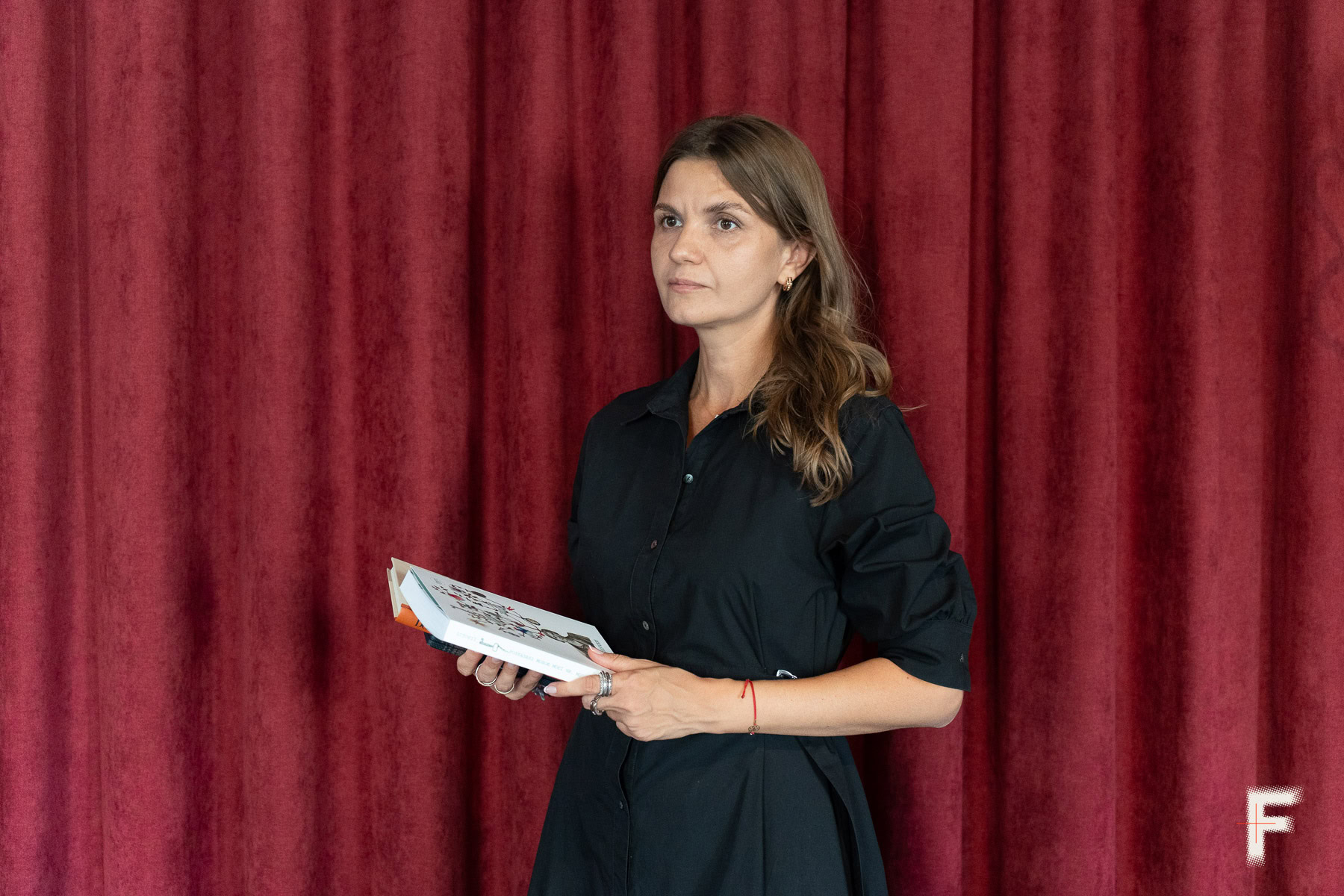
When books burn, authors are the first to lose income, since they earn royalties on copies sold. Writer Olha Olkhova-Sukhomlyn said that after the print runs of her poetry collection, “If Not Now,” and her fiction anthology, “Grandmothers-Granddaughters,” were destroyed, she had to cancel several presentations. She simply had nothing left to show to her readers.
The text lives on in digital form, and the publisher will inevitably reprint the lost run. However, the process consumes a vast amount of time and money, while readers need the book right now. And until they can hold it in their hands, the losses extend far beyond finances.
“The reader is robbed of the chance to know their own literature, to see the experiences of previous generations in it and to find words for their own experience,” Olkhova-Sukhomlyn said.
Russia sought to destroy Ukrainian books and, in doing so, drive down demand for them. The effect, however, was exactly the opposite: after the strikes, people swarmed bookstores and cleared the shelves. And that is the best way to support the industry, Olkhova-Sukhomlyn said.
“I believe publishers are the hardest-hit after all. It’s their resources that were invested,” she said. “So, they need support. And people are providing it, because when the strikes began, they emptied the shelves. We rush to help one another.”

Why publishers can’t replace lost print runs overnight
After the author, many others work on a text: editors, designers and typesetters. But when Russian missiles strike offices and printing floors, their work stops for months.
Nash Format publishing house has suffered two Russian strikes in the past year and a half. The first attack occurred in July 2025. The blast wave destroyed a roughly 1,000-square-meter warehouse in Kyiv. The books did not burn in that strike, but the facility became unusable. It took the publisher a month to find a new warehouse and resume shipments.
“We estimated the damage at 5 million (hryvnias). It is difficult to assess fully because it meant a month of downtime for the company,” brand director Anastasiia Nikitina said. “Halted shipments. Consequently, this translates into lost revenue, depriving the company of operating funds.”
The book business runs on the drive,
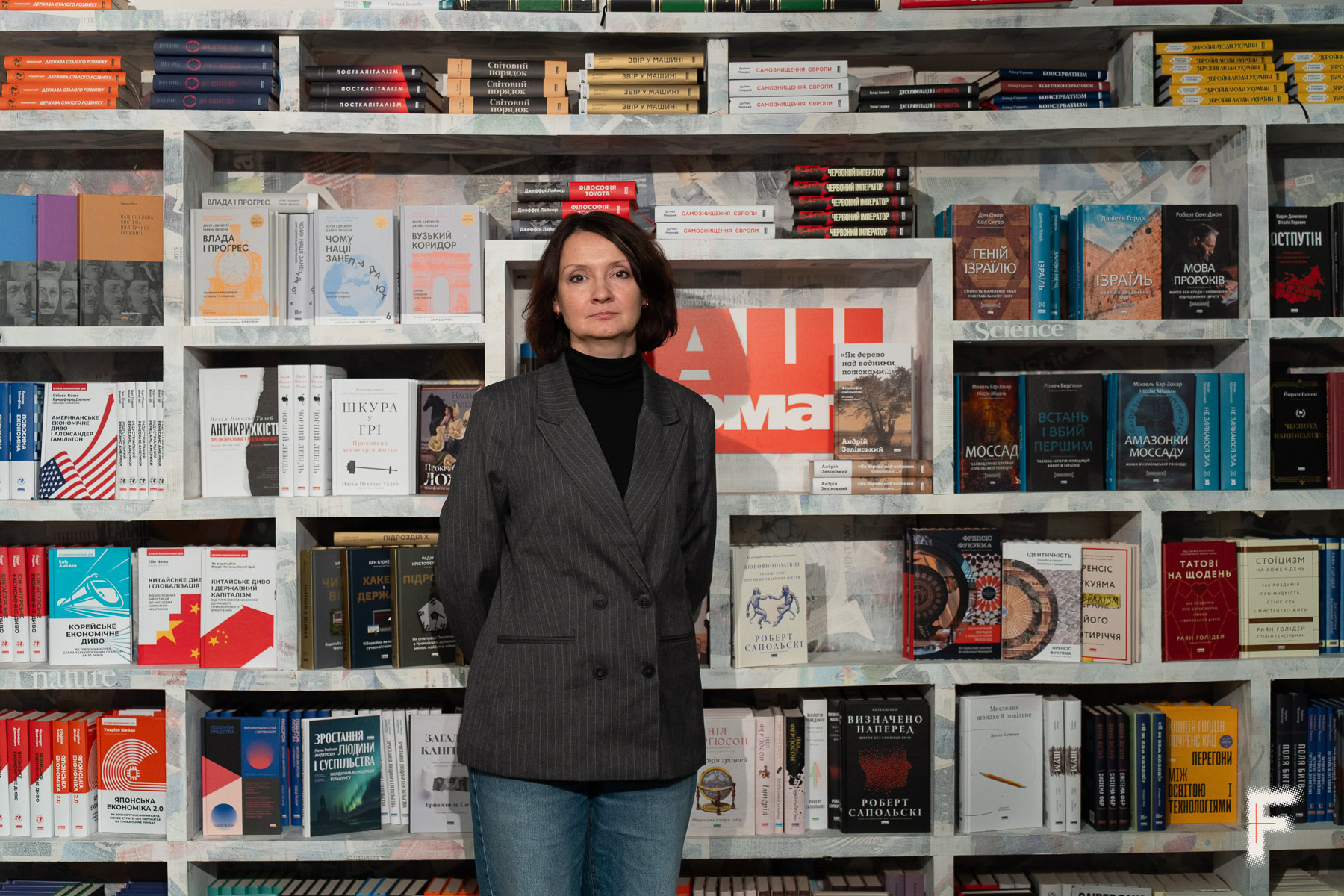
On August 16, 2026, a Russian drone wrecked the Nash Format office near the Pochaina metro station. The strike shattered windows and damaged the ceiling and furniture. The blast wave also damaged an adjacent space, which the team had just renovated for an office expansion. However, the team saved some equipment and archives, allowing the work to continue.
“We had to transition to a partially remote setup just to keep our workflow going. But we never paused our shipments,” the director added.
Small publishing houses face the hardest path to recovery. They lack backup warehouses or offices, meaning the loss of a single facility immediately paralyzes operations. And when fresh print runs funded by all their previous earnings burn, these publishers are left empty-handed with zero balances in their accounts.
“This could lead to small publishers shutting down. There won’t be operating funds to function because publishing books is expensive,” Nikitina said. “Right now, the book business runs on the drive of people who are simply passionate about it, for whom it is more than just a business.”

The publishing house works with five printing plants in Ukraine, but even that does not guarantee a quick replacement of print runs. After the strikes, the number of orders at surviving printing plants surges. Faced with massive backlogs, publishers must prioritize printing only what is guaranteed to sell quickly.
“Everyone needs to survive right now,” Nikitina said. “Some editions may disappear from the shelves entirely if they were printed in a single run.”
Printing plants lose capacity, leading to longer waits for books
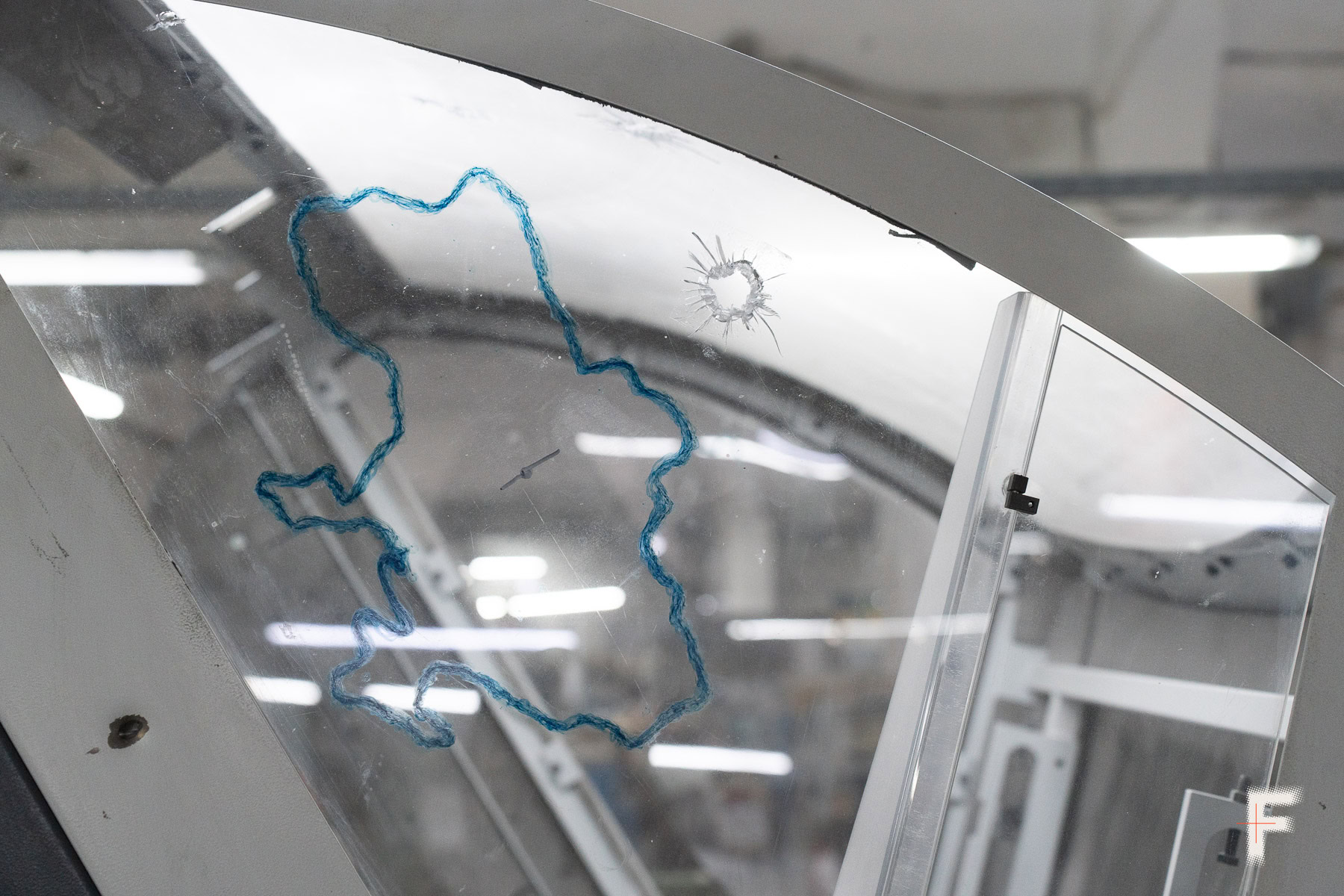
But printing plants have also become targets. Overnight on July 19, 2026, ballistic missiles destroyed the Konvi printing plant. Only one of its six printing presses survived. Russian missiles smashed production facilities, paper warehouses, finished print runs and electronics. Before that night, the enterprise produced up to 700,000 books a month.
Right now, we can print a maximum of 200,000 to 300,000 books.
So I cannot even say that we have resumed operations.
A full recovery requires about 150 million hryvnias,
plus the cost of repairing the buildings. For us, that is simply insurmountable.

Konvi resumed operations just three days after the strike, relying on the equipment that survived. Employees showed up on their own initiative, even though no one had called them in. During the fire, they evacuated bundles of salvaged paper and finished products from the premises. Afterward, they began clearing the rubble.
A direct hit from an enemy missile rendered most of the printing plant’s production floors unusable. Because certain structures are still unsafe, the plant was forced to relocate parts of its production process to other facilities.
It’s going to be difficult, it won’t be easy,
but they won’t stop us.

Currently, the printing plant is recovering on its own. State compensation and payouts have yet to arrive, and the facility has not found the funds to purchase new presses. Therefore, the team is repairing the surviving equipment and continuing operations.
“First and foremost, our short-term plan is to replace the lost print runs, because we must fulfill our obligations to our clients,” Shovkaliuk said.
Shovkaliuk added that not all printing plants and publishers will recover from the Russian strikes. Those that survive will be unable to handle the volume of orders, and the book shortage will only deepen.
“Some people may throw up their hands and say, ‘That’s it, there’s nothing more I can do here,’” he said. “But others just step up and say it’s going to be difficult, it won’t be easy, but they won’t stop us. I told my colleagues exactly that. We only move forward. Stopping would cost us too much.”
Russian missiles destroy part of the Pochaina book market
From the production floors, copies are distributed to retail outlets. For most books, the last stop before reaching a reader’s hands is the stalls of Kyiv’s legendary Pochaina market. Here, freshly printed editions share shelves with rare antique books.
But on the night of August 16, 2026, several Russian missiles hit the market stalls directly. Some pavilions burned down to their metal frames. Hundreds of books were reduced to blackened pages, curled from the high temperatures.

Among the burned books were volumes telling the truth about Ukraine’s past, which Russia has spent centuries trying to appropriate or erase. Now, the burned print runs of the Ukrainian written word have themselves become evidence of the aggressor’s intentions. Amid the soot and shattered glass was a charred copy of Serhii Plokhy’s “The Russo-Ukrainian War,” which reads in part:
“The Russians can indeed trace back to Kyiv the origins of their religion, written language, literature, arts, law code, and–the most important in the premodern era–their ruling dynasty,” the book states. “Their attempts to claim Kyiv as the source of their ethnicity, language, and popular culture turned out to be more problematic.”

Oleksandr Drobin’s pavilion was one of the most popular at the market. He had sold books there since the beginning of Ukraine’s independence, building his own collection and gradually expanding his inventory. He dedicated a separate section to technical literature, including publications on manufacturing, engineering and technology.
“I expected people’s interest in literature to grow,” Drobin said. “Before the war, the market was bustling with buyers. I had a lot of regular customers.”

For him, these are not just old copies, but pieces of knowledge about a specific era and its people that must be passed on. The rare historical books he spent years collecting are now nearly impossible to find, as such literature is often thoughtlessly discarded or recycled.
These old books are unpopular. But they represent
a massive layer of culture, identity and history.
And they are not being passed on,
Now, his pavilion has been destroyed by Russian missiles. He estimates the losses from his burned inventory at millions of hryvnias.
Five thousand books destroyed in a family library
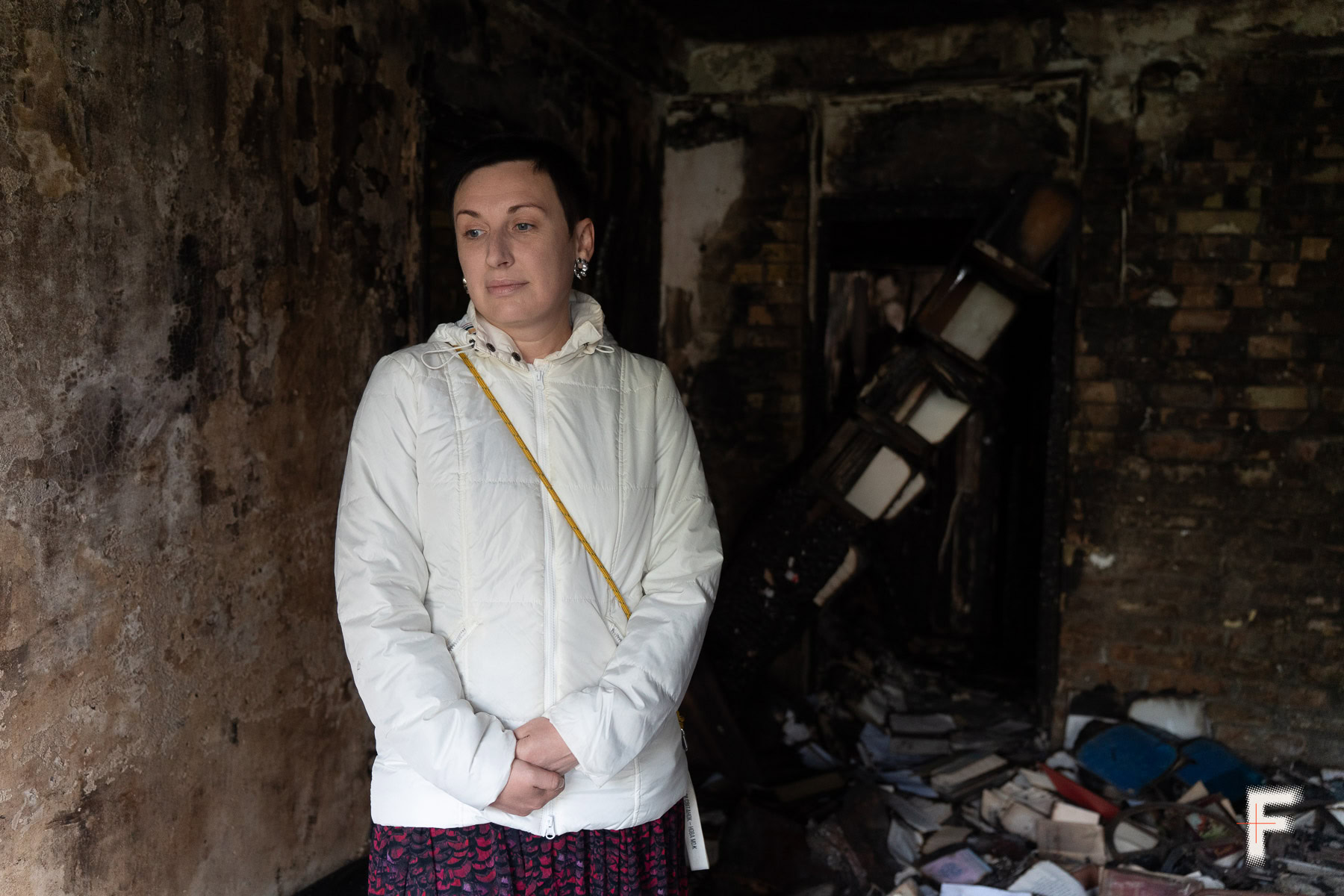
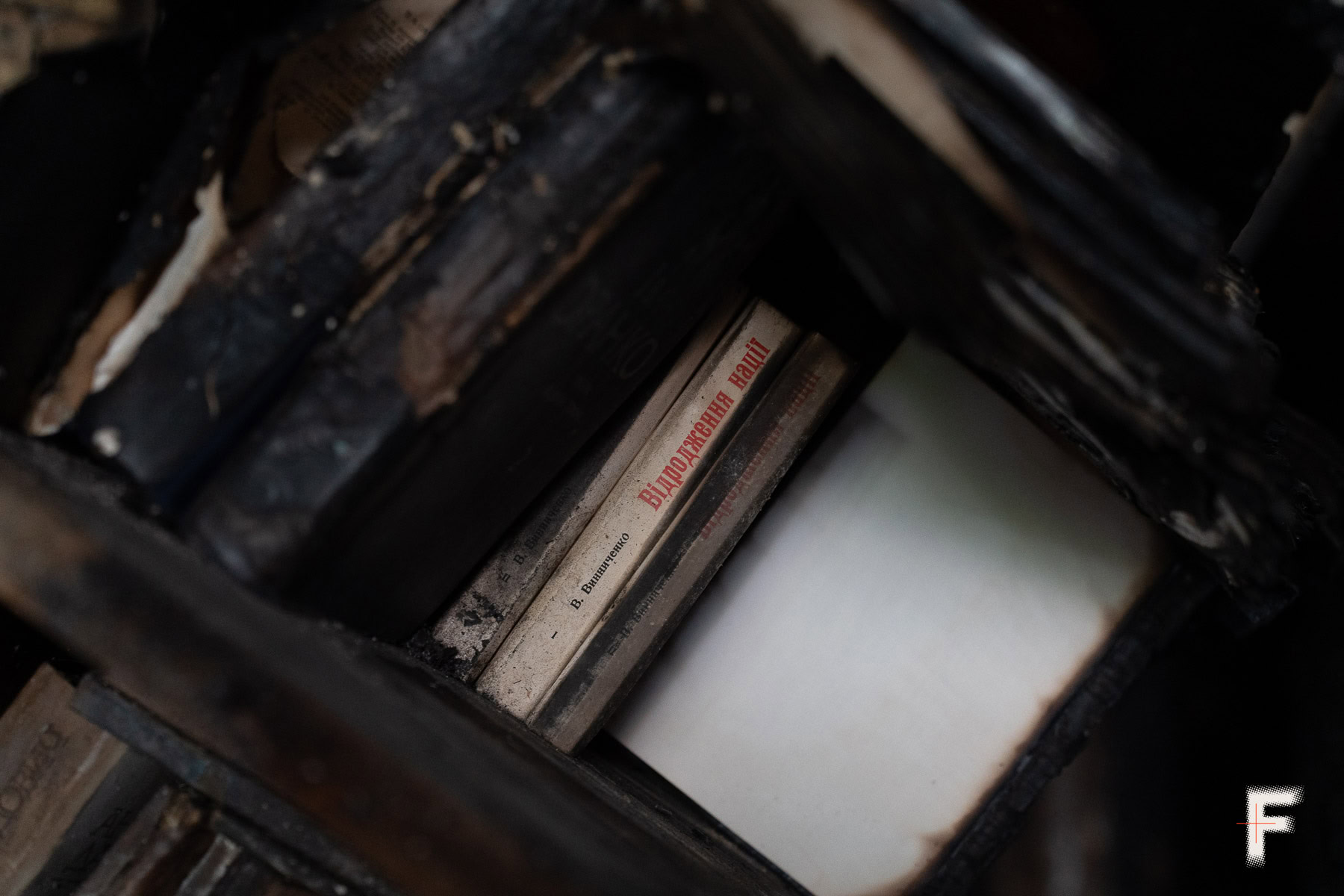
While the print runs lost at the market can eventually be reprinted, the editions collected for decades in family libraries cannot be restored. Russia is reaching them there, too. On July 2, 2026, falling missile debris burned down the home of cultural projects curator Iryna Plekhova. Along with her apartment, nearly 5,000 books were destroyed, some bearing autographs from their authors.
The collection included Ukrainian editions from the 1960s to the 1980s, popular science books, works by the dissident Sixtiers and books by writers of the Executed Renaissance.
[Editor’s note: The Executed Renaissance was a generation of Ukrainian writers, artists and thinkers who flourished in the 1920s and early 1930s. The Soviet regime shot most of them or sent them to die in the Gulag.]

We all know that a book is paper. But when you see them burn,
you realize it is not just paper.
You realize that what you have collected your entire life is burning,
Losing her 5,000 books, Plekhova felt the same generational rupture that has repeatedly fractured the country, when family libraries and archives were destroyed by wars and repressions throughout the 20th century.
“You just spread your wings and think this library will be there for the generations to come,” she said. “And then a strike hits, and you are left with nothing once again. How are we supposed to tell these stories? How will the younger generation tell their children what happened?”
Losses are calculated in hryvnias, but in reality, the true loss is memory that burns along with the print runs. Books that people cherished for years, signed for holidays and passed down to future generations are disappearing. Russians target them intentionally. Stripping a people of their past makes it much easier to impose their own.
Yet the attempt to silence the Ukrainian word meets resistance from the entire industry. Publishers look for money to reprint, printing plants start up damaged presses, authors continue writing, and readers clear out bookstores. Professionals at every stage of Ukrainian book production insist that new print runs will return to the shelves, and material evidence of our history will not disappear, even if they have to start from scratch every single time.
***
Russia continues to destroy printing plants and publishing houses, burning millions of books in an effort to erase Ukrainian identity. Yet the publishing industry endures because the staff keeps working inside damaged facilities and shattered offices. It also survives thanks to readers who support publishers by buying books. We set out to document the true cost of bringing new editions back to bookshelves and to show who is ensuring the enemy fails to wipe out the Ukrainian written word.
Frontliner is independent. Our readers help fund our reporting on the war and the people living through it. Subscribe on Patreon to keep us on the road.
***