My neighbor Stus
War rolls over people like a steamroller, regardless of profession, worldview, or strength of conviction. Every loss is the death of someone's world. Yet the deaths of cultural figures are felt more acutely at the national level, especially in the long run. When artists are killed, a nation is robbed of its voice. Ukraine has been robbed of her voice for generations, and today's Russo-Ukrainian War continues to kill talented poets, writers, actors, and directors. A Frontliner reporter reflects on the losses of the past and the present.
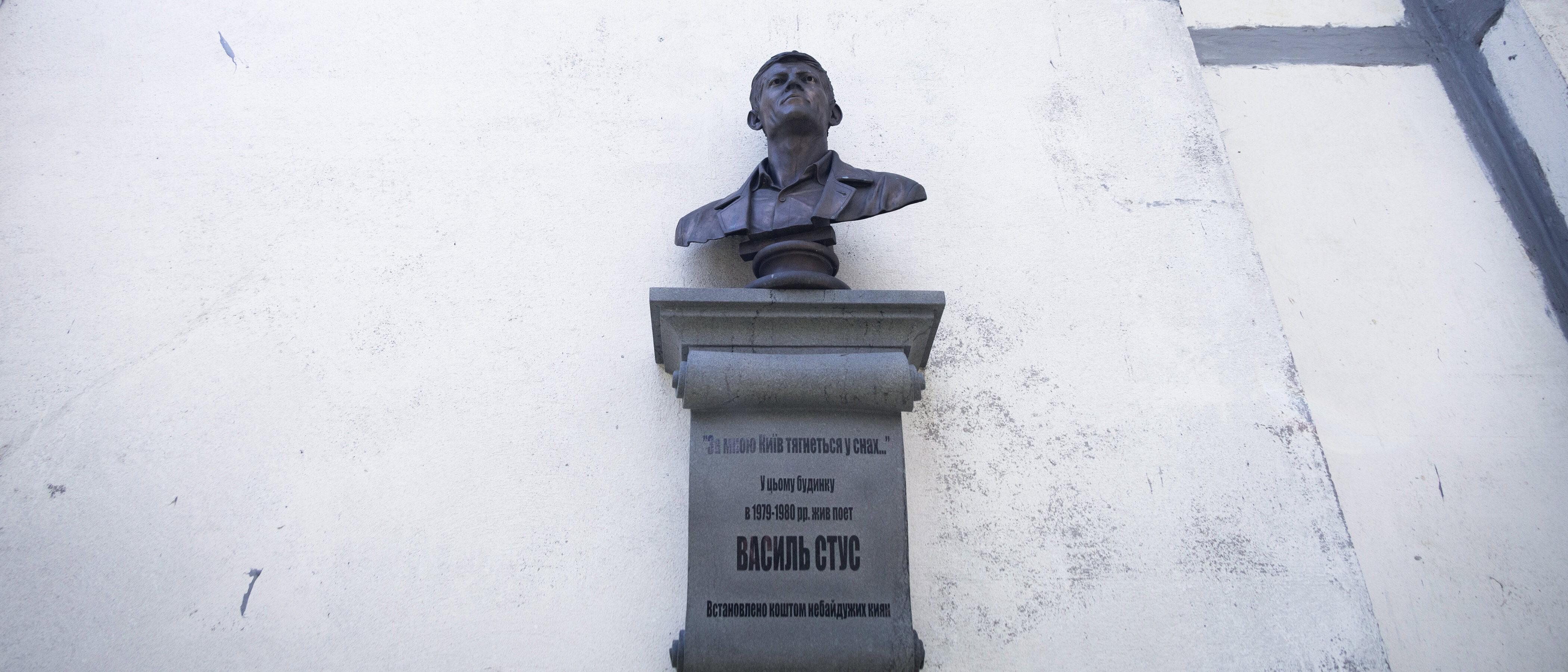
A bust was unveiled at the building next to mine, marking the home where poet and dissident Vasyl Stus once lived.
As it happens, I have been writing poetry and prose since childhood; I have work published in various outlets, and I follow the literary scene closely. This means that I know, more or less, nearly every contemporary writer: those older than me, whose literary workshops I used to rush to as a schoolgirl, and those younger, from the so-called Gen Z. Some are close friends. With others, I feel a deep spiritual kinship. One asked me to be a godmother to their child. A few I greet only in passing, and others I do not see eye to eye with. I know a thing or two about the literary conflicts that are inevitable in any community.
If Vasyl Stus were alive, we would be neighbors. Perhaps I would have known him as a senior colleague and mentor, someone I showed my first literary attempts to. Perhaps we would have occasionally had coffee with fresh orange juice together, made wonderfully at the café across the street. Perhaps we would have only exchanged greetings, running into each other at the checkout in a grocery store. Or maybe we would have been opponents in ideological debates, and I would have been irritated by his political views, so different from my own.
I will never know what kind of neighbor Vasyl Stus would have been because he was killed by Russians in the year I was born.
They continue this tradition today. Several hundred contemporary writers have been killed in the war. Among them is Maksym Kryvtsov, call sign “Dali.” Maksym was younger than me, bright and strong. He wrote poetry and took deep, emotional photographs on film. We became friends and served in the same volunteer battalion, though at different times, and often crossed paths at rallies. His death became one of my most painful wounds –– one that will never stop hurting.
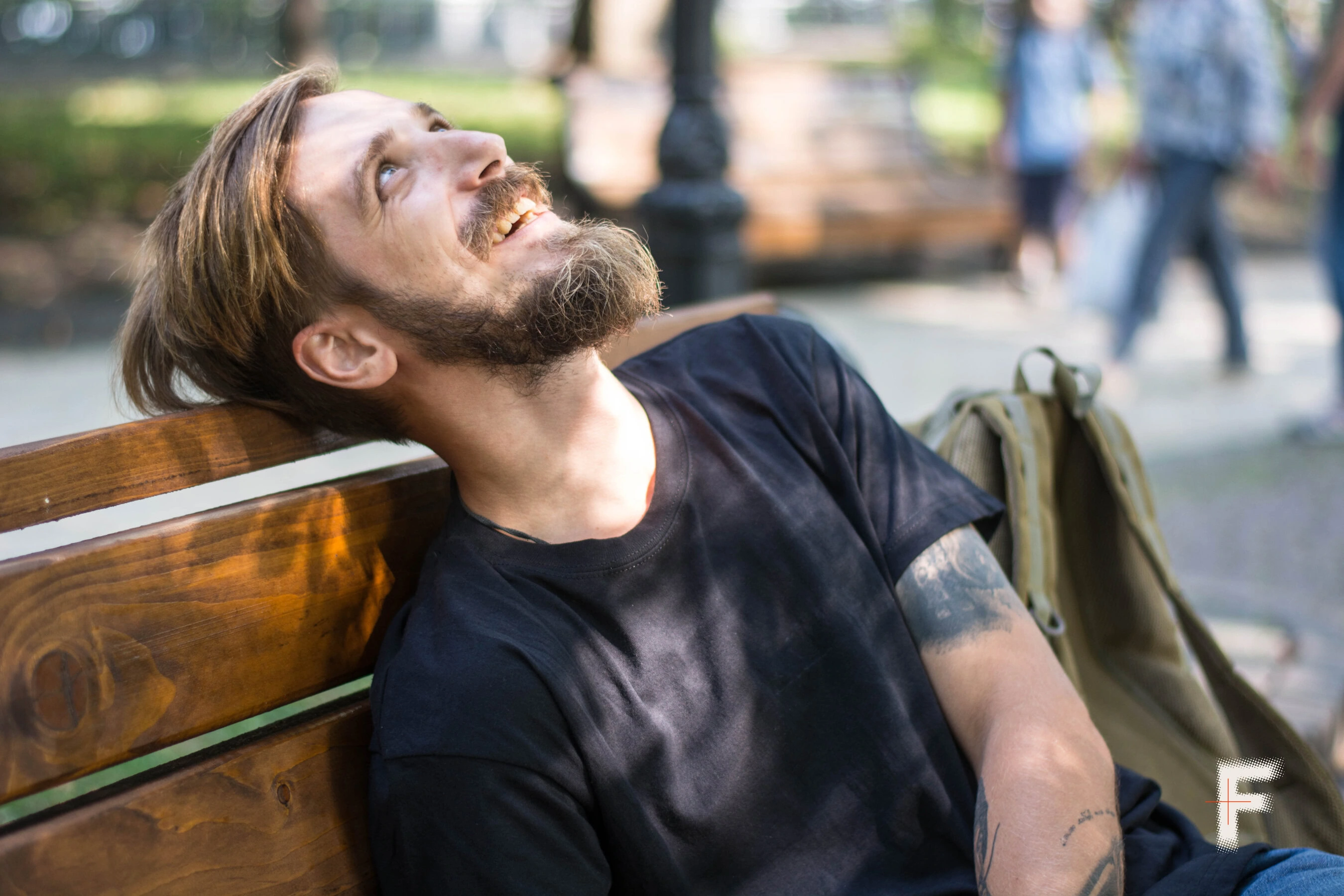
We were not close, but at one point I was asked to shoot photos and video to promote his first –– and, sadly, last –– poetry collection. Later, after his death, my photos from that shoot were used in memorial posts and tributes. Every time I wanted to scream: “Damn it, I took those photos for you to promote your book, not for obituaries!”
Stus’s death has echoed during this war as well. I covered a court hearing and showed support for Vakhtang Kipiani. He was sued by Viktor Medvedchuk over his book, a collection of archival documents titled “The Case of Vasyl Stus.” Medvedchuk had served as Stus’s defense attorney and failed to fulfill his duties. His actions ultimately contributed to the death of Vasyl Stus in detention. The former attorney, Medvedchuk, accused Kipiani of defamation and damage to his honor and dignity. It is hard to believe that such lawsuits are even possible while Russians occupy parts of Ukrainian territory and wage open war.
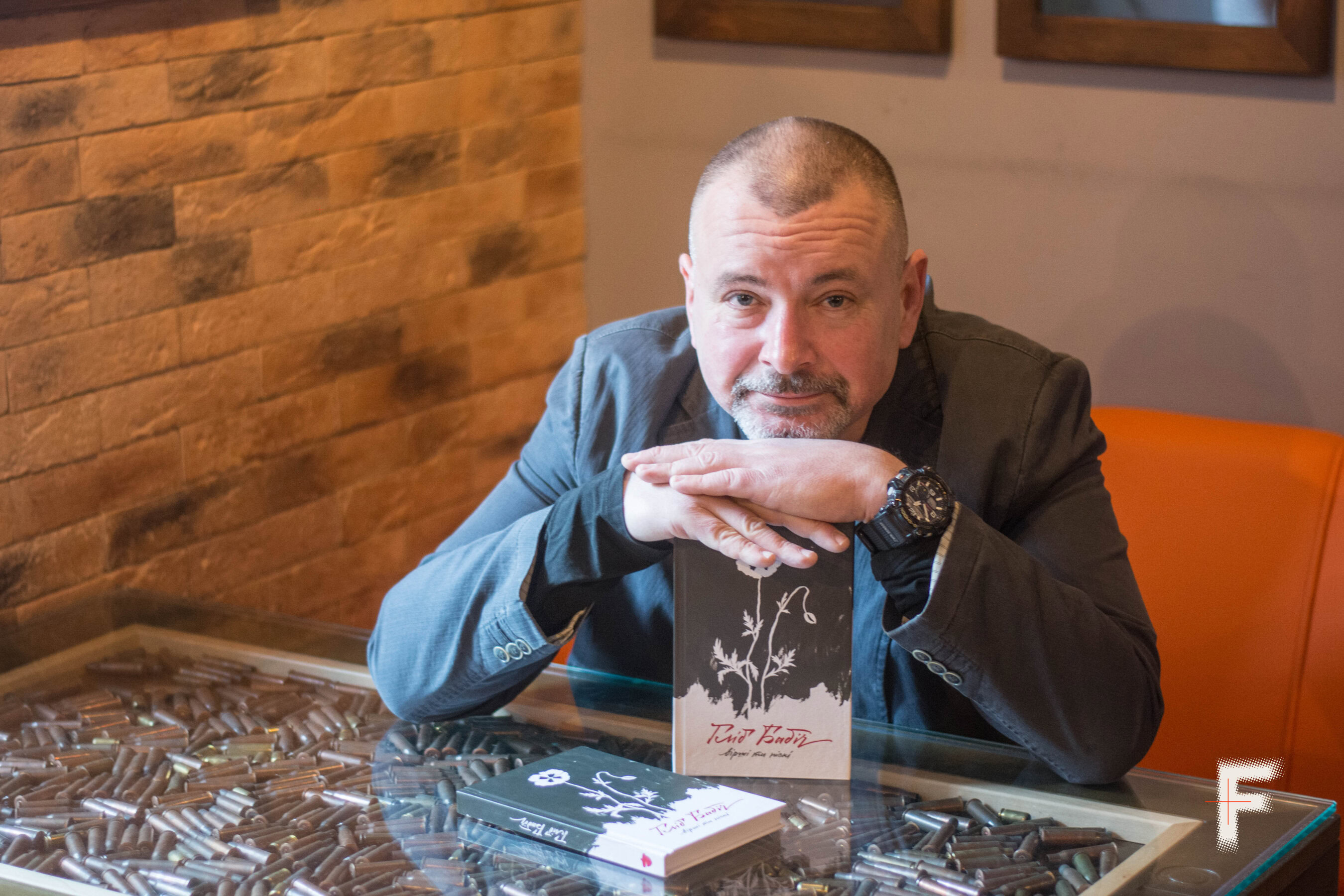
We can only imagine how many poems Stus would have given the world had he lived. Perhaps prose and journalism as well. We will also never see more creations by Maksym Kryvtsov and Hlib Babych. And by so many other artists.

The names of writers, publishers, editors, literary scholars, librarians, literature promoters, and printers killed in the war are documented by the Nedopysani project. As of February 2026, its verified archive counts 289 losses in the literary world, all in the years of this war alone.
But this war, like these losses, has its own historical continuity and its own names, as in every generation: from exile under imperial rule to the Orsk Fortress; from the Executed Renaissance destroyed at Sandarmokh to torture in NKVD chambers; and all the way to today’s obituaries. Russia does not only take lives, reaping its bloody harvest across history. It strips us of our legacy, our cultural heritage, our voice, by cutting the throat of Ukrainian culture.
Every day, walking past the bust on Vasyl Stus’s building, I greet the poet in my thoughts. The neighbor I never got to have. Perhaps some future poet, born in 2024, will live near Maksym Kryvtsov’s home. They will read his only collection that made it to print and imagine what it would be like to be his neighbor.
***
Hi, I am Olena, the author of this article. Thank you for reading to the end.
Every story starts with your support. Join the Frontliner community so we can keep up documenting Russia’s war against Ukraine from the front line and the rear.
***