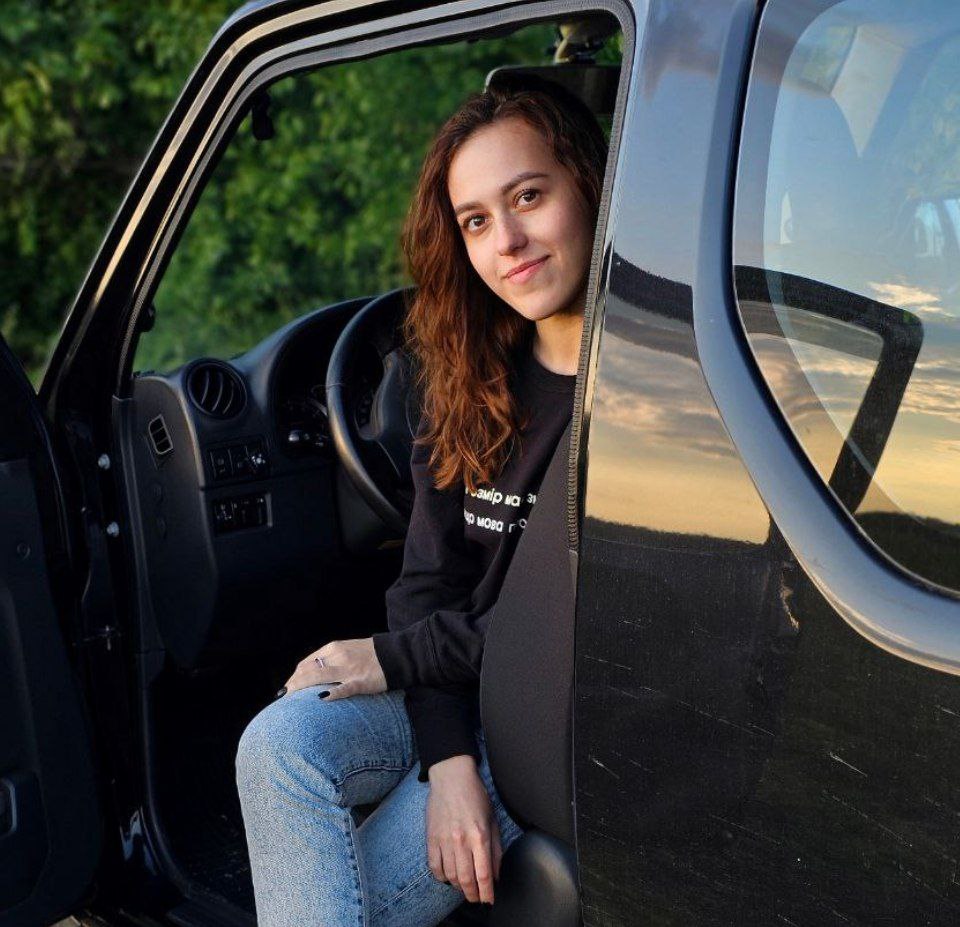
‘I saw death up close for the first time’: Kherson through the eyes of a Frontliner journalist
Kherson now lives under constant Russian first-person view (FPV) drone attacks that target both public transportation and local residents. Frontliner journalist Ruslana Sushko spent several days in the frontline city and witnessed how death became a part of everyday life.
For some reason, I expected Kherson to greet us with a constant roar of explosions and empty streets. Together with my colleague Marharyta Fal, we passed through checkpoints, concrete barriers, and went through one document check after another. When we finally reached the city, the picture was different. There were many people: someone riding a bicycle, someone carrying a bag of groceries. A woman with bright pink hair stood at a bus stop. This contrasting banality in the middle of a war jumps out at you.
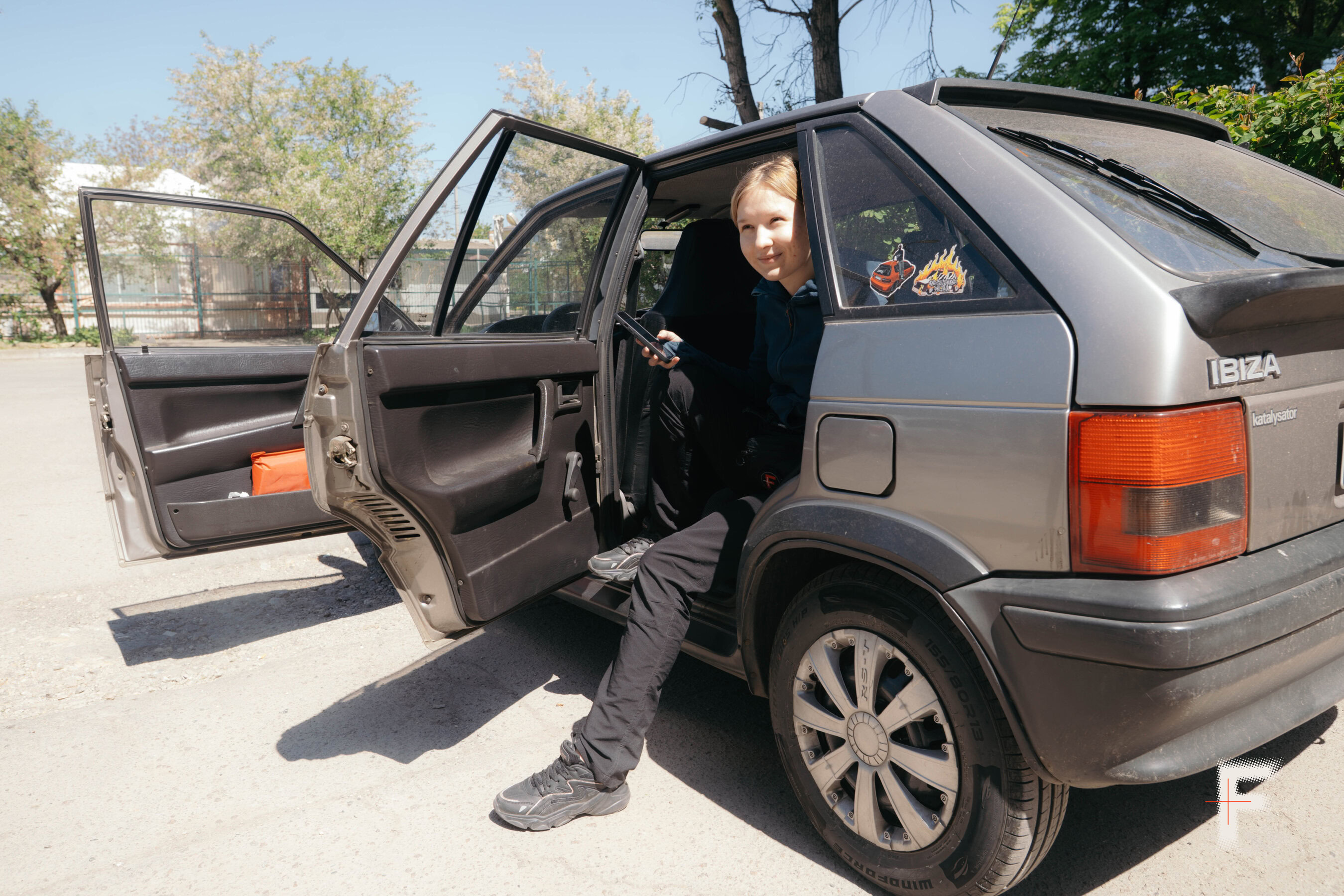
The security situation in the city dictates new habits. Don’t wear anything resembling fatigues. Don’t linger by the car after getting out. Don’t stand too long in the open. Kherson today is a hunting ground for Russian FPV drones that track every movement. Ignoring these rules automatically makes you a priority target. So even before heading to a store, we performed a whole ritual: tucking first aid kits into bags and stuffing tourniquets into our pants pockets.
During the first days, the city taught us to listen. Everyone here is constantly listening — to the sky, to engines, to the hum of electrical substations. To the difference between an outgoing and an incoming round. I too began doing it reflexively, a tension building inside that I had never felt on any previous assignment to frontline areas.
I saw death up close for the first time
On the third day, Marharyta woke me quickly: “Let’s go. Utility workers are patching a roof after a nighttime shelling.”
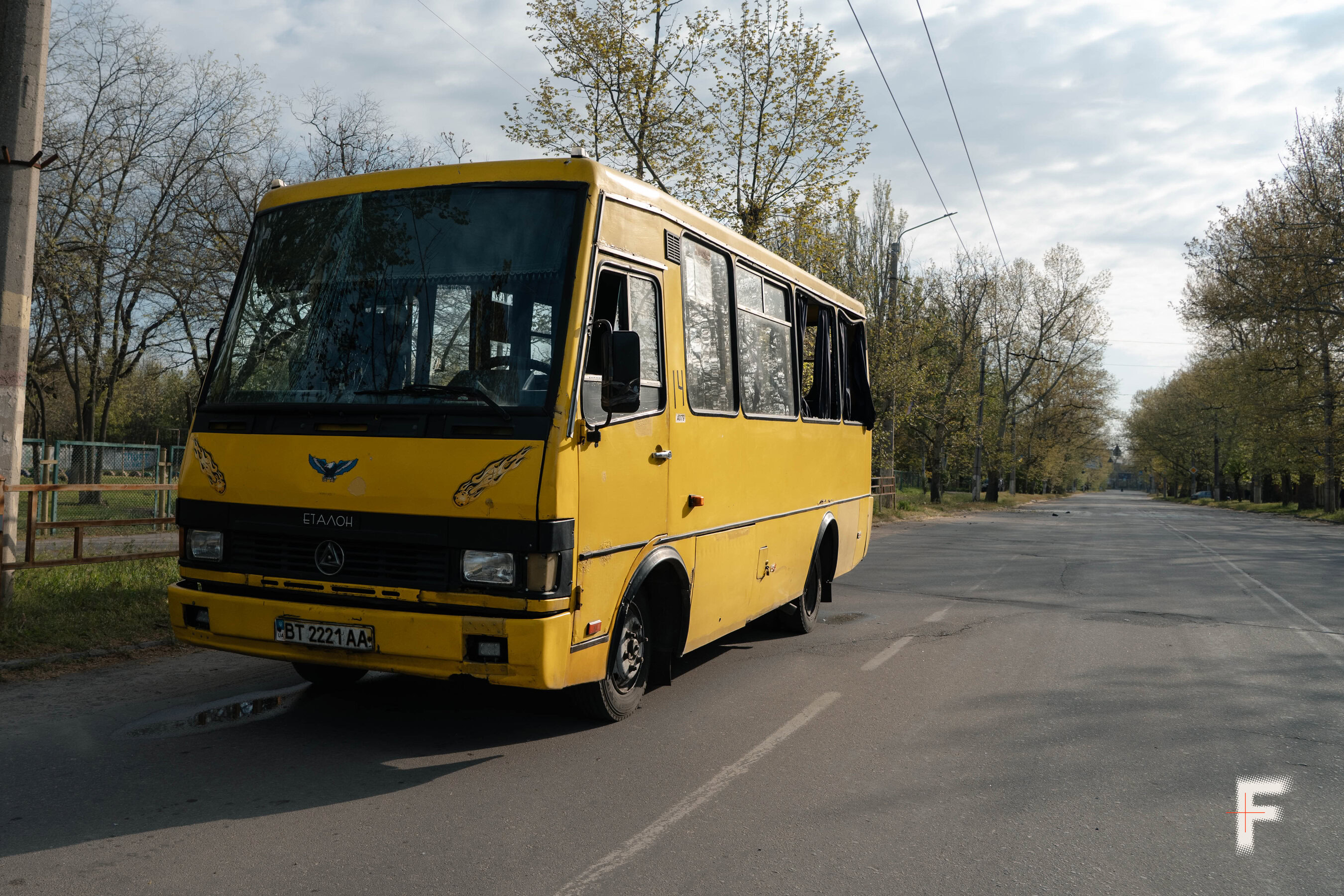
I automatically pulled on my body armor and grabbed the drone detector. A brief line appeared in the news feed: a Russian drone has struck a passenger bus in Kherson. It is a block away from us.
-
A passenger bus struck by an enemy drone, Kherson, Ukraine, May 2, 2026. (Marharyta Fal/Frontliner)
-
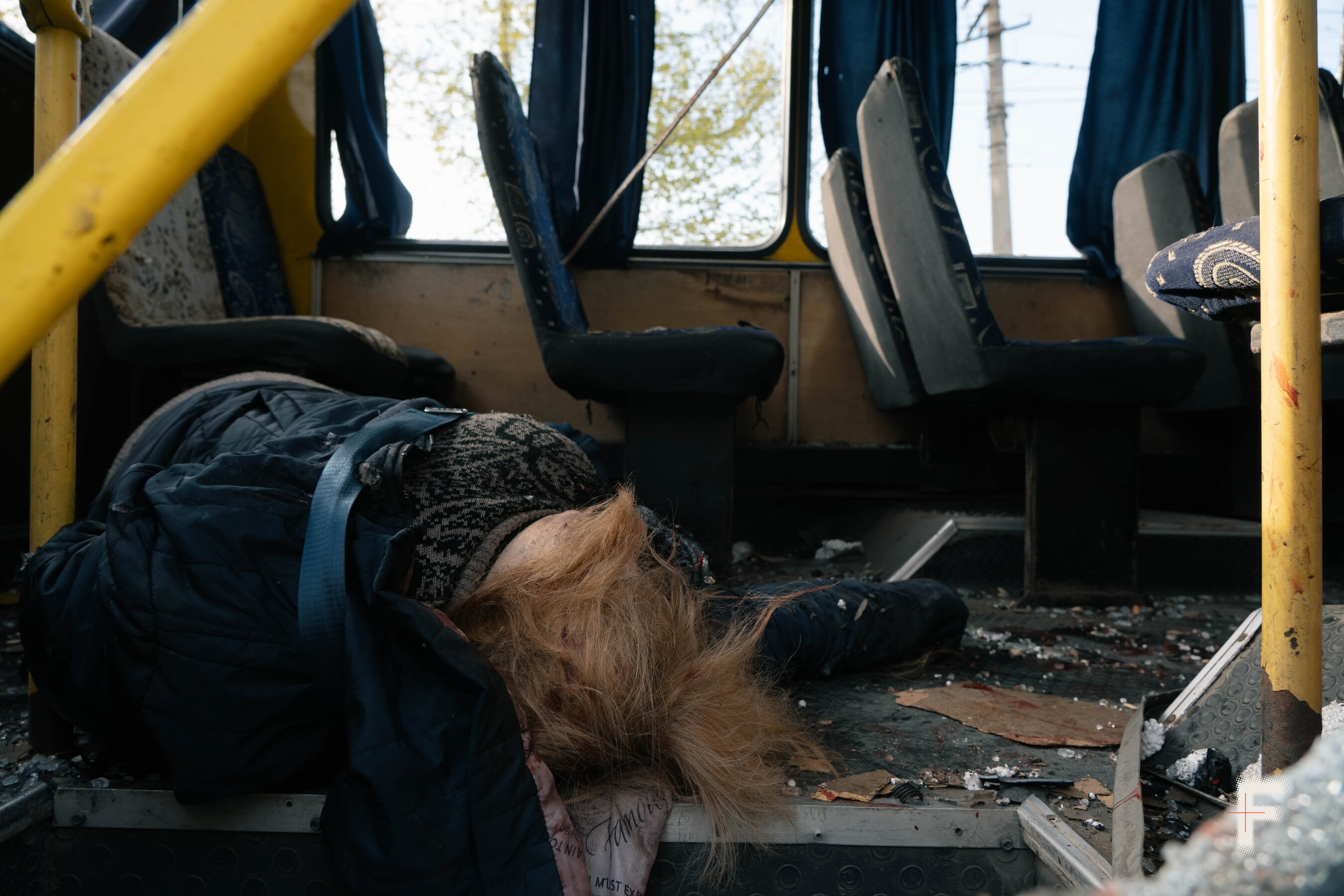
The body of a woman inside a passenger bus struck by an enemy drone, Kherson, Ukraine, May 2, 2026. (Marharyta Fal/Frontliner)
Why did I come here? Why take such a risk?
We drove past and saw the mangled bus. Inside was a dead woman. It was the first dead body that I had ever seen up close. I froze for a moment and understood that the illusion of safety was gone. Death here is much closer than I had thought, and there was no guarantee that the next drone wouldn’t hit me. I caught myself thinking:
We moved on to an apartment building whose roof was recently struck by an enemy drone. Utility workers were patching the blast damage, and one man stood apart, holding a drone detector. He was silent, his gaze fixed on the left bank.
“His wife and child are still there, on the occupied side,” someone told me.
What did he see across the Dnipro? Maybe he was trying to guess which of those distant buildings they were having breakfast in. Whether they go outside, whether they too look across at the right bank of Kherson. I wondered what it means to climb onto rooftops every day under drone fire, holding a device that signals the threat of death, and staring at a home you cannot reach.
Two blocks from the ‘road of death’
The next morning began the same as the one before. This time the building was hit by artillery. On the approach, you could see the shell craters. After speaking with residents, I headed downstairs and accidentally stepped on a wooden board among the debris. A man’s voice came from above:
“Hey! You just stepped on my nightstand!” It sounded not like a complaint, but like the pain of a life shattered by drones.

We’re used to it. There are up to ten
drones flying here a day,
We head to Dniprovskyi Market, located two blocks from Perekopska Street — locals call it the “road of death” because of frequent drone strikes. At the intersection in front of the market lie shards of glass from two ambulances. Russians used a double tap tactic: first striking one vehicle, then hitting the second when it arrived to help.
We were walking between the stalls when suddenly we heard the distinctive buzz of an FPV drone. Everyone instantly looked up at the sky. People at a nearby café didn’t even get up from their tables.

During our remaining time at the market, we had to take cover from FPV drones twice more. There were only seconds to react. It was then that I understood how critically important it is to instantly recognize sounds in the air and know your surroundings.
We heard explosion after explosion. The press officer who accompanied us said that we needed to leave the area immediately as it was coming under active fire.
Evacuation from Komyshany
Komyshany, a village on the outskirts of Kherson, stretches along the shoreline and is constantly under Russian fire. A mandatory evacuation of women and children had been declared there, so we joined an evacuation team heading to pick up a mother and her daughter who lived there.
We got in the car and within minutes the drone detector started emitting a continuous signal, then showed a clear image from a drone’s camera. Seeing it is a strange feeling: you are sealed inside a moving metal box while an operator across the city watches your vehicle on a monitor and may have already chosen you as a target.
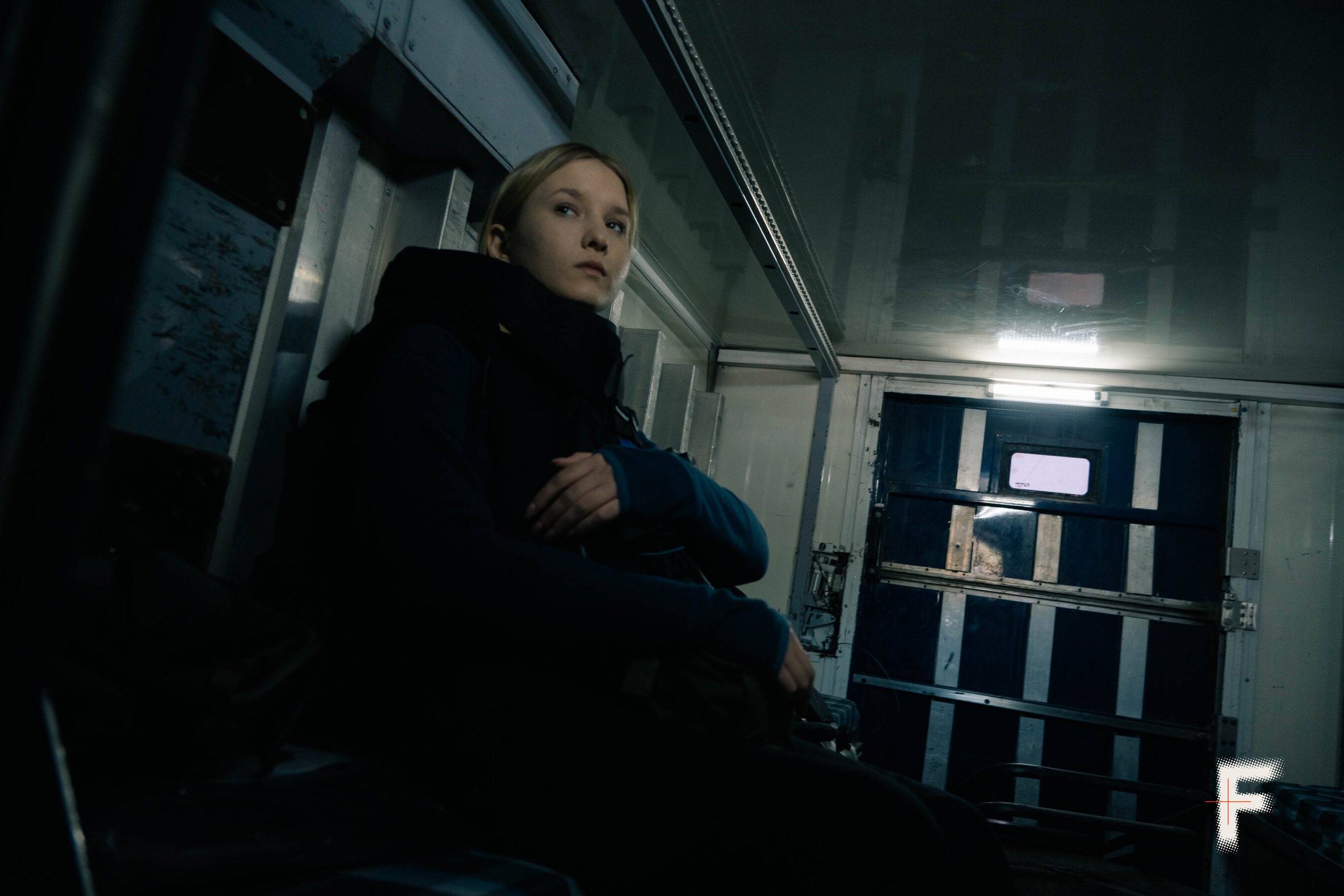
Stopping the car was not an option. The drone was too close. The driver accelerated and turned left onto a side street. We managed to jump out and take cover inside a building. Almost immediately, there was an explosion. The drone hit not our car, but nearby, a few buildings away.
The evacuation team quickly got the mother and child back into the vehicle and we headed to a transit center where people were waiting for onward evacuation: some for buses, some for an evacuation train.
Near the station building, I reached to take off my body armor and at that moment I heard an FPV drone again. I was lucky that cover was nearby, and the drone flew past.
Has Kherson been forgotten?
We saw streets where public transport had been suspended because of the constant threat of drone attacks. We walked through damaged market rows where people continued to buy groceries and flowers.

We spoke with utility workers in helmets and body armor who smiled at us from a small tractor; they were cleaning the streets of Kherson, as if the Russian military positions were not just a few kilometers away.

After the trip, I returned to Kyiv with a strange feeling, as if I had brought something back with me that is impossible to properly explain to others. How do you tell the story of the woman in the bus? Of the medics who respond to calls knowing they too may be targeted? Of people who go to work every day knowing a drone could appear at any moment? And most importantly, how do you tell these stories in a way that doesn’t make people stop listening?
War is frightening not only because of the shelling, but because people grow used to it. News of someone else’s tragedy becomes just another item to scroll past. Yet documenting Russian war crimes remains critically important.
Kherson has been forgotten. Tell our story,
let everyone know what is really happening here,
These words are one of the main reasons I will not stop doing my job, even when it becomes truly frightening.
***
Hi, I am Ruslana, the author of this article. Thank you for reading to the end.
Every story starts with your support. Join the Frontliner community so we can keep up documenting Russia’s war against Ukraine from the front line and the rear.
***