“500 for 500”: how the two-day prisoner exchange unfolded and who came home
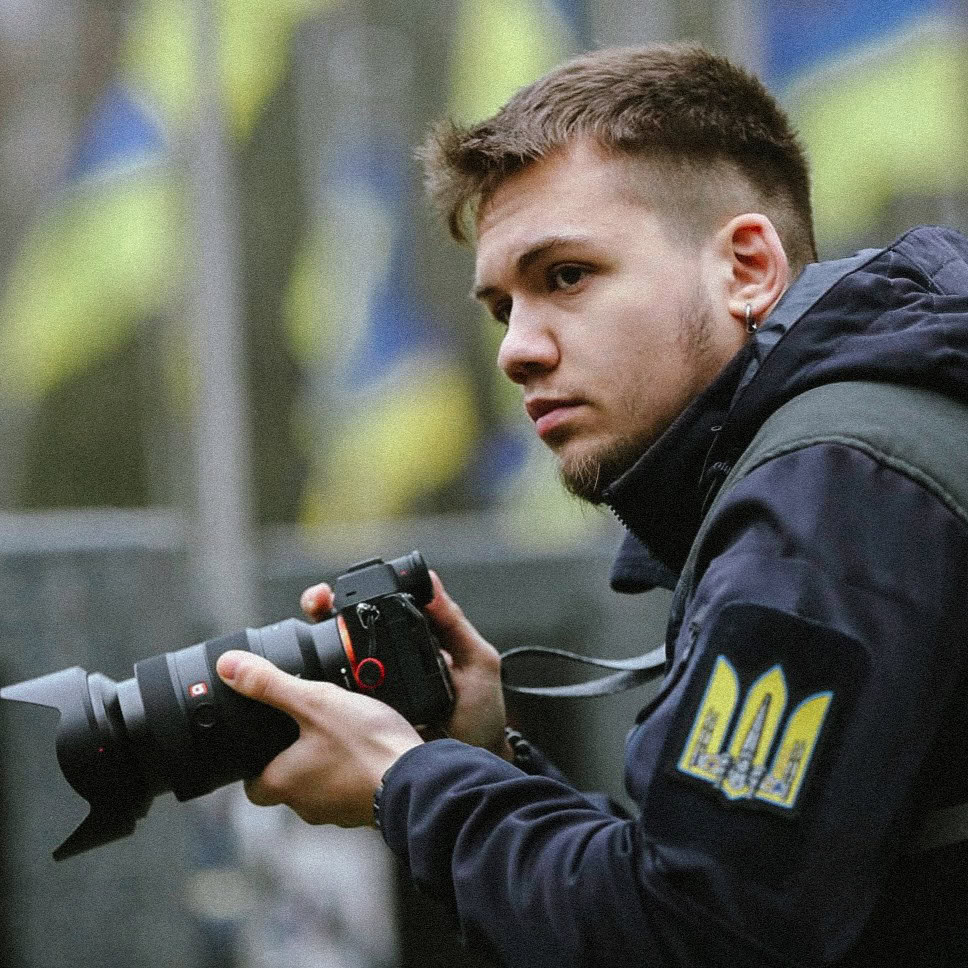
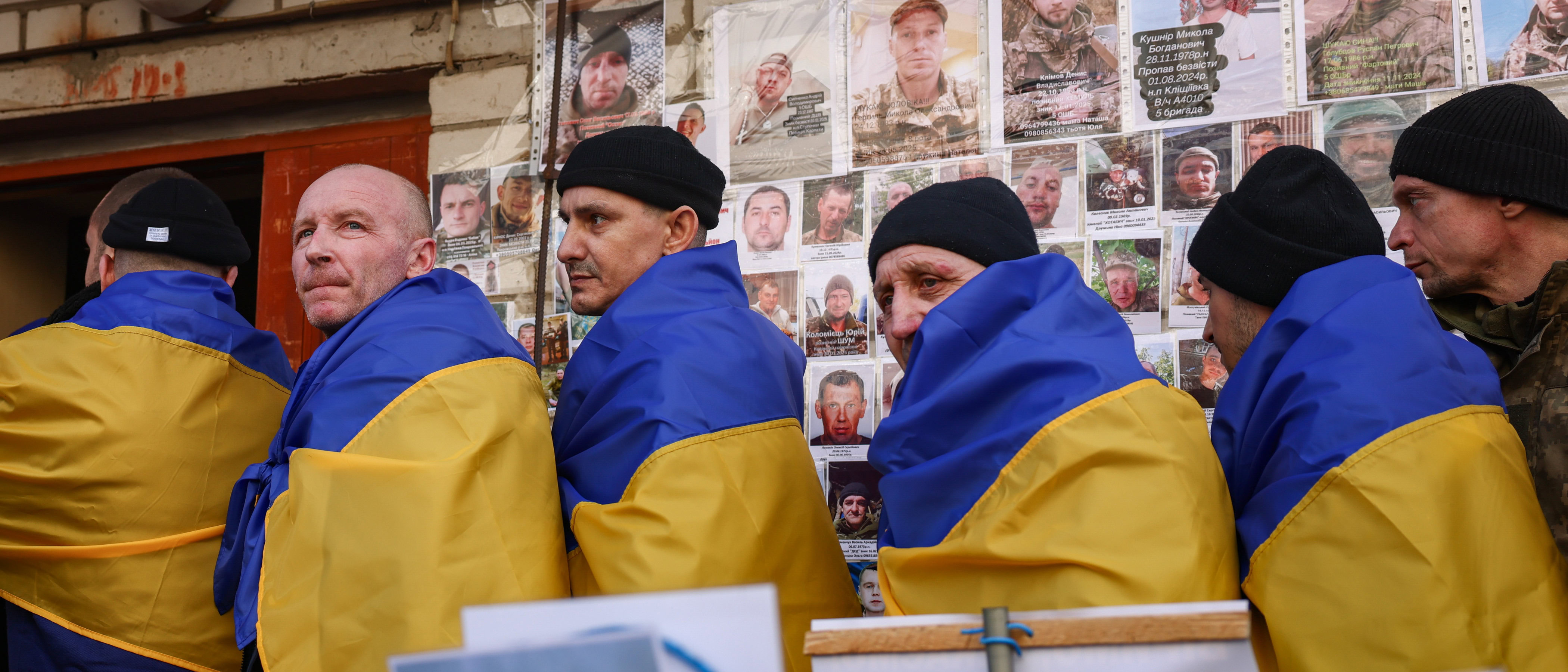
First embraces with loved ones and tears of joy after years of separation. Over two days of a large-scale exchange, 500 Ukrainian defenders returned home from Russian captivity. Among those released were soldiers from various units of the Armed Forces of Ukraine, the National Guard, and the State Border Guard Service who fought in some of the most intense front-line areas – including those who took part in the defense of Mariupol. Frontliner journalists captured the moments when families first received the long-awaited news and were reunited.
On March 6, 2026, a large-scale prisoner exchange between Ukraine and Russia in the “500 for 500” format was completed. On the first day, soldiers of the Navy, Ground Forces, Territorial Defense Forces, Unmanned Systems Forces, Air Assault Forces, and Air Force returned home, along with soldiers from the National Guard, the State Border Guard Service, and the State Special Transport Service.
Day One
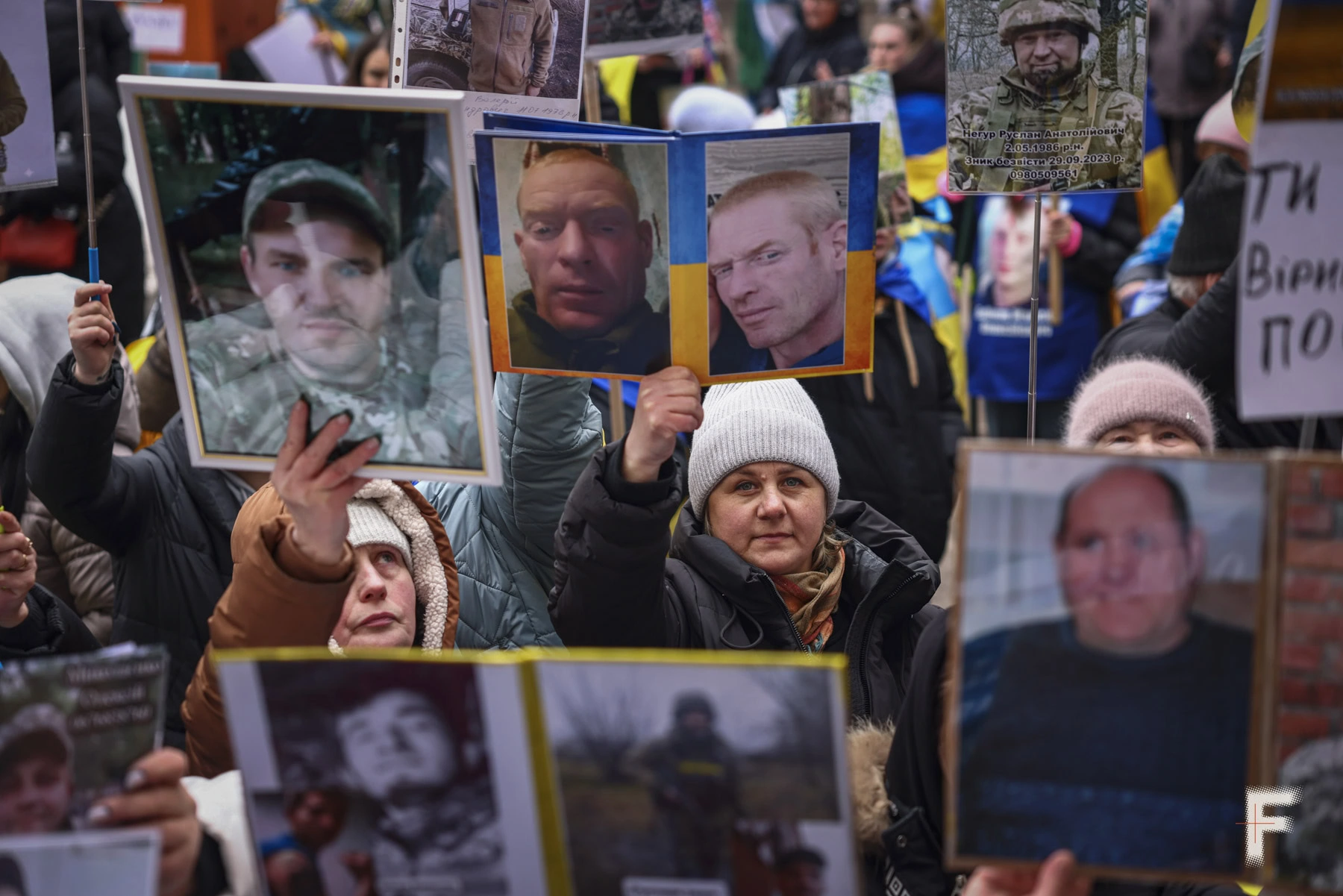
At the site where returning Ukrainian defenders are usually welcomed home after release from captivity, dozens of people gathered early in the morning. They held photographs of their loved ones — sons, husbands, and brothers — who remain in Russian captivity or are still listed as missing.
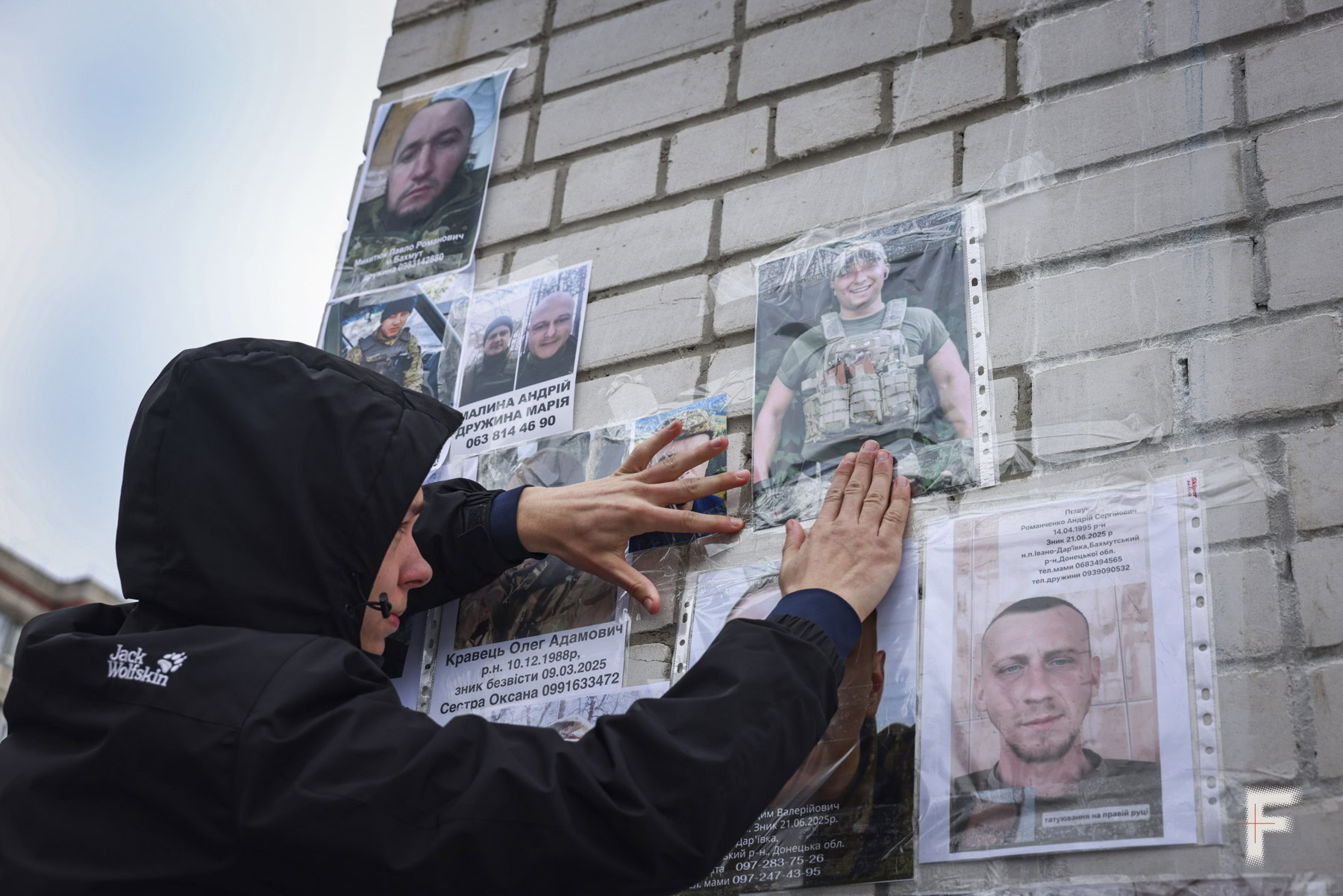
Among those waiting is Olena Petrenko. In her hands, she holds a photograph of her husband, Petro. For a year and a half she has had no information about him.
“He was on the Donetsk front, near Bakhmut. I don’t know anything about him. I only received notice that he is listed as missing. But we don’t lose hope, because miracles do happen. For example, in the last exchange, a person who had already been declared dead returned. I will keep hoping until the very end and wait until I know for certain what has happened to him,” says Olena Petrenko, the wife of the missing servicemember.
First Messages
Around midday, the waiting gradually gives way to the first news. Relatives of the prisoners begin receiving alerts in the Diia app that their loved ones have been released from captivity. People read the messages over and over, as if trying to make sure it isn’t a mistake. Those who are able to see the long-awaited words about a family member’s return cannot hold back their tears. They hug, call other relatives, and share the news with those standing nearby.
“I have waited so long for my son. March 13 would have marked two years, but he is coming home. I still read the messages every five minutes, worrying they might disappear. I am so happy, and I want to hug him and tell him how much I love him,” says Halyna Lysenko, the mother of the servicemember released from captivity.
I have waited so long for my son,
he is coming home,
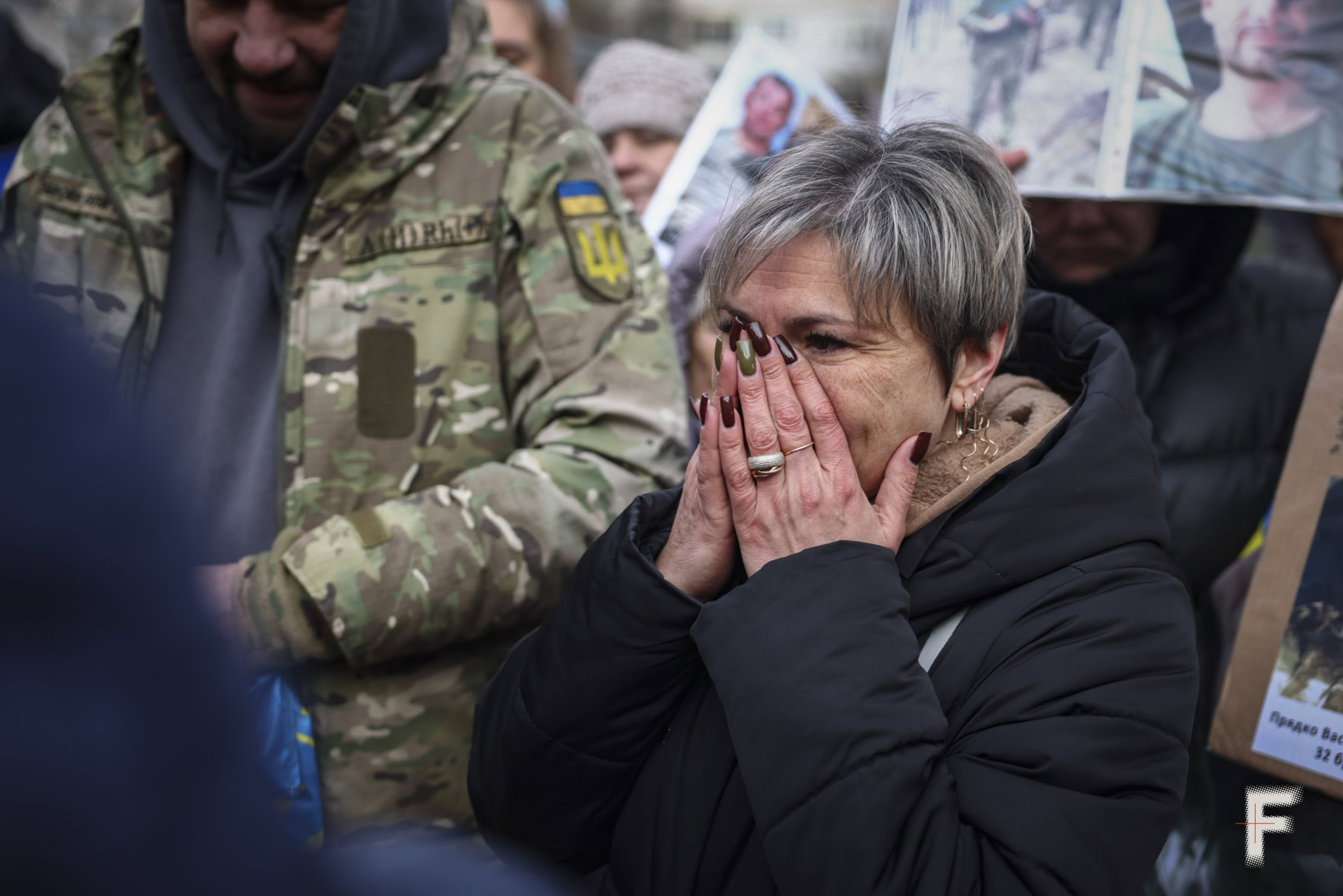
Lesia Ohiienko also received the long-awaited news that her husband was coming home. She had been waiting for two years and nine months. Her husband, Mykola, went missing on the Kupiansk front, and for nearly three years she did not know where he was or if he was alive. Lesia says she had attended the POW exchanges more than ten times, hoping for any news, and at last, that day had come.
I can’t believe this day
has finally come.
“There was a notification in the morning, but now that he has called me, I believe he’s really home. I can’t believe this day has finally come. I used to come here like it was my second job, and I always believed this day would arrive,” says Lesia Ohiienko, the wife of the servicemember released from captivity.
Long-Awaited Reunions
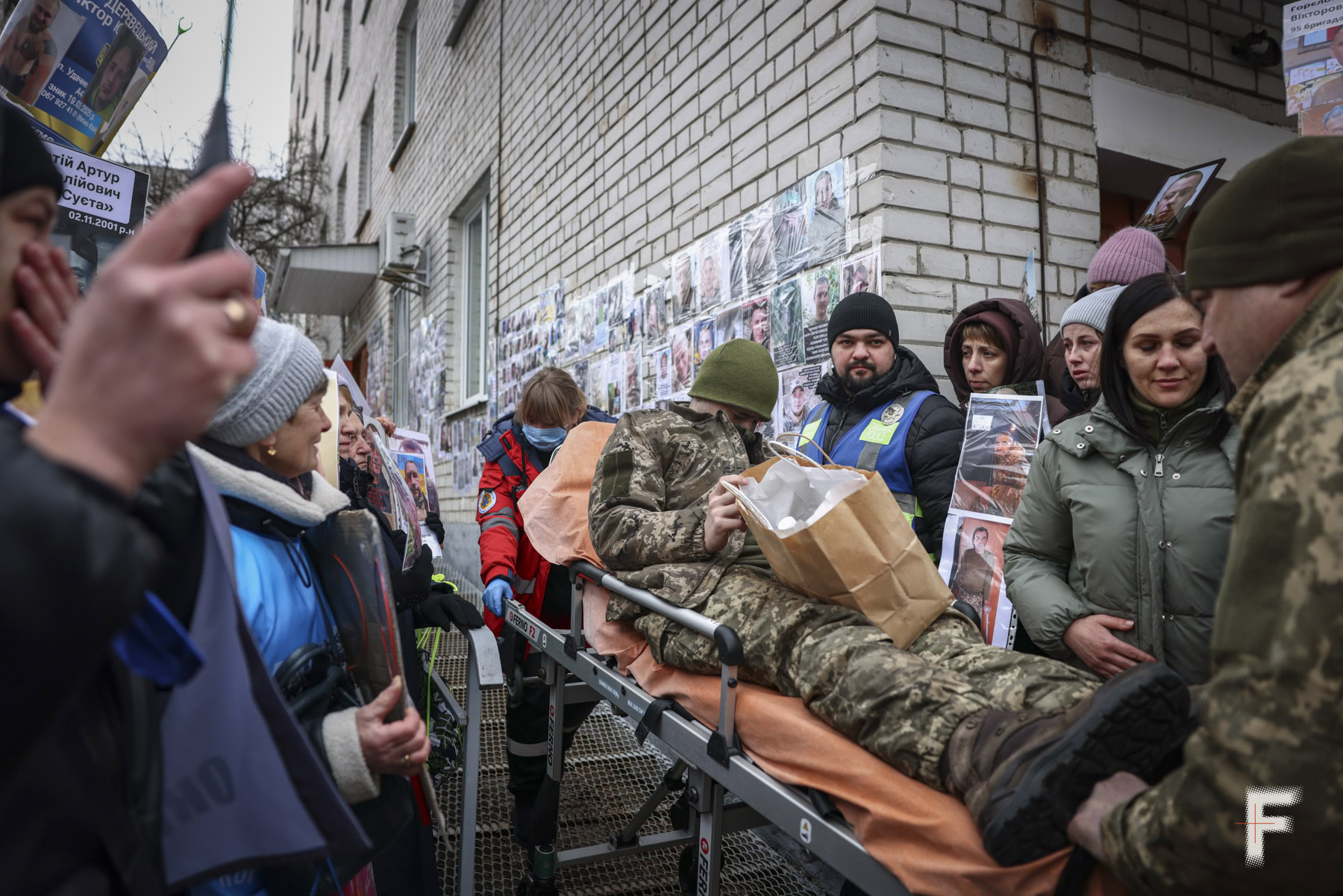
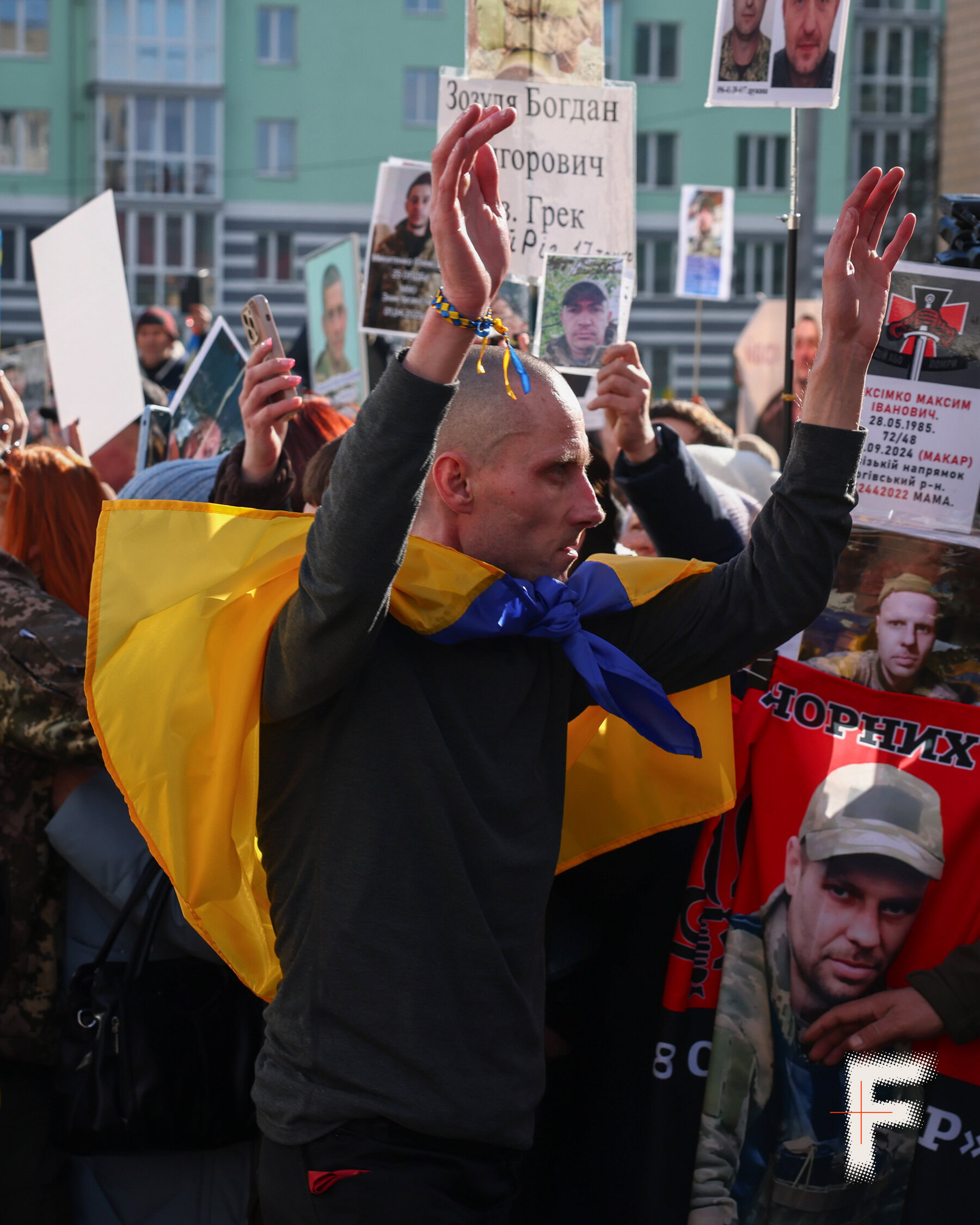
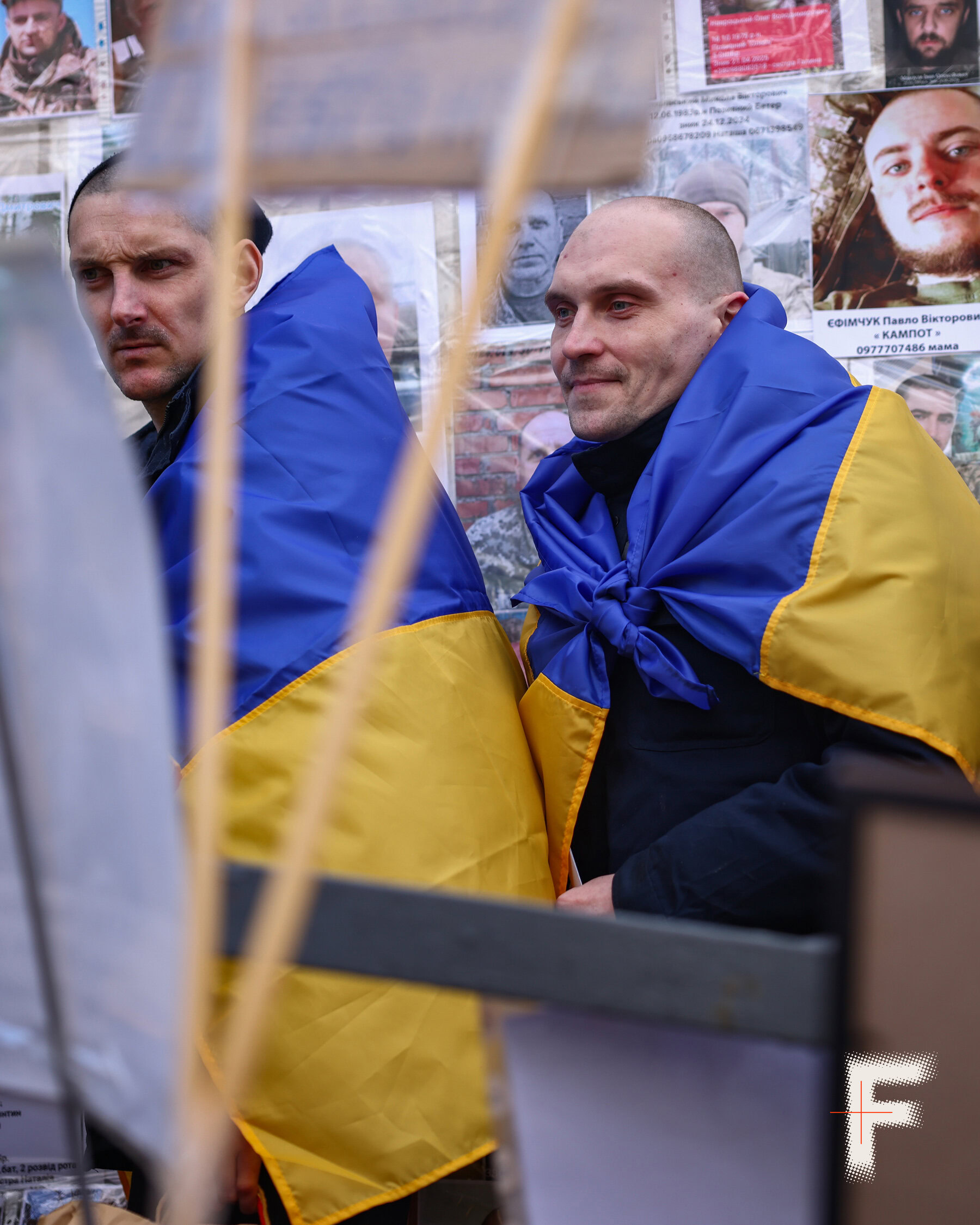
Ambulances begin arriving at the site. People greet the returning servicemembers with applause, cheers, and shouts of support as medical personnel escort them into the building. Some of those returning have serious health issues and are transported on stretchers. The soldiers’ faces show surprise, as they did not expect such a reception, and many cannot hold back their tears.

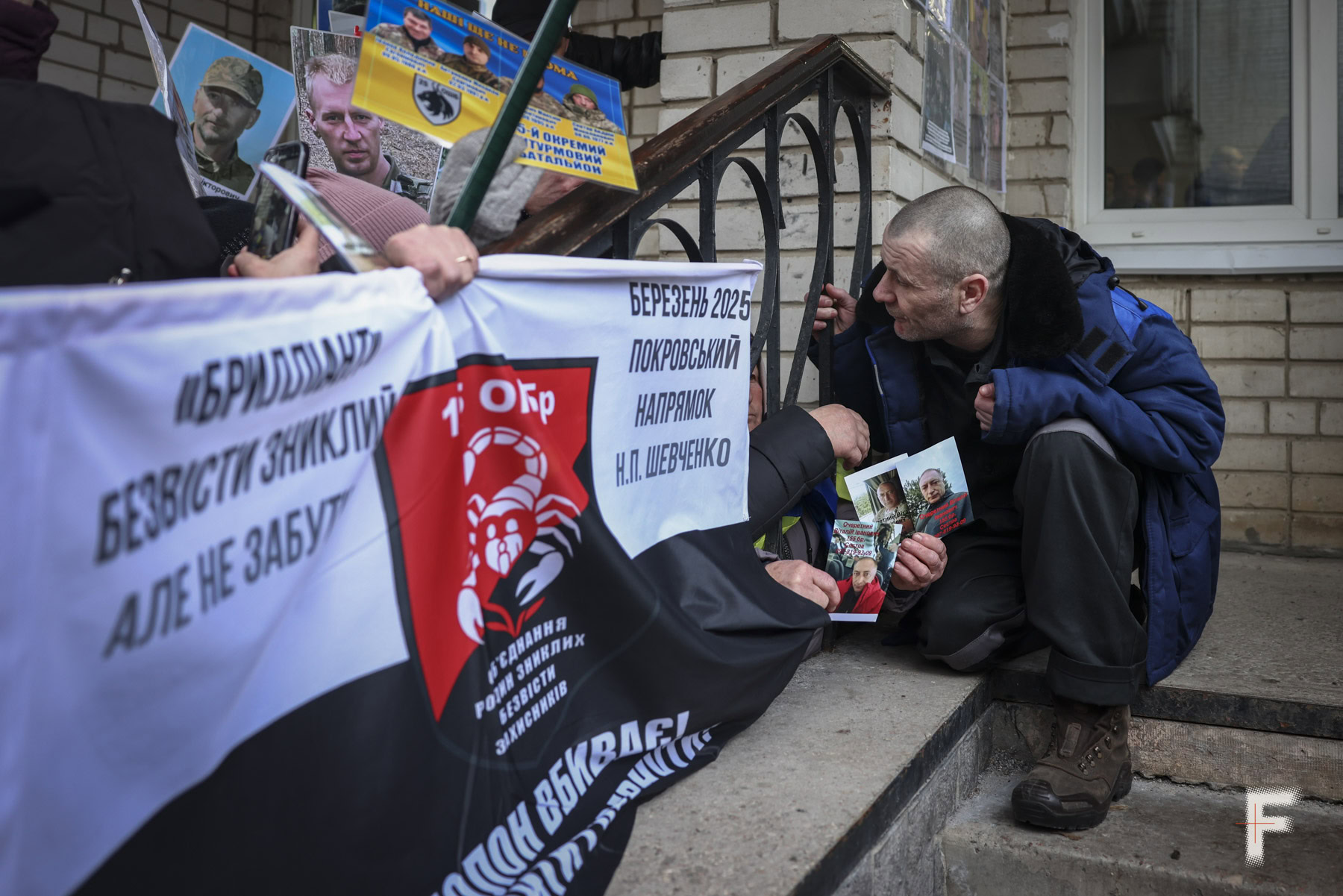
Every servicemember released from captivity must go through a full medical examination and receive support for both physical and psychological recovery before they can finally return home to their families.
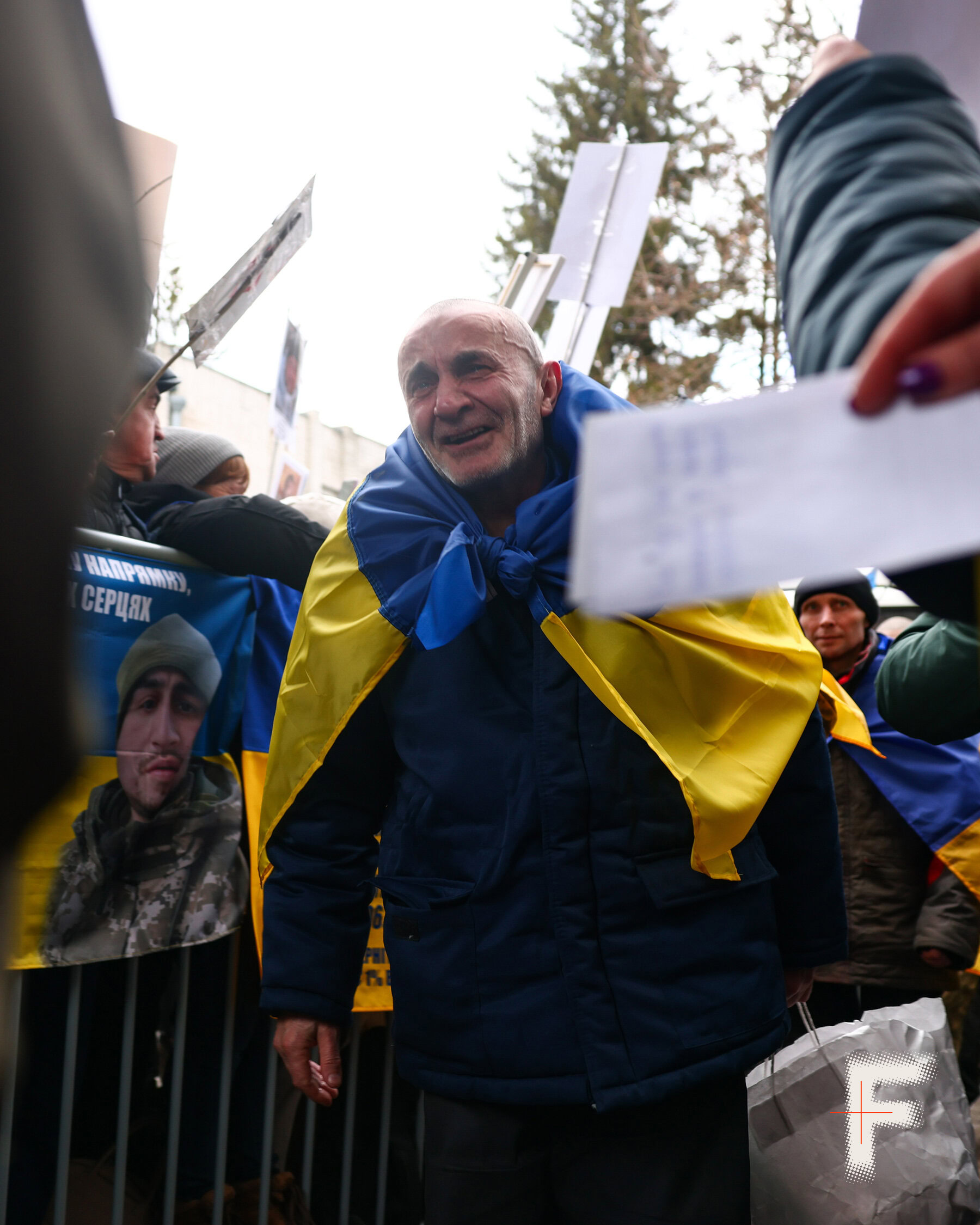
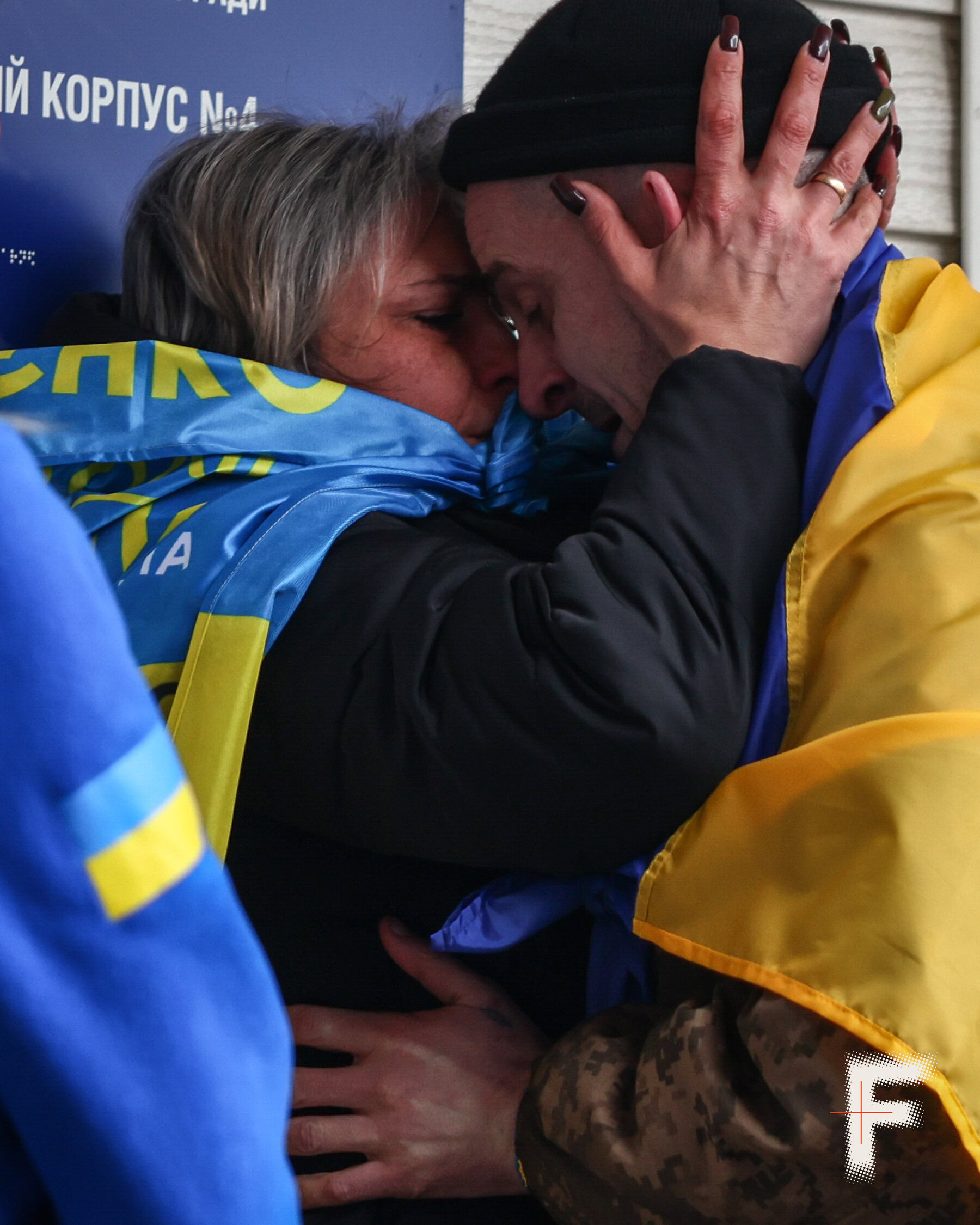
On March 5, 200 servicemembers returned to Ukraine after being held captive following their service on the Donetsk, Luhansk, Kharkiv, and Zaporizhzhia fronts. The Coordination Headquarters for the Treatment of Prisoners of War reported that, in addition to soldiers and sergeants, several officers were also released. Among those freed are defenders of Mariupol who spent nearly four years in captivity.

Day Two
On March 6, people gathered at Maidan Nezalezhnosti in Kyiv for an event honoring prisoners of war and those missing in action. One participant suddenly broke into tears during the speeches. The speaker paused, and everyone present erupted in cheers, shouting, “Congratulations!” At that very moment, Halyna had just received the news that her son was coming home.
God, my baby is finally home,
I always believed he would come back.
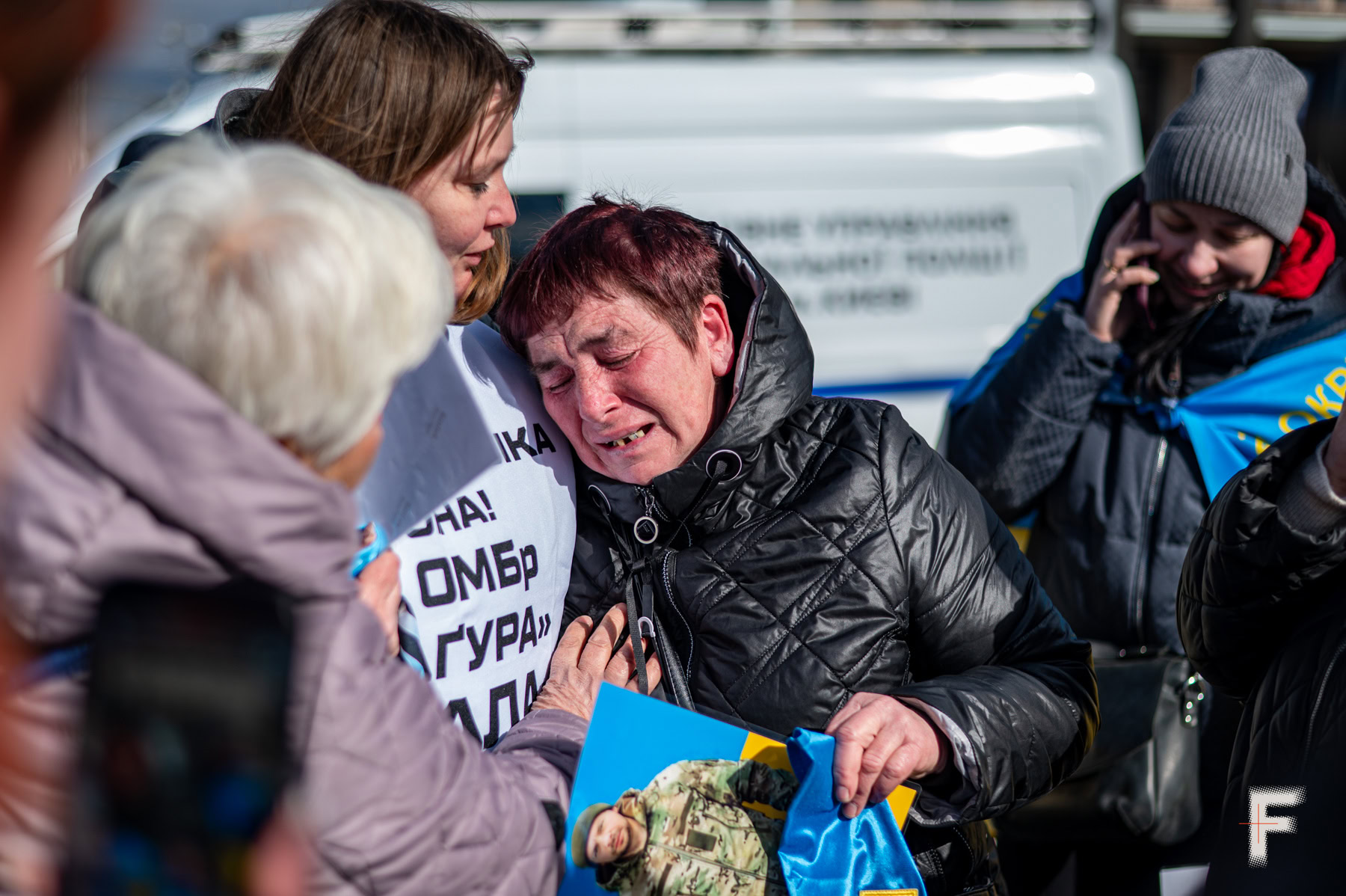
“We were just talking about going to the prisoner exchange after this event. I haven’t seen him in almost three years. God, my baby is finally home, I always believed he would come back. I’m at a loss for words right now. Sorry, I have to go immediately,” says Halyna Tlustiak, the mother of the servicemember released from captivity.
News of the prisoner exchange began reaching the site where returning defenders are usually welcomed home. Among those who received the long-awaited message was Nataliia, who learned that her husband, Yurii, would be coming home very soon. She hadn’t seen him in nearly two years. Nataliia says she had known about her husband’s captivity almost from the very first day, so she never missed a chance to get updates from those who returned and also wrote him letters.
Did my hair, because for some reason I was sure
I would finally see him and had to look my best,

“I’m from Odesa, and I couldn’t make it to the previous exchanges, but the day before yesterday I had a dream that this time he would definitely be released. So I woke up and did my hair, because for some reason I was sure I would finally see him and had to look my best. God, I can’t even find my phone because I’m just overwhelmed with emotions. I was told he had been in the Kirovsk colony and in another place as well. I wrote him four letters, and I know for sure that he received at least one of them,” says Nataliia, the wife of the servicemember released from captivity.

Olena couldn’t hold back her emotions either. She had just learned that her brother, whom she hadn’t seen in nearly four years, was finally coming home. According to Olena, he had been a defender of Mariupol and had spent a long time in captivity. Those years of waiting were filled with anxiety and uncertainty: she followed the news every day, stayed in touch with other families of prisoners, and wrote letters to her brother.

The Coordination Headquarters called and told me that he’s home.
Those years of waiting are finally over.
I never lost hope, and as you can see,
I’ve finally been able to see him,
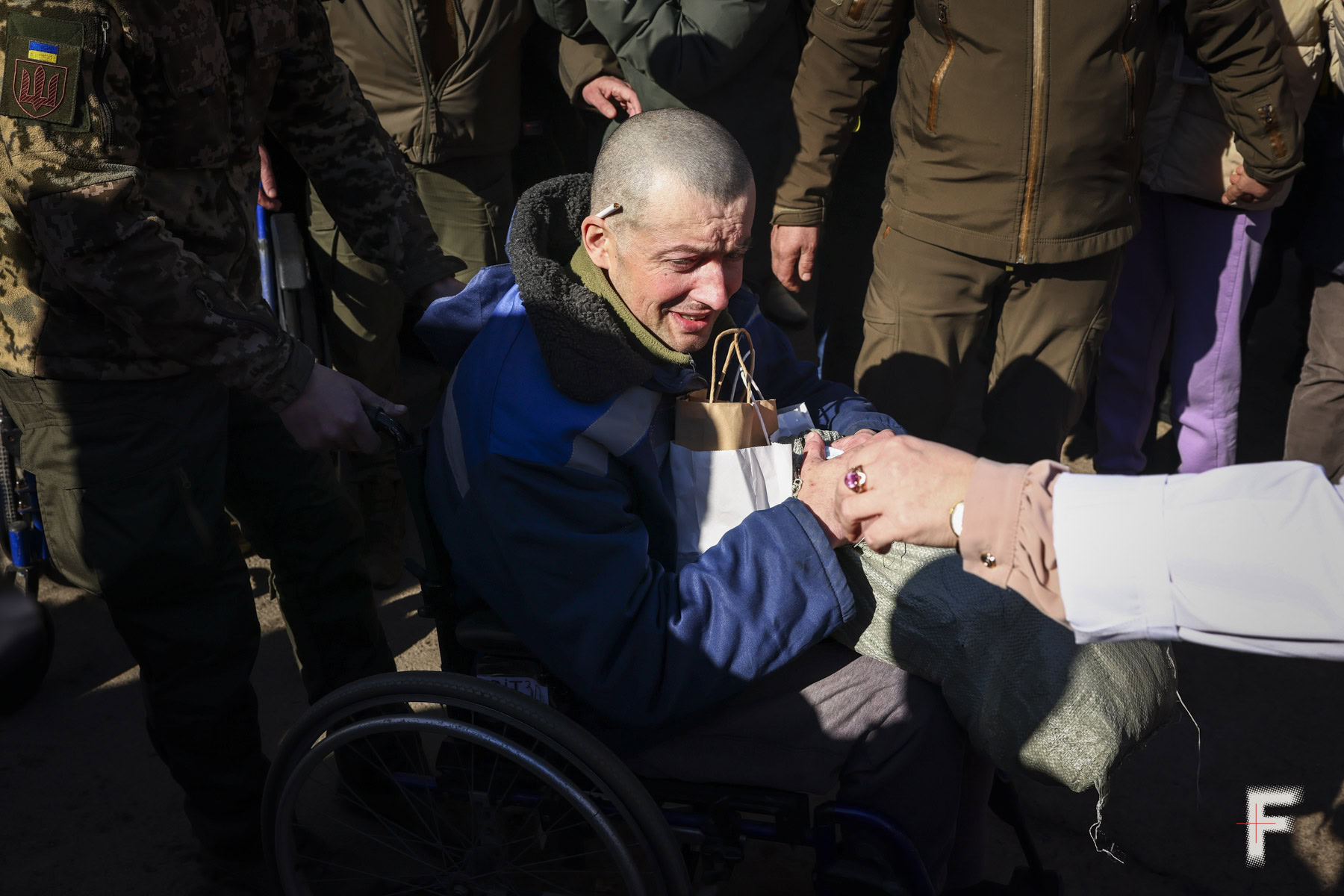
On the second day and final stage of this prisoner exchange under the Geneva agreements, the Coordination Headquarters, acting on the orders of the President of Ukraine, freed another 300 Ukrainian servicemembers from Russian captivity. These soldiers served on the Donetsk, Luhansk, Kharkiv, Zaporizhzhia, and Kherson fronts, and also included defenders who took part in the battle for Mariupol. Two civilians were also returned.
They are all exhausted, tormented, and tortured.
They were abused until the very end,
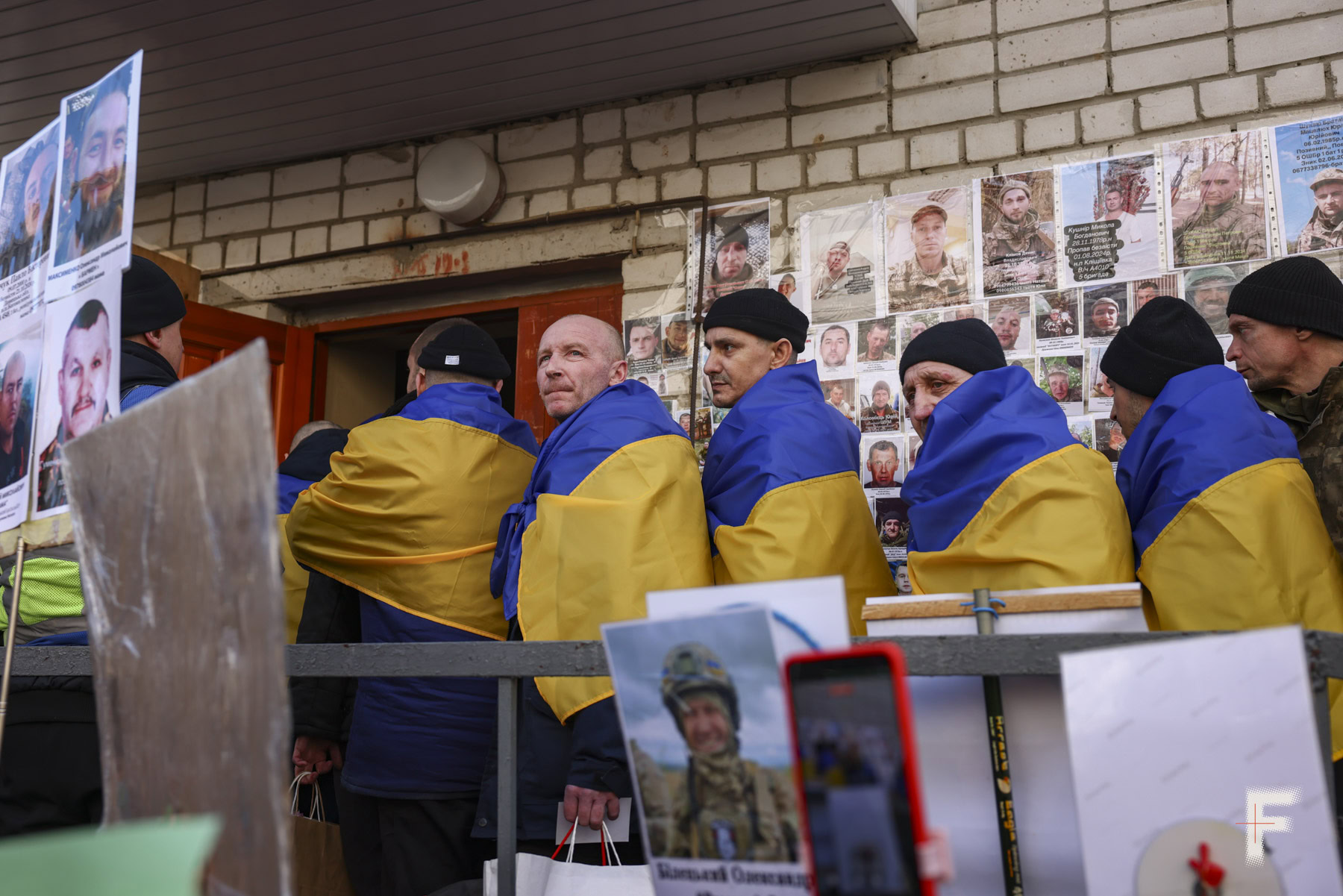
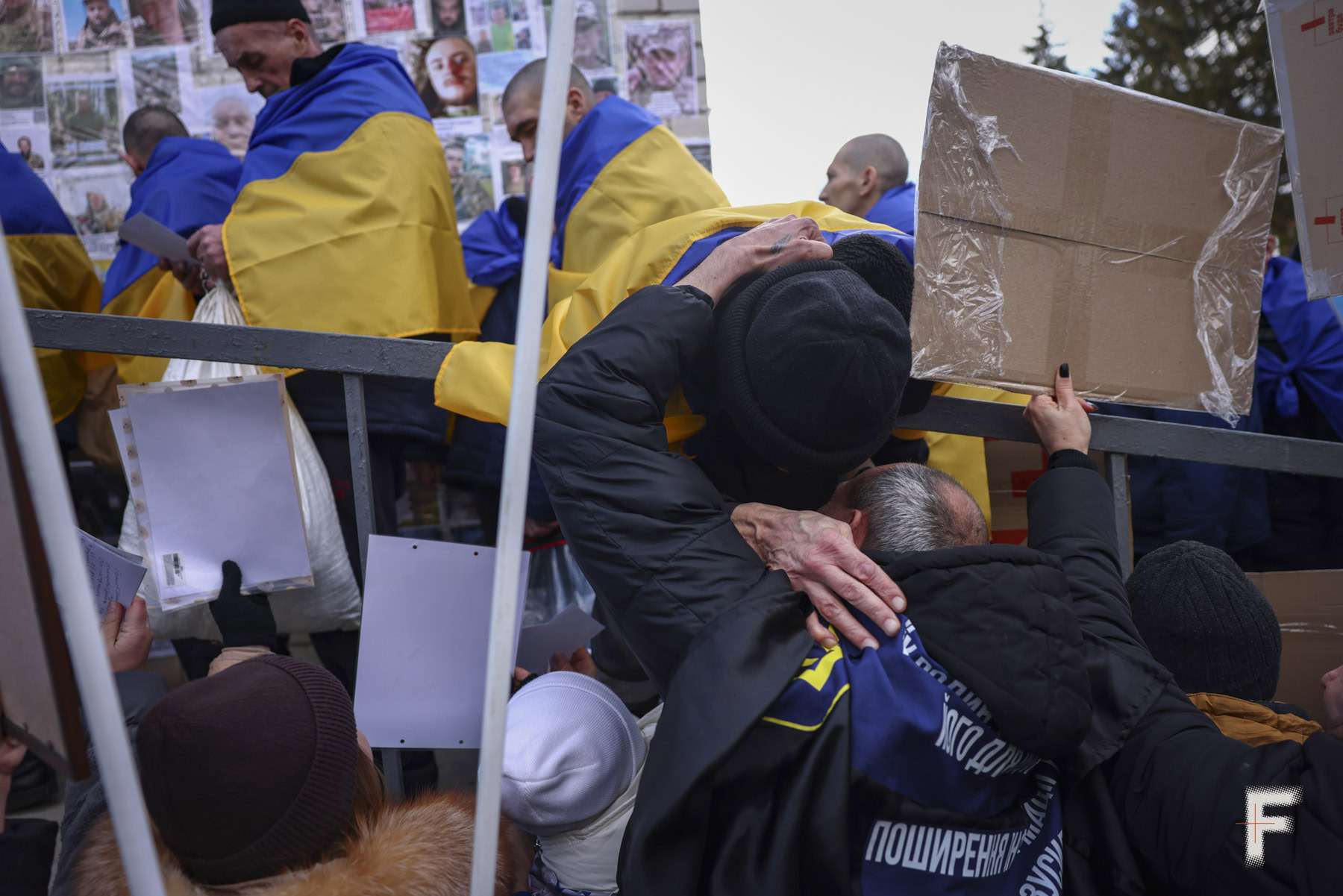
In total, over the two days, 500 servicemembers and two civilians returned home. The Coordination Headquarters for the Treatment of Prisoners of War said the youngest among them was 26, and the oldest was 60.
“They are all exhausted, tormented, and tortured. Some arrived in ambulances and needed urgent medical care. They were abused until the very end. For example, those who returned on the first day of this exchange were not allowed to sleep during the journey; whenever they dozed off, they were shaken awake. This shows that international organizations have no access to our people. While in captivity, they receive almost no letters and even fewer parcels,” says Petro Yatsenko, a representative of the Coordination Headquarters.
President of Ukraine Volodymyr Zelenskyy announced that this exchange was made possible through a tripartite meeting in Geneva. The United Arab Emirates and the United States helped mediate, an effort later confirmed by both Ukraine and Russia.
The Coordination Headquarters for the Treatment of Prisoners of War also said they hope that recent events in the Middle East will not affect future exchanges. They added that work to bring the defenders home is ongoing, emphasizing that the release of Ukrainian servicemembers remains a top priority.
Adapted: Irena Zaburanna