‘What is forgotten eventually returns’: Stories from a researcher preserving Holodomor voices
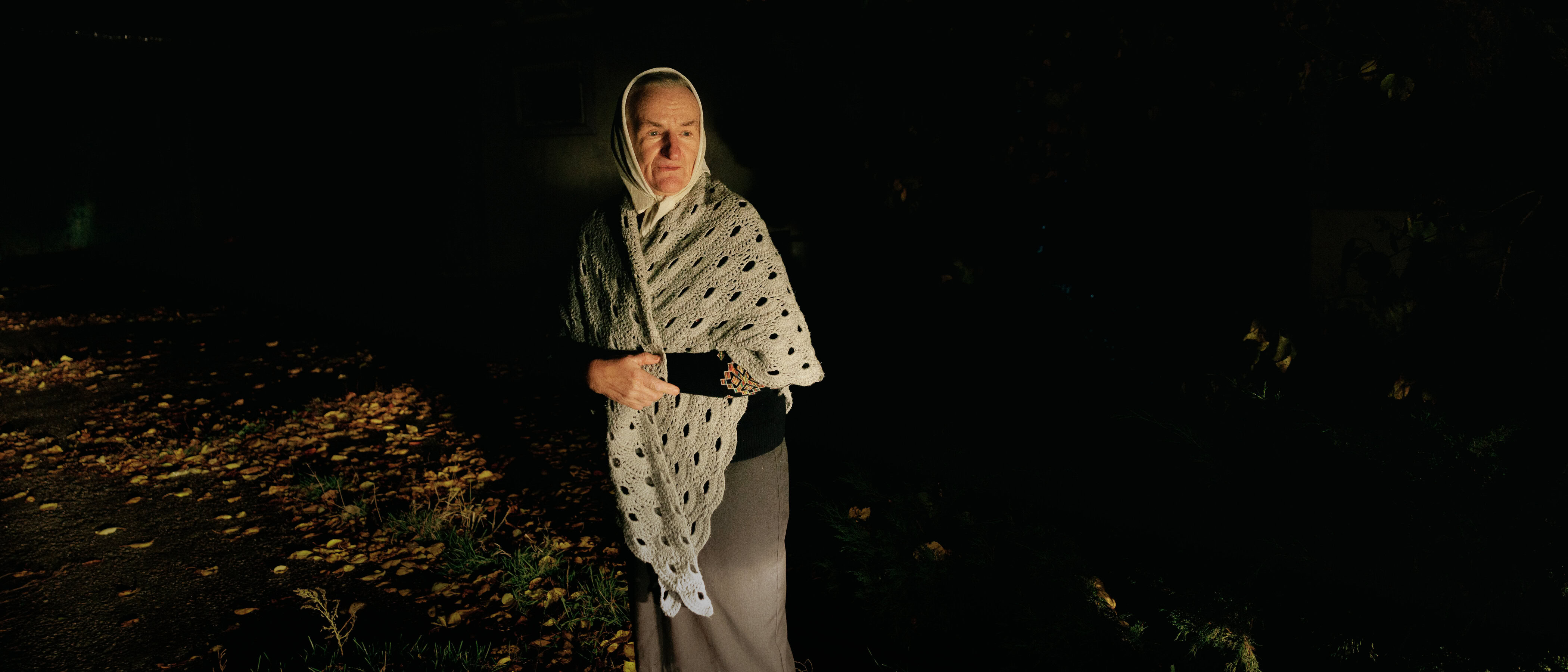
She was thrown alive into a pit that already held the bodies of her family and other villagers. All night, the girl hovered between life and death. But by morning, she managed to pull herself out of the grave and crawl to nearby weeds, where young nettle shoots were already pushing through the snow. Those first greens of early spring saved her from starving to death. A village doctor later explained that she survived because, lying on her hunger-swollen stomach, she gnawed down every nettle she could reach. Holodomor researcher Vira Annusova recorded this story from 1933, along with more than 500 other survivor accounts. Frontliner reporters met with her to hear the voices of the people whose memories survive on old sheets of paper.
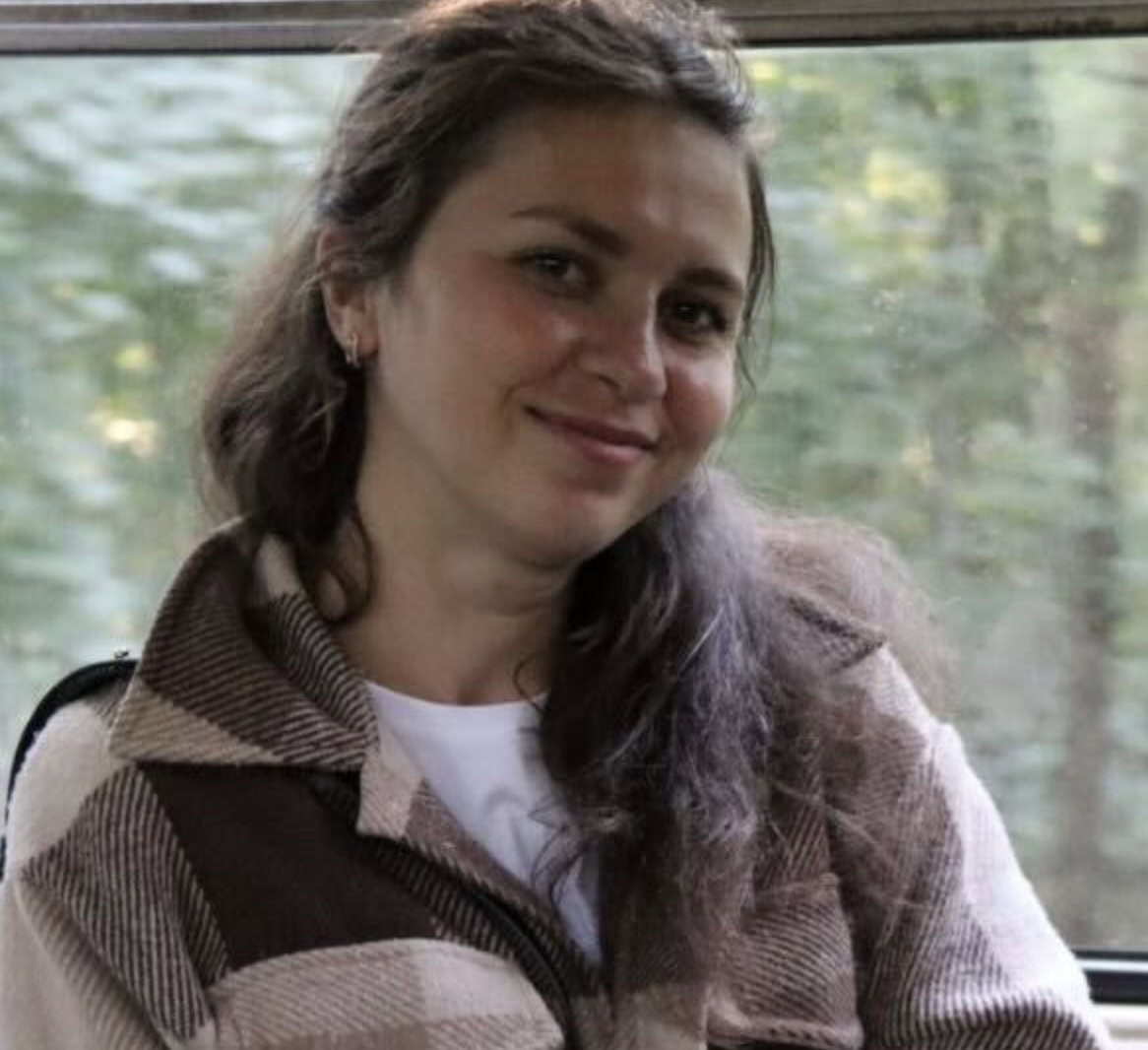
Vira Annusova, a slight 70-year-old, sits at her computer, going through her notes. Next to her is another desk where her husband works. The couple set up this study in the village of Petrykivka in the Dnipropetrovsk region, nearly 400 kilometers away from their home in the Luhansk region they were forced to flee in 2014.
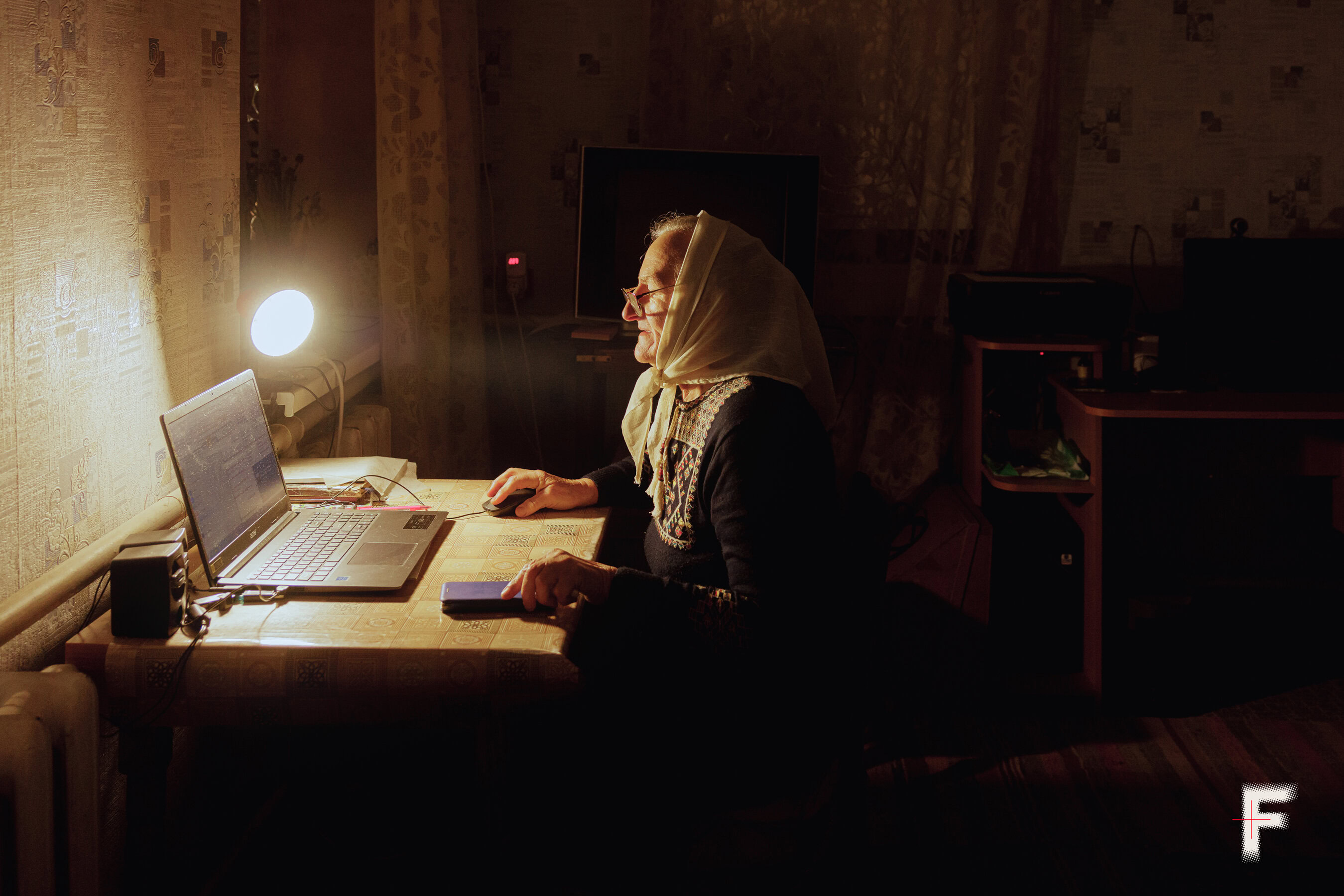
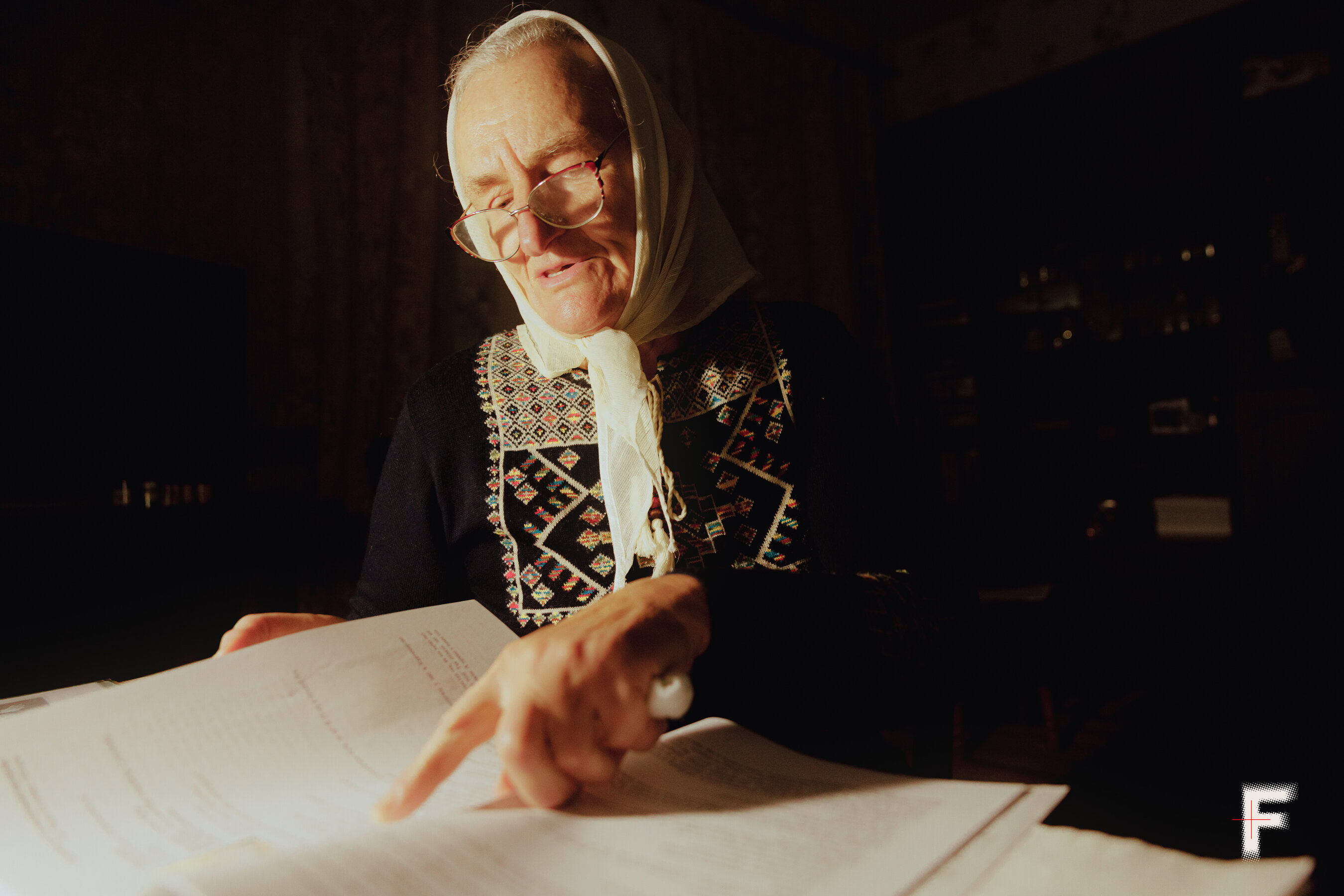
The walls of the room seem steeped in the smell of archival paper from the last century. Neatly stacked papers cover the bed: old, frayed notes alongside freshly printed pages. Between the lines, human fates are woven together with memories of personal and national grief. They are Vira’s life’s work.

For nearly half a century, Vira has not just researched the Holodomor in depth; she lives with it every day. To this day, she remembers many of “her people,” the more than 500 women and men who entrusted her with their painful memories.
To truly understand the Holodomor,
you have to look into the eyes of someone who lived through it.
When Vira and her husband fled the Luhansk region in haste in 2014, she did not have time to take all of her work. Part of her archive remained behind in their locked house. She managed to take a large box of audio cassettes, photographs and recorded memories, as well as a family heirloom: her grandmother Pelaheia Shevchenko’s vyshyvanka, a traditional embroidered shirt. It still reminds Vira of home.

Learning about the Holodomor from her family as a child
A hamlet in the middle of the steppe, where wild peonies bloom and marmots whistle: that is how Vira remembers her home in summer. In winter, it was surrounded by snowdrifts that delighted her as a child.
“Don’t sled down those mounds. There are people lying in them!” an older woman once told young Vira as she was sledding with her friends.
Those words lodged deep in her memory. As dusk settled over the hamlet, she would curl up beside her grandmother Pelaheia on top of the clay stove and ask her who was lying there. At first, Pelaheia did not want to tell her granddaughter what she had lived through. But when a neighbor happened to mention that people who had starved to death were buried there, Pelaheia began sharing her memories. She refused to have them written down. For a long time, people were afraid to speak the truth aloud.
When Vira grew a little older, she often herded cows alongside her uncle, Havrylo Shevchenko. He also told her about the hunger. In 1932, Havrylo set out to trade linen cloth for food. His father stayed home because he did not believe that the authorities could take all the food people had.
Vira never forgot her uncle’s story of that journey. Havrylo walked on and on across the freezing steppe, dreaming of a warm stove and a plate of varenyky. He grew too weak to go on and collapsed under the open sky. A passerby found him and took him to a hospital. Because of frostbite, doctors had to amputate his fingers. While he was in the hospital, everyone in his family except his sister starved to death.
The stories from her grandmother and uncle prompted Vira to learn more about her native land’s past. Later, she began attending high school in Baranykivka, 13 kilometers from her home hamlet. There, teacher Ivan Drieiev told her that the history taught in school differed from what had actually happened.
Decades would pass before she learned what the people of Baranykivka had lived through during the Holodomor. Their testimonies would become part of her decades-long research.
From goosefoot to ground squirrels: How people tried to survive the Holodomor
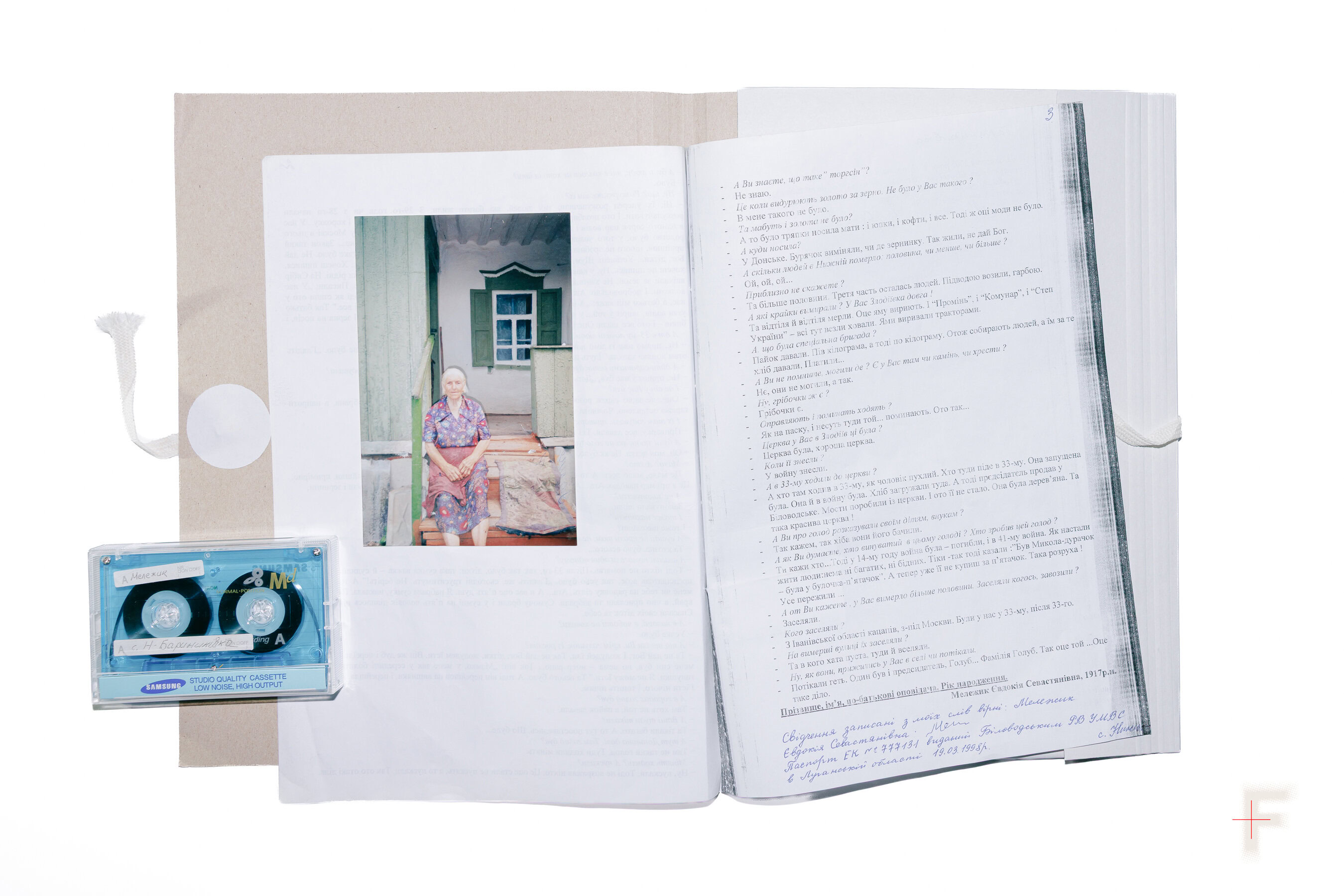
Vira Annusova carefully sorts through the handwritten and typed pages of her archive. They hold testimonies from people of Baranykivka about how food gradually disappeared from their village in the autumn of 1932, as families searched for any way to survive.

Many survivors told Vira about local doctor Pylyp Yakunin. He advised villagers to stock up on anything that might be edible: goosefoot, knotgrass, plantain, and the roots of couch grass and burdock. He also recommended gathering fruit pits, elm and linden leaves, amaranth seeds and other plants.
While exhausted people searched for anything edible, Soviet authorities ordered the confiscation of villagers’ livestock, grain and farm tools. One of the survivors Vira recorded was Oleksandr Pohribniak. Initially, his family survived on homegrown vegetables: beets, carrots, cabbage and cucumbers, which they had pickled in barrels in advance. Then activists from the Komsomol, the Soviet Communist Youth League, came to their home.
“Komsomol activists prowled from house to house, looking for anything else they could seize for the quota. I remember two of them coming into our house, each with a red ribbon in her hair, rummaging everywhere: through the grain bins, inside the stove, up in the attic. They didn’t find anything worth taking. So what did they, damn them, do on their way out? One relieved herself in the barrel of cabbage, and the other in the barrel of cucumbers,” Oleksandr shared in his conversation with Vira.
-
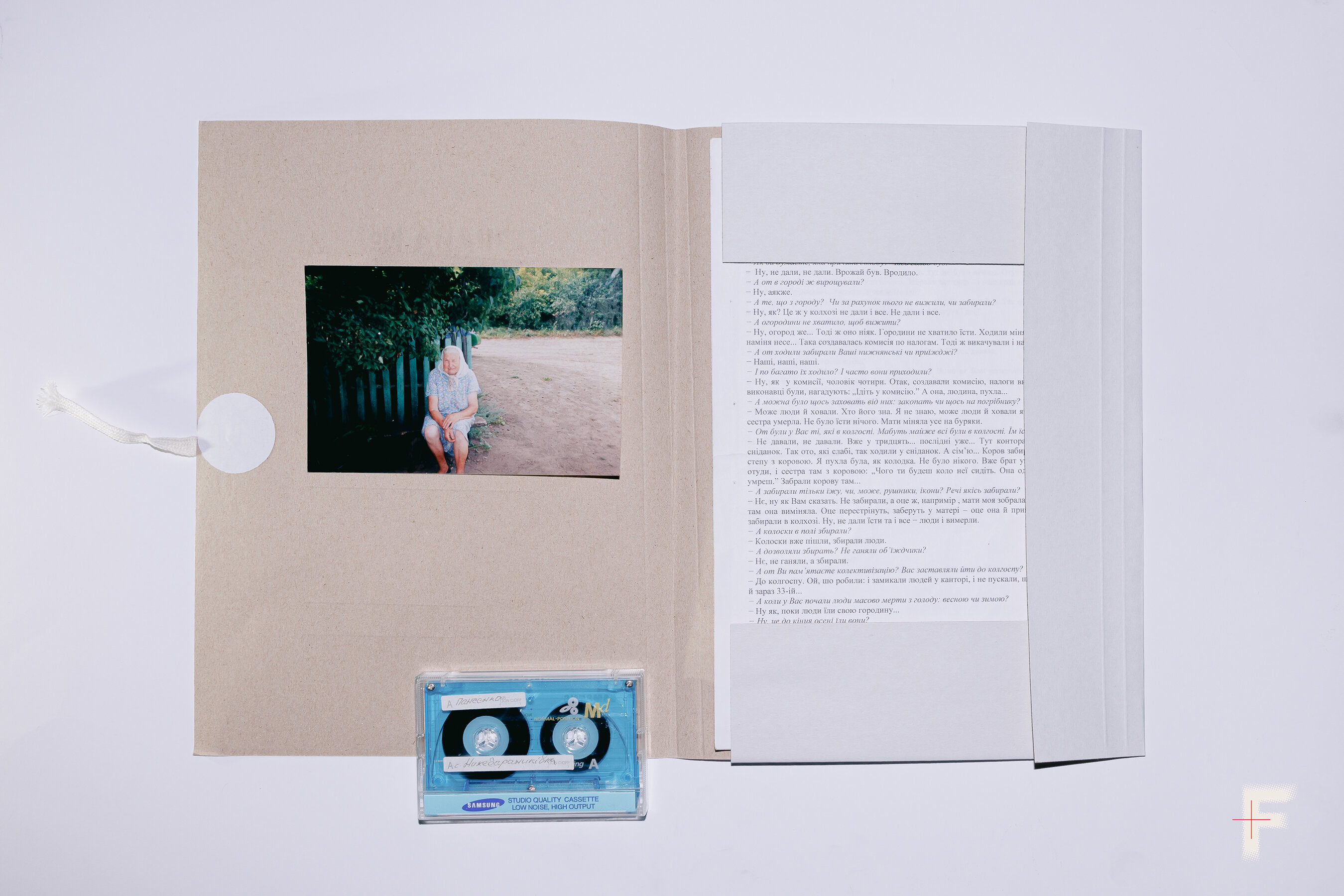
Testimony, a photo and an audio recording of Stepanyda Panchenko, a Holodomor survivor in the village of Baranykivka, collected by researcher Vira Annusova, Kyiv, Ukraine, Nov. 10, 2026. (Anna Zubenko/Frontliner)
-
Testimony, a photo and an audio recording of Yevdokiia Melezhyk, a Holodomor survivor in the village of Baranykivka, collected by researcher Vira Annusova, Kyiv, Ukraine, Nov. 10, 2026. (Anna Zubenko/Frontliner)
Other survivors told Vira how they gathered hemp-nettle, hazelnuts, rose hips and other plants that they called “forage from underfoot.” They also mentioned oleaster, a shrub whose berries were used to make moonshine. People traded it with stable hands for oats or oilcake, which they boiled and ate.
Among Vira’s records are the memories of Olha Lukiantseva, who described how villagers dug up ground squirrel burrows to retrieve the grain that the animals had stored for winter. People ate the animals, too.
“Starting in autumn, people began robbing the ground squirrels. They took what the poor little creature had spent all summer storing up for winter. They would dig up the whole burrow, kill the animal, and scoop out every grain from its little pantry,” Olha said.
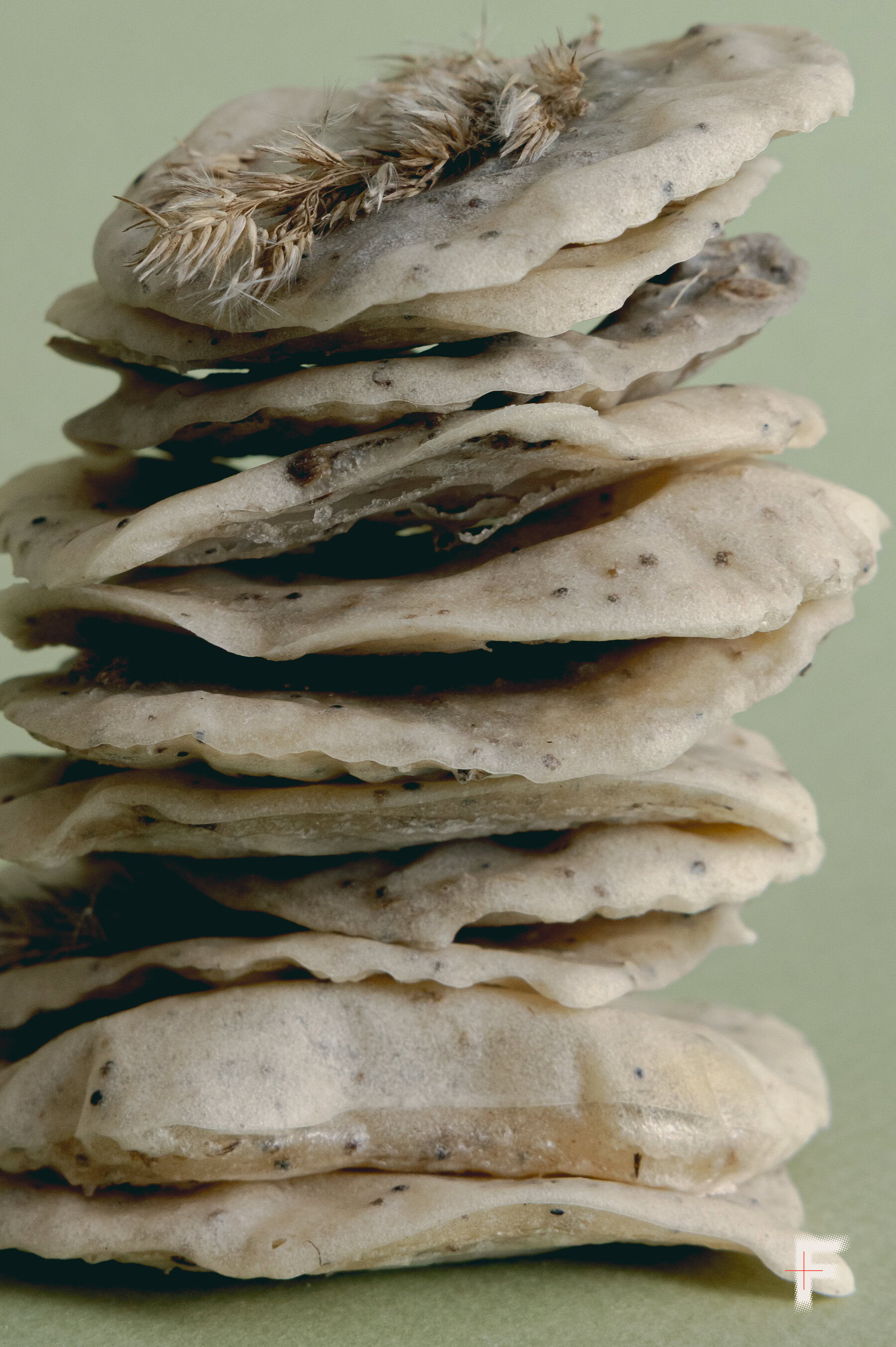
While gathering these testimonies, Vira became particularly interested in the dishes people prepared during the Holodomor. She insists on calling them food, not ersatz or substitutes. Among the recipes that she recorded are green flatbreads made from ground elm and sorrel leaves.
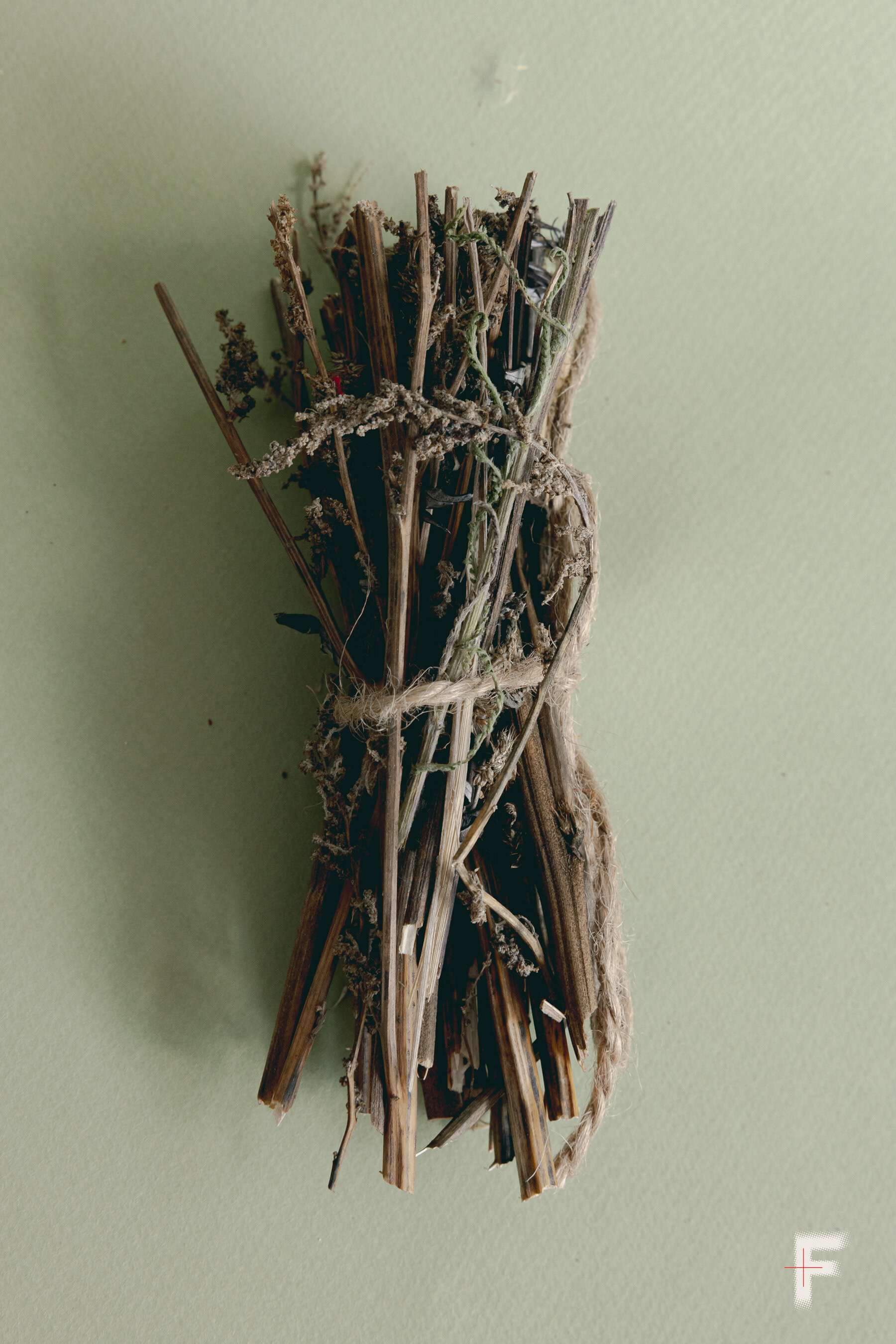
However, not all plants were safe to eat. Survivors said Yakunin, the local doctor, warned people not to eat henbane, jimsonweed, wild poppy, foxtail seeds and toxic wild berries. Still, some people ate them anyway and were poisoned, especially children.
Serafyma Bychkova told Vira about one such case. As a child, she went with a neighbor boy, Mykola, to pick blackthorn berries. Serafyma spat out the pits, while Mykola swallowed the berries whole. That night, the boy died.
“In the morning, when they told me that Mykola had died, I burst into tears: ‘Mama, it’s my fault. He begged for food, so I took him to eat blackthorn berries, and he was so desperate that he swallowed them pits and all.’ But my mom hugged me and said quietly, ‘No, daughter, you are not to blame for Mykola’s death. Others are to blame,’” Vira recorded from Serafyma’s account.

We ate every part except
the feathers and fur.
Vira’s voice trembles as she tells the stories entrusted to her. Among them is the account of Yevdokiia Shevchenko, who was 9 years old in the winter of 1933. She shared that people caught cats, dogs, sparrows, jackdaws, crows, rooks, wild pigeons, titmice and owls.
“We didn’t eat magpies because the meat was unbearably bitter. We ate every part except the feathers and fur. Intestines were washed and boiled, and bones were ground into flour and stirred into broth, or into zatirka made with grass flour, to make it more filling,” reads her testimony, as recorded by Vira.
[Editor’s note: Zatirka is a thin soup of flour and water.]
Mariia Horbanova told Vira that her family survived on mice, ground squirrels and lizards.
We ate lizards raw with salt.
If you boiled them, you could get poisoned,
Vira also interviewed Semen Horbanov, who worked as a stable hand at a stud farm during the Holodomor. There, he was fed three times a day and allowed to take home oilcake or flaxseed. His family ground them together with dried weeds, steeped the mixture in boiling water and ate it. Semen recalled seeing starving people eat leather things and animal remains.
People ate grass, tree bark, sparrows, cats, boots and sheepskin coats,
but that was only half the horror. They were digging up livestock
burial sites and eating horse manure,
Another survivor, Nastia Pohrebniak, remembered going to the stable hands to trade tobacco for the meat of dead animals. One day, all that remained were frozen horse heads that had been set aside for testing to determine why the horses had died.
“We traded our tobacco for a mare’s head each, and the storekeeper also gave each of us a quarter of oilcake and a measure of oats,” Nastia shared in the testimony preserved by Vira.

How the school tried to help children survive the Holodomor
Vira recorded these stories while teaching at the Baranykivka school, where she worked for nearly 25 years. She taught physics and math, but she also wanted her students to know the truth about their native village. Together, they visited older villagers and collected their memories of the past. People spoke about World War II, but most of the stories were about the Holodomor. After Ukraine regained independence, once the school acquired a computer and a printer, Vira and her students printed a book titled “Kriz movchannia” (“Through the silence”)
Many mothers sent their children to school not to learn,
but for that small bowl of zatirka,
Some testimonies describe how school helped children survive in 1932-1933. Vira vividly remembers one of the survivors, Vasylyna Rieznik, who worked as a school cleaner during the Holodomor. By the time they met, Vasylyna was an older woman with a ready smile.
Vasylyna told Vira how every day she carried water from the well to the school and lit the stoves. When the children came in half-frozen, she warmed and rubbed their hands. She also remembered the meals cooked for them.
Vasylyna told Vira how every day she carried water from the well to the school and lit the stoves. When the children came in half-frozen, she warmed and rubbed their hands. She also remembered the meals cooked for them.
“Bread was out of the question. They brought it only for the teachers, 200 to 300 grams per person. So we cooked watery zatirka — just water, flour and dried weeds for seasoning, and that was it. Plain as it was, it was hot and fresh, and it kept a child going. Many mothers sent their children to school not to learn, but for that small bowl of zatirka,” Vira recorded from Vasylyna’s words.
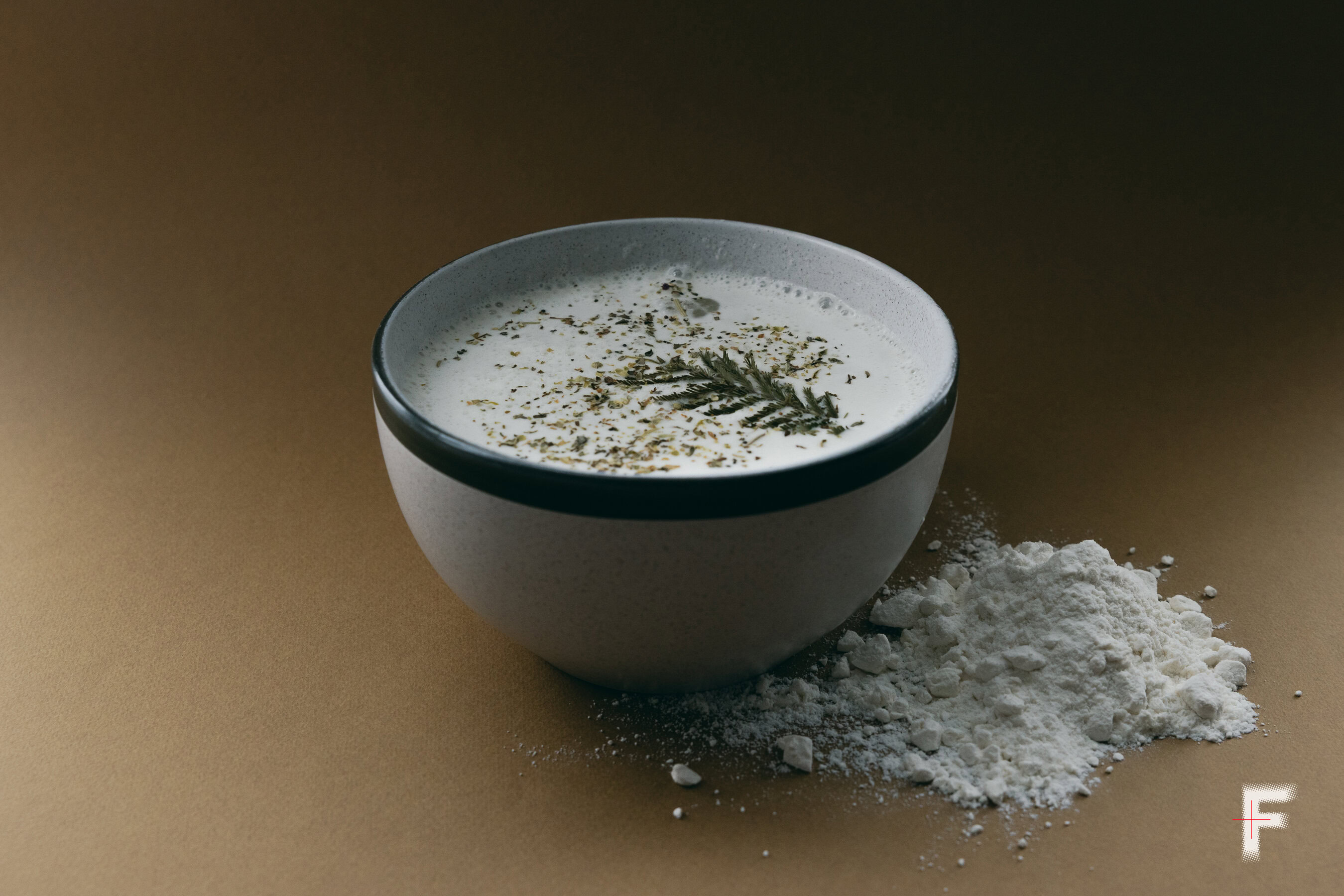
Vira also spoke with parents who sent their children to school primarily for the food. One of them, Hanna Yakovenko, lived nearby and brought her four children there every day. They had no shoes, so she wrapped their feet in rags.
Hanna told Vira how teacher Olha Pavlivna shared her bread with the children.
“Teacher Olha Pavlivna taught the children arithmetic. Before class, she would take a piece of bread, slice it into thin strips, hand each child a tiny bit and tell them to tuck it inside their cheek so hunger wouldn’t torment them during the lesson,” Hanna said.
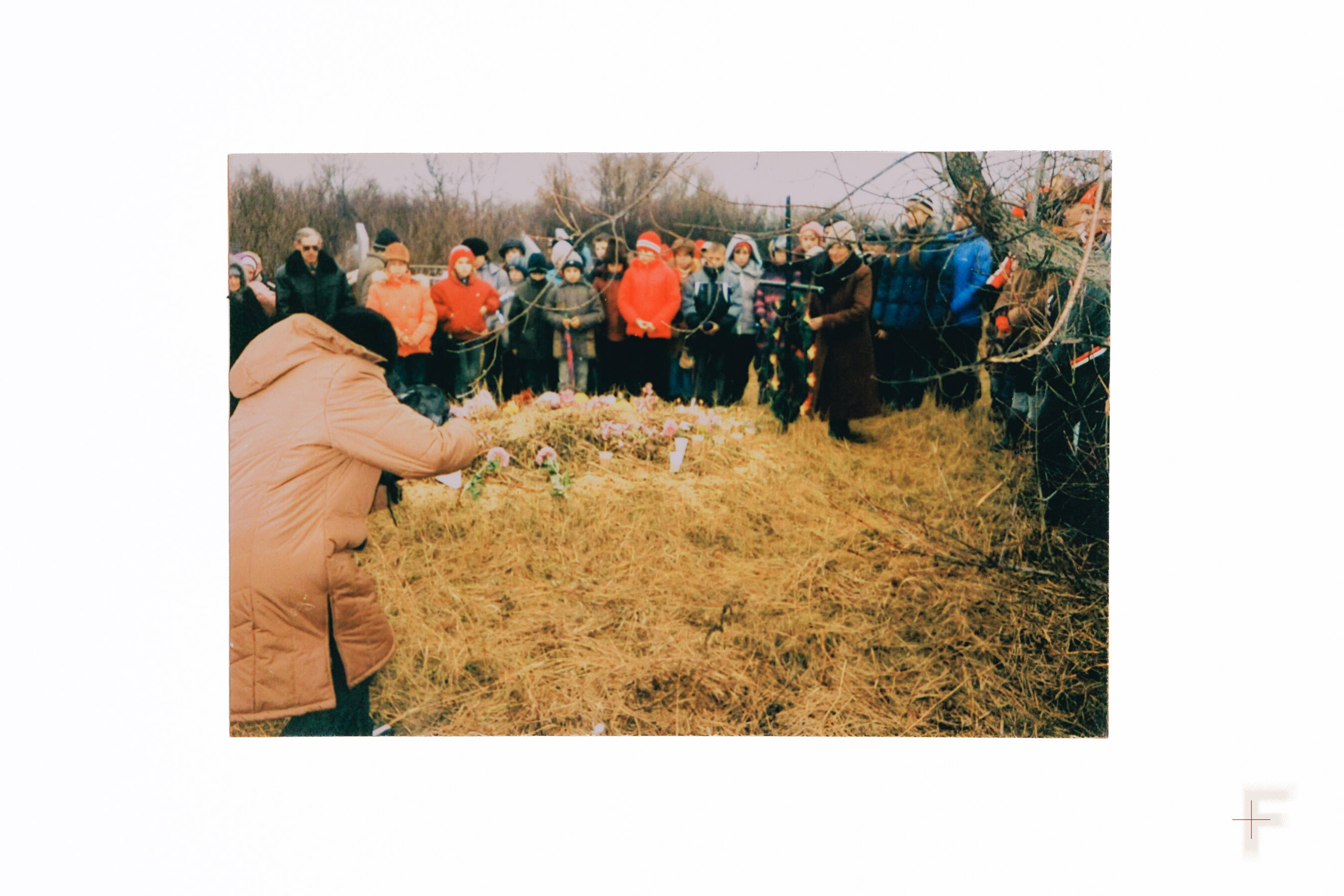
While collecting these memories, Vira learned not only how people survived, but also where those who died of starvation were buried. Older women of Baranykivka showed her where the mass graves of their fellow villagers were.
-
Photo of the memorial cross researcher Vira Annusova and her students set up for Holodomor victims at a mass burial site in Baranykivka, Luhansk region, Petrykivka, Dnipropetrovsk region, Ukraine, Nov. 6, 2026. (Anna Zubenko/Frontliner)
-
Photo of the memorial cross researcher Vira Annusova and her students set up for Holodomor victims at a mass burial site in Baranykivka, Luhansk region, Petrykivka, Dnipropetrovsk region, Ukraine, Nov. 6, 2026. (Anna Zubenko/Frontliner)
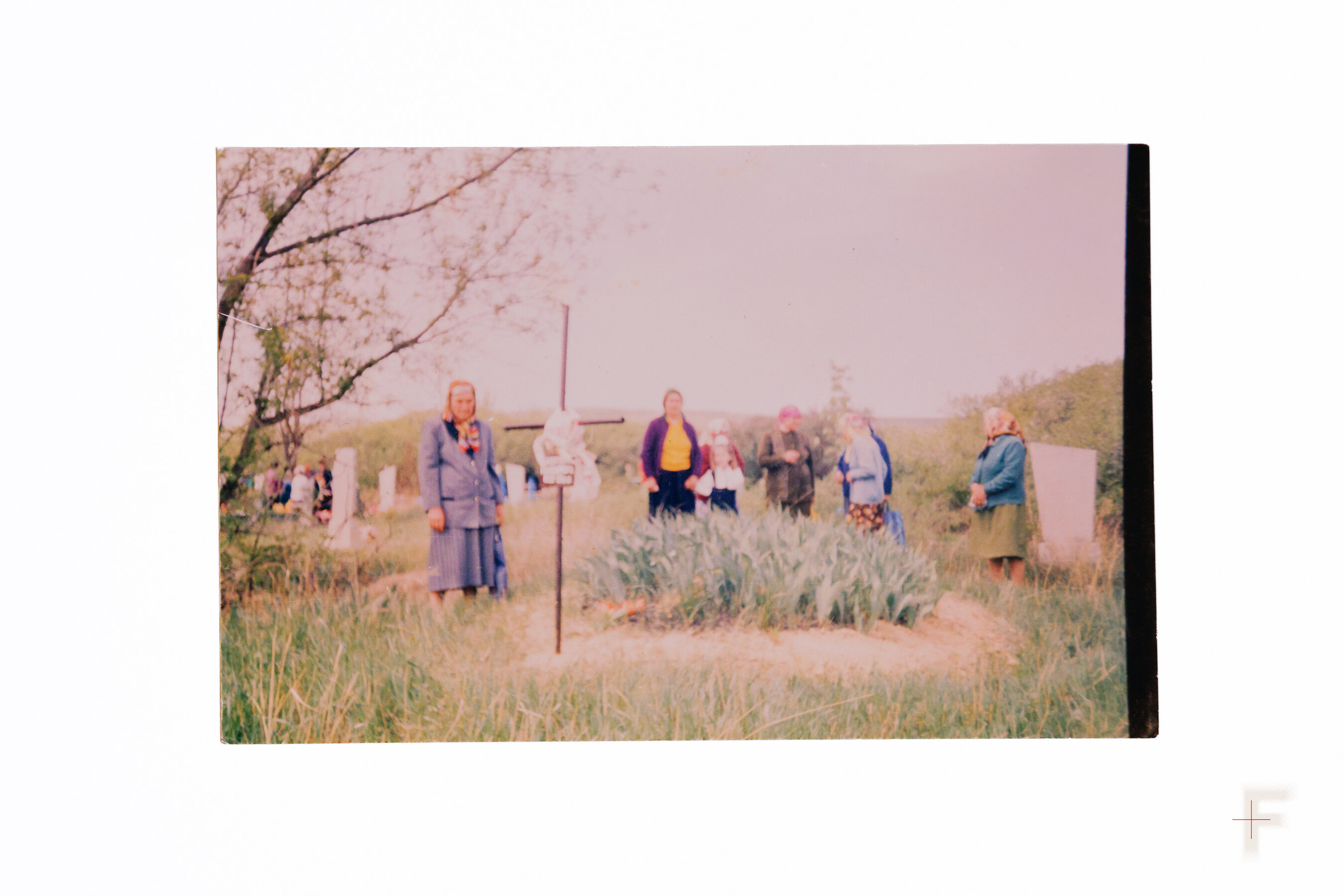
In 2001, Vira and her students put up a memorial cross at one of these sites and invited a priest to hold a memorial service for the dead.
Keeping the memory of the Holodomor alive
In Petrykivka, Vira and her husband keep three goats. The goats and the countryside around her now give her something to hold on to.

While the goats graze, she sometimes thinks back to survivor accounts of how these animals helped people survive the Holodomor. One woman from Baranykivka told her that goat cheese saved her family.
They dried the cheese, she said, and stored it in linen pouches in the attic. The activists who came to seize food paid no attention to the hard lumps.
“Rock-hard food wasn’t on the list of items to be confiscated, and the activists, who weren’t from around here, never guessed that those little stones were edible. In winter, we would smash a lump of cheese into bits, give them to the children to suck on in their cheeks, drop it into broth to make it richer, add it to grass flour to make it more filling, and bake green syrnyky,” shared the woman whose words Vira preserved.
Back from the pasture, Vira sits down at her desk. She is still working on testimonies about the Holodomor, rereading notes, selecting quotes and preparing for the lectures on historical memory, which she gives almost every week.
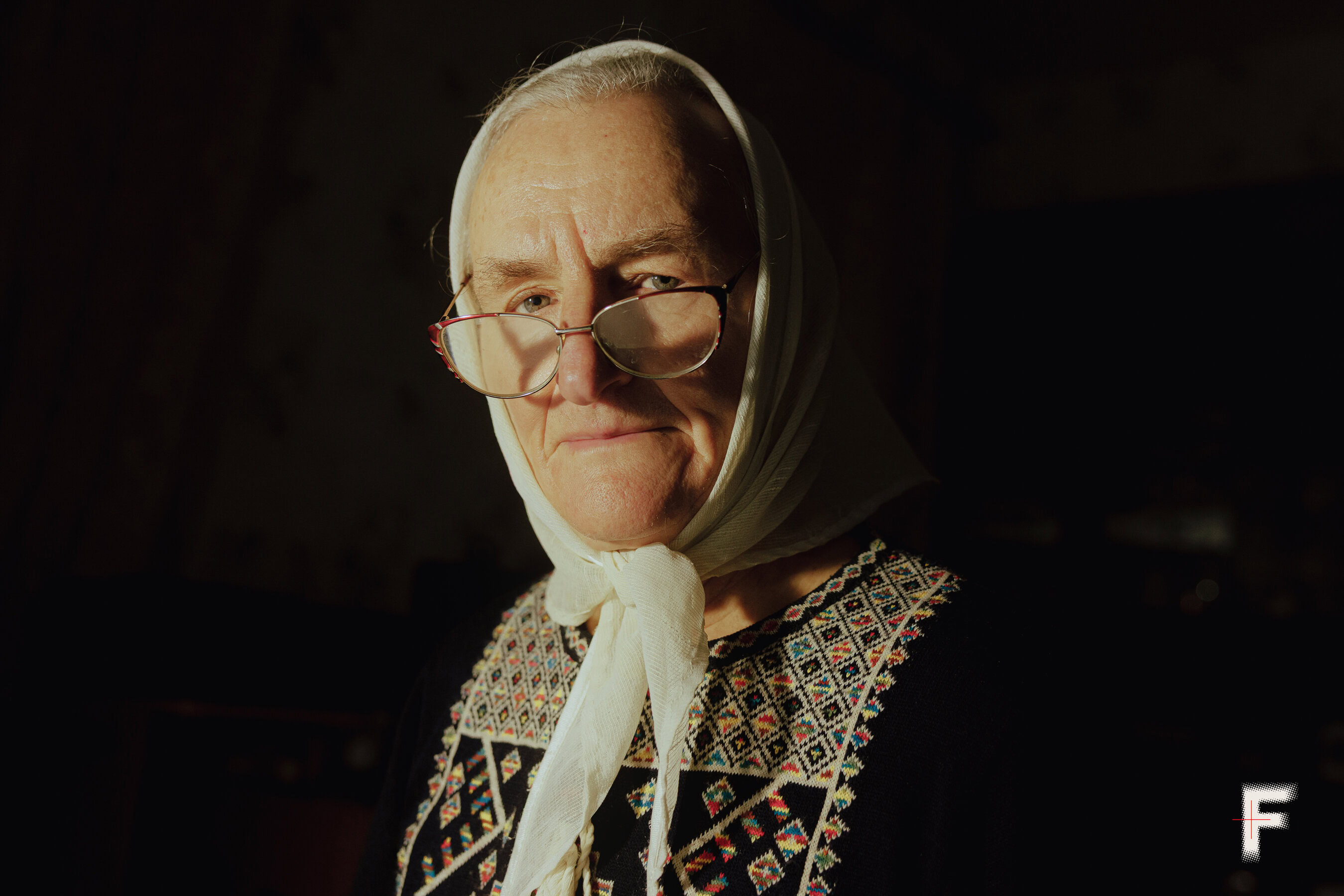
“I do all of this because what is forgotten eventually returns. Still, our people can survive under any circumstances, because they have a thirst for life,” Vira says.
Vira has given part of her archive to Holodomor museums in Kyiv and Dnipro. She wants the testimonies kept safe, because part of her archive is still in the house in the Luhansk region she had to leave in 2014.

She still hopes to return home. To see her house in the Luhansk region again and touch the old, worn notes that still hold the voices of Holodomor survivors.
***
Speaking with a person who has dedicated her life to researching the memory of the Holodomor is a great honor for me. Vira is deeply passionate about this work and hopes her efforts will not be in vain. She wants people to take interest in history and survivor accounts, and to remember the Holodomor, the tragedy Ukrainians endured, not only on the day of remembrance, but always. “Our people can survive under any circumstances,” says the woman, who spent her life listening to stories of the human tragedy, looking into the eyes of those who lived through it. Now, she preserves that memory hundreds of kilometers from the home taken from her by the descendants of those who starved her people to death in the last century.
Frontliner is independent. Our readers help fund our reporting on the war and the people living through it. Subscribe on Patreon to keep us on the road.
***