
Return from captivity: what support is available
For former war prisoners, the effects of captivity do not end with their release. Frontliner outlines how to avoid that.

For former war prisoners, the effects of captivity do not end with their release. Frontliner outlines how to avoid that.
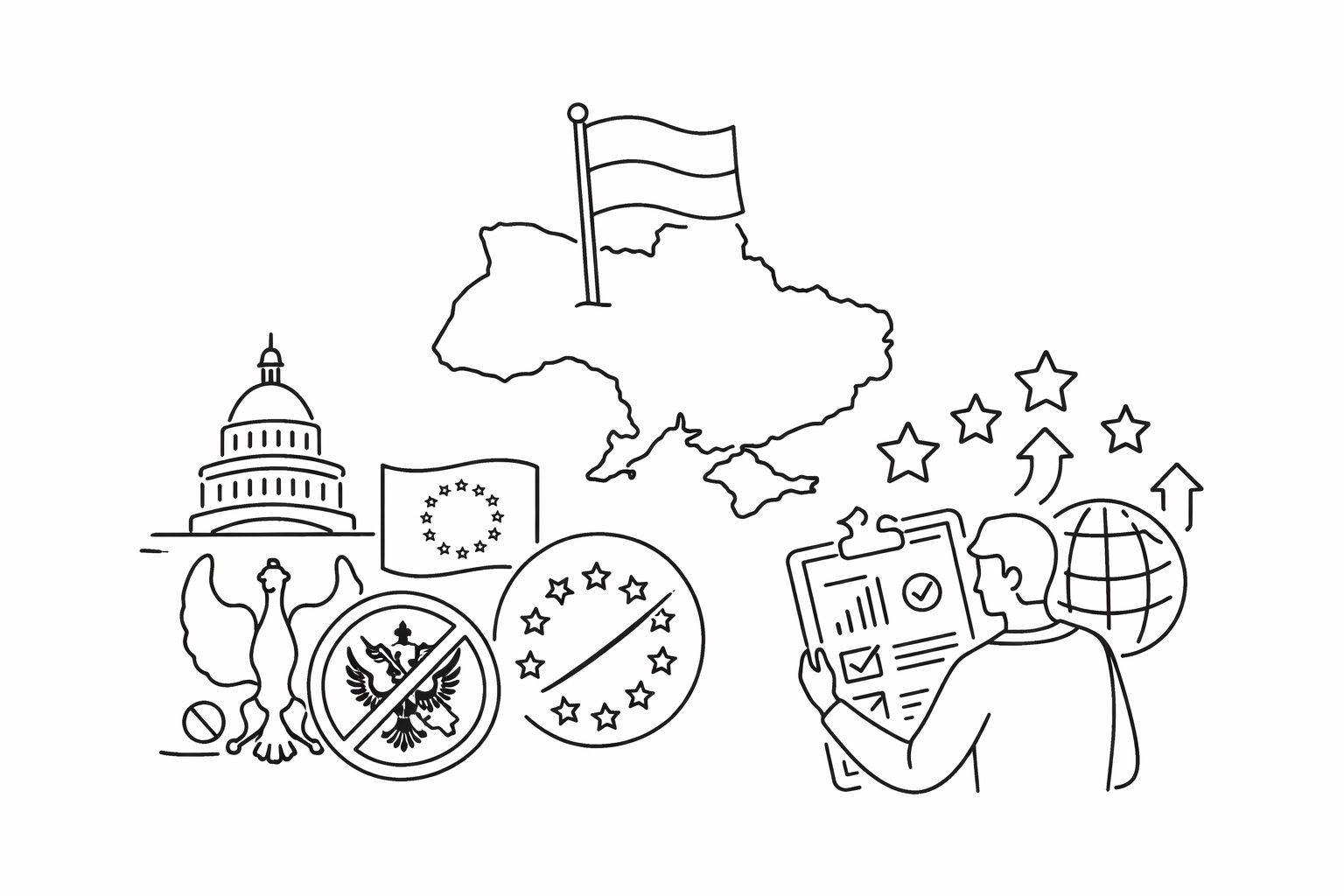
Russia’s all-out war has made Ukraine one of the most visible countries in global news, transforming it from “a country somewhere in Eastern Europe” into a symbol of resistance and a test of principle for its partners. Frontliner explains how Ukraine’s image has taken shape as of early 2026.
Ukrainians have already endured the coldest spells of this winter. Yet many apartments remain without heating and receive electricity only intermittently. Frontliner offers several tips to help get through it.
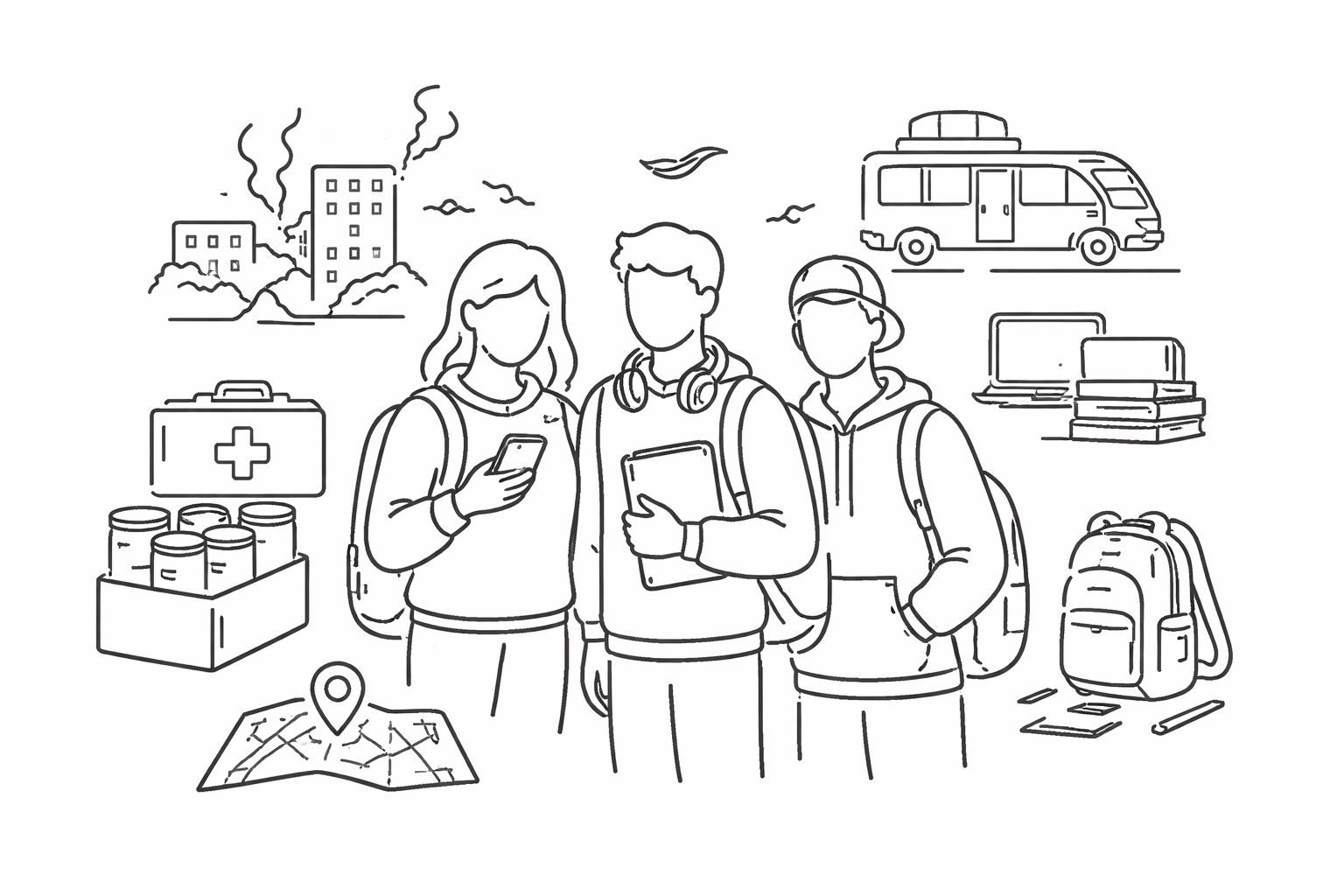
Russia’s full-scale war against Ukraine has long moved beyond the front line. It has entered schools, families and cities, disrupted education plans and the first steps into adulthood. Frontliner examines how the war is reshaping the identity of teenagers and young people.
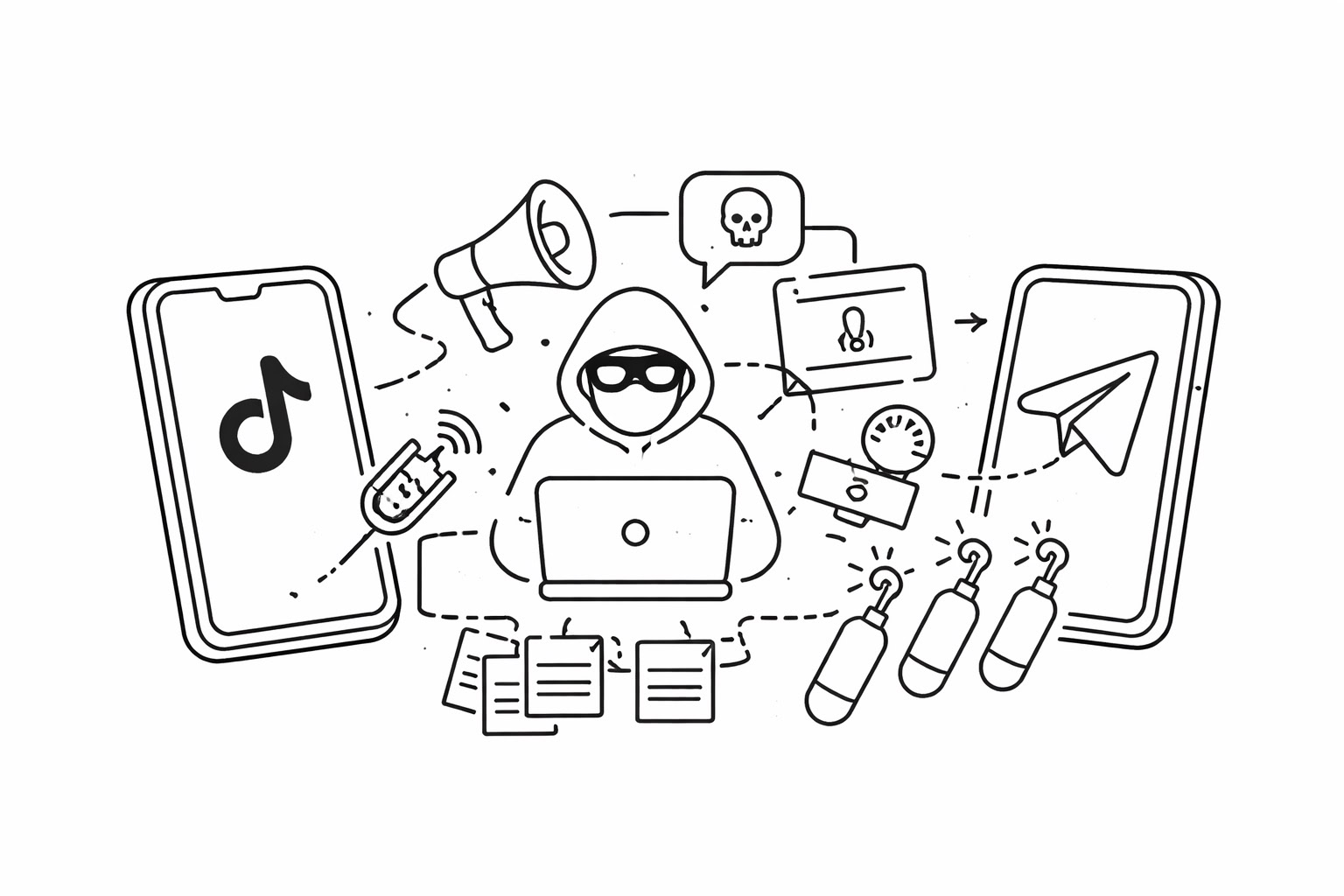
The year 2026 is likely to bring more realistic disinformation about the war. The main threat is mass coordinated drops: when dozens of accounts simultaneously amplify the same narrative, turning it into a background reality in a very short time.
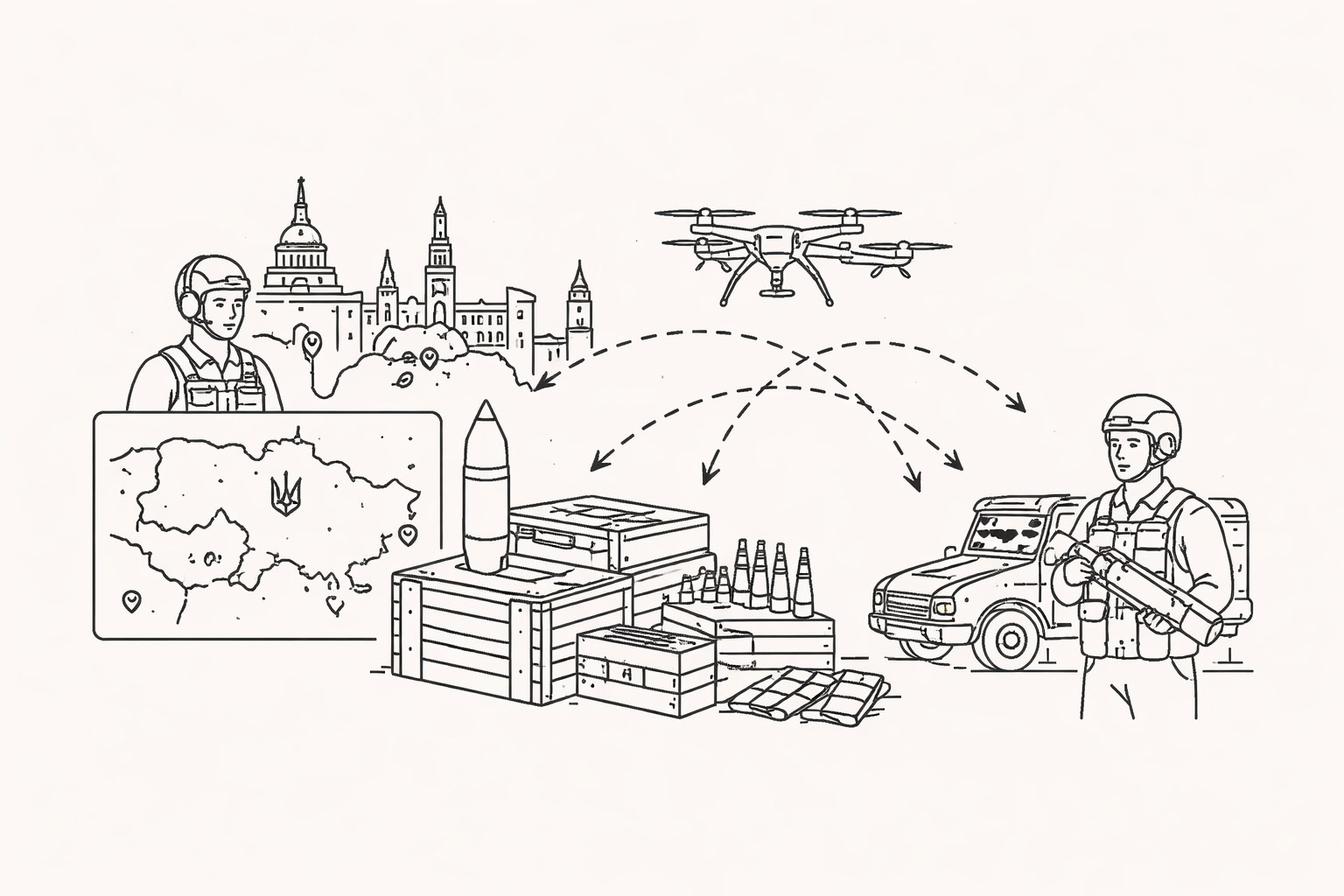
The year 2025 became a record one for Ukraine in terms of Western military assistance. Despite growing talk of “war fatigue” and new political constraints, allies pledged around $45 billion in support. At the same time, shifting political moods in key capitals slowed the delivery of part of that aid.

By the end of 2025, about 4.6 million internally displaced persons were officially registered in Ukraine, with the largest numbers concentrated in major cities and regions that absorbed evacuation waves, according to the Ministry of Social Policy.
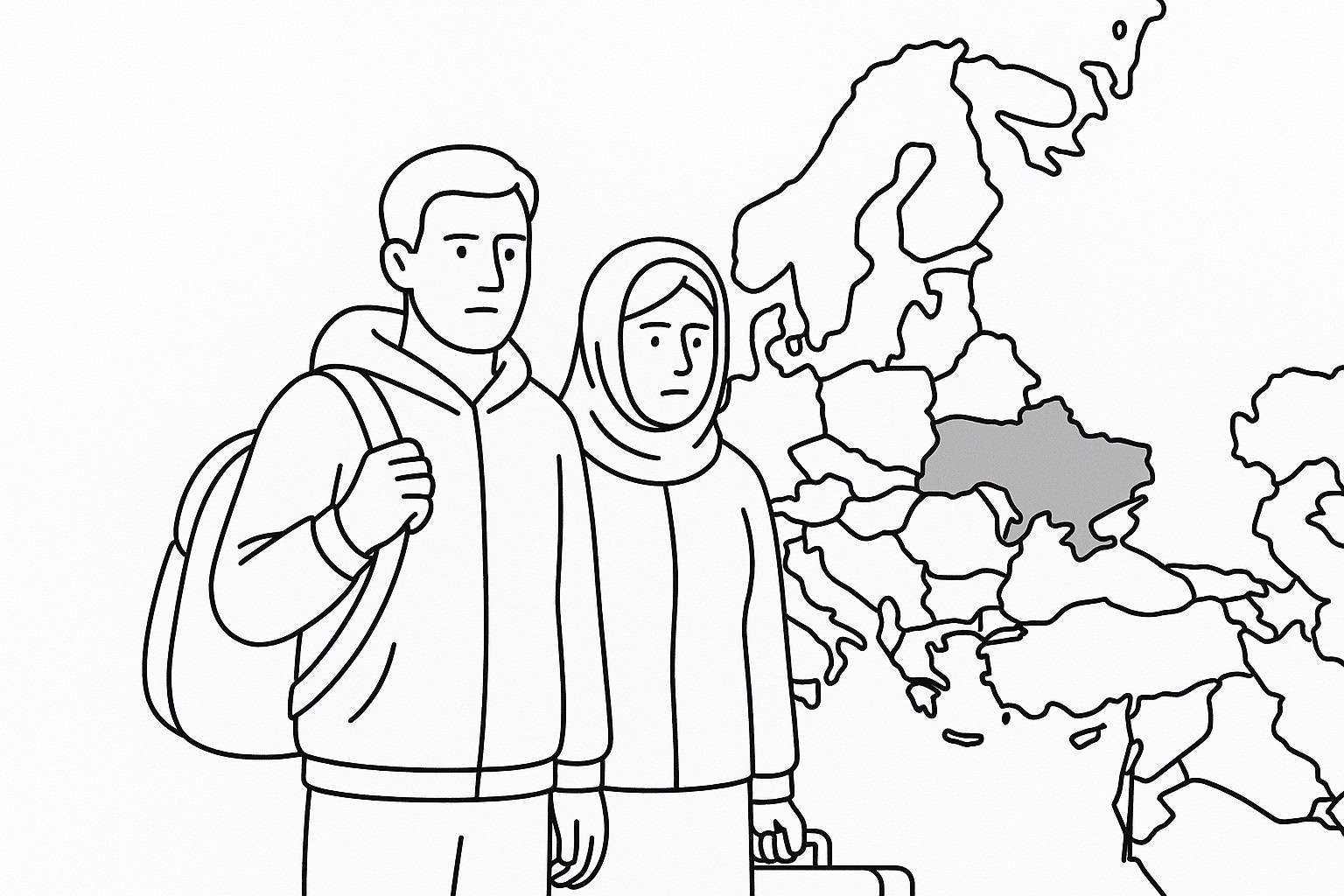
By the end of 2025, about 4.3 million people who fled Ukraine were still under temporary protection in the European Union. The EU has already extended this regime until March 4, 2027, but assistance packages across member states are increasingly being adjusted to budget constraints and labor market needs.
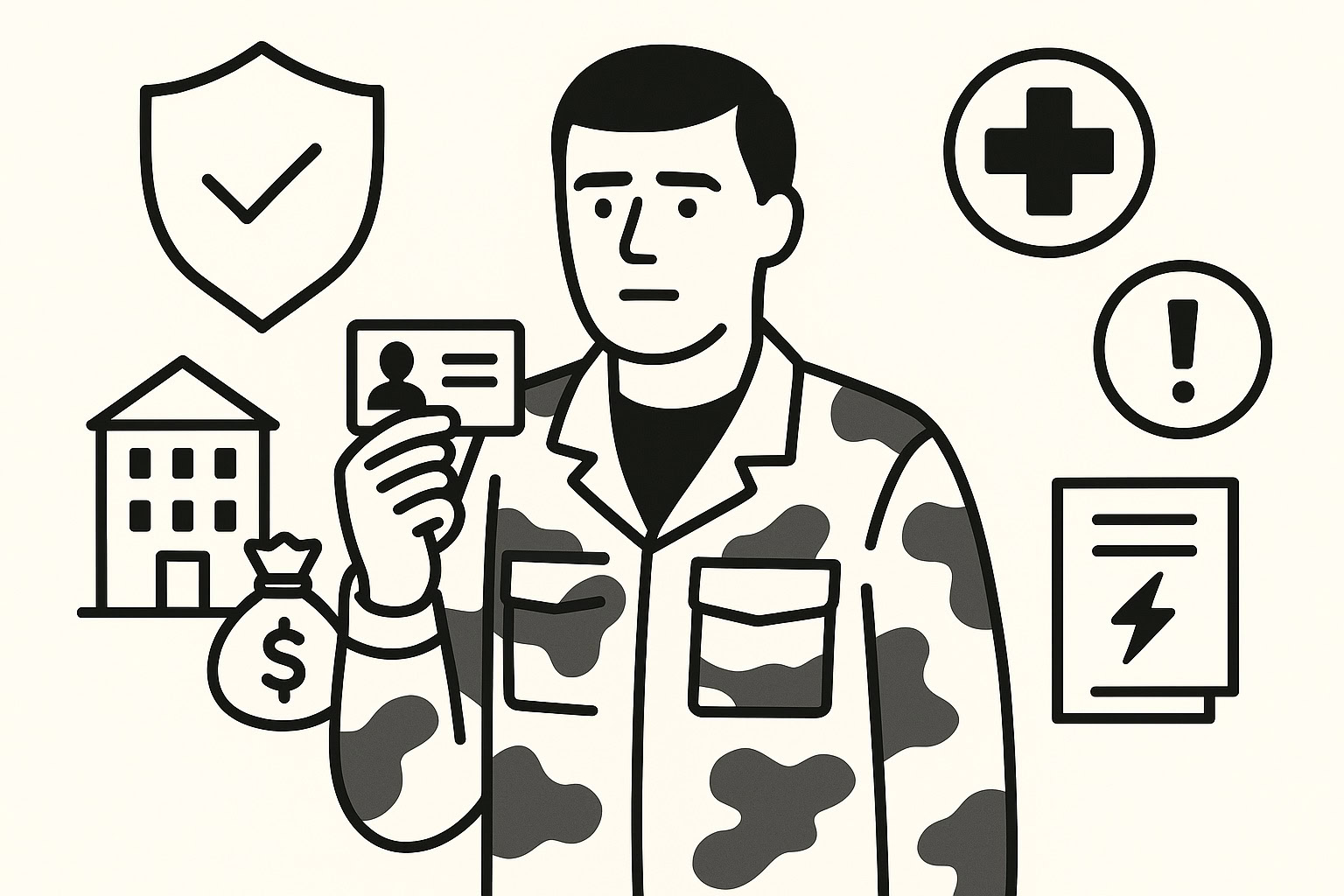
Russia’s full-scale war has sharply increased the number of people eligible for combatant status. Along with the designation, the state promises a wide range of social guarantees, such as utility discounts, or priority access to housing.
A tourniquet can tear or fail to lock, and a hemostatic bandage can turn out to be expired and ineffective. Components of a military first-aid kit have a limited lifespan and require regular replacement.