‘To share a silence with a hero’: frontline assignments have changed the journalist’s understanding of her profession
The first texts were attempts to imagine what war felt like. Later, that experience became real. Trips to the front marked the turning point, after which journalism stopped being merely the handling of information and became the work of bearing witness, says Frontliner reporter Ruslana Sushko.
“A student’s work, like any literary piece, has meaning, significance, weight, and impact when the author feels the theme with their soul. Ruslana titled her story ‘Lev.’ The plot tells the story of a fictional character who took part in the ATO, capturing his feelings and convictions,” wrote journalists from a local Kirovohrad newspaper about me when I was about to graduate from secondary school. I have loved writing and creating stories for as long as I can remember. The story I submitted to a nationwide literary competition went on to win at the regional level.
At that time, I knew very little about the war in the East and even less about what ATO soldiers were going through. But I tried to imagine it and at least partially understand, and that became the basis of my story. Over time, I developed an interest in journalistic writing. I realized that it wasn’t enough to write something correctly in terms of spelling and punctuation, as I had not yet fully mastered that. What truly mattered was understanding the topic and making sense of it.
In that same newspaper article, I read a direct quote from my Ukrainian language and literature teacher, Nataliia Kachan:
“Ruslana has all the talent and ability for literary work. She sees herself pursuing a career in journalism in the future. I am confident that she will successfully pass the external independent testing and continue moving in this direction.”
Over time, these words became for me either a prophecy or a guide in choosing a career. “Well, if the newspaper says I see myself in journalism, how can I become anything else now?” I thought at the time.
-
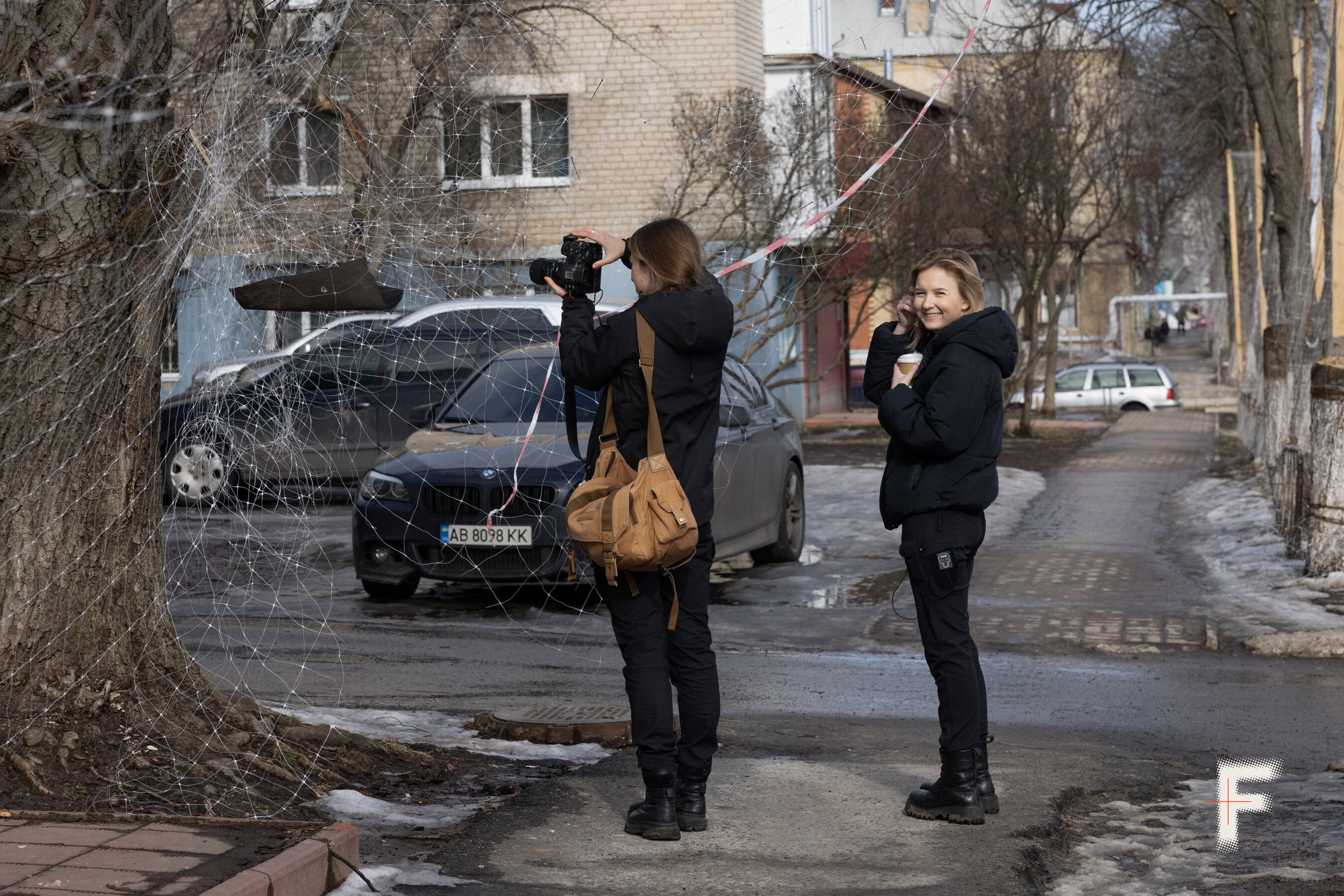
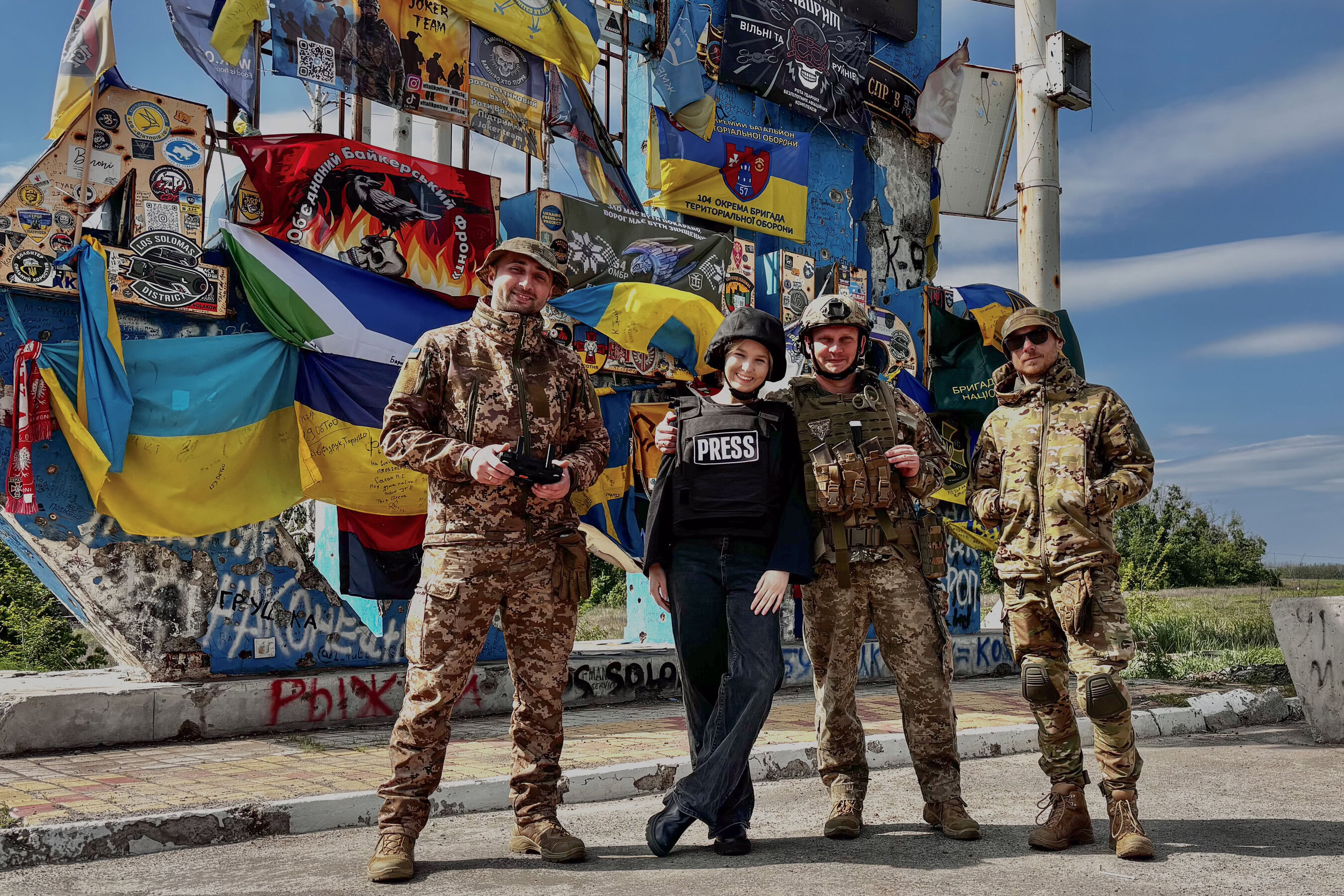
Anna Zubenko and Ruslana Sushko, Izium, March 2026 (Danylo Dubchak/Frontliner)

-
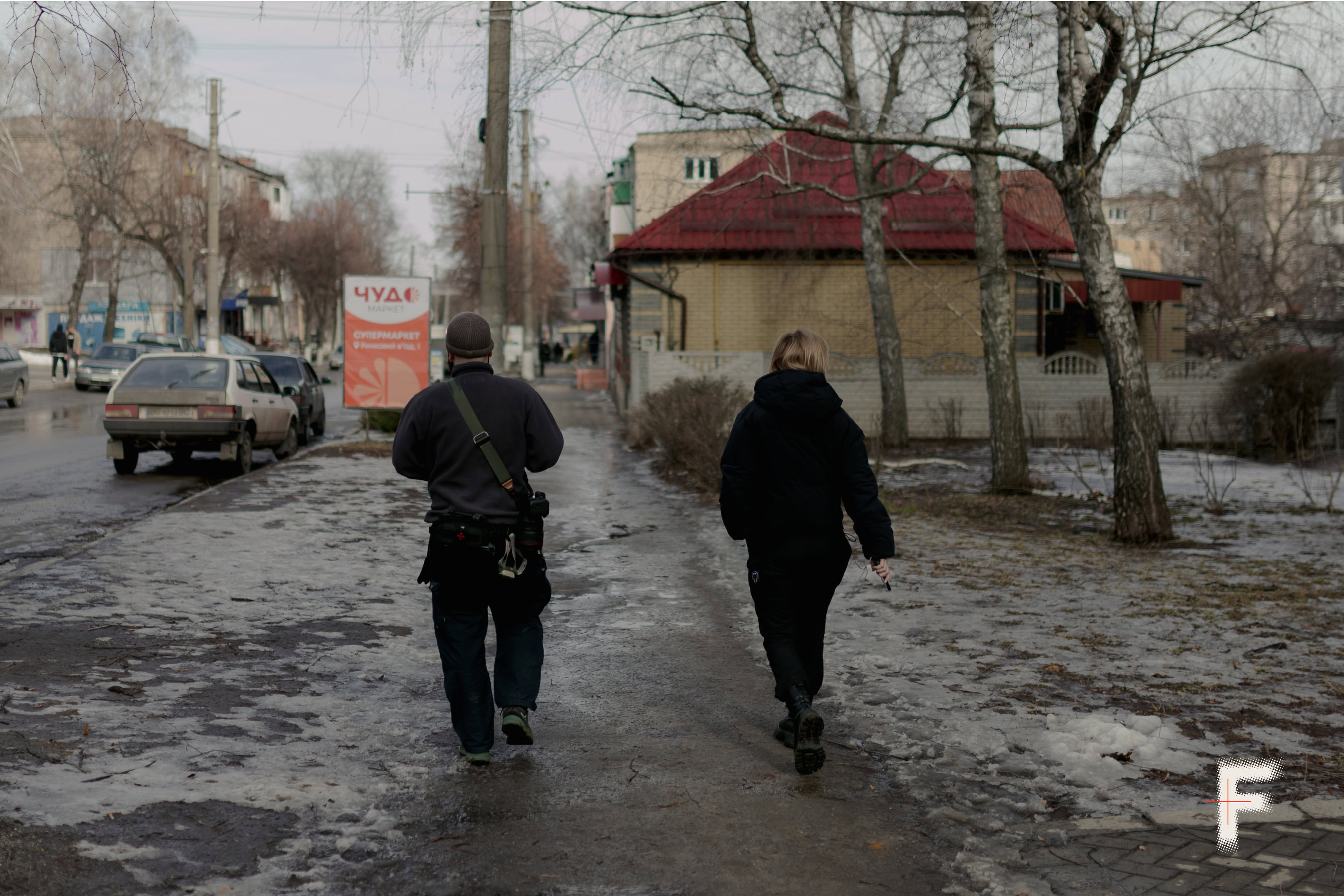
Danylo Dubchak and Ruslana Sushko, Izium, March 2026 (Anna Zubenko/Frontliner)
Finding myself among statistics and numbers
Getting into the Department of Broadcast Journalism at one of the capital’s universities didn’t happen on the first try. I fell just a few points short of a state-funded place. So I stubbornly decided not to enroll anywhere and to spend another year preparing for the next exams. That same day, I saw disappointment in the eyes of my family, because for them it meant that I would remain uneducated forever.
“Ruslana, journalism isn’t a serious profession. Maybe you should become a teacher? At least you’d earn enough to buy food,” everyone told me who knew I put enrollment at university on hold.
But thoughts about the scale, opportunities, and prospects of the capital were more compelling. I dreamed of becoming a TV presenter, and that dream seemed entirely attainable: being at the center of events, speaking on air, working with scripts. On top of that, I wanted to see for myself that the media industry was important and full of potential, and to convince others of the same.
In the end, I got into university. Kyiv seemed like a city where all dreams could come true. But my idealized vision of working on air clashed with the day-to-day realities of the job, and that became my first serious disappointment. The plan to move to Kyiv and become a star didn’t work out. At the same time, I realized that being a TV presenter wasn’t exactly what I wanted.
But this new reality turned out to be no worse. I began working as a news correspondent at the “Rada” TV channel. At first, I saw journalism as a way to inform people about events and developments. The work followed a predictable rhythm. My routine consisted of endless shoots in the hallways, recording interviews at official events, covering protests outside government buildings, and attending premieres or sporting competitions. White shirts, coffee in paper cups, and the dry numbers of bills made it sometimes hard to see the purpose of a given event. Back then, journalism seemed like just a series of calendar entries, with each new shot looking much like the previous one.
After some time working at the TV channel, I began to prefer human-interest stories and interviews. I often told the editors, “Give me a person, and I will tell their story.” This gave me a true sense of what journalism could be, the opportunity to reveal a person, their emotions, experiences, fears, and hopes.
Details that won’t appear in the General Staff report
When I started working with the camera, I focused on finding beautiful angles and locations. But over time, I realized I was searching for these stories in comfortable studios, while a harsher, more painful part of life was unfolding elsewhere.
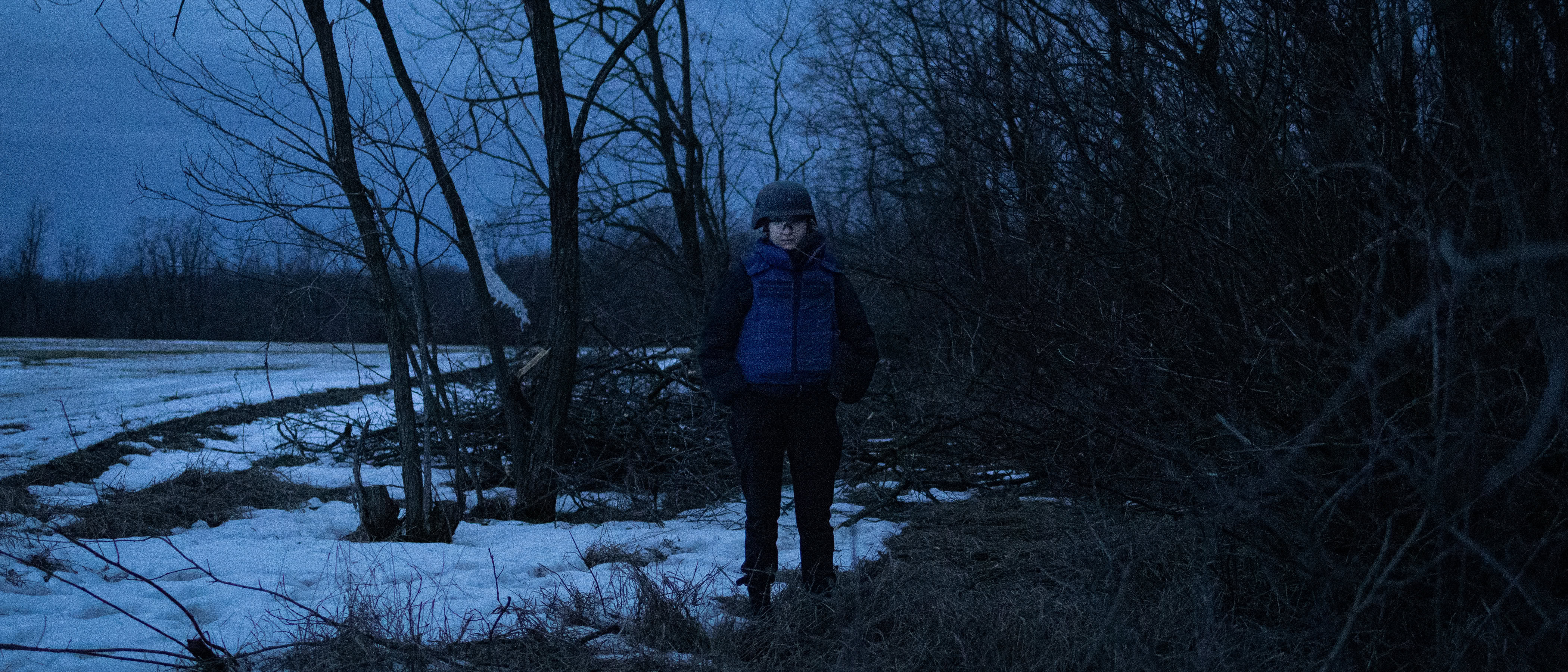
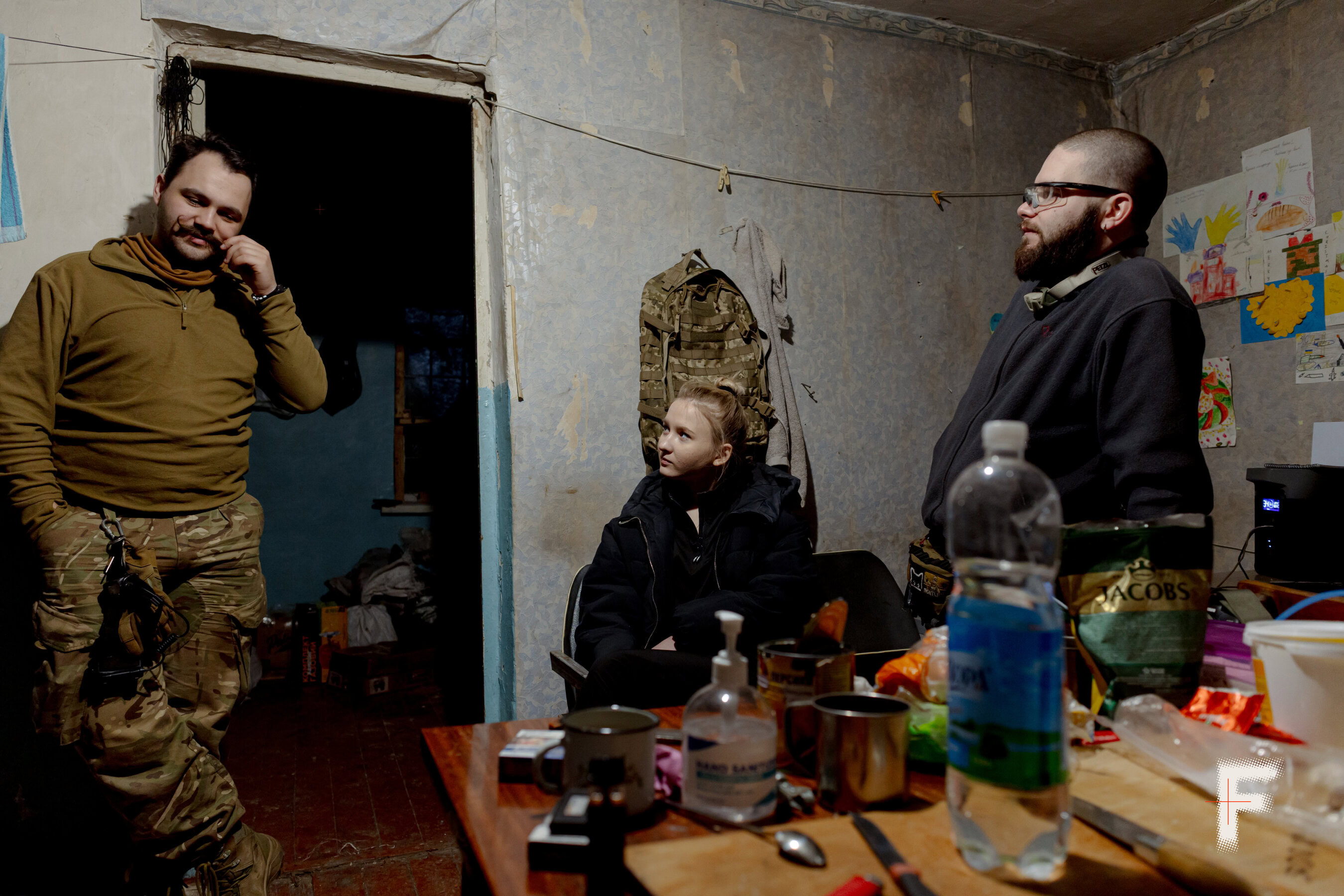
Eventually, I took the initiative for my first assignment in Donetsk. region There, I experienced the front not through studio broadcasts or live feeds, but directly alongside the soldiers in their positions. I came to understand just how important the small details are, those that the General Staff report would not capture. The look in a soldiers’ eyes, the calluses on their hands, jokes exchanged over the sound of explosions. These were the moments that brought a story to life. Every conversation demanded focus and genuine listening.
Next, I traveled to stabilization points in the Dnipropetrovsk region. Working there taught me a different kind of attentiveness: noticing not just injuries or evacuations, but the daily routines that combat medics face. The ones I remember most vividly are those who joked on the way to the hospital. At first, it felt wrong. “How can you joke when there is so much suffering around?” I thought as I rode alongside them. Later, they shared that humor was their way of staying sane, coping with the stress, and distracting soldiers from their injuries. This experience sparked in me a deeper curiosity: what other stories is each person hiding, and what realities about this war can I still learn from those I meet? It became important for me to capture what they were willing to share about their experiences.
Work that changes the way you see things
Looking back, I see that my journey from writing about a fictional ATO soldier, Lev, to reporting on real heroes on the ground was my way of exploring how major events shape people. After my first trips to the front, it became clear that this was the kind of work that mattered most to me. Each time I returned from an assignment, I noticed that my focus was at its sharpest there. Everything unnecessary fell away – ambitions, ideas of a “perfect shot,” and the desire to impress. That is how I chose to work for a media organization operating on and near the front lines.
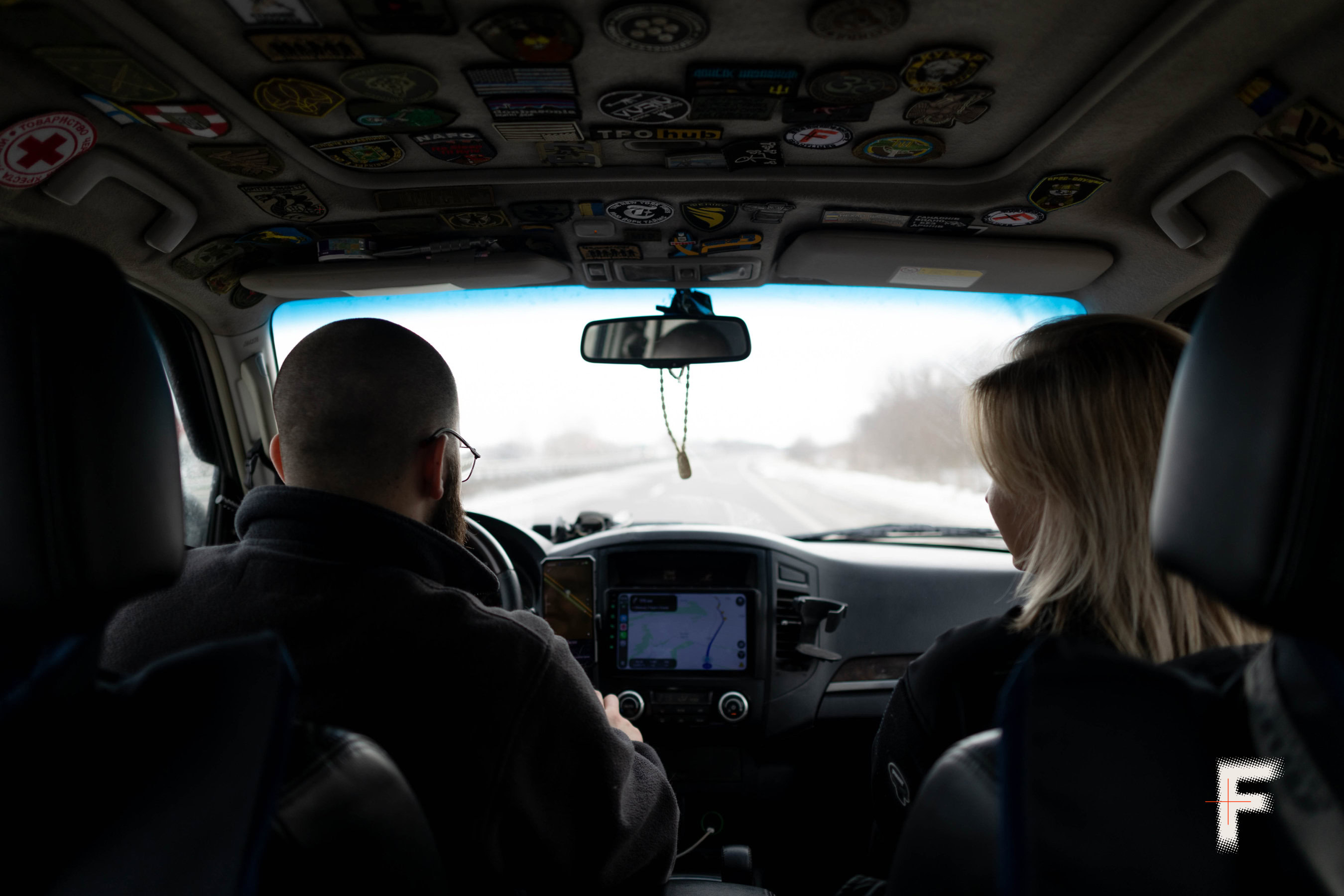
Reporting from active combat zones allows me to capture not just the fact of war, but the experiences of the people living through it.
In secondary school, “processing history for myself” simply meant imagining it. Today, it means sharing a soldier’s silence after a battle or his memories of a city that has been all but erased from the face of the earth. It is draining, but it brings the understanding that I am recording reality and telling the stories of those who make it possible for me to do so in a free country.
***
Hi, I am Ruslana, the author of this article. Thank you for reading to the end. Every day, we work in life-threatening environments and report from the front lines and the surrounding areas to document the reality of the Russo-Ukrainian War. To protect the lives of our teammates, Frontliner, in partnership with UA First Aid, is raising funds for 30 first-aid kits for our team. Join the Frontliner community so we can keep telling important stories from the ground.
***