
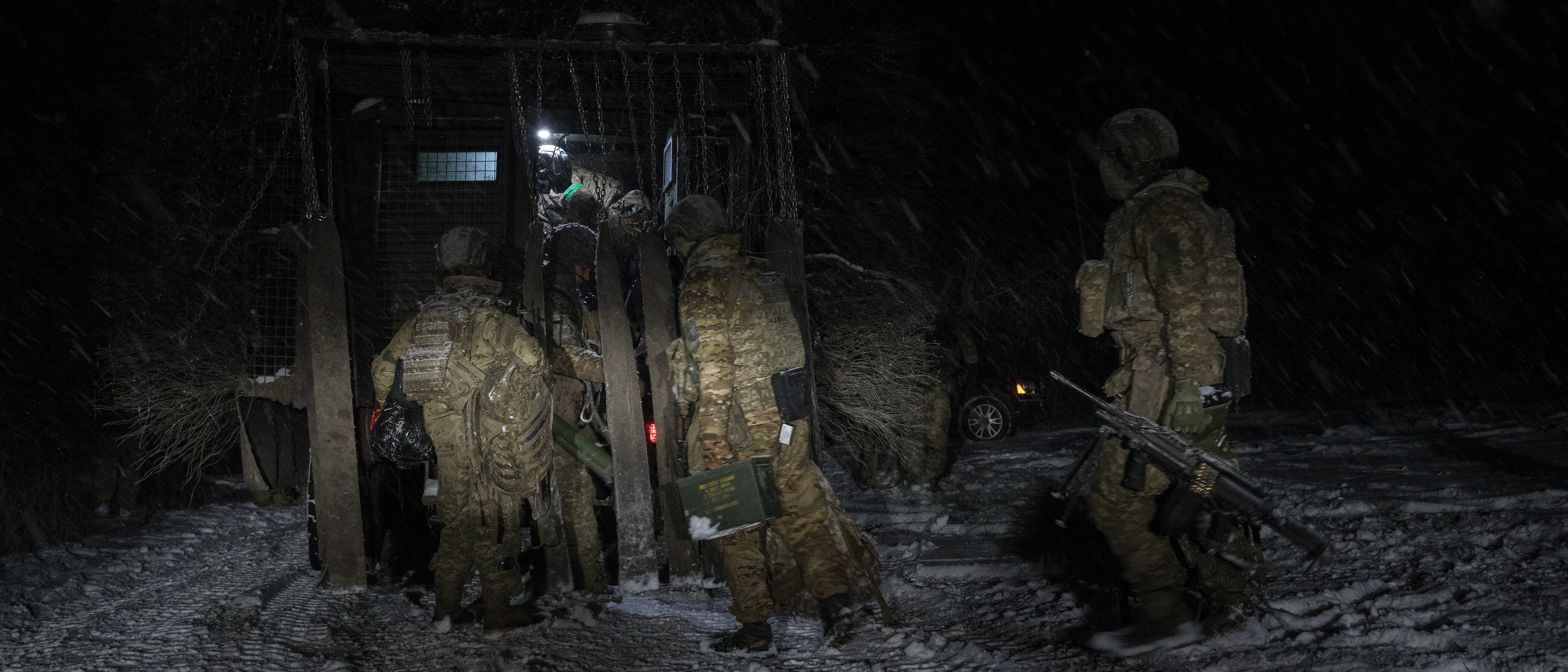
Ukraine’s defense forces launch an offensive: what is happening in Huliaipole
In February 2026, Ukrainian forces reclaimed hundreds of square kilometers. The month marked not only fierce defensive battles but also notable advances on the southern front, particularly in the Huliaipole sector. There, Ukrainian troops went beyond repelling occupying forces, regaining control of Ukrainian territory including several villages that had previously been in the gray zone or under temporary occupation. Frontliner outlined the key developments on the front.
In February, Ukrainian forces regained control of more than 400 square kilometers of territory, including at least eight settlements in the south, according to analysts at DeepState and daily reports from the General Staff of the Armed Forces of Ukraine. This development significantly alters the local dynamics of operations in the area.
Huliaipole front: tactical advances and the recapture of villages
This month, attention has focused on Huliaipole and the surrounding villages, where February saw the fiercest positional fighting and local counterattacks by Ukraine’s defenders. Daily reports from the General Staff mentioned “measures to improve tactical positions,” which in practice meant successful counterattacks, stabilization of the front, and the recapture of previously lost lines.
The commander of the 1st Assault Regiment named after Dmytro Kotsiubailo, Dmytro “Perun” Filatov, confirms these developments. According to him, the situation on the ground has now become more favorable for Ukrainian assault operations:
Yes, these are measures to stabilize the section of the front that
the enemy had chosen as their next main target and to improve
the tactical position of our forces. Yes, there have been certain successes,

He clarifies that the current offensive actions of Ukrainian assault units don’t always involve the large-scale maneuvers seen in major operations, but they are effective in reclaiming specific areas where the enemy once held a tactical advantage.
Our assault troops, are able to adapt
to these changes,
Dobropillia, Nove Zaporizhzhia, Slaha, and several nearby villages were retaken with the involvement of the 1st Assault Regiment, in areas that had previously been under enemy control or in gray zones with no clear control.
Commander Filatov emphasizes that the enemy is adapting its tactics and is now making extensive use of unmanned aerial vehicles. In his words, the enemy’s drones “have reached a new level of capability” and in many ways outperform Ukrainian UAVs. While this poses additional challenges for Ukrainian units, it does not stop their advance:
“The enemy is currently focusing on our UAV units. Their operations are more effective than ours. However, our assault troops, due to their organizational structure and training, are able to adapt to these changes and continue offensive actions whenever conditions allow,” says the commander of the 1st Assault Regiment.
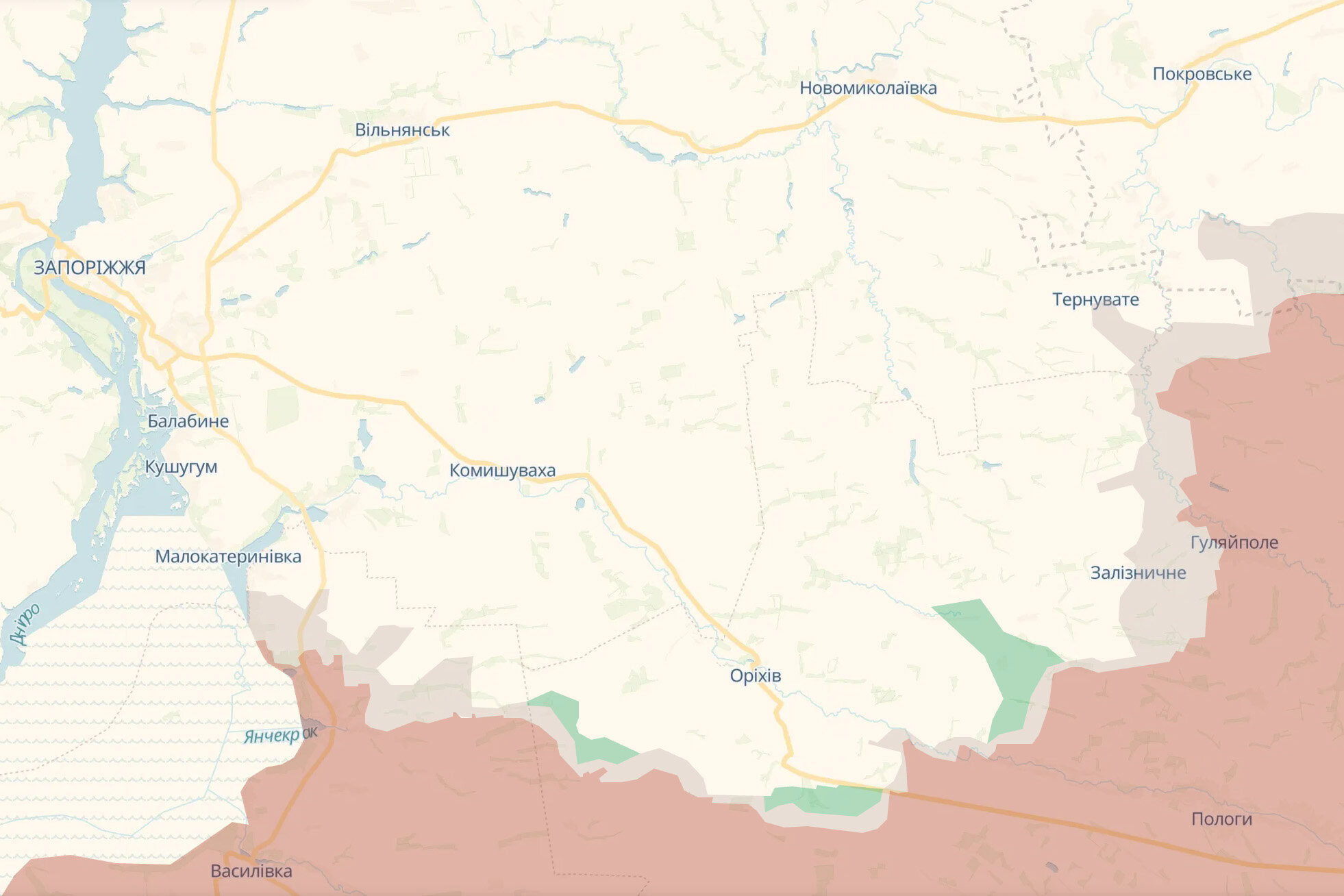
Among the specific positions where Ukrainian units have reestablished their presence on the Huliaipole front, DeepState analysts highlight the settlements near Staroukrainka, Zelena, Dobropillia, Pryluky, Zaliznychne, Sviatopetrivka, and Varvarivka.
The enemy loses the ability
to pressure our defensive positions,
The General Staff reported that Russian forces launched 37 attacks along this section of the front on February 27 alone, highlighting both the intense pressure on Ukrainian positions and their ability not only to repel assaults but also to hold the ground they have regained.
The return of these settlements to Ukrainian control is not just a formal restoration of the front line; it also represents a strategic realignment, making it harder for the enemy to target key Ukrainian positions with artillery and allowing better control over logistical corridors near Huliaipole, explained the commander of the 1st Assault Regiment.
“Every meter we regain is a gain for our country. If we prevent the enemy from advancing further and instead push forward even by a few hundred meters, it means the enemy loses the ability to pressure our defensive positions,” says Dmytro Filatov.
He also added that counteroffensive operations have been paused due to unfavorable weather conditions, but they are planned to resume.
What’s happening on other fronts?
While the Huliaipole sector saw localized progress, other sections of the front remained mostly stable, with positional fighting but no significant changes in control over settlements.
On the Pokrovsk front, Ukrainian defenders repelled enemy attacks nearly every day in the areas of Myrnohrad, Rodynske, Udachne, and Molodetske. The battles were intense, with heavy artillery fire and assaults, but no key towns or villages were retaken in February. Ukrainian forces held their ground, stopping the enemy from advancing, though they did not achieve notable gains in regaining control of populated areas.
On the Kostiantynivka and Lyman fronts, fierce positional fighting continued. Ukrainian units stayed active on the move, but areas of control remained largely unchanged, with no major cities or strategically important settlements recaptured or lost.
On the North Slobozhanshchyna and Kupiansk fronts, the fighting was concentrated along defensive lines, where Ukrainian forces successfully repelled enemy attempts to advance. However, there were no major changes in control over settlements.
Author: Tetiana Zabashtanska
Adapted: Irena Zaburanna
Read more — The shelf life of a soldier: why volunteers go AWOL
