The statistics of war and mathematics of will
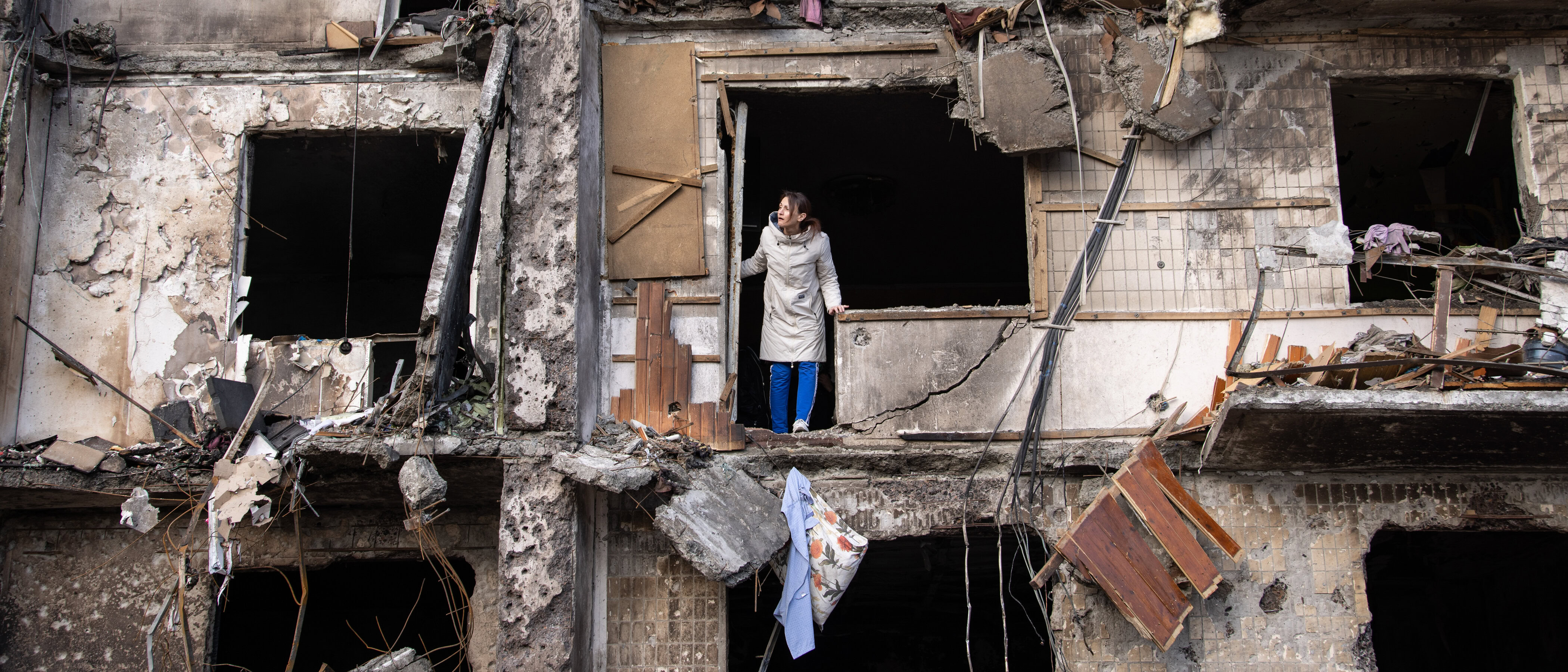
Four years of full-scale war. Back in February 2022, everything looked dire – even apocalyptic. Missiles and bombs raining down on Ukrainian cities. Fighting on the outskirts of the major cities of Kharkiv, Mariupol, Chernihiv, Sumy and Kyiv. Columns of refugees, conflicting accounts, panic, fear of the worst and the first reports of casualties.
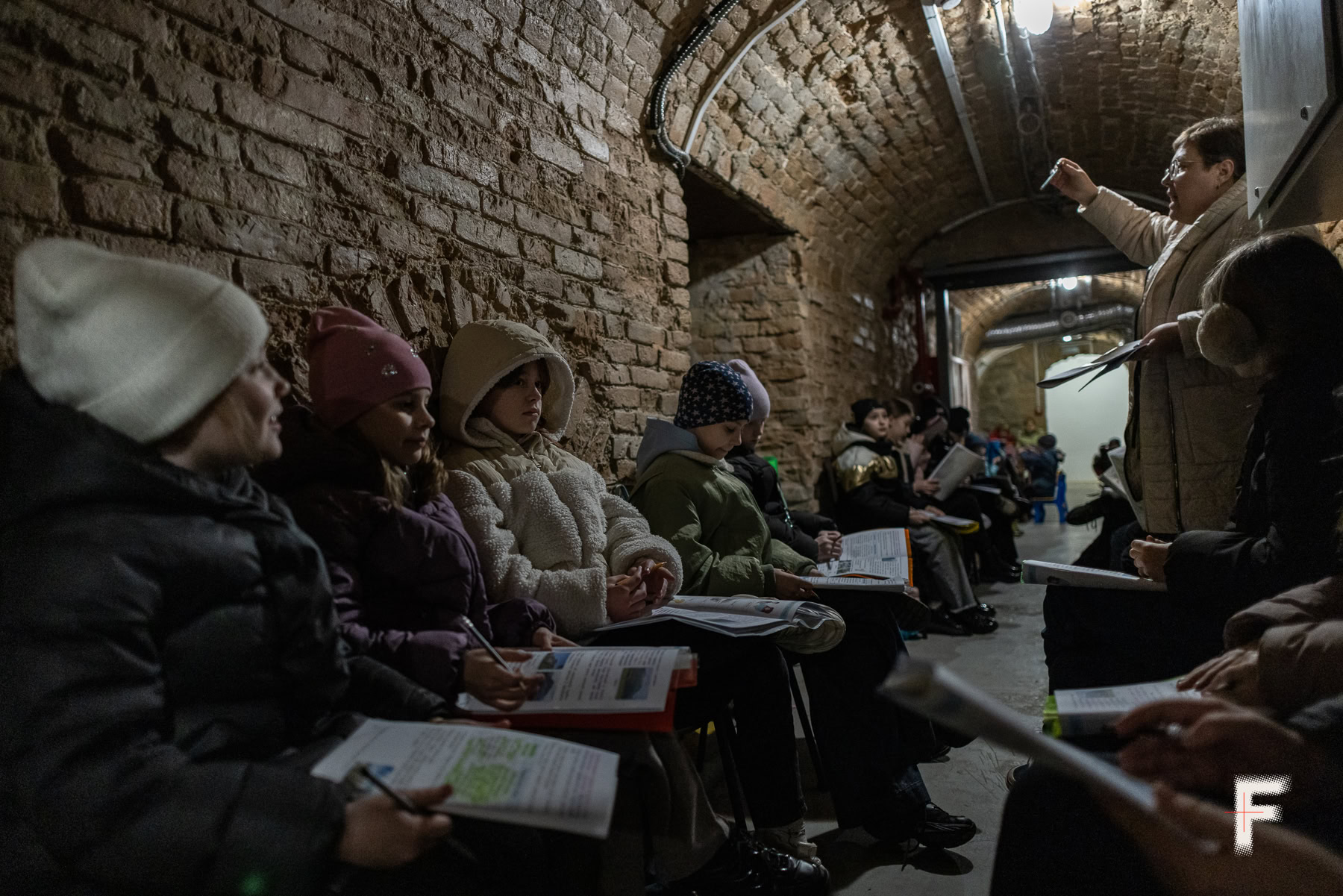
Ukrainian society first reacted with fear and disbelief at the new reality, then with long lines at military enlistment offices. Many didn’t believe we would endure – neither here in Ukraine nor abroad.
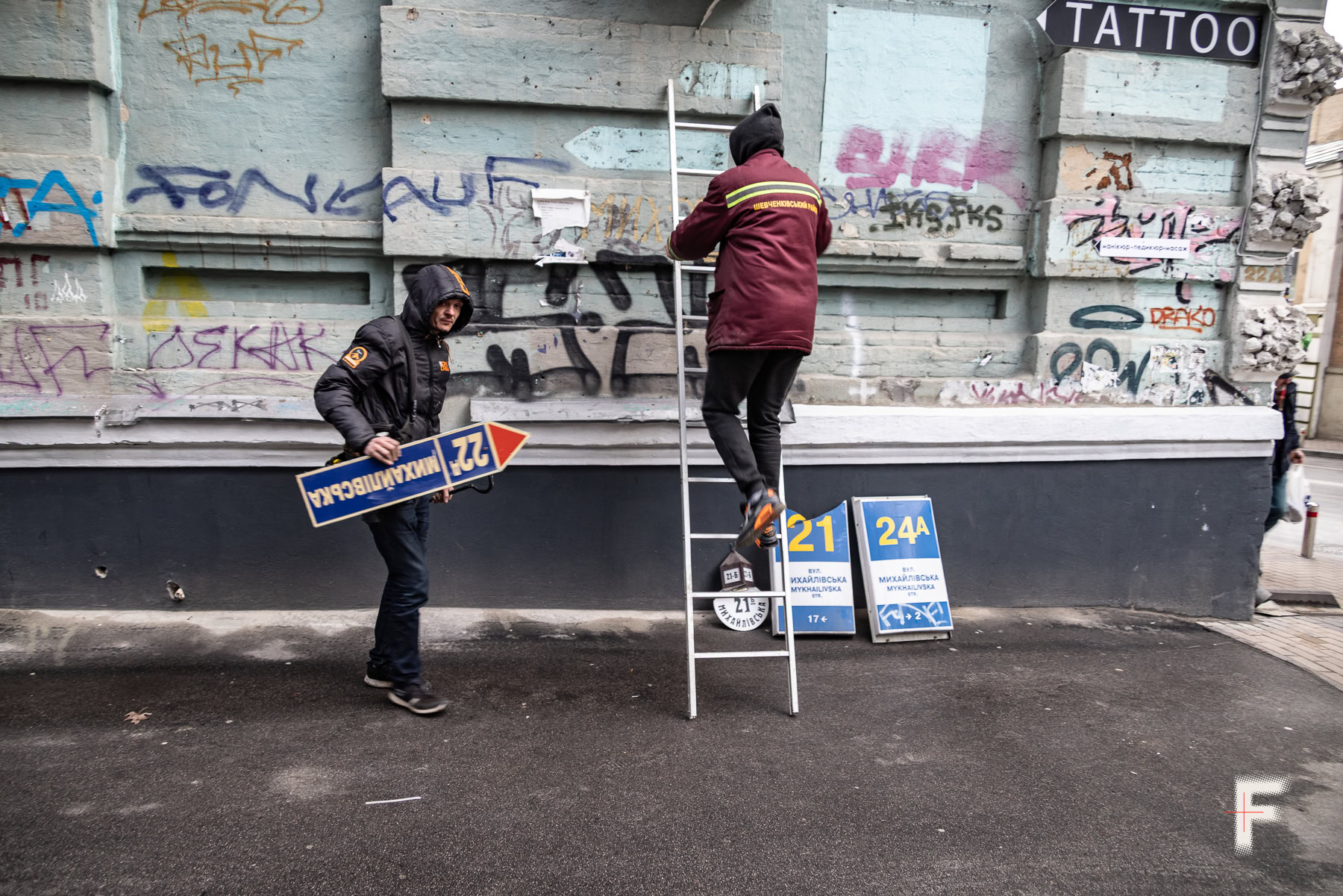
Seeing municipal workers removing street name signs on St. Michael’s Square in central Kyiv in early March, I didn’t truly believe we could withstand it. But I wasn’t going to run – because the world needed to see. I stocked food, water and fuel in my apartment, preparing for street fighting and a siege of the city.
At that time, the Ukrainian people were gripped by fear of the unknown. We feared what we could not see, like a child terrified of a dark room. In February 2022, we stood on the threshold of history’s dark room, where fear, death and an uncertain future awaited.
But we did enter that dark room. Most of us faced those fears – and we held firm. Not only did we endure, we went on to liberate, counterattack, and even take the war into Russian territory.
Yet nothing stands still. The war has evolved. Weapons have evolved – and so have our fears.
Is it still frightening to experience a missile and drone attack? Yes – it is frightening. But it’s not like the first time. By now, you know exactly what a “Shahed” sounds like, what a cruise missile sounds like, and what a ballistic missile sounds like. You know it will either hit you or it won’t, and that the probability of being hit is fairly small. You know the statistics.
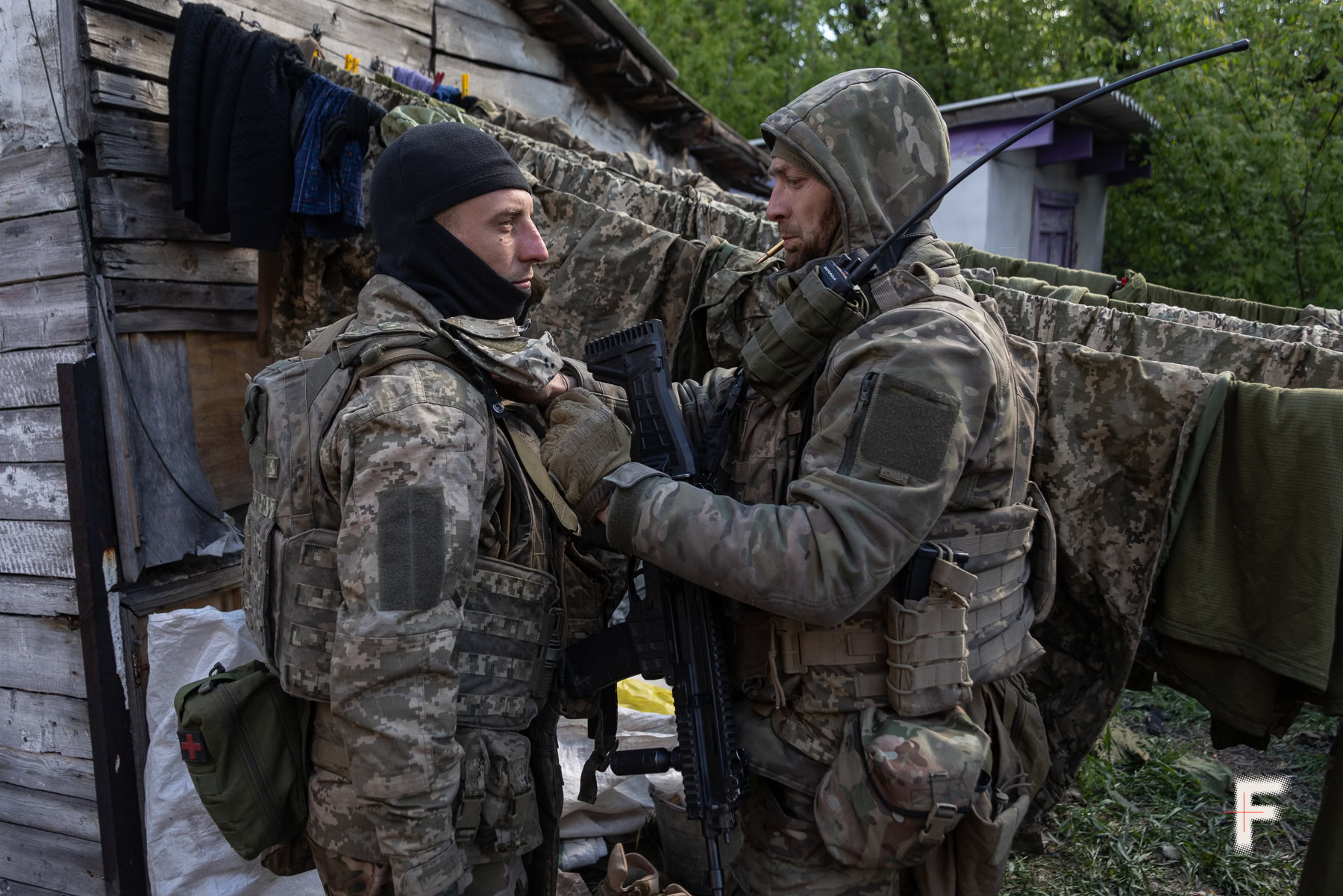
This is where a different fear begins – the fear of relentless calculations. Because war is about resources and mathematics. And it is obvious that Russia has more resources: more people, more war planes, more missiles, more of everything. And an unchanging goal – to destroy Ukrainians as a nation. To destroy them forever.
And you know the statistics. You know how many have fled abroad. You know the dead and wounded number in the hundreds of thousands. Every day, the map shows a thousand-kilometer front line, arrows tracing the movement of Russian forces. And you understand that all of us are deeply exhausted – the military, civilians, the economy, the energy infrastructure, the entire country.
And you understand that, statistically, we shouldn’t be able to hold on. Yet we do. Why?
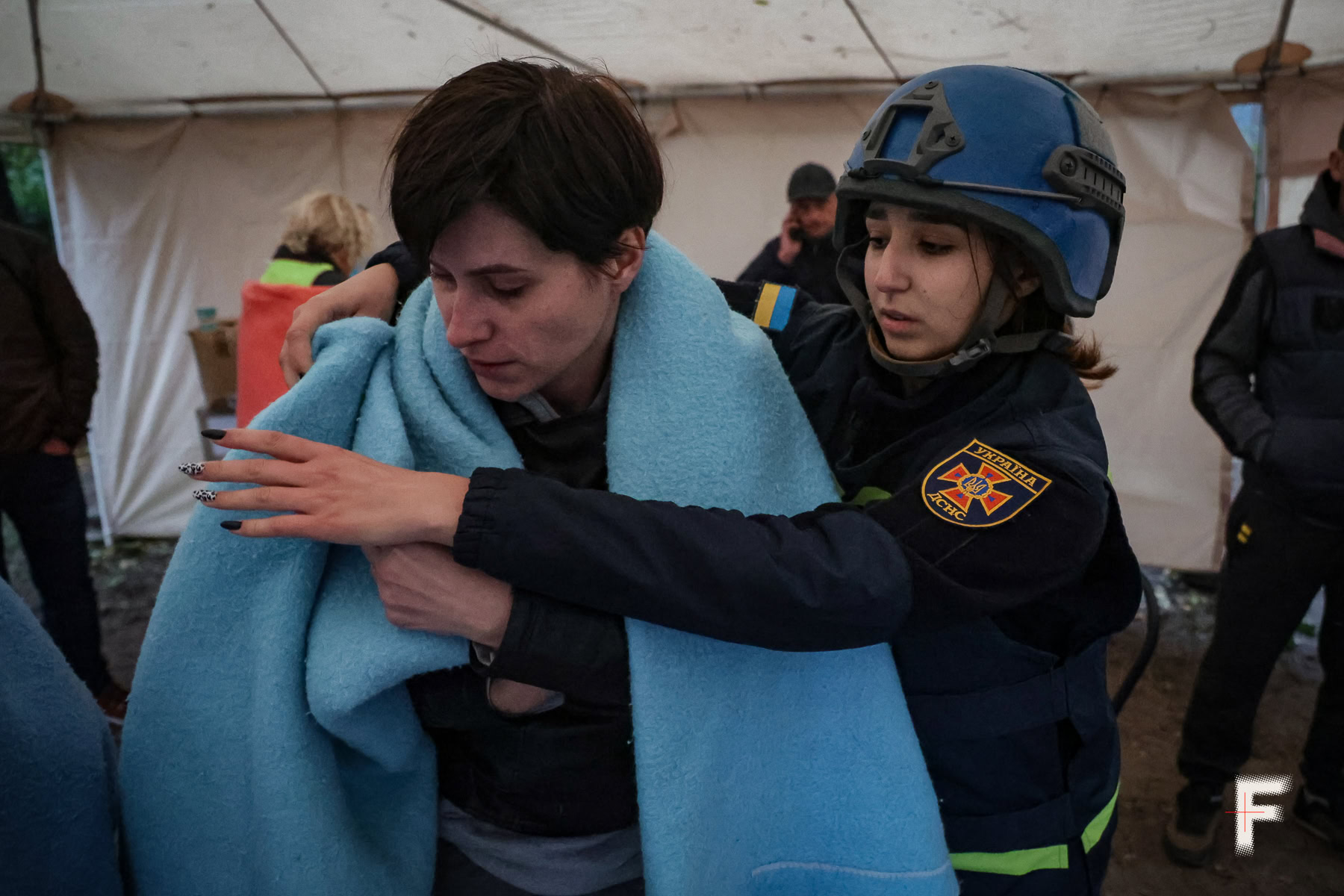
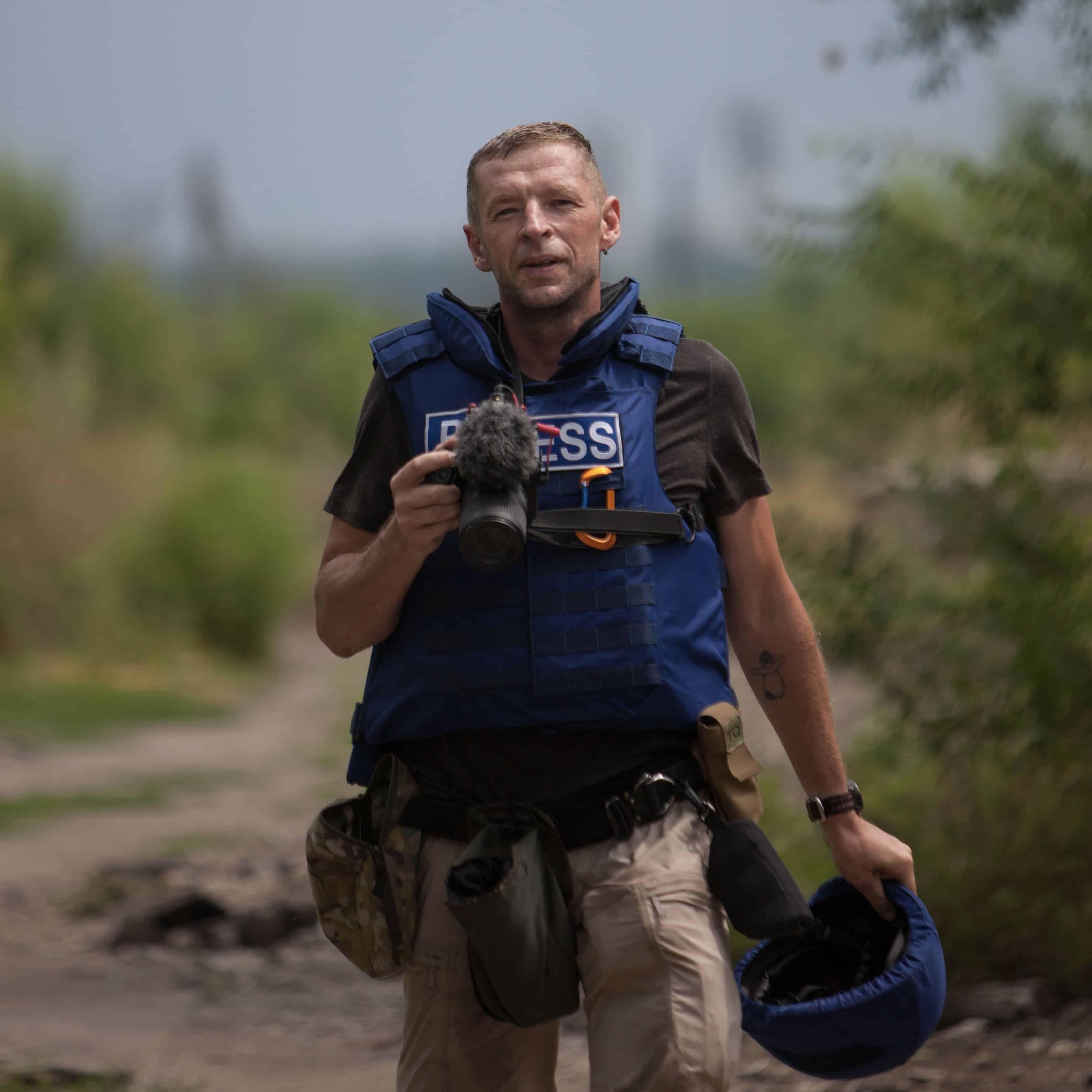
Because war is not only the calculation of resources, but also the calculation of will. And how do you account in this formula for the fact that we stand because we refuse to fall? How do you factor in that millions of people made the choice – not to leave, not to flee, to stay, to take up arms, to pick up a camera, to go to work, to open the shop, to clear the rubble, to put out fires, and to keep living during war?
We stand not because it was guaranteed. Not because it was logical. We stand because a standard New Year’s wish “I hope you survive 2026” – was met with, “Same to you, my friend.” Because enough people, at some point, simply stayed. In their cities. On their streets. In their country.