Still infamous: former inmates go to war but lack their promised rights
About 11,000 convicts have joined the army, according to the Penitentiary Service of Ukraine. Many have distinguished themselves in battles on the most difficult sections of the front. Yet the state has not granted them the rights they were promised. How convicts fight – and why they never became free people – report by Frontliner.
In May 2024, state authorities permitted certain categories of prisoners to voluntarily join combat units. At that time, Ukraine had around 39,000 prisoners – one in four went to war (Frontliner covered this in the report “Infamous”. Why do former prisoners join Ukrainian forces?). The convicts were released under a procedure of conditional early release. It was envisioned that after a year of service, their conditional release status would be lifted and their criminal past would be set aside.
The Shkval Battalion was among the first volunteer units formed within the 1st Assault Regiment named after Dmytro Kotsiubailo. Its ranks included former inmates who fought on the toughest sections of the front – Zaporizhzhia, Toretsk, Doprobillia, and Pokrovsk. Over the next year and a half, these soldiers not only held their positions but also liberated and cleared settlements along the front line. They were daredevils: they could enter basements and trenches on their own, facing Russian forces, says ‘Palkin,’ commander of the 1st Company of the Shkval Battalion.
-
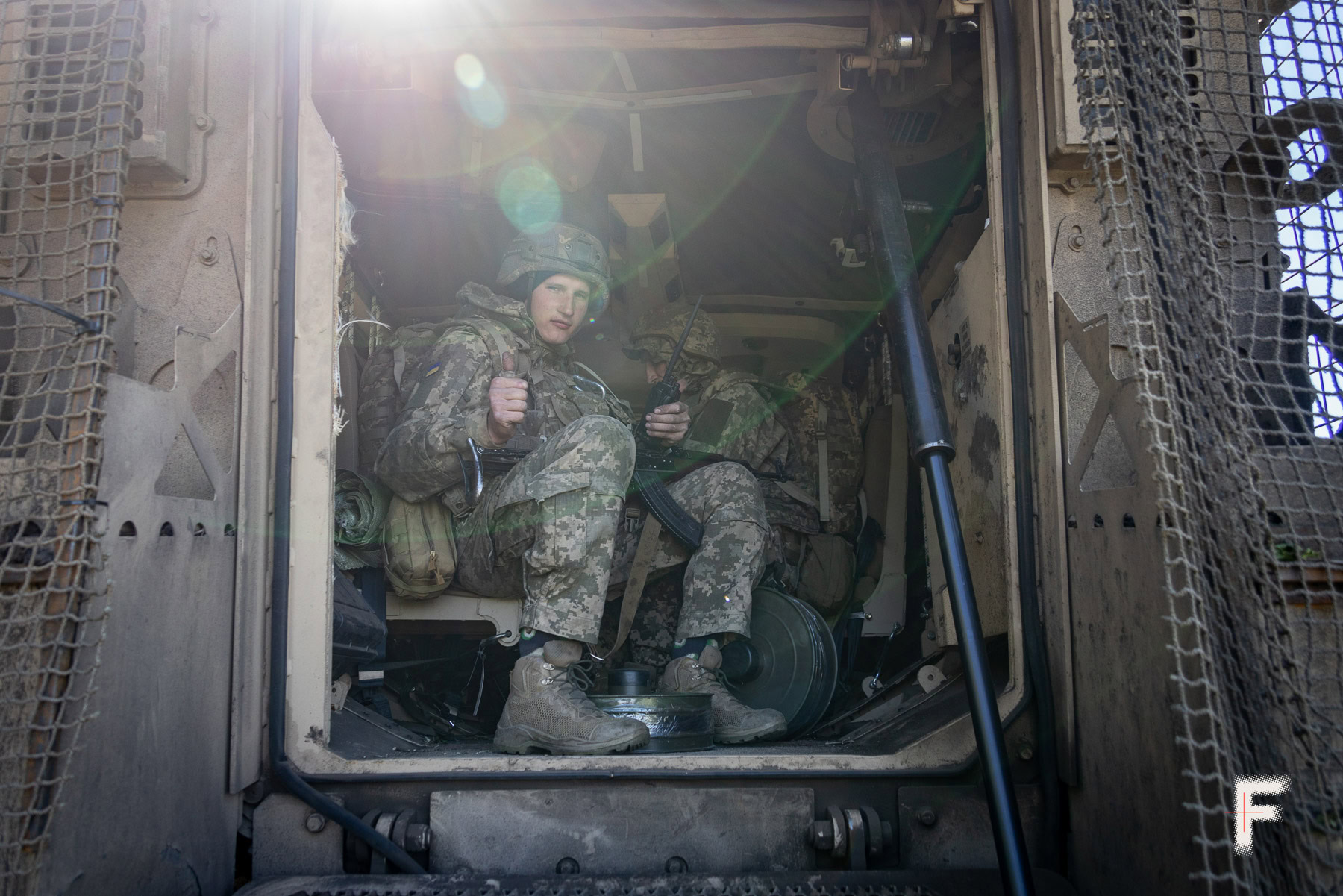
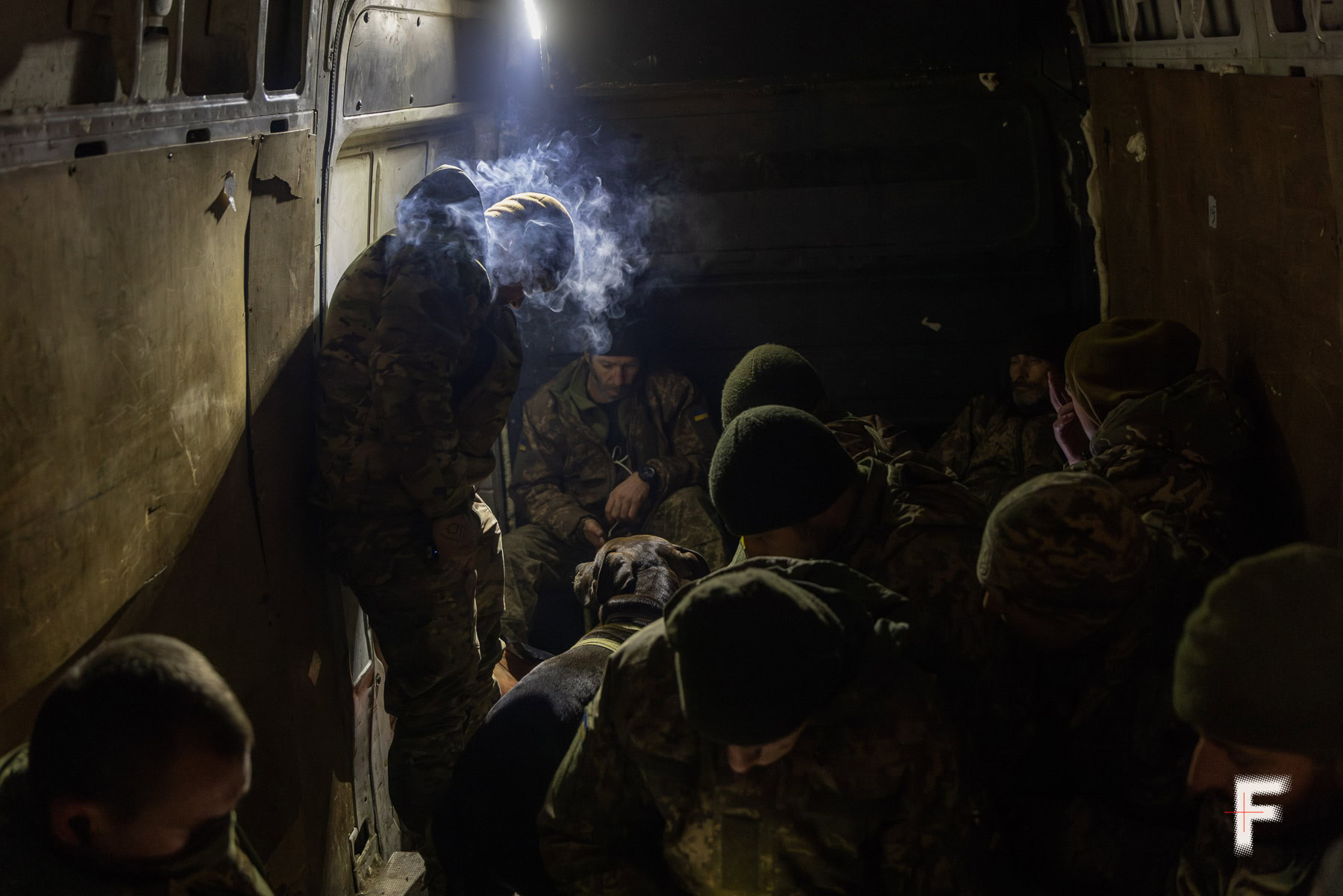
A 22-year-old soldier, call sign ‘Sukhar,’ in a MaxxPro armored vehicle before heading out on an assault. (‘Sukhar’ became MIA during that assault.) Dobropillia district, April 28, 2025. Andriy Dubchak / Frontliner

-
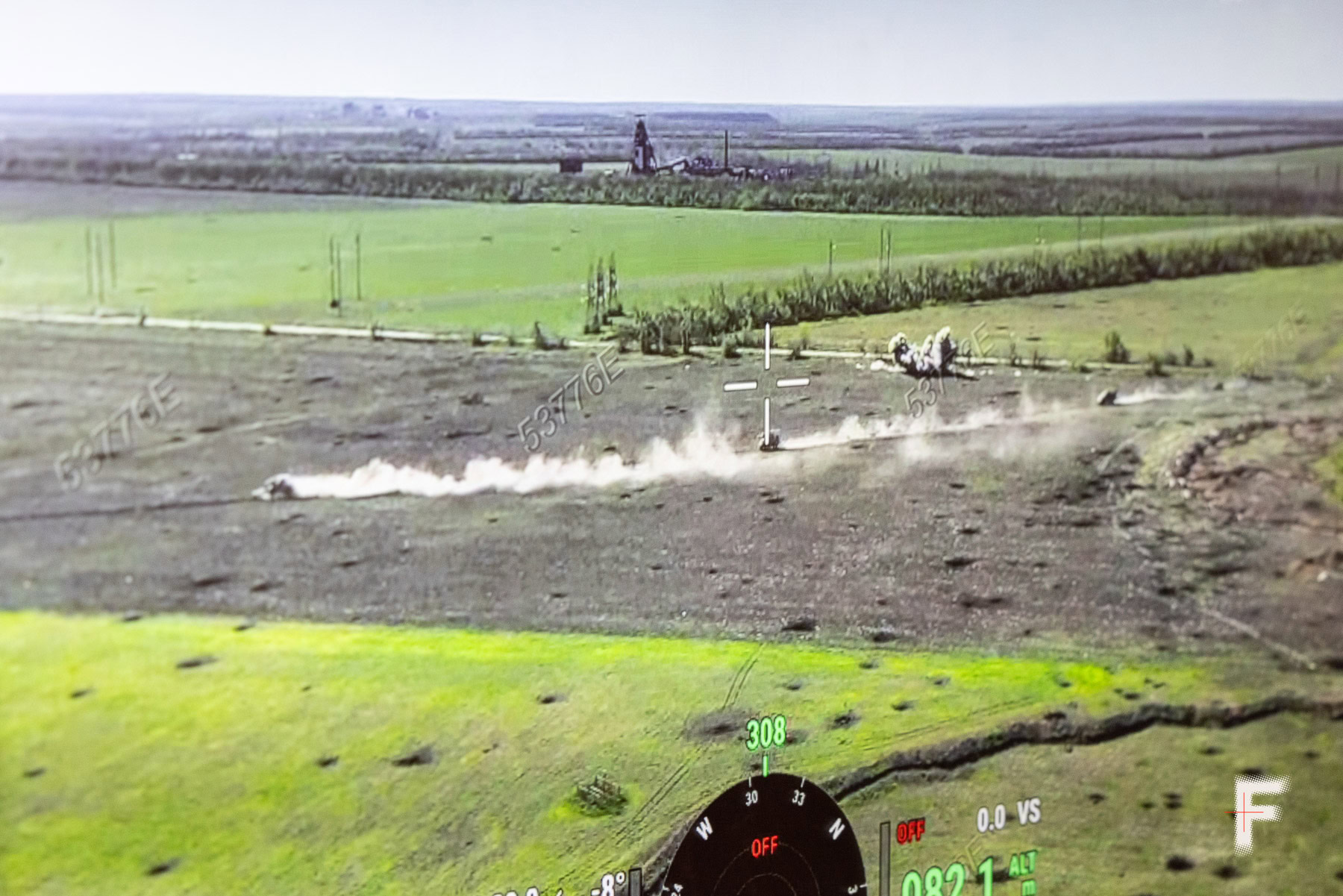
The monitor displays a column of three MaxxPro vehicles moving across the fields toward Kotlyne, past smoke from explosions, en route to the assault groups’ landing points. Command post of the 1st Assault Regiment, Dobropillia district, April 28, 2025. Andriy Dubchak / Frontliner
The state did not honor its commitment
Among the first volunteers were young, strong, and highly motivated soldiers. ‘Palkin’ compares them to bull terriers – bold and eager to fight. One of them was 23-year-old Oleksii, call sign ‘Liam,’ who carried out more combat missions than anyone else in the Shkval unit of the 1st Assault Regiment. ‘Liam’ can’t even count them. He says he dreams of assaults and persistently asks his commanders to send him on missions.
I really like assaulting positions.
“I really like assaulting positions. I can be out for two weeks, come home for a day, and then head right back,” the soldier says.
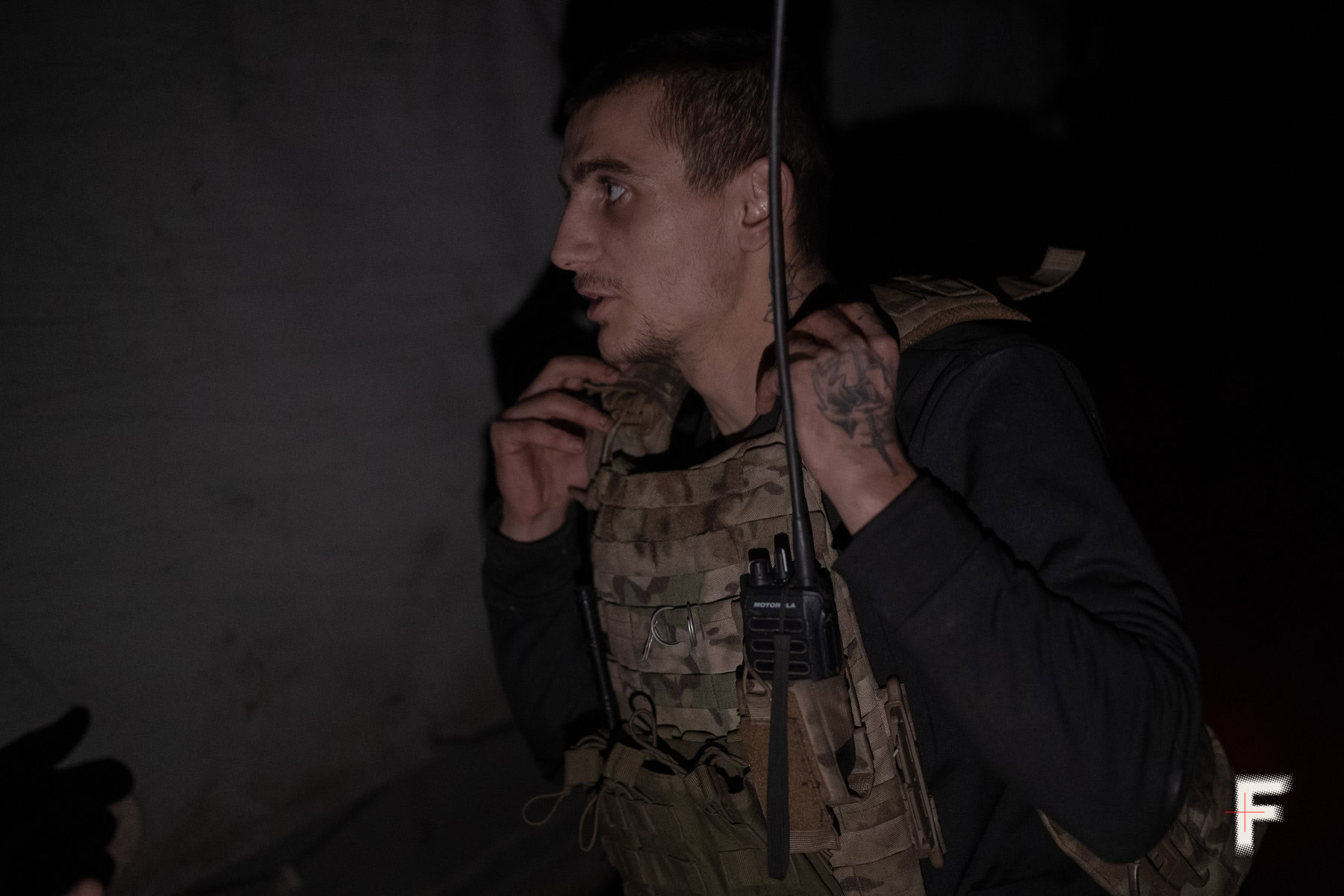
‘Liam’ compares the war to the game Counter-Strike – except in real life, you can’t hit a “Save” button. Like ‘Liam,’ many volunteers initially saw the war as a game as well – until the heavy battles on the Kurakhivskyi front in fall 2024 proved otherwise. Along with the thrill, they began to feel fear.
You think about how to make it to morning.
Then, if you do, you wonder how to make it to evening.
“At the front, you think about how to make it to morning. Then, if you do, you wonder how to make it to evening. You think about wanting to see your family, to get your pay,” says 26-year-old assault soldier Valentyn, callsign ‘Izium.’
-
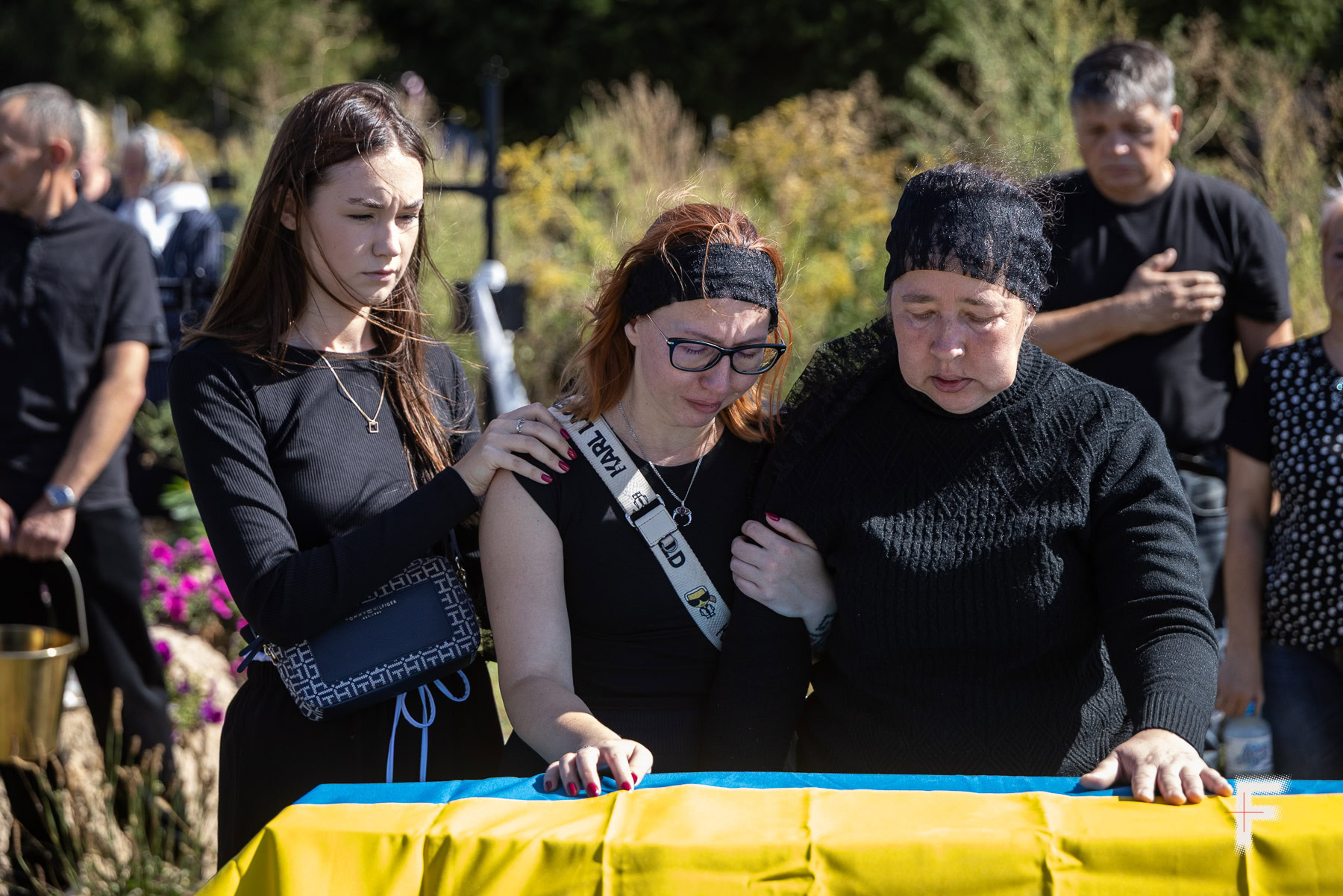
Relatives of Dmytro Haidai, callsign ‘Chasik,’ saying their farewells during his burial. He was killed in one of the first battles of the Company. Semypolky, Kyiv region, September 16, 2025. Nadiia Karpova / Frontliner
-
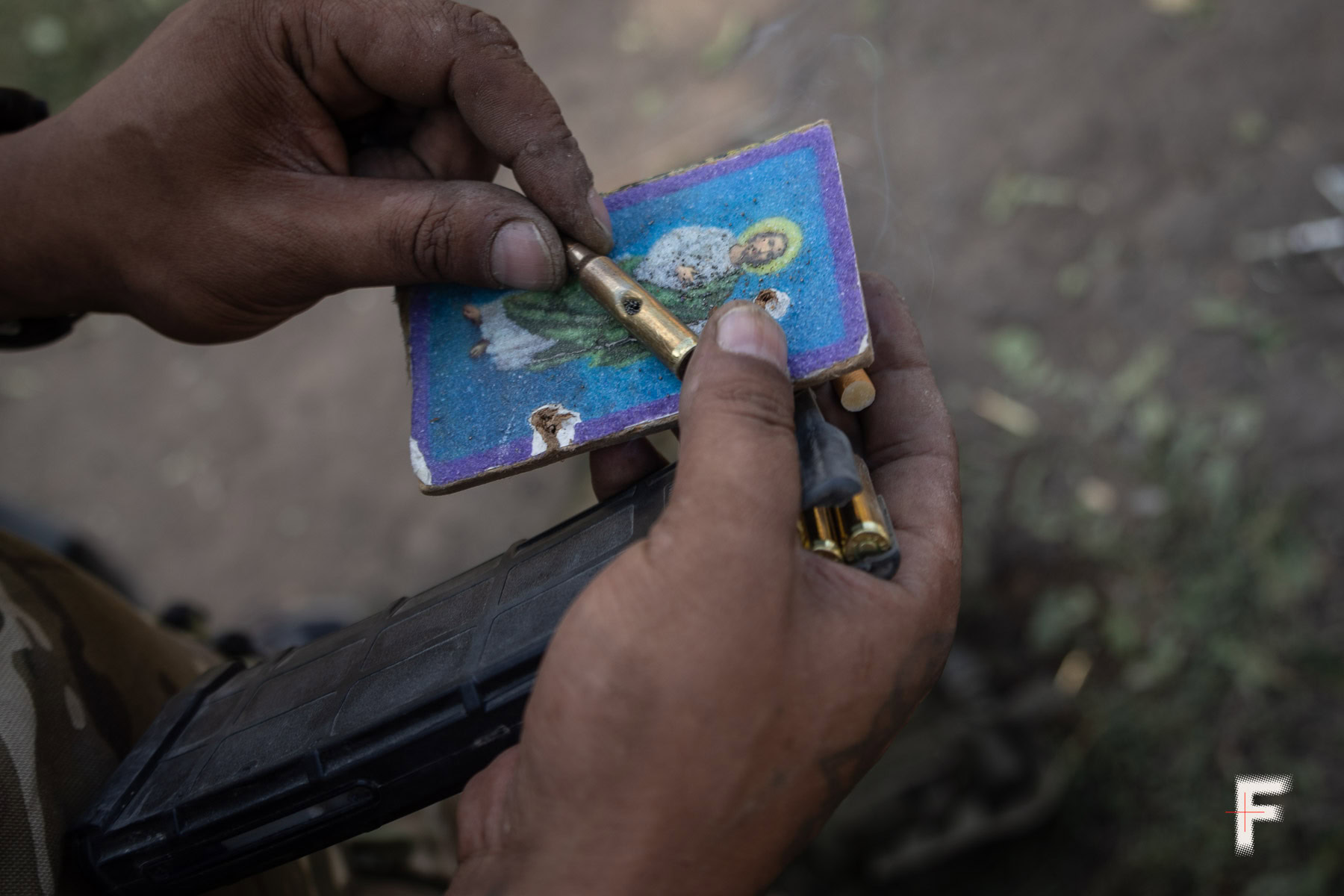
A bullet-pierced religious icon and bullets from a magazine taken off of a wounded soldier, a former prisoner. Zoria village, Kurakhivskyi front, September 13, 2024. Andriy Dubchak / Frontliner

He had only a few months left in prison, but shortly after the law allowing prisoners to serve was passed, he decided to volunteer. By June 2024, ‘Izium’ was already on the battlefield, where he spent twenty-four days surrounded by Russian forces.
Many of the ‘bull terriers’ have already been killed on the front lines. Some received high state honors for their dedicated service, but the state never gave them what they truly longed for – the right to see their homes and families.
Conditional early release for life?
During mobilization, the state promised inmates certain benefits. In particular, after a year of service, administrative supervision was supposed to be lifted. This would allow them to leave the front-line zone, take leave, and ultimately reclaim their freedom.
In practice, administrative supervision has not been lifted from any mobilized inmate. Responsibility for monitoring them falls on the commander of their military unit. After a year of the prisoner-mobilization law, commanders realized that no mechanism for lifting administrative supervision in the military exists at all.
Yuliia, 26, callsign ‘Brooks,’ enlisted in Shkval during the first wave of recruitment among incarcerated women. After signing her contract and completing basic training, she began working at a control and observation post, where she has served for more than a year. Her prison term ended months ago, yet she is still subject to administrative supervision.
They told me I would become a proper soldier,
yet it seems for the rest of my life I’ll remain a ‘convict’.
-
Yuliia, callsign ‘Brooks,’ in training at a range, Zaporizhzhia region, October 29, 2024. Andriy Dubchak / Frontliner
-
Yuliia, callsign ‘Brooks,’ Zaporizhzhia region, October 29, 2024. Andriy Dubchak / Frontliner
-
Yuliia, callsign ‘Brooks,’ prepares borshch after a full day of training, Zaporizhzhia region, October 29, 2024. Andriy Dubchak / Frontliner
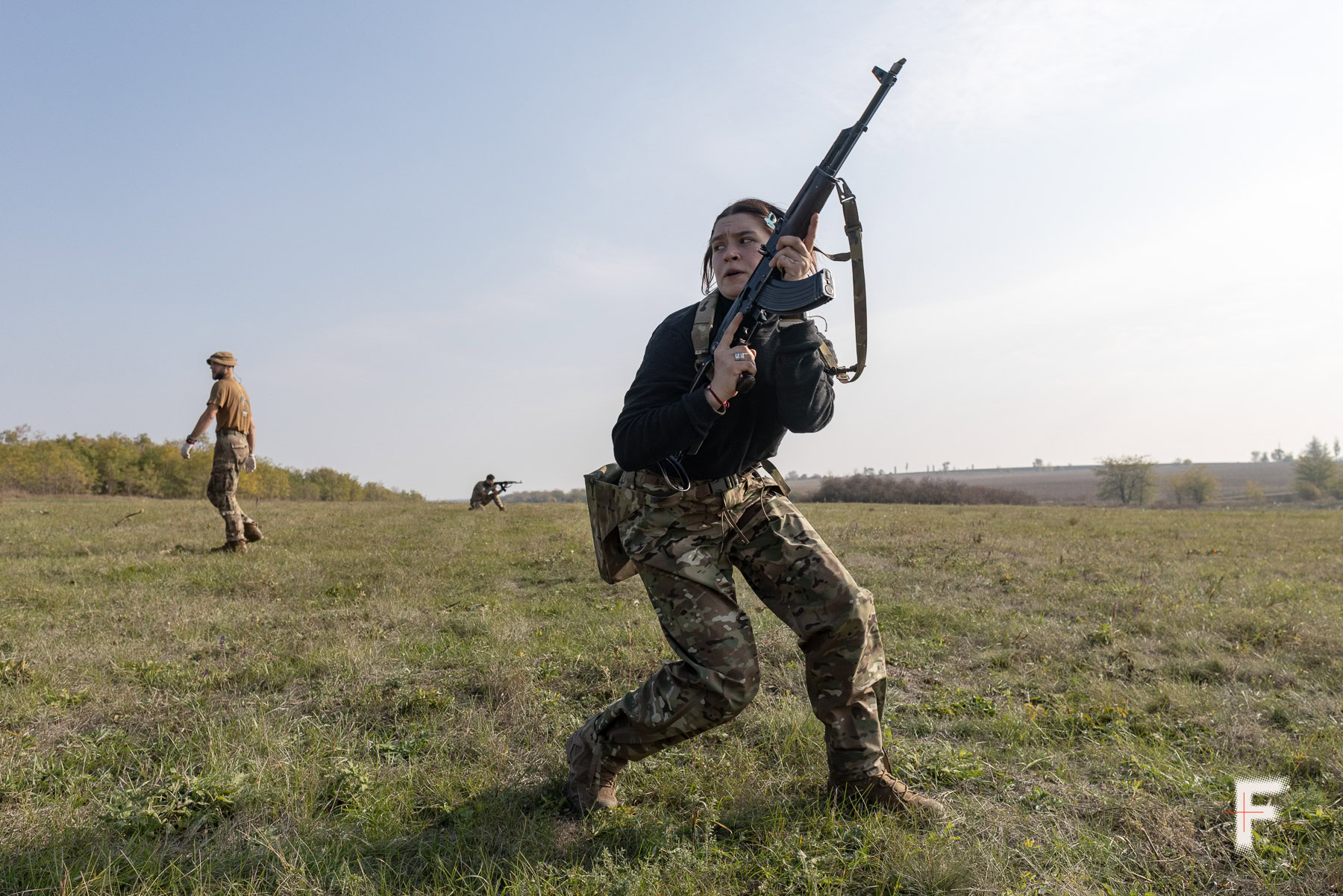
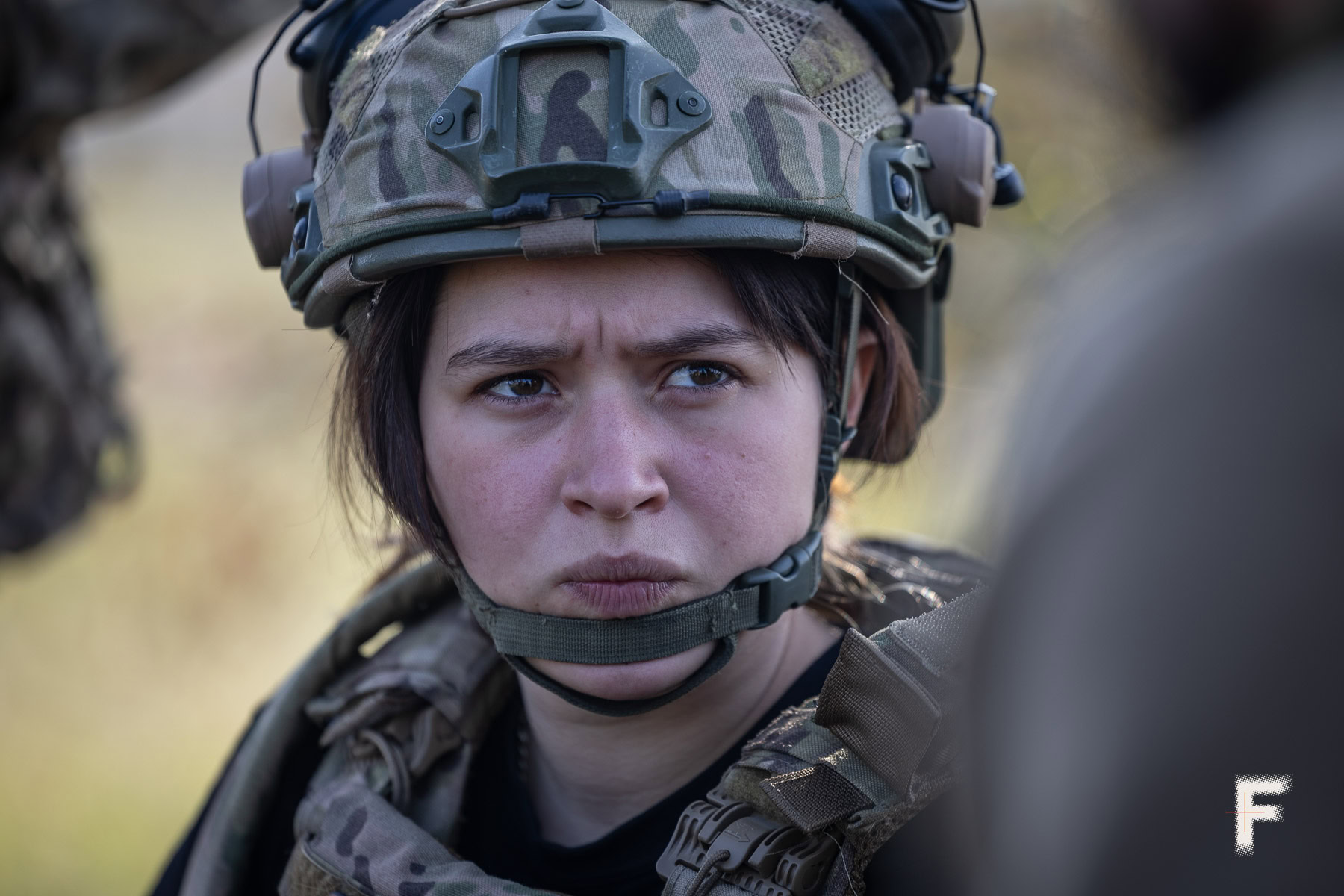
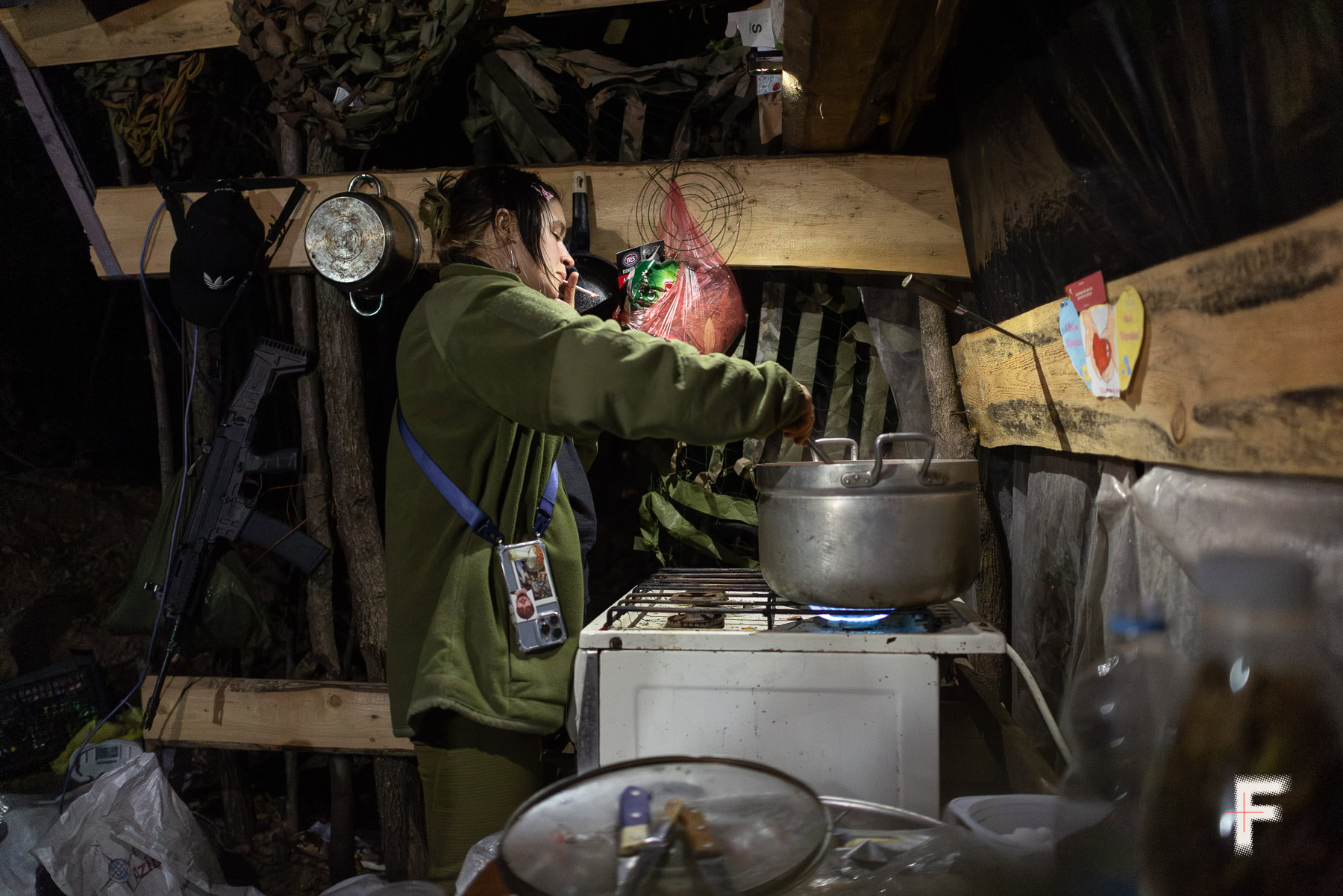
“They told me I would become a proper soldier, yet it seems for the rest of my life I’ll remain a ‘convict’. Even so, I’m proud to be in Shkval,” Yuliia says, adding, “I just don’t like the way the state treats us.”
To take part in assaults – the only right former inmates have
“There are many gaps in the law,” says ‘Jazz’, deputy commander for emotional and psychological support of the 1st Assault Regiment. When wounded, former prisoners cannot be discharged or transferred to other roles. By law, they are allowed to serve only as assault troops. As a result, wounded soldiers remain at training grounds or in the unit, even though they could perform tasks as artillerymen, drone operators, or scouts. Commanders of the Shkval unit of the 1st Assault Regiment try to find new roles for those who can no longer serve on the front lines, even though no official regulations exist for this.
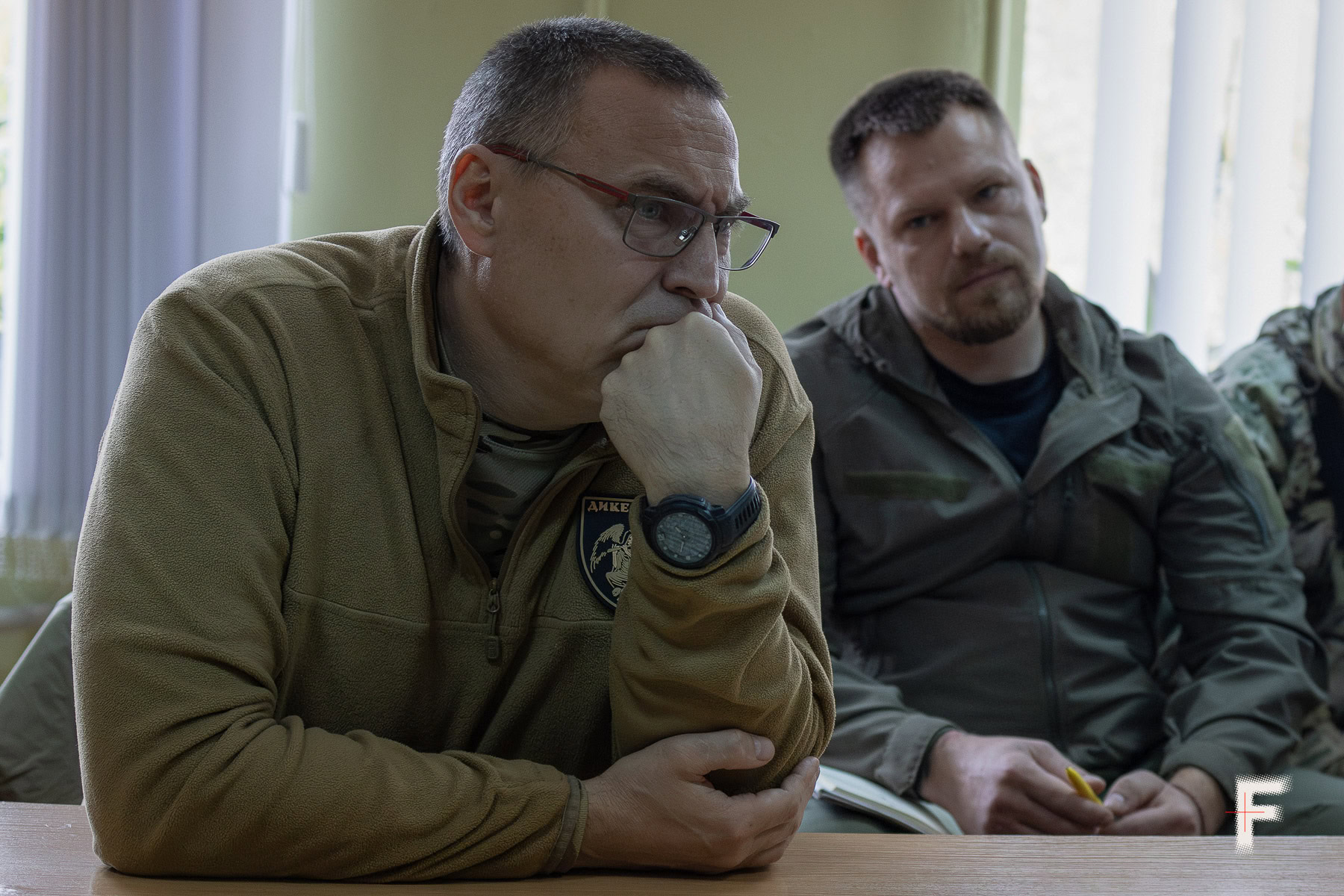
Former prisoners are barred from officer roles. And according to ‘Jazz’, Shkval has many soldiers capable of serving as mid-level commanders. Lawmakers also did not account for maternity leave, despite recruiting female inmates. In the 1st Assault Battalion’s Shkval unit, pregnant soldiers had already served, and the commanders themselves made sure they were looked after.
The only right former prisoners have is to take part in assaults. The law has proven to be out of step with reality. This has led former inmates to suspect that the state never expected them to survive the first battles. As a result, many ended up in reserve combat units.
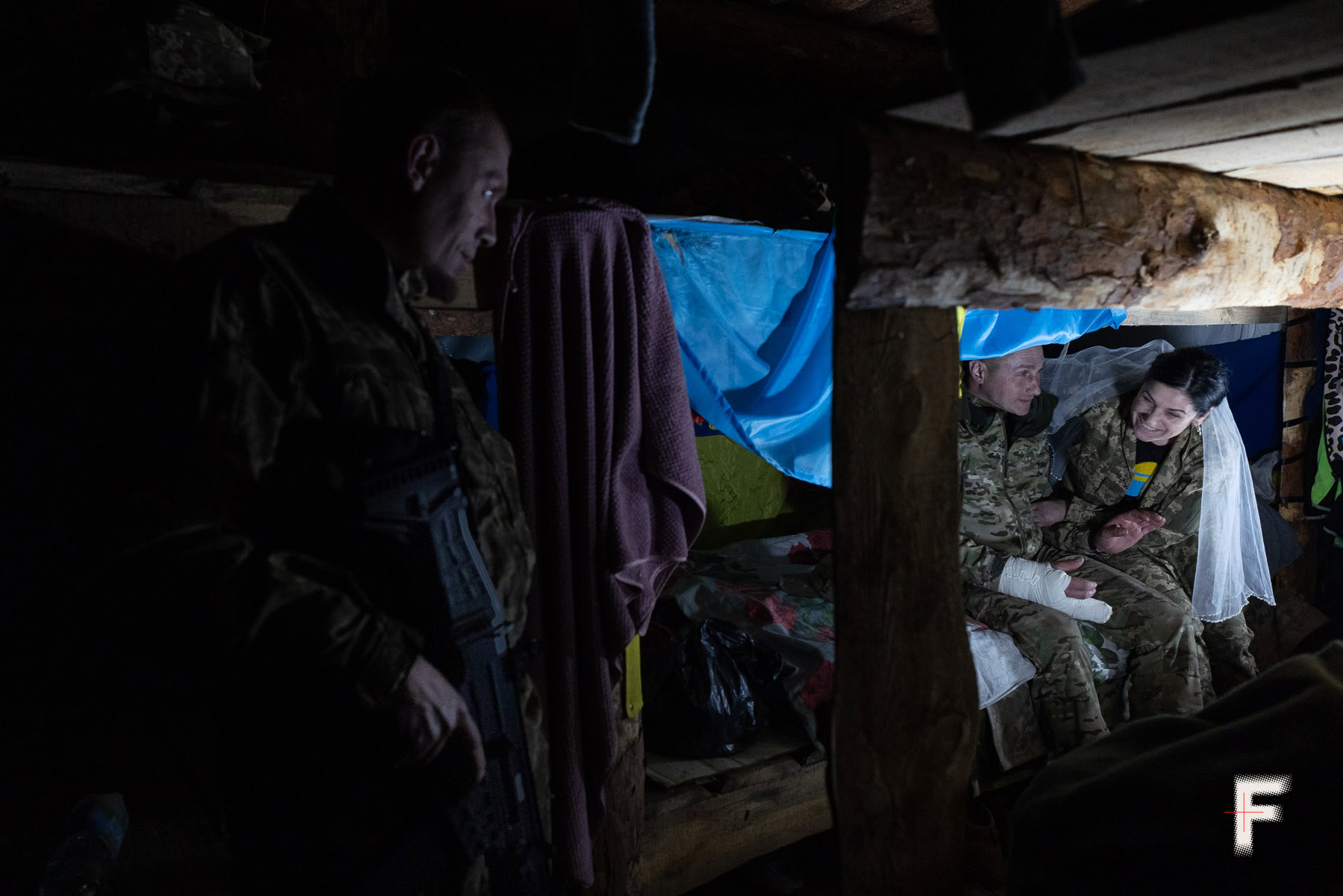
Even after serving their sentences, former inmates are routinely stigmatized. They had hoped the army would offer them a fresh start. But even after their formal release, former prisoners remained under the control of the system.
With lawmakers slow to act, military commanders took matters into their own hands. Dmytro Filatov, ‘Perun,’ commander of the 1st Assault Regiment, filed a petition to amend the law on prisoner mobilization. In taking this step, the battalion became the first to publicly raise the matter.
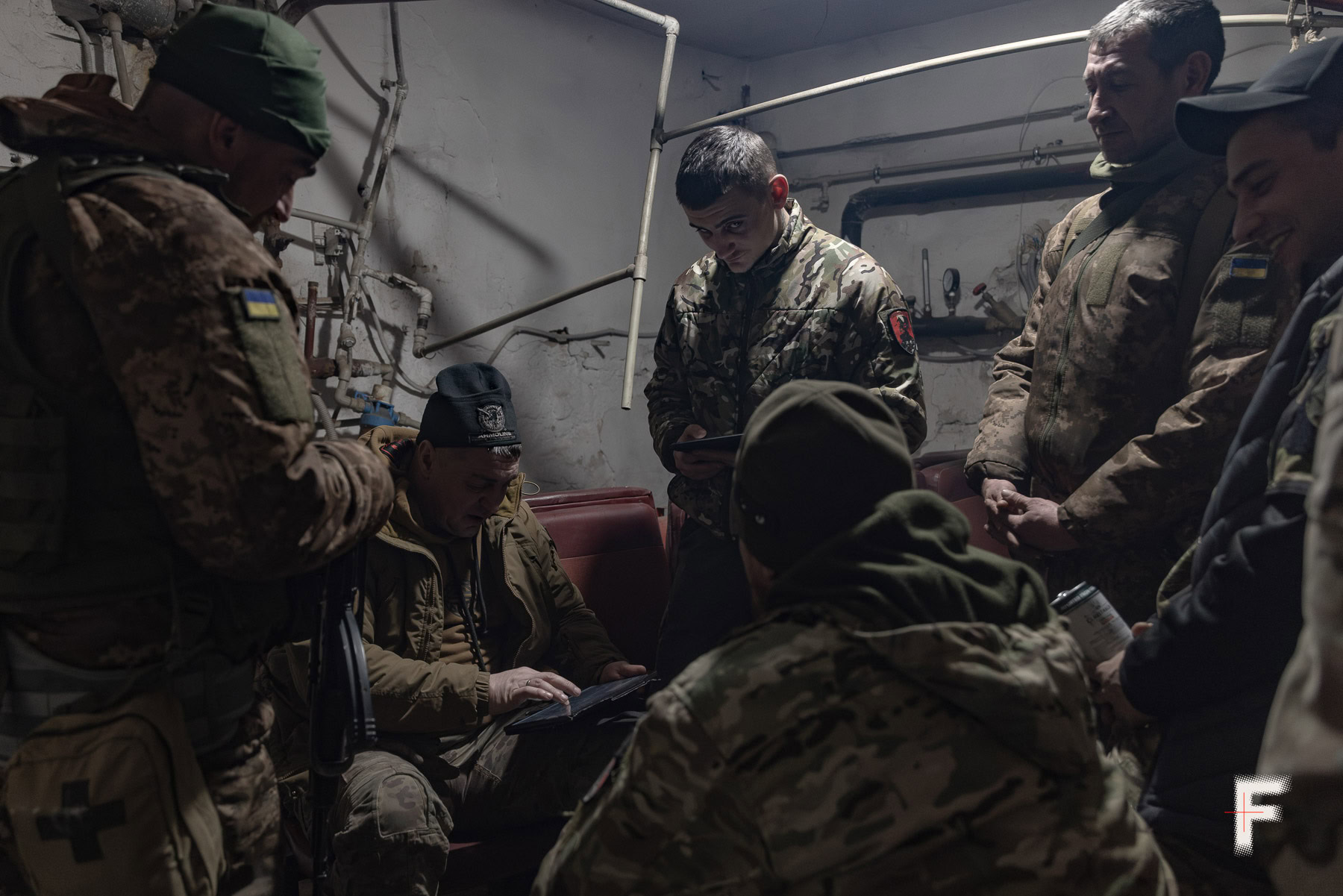
“Here ‘Perun’ is all about infantry. I personally saw him going off at the Company commanders: ‘Everyone works for the infantry. The infantry works for us, we work for the infantry,’” says ‘Liam’.
The commanders have no intention of leaving the situation as it is. And they make that clear to the recruits.
1st Assault Regiment’s reputation among prisoners
In 2024, the 1st Assault Regiment began recruiting in Ivano-Frankivsk, the home region of its founder, Dmytro Kotsiubailo, ‘Da Vinci.’ From there, recruiters gradually advanced from western to eastern Ukraine, and word of who they were quickly spread from prison to prison. ‘Jazz’ recalls:
“Sometimes we’d arrive at a prison, and they’d tell us that today, a hundred people went through the medical commission today because we were coming. They were waiting for us.”
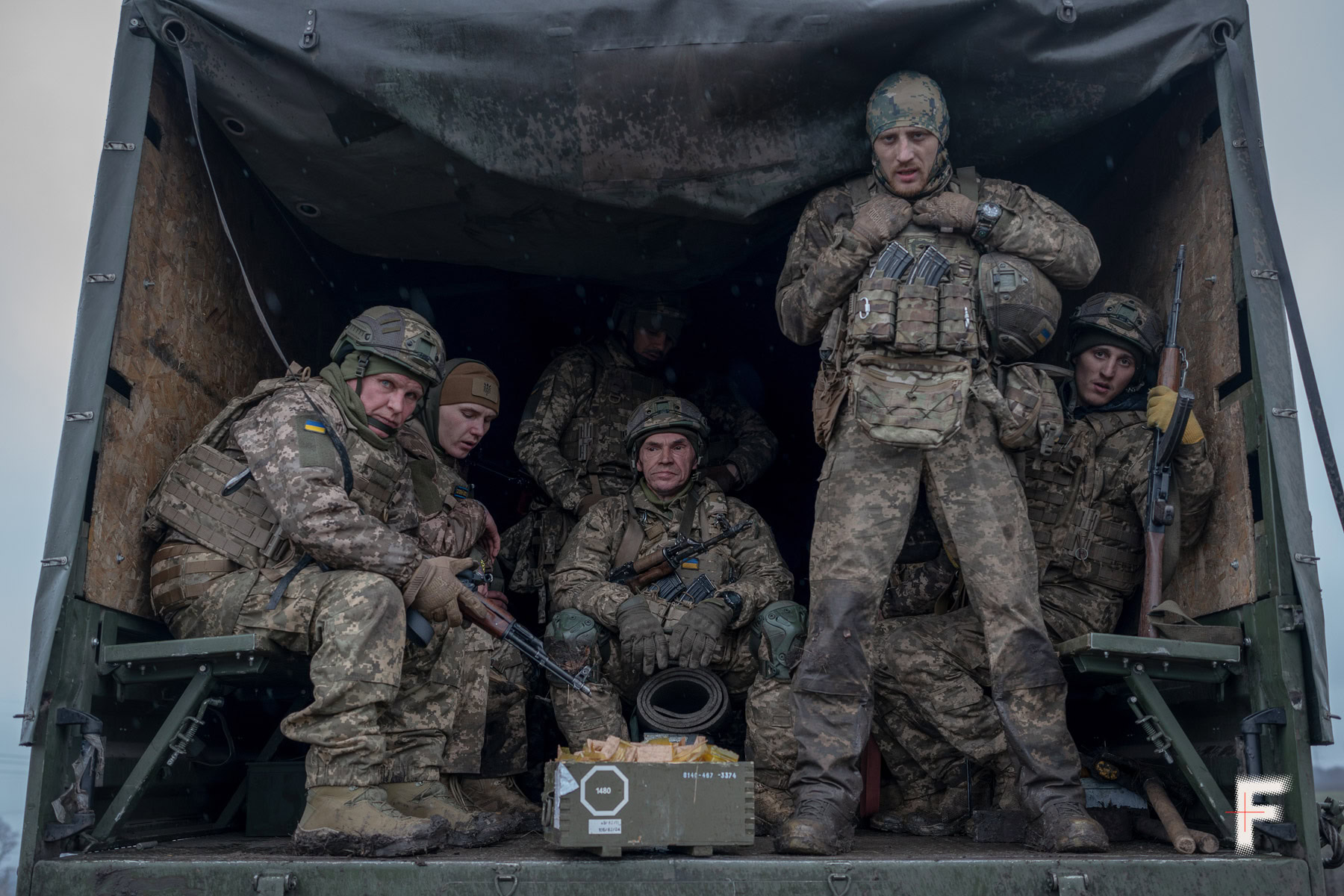
When the 1st Assault Regiment arrived at a prison in Dnipropetrovsk region, one of the inmates shouted to the others:
“Guys, I came all the way from western Ukraine. This is Da Vinci – these are some hardcore dudes!”
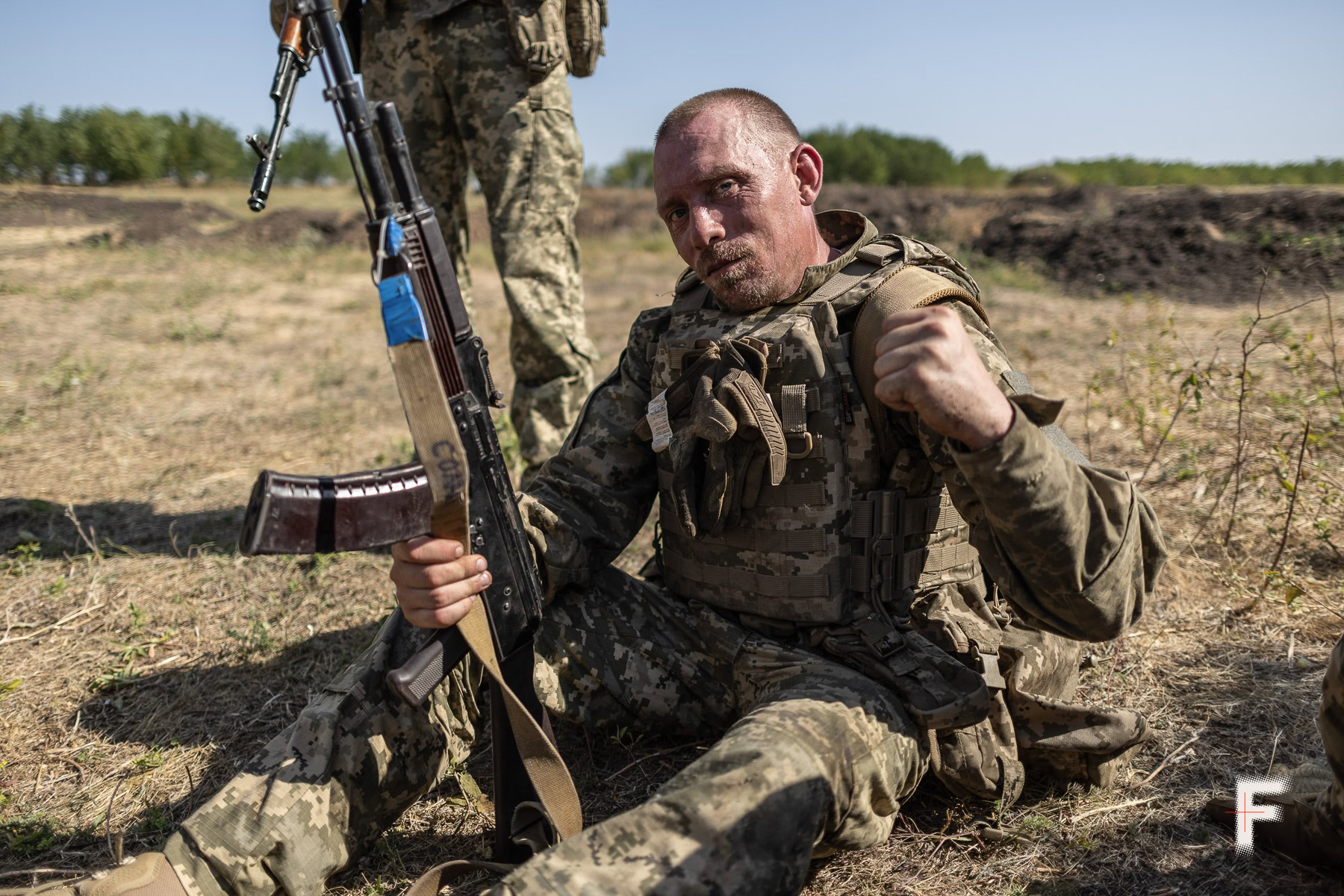
We don’t leave the wounded behind – we pull our people out,
Different brigades began competing for new recruits. In the first six months, the 1st Assault Regiment was able to enlist several hundred people per month, but later that pace slowed significantly. This was partly due to the poor reputation some units had among prisoners, contends ‘Jazz.’
Recruits now training at the Shkval range of the 1st Assault Regiment confirm it. Even before they signed their contracts, they had heard how in some units commanders were sending their own men to their deaths. For Serhii, callsign ‘Pirate,’ the choice of unit was no accident. While in prison, he closely watched which units were recruiting which prisoners. Some, he noticed, accepted elderly men or those with disabilities. The 1st Assault Regiment did not. So two months ago, he chose to join the Da Vinci unit.
“The guys here are solid. We’re Shkval, assault troops. We don’t leave the wounded behind – we pull our people out,” ‘Pirate’ says.
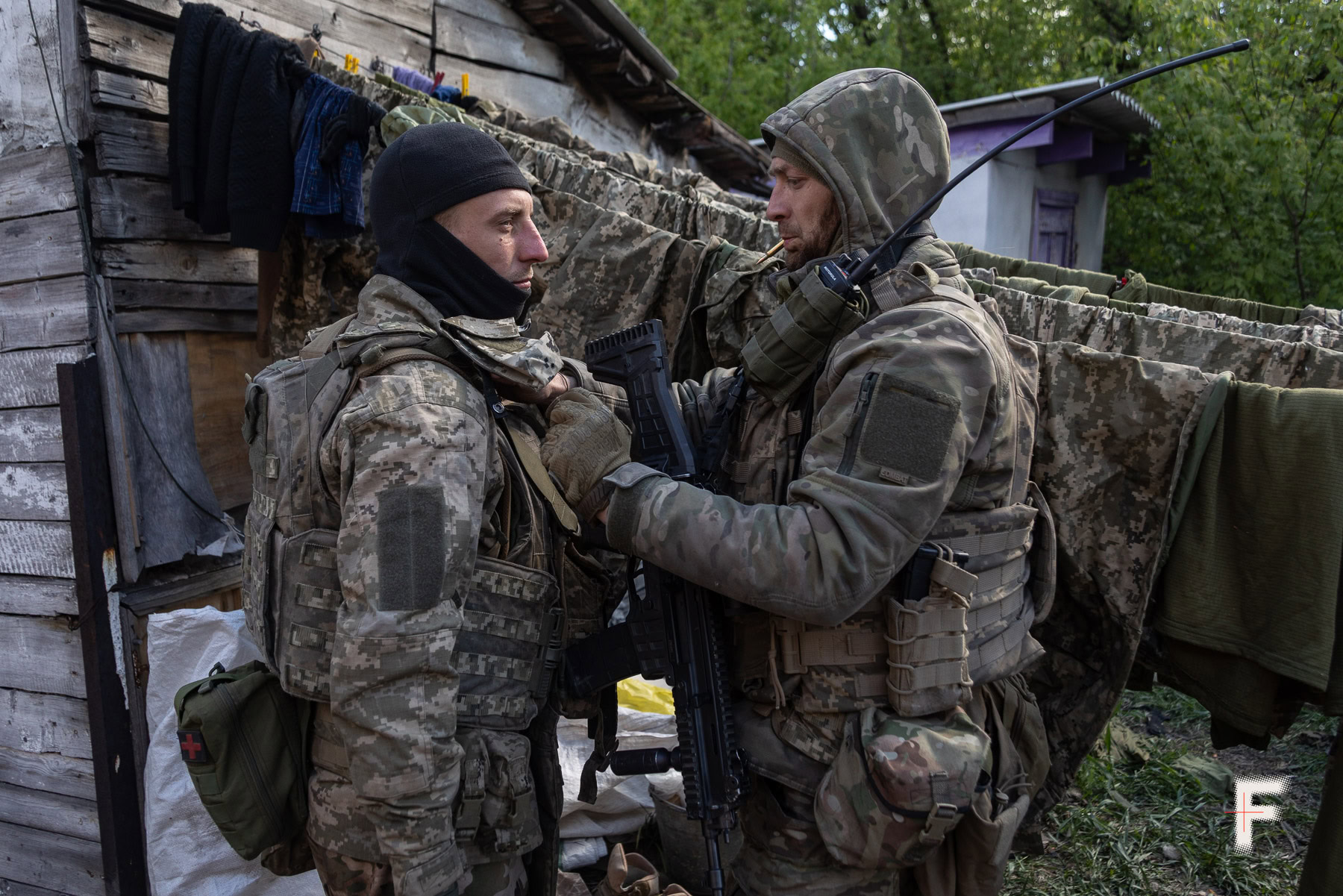
Former inmates train at a dedicated range
‘Jazz’ says that Shkval is the battalion’s most capable infantry unit, in large part because the 1st Assault Regiment offers one of the most comprehensive training courses among Ukrainian units.
Former inmates are taught by seasoned instructors who fought alongside Dmytro Kotsiubailo. They are battle-tested practitioners, passing their skills directly from hand to hand. Because of such rigorous training, the battalion didn’t see its first casualties until months into frontline combat.
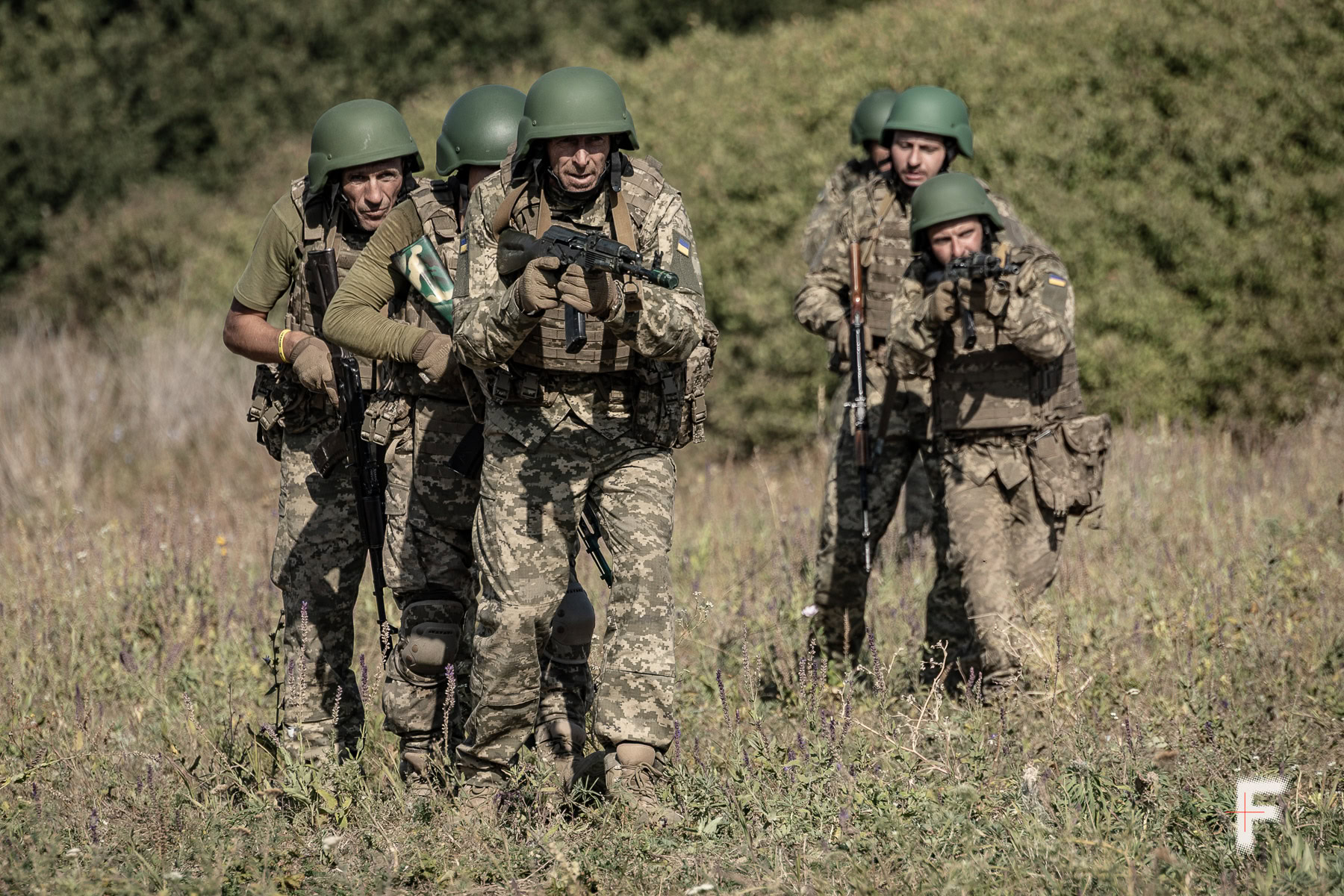
Former prisoners have a separate training range. New recruits arrive here regularly and spend about a month learning before heading to the front lines. They train six days a week, starting each day with general fitness drills, CrossFit, and running. Recruits also attend classes on weapons, Kropyva training for planning and navigation, tactics, combat medicine, and de-mining.
[Translater’s note: Kropyva is a widely used Ukrainian combat software and hardware system created by the volunteer organization Army SOS. Developed in 2014 to support the Armed Forces, it allows units to create situational maps, navigate, direct artillery fire, and coordinate actions.]
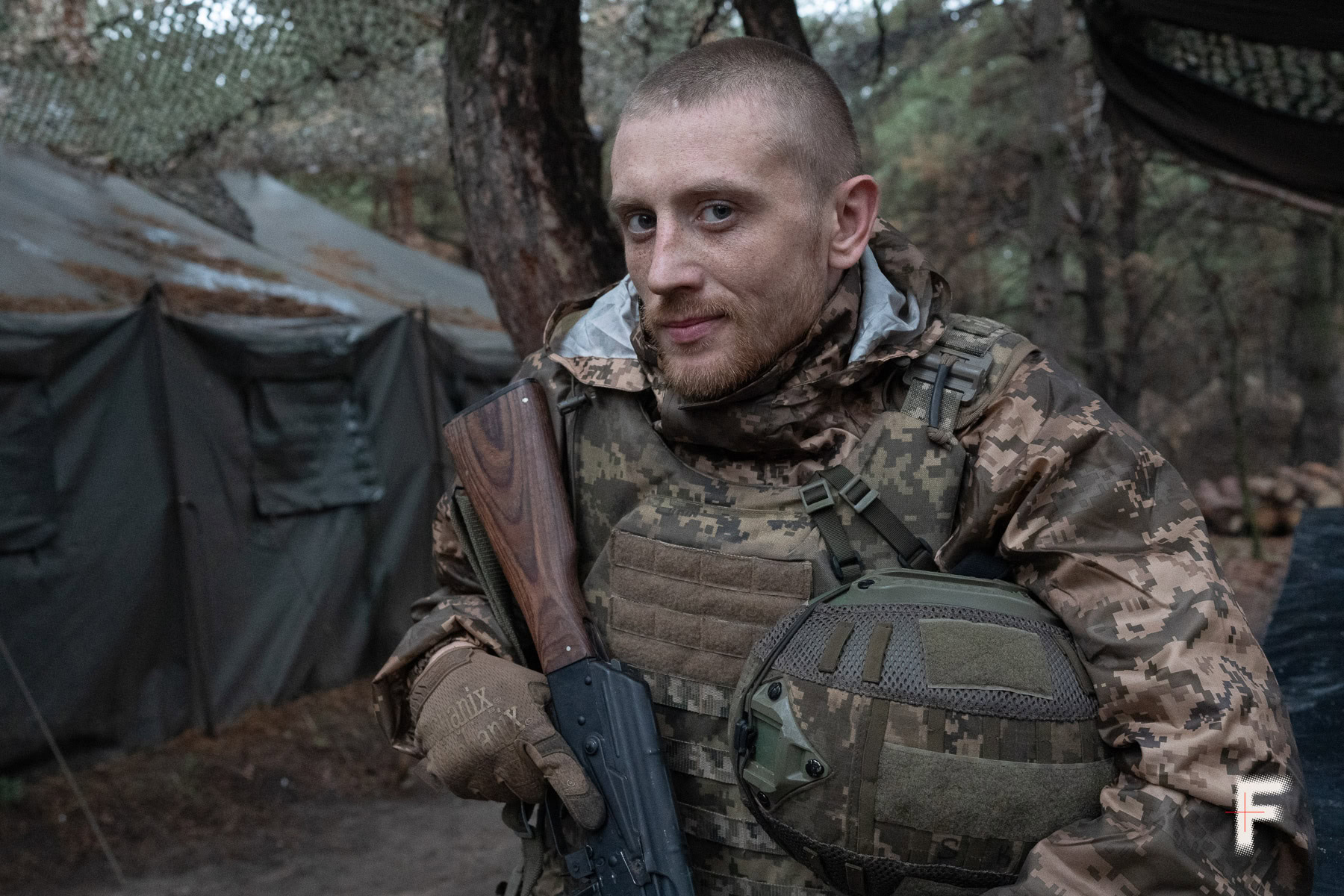
Dmytro still had a year and a half remaining on his prison sentence. But he says he must take up arms. Dmytro is at the midpoint of his training. In just two weeks, he’ll be on the front lines. His eyes blaze with anticipation as he talks about going out on his first mission.
They don’t prepare cannon fodder here. They train us to be a real
fighting unit,
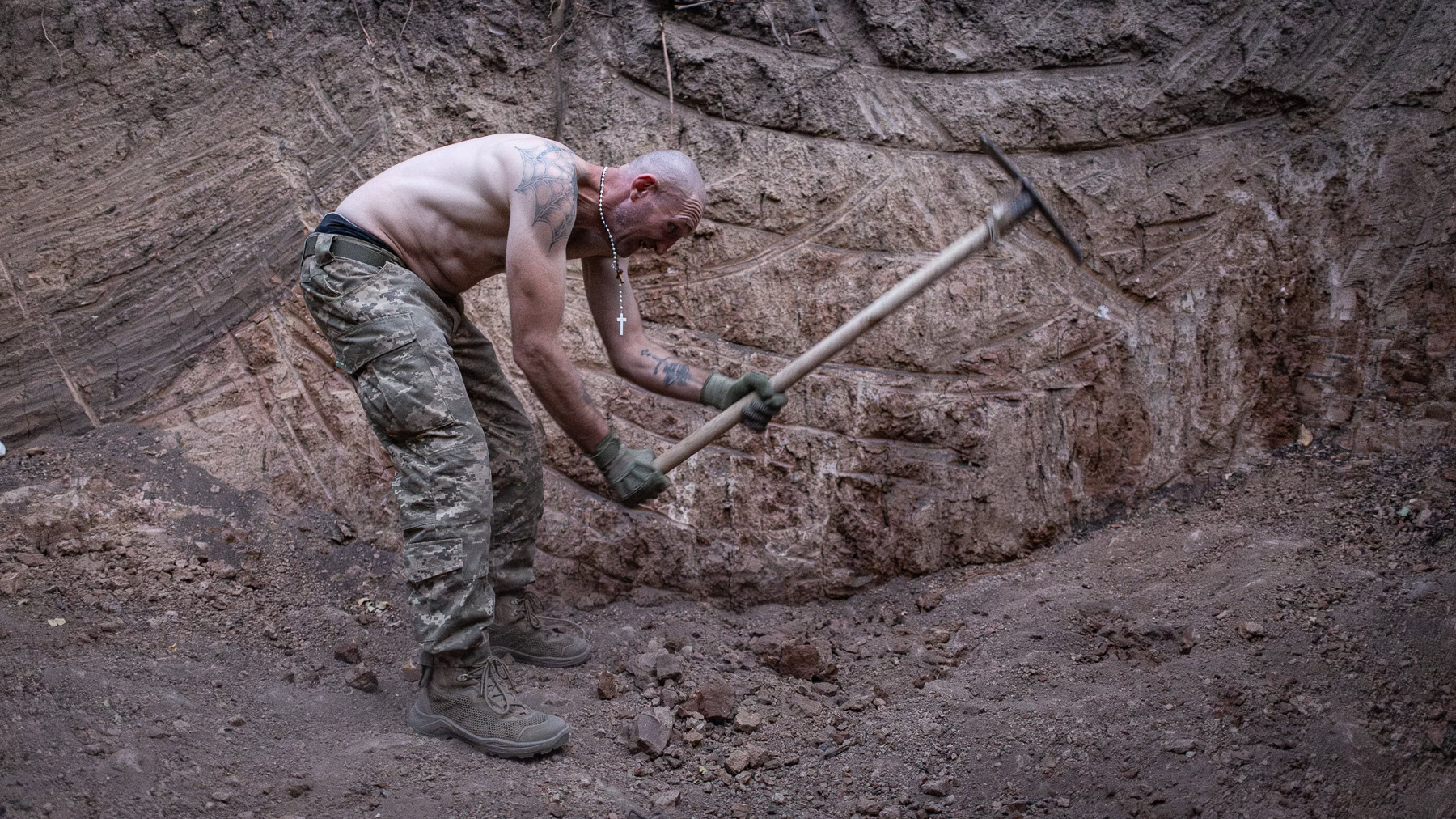
Fog blankets the pine forest as the next training session approaches – formation. One of the new recruits is late, and the entire line has to wait for him. The young man lumbers through the mud, each step squelching under his boots. The men’s patience wears thin, and they start cursing at their comrade to hurry up. When he finally reaches the formation, the commanders reprimand him and make him drop for push-ups. Many volunteers say that in the 1st Assault Regiment, people are judged by their actions – if you do right by others, the commanders notice.
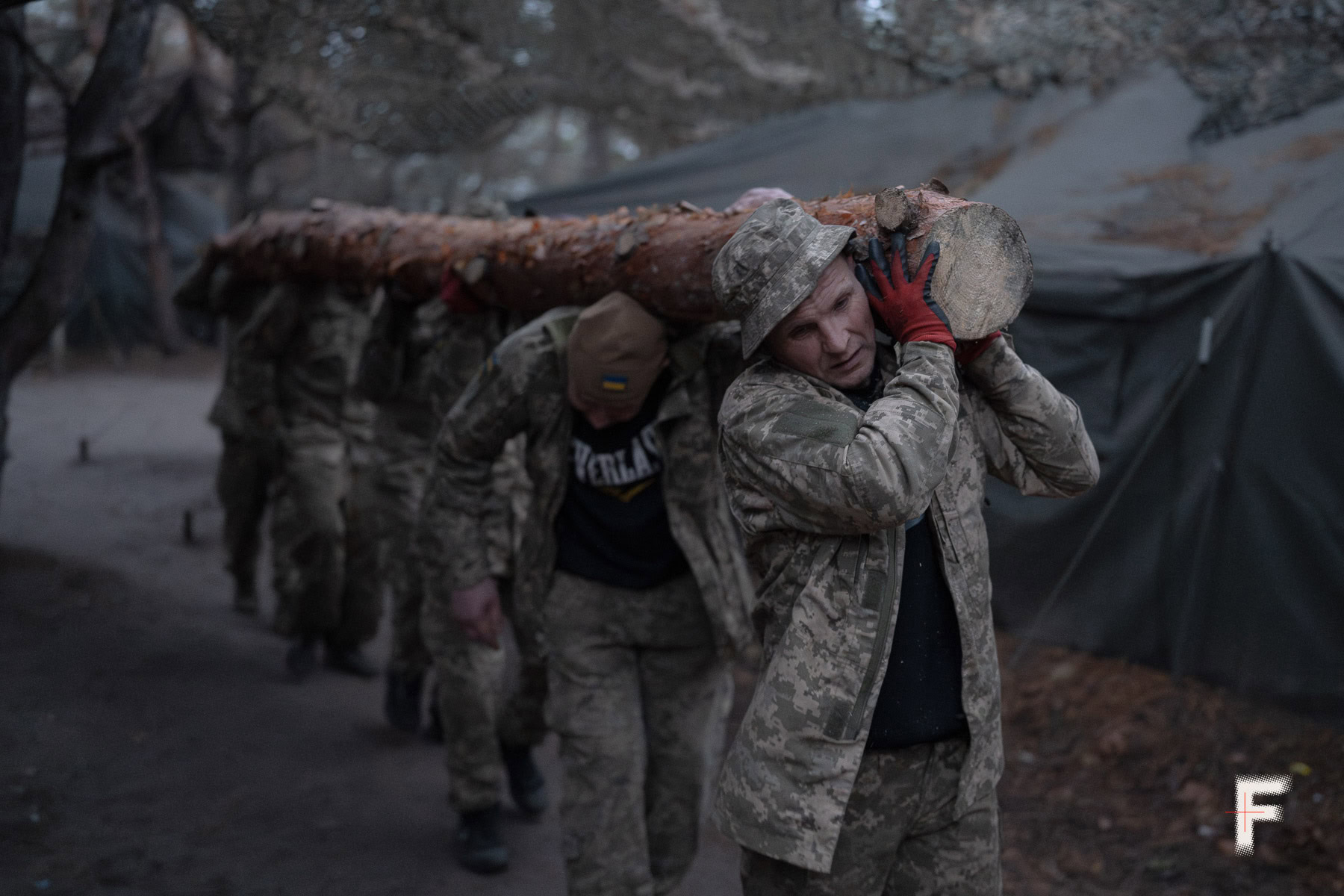
With no legal foundation for the promised rights, commanders are taking it upon themselves to push for change. Since the start of mobilization, former inmates can only rely on luck. If they are fortunate with their unit and commanders, they will be supported, properly trained, and not given impossible orders. The commanding leadership even will look for loopholes to allow valiant soldiers to take leave or earn promotions. But luck isn’t always on their side. There is no law granting former inmates real guarantees. It means they feel restricted under the system, as they once did in prison.
Adapted: Irena Zaburanna