Shaping a new life: how a blind veteran builds a business through pottery
Serhii Railian, a veteran of the Russia–Ukraine war, is growing a pottery studio together with his wife. He hopes that what began as a form of therapy may turn into a source of true financial independence. The couple saves and reinvests a portion of their earnings and donates another share. Despite the steady demand, the couple faces high production and logistics costs. Frontliner reporting explores whether a small craft business can provide a stable livelihood for a veteran’s family.
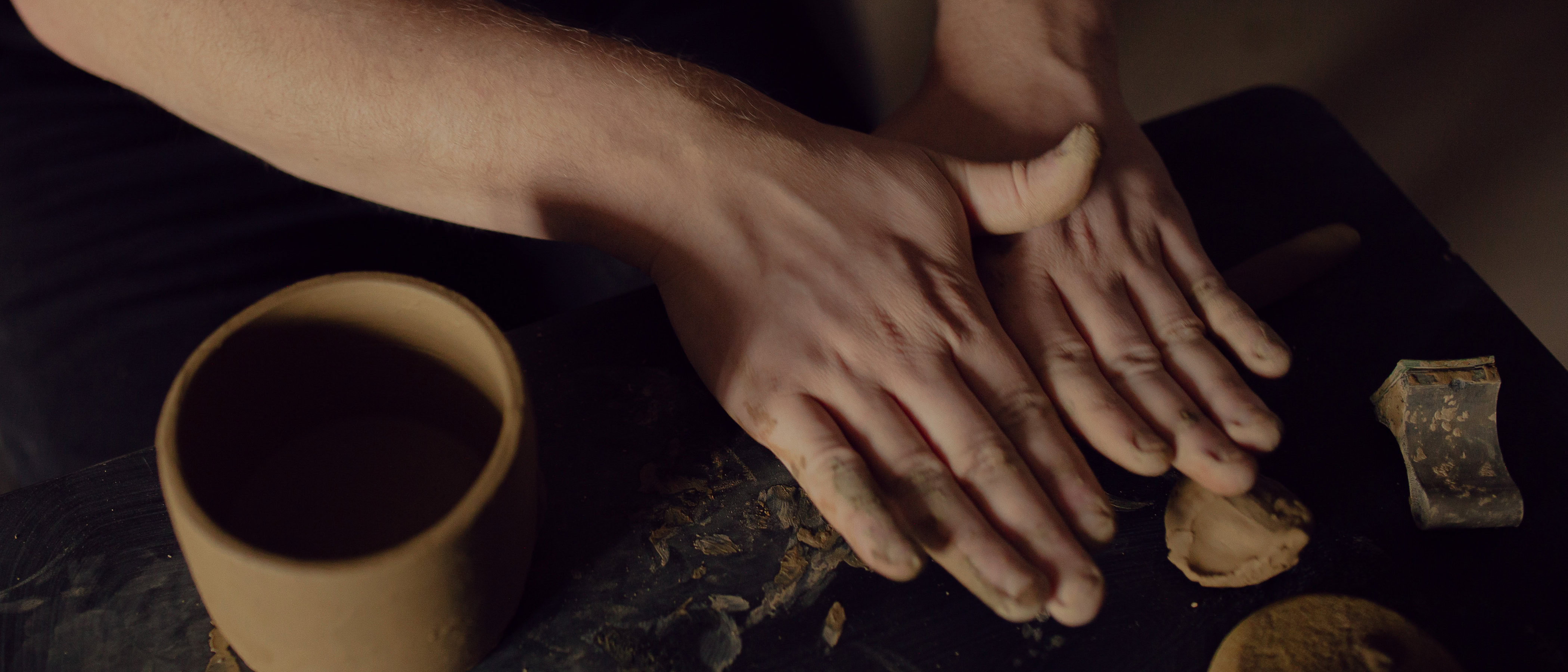
Serhii’s workshop is warm and smells of raw clay. He pulls a small lump from a sack, weighs it in his hand and centers it on the potter’s wheel. His fingers glide over the still-unformed vessel, checking the rim. He says he can feel when the shape begins to drift. His wife, Valeriia, stands nearby, watching quietly and ready to offer guidance if needed.
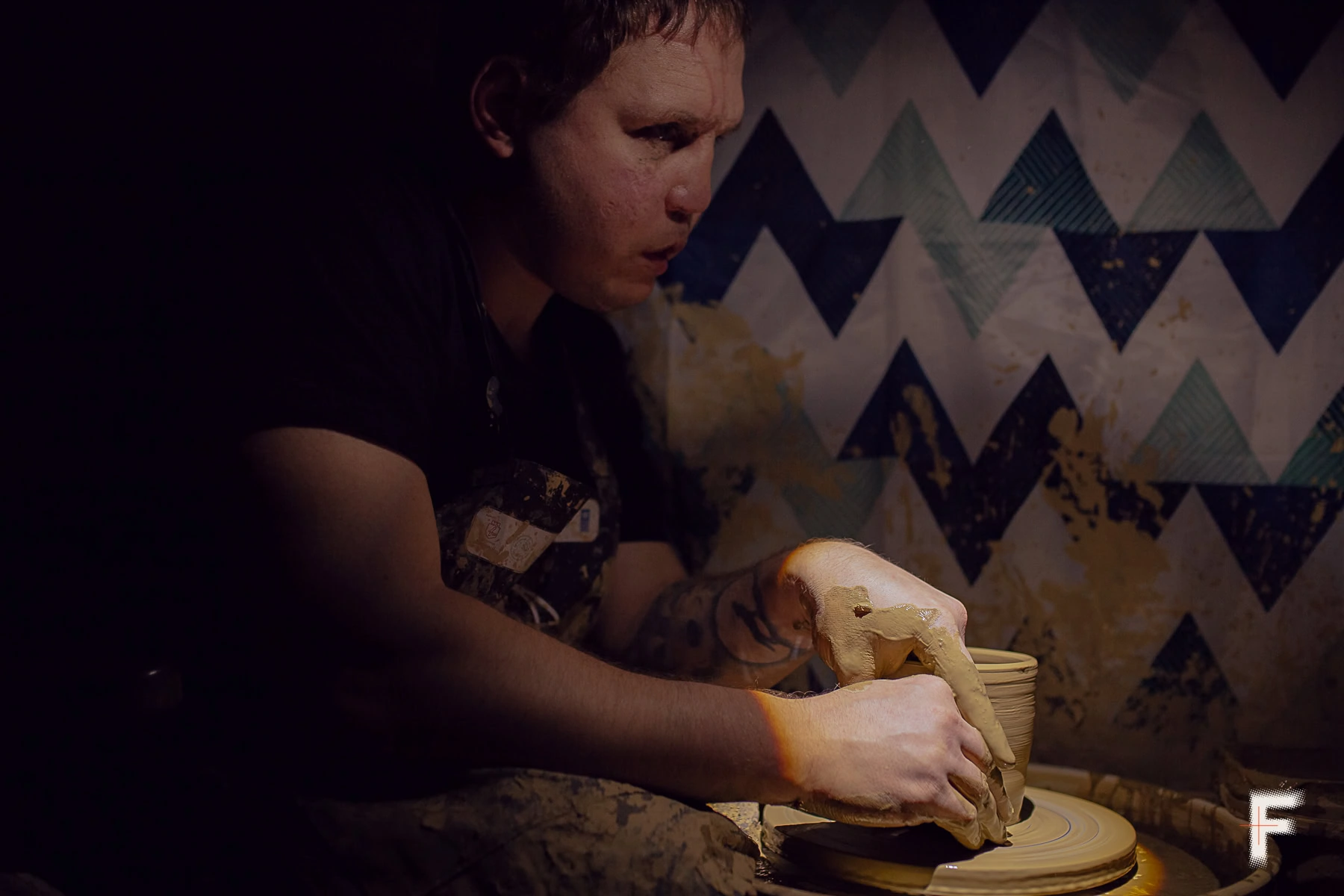
Now 29, Serhii enlisted as soon as he turned 18. He initially tried to join the Air Assault Forces, but was turned away for lack of prior military experience. He eventually served as an artilleryman in the Luhansk region, adding with irony that he was wounded near the town of Shchastia, a name that translates to “Happiness.”
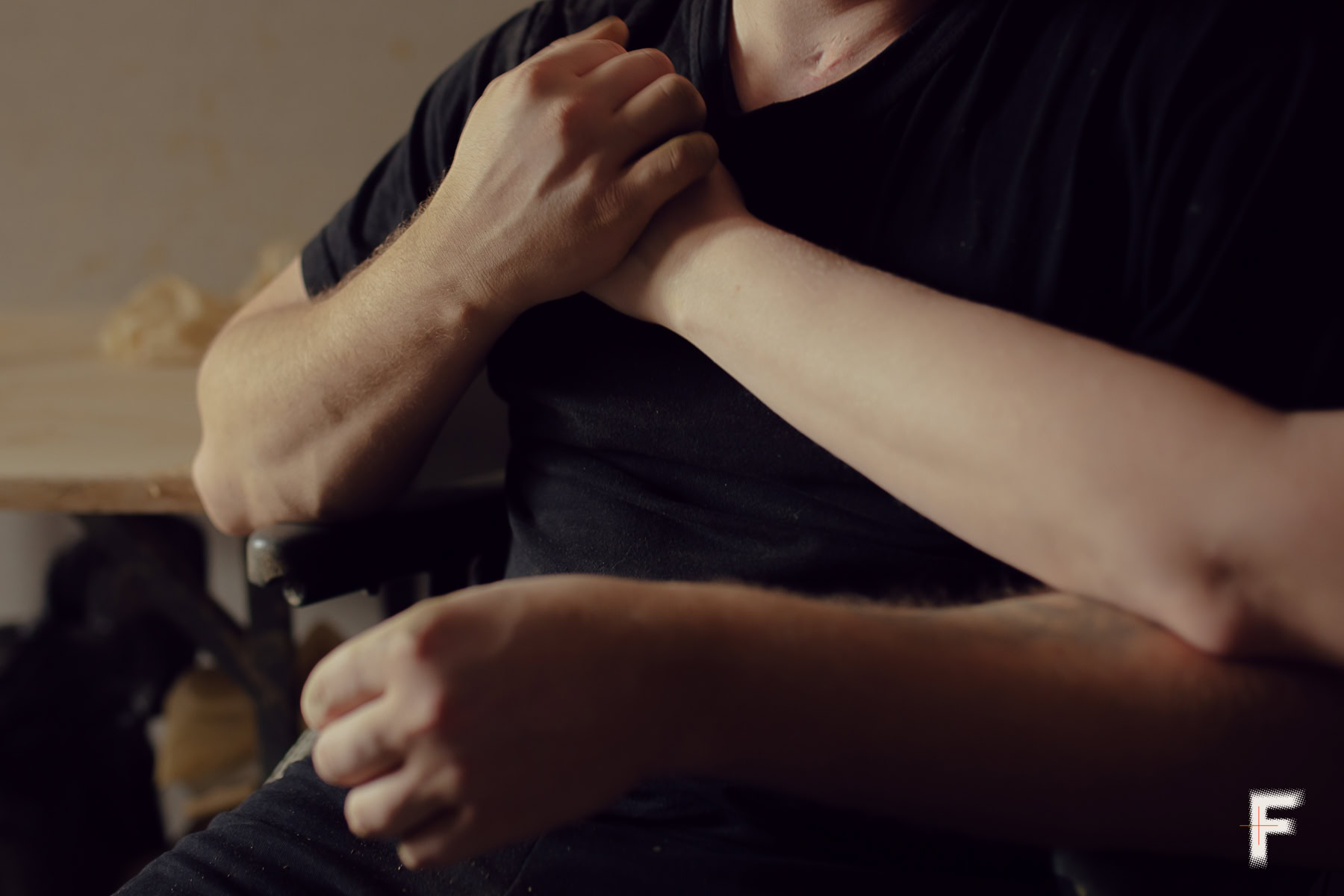
He suffered severe burns to his face, lost his sight and both of his legs. Since then, his wife has become his main support in everything. It was she who helped him find pottery, a craft that could keep his mind away from dark thoughts.

From training to the first investments: what it takes to start a pottery business
Serhii eventually joined “Pottery in the Dark”, a specialized program run by a pottery workshop that offered training for visually impaired people. At first, he refused the invitation to try it. He says he did not want to travel far from home. But his wife’s encouragement and the understanding that he could always come back if it did not work out, convinced him to give it a try.
“I started working with my hands and loved it immediately. At first, things seemed to be going well, and the instructor kept praising me. But after a month or two, when I saw the actual results, I wasn’t very happy with them. Still, during that time, I learned a lot and really sharpened my skills,” he recalls.
Upon completing the program, Serhii received a potter`s wheel as a gift. However, getting the business off the ground still required a significant investment in materials. Two tons of clay cost him 26,000 hryvnias (approx. $630). Basic shelving units cost about 1,500 hryvnias ($35) each. Significant funds were also spent on paints and glazes. The most expensive aspect proved to be the glazing and kiln firing.
-
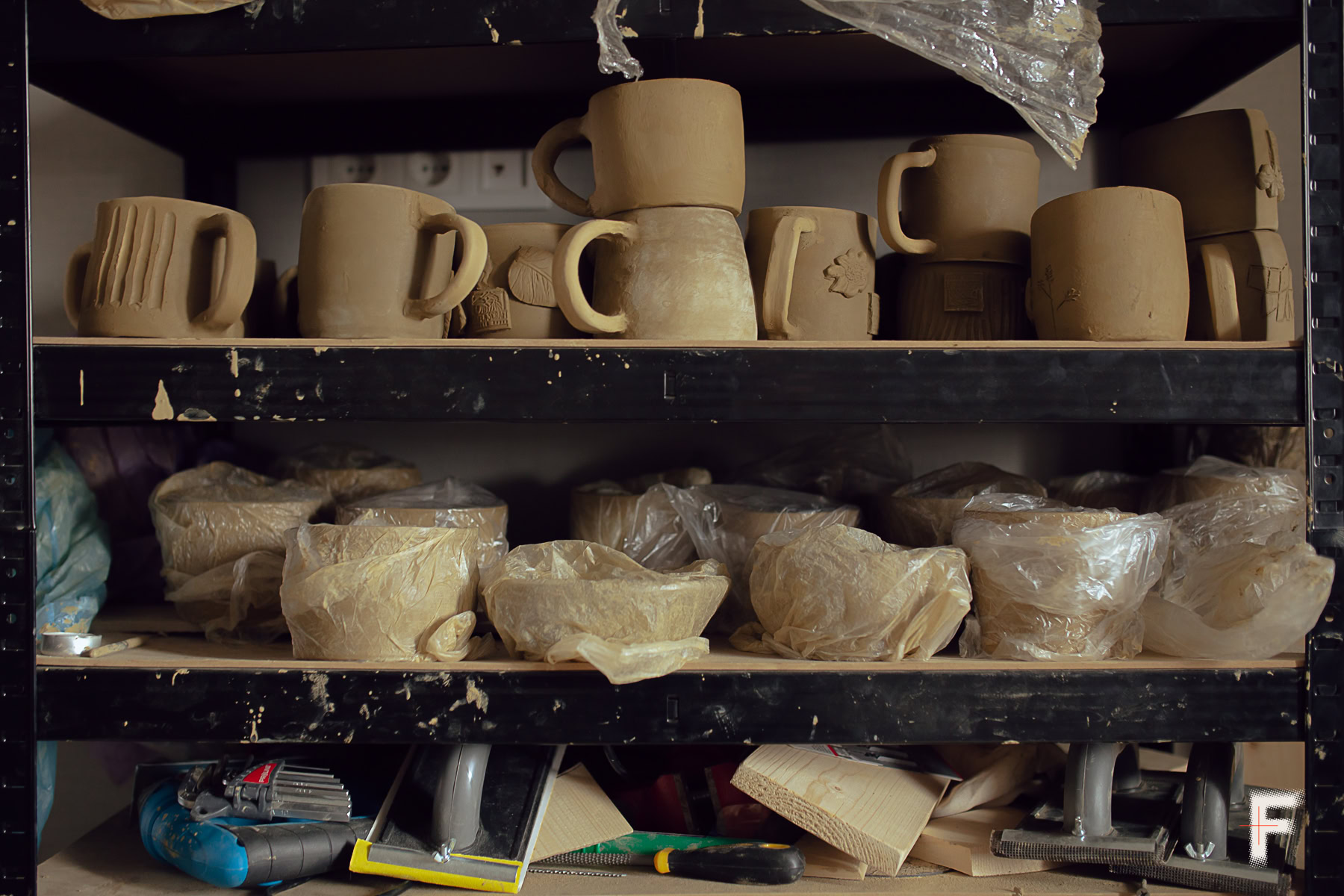
A shelf displays pottery made by veteran Serhii Railian, Kyiv, Ukraine, Feb. 24, 2026. (Anna Zubenko/Frontliner)

-
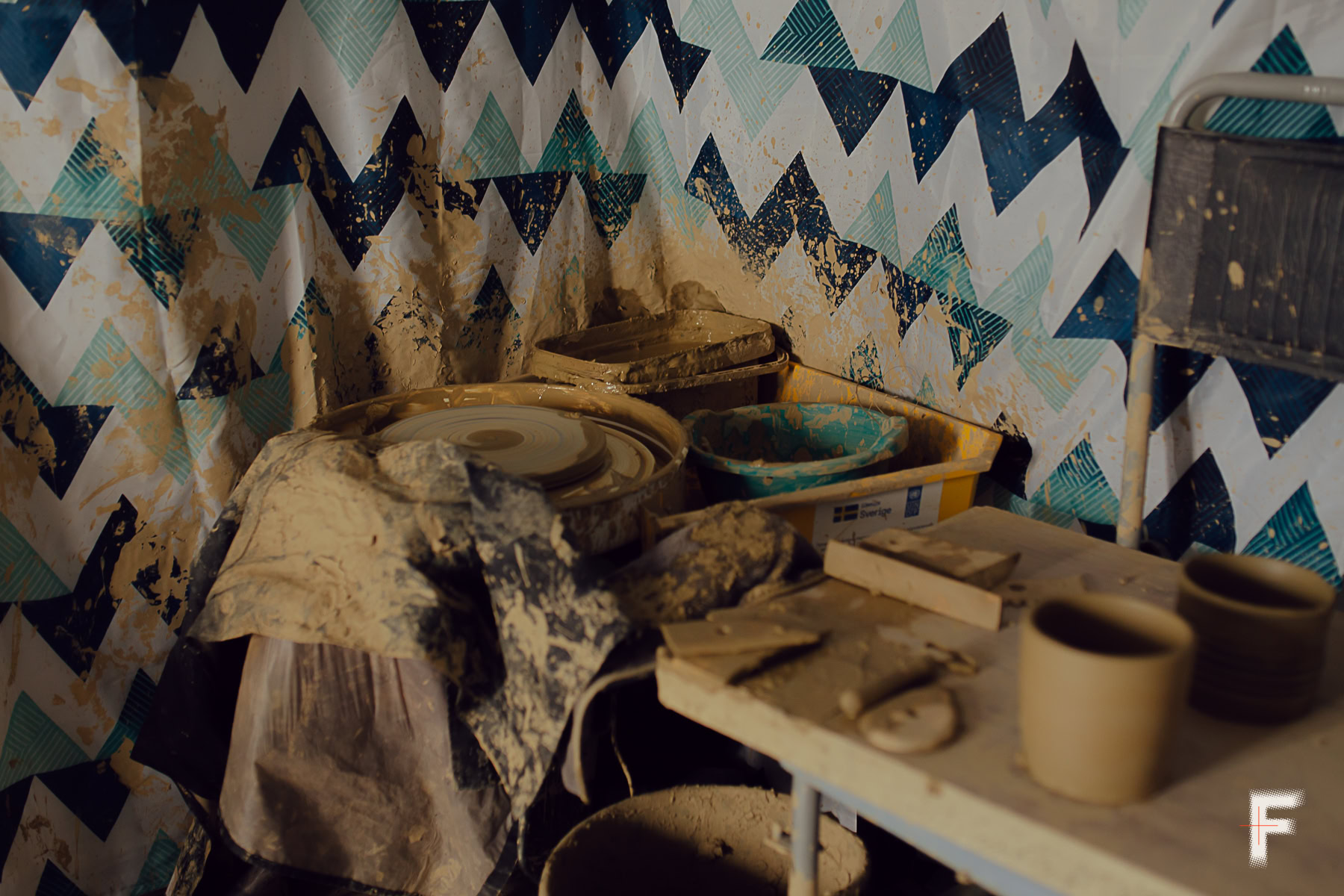
A potter’s wheel used by veteran Serhii Railian, Kyiv, Ukraine, Feb. 24, 2026. (Anna Zubenko/Frontliner)
“Glaze is a glass-like coating we apply to the surface of each piece. We’ve spent about 40,000 hryvnias (roughly $1,000) on it so far. Firing a single cup costs about 100 hryvnias ($2.50), and that’s before you even factor in logistics,” Serhii says.
The pottery is fired in coal-fired kilns, with the initial firing reaching temperatures of around 1,740°F (950°C). Serhii notes that this stage is critical for quality of the piece and essentially determines whether a piece will sell well.
When asked how he managed to cover the start-up costs, Serhii explains that he relied on his personal savings and military pension.
“Total startup costs were about 130,000 hryvnias ($3,200). We’ve already recouped about half of that through sales,” the veteran explains.

In his first three months, Serhii brought in approximately 70,000 hryvnias ($1,700). These early earnings were bolstered by the fact that a workshop in Vinnytsia initially handled his kiln firing free of charge.
Selling 100 pieces to cover the family’s expenses
Serhii creates and sells ceramic cups, plates, and vases, while also experimenting with hand-built designs. On average, it takes at least a month to finish a single piece.
“On the first day, you shape it. On the second and third, you decorate it. Then it spends about two weeks in the kiln and another three days cooling down,” he explains.
Under tougher conditions, such as during power outages or when the heat is off, the process can stretch to three months because earthenware dries much slower in the cold. Some items inevitably crack or warp before they are even finished.
The clay guides you.
Sometimes it just refuses,
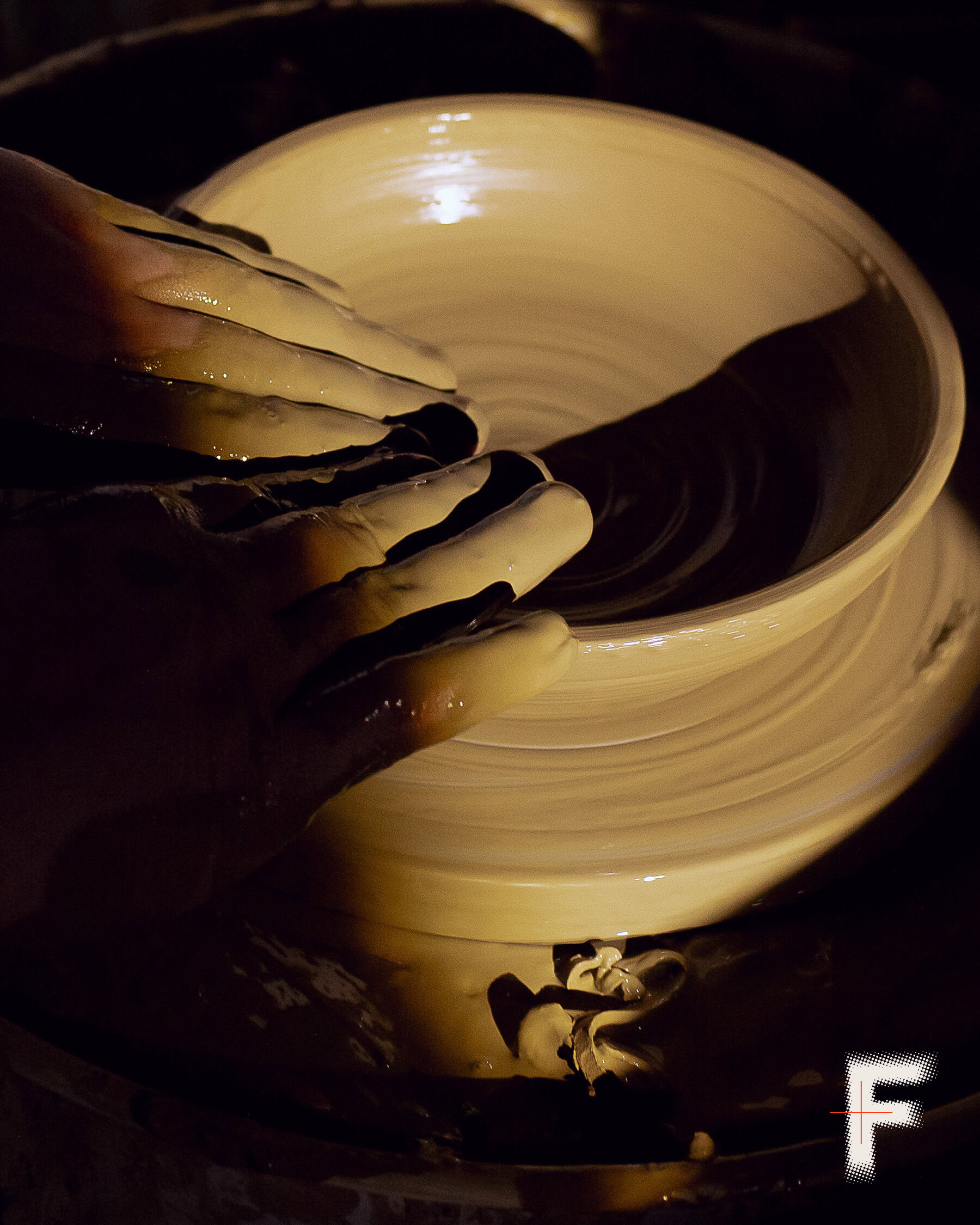
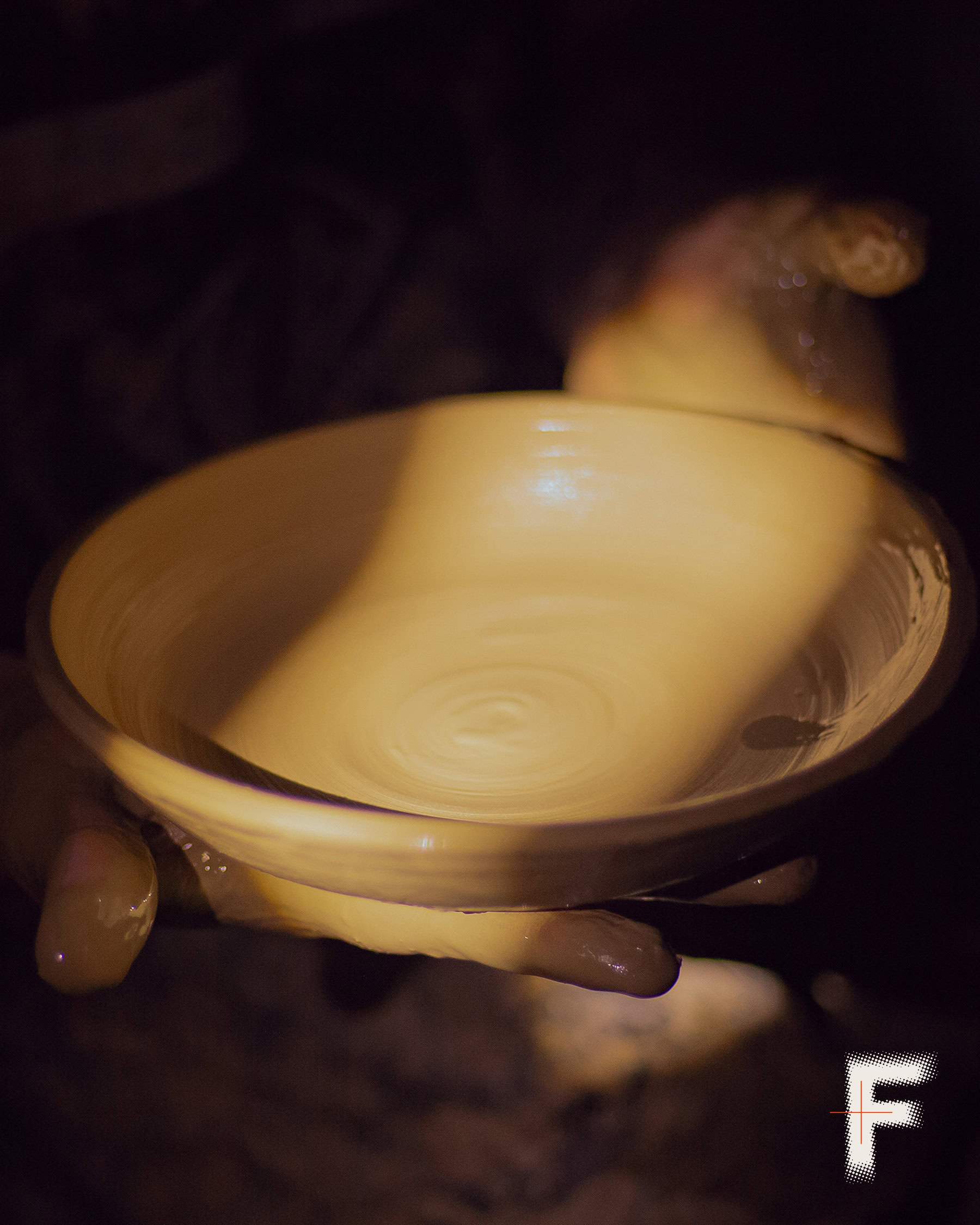
During a productive month, Serhii can craft up to 300 clay pieces. However, the couple only needs to sell about 100 of them to cover their basic living expenses. Standard items sell the fastest, whereas custom orders are more time-consuming, leading him to produce several backups at once.
“When someone asks for something specific, you make a few versions of it,” the veteran says. “If someone orders a cup with a frog on it, you make three. One might crack, or a piece might fall off during the process.”
Serhii admits he does not enjoy making custom orders. They make him anxious, because he worries whether the customer will like the result. For him, pottery is primarily a form of meditation. When he sits at the wheel, he prefers the freedom of not knowing exactly what shape the clay will take.
“The clay guides you. Sometimes it just refuses to narrow, for example. Or, on the contrary, it spreads out too much. A lot depends on the material itself. You work with it and feel that this piece wants to take a certain shape,” Serhii says.
We’re operating at a profit, which
allows us to donate to the war effort,
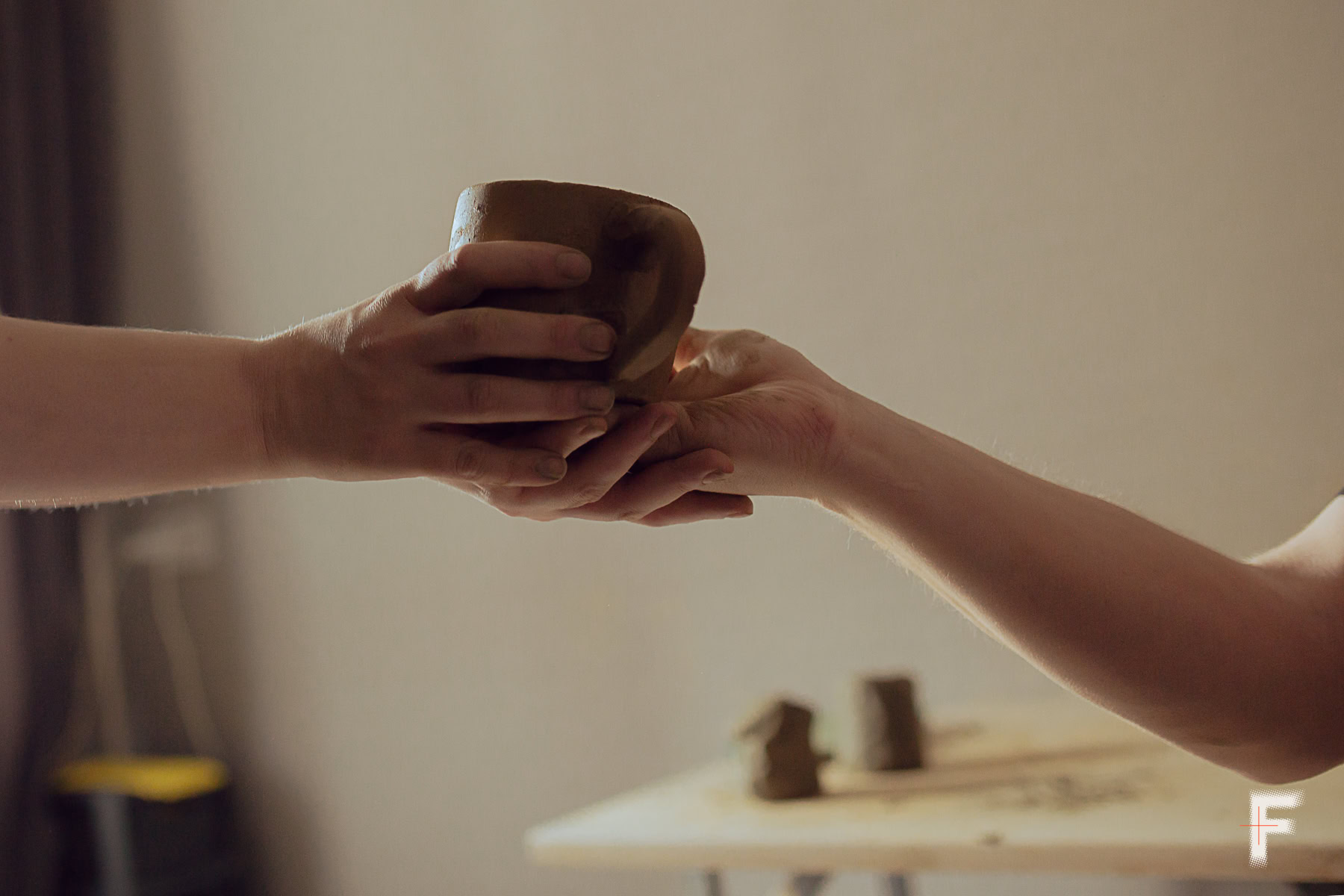
The average price of a cup is about 800 hryvnias (roughly $20). For now, the couple sells their work through a Telegram channel. They plan to launch a dedicated website later, once they have a wider range of products and more stable production.
“Yes, it pays off. Not as much as we would like, of course. But overall we’re operating at a profit, which allows us to donate to the war effort,” Serhii says.
Serhii’s wife handles packaging, shipping and purchasing materials for the workshop. They factor all labor and overhead into their pricing, yet Serhii notes that some customers are still taken aback by the cost. “People sometimes think a cup should only cost 50 to 100 hryvnias ($1.25 to $2.50). But this is handmade work. It has to be priced accordingly. Even the raw production cost is around 300 to 400 hryvnias ($7.50 to $10). and that’s before you account for logistics, like delivering pieces or taking a taxi to drop off orders.”

Serhii sets aside a portion of the proceeds from his sales. For special projects or charitable campaigns, he occasionally sells pieces at a loss not even covering the cost of materials. In this way, even in its early stages, the business has become more than just a source of income, it is a way for him to support the causes he cares about.
Plans for growth: from basic gear to a professional studio
At the same time, the couple is careful not to rely solely on pottery. Serhii receives a military pension and reinvests a portion of his sales back into the business. He views the business as the foundation for his future financial independence, though he remains realistic: “You can be busy today, but who knows about tomorrow? Demand can always drop,” he notes cautiously.
Serhii and Valeriia dream of scaling the business, though they often discuss their ambitions with a touch of irony.
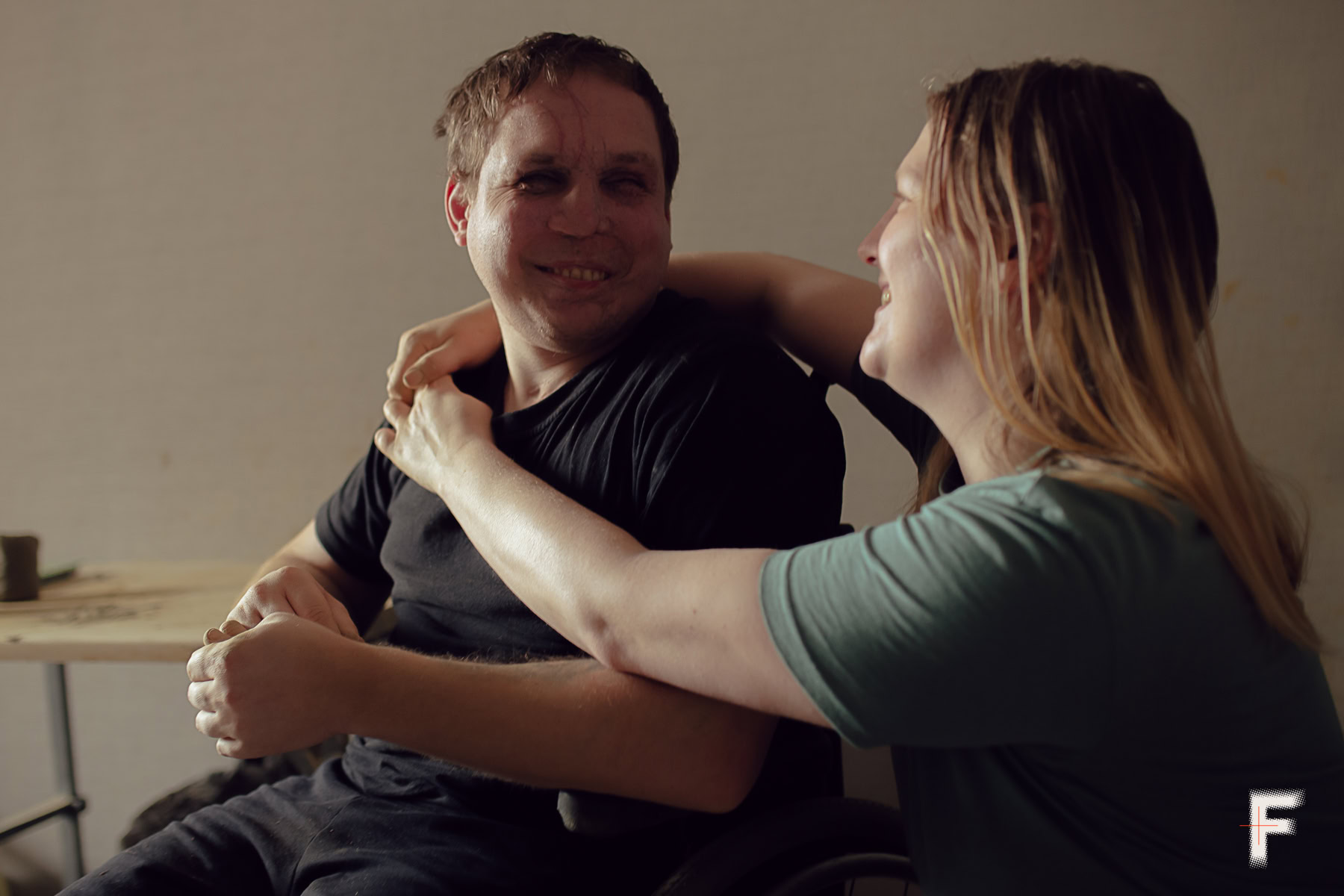
“I want 150-square-meter space on Khreshchatyk (Kyiv’s main street),” Valeriia says with a laugh. “I’d run a café on one side, while Serhii works at the wheel and leads workshops on the other. An assistant would whisk the pieces away to dry and glaze them on the spot. Ten girls are taking a masterclass. And meanwhile I’d be at home relaxing and playing games.”
For now, the reality is more grounded. They work with what they have. The pottery wheel Serhii received from his training program is a starter model. “It’s actually called the ‘Junior.’ I’ve already outgrown it,” he says. He hopes to upgrade to a professional-grade wheel and more advanced tools eventually. Expanding the business is a slow, methodical process. Serhii compares it to the long process of recovering from injuries, when you take one step at a time while keeping your eyes firmly on the future.