Recipe for revenge: High-profile operations of Ukraine’s intelligence services
Dedication, determination, and an unconventional approach prevail over scale. Ukrainian intelligence services have turned this hypothesis into an axiom, conducting dozens of successful operations since 2022 that will eventually be featured in textbooks. Yet, Ukraine’s intelligence history since independence is so brief that there has not been enough time to produce a homegrown “Bondiana” or release a well-known book series about Ukrainian secret agents. Below, Frontliner reports on the high-profile and legendary special operations of the Ukrainian intelligence services and the Armed Forces.
At the start of the full-scale invasion, Russian armored columns exiting Crimea via Chonhar occupied Melitopol and Berdiansk, and by March 1, 2022, they had encircled Mariupol. The Azovstal Iron and Steel Works, located on the coast at the mouth of the Kalmius River, became a defensive stronghold for Ukrainian forces and a refuge for civilians.
Air breakthrough to Azovstal
Casualties mounted as supplies dwindled, leaving the defenders with only small arms. Ukrainian intelligence, in coordination with Army Aviation, began planning an air breakthrough. The mission required helicopter pilots capable of penetrating a two-tier air defense network, bypassing SAM systems to deliver cargo to Azovstal.
Oleksii Hrebenshchykov and Ihor Kharchenko were the first pilots to successfully deliver cargo to Azovstal on March 21, 2022. In total, Ukrainian helicopter pilots conducted seven successful air breakthrough missions, penetrating 100 km deep into occupied Ukrainian territory and utilizing 16 helicopters. The pilots delivered food, water, weapons, medications and volunteer reinforcements. On the return flights, they evacuated the critically wounded. The special operation delayed the total fall of Mariupol to Russian forces by a month.
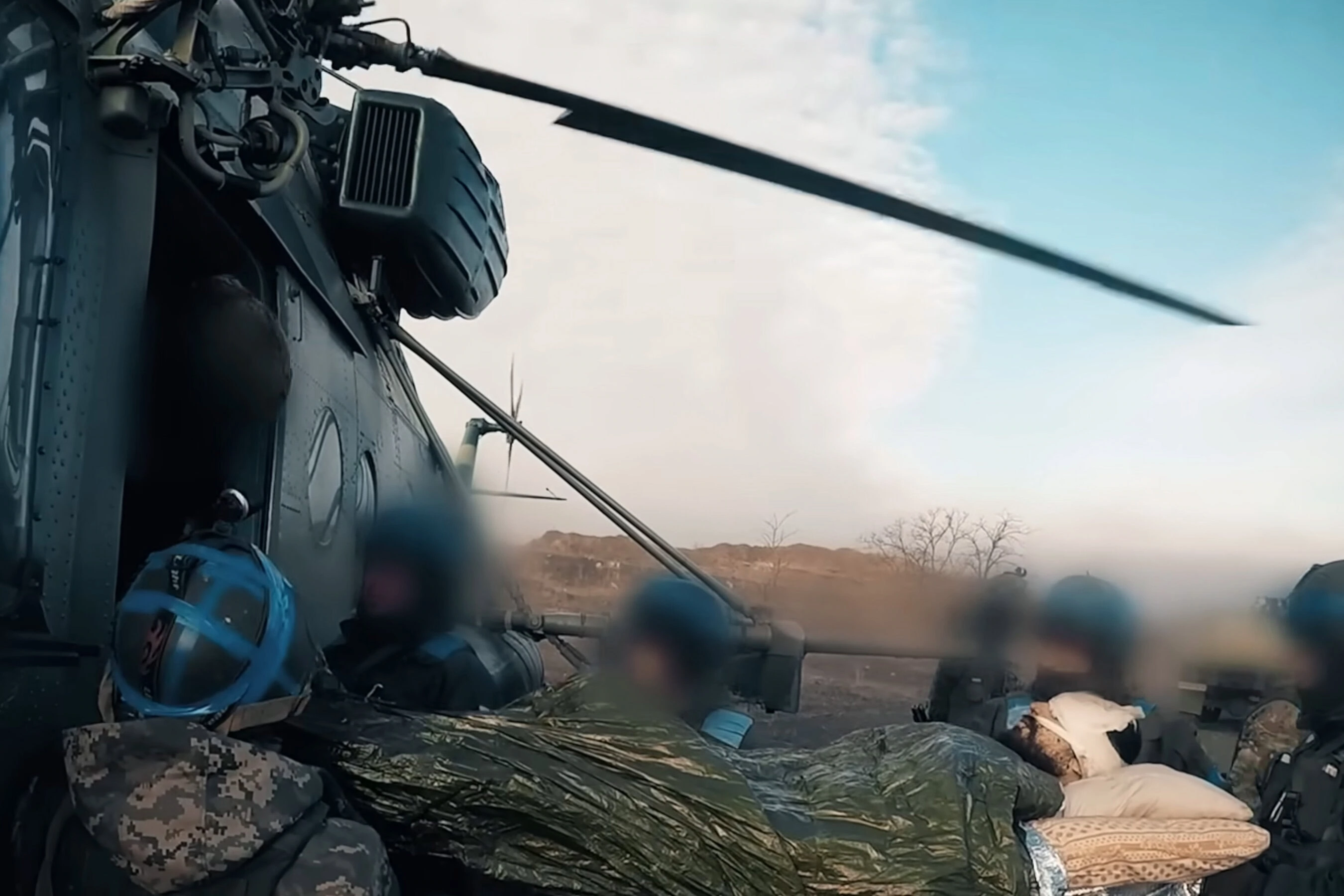
Another important outcome was the media coverage of the events at Azovstal. The first helicopter crews delivered Starlink terminals, which enabled the world to witness photos and videos of the Ukrainian resistance under extremely difficult conditions. As a result, partners increased both the volume and speed of military aid deliveries.
Azovstal remained the only place in Mariupol that enemy forces failed to seize. On May 16, 2022, the withdrawal of Ukrainian defenders from Azovstal began. On May 20, during a national telethon [United News] broadcast, President Volodymyr Zelenskyy stated that 90% of the pilots who participated in the mission did not return.
Destruction of the Black Sea Fleet
At the beginning of the full-scale invasion, Russia dominated the Black Sea: it seized Snake Island and controlled Ukrainian gas drilling platforms, de facto cutting Ukraine off from the sea.
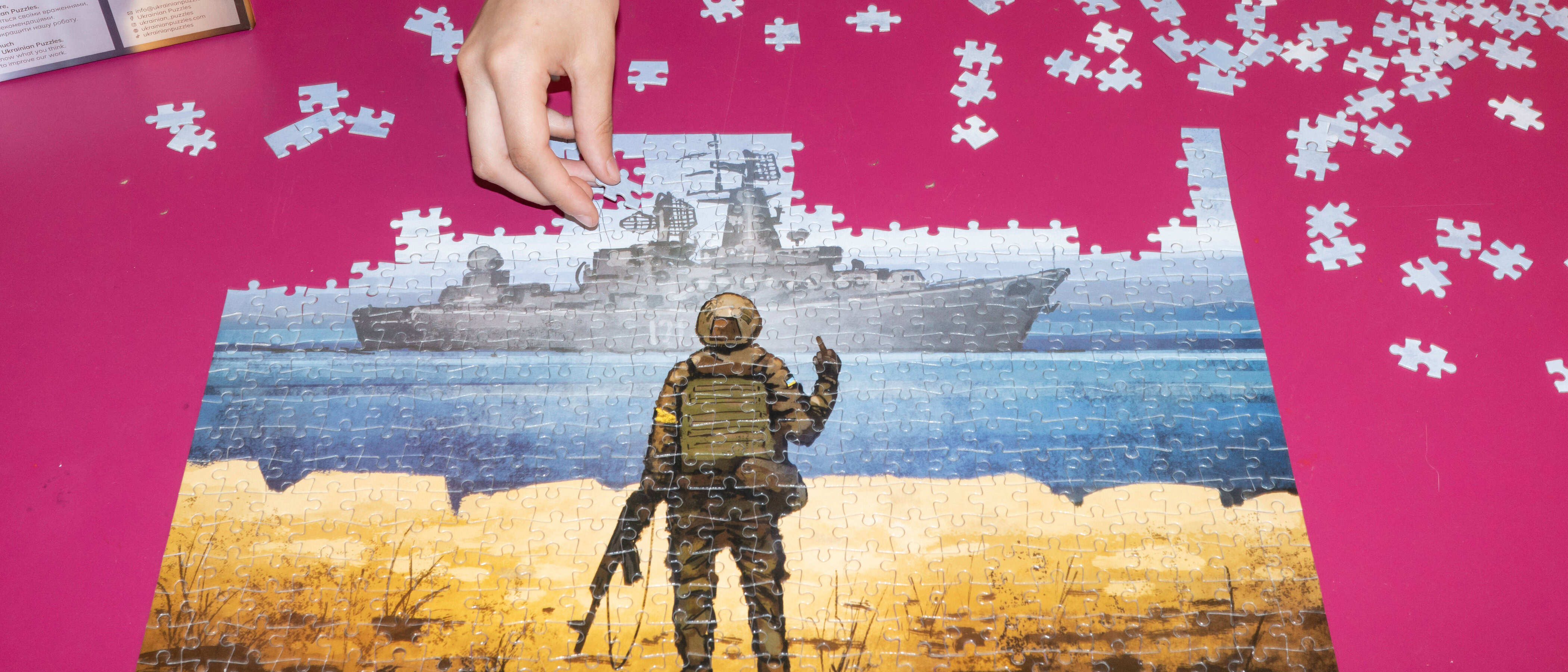
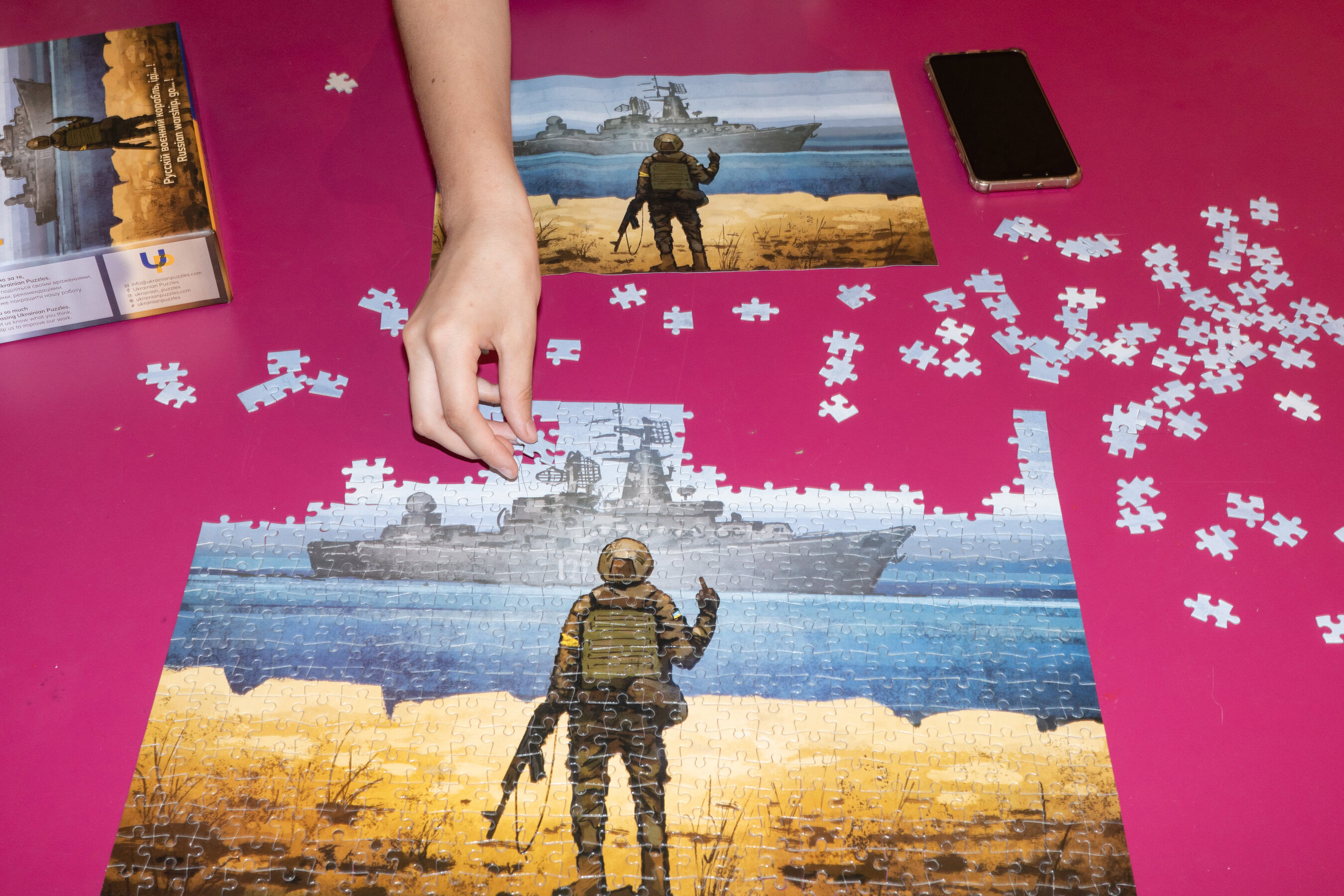
On April 13, 2022, Ukrainian missile forces struck flagship cruiser Moskva with two Neptune missiles. This action forced other Russian vessels to retreat from the Ukrainian coast, preventing a Russian amphibious operation on the shores of the Odesa region.
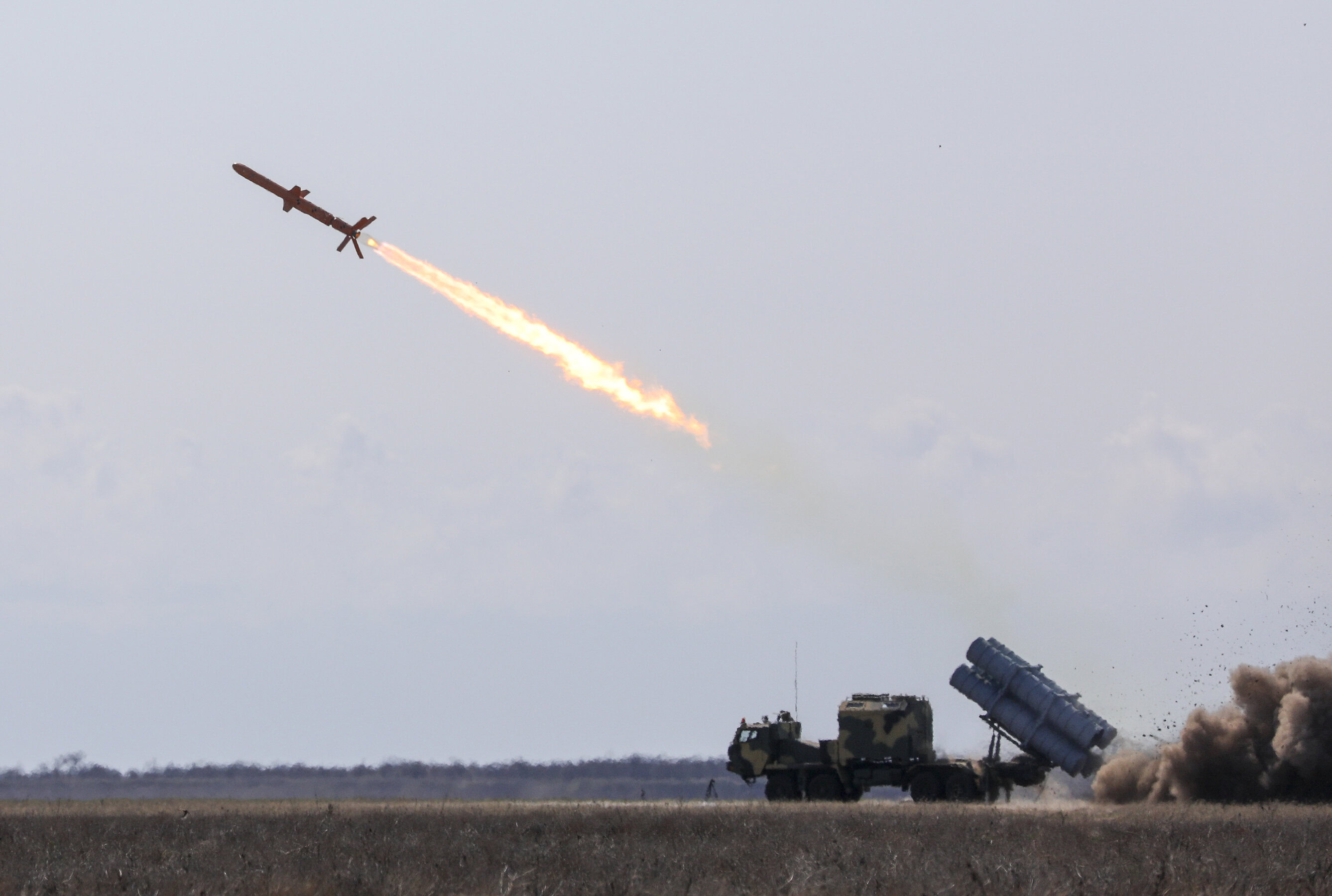
This operation marked the beginning of a strategy to destroy the Russian Navy, an effort that remains ongoing. On March 2, 2026, the Security Service of Ukraine, in coordination with the Defense Forces, destroyed the cruise missile carrier Admiral Grigorovich. As of March 10, 2026, official data from the General Staff of the Armed Forces of Ukraine indicates that 31 ships and boats, as well as two submarines, have been destroyed. Russian warships continue to follow the course set for them by Ukrainians.
A birthday gift for Putin
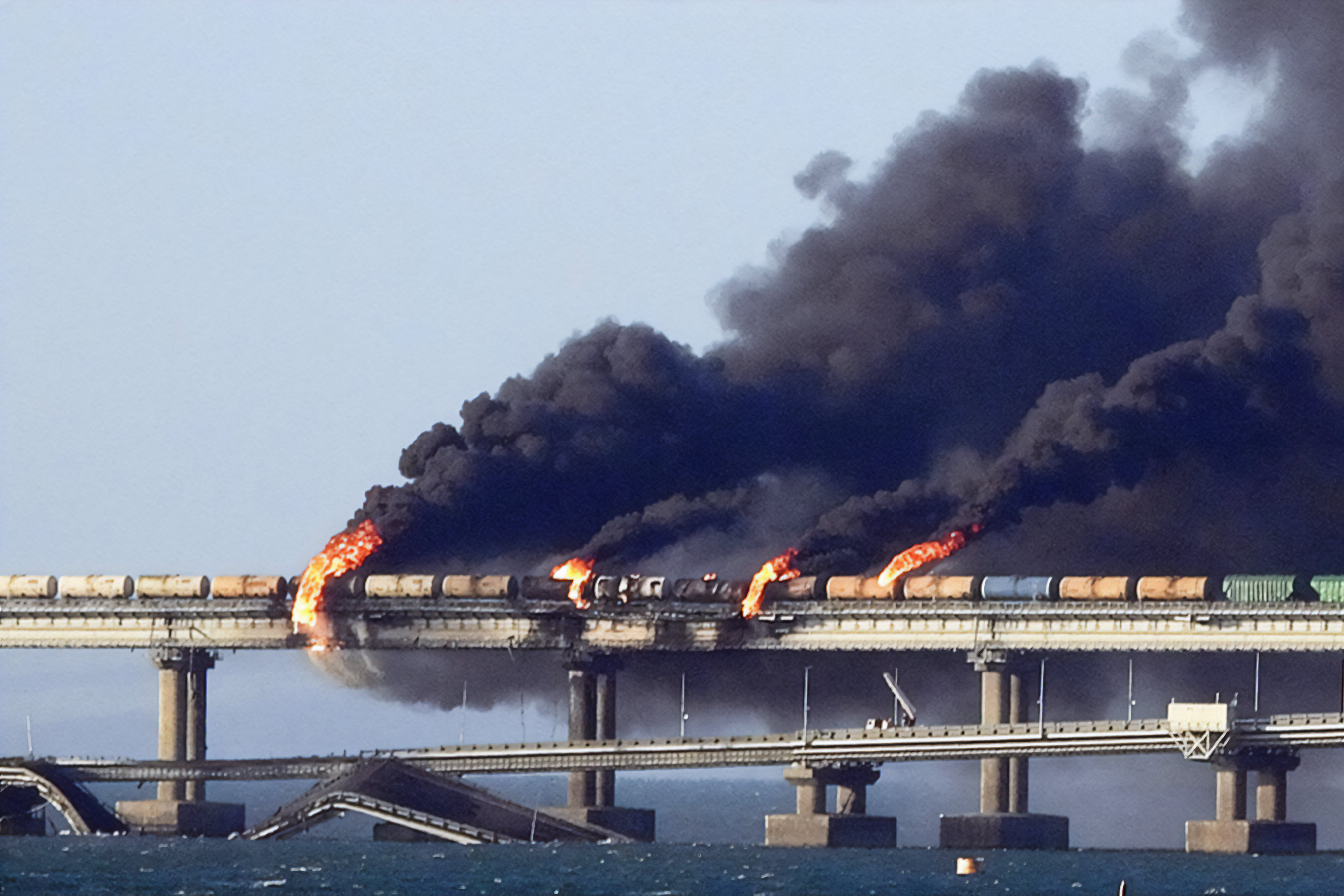
During the first six days of October 2022, the Armed Forces of Ukraine liberated 29 settlements in the Kherson region. To support its troops in southern Ukraine, the enemy relied heavily on the Crimean Bridge. Ukraine convinced its international partners of the bridge’s legitimacy as a target, consistently highlighting its military use. October 8, 2022, began with the news of a truck exploding on the Crimean Bridge. Ukrainian intelligence services prepared this gift for Putin for the day after his birthday. Since then, the bridge has burned with Ukrainian fury in 2023 and 2025.
Like Mossad
Since 2023, the Russian pilot Maxim Kuzminov has drawn attention. According to Kuzminov, since the very beginning of the full-scale invasion, he did not share the Russian Federation’s position; instead, he reached out to the Defence Intelligence of Ukraine and began his cooperation.
On August 9, 2023, a Mi-8AMTSh helicopter took off from the Kursk airfield. On board were Maxim, flight technician Mykyta Kirianov, navigator Khushbakht Tursunov, classified documents, and spare parts for Su-30SM and Su-35 fighter jets. Surprisingly for his two colleagues, the pilot changed his route and headed toward the Ukrainian border at an extremely low altitude. The two on board did not agree with the new route and, consequently, were eliminated. The Russian pilot successfully landed 20 kilometers from the Ukrainian border, mirroring Mossad’s 1966 Operation Diamond.
On February 13, 2024, six months after the special operation, Maxim Kuzminov was killed. At that time, he had refused to remain in Ukraine and instead settled in Spain; his killers have yet to be found.
Ukraine’s Trojan Horse
The 2025 negotiations between Russia, the United States, and Ukraine took place amid airstrikes. Russia attacked Ukraine with more than two thousand missiles of various types. There was a dramatic increase in the use of Shaheds and ballistic missiles; however, the deployment of cruise missiles declined significantly in the second half of 2025. This was the outcome of Operation Pavutyna [“Spiderweb” in Ukrainian], carried out by the Security Service of Ukraine; it was the most successful operation targeting the destruction of Russian aviation, which has since been dubbed the “Russian Pearl Harbor”.

Exploiting the long-standing Russian tradition of corruption within customs services, Ukrainians managed to smuggle portable wooden buildings into Russia, which were later equipped with explosive drones. This “Trojan horse” was loaded onto Russian trucks through a logistics company run by ethnic Ukrainians, Artem and Kateryna Tymofieiev.
The operation was scheduled to begin on May 9, but the Russian drivers hired by the logistics company went on a drinking binge. The trucks finally reached their destinations, five Russian airfields, on June 1, 2025. During the attack, the roof panels of the portable wooden buildings were jettisoned remotely, allowing the drones to launch and carry out their strikes on the Russian airbases. As a result, about 34% of Russia’s cruise missile carriers were destroyed and 41 aircraft were struck, causing an estimated $7 billion in damages.
Once again, by playing their trump cards, Ukrainian intelligence services demonstrated how to destroy strategic aviation deep behind enemy lines, even without possessing a strategic fleet of their own.
In March 2026, the Armed Forces of Ukraine began assisting the United States in counter-drone defense, so few will be surprised to see Ukrainian intelligence services take the initiative within the global intelligence community. Or perhaps, this has already happened? Much like owls, intelligence services operate silently, discreetly, and ruthlessly, creating an island of justice in a world of chaotic lawlessness. Many chapters of their work remain classified, and these operations will only be revealed in time. But one thing is certain: the next James Bond should undoubtedly be Ukrainian.