“They said having a baby now is suicide”: raising three children in wartime
On the same day Antonina learned she was pregnant with her third child, doctors diagnosed her 4-year-old son with atypical autism, a condition they said had worsened amid constant shelling. It was the second year of the war, and the news nearly knocked her off balance. Her husband was serving in the military, leaving her to cope largely on her own. Still, with another baby on the way, Antonina found a way to stay present and considerate towards her older children, support her husband and keep her business running. Frontliner tells her story.
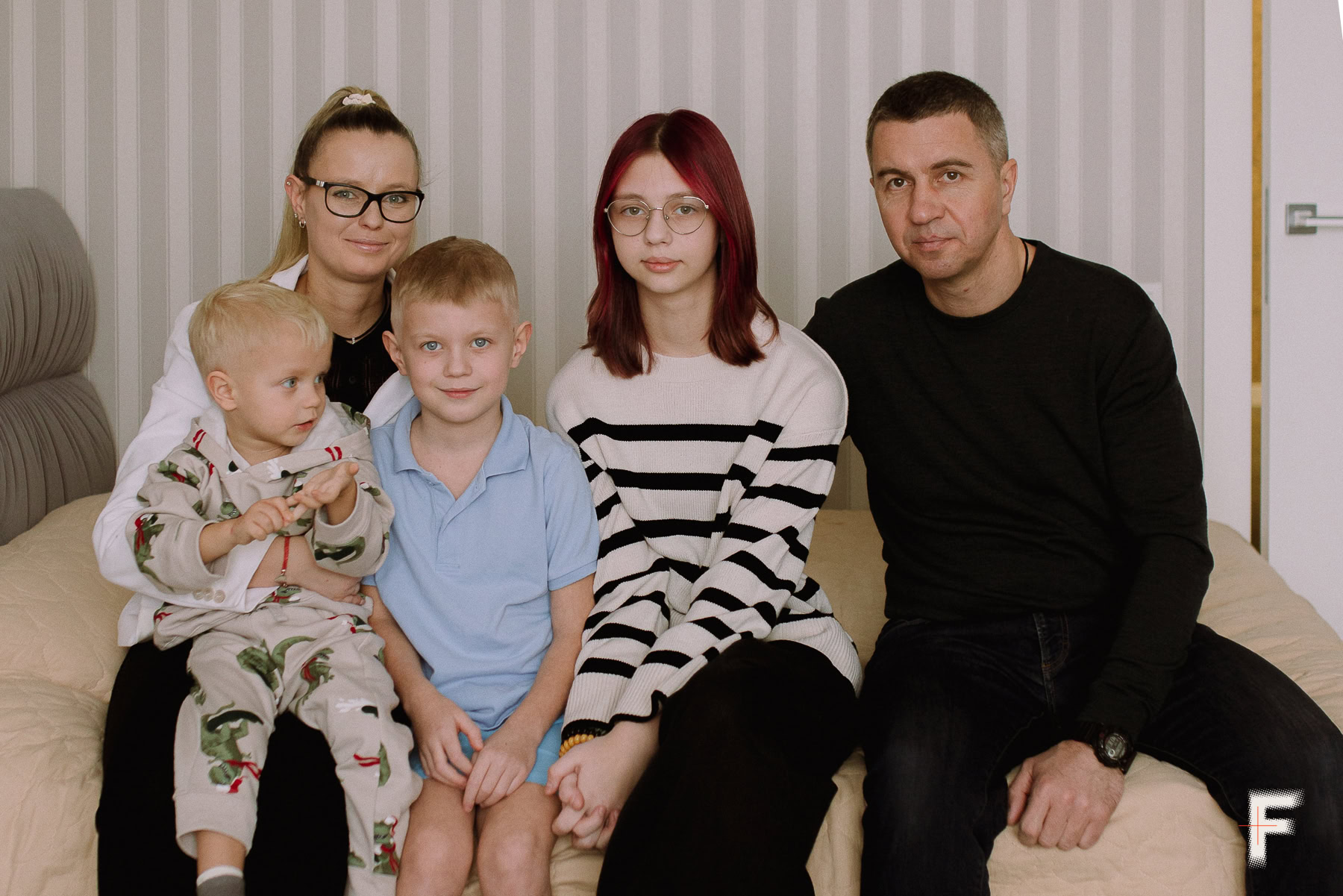
Antonina was already raising two children — her son Toma and daughter Alona. At the same time, she was pursuing postgraduate studies in psychology while trying to keep her foreign language school afloat. Her husband, Vladyslav, had been called up to serve in an air defense unit a year earlier and now comes home just one day a week. Turning her eldest daughter into a stand-in caregiver, she says, was never an option.
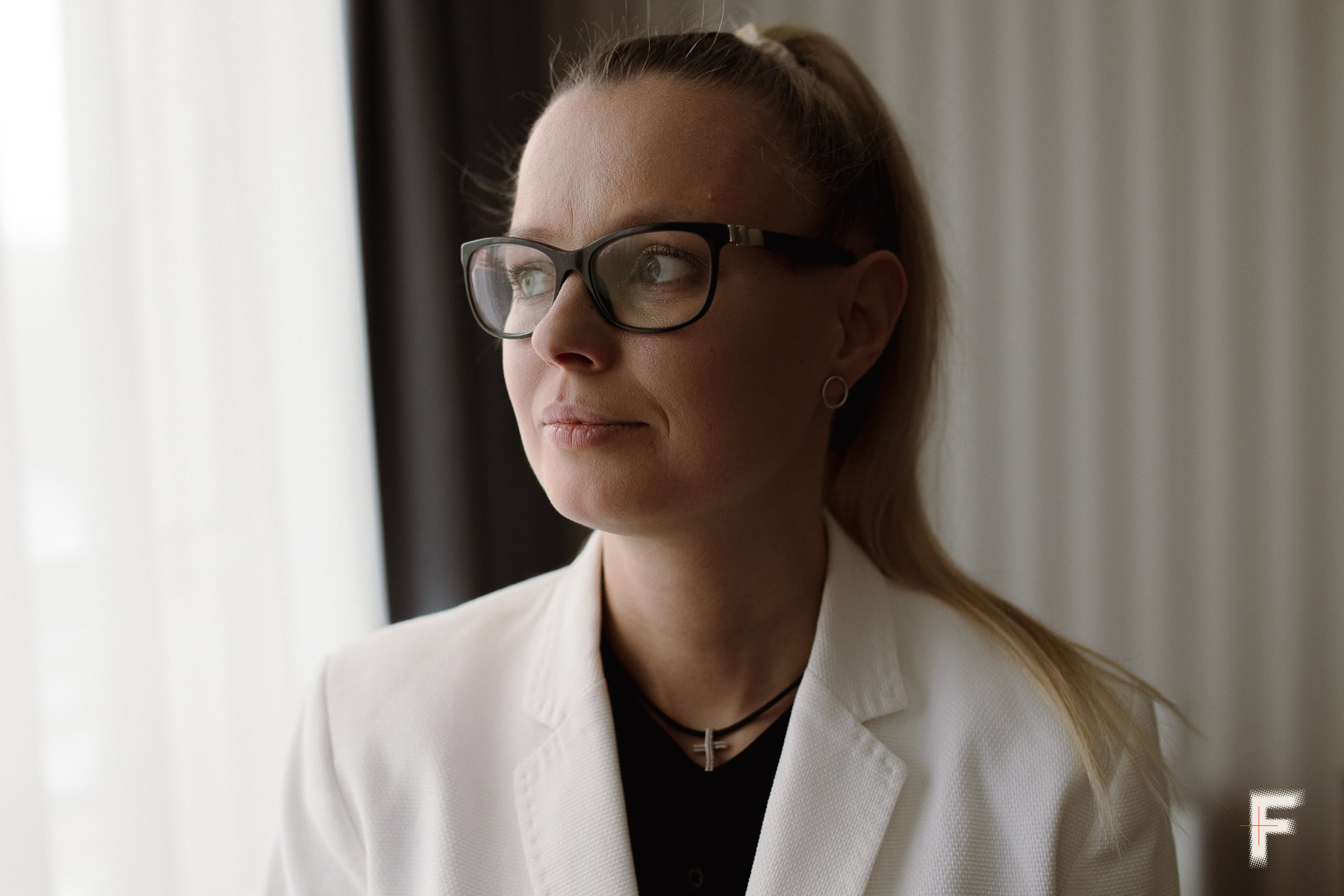
“It was a shock. Honestly, even my husband was scared. We didn’t know how we would cope. People kept telling me that having a baby now was suicide,” Antonina says.
The future felt overwhelming. Raising two children during wartime was already hard enough. In the early weeks of the full-scale invasion, the family left Kyiv and moved in with her parents in the nearby town of Vasylkiv. The change offered little protection. Russian missiles and drones reached there almost as often as they did in the capital. The relentless attacks took a toll on Toma’s mental health. One strike in particular marked a turning point, sharply worsening his autism. In the spring of 2022, Antonina and her son were in the yard when a missile hit close by. The blast wave knocked them into a basement. After that, Artem began having severe outbursts. He would lash out, bang his head against the walls and smash whatever was within reach. Again and again, he replayed what he had witnessed — using his toys to stage scenes of helicopters bombing a home.
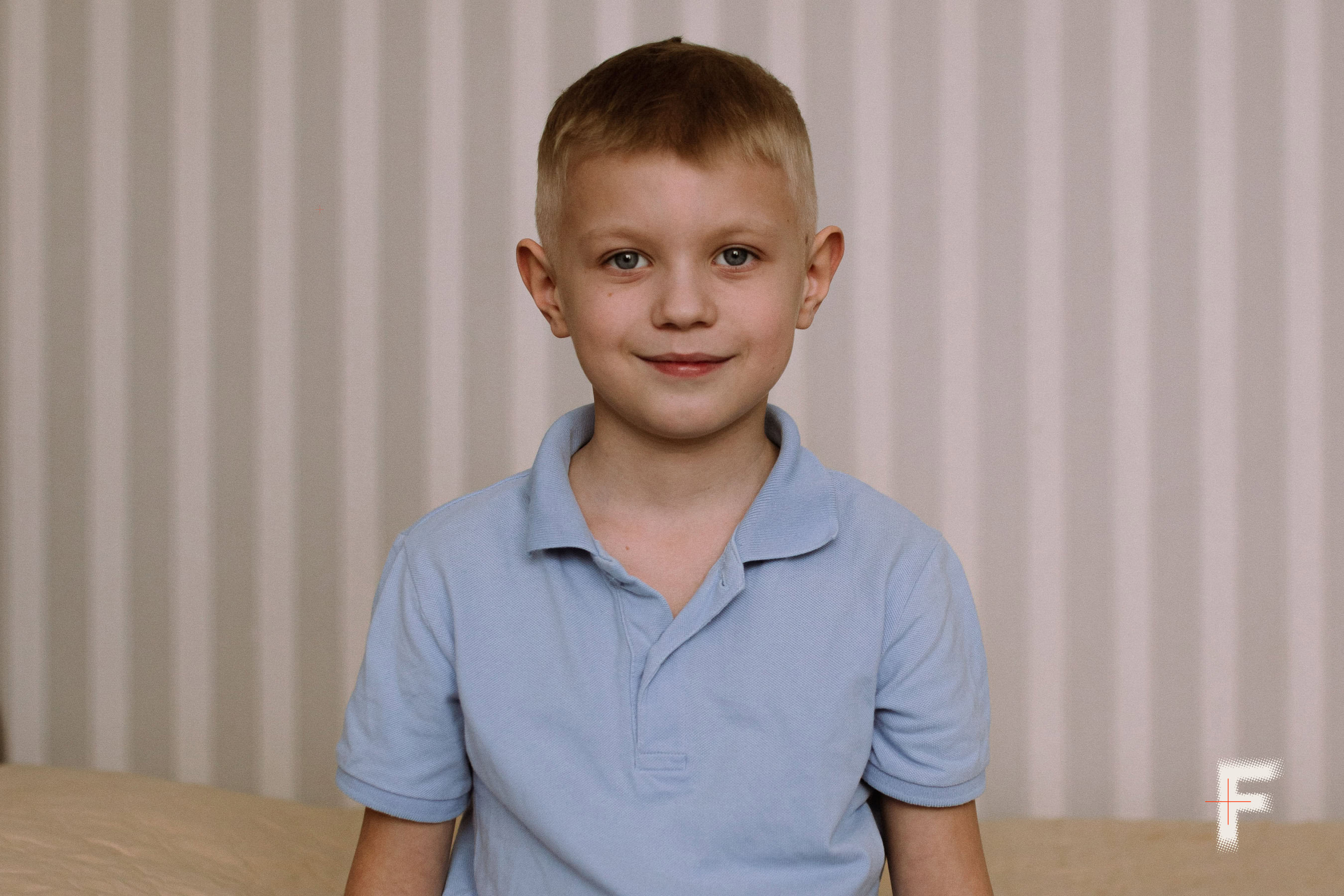
At first, Antonina and her husband thought it was post-traumatic stress disorder — an opinion echoed by psychologists. But after months of assessments and a visit to a psychiatrist, Artem was diagnosed with atypical autism. In hindsight, there had been signs. The boy avoided playing with other children, could spend hours imitating the hum of a washing machine and often flapped his hands in agitation. Antonina and Vladyslav had chalked it up to personality traits. The explosion did not cause the condition, but it dramatically intensified it. That was when they understood that something deeper was going on.
Pregnant at the time, Antonina began to feel afraid simply being near her son. During one of his outbursts, he could hit her in the stomach. The constant shelling only deepened her anxiety. She feared she might lose the baby.
“With every air raid siren, you worry more about yourself — and then you worry for worrying,” Antonina says. “I was terrified of going into premature labor. I just wanted to make it to at least 26 to 28 weeks, that’s when a baby is considered viable.”
A new life
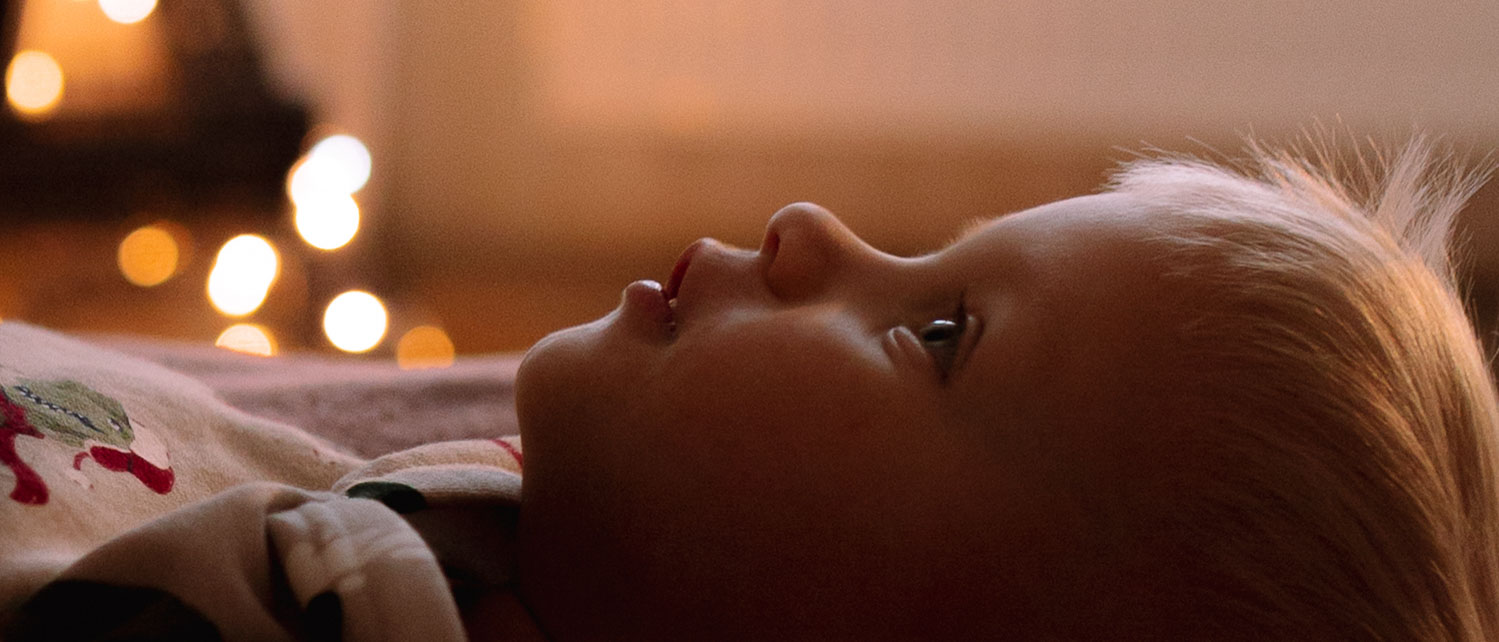
Stefan was born three days before his scheduled cesarean section — on April 1, 2023 — at a private clinic in Kyiv. The day before the operation, doctors walked her through what would happen if an air raid siren sounded during delivery: the surgery would not be stopped, the newborn would be taken immediately to a shelter, and the medical team would stay behind to complete the procedure.
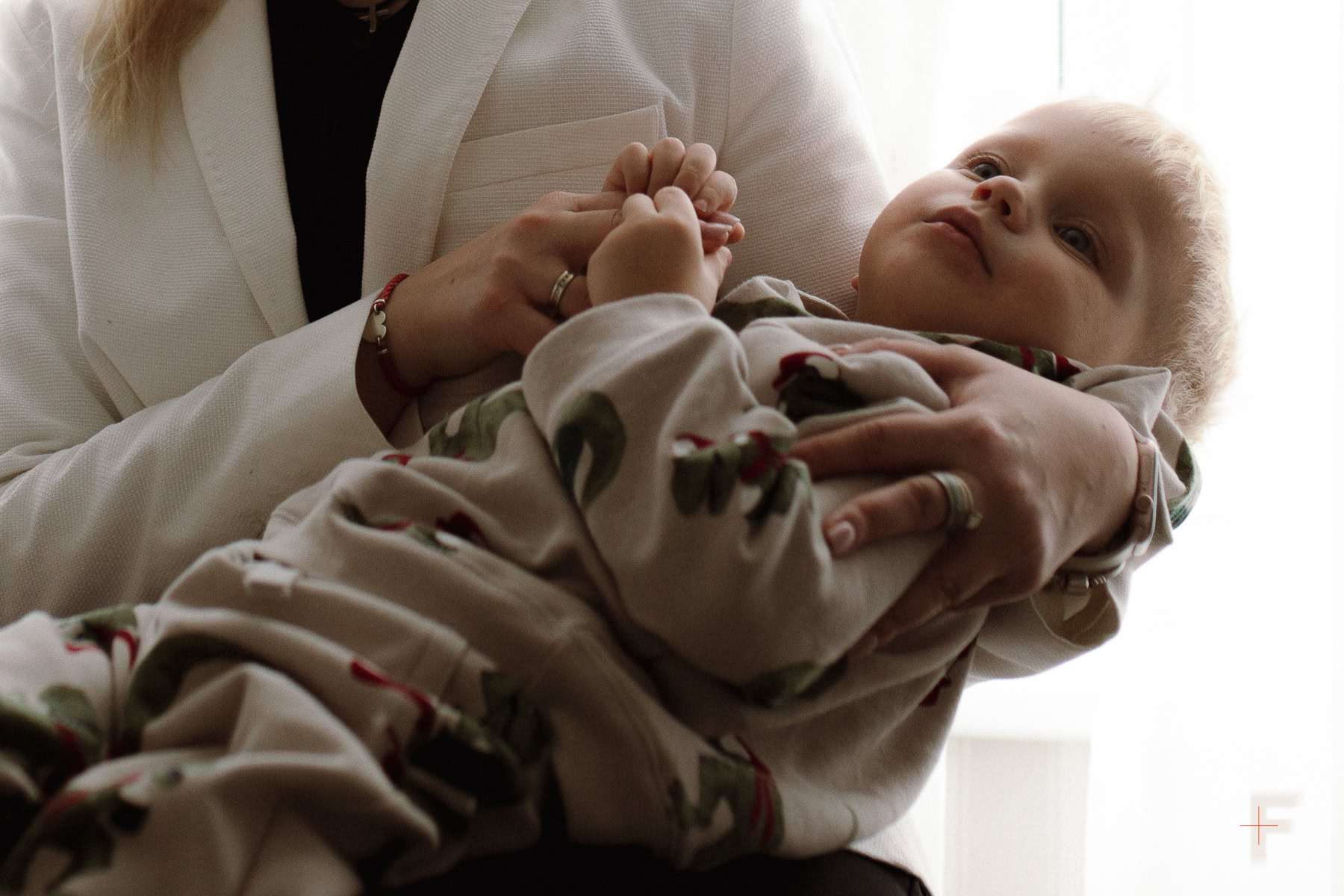
That day, no sirens sounded. Instead, it was the father who collapsed, overwhelmed with emotion during the birth of his third child.
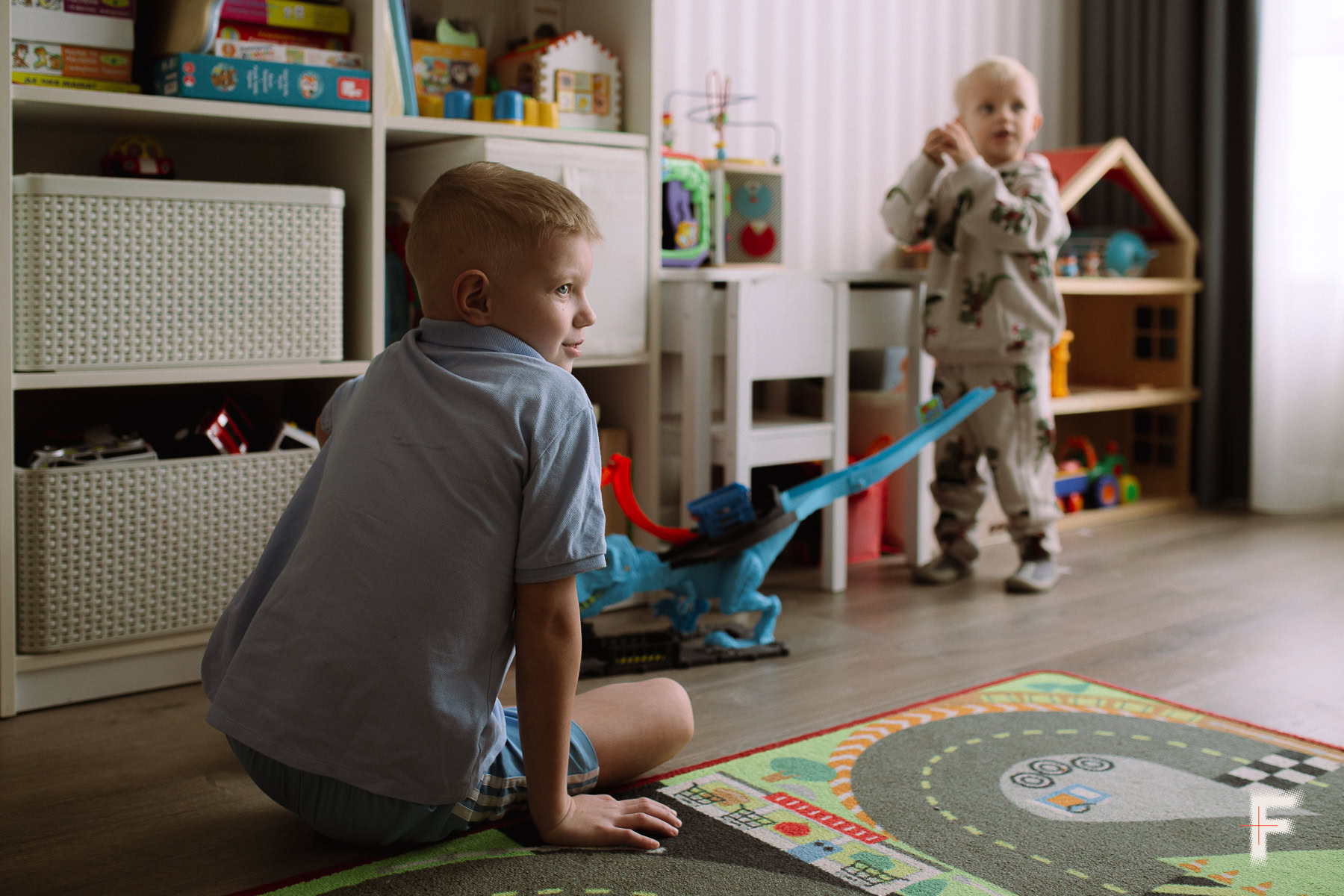
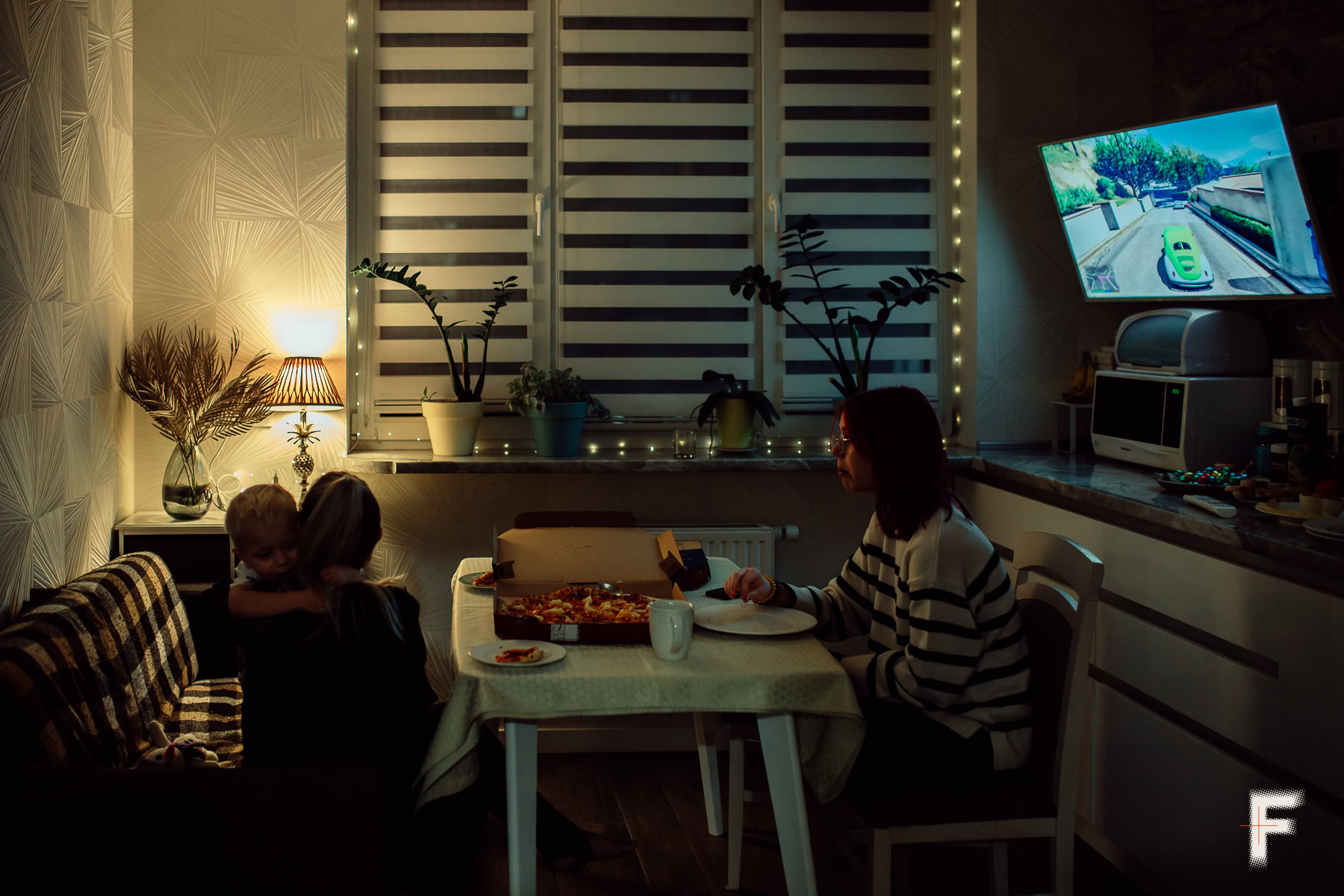
Stefan is almost 3 years old and closely bonded with his older brother. They watch YouTube together and play video games. Antonina has noticed that Artem seems calmer when his younger brother hugs him.
-
Artem, the middle son, and Stefan, the younger son, Kyiv, Ukraine, January 25, 2026. (Anna Zubenko/Frontliner)

-
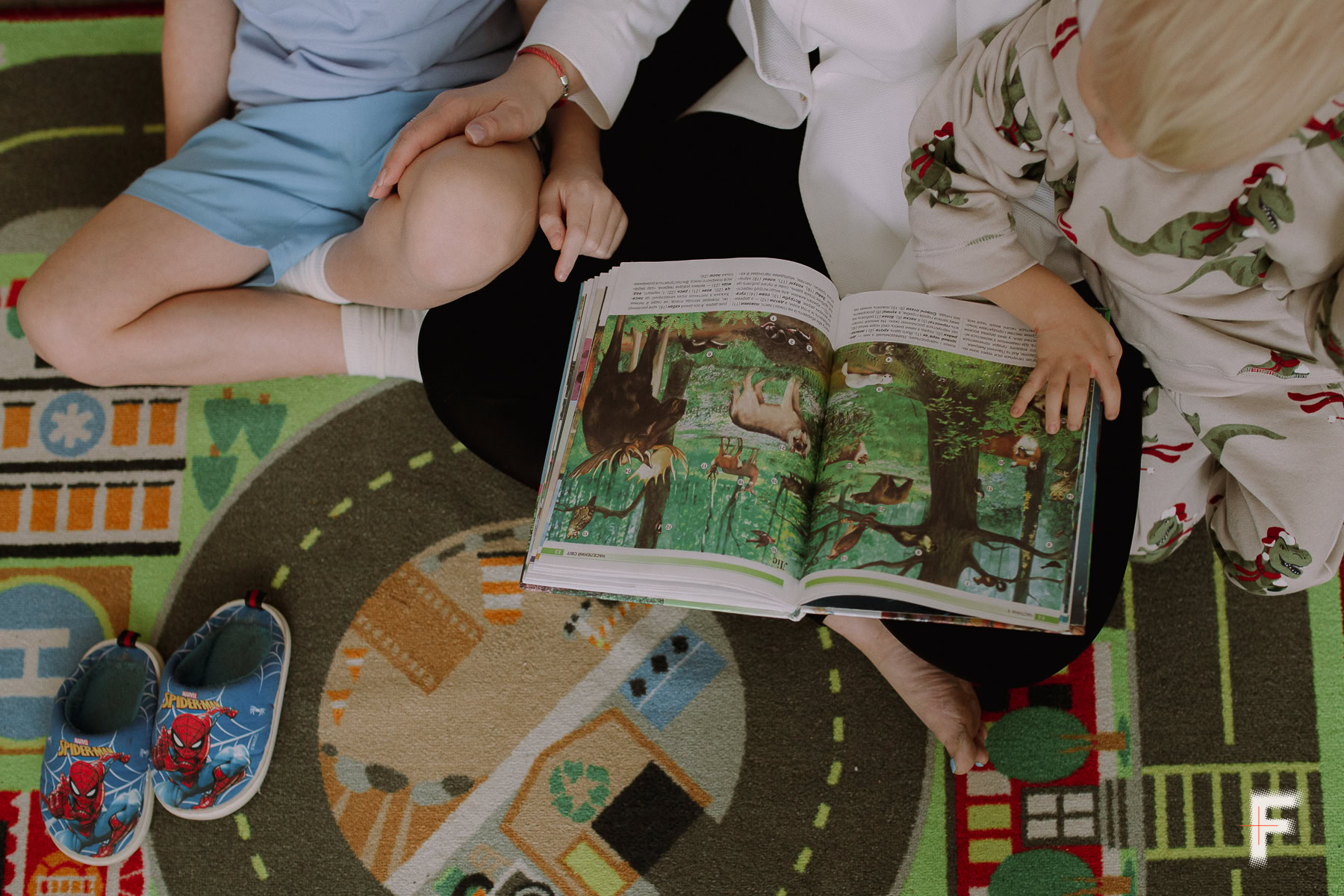
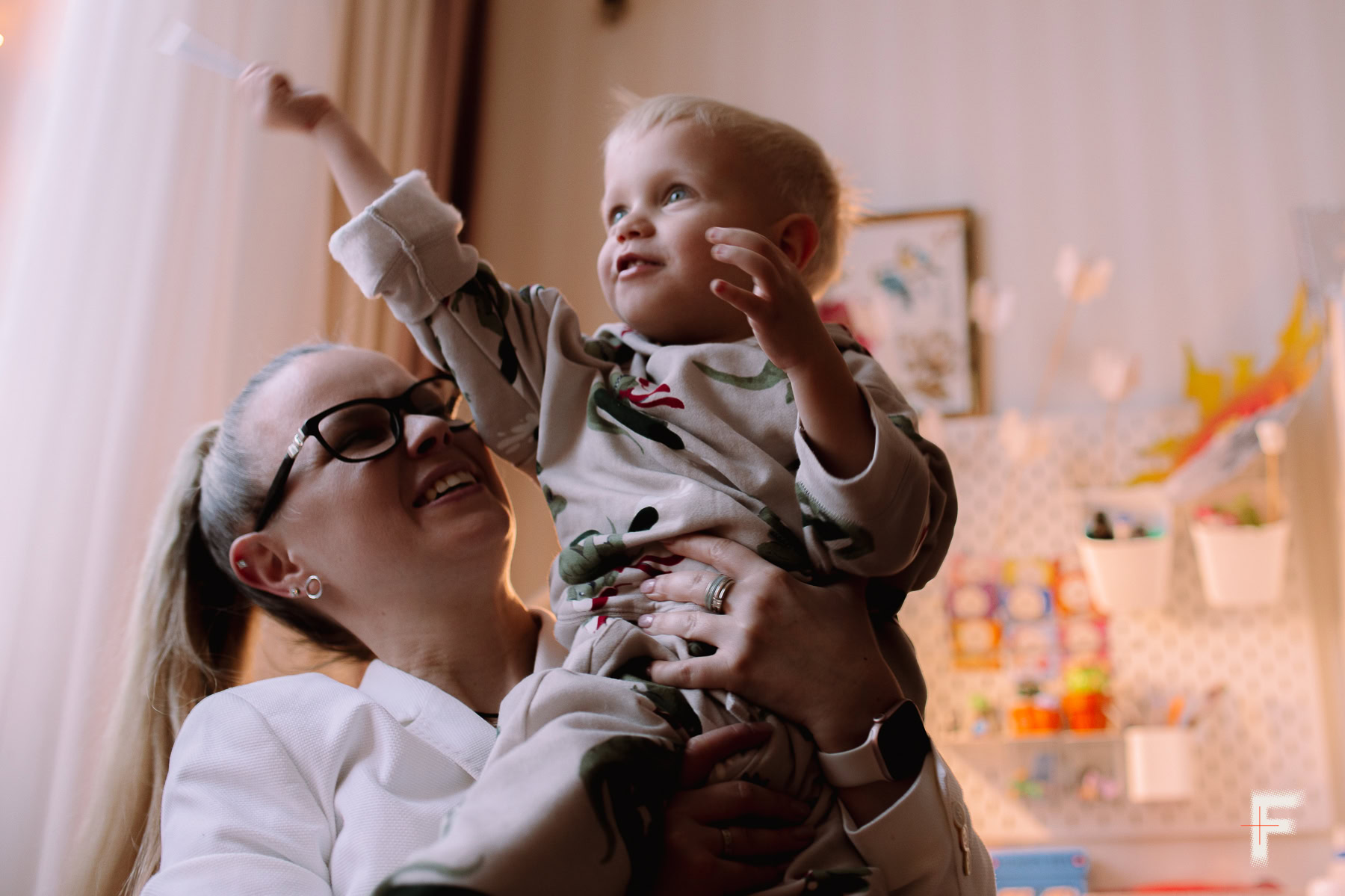
Antonina Fedorets with her sons Artem and Stefan, Kyiv, Ukraine, January 25, 2026. (Anna Zubenko/Frontliner)
The parents are gradually teaching their younger son how to respond to his brother’s moods.
“We tell him, ‘Toma is upset right now,’” Antonina says. “He knows that when that happens, he needs to go to another room and give him space. Sometimes he’ll come back and ask, ‘Mom, is Toma OK now?’ Then Toma comes over for a hug. Stefan says, ‘Mom, Toma is OK now.’”
Because of the diagnosis, Antonina now spends most of her time focused on her eldest son. There are regular appointments with a psychologist, along with drawing and music classes. In the spring of 2024, after his condition worsened, Antonina and Toma spent two months at a children’s psychiatric hospital.

Fortunately, Vladyslav was eventually able to step in and help care for Stefan and Alona. After nearly a year of managing three children largely on her own, Antonina asked her husband to take advantage of his legal right to defer his military service. As the father of three, he was eligible. He agreed and returned home.
By that time, their daughter had begun to feel — and openly voice — that she wasn’t getting enough of her mother’s attention.
“There was a period when she would say straight out that I loved Toma more,” Antonina recalls. “She was jealous. They even fought. When Toma lost his temper, she would sometimes hit back.”
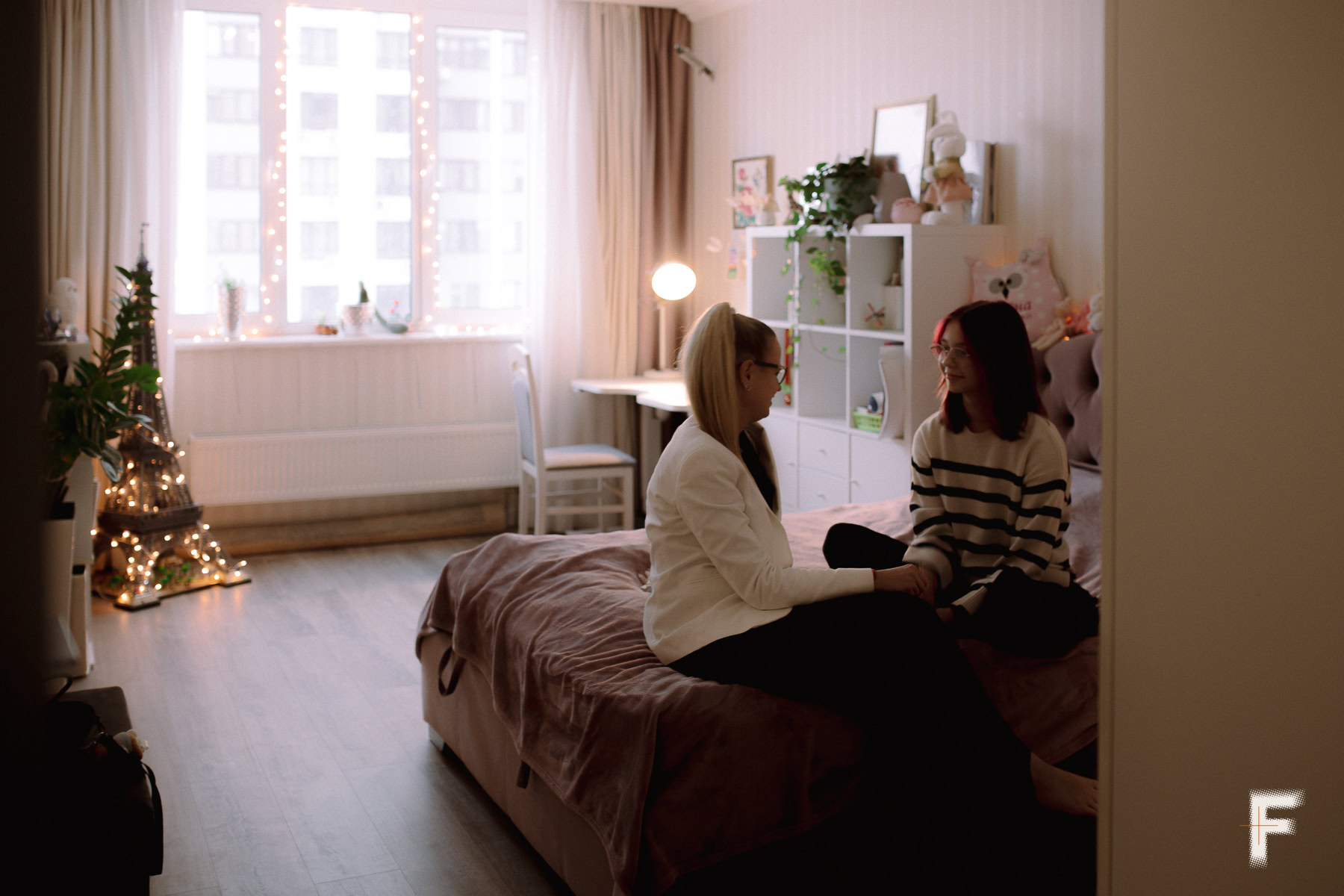
Now Antonina makes a deliberate effort to carve out time just for her daughter. In the evenings, they’ll sit together in Alona’s room or at the kitchen table with a cup of tea, talking about plans for the future. Alona likes listening to stories about her mother’s younger years or debating topics where their views don’t quite align.
With Stefan, Antonina usually plays games or reads to him. In warmer weather, they head to the park. The boy is energetic, and when her husband is at work, keeping up with him can be a challenge. There is always something that needs attention — cooking, household chores or simply finding a few minutes to herself. At times, cartoons on a phone help buy her a little time. When Alona is home, she can help distract Toma. Even so, the parents are careful not to place too much responsibility on their daughter or turn her into a stand-in caregiver for her younger brothers. They believe she should have her own life — her own space and time.
Growing up with war
The children already know the difference between a Shahed attack drone and a missile. These days, the family often retreats to the grandparents’ home outside Kyiv. With frequent power and heating outages, life in the capital has grown increasingly difficult. Cooking isn’t always possible, water can be unreliable and electricity cuts are routine. In those conditions, even ordinary childcare becomes a daily exercise in improvisation. When it all feels like too much, they pack a few bags and leave the city. At the grandparents’ house, a generator keeps the lights on, the rooms stay warm, and there is a forest and a lake nearby.


Away from the capital — especially as large-scale attacks have intensified — they feel safer. In the Kyiv residential development where they live, there is no bomb shelter. When sirens sound, Stefan and Artem take shelter in the bathtub, while their parents and older sister move into the hallway.
“During an alert, Stefan asks what’s flying — a missile or a Shahed drone,” Antonina says. “If I tell him it’s a Shahed, he doesn’t think it’s very scary. He’s seen videos — they look small there — and that’s the association he’s formed.”
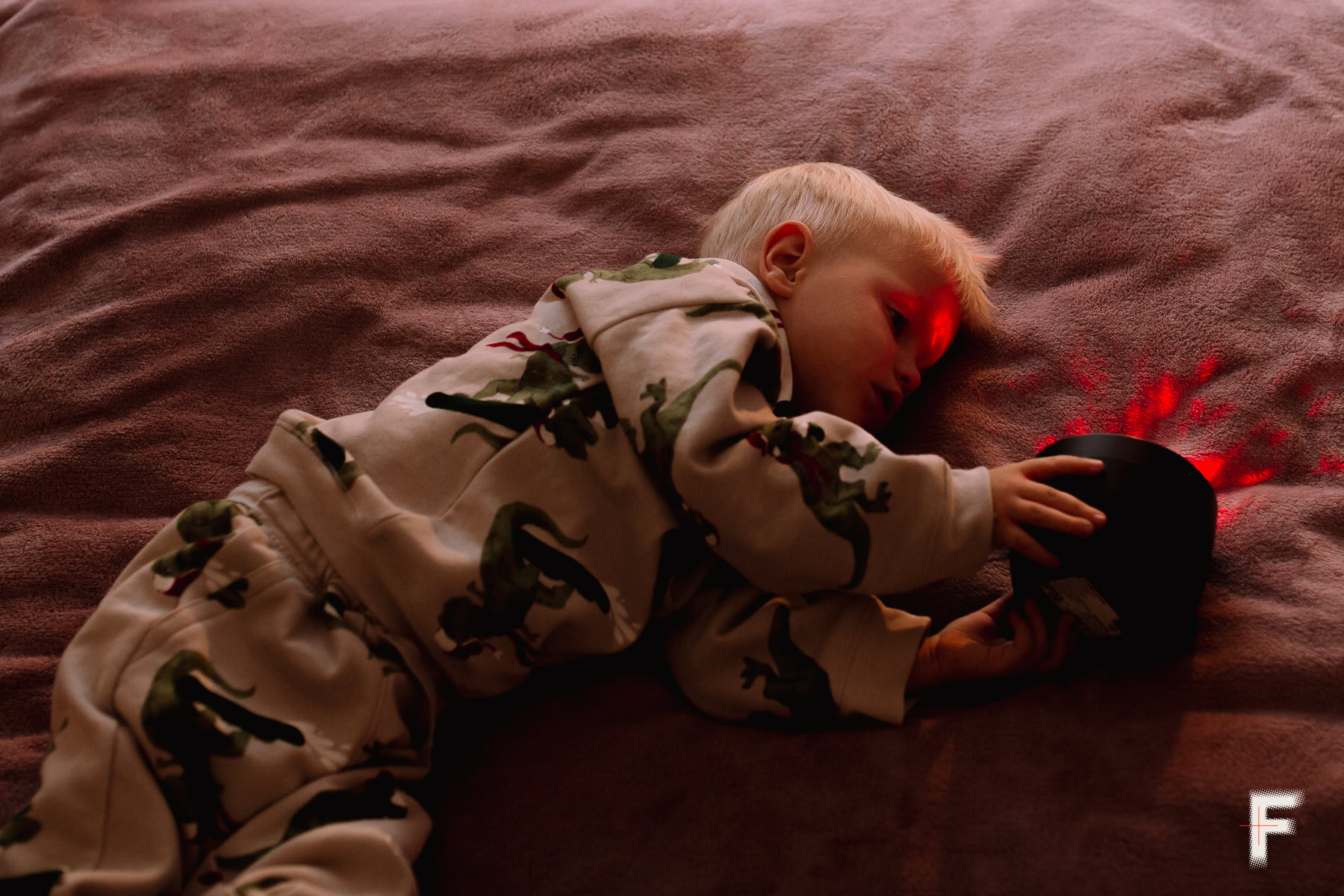
It was Artem who showed his younger brother those videos. He has developed his own way of coping: watching, again and again, footage of missiles and drones in flight and exploding. He relives the moment when a projectile struck near his grandparents’ home.
More than a mother of three
Being a mother of three isn’t easy, Antonina says, but it is also deeply rewarding. Each child has a different personality and needs a different approach. Still, she is quick to add that motherhood does not define her entirely.
“I used to think I’d never get married or have children. That wasn’t part of my plan,” she says. “But life turned out differently, and now there are three of them. I’ve never lost myself in motherhood. Yes, they’re the most important thing in my life. But I have a life of my own, too. I’ve always tried to balance my children with work, personal growth and community work.”
When her husband comes home in the afternoon, Antonina shifts to her job. She runs a foreign language school, where she also teaches Chinese. She volunteers as a psychologist as well, supporting another family with two children. For now, she has put her studies on hold and taken academic leave.
Since her son’s diagnosis, she has also developed an interest in psychiatry. In the quiet hours of the evening, she reads research papers and books about autism — usually long after the children have gone to bed.
“If I read, it’s usually after 9 p.m. Stefan goes to bed at nine. I am asleep around midnight or closer to 1 a.m. That stretch between nine and one is my free time,” Antonina says.
The pace sometimes leads to burnout, she admits. On her doctor’s advice, she tries at least once a week to go to bed at 9 p.m. with her younger son. She also makes time to see a close friend, spend a little time alone with her thoughts or simply scroll through social media.
War has become a constant backdrop to Antonina’s life, as it has for millions of Ukrainians. Still, her family tries not to postpone living. They move forward at whatever pace is possible now. What matters most, she says, is keeping the children safe and doing everything she can to help them grow up happy.
Not everyone who once hoped to have children feels able to take that step. For many Ukrainians, war has made the decision too daunting. The child population has declined from 7 million to 5 million over the past four years and in 2025, Ukraine recorded 162,778 live births, the lowest number ever in the country. According to UNICEF Ukraine, since 24 February 2022, more than 3,200 children have been killed or injured and there has been no respite.