At risk of being lost: preserving the unique collection of the botanical garden
Rare plant collections in Hryshko Botanical Garden’s greenhouses are freezing due to heating and power outages. To save tropical and subtropical species, staff must keep the greenhouses heated around the clock with stoves – and during extreme cold, they even light fires. The situation is worsened by a shortage of staff and the constant threat of damage to the fragile greenhouse structures from Russian shelling. A Frontliner reporter documents how the botanical garden survives during blackouts.
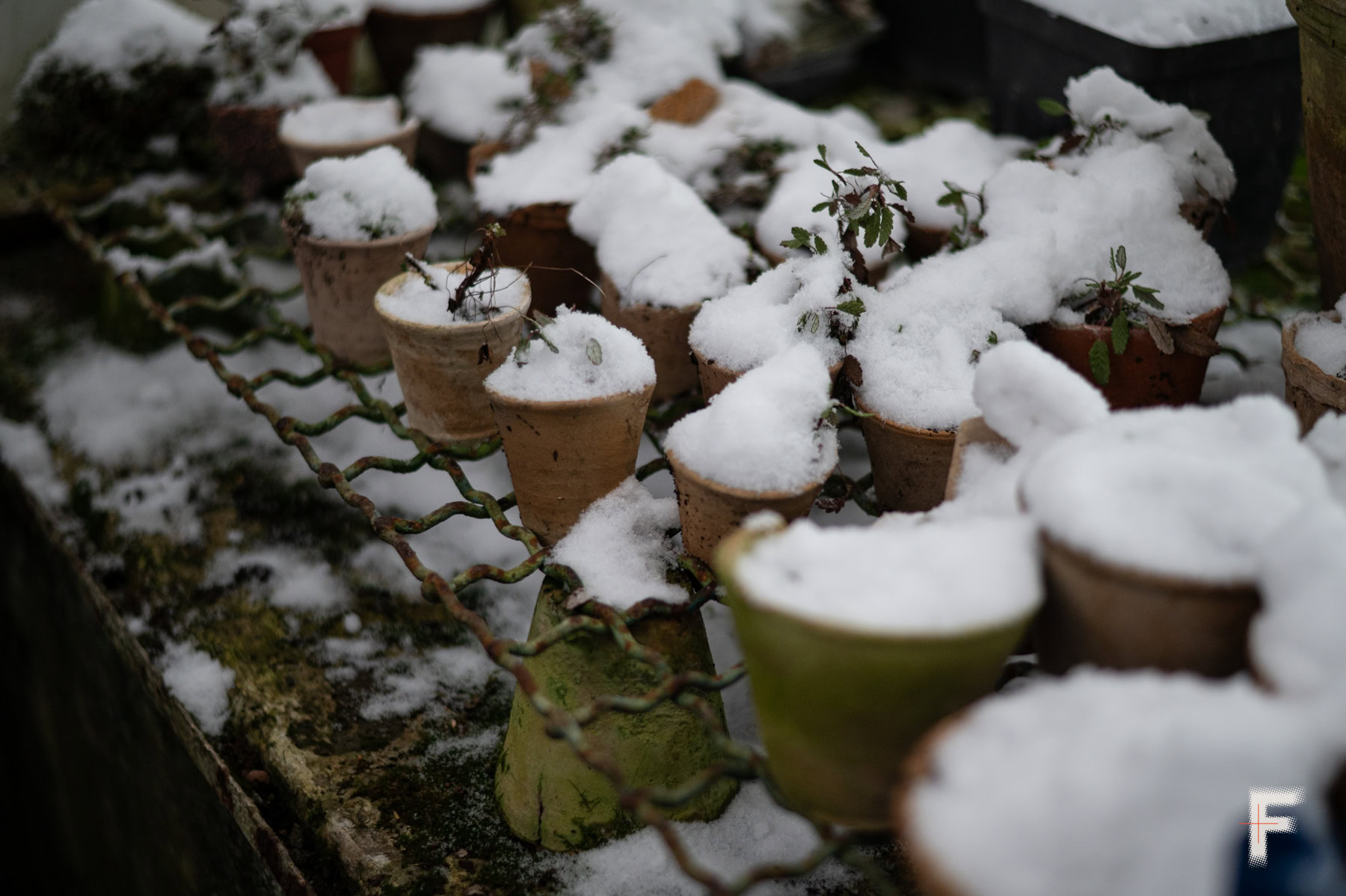
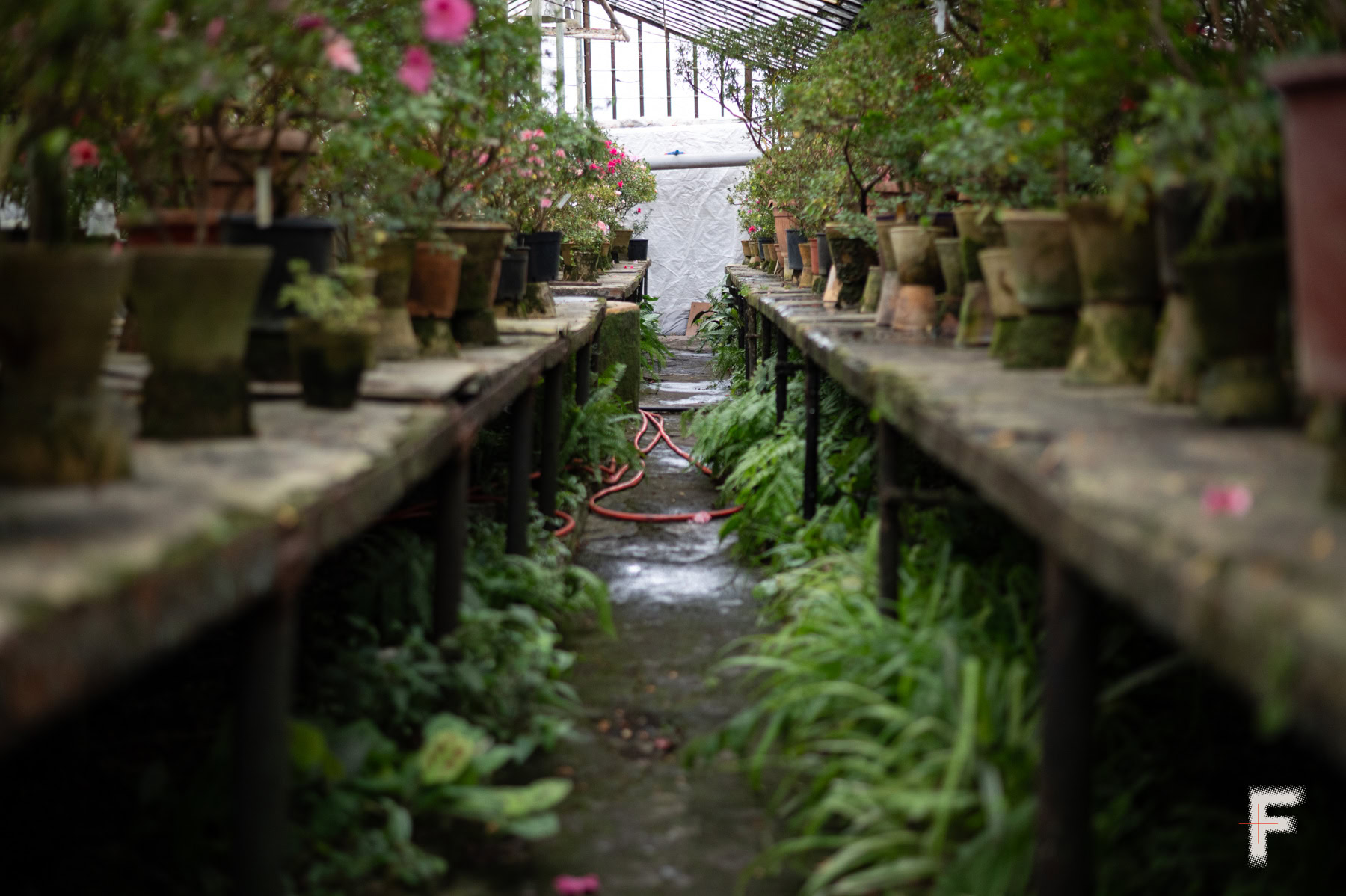
The Mykola Hryshko National Botanical Garden is a major center of biodiversity and home to over 17,000 species, forms, and varieties of plants. Due to regular power outages and severe heating problems, this living collection has found itself at the epicenter of the energy crisis. The greenhouses are the most vulnerable. In peacetime, it was a precisely coordinated system: centralized heating from Kyiv’s utility networks maintained a stable +20°C, while automated controls regulated humidity. But now, around 4,000 subtropical and tropical plants are at risk of being lost. For exotic species, even a drop of a few degrees below the optimal temperature is dangerous: tissues begin to die, and moisture in the soil turns into an icy trap for the roots.
Over three thousand square meters of greenhouse space which
depends on the city’s heating supply.
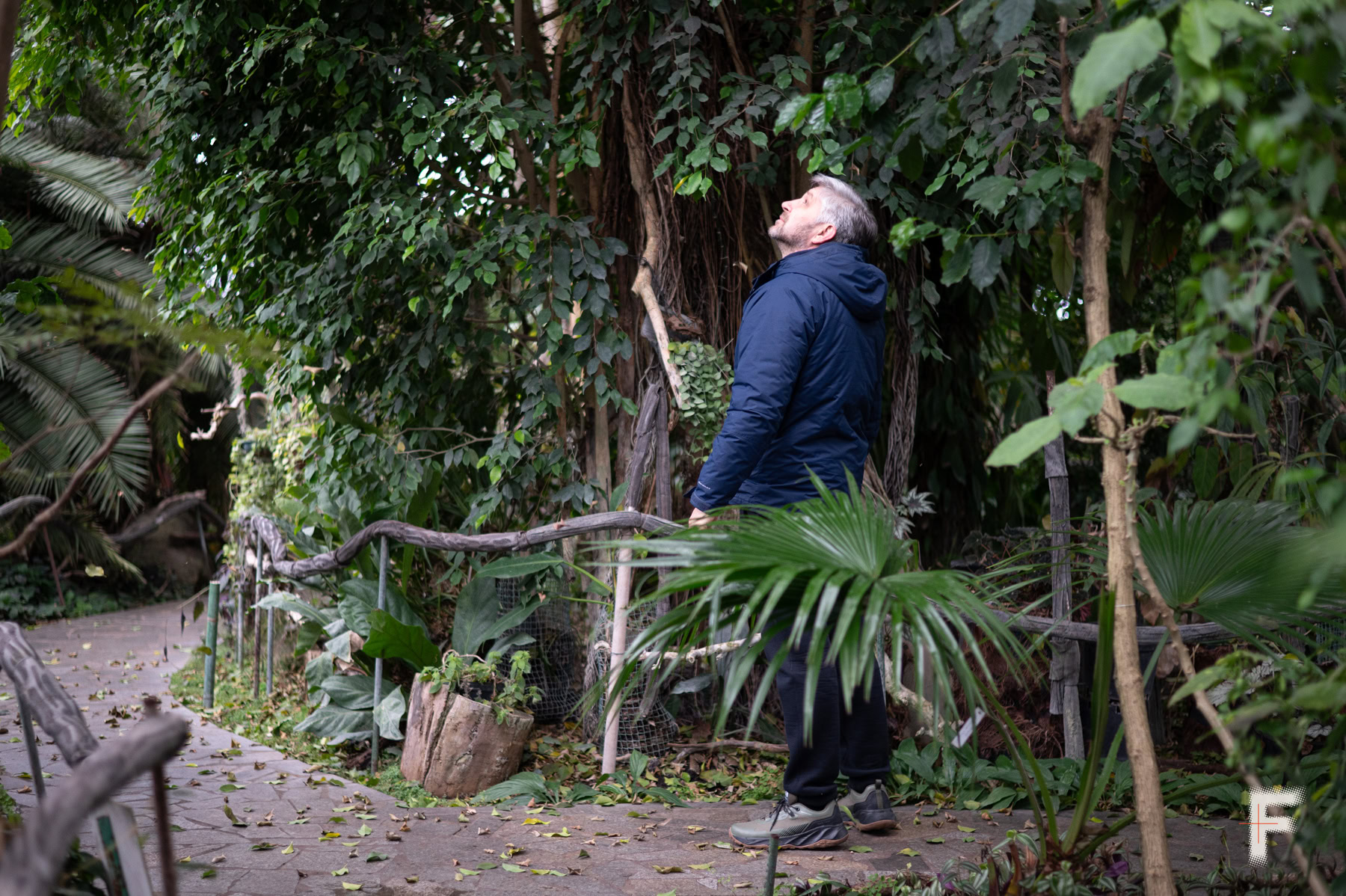
“This is the hardest winter of the entire war – it’s bitterly cold, and the situation in the city is critical. We have over three thousand square meters of greenhouse space, all of which depends on the city’s heating supply. Right now, we aren’t receiving it,” says Roman Ivannikov, head of the Tropical and Subtropical Plants Department.
Bracing for winter
The botanical garden planned ahead for the current winter, anticipating scenarios of total power loss. To prepare, the garden installed a generator system to power the circulation pumps that distribute hot water throughout the greenhouses. However, the effectiveness of this system directly depends on the city’s central heating network. The generator can circulate heat, but only when the city actually supplies it.
-
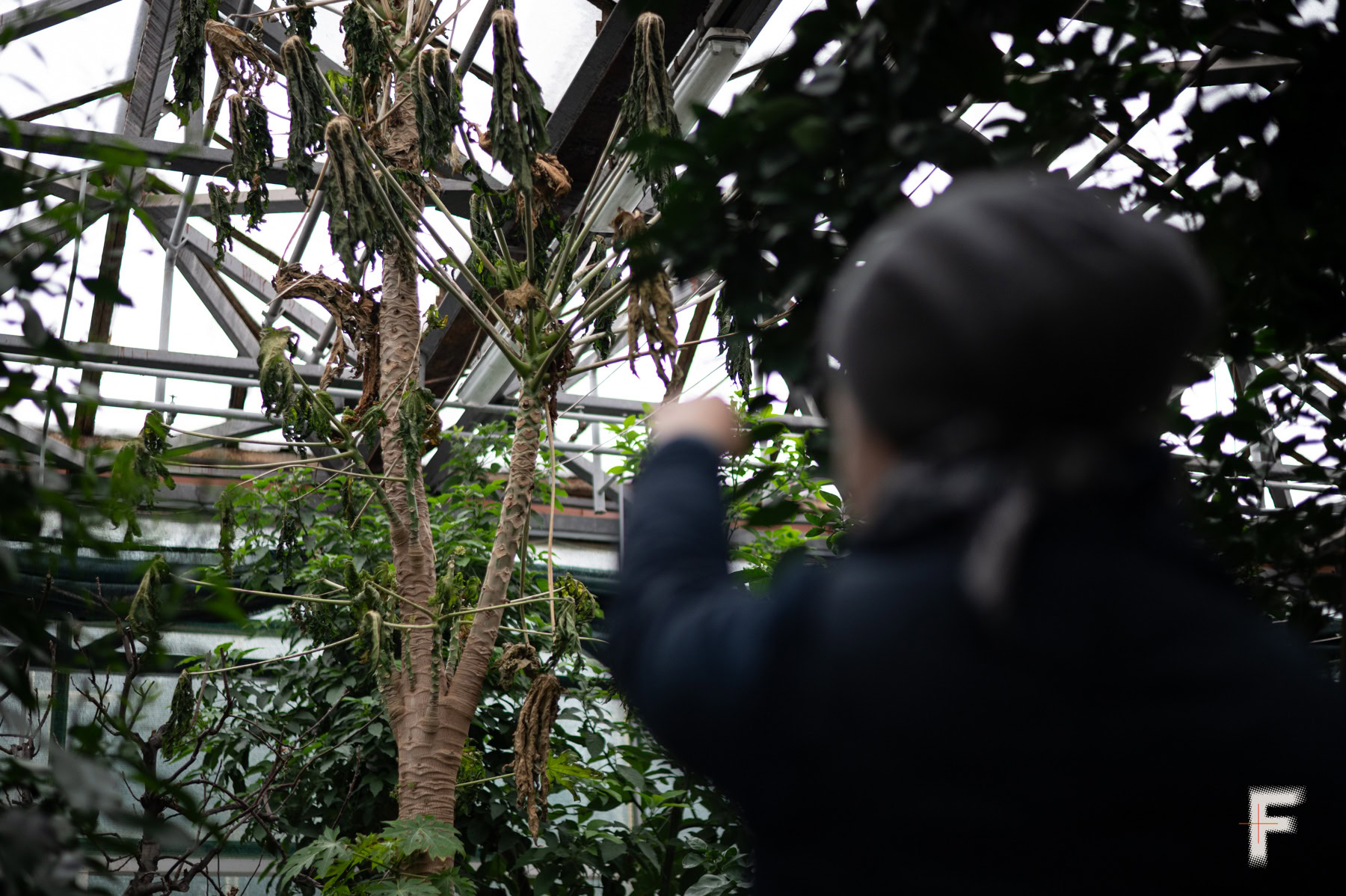
A botanical garden staff member points to leaves damaged by the cold in the greenhouse, Kyiv, Ukraine, Feb. 5, 2026. (Artem Derkachov/Frontliner)

-
Leaves damaged by the cold in the greenhouse at the botanical garden, Kyiv, Ukraine, Feb. 5, 2026. (Artem Derkachov/Frontliner)
-
Plants killed by the cold in the greenhouse at the botanical garden, Kyiv, Ukraine, Feb. 5, 2026. (Artem Derkachov/Frontliner)
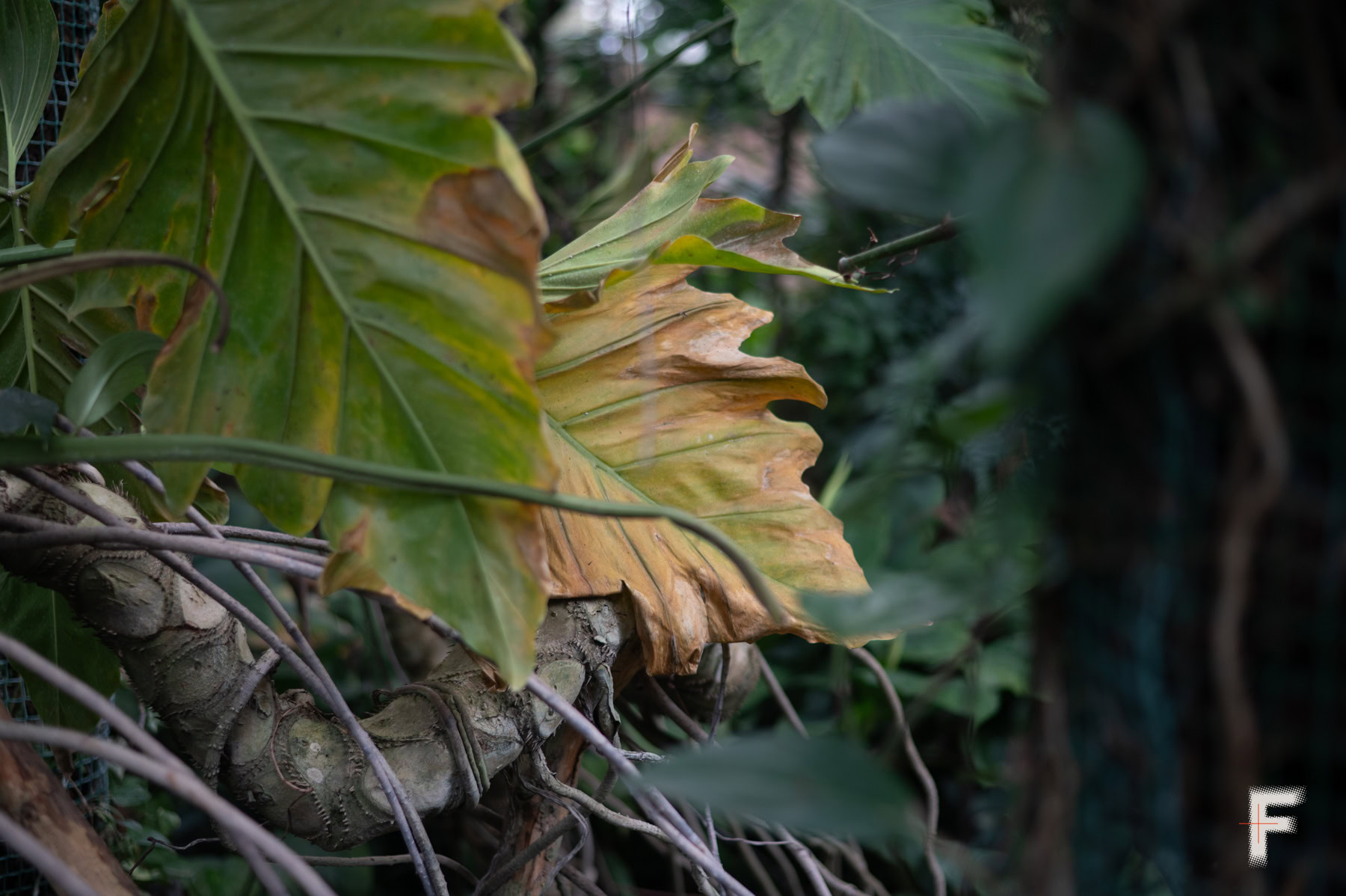
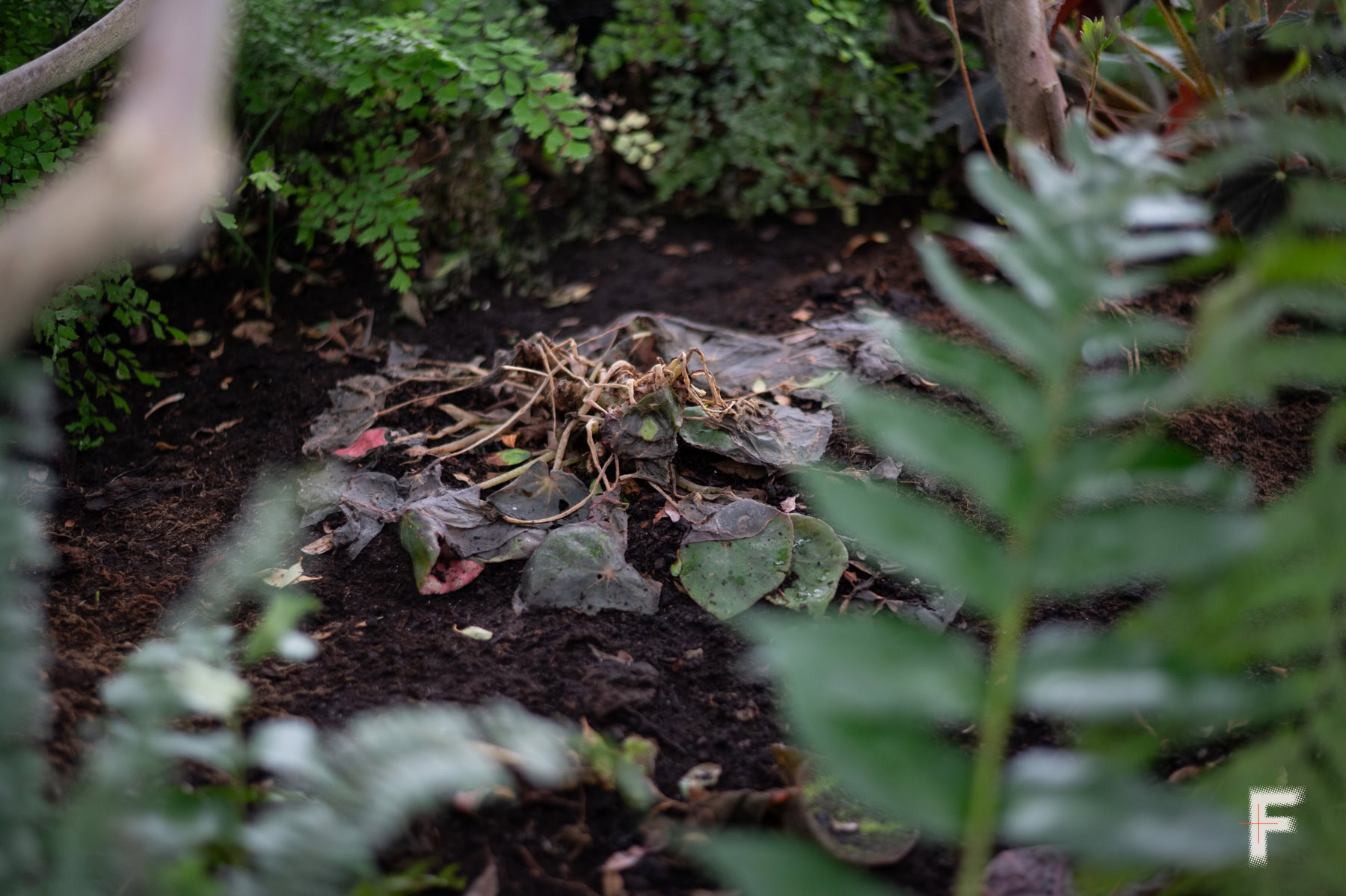
To stabilize the temperature in the exotic plant sections, the garden staff installed heat guns. However, during extreme cold, even this isn’t enough. When temperatures drop critically low, especially at night, garden staff are forced to rely on makeshift methods – lighting barrels of firewood directly inside the greenhouses.
We already have some damaged and lost plants,
-
A thermometer inside the botanical garden’s greenhouse reads 10°C, Kyiv, Ukraine, Feb. 5, 2026. (Artem Derkachov/Frontliner)
-
A heat gun in the greenhouse at the botanical garden, Kyiv, Ukraine, Feb. 5, 2026. (Artem Derkachov/Frontliner)
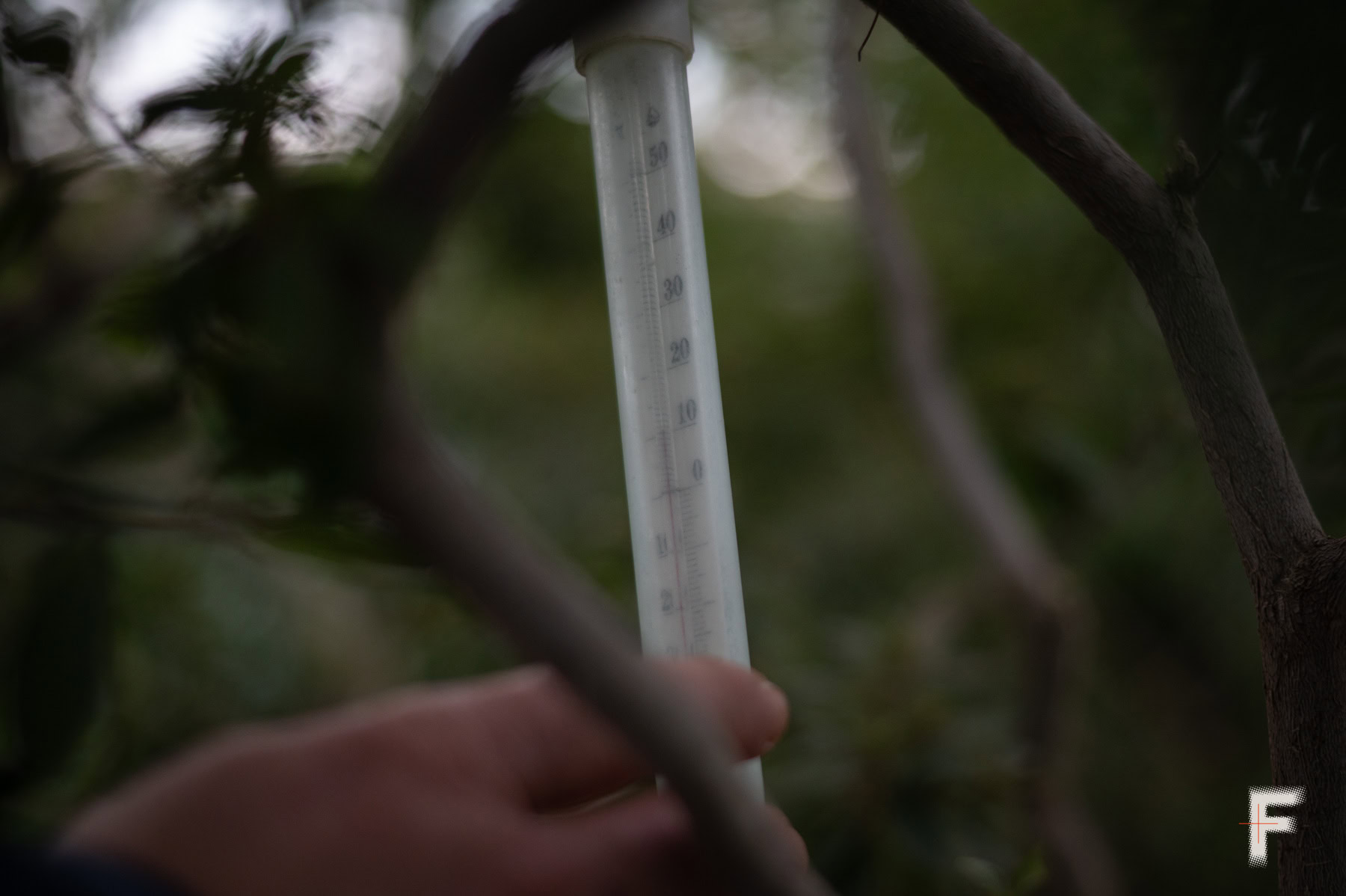
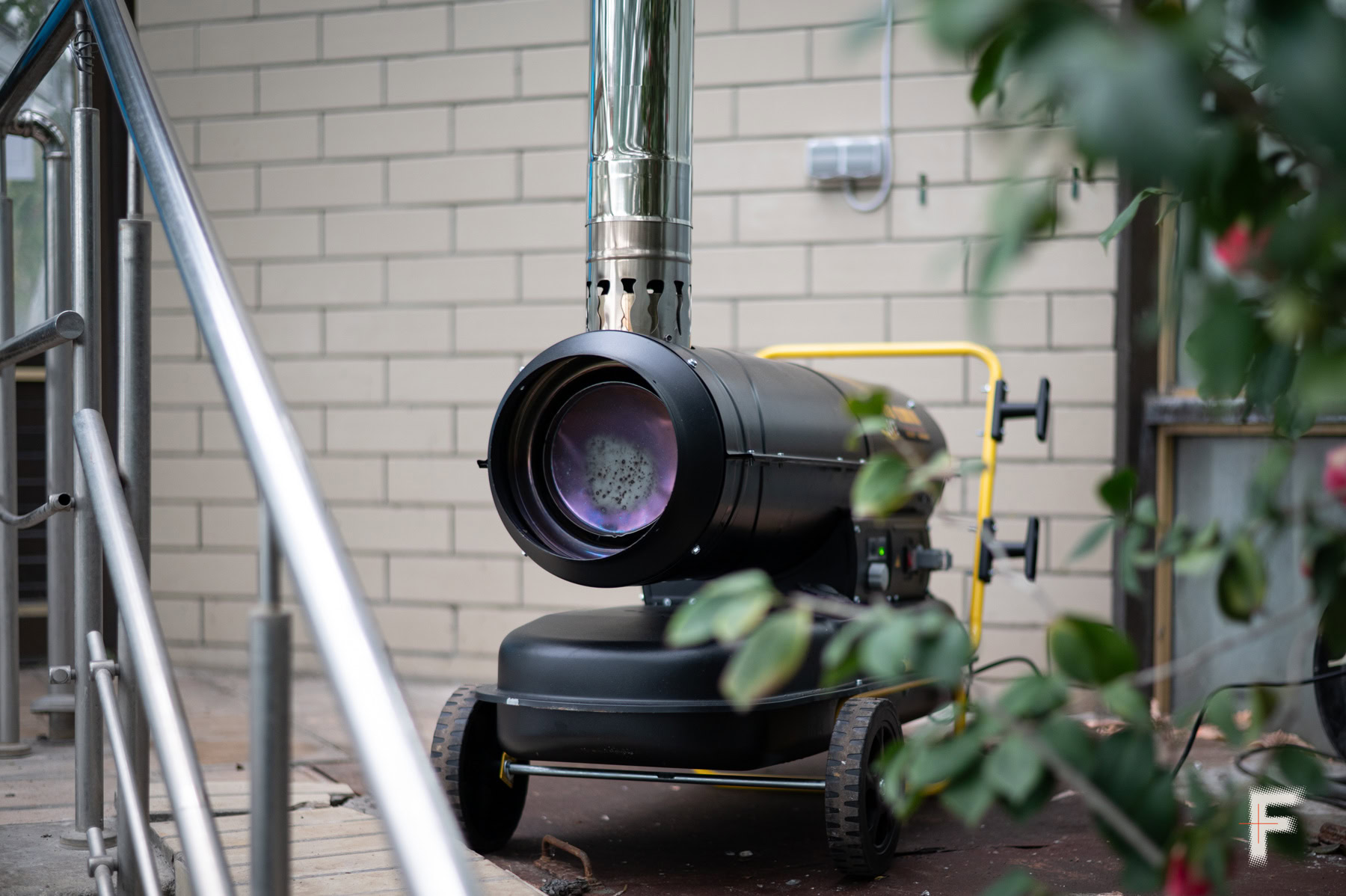
“There have been nights when we had to keep the greenhouses warm using barrels, but this method is risky. First, it produces smoke inside the building, and second, a few barrels can’t fully maintain the proper temperature. We already have some damaged and lost plants that were still being acclimated to the main collection. Fortunately, we haven’t suffered any critical losses so far. For rare or scientifically significant plants, we try not to keep them all in one place so that if something goes wrong, we can save other species,” says Roman.
Unforeseen expenses
The National Botanical Garden operates under the National Academy of Sciences of Ukraine (NASU). According to staff, the garden’s funding was planned on a five-year cycle, and when the budgets were drawn up, no one could have anticipated the conditions of a full-scale war. The allocated budget is critically insufficient to cover the sharp rise in energy costs and ongoing operations, let alone development or modernization.
To keep the greenhouses and the garden’s daily work running, volunteers regularly step in, while the administrative team continually seeks financial support. Preserving this national treasure has effectively shifted from the state to the care of the community and private initiatives.
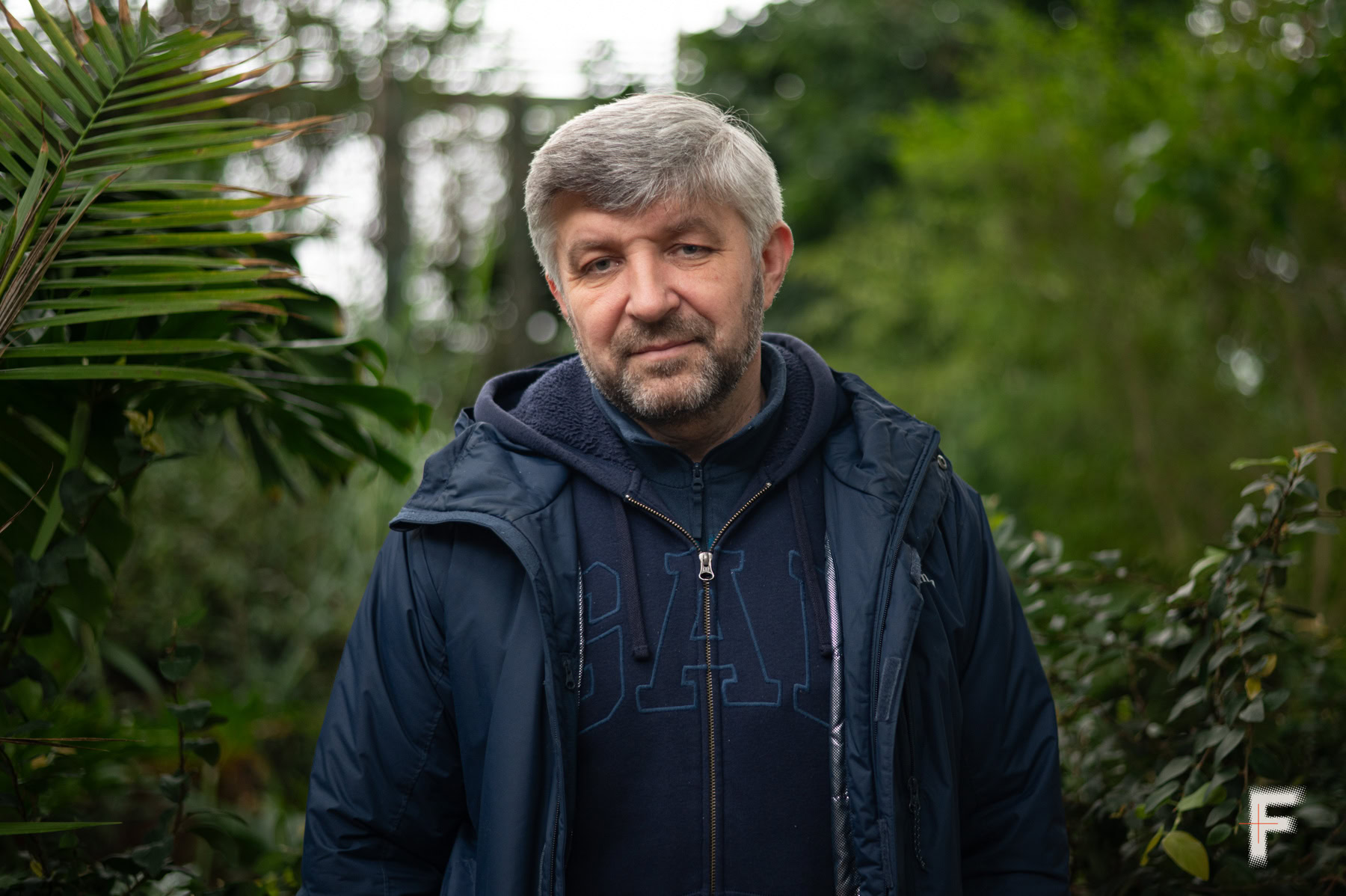
“Volunteers cover a significant portion of our needs, and while almost all our funding goes to core scientific research – which we must report on to receive at least some funds – showcasing these plants to the public is a huge undertaking. That requires funding, which is even scarcer in the conditions of a full-scale war,” says Roman Ivannikov.
More stoves than staff
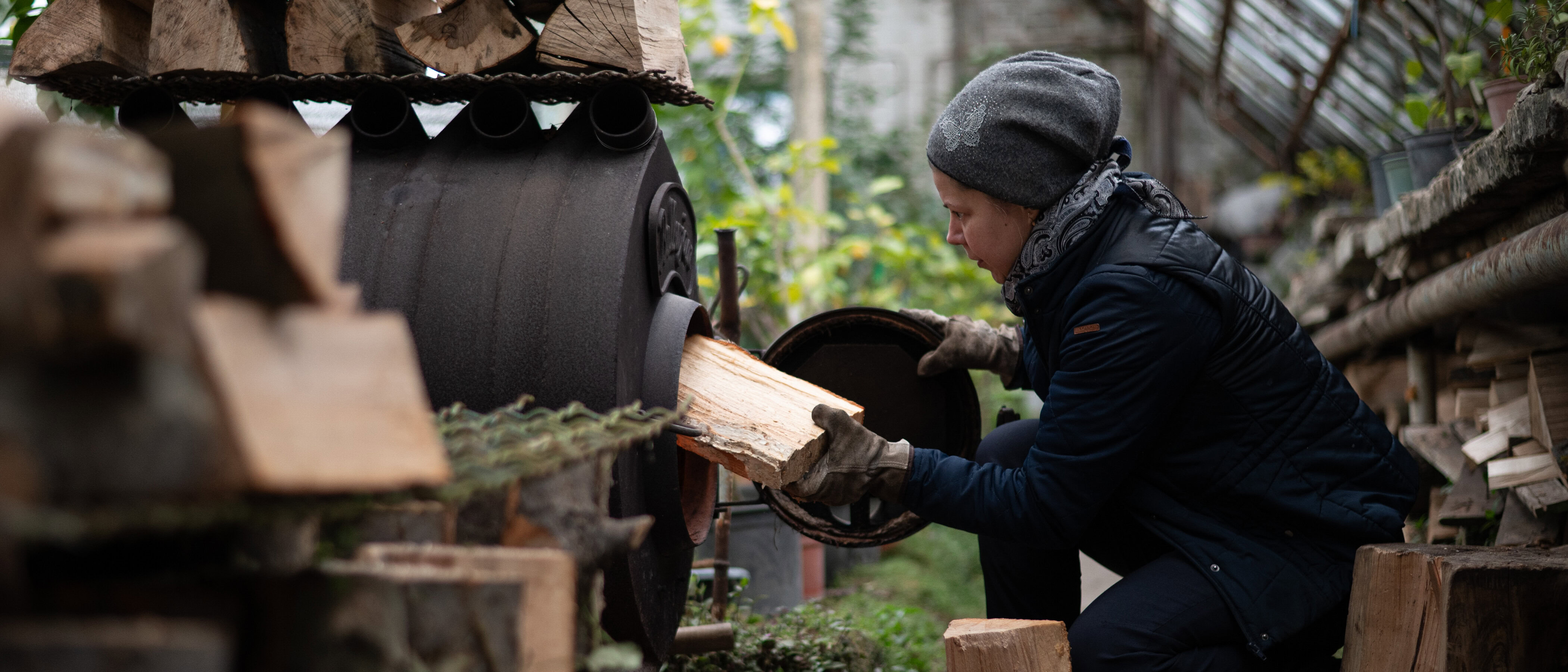
With funding so limited, botanical garden staff earn very low salaries. As a result, many positions remain unfilled – the Tropical and Subtropical Plants Department has only half the staff it needs, says Roman Ivannikov. Meanwhile, plant care has become a round-the-clock task. With automated systems frequently failing during power outages, the main source of heat is the wood-burning stoves. Staff must manually keep them running at all times – chopping and loading firewood, and monitoring the flames day and night. With automated systems often failing during power outages, wood-burning stoves have become the primary source of heat. Staff must keep them running around the clock: chopping and loading firewood, and monitoring the flames day and night.
Many plants are freezing now. We hope they can survive
until spring,
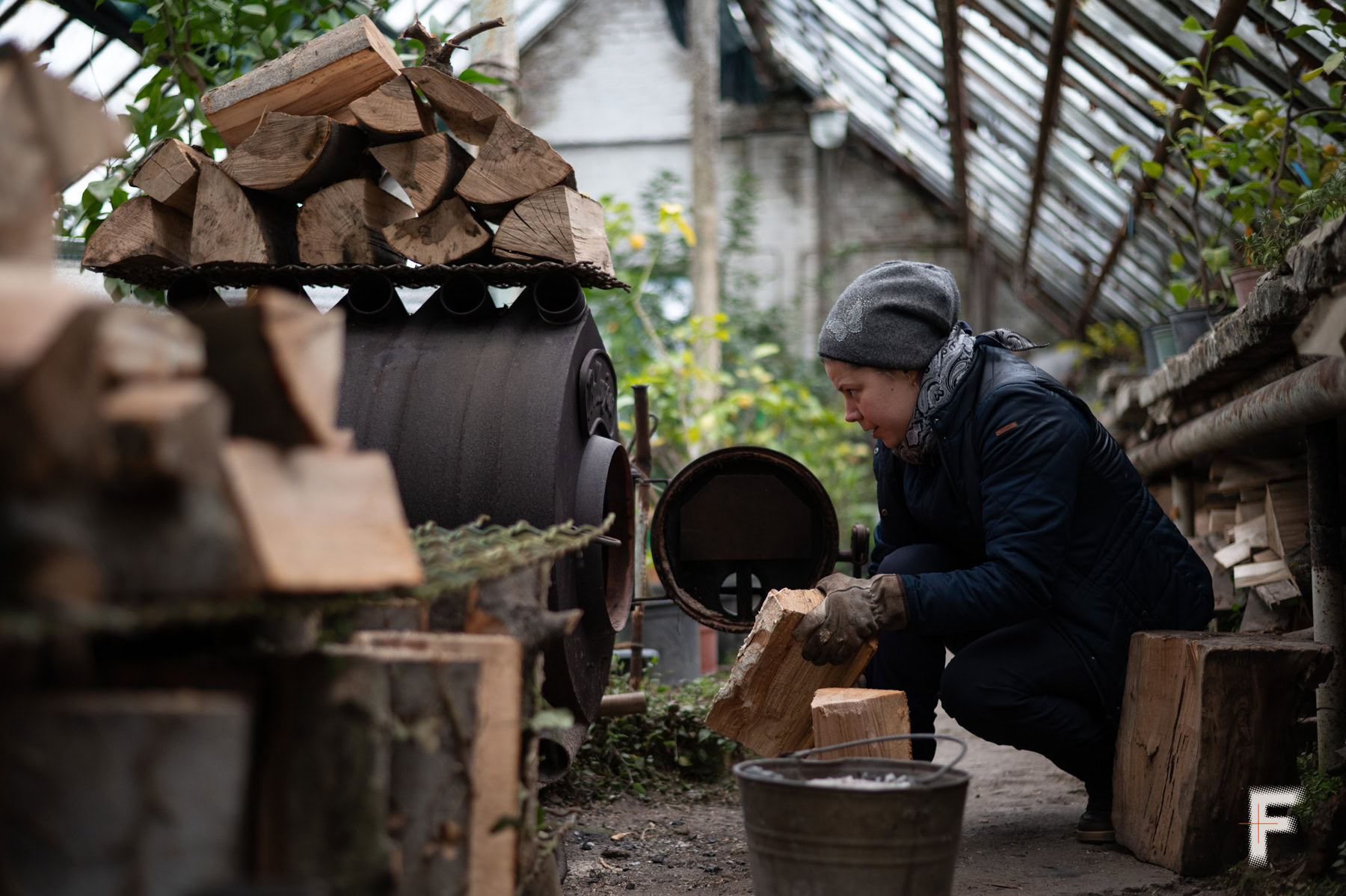
“Under normal circumstances, we don’t need to light this stove, as municipal heating is usually enough to maintain the proper temperature. But not this winter. Many plants are freezing now, and only time will tell how they will fare. We hope they can survive until spring,” says botanical garden staff member Ryma Hurieva.
A life’s work
Ryma Hurieva has been working at the botanical garden since 2023. She is an internally displaced person from Mariupol. Her family had to leave the city at the time of its complete occupation, when staying was no longer an option. Before the full-scale invasion, Ryma worked in retail but had always been interested in botany. She left her own bonsai tree collection behind in Mariupol, the fate of which is now unknown. After moving to Kyiv, she heard about a bonsai exhibition being organized at Hryshko Garden and joined as a volunteer. Later, she was offered the chance to lead the entire department.
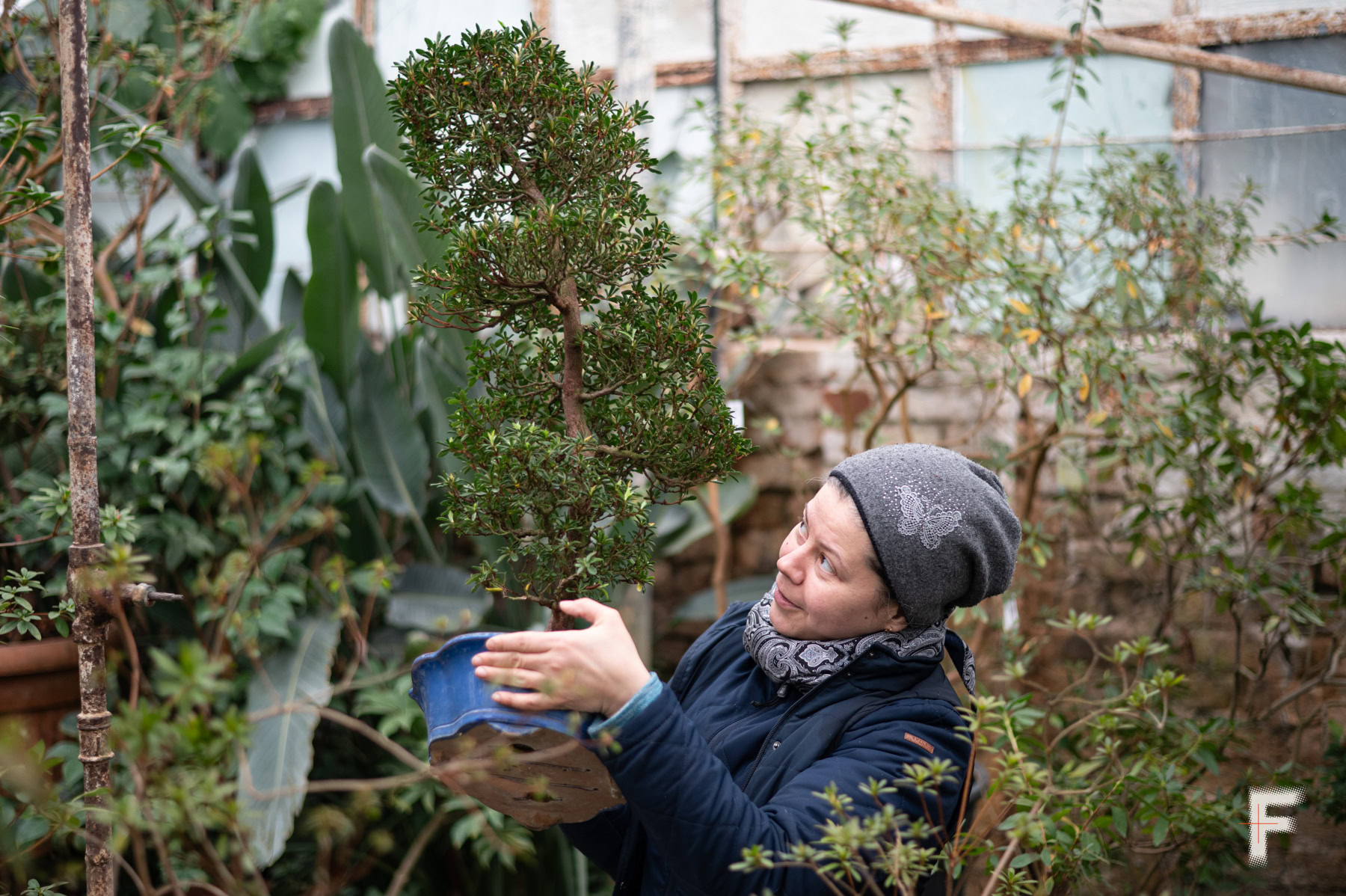
“The plants I had in my garden in Mariupol may have survived, but there were frosts, and it’s unlikely anyone is taking care of them now. You could say the war gave me the chance to do what I love. The bonsai collection at the botanical garden has been here for a long time, and that’s what brought me in. Each tree is incredibly beautiful, but growing them takes decades of meticulous work, shaping every branch. Right now, I’m focused on preparing them for exhibition,” says Ryma.
Displaced plants
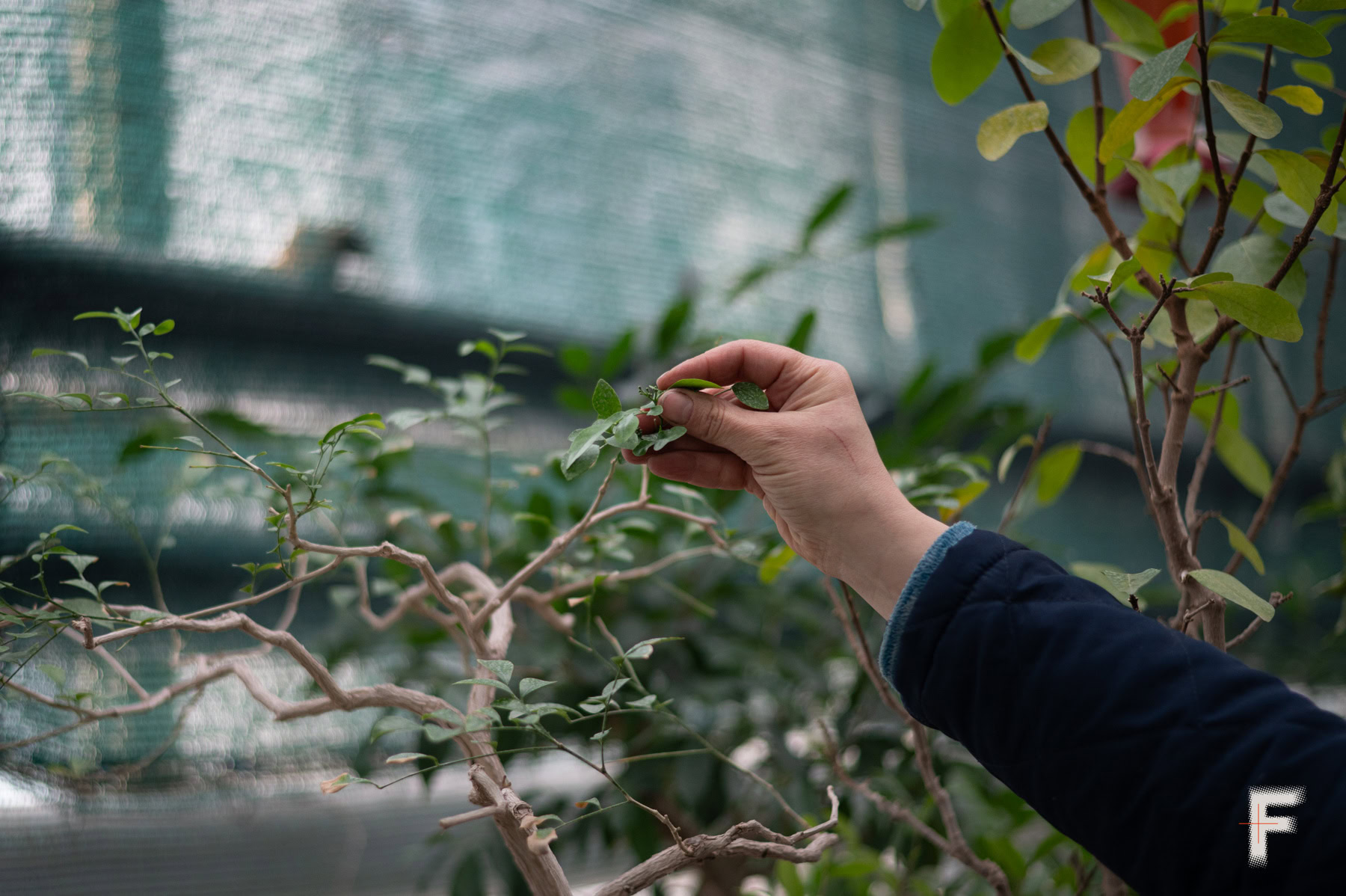
The botanical garden is also home to “displaced” plants. For many people leaving front-line areas or occupied cities, donating their potted plants to the garden’s greenhouses was the only way to save their collections. Today, an increasing number of Kyiv residents are turning to this option. With ongoing electricity and heating problems in residential buildings, it has become impossible to maintain the microclimate these delicate species require.
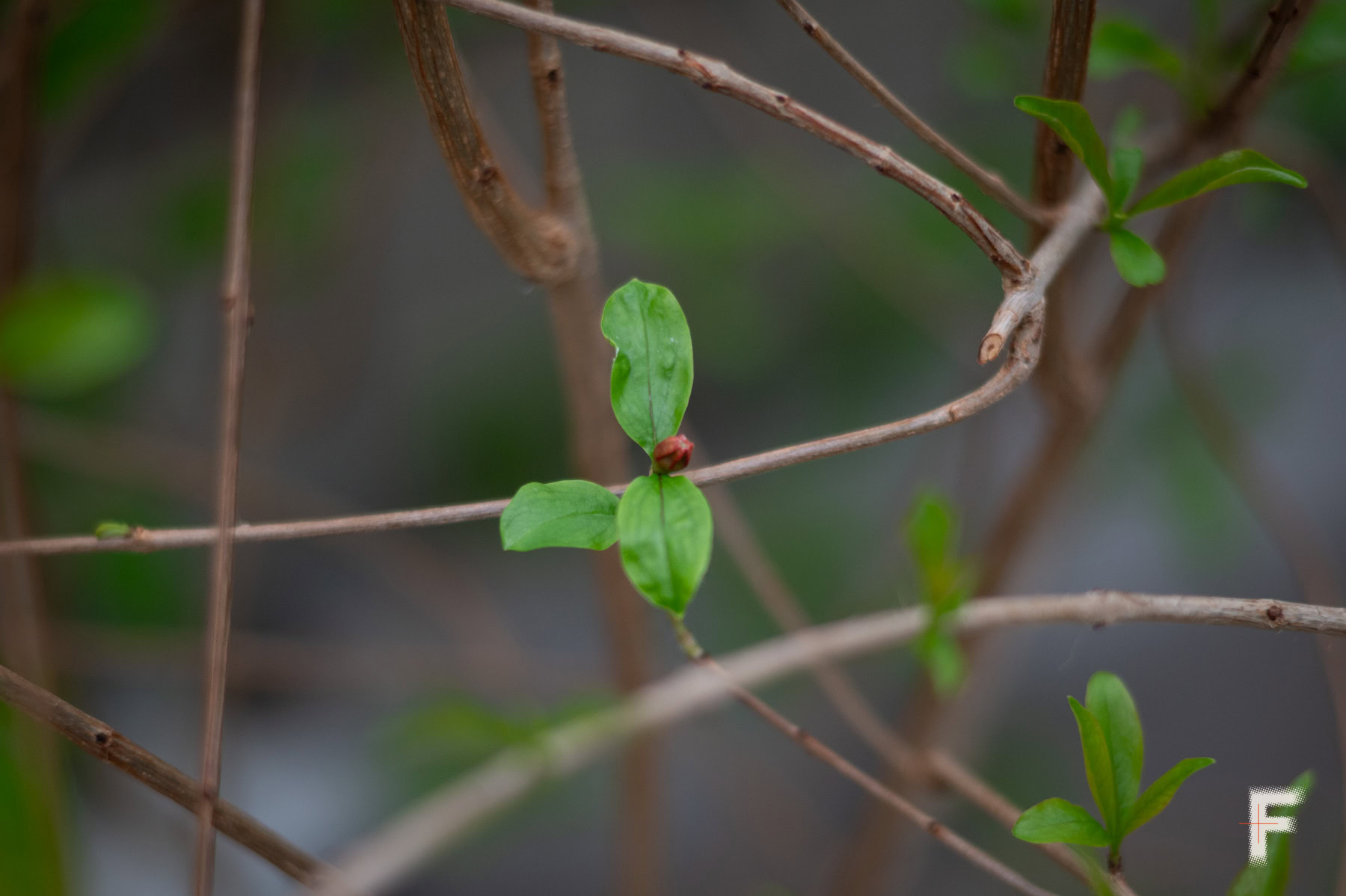
“We’ve taken in a few plants to help people, but right now, we can only take under our care something unusual or unique. Recently, a man from Kyiv wrote to me – he has a small Peruvian bromeliad and wants to give it to us. It’s important for us that each plant comes with its name and origin. Ordinary palms or avocados, for example, we simply have nowhere to put, even though we would love to help everyone,” says Roman Ivannikov.
Diplomatic relations
The botanical garden also serves as a hub for international cultural and scientific exchange, with a collection that includes plants donated or collected through foreign partners. Roman Ivannikov, head of the Tropical and Subtropical Plants Department, says the European scientific community closely monitors the fate of Kyiv’s specimens. Collections of this scale and diversity are rare even in Europe, making their preservation a matter of shared interest.
Before the full-scale invasion, the garden regularly hosted diplomatic delegations. Ambassadors would visit to see the plants from their regions or those their institutions had donated. Today, that diplomatic interest has turned to concern: European partners are keen to see how these collections – part of the world’s botanical heritage –are surviving amid the energy crisis and ongoing war.
“It’s a kind of ‘botanical diplomacy,’ and the war has partly put it on hold. Still, events with representatives from other countries go on, as we strive to maintain as normal an operation as possible despite all the challenges. Our experience in preserving a collection under wartime conditions is unique, and it will likely prove even more valuable once the war ends,” says Roman.
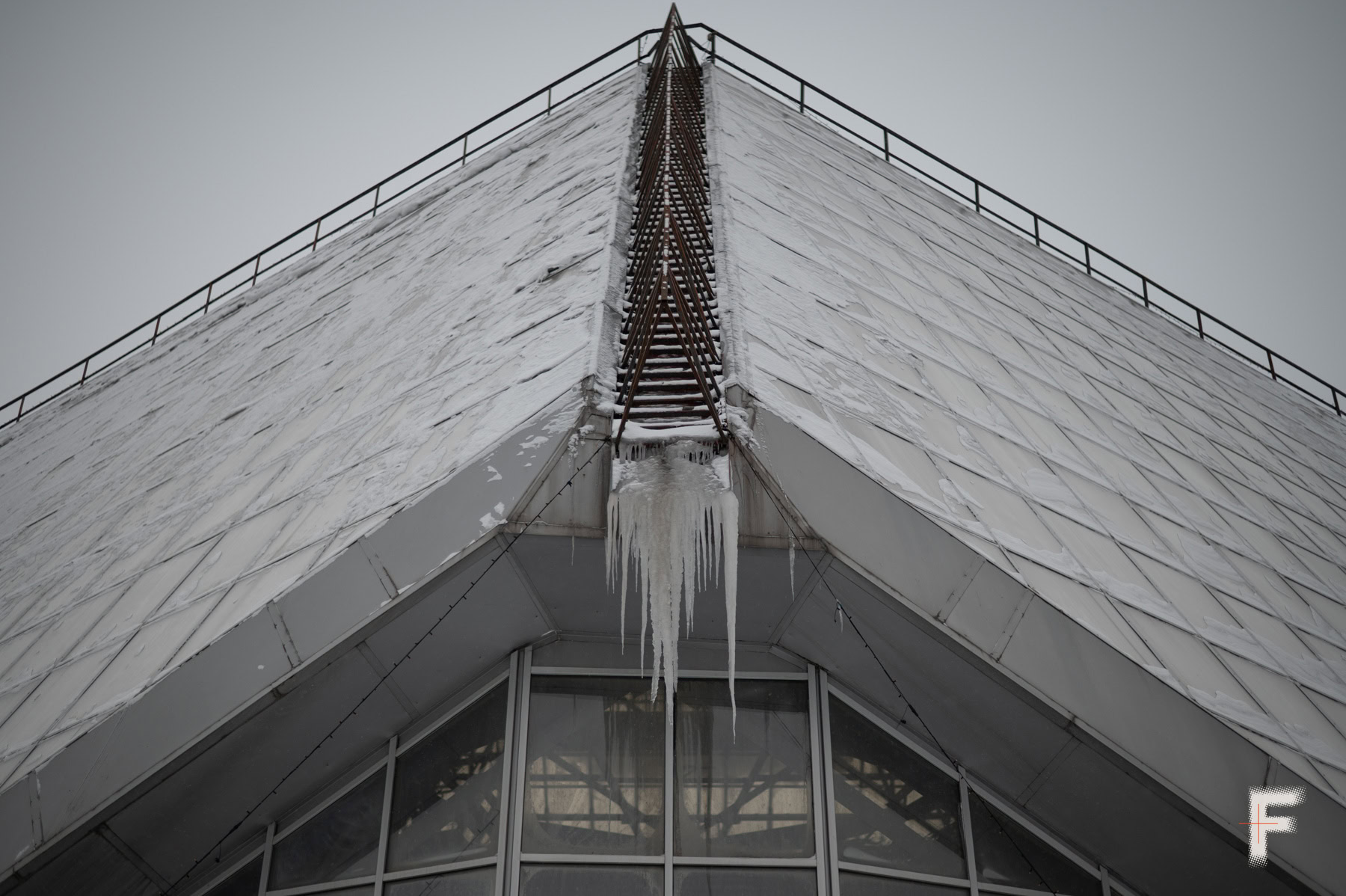
Most of the greenhouse facility is made of glass, which means a single blast wave could wipe out all the plants. Even tiny cracks in the structure can become deadly in freezing weather. Recently, during another attack, a window in one of the greenhouses cracked. Thanks to round-the-clock monitoring, the damage was spotted and repaired quickly, preventing a sudden plunge in temperature.
If the worst were to happen, the botanists are keeping seeds and young plants safe. This would make it possible to rebuild part of the collection – though it would take decades.